


Commercial HVAC inspections are a critical part of maintaining a safe, efficient, and reliable heating and cooling system for business facilities. Unlike residential systems, commercial HVAC equipment is larger, more complex, and often operates for longer hours to meet the demands of employees, customers, and sensitive equipment. Regular inspections help uncover hidden issues, verify system performance, and reduce the risk of unexpected breakdowns that can disrupt operations and lead to costly repairs.
For business owners and facility managers, understanding what to expect during a commercial HVAC inspection provides clarity and peace of mind. From electrical and safety checks to airflow evaluation, refrigerant levels, and control calibration, inspections offer a comprehensive snapshot of system health. This guide explains the inspection process, outlines what technicians typically evaluate, and highlights how routine inspections support long-term efficiency, comfort, and cost control.
What Is a Commercial HVAC Inspection?
A commercial HVAC inspection is a comprehensive evaluation of a building’s heating and cooling system designed to assess safety, performance, and overall condition. Inspections go beyond basic cleaning to provide a detailed understanding of how the system is operating and where potential issues may exist.
Definition and Purpose
A commercial HVAC inspection includes a thorough review of major system components such as electrical connections, controls, motors, refrigerant levels, airflow, and safety devices. Technicians also look for signs of wear, damage, or inefficiency that could impact operation. The primary goals of an inspection are to ensure system safety, maintain energy efficiency, verify proper performance, and support long-term equipment longevity by identifying problems early.
How It Differs from Routine Maintenance
While routine maintenance focuses on cleaning, adjustments, and basic upkeep, an inspection is more diagnostic in nature. Inspections are designed to evaluate system condition and identify underlying issues, while tune-ups are meant to keep the system running smoothly on a regular basis. Inspections are typically recommended annually or when performance issues arise, whereas routine maintenance is scheduled multiple times per year to prevent wear and maintain efficiency.
When You Should Schedule a Commercial HVAC Inspection
Timing plays a key role in getting the most value from a commercial HVAC inspection. Scheduling inspections at the right intervals helps prevent unexpected failures, maintain efficiency, and address issues before they disrupt business operations.
Seasonal Inspections
Seasonal inspections are commonly scheduled before peak cooling or heating periods to ensure systems are ready for increased demand. Pre-cooling inspections help identify issues that could impact performance during warmer months, such as refrigerant imbalances or airflow restrictions. Pre-heating inspections focus on verifying heating components, safety controls, and proper airflow before cooler weather. Seasonal checkups reduce the risk of mid-season breakdowns and improve system reliability.
Regular Inspection Intervals
Most commercial HVAC systems benefit from at least one comprehensive inspection each year. Buildings with heavy system usage, multiple zones, or critical operational requirements may require inspections more frequently. Regular inspections provide ongoing insight into system condition, helping facility managers plan maintenance and budget for future repairs or upgrades.
Situations That Trigger an Inspection
Certain situations should prompt an immediate HVAC inspection regardless of the regular schedule. These include noticeable performance issues, repeated system alarms, unusual noises, inconsistent temperatures, or tenant and occupant complaints. Inspections are also recommended after major repairs, renovations, or changes in building usage, as these factors can affect system performance and airflow balance.
What Technicians Check During a Commercial HVAC Inspection
1. Electrical Components and Safety Controls
Technicians inspect all electrical components to ensure the system operates safely and reliably. This includes checking wiring for wear or loose connections, testing relays and contactors, inspecting fuses, and verifying that safety switches are functioning correctly. Electrical issues are a common cause of HVAC failures, so identifying problems early helps prevent shutdowns, equipment damage, and safety hazards.
2. Refrigerant Levels and Leak Detection
Proper refrigerant charge is essential for efficient cooling and system longevity. During an inspection, technicians measure refrigerant levels and look for signs of leaks that could reduce cooling capacity or increase energy consumption. Low or improperly charged refrigerant forces the system to work harder, leading to higher operating costs and potential compressor damage.
3. Airflow and Duct Inspection
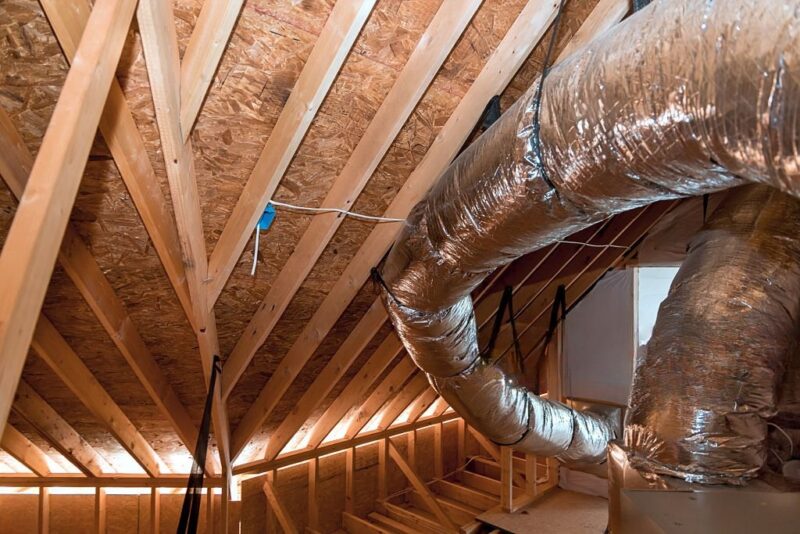
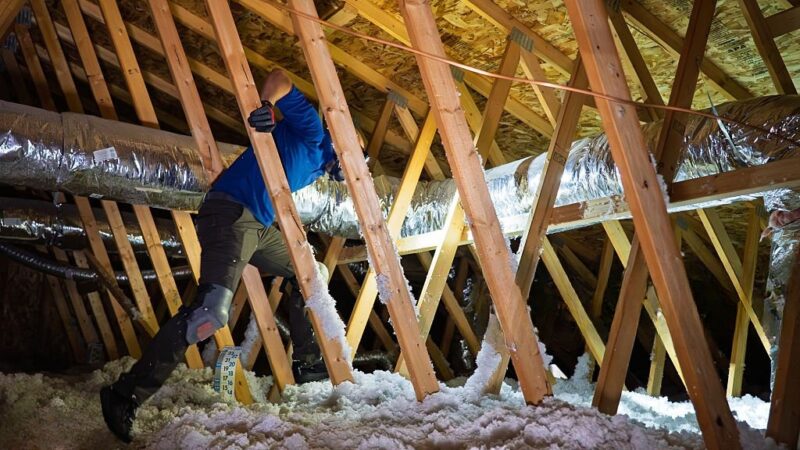
Airflow plays a major role in system performance and occupant comfort. Technicians inspect air filters for buildup, check vents for blockages, and examine ductwork for leaks or damage. Poor airflow can reduce efficiency, cause uneven temperatures, and place additional strain on HVAC components, making this a critical part of the inspection process.
4. Heating and Cooling Performance
Inspecting heating and cooling components helps verify that the system is delivering consistent and effective temperature control. Technicians examine burners, heat exchangers, compressors, and coils for signs of wear, corrosion, or reduced performance. These checks help identify declining efficiency, safety concerns, or parts that may soon require repair or replacement.
5. Thermostat and Control Calibration
Accurate controls are essential for proper system operation. Technicians test thermostats and control systems to ensure they are correctly calibrated and communicating effectively with HVAC equipment. Misaligned sensors or faulty controls can cause short cycling, inconsistent temperatures, and unnecessary energy use.
6. Indoor Air Quality and Ventilation Checks
Indoor air quality and ventilation are evaluated to ensure healthy air circulation throughout the building. Technicians check for excess moisture, signs of mold growth, and the condition of IAQ components such as ventilation systems or air purification devices. Proper ventilation helps maintain occupant comfort, reduces airborne contaminants, and supports a healthier indoor environment.
Step-by-Step: What to Expect During the Inspection
1. Arrival and Initial Walkthrough
The inspection begins with the technician’s arrival and an initial walkthrough of the facility. During this stage, safety checks are performed, including verifying safe access to mechanical rooms, rooftops, or equipment areas. The technician may ask questions about system performance, recent issues, occupancy patterns, or comfort concerns. This site assessment helps identify any visible problems and sets the context for a more detailed inspection.
2. System Startup and Diagnostics
Next, the technician starts or observes the HVAC system in operation to evaluate real-time performance. This includes monitoring startup behavior, listening for abnormal sounds, and taking baseline readings such as temperatures, pressures, and electrical measurements. Diagnostic tools may be used to identify performance irregularities that are not visible during a visual inspection. These baseline readings help determine whether the system is operating within manufacturer and safety specifications.
3. Detailed Component Inspection
After initial diagnostics, the technician conducts a detailed inspection of individual components. This includes visually examining electrical connections, motors, belts, coils, filters, and controls, as well as testing key components for proper function. Both visual checks and diagnostic measurements are used to identify wear, inefficiencies, or early signs of failure. This step ensures that both mechanical and electrical aspects of the system are thoroughly evaluated.
4. Reporting and Recommendations
Once the inspection is complete, the technician provides a summary of findings and recommendations. This typically includes a written report outlining system condition, identified issues, and suggested next steps such as repairs, maintenance, or performance improvements. Recommendations may be prioritized based on urgency, helping facility managers plan repairs and budget effectively. The goal of the report is to provide clear, actionable insight into the health of the HVAC system.
3 Common Issues Found During Commercial HVAC Inspections
1. Dirty or Clogged Filters
Dirty or clogged air filters are among the most common issues found during inspections. Restricted airflow caused by dirty filters forces the system to work harder to circulate air, reducing efficiency and increasing energy consumption. Over time, this added strain can lead to overheating, uneven temperatures, and premature wear on motors and fans. Regular filter replacement is a simple but critical step in maintaining system performance.
2. Refrigerant Imbalance or Leaks
Refrigerant imbalances or leaks can significantly impact cooling performance and system efficiency. Common signs include reduced cooling capacity, longer run times, frozen coils, or rising energy bills. Low refrigerant levels place additional stress on compressors, increasing the risk of major component failure. Inspections help detect leaks early, allowing repairs before more extensive and costly damage occurs.
3. Wear and Tear on Moving Parts
Moving parts such as belts, motors, and bearings experience natural wear over time, especially in commercial systems that operate for long hours. Inspections often uncover frayed belts, worn bearings, or motors showing signs of overheating or vibration. Addressing wear early helps maintain smooth operation, reduces noise, and prevents unexpected breakdowns that could disrupt business operations.
Cost of a Commercial HVAC Inspection
The cost of a commercial HVAC inspection is a worthwhile investment that helps businesses avoid unexpected repairs and system downtime. While pricing can vary, inspections are generally far less expensive than emergency repairs or system failures.
Typical Price Ranges
Commercial HVAC inspection costs vary based on system type and complexity. Smaller commercial systems typically fall on the lower end of the price range, while larger or multi-unit systems may require a higher investment due to extended inspection time and additional components. Inspections that cover multiple rooftop units, zoned systems, or advanced controls may also cost more. Despite these variables, inspections are typically affordable when compared to repair or replacement expenses.
Factors That Influence Pricing
Several factors influence the cost of a commercial HVAC inspection. System size and complexity play a major role, as larger systems require more time and expertise to evaluate. Accessibility also affects pricing, especially for rooftop units or systems located in hard-to-reach mechanical areas. Seasonal demand can impact cost as well, with inspections sometimes priced higher during peak cooling or heating seasons when technician availability is limited.
Value of Inspections vs. Emergency Repairs
Regular inspections provide long-term financial benefits by identifying small issues before they escalate into major failures. Emergency repairs often involve higher labor costs, expedited parts, and potential business disruption. By investing in routine inspections, businesses can reduce emergency service calls, extend equipment lifespan, and maintain more predictable HVAC expenses over time.
How to Prepare Your Building for an HVAC Inspection
1. Clearing Access to Units
Before the inspection, make sure all HVAC equipment is easily accessible. This includes clearing pathways to rooftop units, mechanical rooms, and equipment closets so technicians can safely reach and inspect all components. Rooftop access points should be unlocked and free of obstructions, while interior areas should have adequate lighting and space around the equipment. Clear access not only improves safety but also allows for a more thorough and efficient inspection.
2. Gathering System Documentation
Having system documentation ready can greatly enhance the inspection process. Manuals, maintenance records, warranty information, and previous inspection or repair reports provide valuable insight into system history and recurring issues. This information helps technicians understand how the system has been maintained, identify patterns of wear or failure, and make more informed recommendations for repairs or improvements.
3. Communicating Occupancy and Usage Patterns
Sharing details about how the building is used helps technicians tailor the inspection to real-world conditions. Informing them about operating hours, peak occupancy times, special-use areas, or recent changes in building use allows for a more accurate assessment of system performance. Unique considerations such as extended hours, high-traffic areas, or sensitive equipment loads can influence airflow, temperature control, and system wear, making this communication an important part of preparation.
After the Inspection: Next Steps
Once the commercial HVAC inspection is complete, taking the right follow-up steps ensures the findings translate into better performance, reliability, and cost control. Acting promptly on inspection results helps protect your system and maximize the value of the inspection.
1. Understanding the Inspection Report
The inspection report provides a detailed overview of system condition, test results, and identified issues. Key items to look for include noted deficiencies, safety concerns, efficiency problems, and components showing signs of wear. Reports often categorize issues by urgency, helping you distinguish between immediate needs and items that can be monitored over time. Reviewing this information carefully allows you to make informed decisions about next steps and budgeting.
2. Scheduling Repairs or Tune-Ups
After reviewing the report, the next step is scheduling recommended repairs or tune-ups. Prioritizing issues based on safety, system reliability, and potential impact on operations helps prevent minor problems from escalating into major failures. Addressing high-priority items quickly can restore efficiency, reduce energy waste, and minimize the risk of unexpected downtime during peak usage periods.
3. Setting Up a Regular Inspection Routine
Establishing a regular inspection routine helps maintain consistent system performance and long-term reliability. Most commercial facilities benefit from annual inspections, while buildings with heavy system use or complex configurations may require more frequent evaluations. Aligning inspections with seasonal maintenance schedules ensures ongoing oversight and helps keep HVAC systems operating efficiently year after year.
FAQs about Commercial HVAC Inspection
How long does a commercial HVAC inspection take?
The length of a commercial HVAC inspection depends on system size, complexity, and accessibility. Smaller systems may take one to two hours, while larger facilities with multiple rooftop units, zoning controls, or advanced equipment may require several hours. A thorough inspection ensures all critical components are properly evaluated.
How often should commercial HVAC inspections be scheduled?
Most commercial HVAC systems should receive a comprehensive inspection at least once per year. Buildings with heavy usage, multiple zones, or mission-critical operations may benefit from more frequent inspections. Annual inspections combined with routine maintenance help prevent unexpected failures and extend system lifespan.
Is a commercial HVAC inspection the same as maintenance?
No, inspections and maintenance serve different purposes. An inspection focuses on evaluating system condition, safety, and performance, while maintenance involves cleaning, adjustments, and minor servicing to keep the system running smoothly. Inspections identify issues, while maintenance addresses routine upkeep.
Can a commercial HVAC inspection prevent system breakdowns?
While no inspection can guarantee a system will never fail, regular inspections greatly reduce the risk of unexpected breakdowns. By identifying worn components, airflow issues, or electrical problems early, inspections allow repairs to be made before they lead to major system failures or downtime.
Do HVAC inspections disrupt business operations?
In most cases, commercial HVAC inspections cause minimal disruption. Technicians may briefly cycle equipment on and off or access rooftop or mechanical areas, but inspections are typically scheduled to minimize impact on daily operations. Communicating building usage ahead of time helps ensure a smooth process.
Are inspection reports provided after the service?
Yes, professional commercial HVAC inspections typically include a written report. This report outlines system condition, test results, identified issues, and recommended next steps. Having documented findings helps with maintenance planning, budgeting, and compliance records.
Is a commercial HVAC inspection worth the cost?
Yes, inspections are a cost-effective preventive measure. The expense of an inspection is usually far less than the cost of emergency repairs, system downtime, or premature equipment replacement. Regular inspections help protect your investment and support long-term HVAC performance.
Inspect Today, Repair Less Tomorrow!
Commercial HVAC inspections play an important role in maintaining safe, efficient, and reliable building operations. By identifying potential problems early, inspections help reduce the risk of unexpected breakdowns, improve energy performance, and extend the lifespan of critical HVAC components. Whether performed as part of a routine service plan or in response to performance concerns, inspections provide a clear picture of system health and support better long-term planning for air conditioning repairs in Port Charlotte, upgrades, and AC maintenance in Port Charlotte, AC replacement in Port Charlotte, indoor air quality in Port Charlotte.
If you want greater confidence in your HVAC system and a clear understanding of its condition, we’re here to help. At Dale’s AC, as a reliable HVAC company in Port Charlotte we take a detailed and transparent approach to commercial HVAC services in Port Charlotte and residential HVAC services in Port Charlotte, ensuring you know what’s working, what needs attention, and how to move forward. Call us today at (941) 629-1712 or contact us to schedule a commercial HVAC inspection and keep your system operating efficiently and reliably.