


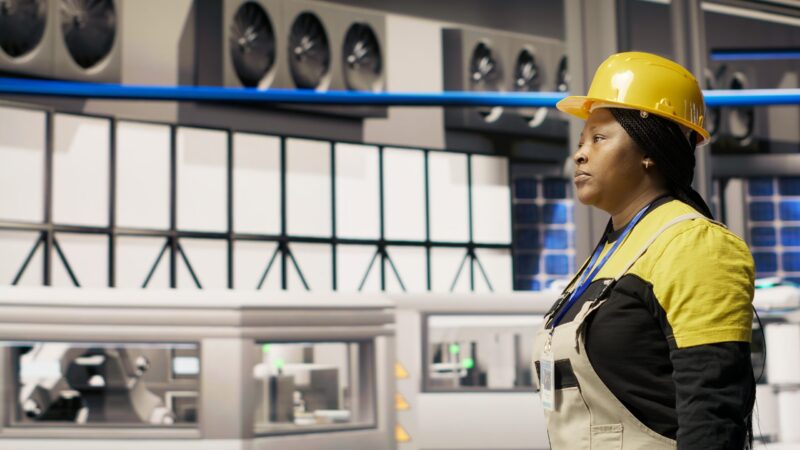
Florida businesses don’t get a break from the heat. With long cooling seasons, high humidity, and constant demand on HVAC systems, choosing the right commercial setup is more than a comfort decision—it’s a business-critical investment. The wrong system can drive up energy costs, strain equipment, and disrupt daily operations, while the right one can improve efficiency, reliability, and indoor comfort year-round.
In this guide, we’ll break down the best commercial HVAC systems for Florida businesses, explain what makes them well-suited for hot and humid conditions, and help you understand which options deliver the best performance, longevity, and return on investment. Whether you run a retail store, office building, restaurant, or medical facility, this overview will help you make a smarter, climate-ready HVAC decision.
Why Choosing the Right Commercial HVAC System Matters in Florida
Florida’s Heat, Humidity, and Year-Round Cooling Demand
Florida’s climate puts commercial HVAC systems under constant pressure. High temperatures, intense sun exposure, and elevated humidity levels mean cooling systems often run for most of the year, not just during summer months. This nonstop demand requires equipment designed to handle long run times, effective moisture removal, and consistent performance without overheating or short cycling. Systems not built for these conditions can struggle to keep spaces comfortable and may wear out far sooner than expected.
Impact on Energy Costs, Equipment Lifespan, and Business Operations
In Florida, HVAC is typically one of the largest energy expenses for a business. An inefficient or poorly matched system can dramatically increase utility bills while delivering uneven results. Beyond energy costs, improper system selection accelerates wear on compressors, motors, and electrical components, leading to frequent repairs and unexpected downtime. For businesses, that downtime can mean lost productivity, disrupted services, and even temporary closures—making system reliability just as important as upfront cost.
Comfort, Productivity, and Customer Experience in Commercial Spaces
Indoor comfort directly affects how people experience your business. Employees are more productive when temperatures and humidity are controlled, and customers are far more likely to stay longer and return when a space feels comfortable. Inconsistent cooling, stuffy air, or excess humidity can quickly impact morale, health, and brand perception. Choosing the right commercial HVAC system ensures stable temperatures, better air quality, and a more inviting environment—helping your business operate smoothly while leaving a positive impression on everyone who walks through the door.
5 Key Factors Florida Businesses Must Consider When Selecting HVAC Systems
1. Climate Performance & Humidity Control
Florida’s climate demands more from HVAC systems than simple temperature control. High humidity levels can make indoor spaces feel warmer, promote mold growth, and negatively affect indoor air quality if not properly managed. Commercial systems should be designed with strong dehumidification capabilities, variable-speed operation, and moisture management features that keep humidity in check even during mild but damp weather. Effective humidity control not only improves comfort but also protects equipment, furnishings, and building materials from long-term moisture damage.
2. Energy Efficiency Ratings (EER, IEER, SEER2)
Energy efficiency plays a major role in operating costs for Florida businesses that rely on cooling year-round. Metrics like EER and IEER are especially important for commercial applications because they measure performance under steady-state and part-load conditions, which are common in real-world use. SEER2 still provides useful context for overall efficiency, but commercial buyers should prioritize ratings that reflect continuous operation and variable demand. Higher efficiency systems typically cost more upfront but often deliver significant savings over time through reduced energy consumption.
3. Building Size, Layout, and Occupancy Patterns
Every commercial building has unique cooling requirements based on its size, layout, and how it’s used. Large open spaces, multi-story buildings, and facilities with varying room functions require careful load calculations and thoughtful zoning strategies. Occupancy patterns also matter—spaces with fluctuating foot traffic or varying schedules may benefit from systems that can adjust output dynamically. Choosing equipment that matches these factors ensures even comfort, avoids overworking the system, and prevents wasted energy.
4. Industry-Specific Needs (Retail, Healthcare, Food Service, etc.)
Different industries place very different demands on HVAC systems. Retail spaces need consistent comfort to keep customers engaged, while restaurants require systems that can handle heat and moisture from cooking equipment. Healthcare facilities demand precise temperature control, enhanced filtration, and strict ventilation standards. Selecting an HVAC system with features tailored to your industry helps ensure compliance, protects occupant health, and supports daily operations without compromise.
5. Maintenance Accessibility & Serviceability
In Florida’s demanding climate, regular maintenance is essential for long-term system performance. Commercial HVAC systems should be designed with service access in mind, allowing technicians to inspect, clean, and repair components efficiently. Easy access to filters, coils, motors, and controls reduces service time and helps prevent minor issues from becoming major failures. A system that’s easier to maintain will typically last longer, perform more reliably, and result in lower lifetime operating costs for your business.
5 Top Types of Commercial HVAC Systems for Florida Businesses
1. Rooftop Units (RTUs)
Rooftop units are one of the most common commercial HVAC solutions in Florida, especially for retail centers, office buildings, and strip malls. These self-contained systems combine heating, cooling, and air distribution into a single package installed on the roof, freeing up valuable interior space. RTUs are built to withstand Florida’s heat, heavy rain, and high humidity, and their elevated placement helps reduce flood risk while simplifying maintenance access. For many businesses, RTUs offer a reliable, space-saving option with predictable performance.
2. Variable Refrigerant Flow (VRF / VRV) Systems
VRF and VRV systems are known for their advanced zoning capabilities and exceptional energy efficiency. They allow multiple indoor units to connect to a single outdoor system, delivering precise temperature control to different zones simultaneously. This makes them ideal for offices, hotels, and mixed-use buildings where comfort needs vary by room or floor. In Florida’s climate, VRF systems shine by adjusting output based on demand, reducing energy waste while maintaining consistent comfort and humidity control.
3. Split Commercial HVAC Systems
Split commercial HVAC systems provide a flexible and cost-effective solution for mid-sized facilities such as small office buildings, medical practices, and light commercial spaces. These systems separate the indoor and outdoor components, allowing for adaptable installation where rooftop placement may not be practical. While they may not offer the same level of zoning as VRF systems, split systems typically come with a lower upfront cost and reliable performance, making them a popular choice for businesses balancing budget and efficiency.
4. Chiller Systems
Chiller systems are designed for large commercial and industrial facilities with substantial cooling demands, such as hospitals, manufacturing plants, and large office complexes. These systems use chilled water to provide centralized cooling across extensive building areas. Chillers excel in high-capacity applications and can be paired with air handlers and cooling towers for efficient temperature control. For Florida businesses operating large or high-load facilities, chillers offer scalability, durability, and long-term efficiency when properly maintained.
5. Heat Pump Systems for Commercial Use
Commercial heat pump systems are well suited to Florida’s mild winters and long cooling seasons. They provide both heating and cooling from a single system by transferring heat rather than generating it, resulting in lower operating costs throughout the year. Modern commercial heat pumps deliver consistent comfort, strong humidity control, and improved energy efficiency, making them an attractive option for businesses looking to reduce energy consumption without sacrificing performance. Long-term system performance. Commercial HVAC systems should be designed with service access in mind, allowing technicians to inspect, clean, and repair components efficiently. Easy access to filters, coils, motors, and controls reduces service time and helps prevent minor issues from becoming major failures. A system that’s easier to maintain will typically last longer, perform more reliably, and result in lower lifetime operating costs for your business.
6 Best Commercial HVAC Systems by Business Type
1. Retail Stores & Shopping Centers
Retail environments need HVAC systems that can handle frequent door openings, fluctuating occupancy, and long operating hours while maintaining a comfortable shopping experience. Rooftop units (RTUs) are often the go-to choice for retail stores and shopping centers because they are cost-effective, easy to maintain, and scalable as spaces expand. For larger centers or stores with varying zones, RTUs paired with advanced controls or demand-based ventilation help manage energy use while keeping customers comfortable.
2. Office Buildings & Corporate Spaces
Office buildings benefit most from systems that provide consistent temperatures, quiet operation, and flexible zoning. Variable Refrigerant Flow (VRF/VRV) systems are especially effective in corporate environments, allowing different floors or departments to maintain individual comfort settings. Split commercial systems are also common in smaller office buildings, offering reliable performance and lower upfront costs while still supporting energy-efficient operation throughout the workday.
3. Restaurants & Commercial Kitchens
Restaurants face unique HVAC challenges due to heat from cooking equipment, high humidity, and strict ventilation requirements. Dedicated Outdoor Air Systems (DOAS), make-up air units, and high-capacity rooftop systems are often used to balance fresh air needs with temperature control. These systems help remove heat, smoke, and odors while maintaining comfortable dining areas and complying with health and safety codes.
4. Healthcare & Medical Facilities
Healthcare and medical facilities require precise temperature control, superior indoor air quality, and dependable redundancy. Chiller systems, VRF systems with enhanced filtration, and specialized air handlers are commonly used to meet strict regulatory and hygiene standards. Advanced filtration, humidity control, and continuous operation capabilities ensure patient comfort, protect sensitive equipment, and support infection control protocols.
5. Warehouses & Industrial Buildings
Warehouses and industrial facilities typically prioritize durability, capacity, and airflow over fine zoning. Large rooftop units, packaged systems, or evaporative-assisted cooling solutions are often ideal for these spaces. For facilities with varying usage zones or temperature-sensitive storage areas, supplemental zoning or spot-cooling systems can improve efficiency without overconditioning the entire building.
6. Hospitality & Multi-Tenant Properties
Hotels, resorts, and multi-tenant properties demand HVAC systems that deliver individual comfort control while keeping operating costs manageable. VRF systems are a popular choice due to their zoning flexibility and quiet performance, allowing guests or tenants to control their own spaces. In larger hospitality properties, chillers combined with fan coil units provide centralized efficiency while supporting consistent comfort across rooms, common areas, and amenities.
Energy Efficiency & Cost Savings for Florida Businesses
Reducing Peak Cooling Loads
In Florida’s hot, humid climate, peak cooling demand is one of the biggest drivers of commercial energy costs. Choosing the right HVAC system and design helps reduce these peak loads by improving heat rejection, humidity control, and airflow efficiency. High-efficiency equipment, proper system sizing, reflective roofing, and well-sealed ductwork all work together to limit how hard the system has to run during the hottest parts of the day. Lower peak demand not only reduces monthly utility bills but can also help businesses avoid demand charges from utility providers.
Smart Controls, Scheduling, and Automation
Modern commercial HVAC services in Port Charlotte offer advanced controls that dramatically improve efficiency without sacrificing comfort. Smart thermostats, zoning controls, and building automation systems allow businesses to schedule cooling based on occupancy, operating hours, and usage patterns. For example, offices can reduce cooling during evenings and weekends, while retail spaces can pre-cool before opening hours. Automated adjustments, real-time monitoring, and demand-controlled ventilation ensure energy is used only where and when it’s needed.
Utility Rebates, Tax Credits, and Incentives in Florida
Florida businesses may qualify for utility rebates, manufacturer incentives, and federal or state tax credits when upgrading to high-efficiency HVAC systems. These programs often reward investments in ENERGY STAR-rated equipment, high EER or IEER systems, and advanced controls. Taking advantage of available incentives can significantly offset upfront costs, making premium systems more affordable while accelerating return on investment.
Lifecycle Cost vs Upfront Investment
While high-efficiency commercial HVAC systems may cost more initially, they typically deliver lower operating costs, fewer repairs, and longer service life. When evaluating options, it’s important to look beyond the purchase price and consider total lifecycle costs, including energy consumption, maintenance, downtime, and replacement timelines. For many Florida businesses, investing in a more efficient system pays off through consistent savings, improved reliability, and better comfort over the life of the equipment.
Indoor Air Quality (IAQ) Solutions for Commercial HVAC Systems
Managing Humidity in High-Traffic Spaces
In Florida, humidity control is just as important as temperature control, especially in busy commercial environments. High foot traffic introduces moisture from outdoor air, door openings, and occupant activity, which can quickly raise indoor humidity levels. Commercial HVAC systems designed with proper dehumidification help prevent sticky conditions, musty odors, and mold growth. Maintaining balanced humidity not only improves comfort but also protects building materials, inventory, and sensitive equipment while creating a healthier environment for employees and customers.
Advanced Filtration (MERV, HEPA)
Upgraded air filtration is a key component of strong indoor air quality in commercial settings. MERV-rated filters capture dust, pollen, and other airborne particles, while higher-grade HEPA filtration removes much smaller contaminants, including fine particulates and some pathogens. Choosing the right filtration level depends on the type of business, occupancy levels, and airflow requirements. Properly selected and maintained filters improve air cleanliness without restricting airflow or overworking the HVAC system.
UV Lights & Air Purification Systems
UV light and air purification technologies add an extra layer of protection for commercial indoor air. UV systems are often installed near coils or within air handlers to reduce microbial growth, helping keep HVAC components cleaner and airflow more efficient. Air purification systems can further neutralize airborne pollutants, odors, and allergens, supporting healthier indoor environments. These solutions are especially valuable in healthcare facilities, offices, restaurants, and other spaces where air quality directly impacts health and customer experience.
Fresh Air Ventilation & DOAS Integration
Bringing in fresh outdoor air is essential for commercial buildings, but it must be done efficiently to avoid excessive energy use. Dedicated Outdoor Air Systems (DOAS) are designed to manage ventilation independently from heating and cooling, delivering conditioned fresh air while controlling humidity. When integrated with commercial HVAC systems, DOAS improves indoor air quality, meets ventilation code requirements, and reduces strain on primary cooling equipment. This approach ensures consistent air exchange without compromising comfort or efficiency.
Installation & Design Best Practices for Florida Commercial HVAC
Proper Load Calculations & System Sizing
Accurate load calculations are the foundation of a high-performing commercial HVAC system, especially in Florida’s demanding climate. Oversized systems can short-cycle, struggle with humidity control, and wear out faster, while undersized systems run constantly and drive up energy costs. Proper sizing accounts for square footage, ceiling height, insulation, window exposure, occupancy levels, and internal heat from equipment and lighting. When load calculations are done correctly, businesses benefit from consistent comfort, better dehumidification, and lower long-term operating costs.
Ductwork Design for Humid Environments
In humid environments like Florida, ductwork design plays a major role in system efficiency and indoor air quality in Port Charlotte. Poorly sealed or insulated ducts can allow moisture infiltration, air leakage, and condensation, leading to energy losses and potential mold issues. Best practices include tight sealing, proper insulation, and balanced airflow to maintain consistent temperatures throughout the space. Well-designed duct systems help prevent hot spots, reduce strain on equipment, and support effective humidity control year-round.
Rooftop vs Ground-Mounted Equipment Considerations
Choosing between rooftop and ground-mounted commercial HVAC equipment depends on building layout, space constraints, and environmental exposure. Rooftop units are popular in Florida for saving ground space and keeping equipment out of flood-prone areas, but they must be designed for easy service access and strong wind resistance. Ground-mounted systems may simplify maintenance but require proper elevation, drainage, and protection from flooding and debris. Evaluating these factors during design ensures durability, safety, and long-term reliability.
Florida Codes, Permits, and Wind-Load Requirements
Commercial HVAC installations in Florida must meet strict building codes and permitting requirements, including wind-load standards designed for hurricane conditions. Equipment anchoring, structural supports, electrical connections, and ventilation all fall under state and local regulations. Compliance with Florida Building Code requirements helps protect systems during severe weather and avoids costly delays, fines, or rework. Working with experienced commercial HVAC professionals ensures every AC installation in Port Charlotte meets code, passes inspections, and is built to withstand Florida’s climate challenges.
Maintenance & Longevity in Florida’s Climate
Preventive Maintenance Plans for Commercial Systems
Florida’s heat and humidity put commercial HVAC systems under constant stress, making preventive maintenance essential rather than optional. Routine service plans typically include filter changes, coil cleaning, belt and motor inspections, refrigerant checks, and calibration of controls. These scheduled visits help catch small issues before they turn into expensive failures, maintain energy efficiency, and extend equipment lifespan. For businesses, preventive AC maintenance in Port Charlotte also protects warranties and ensures consistent comfort for employees and customers year-round.
Corrosion Protection & Coastal Considerations
In coastal and high-humidity areas, corrosion is one of the biggest threats to HVAC longevity. Salt air, moisture, and frequent storms can accelerate rust on coils, cabinets, and electrical components. Protective coil coatings, corrosion-resistant materials, proper drainage, and regular cleaning are critical safeguards for Florida-based systems. Addressing corrosion early helps preserve system performance, reduce repair frequency, and avoid premature equipment replacement.
Predictive Maintenance & Monitoring Technology
Modern commercial HVAC systems increasingly rely on predictive maintenance tools to stay ahead of breakdowns. Sensors, smart controls, and monitoring software track performance data such as temperatures, pressures, run times, and energy usage. When readings fall outside normal ranges, maintenance teams can intervene before a failure occurs. This data-driven approach improves reliability, optimizes maintenance schedules, and helps businesses better control operating costs.
Minimizing Downtime During Peak Business Hours
Unexpected HVAC downtime can disrupt operations, affect customer experience, and reduce productivity—especially during Florida’s hottest months. Strategic maintenance scheduling, rapid-response service agreements, and proactive diagnostics help minimize interruptions. Many commercial providers plan service during off-hours or low-traffic periods to keep businesses running smoothly. By prioritizing reliability and response planning, companies can maintain comfort without sacrificing daily operations.
Repair vs Replacement — Knowing When to Upgrade
Signs Your Commercial HVAC Is No Longer Efficient
As commercial HVAC systems age, efficiency naturally declines, especially under Florida’s demanding climate. Common warning signs include rising energy bills without changes in usage, inconsistent temperatures across the building, frequent breakdowns, short cycling, and excessive run times. Older systems may also struggle with humidity control, leading to comfort complaints and indoor air quality issues. When repairs become more frequent and performance continues to drop, it’s often a signal that the system is nearing the end of its practical lifespan.
Cost Thresholds That Justify Replacement
A helpful guideline many businesses use is the “repair vs replacement cost rule.” If a single repair approaches 30 to 50 percent of the cost of a new system, AC replacement in Port Charlotte usually makes more financial sense. This is especially true when the equipment is 12 to 15 years old or older, parts are becoming harder to source, or the system no longer meets current efficiency standards. Replacing an outdated unit can prevent repeated downtime, reduce maintenance expenses, and eliminate the uncertainty of ongoing repairs.
Energy Savings Payback Calculations
Upgrading to a modern, high-efficiency commercial HVAC system often delivers measurable energy savings that help offset the initial investment. By comparing current utility costs with projected usage from a new system, businesses can estimate a payback period based on reduced energy consumption. In Florida, where cooling demand is high year-round, energy-efficient upgrades can generate faster returns through lower monthly bills, improved reliability, and reduced maintenance costs. Over time, these savings make replacement a strategic investment rather than just an expense.
Choosing the Right Commercial HVAC Contractor in Florida
Licensing, Certifications & Manufacturer Training
Commercial HVAC work in Florida requires more than general technical knowledge. A qualified contractor should hold the appropriate Florida HVAC license, carry proper insurance, and comply with state and local regulations. Beyond licensing, look for certifications such as EPA compliance and manufacturer-specific training, which indicate the technician is qualified to install and service complex commercial equipment. Contractors who maintain ongoing training are better prepared to work with high-efficiency systems, advanced controls, and newer technologies that are common in modern commercial HVAC installations.
Local Experience with Florida Commercial Buildings
Florida’s climate presents unique challenges, including high humidity, salt air in coastal areas, and near year-round cooling demands. A contractor with local commercial experience understands how these conditions affect system design, equipment selection, and long-term maintenance. Familiarity with Florida building codes, wind-load requirements, and permitting processes also helps prevent delays and compliance issues. Contractors who regularly service offices, retail spaces, restaurants, healthcare facilities, and industrial buildings in Florida are better equipped to deliver solutions that perform reliably in real-world conditions.
Emergency Response & Ongoing Support
For businesses, HVAC downtime can mean lost revenue, uncomfortable customers, or disrupted operations. Choosing a contractor with reliable emergency response and strong ongoing support is essential. Look for companies that offer priority service, after-hours availability, and clearly defined response times for commercial clients. Ongoing support through preventive maintenance plans helps reduce emergency breakdowns, extend equipment lifespan, and keep systems operating efficiently during Florida’s peak cooling months.
Transparent Pricing & Service Agreements
A trustworthy commercial HVAC contractor should provide clear, upfront pricing and detailed service agreements. This includes transparent estimates, clearly defined scopes of work, and no hidden fees. Service agreements should outline what’s included, how often systems are inspected, response times for repairs, and any discounts on parts or labor. Transparent pricing and well-structured maintenance contracts help businesses plan budgets more accurately and build long-term partnerships with their HVAC provider.
FAQs — Commercial HVAC Systems for Florida Businesses
What is the most efficient commercial HVAC system for Florida?
The most efficient commercial HVAC system in Florida depends on the size and function of the building, but systems designed for high humidity and long cooling seasons typically perform best. Variable Refrigerant Flow (VRF) systems and high-efficiency rooftop units (RTUs) with advanced controls are often top choices. These systems offer excellent part-load efficiency, zoning capabilities, and better humidity control, which is critical in Florida’s climate. When paired with smart controls and proper system sizing, they can significantly reduce energy consumption.
How often should commercial HVAC systems be serviced in Florida?
Because Florida businesses rely on cooling nearly year-round, commercial HVAC systems should be serviced at least two to four times per year. Quarterly maintenance is common for retail, healthcare, and foodservice environments where systems run continuously. Regular service helps manage humidity, prevent corrosion, and catch small issues before they turn into costly breakdowns during peak cooling seasons.
Are VRF systems worth the investment for businesses?
For many Florida businesses, VRF systems are worth the higher upfront investment due to their energy efficiency, zoning flexibility, and long-term cost savings. VRF systems allow precise temperature control across different zones, reducing wasted energy in unoccupied areas. They are especially beneficial for offices, hotels, medical facilities, and multi-tenant properties where comfort needs vary throughout the building.
How does humidity impact commercial HVAC performance?
High humidity forces HVAC systems to work harder to maintain comfort, often increasing run times and energy use. Without proper humidity control, businesses may experience sticky indoor conditions, mold risks, and uneven cooling. Commercial systems designed for Florida typically include enhanced dehumidification features, variable-speed components, or dedicated outdoor air systems (DOAS) to manage moisture more effectively and protect indoor air quality.
What HVAC system lasts longest in Florida’s climate?
Longevity depends more on proper installation and maintenance than on system type alone, but commercial systems built for heavy-duty operation tend to last longer in Florida. Well-maintained rooftop units, VRF systems, and commercial-grade heat pumps can often last 15 to 20 years or more. Routine preventive maintenance, corrosion protection, and timely repairs are key to maximizing lifespan in Florida’s hot, humid, and often coastal environment.
Upgrade Your Airflow, Not Your Stress Level!
Choosing the best commercial HVAC system for a Florida business isn’t just about cooling a space. It’s about managing humidity, controlling long-term operating costs, protecting equipment from a harsh climate, and keeping employees and customers comfortable year-round. From high-efficiency rooftop units and VRF systems to smart controls and proactive maintenance, the right HVAC strategy can make a measurable difference in performance, reliability, and your bottom line.
If you’re unsure whether your current system is still the right fit or you’re planning an upgrade, Dale’s AC is a professional HVAC company in Port Charlotte and is here to help you make a confident, informed decision. We’ll take the time to understand your building, your industry needs, and your budget so we can find the most effective solution for your business. Call us today at (941) 629-1712 or contact us to schedule a consultation and start building a smarter, more efficient HVAC plan for your Florida facility.