
Commercial HVAC systems do far more than regulate temperature. They play a critical role in maintaining indoor comfort, air quality, and overall operational efficiency for offices, retail spaces, healthcare facilities, and industrial buildings. Because these systems are larger and more complex than residential units, even minor issues can quickly escalate into costly repairs, unexpected downtime, and uncomfortable conditions for employees, customers, or tenants.
Understanding the most common HVAC issues in commercial buildings helps property owners and facility managers spot early warning signs, reduce disruption, and extend the lifespan of their equipment. From airflow problems and inconsistent temperatures to mechanical failures and energy inefficiencies, commercial HVAC challenges often stem from a combination of heavy usage, system design, and maintenance gaps. In this guide, we will break down the most frequent commercial HVAC problems, explain why they occur, and highlight how proactive care can help prevent them before they impact your business.
6 Most Frequent Commercial HVAC Problems
1. Clogged or Dirty Air Filters
Dirty air filters are one of the most common and most overlooked issues in commercial HVAC systems. When filters become clogged with dust, debris, and airborne particles, airflow is restricted throughout the system. This forces the HVAC unit to work harder to push air through, which reduces efficiency and drives up energy consumption. Over time, this extra strain can lead to premature wear on components like the blower motor and fan.
Typical causes include infrequent filter changes, high occupancy levels, and environments with excess dust or pollutants. Common warning signs include weak airflow from vents, uneven temperatures, longer run times, and unexpectedly high utility bills. In some cases, dirty filters can also contribute to poor indoor air quality, which can affect occupant comfort and productivity.
2. Uneven Temperature and Airflow Issues
Uneven heating or cooling is a frequent complaint in commercial buildings, especially larger or multi zone spaces. This problem often stems from blocked or closed vents, poorly balanced ductwork, or HVAC systems that were not properly designed for the building layout. Aging or outdated equipment may also struggle to distribute air evenly across different areas.
When airflow is inconsistent, some rooms may feel too warm while others remain too cold. This lack of temperature balance can lead to discomfort, employee complaints, and frequent thermostat adjustments that further strain the system. Over time, uneven airflow can also increase energy use as the HVAC system cycles longer in an attempt to compensate.
3. Thermostat and Control Malfunctions
Thermostats and control systems play a critical role in regulating temperature across commercial spaces. When sensors malfunction or thermostats are improperly calibrated, the HVAC system may receive inaccurate readings. This can cause the system to run too often, not run enough, or fail to maintain the desired temperature.
Common issues include faulty sensors, wiring problems, outdated control systems, or thermostats placed in poor locations such as near heat sources or direct sunlight. These malfunctions can result in inconsistent comfort, wasted energy, and increased wear on HVAC components.
4. Refrigerant Leaks and Low Refrigerant Levels
Refrigerant is essential for the cooling process, and even small leaks can have a significant impact on system performance. Low refrigerant levels reduce the system’s ability to absorb and remove heat, leading to poor cooling and longer operating cycles. As the system works harder to maintain set temperatures, energy consumption rises and overall efficiency drops.
If left unaddressed, refrigerant issues place additional stress on the compressor, which is one of the most expensive components to repair or replace. Warning signs include warm air from vents, frozen evaporator coils, hissing sounds, or a noticeable decline in cooling performance.
5. Electrical System Failures
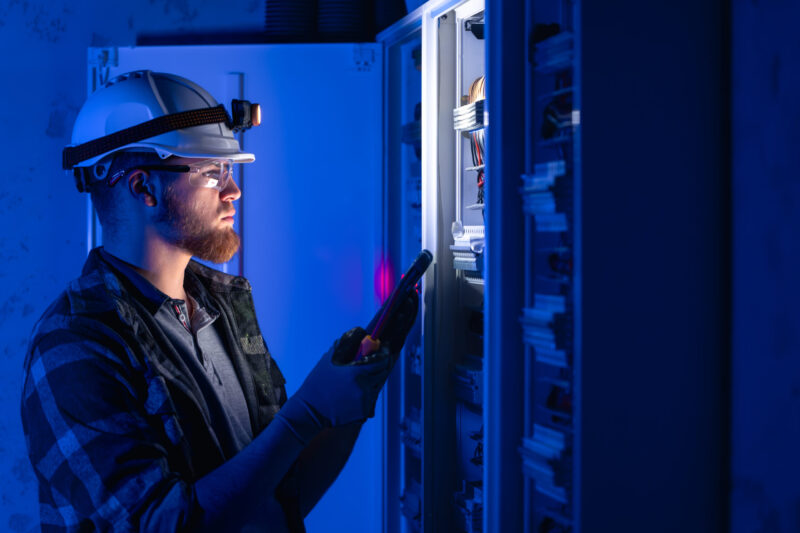
Commercial HVAC systems rely on complex electrical components to operate safely and efficiently. Electrical failures can occur due to damaged wiring, loose connections, tripped breakers, or failing capacitors and contactors. Power surges and aging electrical components can also contribute to these issues.
Electrical problems pose serious risks, including unexpected system shutdowns and potential safety hazards. In some cases, recurring electrical issues may indicate deeper problems within the system that require professional diagnosis. Ignoring these warning signs can lead to costly repairs or extended downtime.
6. Abnormal Noise During Operation
Unusual noises coming from a commercial HVAC system are often early indicators of mechanical issues. Loud banging, rattling, grinding, or squealing sounds can point to loose components, worn belts, failing bearings, or motor problems. Hissing noises may suggest air leaks or refrigerant issues.
These sounds should never be ignored, as they often signal problems that can worsen quickly if left unchecked. Addressing abnormal noises early helps prevent further damage, improves system reliability, and reduces the risk of unexpected breakdowns that disrupt business operations.
4 Core Mechanical and System-Level Issues
1. Compressor and Condenser Problems
The compressor is the heart of a commercial HVAC system, responsible for circulating refrigerant and enabling heat transfer. Compressor failures often occur due to excessive strain caused by low refrigerant levels, electrical issues, poor airflow, or lack of regular maintenance. When a compressor is forced to run longer than intended, internal components can overheat and wear out prematurely.
Condenser problems are frequently tied to dirty or obstructed condenser coils. When coils are covered with dirt, debris, or grease, the system cannot release heat efficiently. This reduces cooling performance and causes the compressor to work harder to compensate. Over time, dirty condenser coils can lead to higher energy consumption, system overheating, and eventual compressor failure, resulting in costly repairs or replacement.
2. Frozen Evaporator Coils
Frozen evaporator coils are a common sign that something is restricting proper heat absorption. This issue is often caused by poor airflow due to dirty air filters, blocked ducts, or malfunctioning blower motors. Low refrigerant levels can also contribute to coil freezing by disrupting the pressure balance needed for normal operation.
When evaporator coils freeze, the system’s ability to cool the building drops significantly. Ice buildup prevents the coils from absorbing heat effectively, which can cause warm air to circulate indoors. If the system continues running in this condition, it may lead to compressor damage, increased energy use, and extended downtime.
3. Drain Line Blockages and Moisture Problems
Commercial HVAC systems produce condensation as part of the cooling process, which is normally removed through a condensate drain line. When this line becomes clogged with dirt, algae, or debris, water can back up into the system or overflow into surrounding areas.
Blocked drain lines can lead to water damage, mold growth, and increased humidity levels inside the building. Excess moisture also puts additional stress on HVAC components and can trigger system shutdowns designed to prevent further damage. Left unresolved, moisture problems can affect indoor air quality and lead to expensive structural repairs.
4. System Short Cycling
Short cycling occurs when an HVAC system turns on and off too frequently without completing a full heating or cooling cycle. This issue is commonly caused by oversized equipment, faulty thermostats, or improperly placed temperature sensors that cause inaccurate readings.
Frequent cycling places excessive wear on system components, particularly the compressor and electrical parts. It also leads to higher energy bills, as the system uses more power during repeated startups. Over time, short cycling reduces overall system lifespan and prevents the HVAC system from maintaining consistent indoor temperatures, making it both costly and inefficient to operate.
Performance and Efficiency Related Problems
High Energy Consumption
Rising energy costs are often one of the first signs that a commercial HVAC system is not operating efficiently. Issues such as air leaks in ductwork, dirty coils, worn components, and outdated equipment force the system to work harder to maintain set temperatures. Poor thermostat settings, including schedules that do not align with building occupancy, can also lead to unnecessary run time and wasted energy.
Older HVAC systems are especially prone to inefficiency, as they lack modern energy saving features and may no longer perform at optimal capacity. When inefficiencies go unaddressed, operational costs continue to climb, placing unnecessary strain on both the HVAC system and the building’s budget.
Poor Indoor Air Quality (IAQ)
Indoor air quality in Port Charlotte plays a significant role in occupant comfort, health, and productivity within commercial buildings. Poor IAQ is often caused by dirty air filters, contaminated ductwork, inadequate ventilation, and moisture buildup that encourages mold and bacterial growth.
When pollutants such as dust, allergens, and airborne particles circulate through the building, occupants may experience headaches, fatigue, respiratory irritation, or increased allergy symptoms. In commercial environments, poor air quality can also contribute to higher absenteeism and reduced productivity. Regular maintenance and proper ventilation are essential for maintaining clean, healthy indoor air.
Inconsistent Air Distribution
Inconsistent air distribution occurs when conditioned air is not evenly delivered throughout the building. This issue is often linked to imbalanced ductwork, blocked vents, failing dampers, or equipment that is not properly sized for the space.
When airflow is uneven, some areas may feel uncomfortable while others receive too much heating or cooling. This not only affects occupant comfort but also reduces HVAC effectiveness, as the system struggles to compensate for hot and cold spots. Over time, inconsistent airflow leads to increased energy usage, frequent system adjustments, and added stress on HVAC components.
3 Underlying Causes and System Failures
1. Lack of Regular Maintenance
Skipping routine maintenance is one of the most common and damaging mistakes in commercial HVAC management. Regular tune ups help identify small issues before they escalate, but when maintenance is ignored, problems often develop quietly in the background. Dirty filters, worn belts, loose electrical connections, and low refrigerant levels can all go unnoticed while steadily reducing system performance.
Over time, these minor issues compound into larger failures, leading to unexpected breakdowns, higher energy use, and shortened equipment lifespan. This is why lack of regular maintenance is often referred to as the silent killer of commercial HVAC systems. Consistent inspections and servicing help ensure reliable operation, improve efficiency, and reduce costly emergency repairs.
2. Improper Installation or Sizing
Proper AC installation in Port Charlotte is critical to the long term performance of a commercial HVAC system. When equipment is incorrectly installed or improperly sized for the building, it creates ongoing operational challenges. Oversized systems may short cycle, while undersized units struggle to meet demand, both of which increase wear and energy consumption.
Poor installation can also result in airflow issues, uneven temperatures, excessive noise, and premature component failure. In many cases, these problems appear early in the system’s life and continue to cause repeated breakdowns. Ensuring that HVAC systems are correctly designed and installed from the start helps prevent chronic inefficiencies and costly repairs.
3. Aging or Outdated Equipment
As commercial HVAC systems age, their performance naturally declines. Older equipment is more prone to mechanical failure, operates less efficiently, and often lacks modern controls or energy saving technology. One of the clearest signs that a system has reached the end of its useful service life is the need for frequent repairs combined with rising energy bills.
Other warning signs include inconsistent temperatures, longer run times, and difficulty maintaining comfort levels throughout the building. While repairs may offer temporary relief, replacing outdated equipment often provides better reliability, improved efficiency, and lower operating costs over the long term.
5 Warning Signs You Should Never Ignore
1. Temperature inconsistency
Hot and cold spots throughout the building, rooms that never reach the set temperature, or frequent thermostat adjustments often signal airflow issues, failing components, or control problems.
2. Strange or unusual sounds
Banging, rattling, grinding, squealing, or hissing noises can indicate loose parts, worn belts, motor issues, or refrigerant leaks that require immediate attention.
3. Rising energy use
Sudden or steady increases in utility bills often point to inefficiencies caused by dirty components, air leaks, aging equipment, or systems running longer than necessary.
4. Humidity problems
Excess moisture, condensation on windows, or a damp indoor environment may signal drainage issues, ventilation problems, or improper system performance.
5. Unusual odors
Musty smells can indicate mold or moisture buildup, while burning or electrical odors may suggest wiring or component failure and should never be ignored.
Early detection of these issues helps minimize repair costs by addressing problems while they are still manageable. Prompt service reduces the risk of major component failure, prevents secondary damage to the building, and keeps the HVAC system operating reliably. Most importantly, responding quickly helps avoid unexpected downtime that can disrupt daily operations and impact occupant comfort.
Diagnosing and Troubleshooting Common Problems
When commercial HVAC issues arise, there are a few basic checks facility managers can perform before calling for professional service. These simple troubleshooting steps can help identify minor problems, restore performance, or confirm that a more serious issue requires expert attention.
Beginner troubleshooting steps to try first include:
- Check air filters: Inspect filters for dirt or clogging and replace them if needed. Restricted airflow is one of the most common causes of HVAC performance issues.
- Review thermostat settings: Confirm the system is set to the correct mode and temperature, and that schedules match building occupancy. Replace thermostat batteries if applicable.
- Inspect vents and registers: Make sure supply and return vents are open, unblocked, and not covered by furniture or equipment.
- Look for visible obstructions: Check outdoor units for debris, leaves, or dirt buildup that may restrict airflow around condenser coils.
- Reset tripped breakers: If the system is not powering on, inspect the electrical panel for tripped breakers and reset them if safe to do so.
- Check for obvious leaks or moisture: Look for water pooling near the unit or drain line blockages that may indicate condensation issues.
While these steps can resolve minor issues, many commercial HVAC problems require professional diagnosis. Escalate to a licensed HVAC technician when:
- The system repeatedly shuts down or short cycles
- Cooling or heating performance does not improve after basic checks
- You notice electrical smells, burning odors, or loud mechanical noises
- Refrigerant leaks, frozen coils, or water damage are present
- Energy costs continue rising without explanation
Professional HVAC service ensures accurate diagnosis, safe air conditioning repairs in Port Charlotte, and long term system reliability. Addressing complex issues early with expert support helps prevent further damage, extends equipment lifespan, and minimizes costly disruptions to business operations.
3 Preventive Maintenance: The Key to Avoiding Issues
1. Regular Service Checkups
Routine service checkups are essential for keeping commercial HVAC systems operating at peak efficiency. Most commercial systems benefit from professional maintenance at least two to four times per year, depending on system size, usage, and building type.
A typical maintenance visit includes inspecting electrical connections, checking refrigerant levels, testing controls, lubricating moving parts, and verifying proper airflow. Regular service helps catch worn components before they fail and ensures the system is ready to handle seasonal demand, reducing the risk of emergency repairs and downtime.
2. Filter Replacement and Coil Cleaning
Air filters and coils play a critical role in system efficiency and indoor air quality. Dirty filters restrict airflow, while dirty coils reduce the system’s ability to transfer heat effectively.
Best practices include inspecting filters monthly and replacing them every one to three months, or more frequently in high traffic or high dust environments. Evaporator and condenser coils should be cleaned on a scheduled basis, typically during routine maintenance visits. Keeping filters and coils clean helps maintain proper airflow, lowers energy consumption, and reduces strain on major components.
3. System Upgrades and Retrofits
Upgrading or retrofitting older HVAC systems can significantly improve performance and efficiency. Smart thermostats and modern control systems allow for better temperature regulation, automated scheduling, and remote monitoring, helping reduce unnecessary run time.
Energy efficient units and upgraded components also provide improved reliability and lower operating costs over time. Retrofitting existing systems with advanced controls or high efficiency equipment helps commercial buildings meet current comfort demands while reducing energy usage and long term maintenance expenses.
FAQs about Common HVAC Issues in Commercial Buildings
What is the most common HVAC problem in commercial buildings?
The most common HVAC problem in commercial buildings is restricted airflow caused by dirty air filters or blocked ductwork. When airflow is limited, the system must work harder to heat or cool the space, leading to uneven temperatures, higher energy use, and increased wear on components. Regular filter replacement and routine inspections help prevent this issue from escalating.
How often should a commercial HVAC system be serviced?
Most commercial HVAC systems should be professionally serviced two to four times per year, depending on building size, system complexity, and usage levels. Seasonal maintenance before peak heating and cooling periods helps ensure reliable performance, improves energy efficiency, and reduces the risk of unexpected breakdowns.
Why does my commercial HVAC system have hot and cold spots?
Hot and cold spots are typically caused by imbalanced airflow, blocked vents, poorly designed ductwork, or outdated HVAC equipment. In larger buildings, zoning issues and improperly calibrated controls can also contribute. Addressing airflow balance and system design issues helps restore consistent comfort across all areas.
What causes high energy bills in commercial HVAC systems?
High energy bills are often the result of inefficient operation due to dirty components, air leaks, aging equipment, or incorrect thermostat settings. Systems that short cycle or run longer than necessary also consume more energy. Preventive maintenance and system upgrades can significantly reduce operating costs.
Are unusual noises from a commercial HVAC system a serious concern?
Yes, unusual noises should always be taken seriously. Banging, grinding, squealing, or hissing sounds often indicate mechanical wear, loose components, or refrigerant issues. Addressing these noises early can prevent further damage and reduce the risk of major system failure.
How does poor indoor air quality affect commercial buildings?
Poor indoor air quality can lead to discomfort, reduced productivity, and health concerns such as headaches, allergies, or respiratory irritation. Dirty filters, contaminated ductwork, and inadequate ventilation are common causes. Maintaining clean HVAC components and proper ventilation helps improve air quality and occupant well-being.
When should a commercial HVAC system be replaced instead of repaired?
A commercial HVAC system may be better suited for replacement if it requires frequent repairs, struggles to maintain comfort, or causes steadily rising energy bills. Systems that have exceeded their expected service life or lack modern efficiency features often cost more to operate than newer, energy-efficient alternatives. Replacing outdated equipment can improve reliability and lower long-term expenses.
Smart Buildings Start with Smarter HVAC Care—Let’s Get Yours on Track!
Commercial HVAC systems are complex, hardworking systems that play a vital role in maintaining comfort, efficiency, and productivity in business environments. From airflow restrictions and mechanical failures to energy inefficiencies and aging equipment, many common HVAC issues can be traced back to maintenance gaps, improper system design, or delayed repairs. Understanding these problems and recognizing early warning signs allows facility managers and property owners to take proactive steps that reduce downtime, control operating costs, and extend the life of their equipment.
If your commercial building is showing signs of HVAC trouble or you want to prevent problems before they start, we’re here to help. At Dale’s AC, as a leading HVAC company in Port Charlotte we specialize in keeping commercial HVAC services in Port Charlotte to run reliably and efficiently. Call us today at (941) 629-1712 or contact us to schedule professional service, request a plan for AC maintenance in Port Charlotte, or get expert guidance tailored to your building’s needs. Taking action now can save you time, money, and unnecessary disruptions down the road.