

Energy costs continue to rise, and for many businesses, heating and cooling represent one of the largest portions of monthly operating expenses. Commercial HVAC systems run for extended hours, serve large spaces, and must maintain consistent comfort for employees, customers, and tenants. Without energy-efficient solutions in place, these systems can quietly drive up utility bills and reduce overall profitability.
Investing in energy-efficient HVAC solutions is not just about lowering energy use, it is about improving system performance, extending equipment lifespan, and supporting long-term sustainability goals. From high-efficiency equipment and smart controls to proper system design and ongoing maintenance, there are multiple ways businesses can reduce waste and optimize performance. This guide explores practical, proven energy-efficient HVAC solutions that help businesses cut costs, improve comfort, and operate more efficiently year-round.
Understanding HVAC Energy Efficiency
Before investing in upgrades or new equipment, it is important to understand what energy efficiency actually means in a commercial HVAC system. Efficiency affects not only operating costs, but also long-term system reliability and sustainability performance.
What Efficiency Means in Commercial HVAC
In commercial HVAC, efficiency refers to how effectively a system converts energy into heating or cooling output. Several performance ratings help measure this efficiency.
- SEER (Seasonal Energy Efficiency Ratio) measures cooling efficiency over an entire season. Higher SEER ratings indicate better energy performance during variable temperature conditions.
- EER (Energy Efficiency Ratio) measures cooling output at a specific temperature, making it useful for evaluating system performance during peak demand.
- IEER (Integrated Energy Efficiency Ratio) is commonly used for commercial systems and reflects performance across multiple load conditions.
It is important to distinguish between efficiency and performance. A system may deliver strong heating or cooling performance, but if it consumes excessive energy to do so, it is not efficient. True efficiency means maintaining comfort levels while using the least amount of energy possible.
Why Businesses Should Prioritize Energy Efficiency
For businesses, energy efficiency directly impacts operating expenses. HVAC systems often account for a significant portion of total energy use in commercial buildings. Improving efficiency can lead to measurable cost savings and a strong return on investment over time, especially in facilities with extended operating hours.
Energy-efficient HVAC systems also support environmental goals by reducing energy consumption and lowering carbon emissions. Many organizations are prioritizing sustainability initiatives, and upgrading to efficient systems helps align with these objectives.
In addition, regulatory requirements and incentive programs increasingly encourage energy-efficient upgrades. Local utilities and government programs often offer rebates or tax incentives for qualifying high-efficiency equipment. By prioritizing efficiency, businesses can reduce costs, improve environmental performance, and potentially benefit from available financial incentives.
High-Efficiency HVAC Systems and Technologies
Modern commercial HVAC technology has advanced significantly, offering businesses smarter and more efficient ways to heat and cool their buildings. High-efficiency systems are designed to reduce energy waste, improve comfort, and deliver better performance under varying load conditions.
Variable Speed and Modulating Compressors
Traditional HVAC systems typically operate in an on-or-off mode, running at full capacity until the desired temperature is reached. Variable speed and modulating compressors, however, adjust their output based on real-time demand. Instead of constantly cycling on and off, they ramp up or down to maintain consistent indoor temperatures.
This technology optimizes performance by reducing short cycling and minimizing energy spikes during startup. Because the system operates at partial capacity when full output is not needed, it uses less energy overall. The result is improved comfort control, fewer temperature fluctuations, and lower utility costs over time.
High-Efficiency Condensing Units and Heat Pumps
High-efficiency condensing units are designed to maximize heat transfer while using less energy. These systems feature improved coil designs, advanced compressors, and better airflow management to deliver higher efficiency ratings compared to older equipment.
Modern commercial heat pump systems offer both heating and cooling capabilities in a single unit. They transfer heat rather than generate it, making them significantly more energy efficient than traditional systems. Compared to conventional heating and cooling equipment, high-efficiency heat pumps provide enhanced performance, reduced operating costs, and lower environmental impact.
Zoned HVAC and Demand Control Ventilation
Zoned HVAC systems divide a building into separate areas that can be heated or cooled independently. This allows targeted conditioning based on occupancy, usage patterns, or operational needs. Instead of conditioning the entire building uniformly, energy is directed only where it is needed.
Demand control ventilation further improves efficiency by adjusting airflow based on occupancy levels. Sensors monitor carbon dioxide levels or occupancy data to regulate fresh air intake, ensuring proper ventilation without over-conditioning unused spaces. Together, zoning and demand control strategies help businesses reduce energy waste while maintaining consistent comfort throughout the building.
Smart Controls and Building Automation
Energy-efficient HVAC systems reach their full potential when paired with intelligent controls. Smart controls and building automation technologies allow businesses to monitor, adjust, and optimize HVAC performance in real time, reducing energy waste while improving comfort and reliability.
Smart Thermostats and Scheduling
Smart thermostats go beyond basic temperature control. They allow for predictive and adaptive scheduling based on occupancy patterns, business hours, and seasonal changes. Instead of running at full capacity all day, the system can automatically adjust temperatures during non-peak hours, weekends, or low-occupancy periods.
Predictive features analyze usage trends and environmental data to make small, automatic adjustments that improve efficiency. Adaptive scheduling reduces unnecessary run time and prevents energy waste while maintaining consistent comfort when spaces are occupied. This optimized load management helps control energy costs without sacrificing indoor performance.
Building Management Systems (BMS) and IoT Integration
For larger or multi-zone commercial buildings, a Building Management System provides centralized control over HVAC operations. A BMS integrates heating, cooling, ventilation, and other building systems into a single platform, allowing facility managers to monitor and adjust performance across the entire property.
When combined with IoT-enabled sensors, these systems provide real-time data on temperature, airflow, energy use, and system status. Automated alerts can identify inefficiencies or potential issues before they become costly problems. Centralized monitoring and automated adjustments enhance efficiency, improve system coordination, and provide valuable insights that support long-term energy management strategies.
System Design and Installation Best Practices
1. Proper Load Calculations and System Sizing
Accurate load calculations are the foundation of an energy-efficient HVAC system. Load analysis considers factors such as building size, insulation levels, occupancy, equipment heat gain, window placement, and climate conditions. This data determines the correct system capacity needed to maintain consistent comfort.
Oversized systems may cool or heat a space too quickly, leading to short cycling. Short cycling increases energy use, accelerates component wear, and reduces humidity control. Undersized systems, on the other hand, struggle to meet demand and run continuously, driving up energy costs. Proper sizing ensures the system operates efficiently under normal load conditions while maintaining steady, balanced performance.
2. Efficient Ductwork and Airflow Optimization
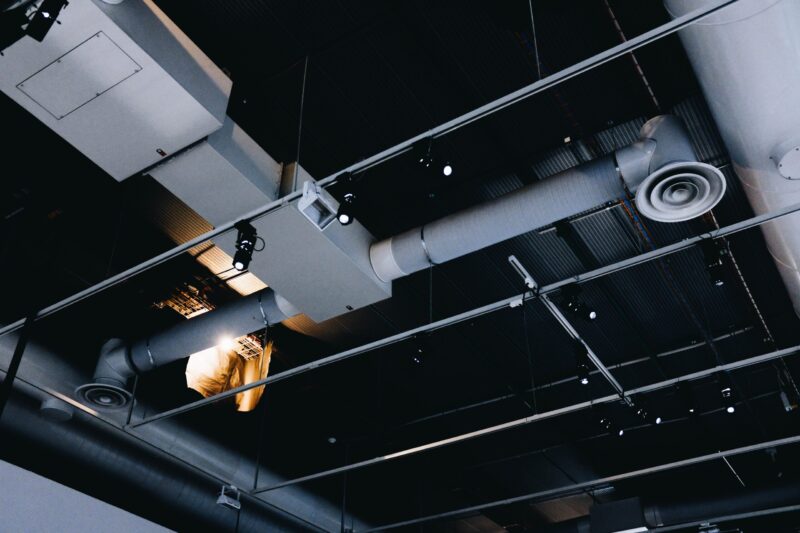
Ductwork design plays a major role in overall HVAC efficiency. Leaky, poorly sealed, or uninsulated ducts allow conditioned air to escape before reaching occupied spaces. This forces the system to work harder to maintain desired temperatures.
Sealing duct joints and insulating duct runs helps prevent energy loss and maintain consistent airflow. Airflow balancing further optimizes performance by ensuring each zone receives the correct amount of conditioned air. Proper duct design and airflow optimization reduce energy waste, improve comfort, and support long-term system efficiency.
2 Maintenance Strategies for Long-Term Efficiency
1. Regular Filter Changes and Coil Cleaning
Air filters and coils directly impact airflow and heat transfer. When filters become clogged, airflow is restricted, forcing the system to work harder to circulate conditioned air. This added strain increases energy consumption and reduces overall system performance.
Dirty evaporator and condenser coils also limit effective heat transfer. When coils are coated with dust or debris, the system cannot efficiently absorb or release heat, leading to longer run times and higher utility costs. Establishing a schedule for regular filter replacements and coil cleaning helps maintain optimal airflow, improve heat exchange efficiency, and support consistent system performance.
2. Professional Tune-Ups and Diagnostics
Professional HVAC tune-ups go beyond routine cleaning. Certified technicians inspect electrical components, test refrigerant levels, calibrate controls, and evaluate overall system operation. These proactive diagnostics help identify small inefficiencies before they become costly performance issues.
Seasonal AC maintenance in Port Charlotte is particularly important before peak cooling and heating periods. Preparing the system ahead of heavy demand ensures it operates efficiently under stress. Regular professional service reduces energy loss, minimizes unexpected breakdowns, and supports long-term reliability and cost control.
Retrofits and Upgrades for Existing Systems
Not every business needs to replace its entire HVAC system to improve energy efficiency. Strategic retrofits and component upgrades can significantly enhance performance while extending the life of existing equipment. These improvements often provide a strong return on investment without the cost of a full system replacement.
Economizers and Energy Recovery Ventilators
Economizers allow commercial HVAC systems to use outside air for cooling when outdoor temperatures are favorable. Instead of relying solely on mechanical cooling, the system draws in cool outdoor air to reduce compressor operation and lower energy consumption.
Energy Recovery Ventilators (ERVs) go a step further by transferring heat and moisture between incoming and outgoing air streams. This process preconditions fresh air before it enters the building, reducing the load on heating and cooling equipment. These solutions are especially beneficial in temperate climates where outdoor conditions frequently support free cooling or reduced mechanical demand. By using outside air efficiently, businesses can lower energy costs while maintaining proper ventilation.
Variable Frequency Drives (VFDs) for Motors and Fans
Variable Frequency Drives control the speed of motors and fans based on actual demand rather than running at full capacity continuously. During periods of partial load, VFDs reduce motor speed, lowering electrical demand and energy consumption.
Because HVAC systems rarely operate at full capacity all day, VFDs provide substantial efficiency improvements by matching output to real-time needs. Slower motor operation also reduces mechanical stress, leading to longer equipment life and fewer maintenance issues. By lowering energy use and extending component lifespan, VFD upgrades offer both immediate and long-term financial benefits for commercial buildings.
Renewable and Green HVAC Options
1. Geothermal Heat Pumps
Geothermal heat pump systems use the stable temperature of the earth to provide heating and cooling. Instead of generating heat, these systems transfer heat between the building and the ground through a network of underground pipes. During warmer months, heat is moved from the building into the ground. In cooler months, stored ground heat is transferred back into the building.
Because geothermal systems rely on consistent underground temperatures, they operate with exceptional efficiency compared to traditional systems. While installation costs can be higher upfront, long-term energy savings are substantial. Reduced utility expenses, lower maintenance requirements, and extended equipment lifespan make geothermal heat pumps an attractive option for businesses focused on long-term cost control and environmental responsibility.
2. Solar-Assisted HVAC Systems
Solar-assisted HVAC systems integrate solar energy to help power heating and cooling operations. Solar panels generate electricity that can offset a portion of the building’s HVAC energy demand. In some systems, solar thermal technology supports water heating or assists in heating processes.
By augmenting HVAC loads with renewable solar energy, businesses can significantly reduce dependence on grid electricity. In addition to lower energy bills, many regions offer tax credits, rebates, and other financial incentives for adopting solar technologies. Solar-assisted systems not only deliver operational savings but also demonstrate a commitment to sustainability, helping businesses meet environmental goals and enhance their public image.
Measuring and Tracking Efficiency Gains
Implementing energy-efficient HVAC solutions is only the first step. To fully realize long-term savings, businesses must measure performance and track results over time. Monitoring efficiency gains helps validate investments, identify additional improvement opportunities, and ensure systems continue operating at peak performance.
Energy Monitoring Tools and Analytics
Energy monitoring tools provide real-time insight into HVAC system performance. Smart meters, sub-meters, and building dashboards allow facility managers to track energy consumption by zone, time of day, or equipment type. Key performance indicators such as energy usage intensity, peak demand, runtime hours, and load efficiency help measure how effectively the system is operating.
Using analytics, businesses can identify patterns, detect anomalies, and spot inefficiencies early. Data-driven insights allow decision-makers to compare actual performance against expected benchmarks and validate return on investment for upgrades or retrofits. Clear visibility into system performance supports smarter operational decisions and more precise energy management.
Benchmarking and Continuous Improvement
Benchmarking compares current HVAC performance to past data or industry standards. Year-over-year comparisons reveal whether efficiency initiatives are delivering measurable improvements or if performance is declining. Seasonal comparisons also help evaluate system readiness and peak load management.
Continuous improvement involves reviewing collected data, making strategic adjustments, and planning future upgrades when necessary. This may include recalibrating controls, refining scheduling strategies, or investing in additional efficiency enhancements. By treating HVAC efficiency as an ongoing process rather than a one-time project, businesses can maintain steady cost savings and long-term operational excellence.
Financial Incentives and Savings Opportunities
Investing in energy-efficient HVAC solutions not only reduces operating expenses but can also unlock valuable financial incentives. Many programs are designed to encourage businesses to adopt high-efficiency systems and sustainable technologies, helping offset upfront costs and accelerate return on investment.
Tax Credits and Rebates
Federal, state, and local energy programs often provide tax credits, rebates, or utility incentives for qualifying high-efficiency HVAC equipment and renewable energy systems. These programs may apply to upgrades such as high-efficiency units, heat pumps, variable frequency drives, or solar-assisted systems.
Eligibility requirements typically depend on meeting specific efficiency standards or certification thresholds. Businesses should work with qualified HVAC professionals and review program guidelines to ensure proper documentation and compliance. Applying for incentives usually involves submitting proof of installation, equipment specifications, and sometimes an energy assessment. Taking advantage of these programs can significantly reduce net project costs and improve overall savings.
Lifecycle Cost Analysis
When evaluating HVAC investments, it is important to look beyond the initial purchase price. Lifecycle cost analysis compares total cost of ownership, including installation, maintenance, energy consumption, and repair expenses, over the system’s lifespan.
While high-efficiency equipment may have a higher upfront cost, it often delivers lower operating expenses and reduced maintenance needs over time. Evaluating payback periods helps businesses understand how quickly energy savings will offset initial investment. By focusing on long-term value rather than short-term cost, businesses can make smarter financial decisions that support sustainable growth and operational efficiency.
FAQs about Energy-Efficient HVAC Solutions for Businesses
What is the most energy-efficient HVAC system for a commercial building?
The most energy-efficient HVAC system depends on your building size, occupancy, and climate. High-efficiency heat pumps, variable speed systems, and properly sized rooftop units with smart controls are among the most efficient options. Systems with high SEER, EER, or IEER ratings typically deliver better long-term energy savings.
How much can a business save by upgrading to an energy-efficient HVAC system?
Energy savings vary based on the condition of the existing system and building usage, but many businesses see significant reductions in utility costs after upgrading. In some cases, energy-efficient systems can reduce HVAC-related energy use by 15 to 40 percent. Long-term savings often outweigh the higher upfront investment.
What is the difference between SEER, EER, and IEER ratings?
SEER measures cooling efficiency over an entire season, EER measures performance at a specific temperature, and IEER reflects efficiency across varying load conditions, which is particularly useful for commercial systems. Higher ratings generally indicate better energy performance and lower operating costs.
Are there incentives for installing energy-efficient commercial HVAC systems?
Yes, many federal, state, and local programs offer tax credits, rebates, or utility incentives for qualifying high-efficiency HVAC equipment and renewable energy systems. Eligibility typically depends on meeting specific efficiency standards and proper installation by licensed professionals.
How do smart controls improve HVAC efficiency?
Smart thermostats and building automation systems optimize temperature settings based on occupancy and usage patterns. They reduce unnecessary runtime, prevent over-conditioning, and allow facility managers to monitor performance in real time, leading to improved efficiency and lower energy waste.
When should a business consider retrofitting instead of replacing an HVAC system?
Retrofitting may be a cost-effective option when the system is structurally sound but lacks modern efficiency components. Upgrades such as variable frequency drives, economizers, or smart controls can improve performance without full system replacement. Replacement may be more practical when equipment is outdated or frequently failing.
How can businesses measure the success of energy-efficient HVAC upgrades?
Businesses can track energy consumption through utility bills, smart meters, and building management systems. Comparing energy use year-over-year or before and after upgrades helps validate return on investment. Monitoring key performance indicators such as runtime hours and peak demand also provides measurable proof of efficiency improvements.
Power Down the Costs, Power Up the Performance!
Energy-efficient HVAC solutions offer businesses a powerful way to reduce operating costs, improve comfort, and support long-term sustainability goals. From high-efficiency equipment and smart controls to strategic retrofits and ongoing maintenance, every upgrade contributes to better performance and measurable savings. We also provide air conditioning repair in Port Charlotte, AC replacement in Port Charlotte, AC installation in Port Charlotte, residential HVAC services in Port Charlotte, commercial HVAC services in Port Charlotte, and attic insulation in Port Charlotte to make your home safe and ready during holidays and storms. By combining proper system design, proactive monitoring, and data-driven improvements, businesses can create a more efficient and resilient HVAC strategy that delivers value year after year.
If you are ready to lower your energy costs and improve your commercial HVAC performance, we’re here to help. Dale’s AC, as a professional HVAC company in Port Charlotte, provides expert guidance and energy-efficient solutions tailored to your business needs. Call us today at (941) 629-1712 or contact us to schedule a consultation and discover how we can help you maximize comfort while minimizing energy waste.