

Proper permits and building codes play a critical role in keeping HVAC installations safe, efficient, and legally compliant in Port Charlotte. Whether you’re installing a new air conditioning system, replacing old equipment, or making major HVAC upgrades, understanding local permit requirements and mechanical codes can help you avoid costly delays, failed inspections, and future issues when selling your home. This guide breaks down how HVAC permits and codes work in Port Charlotte, why they matter, and what homeowners should know before starting any heating or cooling project.
Understanding HVAC Permits in Port Charlotte
What Is an HVAC Permit?
An HVAC permit is an official authorization issued by the local building department that allows heating, ventilation, and air conditioning work to be performed on a property in Port Charlotte. Its primary purpose is to ensure that all HVAC installations and modifications meet local building codes, mechanical standards, and safety regulations.
Unlike general building permits, which may cover structural changes, roofing, or renovations, an HVAC (mechanical) permit is specific to climate-control systems. It focuses on proper equipment sizing, electrical connections, ventilation, refrigerant handling, and safe operation of heating and cooling components.
When You Need an HVAC Permit
In Port Charlotte, an HVAC permit is typically required for work that alters or replaces major system components or changes how the system operates. Common situations that require a permit include:
- New system installations: Installing a brand-new HVAC system in a new home, addition, or conversion project requires a permit to verify compliance with mechanical and energy codes.
- System replacements: Replacing an existing air conditioner, heat pump, furnace, or air handler generally requires a permit, even if the new system is similar to the old one.
- Major repairs or modifications: Work involving core components such as compressors, evaporator coils, furnaces, or air handlers often triggers permit requirements due to safety and performance considerations.
- Ductwork changes or relocation: Adding new ducts, rerouting existing ductwork, or significantly modifying airflow paths usually requires approval to ensure proper ventilation and efficiency.
- Change of fuel type or system capacity: Switching from electric to gas, altering system capacity (tonnage), or upgrading to a different system type requires a permit because it impacts load calculations, electrical needs, and safety clearances.
When a Permit Is Not Required
Not all HVAC-related work requires a permit. In general, permits are not required for routine upkeep or minor fixes that do not alter the system’s design or operation, such as:
- Routine maintenance: Seasonal tune-ups, inspections, cleaning coils, checking refrigerant levels, and performance testing.
- Minor repairs: Simple tasks like replacing air filters, patching small duct leaks, tightening electrical connections, or swapping out thermostats without system changes.
Understanding when a permit is required helps homeowners stay compliant, avoid fines, and ensure their HVAC system is safe, efficient, and insurable.
Port Charlotte & Charlotte County Building Codes
Local Mechanical Code Standards
HVAC installations in Port Charlotte are governed by the Florida Building Code (FBC), specifically the Mechanical section, which establishes statewide minimum standards for safety, performance, and system design. These codes cover how heating and cooling systems are installed, connected, and operated to ensure they function safely and efficiently in residential properties.
Charlotte County enforces these mechanical codes through its local building department. This means permits, inspections, and approvals are handled at the county level, with inspectors verifying that all work complies with the current edition of the Florida Building Code.
Key aspects of an HVAC installation regulated under mechanical codes include:
- Equipment clearances to prevent overheating and allow safe servicing
- Combustion air requirements for gas-fired furnaces and appliances
- Ventilation and exhaust venting to safely remove combustion gases
- Proper refrigerant piping and condensate drainage
- Electrical disconnects and safety shutoffs required for HVAC equipment
Energy Efficiency and Equipment Standards
Florida has strict minimum energy-efficiency requirements designed to reduce energy consumption and improve long-term operating costs. For air conditioning systems, this typically includes:
- Minimum SEER2 ratings for new AC and heat pump installations
- Compliance with federal and state efficiency mandates for residential HVAC equipment
While Charlotte County generally follows statewide standards, local enforcement ensures that installed systems meet or exceed these efficiency thresholds before final approval. Contractors must document equipment specifications, model numbers, and efficiency ratings as part of the permitting and inspection process.
Safety Requirements Specific to Coastal Environments
Because Port Charlotte is located in a coastal, storm-prone region, HVAC systems must also meet additional safety considerations related to weather and environmental exposure, including:
- Wind load requirements: Outdoor HVAC units must be securely anchored to withstand high winds and hurricane conditions, reducing the risk of tipping or displacement.
- Flood elevation requirements (when applicable): In flood-prone zones, HVAC equipment may need to be elevated above base flood elevation levels to prevent water damage and maintain code compliance.
- Corrosion protection and anchoring: Coastal air accelerates corrosion, so approved materials, coatings, and fasteners are required to extend equipment lifespan and maintain structural integrity.
These local code considerations are critical not only for passing inspections but also for protecting your HVAC investment and ensuring reliable operation in Florida’s challenging climate.
The Permit Application Process
What You Need to Apply
To legally install or replace an HVAC system in Port Charlotte, a mechanical permit must be submitted through Charlotte County’s building department. A complete application typically includes:
- Permit application forms: Completed residential mechanical permit forms submitted online or in person, depending on the county’s current intake process.
- Equipment specifications and system design: Manufacturer spec sheets showing model numbers, capacity, efficiency ratings (SEER2), and system type. For more complex projects, basic system layouts or duct modifications may also be required.
- Contractor information and license numbers: The licensed HVAC contractor’s state license number, insurance details, and contact information. Homeowners usually cannot pull HVAC permits themselves unless they qualify as owner-builders under Florida law.
Providing complete and accurate documentation upfront helps prevent delays and resubmittals.
Submittal & Review Timeline
Once submitted, HVAC permit applications are reviewed by the county for code compliance and completeness.
- Average review times in Charlotte County: Most standard residential HVAC services in Port Charlotte permits are reviewed within a few business days. Straightforward replacements with no duct or electrical changes are often approved faster than new installations or system conversions.
- Typical reasons for delays
- Missing or incorrect equipment specifications
- Contractor license or insurance issues
- Incomplete scope of work descriptions
- Undocumented ductwork or electrical modifications
Prompt responses to correction notices can significantly speed up approval.
Permit Fees
HVAC permit costs fall under the county’s mechanical permit fee structure and vary based on project scope.
- Mechanical permit fee structure (HVAC) Fees are generally calculated based on the declared value of the work, which includes equipment, labor, and materials.
- Impact of value, system size, and duct alterations Larger systems, full system replacements, or projects involving ductwork changes typically carry higher permit fees. Minor replacements with no duct changes usually fall at the lower end of the fee scale.
While permit fees add a small upfront cost, they ensure your AC installation in Port Charlotte is code-compliant, inspected, and properly documented—protecting both your home and your investment.
Inspections — What to Expect
Required Inspection Types
Once an HVAC permit is approved in Port Charlotte, inspections are required to verify that the work meets code and safety standards set by Charlotte County. Depending on the scope of the project, you may encounter one or more of the following inspections:
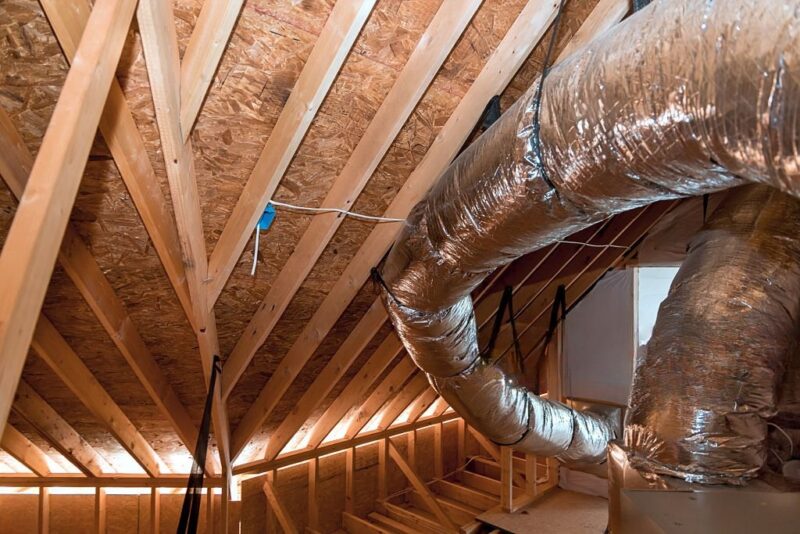
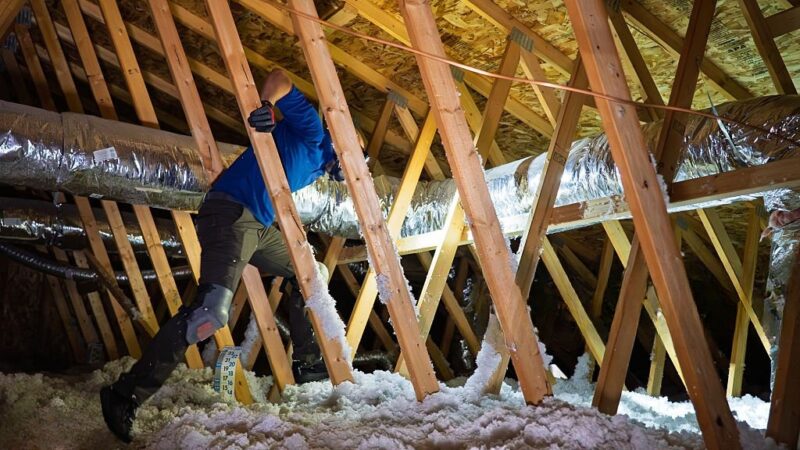
- Rough mechanical inspection: Required when HVAC components such as ductwork, refrigerant lines, or equipment supports are installed but not yet concealed. Inspectors check clearances, fastening, insulation, and proper routing before walls or ceilings are closed.
- Final mechanical inspection: Conducted after the system is fully installed and operational. The inspector verifies correct equipment installation, electrical connections, condensate drainage, airflow direction, safety shutoffs, and overall compliance with the Florida Mechanical Code.
- Duct leakage or pressure testing (when required): For new construction, major duct modifications, or system replacements involving ductwork, leakage or pressure testing may be required. This ensures the duct system meets efficiency standards and is not losing conditioned air.
Not every project requires all three inspections, but skipping a required inspection can delay project close-out and final approval.
Preparing for an HVAC Inspection
Proper preparation helps inspections pass smoothly and avoids costly rechecks.
What installers or homeowners should have ready:
- Approved permit posted or accessible on-site
- Equipment installed per manufacturer specifications
- Clear access to the air handler, condenser, ducts, disconnects, and thermostat
- Electrical panels, disconnects, and condensate drains visible and unobstructed
- System powered and able to run for final inspection
Common violations to avoid:
- Improper equipment clearances
- Missing or undersized condensate drain traps
- Unsecured outdoor units or inadequate anchoring
- Incorrect refrigerant line insulation
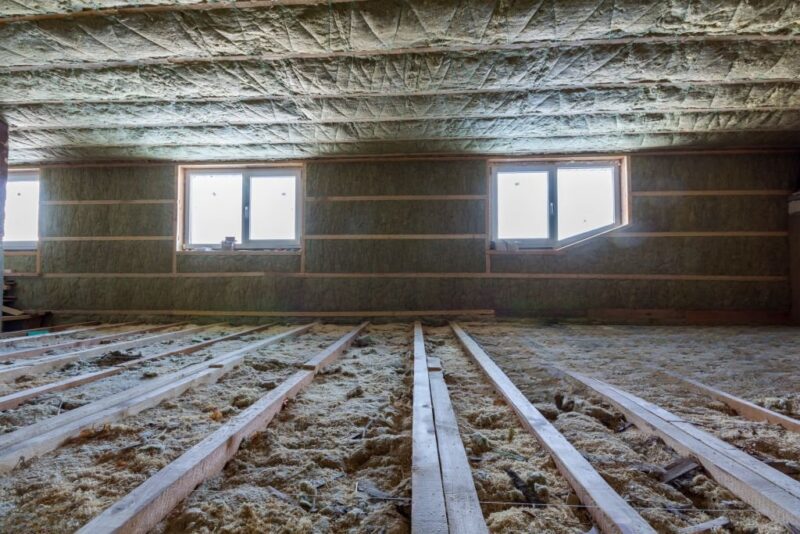
- Incomplete duct sealing or missing insulation
- Lack of required disconnects or labeling
How to correct flagged issues: If an inspector notes deficiencies, the contractor must address the issues and schedule a reinspection. Most corrections are straightforward, such as tightening supports, adding insulation, or adjusting drainage. Prompt corrections help keep the project on schedule and ensure final approval without extended delays.
A properly inspected HVAC system not only meets code requirements but also delivers safer operation, better efficiency, and peace of mind for homeowners.
Working With Contractors — License & Compliance
Licensed Contractor Requirements
In Port Charlotte, HVAC work that requires a permit must be performed by a properly licensed contractor. At a minimum, this means the contractor holds an active Florida HVAC license issued by the state and is authorized to perform mechanical work under the Florida Building Code. In addition to state licensing, contractors must comply with any local registration requirements enforced by Charlotte County.
Equally important are insurance and liability protections. A licensed HVAC contractor should carry:
- General liability insurance to cover property damage
- Workers’ compensation insurance for employee-related injuries
- Bonding when required for certain permit types
These safeguards protect homeowners financially if accidents, damage, or compliance issues arise during the project.
Why Hiring a Licensed Professional Matters
Hiring a licensed HVAC professional is not just a legal requirement—it directly impacts the safety, efficiency, and longevity of your system. Licensed contractors are trained to follow local mechanical codes, manufacturer installation requirements, and energy-efficiency standards.
A qualified professional also manages the permit and inspection process on your behalf, ensuring plans are submitted correctly, inspections are scheduled on time, and any corrections are handled efficiently. This reduces delays and prevents failed inspections that can stall your project.
From a homeowner perspective, licensed work provides warranty and liability protection. Manufacturers often require professional installation for warranty coverage, and insurance claims related to HVAC failures may be denied if unlicensed work is discovered.
What to Ask Before Hiring
Before choosing an HVAC contractor, homeowners should ask a few key questions to confirm compliance and experience:
- Who pulls the permit? The contractor—not the homeowner—should handle permit applications and coordination.
- Are you familiar with local codes and inspection requirements? Experience working within Charlotte County ensures smoother approvals and fewer corrections.
- What is your inspection pass rate? Contractors with a strong inspection history typically understand code nuances and common pitfalls.
Asking these questions upfront helps ensure your HVAC project stays compliant, passes inspection the first time, and delivers reliable performance long after installation.
Consequences of Skipping Permits or Code Compliance
Failing to obtain required HVAC permits or ignoring local building codes can create serious problems that extend far beyond the installation itself. In Port Charlotte, HVAC permits and inspections exist to protect homeowners, occupants, and the long-term value of the property. Skipping these steps often leads to safety, legal, and financial consequences that cost far more than doing things correctly from the start.
Safety Risks
Unpermitted or non-compliant HVAC work significantly increases the risk of safety hazards inside the home. Without proper inspections, issues may go unnoticed until they become dangerous.
Common safety risks include:
- Fire hazards caused by improper electrical connections or overloaded circuits
- Improper airflow or ventilation, which can lead to overheating or backdrafting
- Refrigerant leaks that pose health risks and reduce system performance
- Structural issues, such as improperly supported equipment or unsecured outdoor units
Building codes are designed to prevent these problems by ensuring systems are installed, grounded, ventilated, and anchored correctly.
Legal & Financial Penalties
Skipping permits can trigger serious legal and financial repercussions once discovered by local authorities or during inspections. In Charlotte County, code enforcement may require immediate corrective action.
Potential penalties include:
- Stop-work orders that halt your project until permits are secured
- Fines or mandatory rework, often requiring partial or full system removal
- Insurance complications, where claims are denied due to unpermitted work
In many cases, homeowners must pay twice—once for the original installation and again to bring the system up to code.
Impact on Home Sale or Refinance
Unpermitted HVAC work frequently surfaces during a home sale or refinancing process. Lenders, appraisers, and buyers increasingly scrutinize mechanical systems for compliance.
Possible consequences include:
- Failed appraisals due to undocumented or non-compliant installations
- Mandatory disclosures that reduce buyer confidence or negotiating power
- Repair or replacement demands from lenders before loan approval
These issues can delay closings, reduce property value, or force last-minute repairs under tight deadlines.
Ensuring your HVAC system is properly permitted and code-compliant protects your safety, your investment, and your future plans for the home. Cutting corners may save time initially, but it almost always leads to higher costs and complications down the road.
5 Common HVAC Code Violations in Port Charlotte
1. Improper Equipment Installation
HVAC systems must be installed according to manufacturer specifications and Florida Mechanical Code requirements. Common issues include:
- Incorrect system sizing that doesn’t match load calculations
- Units not level or improperly supported
- Inadequate anchoring of outdoor condensers, especially in wind-prone areas
Improper installation can reduce efficiency, shorten equipment lifespan, and create safety risks.
2. Insufficient Clearances
Codes require specific clearance distances around HVAC equipment for safety, airflow, and service access. Violations often involve:
- Air handlers or furnaces installed too close to walls or ceilings
- Outdoor units placed too near fences, vegetation, or structures
- Lack of proper clearance around electrical disconnects
Insufficient clearances can restrict airflow, increase fire risk, and make maintenance difficult or unsafe.
3. Unpermitted Electrical Connections
Electrical work tied to HVAC systems must meet code and typically requires permitting and inspection. Common violations include:
- Missing or improperly sized disconnects
- Incorrect breaker sizing or wiring methods
- DIY electrical hookups without inspection
These issues pose serious fire and shock hazards and are a frequent reason systems fail inspection.
4. Non-Compliant Ductwork or Venting
Duct and vent systems must meet strict standards for airflow, insulation, and safety. Typical violations include:
- Leaky or poorly sealed duct connections
- Ducts without required insulation in unconditioned spaces
- Improper venting of combustion appliances or exhaust systems
Non-compliant ductwork reduces efficiency, increases energy costs, and can introduce indoor air quality or carbon monoxide risks.
5. Missing or Incorrect Labeling / Documentation
Proper labeling and documentation are essential for inspections and future service. Violations often involve:
- Missing equipment labels or manufacturer data plates
- Incomplete permit documentation on-site
- Lack of airflow, refrigerant, or electrical labeling where required
Without proper documentation, inspectors may fail the installation—even if the system itself appears functional.
FAQs — HVAC Permits & Codes in Port Charlotte
What does an HVAC permit cost in Port Charlotte?
HVAC permit costs vary based on the scope of work, system value, and whether ductwork is included. For most residential projects, fees typically range from a few hundred dollars to several hundred dollars, with larger system replacements or major duct modifications costing more. Permit fees are generally set by Charlotte County and may increase based on project valuation.
How long does the permitting process take?
For standard residential HVAC projects, permit review often takes a few business days to one week once a complete application is submitted. Delays usually occur when paperwork is incomplete, equipment specifications are missing, or contractor licensing information is incorrect. More complex projects may require additional review time.
Can homeowners pull their own HVAC permit?
In some cases, homeowners may be allowed to pull their own permit if they are acting as the owner-builder and performing the work themselves. However, this also means the homeowner assumes full responsibility for code compliance, inspections, and liability. Many homeowners choose licensed contractors instead to avoid risks, ensure proper installation, and protect warranties.
What happens if my inspection fails?
If an HVAC inspection fails, the inspector will issue a correction notice outlining what needs to be fixed. The contractor or homeowner must address the issues and schedule a reinspection. Failed inspections are common for correctable items such as clearances, labeling, or minor installation errors, and they do not usually involve penalties if corrected promptly.
Do permits expire?
Yes. HVAC permits generally have an expiration date if work does not begin or inspections are not completed within a specified timeframe. If a permit expires, it may need to be renewed or reapplied for, potentially involving additional fees. Staying on schedule and coordinating inspections promptly helps prevent expiration issues.
Code-Compliant Today, Cool Tomorrow!
Understanding HVAC permits and building codes in Port Charlotte is more than just a paperwork requirement. It is a critical step in protecting your home, your investment, and your safety. From ensuring proper installation and energy efficiency to avoiding fines, failed inspections, or issues during resale, following local permitting and code requirements helps your HVAC system perform reliably for years to come. Taking the time to do things the right way upfront saves stress, money, and complications down the road. We also offer AC replacement in Port Charlotte, AC maintenance in Port Charlotte, air conditioning repair in Port Charlotte, and attic insulation in Port Charlotte—to ensure and maintain that your HVAC system works properly all day and especially during storms and holiday seasons.
If you want to make sure your HVAC project is handled correctly from permits to final inspection the HVAC company in Port Charlotte is here to help. We’ll walk you through the process, coordinate permitting, and ensure everything meets local code requirements so you don’t have to worry about compliance issues. Call us today at (941) 629-1712 or contact us and let’s get your HVAC project done right the first time.