


Lowering energy bills has become one of the smartest ways for homeowners to cut monthly costs without sacrificing comfort. And because heating and cooling systems account for a major portion of household energy use, the HVAC system plays a central role in how much you pay — especially during peak weather seasons.
The good news? You don’t need extreme temperature changes or expensive renovations to make a meaningful difference. With strategic adjustments, thoughtful upgrades, and the right maintenance habits, your HVAC system can operate more efficiently, run more reliably, and help reduce energy waste throughout the year. In this guide, we’ll break down practical ways to lower your energy bills while keeping your home comfortable.
Why HVAC Systems Play a Major Role in Energy Consumption
HVAC as One of the Largest Energy Users in the Home
Heating and cooling systems often account for the single highest portion of a household’s energy usage. In many homes, HVAC can represent 40–60% of total utility costs, depending on season and climate. Because HVAC systems run continuously over long periods and must condition the entire indoor environment, small inefficiencies can quickly translate into large monthly expenses. Everything from clogged filters to aging equipment contributes to energy draw and overall system workload.
Seasonal Usage Peaks and Cost Surges
Energy use doesn’t stay the same year-round. During extreme summers or cold winter stretches, HVAC systems work harder and run longer to maintain indoor comfort. This spike in demand is what causes noticeable jumps in utility bills during peak seasons. For homes in hot or humid regions, summer cooling demands can be especially intense. Even milder climates see winter heating spikes as temperatures drop and systems switch modes.
Why Energy Efficiency Matters for Comfort and Budget
Improving HVAC efficiency isn’t just about cutting costs — it directly affects indoor comfort. Efficient systems cool or heat faster, maintain more consistent temperatures, and reduce noise and humidity issues. From a financial standpoint, efficiency measures can deliver both short-term savings (lower monthly bills) and long-term value by extending equipment lifespan and preventing costly breakdowns. Ultimately, the more efficiently a system operates, the less energy it wastes and the less homeowners spend every month.
Improve HVAC Efficiency Through Proper Maintenance
Routine maintenance is one of the most impactful and cost-effective ways to reduce household energy consumption. A well-maintained HVAC system doesn’t need to work as hard to condition the air, resulting in smoother performance, lower energy bills, and fewer emergency repairs.
Schedule Seasonal Tune-Ups
Seasonal tune-ups — typically once before cooling season and once before heating season — help maintain system performance and efficiency. During these service visits, technicians inspect mechanical parts, test system components, and clean internal elements to prepare the HVAC for increased demand. This proactive approach ensures minor performance issues are caught before they grow into expensive, energy-wasting failures.
Keep Coils, Fans, and Drain Lines Clean
Dust, dirt, and organic buildup on evaporator coils, condenser coils, and fan blades force the HVAC system to work harder to move air and transfer heat. Dirty drain lines can lead to clogs, leaks, or internal water damage. Routine cleaning keeps airflow strong, prevents strain on motors, and preserves optimal heat exchange efficiency — all of which directly cut energy usage.
Inspect Refrigerant Levels and Components
Low refrigerant levels or refrigerant leaks significantly reduce cooling efficiency and cause compressors to overwork. This not only increases energy consumption but also shortens equipment life. Regular refrigerant checks allow homeowners to identify leaks early, maintain consistent temperatures, and avoid expensive compressor repairs or replacement due to prolonged system stress.
Clean and Clear Outdoor Unit (Condenser)
Outdoor condensers are prone to debris buildup from dirt, leaves, and vegetation. If airflow around the condenser is restricted, heat removal becomes inefficient and the system consumes more energy to maintain indoor comfort. Keeping at least two feet of clearance, trimming overgrown plants, and gently rinsing the condenser fins can dramatically improve system performance and reduce cooling costs.
Upgrade HVAC System Components for Better Performance
Upgrading selective HVAC components can significantly boost efficiency, reduce energy bills, and enhance comfort — even if the system itself isn’t yet due for replacement. Many of these improvements are cost-effective, modular upgrades that deliver measurable performance gains.
High-Efficiency HVAC Systems (SEER2, ENERGY STAR)
Modern high-efficiency units are built to operate using less energy while delivering superior cooling and heating. Systems rated with SEER2 or ENERGY STAR certifications meet strict federal energy guidelines and can cut monthly utility costs compared to older 10–13 SEER models. Upgrading can be especially beneficial for homes with aging equipment, as today’s systems offer improved heat transfer, quieter operation, and better humidity control.
Variable-Speed Motors and Compressors
Traditional HVAC systems operate in a binary mode — either fully on or fully off. Variable-speed systems adjust airflow and compressor output based on real-time demand. This allows for smoother temperature control, reduced energy consumption, fewer indoor temperature swings, and longer system life. Over time, variable-speed technology can translate into meaningful savings on both energy usage and maintenance.
Smart or Programmable Thermostats
Smart thermostats offer precise, automated temperature control that learns household patterns, adjusts for weather conditions, and minimizes unnecessary energy consumption. Programmable models allow homeowners to set schedules for sleeping, working, and traveling. Many smart thermostats also integrate with zoning systems, voice assistants, and HVAC diagnostic tools, making them a simple upgrade with outsized efficiency benefits.
Duct Sealing and Insulation Improvements
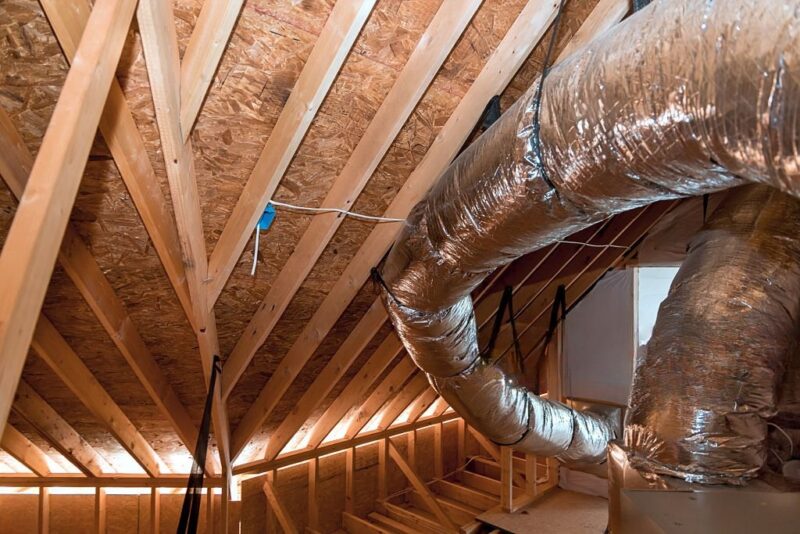
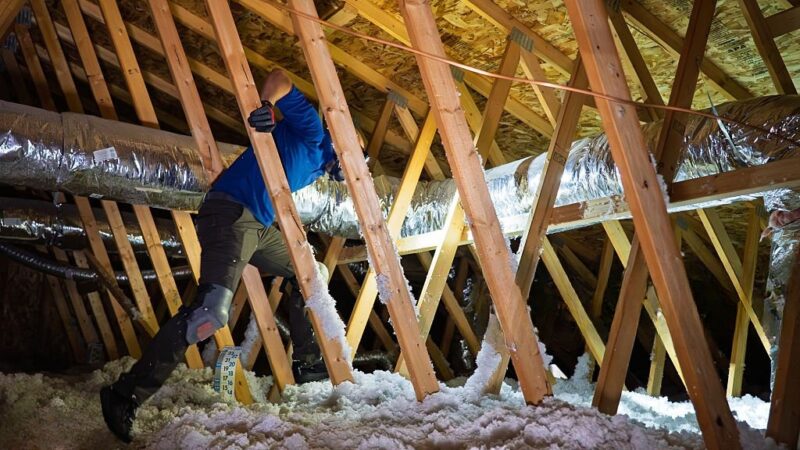
Leaky or uninsulated ducts can waste up to 20–30% of conditioned air before it even reaches living spaces. Sealing duct joints, repairing gaps, and improving insulation — especially in attics or crawl spaces — reduces system strain and improves airflow distribution. This upgrade makes older systems feel more powerful and can smooth out persistent hot/cold spots throughout the home.
Air Filtration & IAQ Enhancements
Advanced air filtration systems, such as HEPA filters, media filters, UV lights, and whole-home purifiers, improve indoor air quality in Port Charlotte while reducing airborne contaminants that restrict airflow or create buildup on HVAC components. Cleaner air equals smoother system operation and less mechanical wear. Homeowners with allergies, pets, or smokers often see noticeable comfort and health gains alongside improved system performance.
Optimize Thermostat Use to Reduce Unnecessary Energy Consumption
The thermostat is one of the most powerful energy-saving tools in the home. By adjusting temperature settings strategically, homeowners can reduce HVAC strain, lower energy bills, and maintain a more consistent comfort level throughout the day.
Ideal Temperature Settings for Cooling/Heating Seasons
Optimizing thermostat settings by season helps balance comfort and efficiency. During warmer months, most experts recommend keeping cooling settings around 77–78°F when home and slightly higher when away. In cooler months, setting the thermostat around 68–70°F for heating can help reduce energy consumption. These small adjustments prevent the system from overworking and can significantly lower monthly utility costs.
Smart Schedules for Work, Sleep, and Travel
Smart and programmable thermostats allow homeowners to create schedules tailored to lifestyle patterns. For example, lowering heating or raising cooling while everyone is at work or asleep can produce measurable savings without sacrificing comfort. Vacation or travel modes prevent the system from running unnecessarily while a home is empty. Over time, these micro-adjustments add up to meaningful reductions in energy use.
Avoiding Extreme Temperature Shifts
One common misconception is that setting the thermostat extremely hot or cold will speed up heating or cooling. HVAC systems don’t work that way — instead, drastic shifts force equipment to run longer and harder than necessary, consuming excess energy and creating uneven comfort. Gradual changes are more efficient and place less strain on compressors, motors, and fans. Avoiding constant thermostat toggling also promotes system longevity.
Manage Airflow for Better Comfort and Efficiency
Airflow plays a direct role in how efficiently an HVAC system performs. Even the best equipment struggles if air can’t circulate properly through the home. Improving airflow not only boosts comfort but also reduces energy waste and strain on key mechanical components.
Keep Vents and Registers Unblocked
Furniture, rugs, and décor often unintentionally block return or supply vents, restricting airflow and forcing the HVAC system to work harder. Keeping vents clear and clean ensures conditioned air can move freely throughout the home. A quick walkthrough every few months can help identify blocked registers and improve temperature consistency between rooms.
Ceiling Fans and Circulation Assistance
Ceiling fans help distribute heated or cooled air more evenly, reducing reliance on the HVAC system alone. In cooling seasons, fans should rotate counterclockwise to push cool air downward. In colder months, switching to a clockwise rotation at a low speed recirculates warm air toward the living space. This simple strategy supports comfort while allowing for slightly higher thermostat settings — an easy way to save energy.
Close-Off Strategy for Unused Rooms (When Appropriate)
Closing vents in unused rooms can help redirect airflow, but this tactic works best in homes designed for zoning or balanced ductwork. In systems not built for it, shutting too many vents can increase duct pressure, reduce efficiency, and potentially strain blower motors. When used strategically — such as moderating airflow to guest rooms or infrequently used spaces — homeowners can improve comfort and reduce wasted conditioning without stressing the system.
Improve Home Envelope & Insulation for HVAC Support
An HVAC system can only work as efficiently as the home allows. If conditioned air escapes through gaps, cracks, or poorly insulated surfaces, the system must run longer and harder to compensate. Strengthening the home’s envelope not only saves energy but also improves year-round comfort and reduces strain on the HVAC system.
Seal Doors, Windows, and Attic Air Leaks
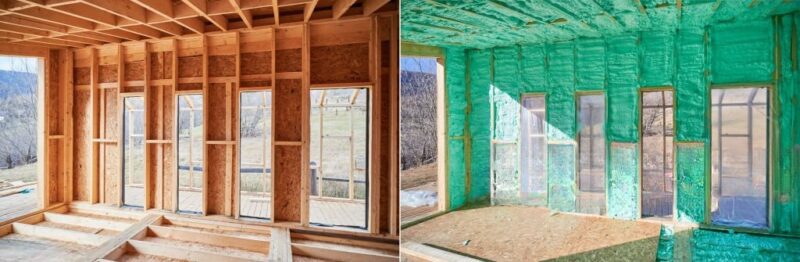
Air leaks are among the biggest sources of energy loss in homes. Gaps around doors, windows, attic access panels, and penetrations allow conditioned air to escape while pulling in hot, humid outdoor air. Weatherstripping, caulking, and foam sealants are simple upgrades that can dramatically reduce unwanted airflow. By improving sealing, homeowners maintain consistent indoor temperatures and prevent the HVAC from cycling excessively.
Attic Insulation for Reduced Heat Gain/Loss
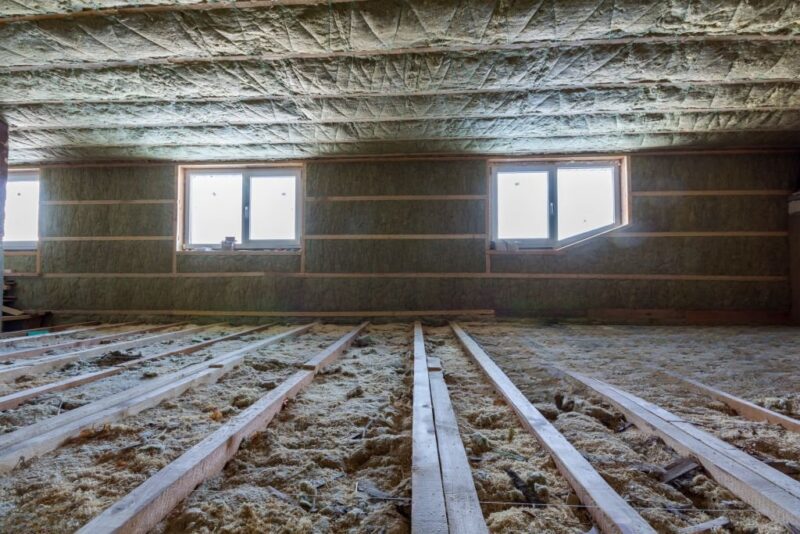
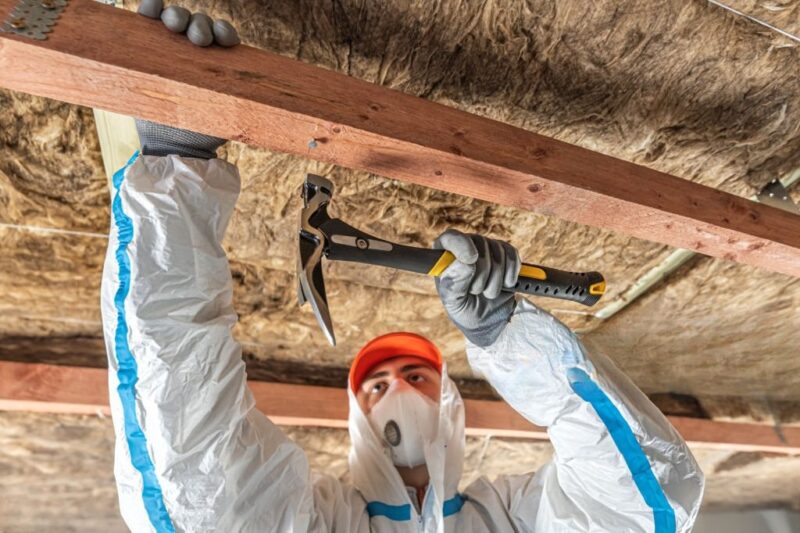
Because heat rises, attics are one of the most critical areas for insulation. In warm climates, inadequate attic insulation allows heat buildup to radiate downward, forcing the air conditioner to run longer to keep indoor spaces cool. In colder months, poor insulation allows heat to escape, driving up heating costs. Adding or upgrading insulation (especially in older homes) improves temperature stability, reduces load on HVAC equipment, and offers one of the highest returns on investment among energy upgrades.
Window Treatments and Sun-Blocking Strategies
Windows are another major source of heat gain, especially in homes with southern or western exposure. Using reflective blinds, blackout curtains, awnings, or solar screens helps block intense sunlight and reduce indoor temperatures. For homeowners considering long-term improvements, low-E window coatings or energy-efficient window replacements further reduce unwanted heat transfer. When paired with proper insulation and sealing, improved window strategies significantly assist HVAC performance and reduce monthly cooling costs.
Leverage Advanced HVAC Upgrades for Long-Term Savings
Beyond basic maintenance and thermostat adjustments, long-term energy savings often come from upgrading or modernizing core HVAC components. Today’s HVAC technologies are designed to reduce waste, provide precision comfort, and operate more efficiently — especially in areas with extreme heat or humidity. While these upgrades require an upfront investment, they typically pay off through lower monthly bills, reduced strain on equipment, and improved indoor comfort.
Ductless HVAC Systems for Zoned Efficiency
Ductless mini-split systems eliminate energy losses associated with ductwork, which can account for up to 30% of energy waste in traditional setups. Each indoor air handler acts as an independent zone, meaning bedrooms, offices, or additions can be cooled or heated only when in use. This setup is ideal for homes with poorly conditioned spaces, room additions, or older homes where installing ductwork isn’t feasible. By eliminating overconditioning in unused zones, ductless systems offer consistent comfort and daily savings.
Zoning Systems for Multi-Level Homes
Multi-story homes and large floor plans often struggle with temperature consistency because heat naturally rises and airflow can be imbalanced. Zoning divides the home into separate climate regions controlled by independent thermostats and motorized dampers. Parents can keep bedrooms cooler at night while living spaces remain more moderate — or vice versa. This targeted approach reduces wasted energy while improving comfort for households with diverse temperature preferences.
Heat Pumps as High-Efficiency Alternatives
Modern heat pumps offer some of the best efficiency ratings on the market thanks to their ability to transfer heat rather than generate it. In mild to warm climates, they can cool efficiently in the summer and provide supplemental heating in the winter with significantly lower utility costs than resistance-based heaters. High-efficiency models, including inverter-driven and variable-speed options, further optimize performance by adjusting output based on demand rather than operating at full blast. Over time, replacing older AC systems with heat pumps can yield meaningful reductions in energy bills.
Humidity Control Systems for Coastal Climates
In humid environments, moisture control is as important as temperature control. High humidity makes indoor air feel warmer, encourages mold growth, and forces the HVAC to run harder to reach desired temperatures. Whole-home dehumidifiers, smart humidity sensors, and integrated ventilation systems help maintain ideal relative humidity levels, typically between 40–60%. This reduces cooling load, improves air quality, and prevents moisture-related wear on the HVAC system. The result: lower energy consumption and more consistent comfort throughout the year.
Cutting Energy Costs Through Smart Behavior & Usage Habits
Even the most advanced HVAC system can only do so much if daily usage habits aren’t aligned with efficiency. Small behavioral adjustments add up over time, helping households reduce energy waste without sacrificing comfort or convenience. By using your HVAC more intentionally — especially during high-demand seasons — you can lower monthly bills and avoid unnecessary system strain.
Use “Away” Settings for Work & Travel
Heating and cooling an empty house is one of the most common sources of energy waste. Switching your system to an “away” mode during daytime work hours or weekend trips reduces runtimes without letting temperatures swing too far out of range. Smart thermostats excel at this, automatically adjusting temperatures based on schedules, geofencing, or travel settings. These changes can quietly save a meaningful percentage on monthly utility costs.
Avoid Running HVAC with Open Windows
While fresh air is enjoyable, leaving windows open while the HVAC is operating forces the system to compensate for outdoor heat, humidity, or cold air. This dramatically increases runtime and energy consumption. If you want ventilation, briefly turn off the HVAC or rely on standalone fans until windows are closed again. Maintaining a sealed home ensures conditioned air isn’t wasted.
Adjust Temps Before Large Gatherings
During holidays or family events, cooking appliances, extra guests, and lighting naturally heat the home — especially in the kitchen and living spaces. Pre-cooling slightly before guests arrive helps counterbalance the additional heat load without overworking the system in the moment. Once everyone is settled, you can raise the thermostat a degree or two for comfortable savings without anyone noticing.
Utilize Holiday Season Cooking Heat Output
Winter entertaining often involves ovens, stovetops, and baking — all of which release heat. Rather than heating the home and the oven simultaneously, let holiday cooking assist the HVAC. If safe and practical, crack the oven door after baking to disperse residual heat. Combined with thermostat adjustments, this simple habit reduces energy usage when it matters most.
4 Signs Your HVAC System Is Driving Up Energy Bills
1. Short Cycling or Long Run Times
An efficient HVAC system should run in steady, measured cycles. If the system turns on and off rapidly (short cycling) or runs much longer than normal, it’s struggling to reach or maintain set temperatures. Common culprits include low refrigerant, dirty coils, failing sensors, or improper sizing. Both scenarios waste significant energy and accelerate wear on components.
2. Rooms with Uneven Temperatures
Hot and cold spots throughout the home typically signal airflow restrictions, duct leaks, or zone imbalances. If one room feels frigid while another stays warm, the HVAC is compensating and consuming more energy to achieve consistent temperatures. Issues with thermostat placement, undersized ducts, or poor home insulation may also contribute.
3. Sudden Utility Bill Spikes Without Weather Changes
If energy bills jump unexpectedly without a dramatic shift in outdoor temperatures or household usage, your HVAC could be the cause. Hidden inefficiencies — from clogged filters to degrading compressors — force the system to work harder, often without noticeable performance changes until costs surge.
4. Old Age or Near-End-of-Life Systems
Most residential HVAC systems last 10 to 15 years, depending on maintenance, climate, and usage. As systems age, efficiency naturally declines, especially in older units with lower SEER ratings. A system approaching end-of-life often consumes more energy to deliver less comfort, making replacement or high-efficiency upgrades a cost-effective move. This is why it’s very important for regular residential HVAC services in Port Charlotte to know your HVAC condition and to prevent unnecessary bills to pay.
When Replacement Saves More than Repair
There comes a point where pumping money into an aging HVAC system no longer makes financial sense. Between declining efficiency, repeated breakdowns, and outdated technology, upgrading to a new unit can actually lower long-term costs — especially when rebates, incentives, and high-efficiency models come into play.
The Cost Curve of Aging HVAC Systems
As HVAC systems enter their later years (typically past year 10), repair frequency and energy consumption tend to increase. Older compressors, motors, coils, and sensors lose performance efficiency, requiring more electricity to maintain temperature. Meanwhile, small repairs that once cost a few hundred dollars can begin escalating into multi-component fixes worth thousands. At a certain point, the cumulative cost of repairs + high utility bills often exceeds the cost of replacement.
When Efficiency Upgrades Deliver ROI
Modern HVAC systems deliver higher SEER2 ratings, variable-speed performance, smart controls, and better humidity management — all of which translate into measurable savings. Many homeowners see energy bill reductions of 20% to 40% when upgrading from older SEER 10–13 units to SEER2 18+ models. Beyond monthly savings, upgraded systems offer quieter operation, improved comfort consistency, and fewer repair-related surprises. In hot or humid climates, high-efficiency upgrades pay off even faster due to heavier HVAC usage.
Rebates, Tax Credits & Incentives for High-Efficiency Systems
Replacing a system at the right time allows homeowners to stack financial benefits beyond just utility savings. Federal tax credits, energy-efficiency rebates, and manufacturer promotions can significantly offset installation costs. Local programs and utility providers often offer incentives for heat pumps, ductless systems, and ENERGY STAR upgrades. When combined, these opportunities can reduce upfront costs enough to make AC replacement in Port Charlotte a financially smarter move over ongoing repairs.
FAQs — Lowering HVAC Energy Bills
How much can maintenance actually affect energy use?
Quite a lot. Seasonal tune-ups, clean filters, and proper refrigerant levels can reduce HVAC energy consumption by 10% to 30%. When systems get dirty or worn, they run longer and harder, which drives utility bills up.
Does upgrading to a heat pump save money?
In many homes, yes. Heat pumps are highly efficient because they move heat rather than generate it. In warm or moderate climates, switching from electric resistance heat or older A/C units can offer noticeable energy savings and improved comfort.
What’s the best temperature setting for energy savings?
For cooling, 76°F–78°F is a good balance for most households, while winter heating often sits around 68°F–70°F. The bigger savings come from adjustments when you’re asleep or away — even a 7°–10° difference for part of the day can reduce yearly costs.
Can zoning really lower HVAC costs?
Zoning helps control temperatures only in areas being used, reducing waste in rooms that don’t need conditioning. In multi-level or larger homes, zoning can significantly cut energy usage while improving comfort.
Is it worth switching to a smart thermostat?
Almost always. Smart thermostats automate scheduling, use sensors, and adjust temperatures based on occupancy. Many users save 10%–20% annually with minimal effort, especially when paired with remote access and seasonal presets.
Cool Off Your Bills—Let’s Chill Smarter, Not Harder!
Lowering your energy bills doesn’t require major sacrifices — just smarter AC maintenance in Port Charlotte, air conditioning repair in Port Charlotte, AC installation in Port Charlotte, better habits, and strategic upgrades. By understanding how your system works, addressing small issues early, and improving the efficiency of your home, you can enjoy consistent comfort throughout every season without overspending. Whether it’s optimizing airflow, upgrading components, or sealing energy leaks, each change adds up to meaningful long-term savings.
If you’re ready to take charge of your home’s energy efficiency, Dale’s AC as a trusted HVAC company in Port Charlotte is here to help you make the smartest choices for your HVAC system. Whether you need maintenance, upgrades, or expert guidance, just give us a call at (941) 629-1712 or contact us and we’ll help you lower your bills, boost comfort, and keep your HVAC running at peak performance. Let’s start saving today!