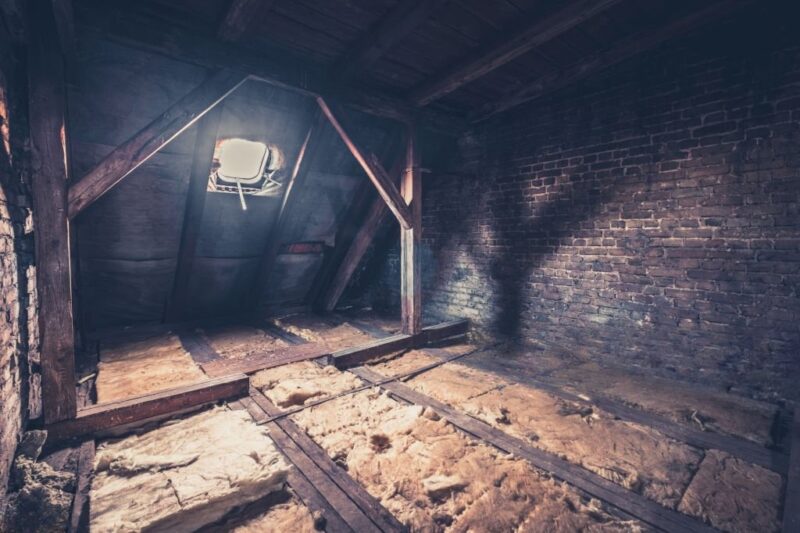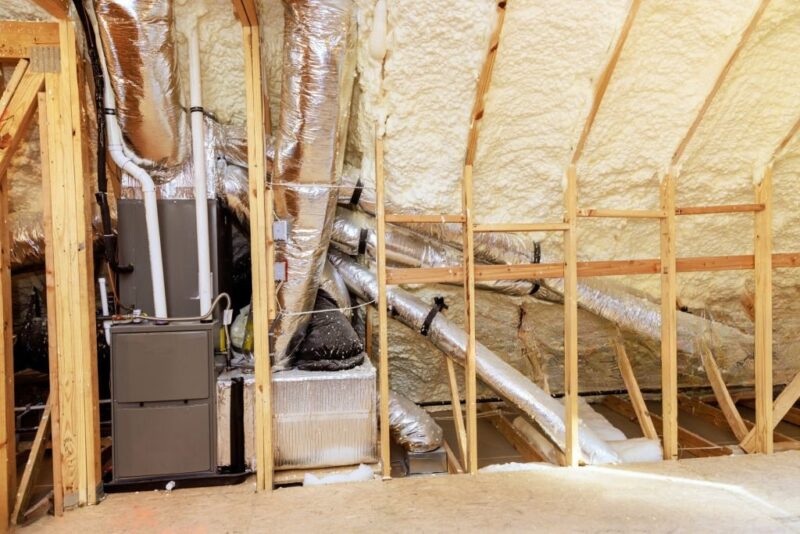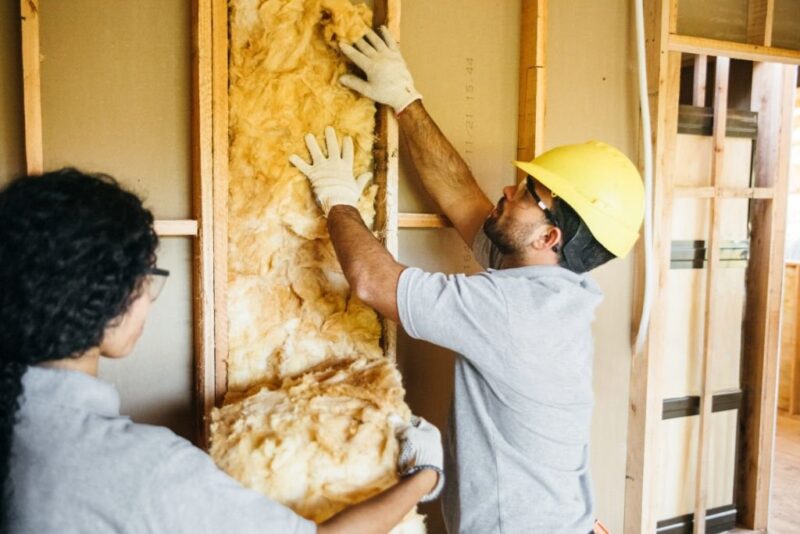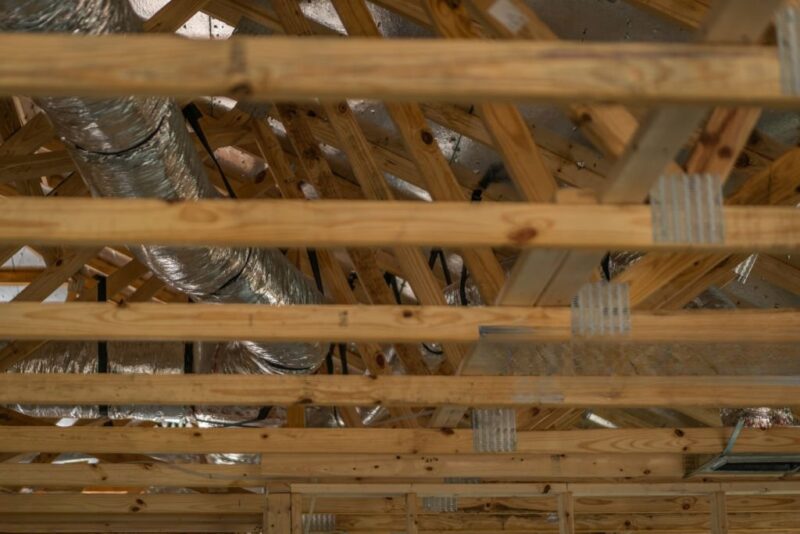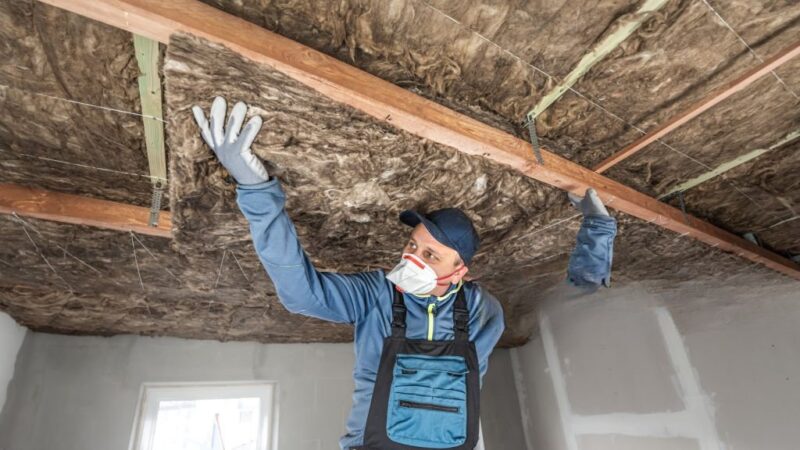


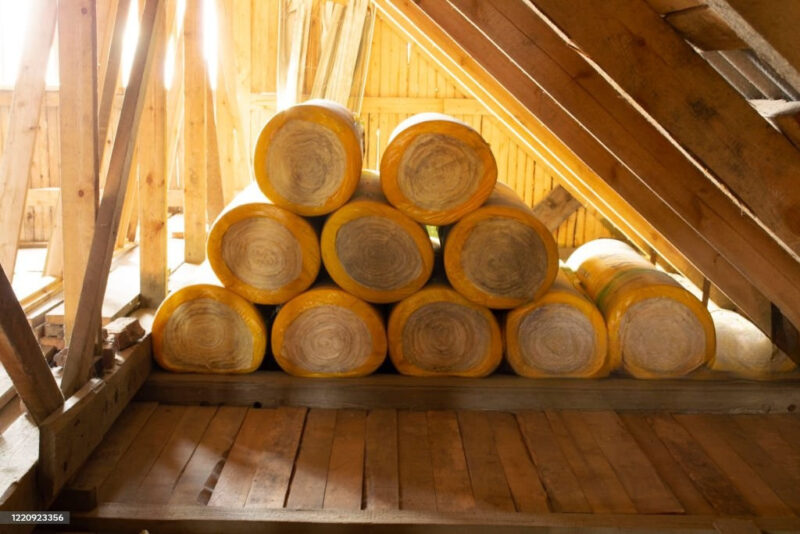
Choosing the right attic insulation material can make a noticeable difference in how well a Florida home manages heat and maintains comfortable indoor temperatures. Fiberglass, cellulose, spray foam, mineral wool, and other insulation materials each have different characteristics, installation requirements, and applications. The right choice depends on more than the material itself, including your attic design, existing insulation, target R-value, moisture conditions, air-sealing needs, and budget.
For homeowners in Southwest Florida, these considerations are especially important because high temperatures, humidity, and a long cooling season can place substantial demands on both the building envelope and air conditioning system. Understanding how different attic insulation materials work can help you make a more informed decision instead of simply choosing the option with the highest R-value or lowest price. In this guide, Dale’s AC breaks down the most common types of attic insulation, their advantages and limitations, and the factors to consider when determining which option is appropriate for your home.
Understanding How Attic Insulation Works
Attic insulation helps control heat movement between the attic and the conditioned areas of a home. In Florida, where attic temperatures can rise significantly during much of the year, properly selected and installed insulation can support indoor comfort and reduce the amount of heat the HVAC system has to manage.
What Is Attic Insulation?
Attic insulation acts as a thermal barrier between the attic and conditioned living spaces. Its primary purpose is to slow heat transfer, helping reduce the amount of attic heat that moves through the ceiling into the home. By limiting this heat gain, insulation can support more consistent indoor temperatures and contribute to better residential energy efficiency when combined with a properly maintained HVAC system and effective building envelope.
Why Attic Insulation Matters in Florida
Florida homes face high outdoor temperatures, hot attic conditions, elevated humidity, and a long cooling season. These conditions can increase the amount of heat entering the home and place greater demand on the air conditioning system. Attic insulation can help reduce heat transfer, but moisture management is also important. Any roof leaks, condensation, or other moisture problems should be addressed before insulation is added or replaced.
What Is R-Value?
R-value measures how strongly an insulation material resists heat flow. In general, a higher R-value provides greater thermal resistance, but the total R-value of an installation depends on the material and its installed thickness. Different insulation types can provide different R-values per inch, which is why thickness alone does not tell the whole story. R-value is an important comparison point, but attic design, moisture conditions, air sealing, available space, and installation quality also influence which material is most appropriate.
Why Installation Quality Matters
Even a high-performing insulation material may not work as intended if it is installed poorly. Consistent coverage, proper depth, and avoiding unnecessary gaps or compression are important for creating an effective thermal barrier. In vented attic assemblies, insulation should also be installed without blocking required ventilation pathways, such as soffit vents. Appropriate air leaks should be addressed as part of the preparation process so uncontrolled air movement does not undermine the performance of the finished insulation system.
Fiberglass Attic Insulation
Fiberglass is one of the most common attic insulation materials used in residential construction. It is available in several forms and can work well in many attic applications when it is installed correctly and kept dry. Its performance depends heavily on proper coverage, thickness, and fit.
What Is Fiberglass Insulation?
Fiberglass insulation is made from fine glass fibers and is commonly available as batts, rolls, or loose-fill material. Batts and rolls are typically installed between framing members, while loose-fill fiberglass can be blown across attic floors and around irregular spaces. Because it is widely used in residential construction, homeowners often encounter fiberglass when upgrading or supplementing existing attic insulation.
Advantages of Fiberglass
Fiberglass is widely available, familiar to many installers, and often relatively cost-effective compared with some other insulation materials. It is also available in multiple installation formats, which makes it adaptable to different attic layouts. Fiberglass has fire-resistant characteristics because the glass fibers themselves are noncombustible, although surrounding facings, binders, and building materials still need to meet applicable safety requirements.
Limitations of Fiberglass
Fiberglass performance can be reduced when batts are compressed, poorly fitted, or installed with gaps around framing and penetrations. Moisture can also affect surrounding building materials and may reduce overall attic performance, so leaks and condensation should be addressed before installation. Proper protective equipment and handling practices are important during installation because loose fibers can irritate skin, eyes, and airways. Loose-fill fiberglass may also settle to some degree over time, so installed depth and coverage should be verified.
When Fiberglass May Be Appropriate
Fiberglass can be a practical option for attic-floor applications, especially in homes with suitable existing attic assemblies and enough space for the required insulation depth. It may also make sense for projects where material cost, accessibility, and the ability to add insulation over existing material are important considerations. A professional attic evaluation can help determine whether batts, rolls, or blown-in fiberglass are the best fit for the home’s design and current insulation conditions.
Blown-In Fiberglass Insulation
Blown-in fiberglass is a loose-fill insulation option that can be useful for covering large attic areas and spaces where installing traditional batts may be difficult. Because the material is distributed using specialized equipment, it can create relatively uniform coverage across attic floors when properly installed.
How Blown-In Fiberglass Works
Blown-in fiberglass consists of small, loose fiberglass particles that are mechanically blown into the attic using specialized equipment. Unlike pre-cut batts or rolls, loose-fill material can settle around framing, pipes, wiring, and other obstacles. This makes it particularly useful for irregularly shaped attic spaces where achieving consistent coverage with batt insulation may be more challenging.
Benefits of Blown-In Fiberglass
One of the main advantages of blown-in fiberglass is its ability to provide consistent coverage when installed at the appropriate depth and density. The loose material can fill around many attic obstacles and reach areas that may be difficult to cover with pre-cut insulation. It can also be useful when upgrading an existing attic because, depending on the condition of the current insulation, new blown-in fiberglass may be installed to supplement existing material rather than requiring complete removal.
Considerations With Blown-In Fiberglass
Proper installation is important for achieving the intended performance of blown-in fiberglass. The material must be installed at the appropriate depth and density to reach the desired R-value, while accounting for potential settling over time. Any roof leaks, condensation, or other moisture problems should be corrected before installation, and appropriate attic air leaks should generally be addressed before the loose-fill material is added. Professional installation can help ensure proper coverage while protecting ventilation pathways and accounting for electrical components, attic access points, and other areas that require special attention.
Cellulose Attic Insulation
Cellulose is another loose-fill insulation material commonly used in residential attics. Its ability to settle around framing and other obstacles can make it useful for creating coverage across attic floors, particularly in existing homes where installing pre-cut insulation may be more difficult.
What Is Cellulose Insulation?
Cellulose insulation is made primarily from recycled paper fiber, often sourced from recycled newsprint and other paper products. The fibers are treated with fire-retardant materials to improve their resistance to ignition and help meet applicable safety requirements. In attics, cellulose is commonly installed as loose-fill insulation using specialized blowing equipment that distributes the material across the attic floor.
Advantages of Cellulose
One advantage of cellulose is its high recycled content, which can make it appealing to homeowners considering the material composition of their insulation. Because it is installed as loose fill, cellulose can provide good coverage around framing, pipes, wiring, and other irregular areas when properly installed. It is well suited to many attic-floor applications and can also provide sound-dampening benefits because of its relatively dense fiber structure.
Limitations of Cellulose
Cellulose can settle over time, particularly if it is not installed at the appropriate depth and density, which may affect its thermal performance. The material also requires careful moisture management. Roof leaks, condensation, or other sources of moisture should be identified and corrected before installation because wet insulation can lose effectiveness and contribute to other attic problems. Proper installation density and depth are important for achieving the intended R-value and maintaining consistent coverage.
When Cellulose May Be Appropriate
Cellulose may be appropriate for attic-floor insulation in existing homes, especially when loose-fill material is needed to cover irregular areas or supplement suitable existing insulation. However, the decision should account for the attic’s design, ventilation, existing insulation, moisture conditions, and required thermal performance. A professional attic evaluation can help determine whether cellulose has the right characteristics for the home’s specific insulation needs.
Spray Foam Attic Insulation
Spray foam insulation is commonly used in attic and roofline applications where both thermal resistance and air sealing are important considerations. Unlike loose-fill or batt insulation, spray foam is applied as a liquid that expands and cures in place, allowing it to conform closely to the surfaces where it is installed.
What Is Spray Foam?
Spray foam insulation is created by combining liquid components that react, expand, and harden into an insulating layer. As it expands, the foam can fill gaps and irregular spaces while also helping reduce uncontrolled air leakage. In attic applications, spray foam is often installed along the roof deck or other surfaces where creating a more continuous insulation and air-sealing layer is part of the overall attic design.
Open-Cell Spray Foam
Open-cell spray foam has a lower-density structure and expands significantly during application, allowing it to fill cavities and irregular spaces. It can provide effective air-sealing properties when installed correctly, but its thermal resistance per inch is generally lower than that of closed-cell foam. Because open-cell foam is more vapor-permeable, moisture movement and vapor-control requirements should be carefully considered based on the attic assembly and local climate.
Closed-Cell Spray Foam
Closed-cell spray foam has a denser structure and typically provides a higher R-value per inch than open-cell foam. It can offer strong air-sealing performance and greater resistance to moisture movement, which may make it useful in applications where space is limited or additional moisture control is desired. However, closed-cell foam generally costs more than open-cell foam and may not be appropriate for every attic design.
Advantages of Spray Foam
One of the main advantages of spray foam is its ability to expand into irregular spaces and adhere to appropriate building surfaces. This can help create a more continuous insulation layer while reducing certain air-leakage pathways. Spray foam can be particularly useful in specific roofline or unvented attic assemblies when the entire system is designed and installed correctly.
Limitations of Spray Foam
Spray foam typically has a higher upfront cost than many traditional insulation materials and requires trained professional installation. Once cured, it can also be difficult to remove, which may complicate future roof, wiring, or structural work. Careful application is essential, and the attic assembly, ventilation strategy, roof condition, moisture levels, and HVAC configuration should all be evaluated before installation to determine whether spray foam is appropriate for the home.
Mineral Wool Attic Insulation
Mineral wool is a dense, fiber-based insulation material that can be used in certain attic applications where thermal performance, durability, fire resistance, and sound control are important considerations. It is less common than fiberglass in many residential attics, but it can be a strong option when the attic design and project requirements are compatible with the material.
What Is Mineral Wool?
Mineral wool insulation is typically made from either rock wool, which is produced from natural stone, or slag wool, which is made from recycled industrial slag. The material is formed into dense fibers and is commonly available as batts, although other forms may also be available. In attic applications, mineral wool is often installed between framing members where a firm, closely fitted insulation material is appropriate.
Advantages of Mineral Wool
One of mineral wool’s key advantages is its strong fire-resistance characteristics because the material is noncombustible and can tolerate high temperatures. Its dense structure can also provide useful sound-control benefits and help reduce sound transmission between spaces. Mineral wool is relatively durable and tends to resist moisture absorption better than some insulation materials, although any attic moisture problems should still be corrected before installation.
Limitations of Mineral Wool
Mineral wool generally costs more than fiberglass and is heavier and denser, which can make handling and installation more demanding. Batts need to be cut and fitted carefully around framing, wiring, pipes, and other obstacles to avoid gaps that could reduce performance. Availability may also vary depending on the local market, which can influence material selection and overall project cost.
When Mineral Wool May Be Appropriate
Mineral wool may be a good fit for attic assemblies where batt-based insulation can be installed properly and where fire resistance or sound control is a particular priority. It may also appeal to homeowners looking for a durable, dense insulation material. As with other options, the decision should consider the attic design, existing insulation, available space, moisture conditions, required R-value, and installation requirements before choosing mineral wool for the project.
Rigid Foam Board Insulation
Rigid foam board insulation is a panel-based option that can provide strong thermal resistance in relatively thin assemblies. While it is not typically used the same way as loose-fill insulation across an open attic floor, it can be useful in certain roof, wall, or specialized attic applications where space, moisture management, and continuous insulation are important considerations.
What Is Rigid Foam Board?
Rigid foam board insulation consists of solid insulating panels manufactured in different thicknesses and foam types. Depending on the product, rigid foam can provide a relatively high R-value per inch, which can make it useful where installation space is limited. Because the panels are firm rather than loose or flexible, they are usually installed as part of a planned building assembly rather than simply spread across an attic floor.
Common Types of Rigid Foam Board
The most common types of rigid foam board include expanded polystyrene (EPS), extruded polystyrene (XPS), and polyisocyanurate, often called polyiso. Each material has different thermal, moisture, strength, and cost characteristics. EPS is generally lighter and more vapor-permeable, XPS is denser and offers greater moisture resistance, and polyiso can provide a comparatively high R-value per inch under appropriate conditions. Product specifications should always be reviewed for the intended application.
Advantages of Rigid Foam
Rigid foam can offer strong thermal resistance, particularly when a project requires more insulating value within limited space. Its solid panel structure also provides dimensional stability and can help create a more continuous insulation layer when seams and edges are properly detailed. Moisture resistance varies by foam type, so the selected material should match the needs of the attic assembly rather than being chosen based on R-value alone.
Limitations of Rigid Foam in Attics
Rigid foam requires careful measuring, cutting, fitting, and sealing to perform as intended. Gaps between panels or poorly treated seams can reduce the effectiveness of the insulation system, and the rigid format makes it less adaptable to irregular attic spaces filled with framing, wiring, pipes, and other obstacles. For this reason, rigid foam may be better suited to specialized roofline or building-envelope applications than to conventional attic-floor insulation. Local code requirements, fire protection provisions, moisture conditions, and the complete attic design should be evaluated before installation.
Radiant Barriers and Reflective Insulation
Radiant barriers and reflective insulation work differently from fiberglass, cellulose, spray foam, and other conventional insulation materials. Rather than primarily resisting heat flow through the material itself, these products are designed to reduce radiant heat transfer. In Florida attics, they may be considered as one part of a broader strategy for managing heat gain.
How Radiant Barriers Work
Radiant barriers use highly reflective surfaces, commonly aluminum foil, to reduce radiant heat transfer from a hot roof toward cooler surfaces inside the attic. For a radiant barrier to work as intended, the reflective surface generally needs to face an appropriate air space. This mechanism is different from conventional insulation, which primarily provides thermal resistance to slow heat flow through or across the building assembly.
Radiant Barriers vs. Traditional Insulation
Radiant barriers primarily address radiant heat, while traditional insulation such as fiberglass, cellulose, or spray foam is designed to resist heat transfer and is typically evaluated using R-value. Because they work differently, radiant barriers should not automatically be considered replacements for conventional attic insulation. Depending on the attic design and existing conditions, a radiant barrier may instead be used alongside other insulation and building-envelope measures as part of a broader heat-management strategy.
Why Radiant Barriers Can Be Relevant in Florida
Florida’s hot, sunny climate can create significant solar heat gain through the roof, contributing to high attic temperatures during warmer periods. A properly installed radiant barrier may help reduce some of the radiant heat transferred from the underside of the roof toward other attic surfaces. However, performance depends on factors such as roof design, attic configuration, existing insulation, installation location, and maintaining the necessary air space next to the reflective surface. A professional attic evaluation can help determine whether a radiant barrier makes sense for a particular Florida home.
How to Choose the Right Attic Insulation Material
Choosing the right attic insulation involves more than comparing materials or looking for the highest R-value. The best option depends on how the attic is built, its current condition, moisture and air-leakage concerns, installation requirements, and the total scope of the project. In Florida homes, these factors are especially important because heat and humidity can affect both insulation performance and overall attic conditions.
Consider Your Attic Design
Start by identifying whether the attic is vented or unvented and whether insulation is installed along the attic floor or roofline. These assemblies function differently and may require different materials and installation methods. Available insulation depth, framing configuration, roof design, and existing insulation should also be considered before selecting a new material.
Evaluate Existing Attic Conditions
The attic should be inspected for moisture, air leaks, damaged insulation, ductwork issues, electrical and plumbing penetrations, and signs of pest activity. These conditions can affect both material selection and installation strategy. If existing insulation is wet, contaminated, compressed, or damaged, it may need to be repaired or removed before new insulation is added.
Compare Thermal Performance
R-value is an important factor because it measures resistance to heat flow, but it should be considered alongside insulation thickness and installation quality. Gaps, compression, uneven coverage, and voids can reduce the effectiveness of even a high-R-value product. The goal is to create a consistent thermal barrier that works with the attic’s design rather than relying on R-value alone.
Consider Moisture Management
Florida’s humidity makes moisture management an important part of attic insulation planning. Roof leaks, plumbing leaks, condensation, or other moisture sources should be identified and corrected before insulation is installed. Different insulation materials also handle moisture differently, so the chosen product should be appropriate for the attic assembly and its vapor-control needs.
Consider Air-Sealing Requirements
Insulation slows heat transfer, while air sealing helps reduce uncontrolled air movement through the building envelope. Common attic leakage points include access hatches, top plates, duct chases, plumbing penetrations, and electrical openings. Addressing appropriate air leaks before installing insulation can help improve the performance of the overall attic system.
Consider Installation Requirements
Some insulation materials require specialized equipment, professional application, or more extensive preparation than others. Accessibility, worker safety, attic layout, required installation depth, ventilation pathways, and applicable building-code requirements all need to be considered. Proper installation is especially important for materials such as blown-in insulation and spray foam, where depth, density, or application technique directly affects performance.
Consider the Complete Project Cost
The total cost of attic insulation can include more than the insulation material itself. Labor, air sealing, removal of damaged existing insulation, repairs, ventilation modifications, cleanup, and accessibility can all affect the final price. Comparing the complete project scope rather than material cost alone can help homeowners choose an insulation strategy that fits both the attic’s needs and their budget.
9 Attic Insulation Problems
1. Insufficient Insulation Depth
If insulation is too shallow, it may not provide the intended level of thermal resistance. This can allow more heat to move between the attic and conditioned spaces. The appropriate depth depends on the material, target R-value, attic design, and applicable building requirements.
2. Uneven Insulation Coverage
Insulation that is deeper in some areas and thin or missing in others can create inconsistent thermal performance across the attic floor. Uneven coverage may be especially common around framing, attic access points, mechanical equipment, and hard-to-reach spaces.
3. Compressed Insulation
Fiberglass batts and other insulation materials can lose effectiveness when they are compressed because the trapped air within the material helps provide thermal resistance. Insulation should generally be installed at its intended thickness without being packed tightly into spaces that are too small.
4. Gaps and Voids
Small gaps around framing, pipes, wiring, recessed areas, or other attic features can allow heat to bypass portions of the insulation layer. Careful installation helps minimize these voids and create more continuous thermal coverage.
5. Moisture-Damaged Insulation
Roof leaks, plumbing leaks, condensation, or other moisture sources can damage attic insulation and surrounding building materials. Wet or contaminated insulation may need to be removed or replaced, but the source of the moisture should be identified and corrected first.
6. Blocked Soffit Vents
In vented attic assemblies, insulation should not block soffit vents or other intended ventilation pathways. Restricted airflow can interfere with the attic’s designed ventilation strategy. Baffles or other appropriate measures may be used to help maintain clear airflow where needed.
7. Poorly Sealed Attic Penetrations
Openings around plumbing, electrical wiring, duct chases, attic hatches, and other penetrations can allow uncontrolled air movement between conditioned spaces and the attic. Insulation alone does not necessarily stop these leaks, which is why appropriate air sealing is often addressed before additional insulation is installed.
8. Settled or Deteriorated Insulation
Loose-fill insulation can settle over time, while older insulation may become displaced, contaminated, or otherwise deteriorated. Settling does not automatically mean the insulation needs complete replacement, but its current depth, condition, and coverage should be evaluated to determine whether additional material or other corrective work is needed.
9. Improper Spray Foam Application
Spray foam requires careful preparation and application to perform as intended. Problems can occur when foam is applied unevenly, at the wrong thickness, to unsuitable surfaces, or without properly considering moisture, ventilation, and the overall attic assembly. Because spray foam can be difficult to remove once cured, professional evaluation and installation are especially important.
Why Florida Homeowners Trust Dale’s AC
Choosing attic insulation is easier when you work with a team that understands how insulation, HVAC performance, airflow, humidity, and the building envelope all work together. Dale’s AC brings decades of experience serving Southwest Florida homeowners and provides practical recommendations based on the actual condition of the home rather than a one-size-fits-all approach.
Serving Southwest Florida Since 1974
Dale’s AC has been serving Southwest Florida since 1974, helping homeowners manage the challenges that come with Florida heat, humidity, and long cooling seasons. That local experience matters because attic conditions, cooling demands, and moisture concerns can vary significantly from homes in other climates.
Professional Attic Insulation Evaluations
A professional attic evaluation can help determine whether insulation is thin, uneven, compressed, damaged, or affected by moisture or air leakage. Dale’s AC considers the existing insulation, attic design, ventilation, ductwork, and other conditions before recommending an upgrade, replacement, or additional insulation.
HVAC and Building-Envelope Considerations
Attic insulation does not work independently from the rest of the home. Dale’s AC looks at factors such as HVAC performance, ductwork, air leakage, insulation coverage, and attic configuration to identify what may be contributing to comfort concerns. This whole-home perspective helps avoid treating insulation as the solution when another issue may also need attention.
Air Sealing and Home Comfort Solutions
Air leaks around attic hatches, plumbing penetrations, top plates, duct chases, and other openings can allow uncontrolled air movement between the attic and conditioned spaces. When appropriate, Dale’s AC can help identify air-sealing opportunities that work alongside insulation to support a more effective building envelope and improved home comfort.
FAQs About Types of Attic Insulation Materials
What Is the Best Attic Insulation Material for a Florida Home?
There is no single insulation material that is best for every Florida home. Fiberglass, cellulose, spray foam, mineral wool, and other options each have different advantages, installation requirements, and costs. The right choice depends on factors such as whether the attic is vented or unvented, where the insulation will be installed, existing moisture conditions, available space, target R-value, and budget.
Is Spray Foam Better Than Blown-In Insulation?
Spray foam is not automatically better than blown-in insulation. Spray foam can provide both thermal resistance and air-sealing benefits, which may make it useful for certain roofline or unvented attic assemblies. Blown-in insulation can be effective for attic-floor applications and is often easier to add over suitable existing insulation. The better option depends on the attic design, project goals, moisture considerations, and overall cost.
Is Fiberglass or Cellulose Better for Attic Insulation?
Both fiberglass and cellulose can perform well when properly installed. Fiberglass is widely available, relatively cost-effective, and comes in several installation formats. Cellulose offers good loose-fill coverage and typically contains a high percentage of recycled material. Moisture conditions, installation depth, settling, existing insulation, and attic configuration should all be considered before choosing between them.
Does Higher R-Value Always Mean Better Insulation?
A higher R-value generally means greater resistance to heat flow, but R-value alone does not determine how well an attic insulation system will perform. Installation quality, coverage, compression, air leakage, moisture, ventilation, and the attic assembly all matter. A high-R-value product with gaps or poor installation may not perform as effectively as a properly installed material with more consistent coverage.
Can I Add New Insulation Over Existing Attic Insulation?
In many cases, new insulation can be added over existing material if the current insulation is dry, clean, and in suitable condition. However, wet, contaminated, pest-damaged, compressed, or deteriorated insulation may need to be removed or corrected first. An attic inspection can help determine whether adding insulation is appropriate or whether other issues should be addressed before installation.
Does Attic Insulation Help Lower AC Bills?
Attic insulation can help reduce heat transfer into conditioned spaces, which may reduce cooling demand and support lower energy use. However, the actual impact on AC bills varies based on home size, insulation levels, HVAC efficiency, ductwork, air leakage, thermostat settings, weather, and household habits. Insulation should not be viewed as a guarantee of a specific reduction in utility costs.
Does Attic Insulation Help With Indoor Humidity?
Attic insulation can support the overall building envelope, but it is not a standalone humidity-control solution. Indoor humidity can also be affected by HVAC sizing and operation, air leakage, ventilation, ductwork, moisture intrusion, and occupant activity. If humidity is consistently high, the underlying cause should be evaluated rather than assuming additional insulation will solve the problem.
How Long Does Attic Insulation Last?
The lifespan of attic insulation depends on the material, installation quality, moisture exposure, pest activity, physical disturbance, and other attic conditions. Many insulation materials can remain effective for years when they stay dry and undamaged. Instead of replacing insulation based only on age, homeowners should have its condition, depth, coverage, and performance evaluated.
Should I Have My Attic Inspected Before Choosing an Insulation Material?
Yes. An attic inspection can identify existing insulation levels, moisture problems, air leaks, ventilation concerns, ductwork issues, damaged materials, and other conditions that may influence the choice of insulation. Evaluating these factors first can help homeowners choose a material and installation strategy that fits the actual needs of the home.
Put a Lid on Florida Heat with the Right Attic Insulation!
Choosing the right attic insulation material comes down to more than picking between fiberglass, cellulose, spray foam, mineral wool, or rigid foam. The best option depends on your attic design, existing insulation, moisture conditions, air-sealing needs, target R-value, and overall home-comfort goals. For Florida homeowners, professional guidance can help ensure that attic insulation in Port Charlotte works together with ventilation, ductwork, HVAC performance, and indoor air quality in Port Charlotte rather than being treated as a standalone solution.
At Dale’s AC as a reliable HVAC company in Port Charlotte, we can help you evaluate the bigger picture and recommend practical solutions for your home or business. Whether you need AC maintenance in Port Charlotte, AC installation in Port Charlotte, AC replacement in Port Charlotte, air conditioning repair in Port Charlotte, residential HVAC services in Port Charlotte, or Commercial HVAC services in Port Charlotte, we’re here to help you make an informed decision. We can also walk you through available financing options when applicable. Call (941) 629-1712 or contact us today to schedule an evaluation and find the right comfort solution for your property.