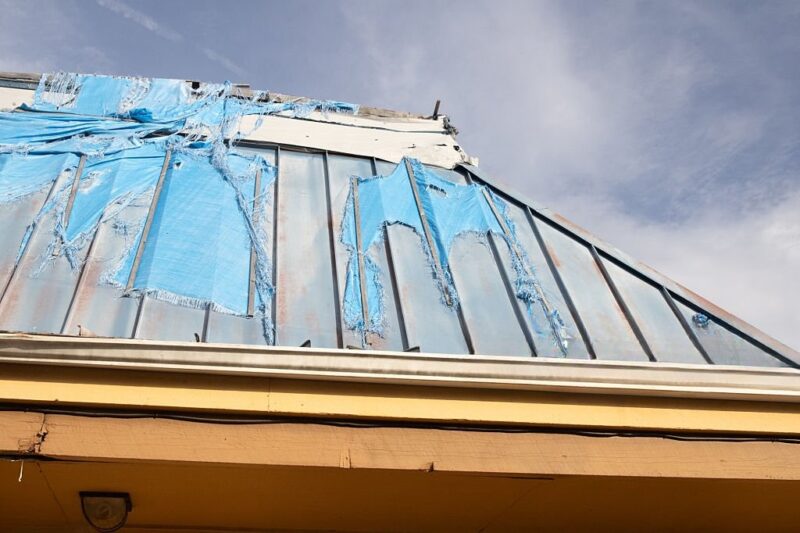


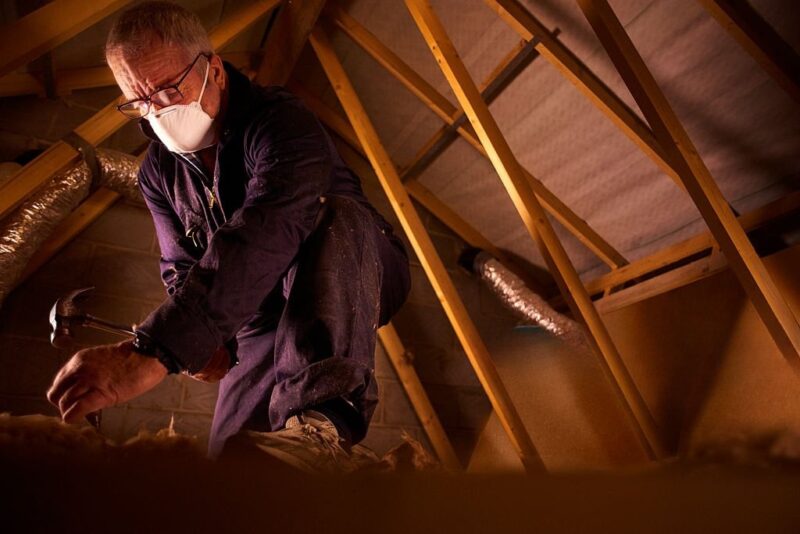
Choosing the right attic insulation contractor is an important step toward improving your home’s comfort, energy efficiency, and indoor temperature control. Proper insulation helps reduce heat transfer between your attic and living spaces, allowing your HVAC system to maintain more consistent temperatures. However, the quality of the installation matters just as much as the insulation material itself. An inexperienced contractor may overlook issues such as air leaks, moisture damage, pest activity, or ventilation problems, which can affect insulation performance and lead to additional home maintenance concerns. Hiring a qualified professional helps ensure that your attic is properly evaluated and that the recommended insulation solution suits your home’s needs.
With several insulation companies offering different materials, installation methods, services, and estimates, knowing which contractor to hire can be challenging. Homeowners in Florida should look for professionals who understand the effects of intense heat and humidity, follow applicable building requirements, and consider the attic’s overall condition before recommending improvements. It’s also important to review a contractor’s licensing, insurance, experience, customer feedback, warranties, and written estimates before making a decision. In this guide, we’ll explain what to look for when comparing attic insulation contractors, the questions to ask before hiring one, common warning signs to avoid, and how to evaluate a proposal so you can choose a professional who can handle your insulation project properly.
Why Hiring the Right Attic Insulation Contractor Matters
Proper attic insulation plays an important role in maintaining comfortable indoor temperatures and reducing heat transfer between your attic and living spaces. During Florida’s hot months, attic temperatures can rise significantly, allowing unwanted heat to move into the rooms below. Insulation helps slow this process, making it easier for your air conditioning system to maintain a consistent indoor temperature. When installed correctly, it can also support home energy efficiency by reducing the amount of heat your HVAC system needs to manage.
However, insulation performance depends on more than the material you choose. The right insulation must be suitable for your home’s structure and installed with consistent coverage and the recommended R-value. Air sealing is also important because gaps around plumbing pipes, electrical wiring, attic hatches, and other openings can allow unwanted air movement. Proper attic ventilation must also be considered to help manage heat and moisture, depending on the roof and attic design. These factors work together to determine how well your insulation performs over time.
Hiring an inexperienced or poorly qualified contractor can lead to problems that affect the entire insulation system. For example, a contractor may install new insulation over existing moisture damage, overlook roof leaks, block ventilation pathways, or fail to address air leaks before completing the work. These issues can reduce insulation effectiveness and create conditions that contribute to material deterioration or other attic concerns. There may also be safety considerations involving electrical components, recessed lighting, wiring, and existing building materials that require proper handling.
This is why a professional attic inspection should come before any insulation recommendation. A qualified contractor should evaluate the existing insulation’s type, depth, coverage, and condition while checking for air leaks, moisture concerns, ventilation issues, and visible damage. Based on these findings, they can recommend whether your attic needs additional insulation, partial or complete removal, air sealing, or other improvements. This approach helps ensure that the proposed work addresses the actual condition of your attic rather than simply adding more material.
For Florida homeowners, choosing the right contractor is especially important because prolonged heat and high humidity can place additional demands on both the attic and HVAC system. Properly installed insulation helps limit heat entering your living spaces, supporting more consistent indoor comfort and reducing unnecessary strain on your air conditioning system. While insulation cannot replace regular HVAC maintenance or repairs, it is an important part of an overall home comfort strategy. Working with an experienced attic insulation contractor helps you make informed decisions about your home’s insulation needs and avoid installation issues that could affect long-term performance.
What to Look for in the Best Attic Insulation Contractors
Choosing among different attic insulation contractors involves more than comparing service prices. You want a professional who has the proper credentials, understands different insulation systems, and can recommend solutions based on your home’s actual needs. Before hiring a company, take time to review its qualifications, experience, customer feedback, and communication practices. These factors can help you identify a contractor who will handle your insulation project carefully and professionally.
Proper Licensing and Insurance
Before hiring an attic insulation contractor, verify that the company meets applicable state and local licensing requirements for the work being performed. Licensing requirements can vary depending on the type of service and project, so ask the contractor which credentials apply to your specific installation. You can also check with the appropriate licensing authority to confirm that the information is valid and up to date.
Insurance is another important consideration. Ask for proof of general liability insurance and workers’ compensation coverage, where applicable. General liability insurance helps protect against certain costs associated with accidental property damage caused during the project. Workers’ compensation coverage can help address eligible employee injuries that occur while performing work. These policies provide an added layer of protection for homeowners and help demonstrate that the contractor operates responsibly.
Do not rely solely on verbal assurances that a company is licensed and insured. Request copies of the relevant documents and confirm that the coverage is current before signing an agreement. Taking this step can help you avoid unnecessary complications if an accident, injury, or property damage occurs during installation.
Relevant Experience and Insulation Expertise
Attic insulation projects can involve different materials, installation methods, and existing building conditions. Look for contractors with experience handling projects similar to yours, whether you need additional insulation, replacement of damaged materials, or a complete attic insulation upgrade. A company familiar with residential attic systems is more likely to recognize common installation challenges and recommend appropriate solutions.
Ask whether the contractor works with different insulation materials, such as fiberglass, cellulose, mineral wool, and spray foam. Each option has different installation requirements, characteristics, and suitable applications. An experienced professional should be able to explain the advantages and limitations of each material and why a particular option may work better for your attic.
It is also important to find a contractor with experience in related attic improvements. These may include air sealing, ventilation assessment, moisture management, and insulation removal. For example, adding insulation without addressing significant air leaks or existing moisture problems may not resolve the underlying issue. Ask for examples of completed projects and references from previous customers to get a better understanding of the company’s experience and workmanship.
Industry Certifications and Professional Training
Industry certifications and product-specific training can indicate that an insulation contractor is committed to maintaining professional standards. These credentials may demonstrate that the company or its technicians have completed training related to insulation materials, installation procedures, safety practices, or manufacturer recommendations. While certification requirements vary across the industry, they can be useful when comparing contractors.
Ask whether the technicians assigned to your project have training relevant to the materials and installation methods being recommended. This is particularly important for specialized applications such as spray foam insulation, which requires proper equipment, material handling, application techniques, and safety precautions. Installers should understand the product manufacturer’s requirements, including ventilation and re-entry guidelines during and after application.
Keep in mind that certifications alone do not guarantee quality workmanship. They should be considered alongside applicable licensing, insurance, relevant project experience, and customer references. A qualified contractor should also inspect your attic and explain why the recommended material and installation method are appropriate for your home.
Positive Customer Reviews and References
Customer reviews can help you understand how an attic insulation company handles projects beyond the initial sales process. Check reputable review platforms and business directories for feedback from previous customers. Rather than focusing only on the overall star rating, look for repeated comments about communication, punctuality, workmanship, cleanup, and follow-up service.
Pay attention to reviews that describe the entire customer experience. Did the contractor explain the proposed work clearly? Was the installation completed according to the agreed schedule? Did the crew protect the property and clean the work area afterward? These details can help you assess whether the company consistently delivers professional service.
You can also ask the contractor for references from homeowners who have completed similar insulation projects. Speaking with previous customers may give you a clearer picture of the company’s reliability and ability to address installation concerns. Additionally, check how the business responds to negative reviews or complaints. A professional company should be willing to acknowledge concerns, communicate respectfully, and explain how it works to resolve problems.
Clear Communication and Professional Recommendations
A reliable contractor should be able to explain your attic’s current condition and the recommended improvements without relying on confusing technical language. During the initial consultation, pay attention to how the company answers your questions about insulation materials, R-values, ventilation, moisture control, and installation methods. You should understand what work is necessary, why it is being recommended, and how it will address your home’s insulation needs.
Professional recommendations should also be based on an actual evaluation rather than a sales pitch. Be cautious of contractors who immediately suggest a complete insulation replacement or additional services without inspecting the attic and explaining the reasons. While some projects may require extensive work, the contractor should provide clear findings to support those recommendations.
Before making a decision, compare the proposed solutions based on their scope, materials, installation methods, and expected coverage. The lowest estimate may not include important services such as air sealing, insulation removal, or cleanup. Likewise, a higher price does not automatically mean better workmanship. Look for a contractor who communicates clearly, provides a detailed written estimate, and offers a practical solution that matches your home’s condition and requirements.
5 Questions to Ask Before Hiring an Attic Insulation Contractor
1. What Type of Attic Insulation Do You Recommend for My Home?
Ask the contractor to explain which insulation material they recommend and why it is suitable for your attic. Common options include fiberglass batts, blown-in cellulose, mineral wool, and spray foam. Each material has different properties, installation requirements, and applications. The right choice depends on your home’s construction, the condition of the existing insulation, available attic space, and the performance you want to achieve.
For example, fiberglass batts are commonly installed between attic floor joists or within suitable framing spaces, while blown-in cellulose can provide coverage across larger attic floor areas. Mineral wool offers another option for certain applications, and spray foam may be appropriate when specific air-sealing or insulation requirements need to be addressed. However, no single material is ideal for every home.
Ask how moisture conditions, ventilation, and existing insulation affect the recommendation. A professional should consider these factors before suggesting a product or installation method. Make sure the proposed material is compatible with your attic’s design and that the contractor can explain its expected performance, installation requirements, and limitations.
2. What R-Value Will the New Insulation Provide?
R-value measures an insulation material’s resistance to heat flow. Generally, a higher R-value indicates greater resistance to heat transfer when the insulation is properly installed. Asking about R-value helps you understand how much thermal protection the proposed insulation will provide and whether it meets the recommended level for your home.
Ask the contractor for the recommended total R-value and how they determined the amount needed. The recommendation should account for your home’s location, existing insulation, attic conditions, and applicable building requirements. If your current insulation is still in good condition, the contractor may be able to include its contribution when calculating the total R-value rather than recommending complete removal.
You should also request product information, including the manufacturer’s specifications and rated R-value. Keep in mind that insulation thickness alone does not establish its thermal performance. Different materials can provide different R-values at the same thickness, and installation conditions can affect how well they perform. A reliable contractor should explain the expected total R-value and provide documentation to support the recommendation.
3. Will You Inspect the Attic Before Providing an Estimate?
A proper attic inspection helps ensure that the contractor’s recommendations reflect the actual condition of your home. Before preparing a detailed estimate, the company should assess the existing insulation’s type, depth, coverage, and condition. The inspection should also consider attic dimensions, ventilation, air leaks, and visible signs of moisture damage.
Ask whether the contractor checks for other problems that could affect the installation, such as roof leaks, pest activity, damaged insulation, and areas where air may escape into the attic. These concerns should be identified before new insulation is installed. Adding insulation without addressing underlying issues may leave existing problems unresolved and affect the performance of the new material.
You can also ask whether additional diagnostic methods, such as thermal imaging or air leakage testing, may be useful for your project. These methods are not necessary for every attic, but they can help identify certain temperature differences or air leakage issues when appropriate. Avoid accepting a detailed project recommendation based only on a brief phone conversation or assumptions about your attic. A contractor should inspect the space and explain the findings before proposing a solution.
4. Do You Provide Insulation Removal, Air Sealing, and Cleanup?
Not every attic insulation project requires removing the existing material, but damaged, wet, or contaminated insulation may need to be addressed before installation. Ask whether the contractor provides insulation removal and what conditions would make removal necessary. If the work involves old insulation, confirm how the crew will handle it safely, especially if there are concerns about pests, contamination, or potentially hazardous materials.
You should also clarify whether air sealing is included in the estimate or quoted as a separate service. Sealing appropriate gaps around wiring, plumbing penetrations, attic hatches, and other openings can help limit unwanted air movement. However, air sealing must be performed carefully so that required ventilation pathways and safety clearances are maintained.
Finally, ask how the company handles debris removal, cleanup, and disposal after the project. The written proposal should specify whether these tasks are included in the quoted price. If the inspection identifies moisture damage, roof leaks, or ventilation problems, ask whether the contractor can address them or whether another specialist will be needed. Understanding these details ahead of time helps prevent unexpected costs and incomplete work.
5. What Is Included in Your Warranty?
Before signing an agreement, ask what warranty coverage the contractor provides. Many insulation projects involve two separate types of warranties: a workmanship warranty from the contractor and a product warranty from the insulation manufacturer. These cover different concerns, so it is important to understand what each one protects.
A workmanship warranty generally addresses qualifying problems related to the installation, such as defects in the contractor’s work. A manufacturer warranty, on the other hand, may cover certain product defects under the manufacturer’s stated conditions. Neither warranty automatically covers every insulation issue, particularly problems caused by moisture intrusion, building movement, improper maintenance, or conditions outside the stated coverage.
Ask how long each warranty lasts, what situations are covered, and whether there are exclusions or conditions that could void the coverage. Find out how to submit a claim and who will handle the repair if a covered problem occurs. Most importantly, request copies of the warranty terms in writing and keep them with your project documents. Clear warranty information gives you a better understanding of your coverage and helps you know what to expect if installation-related or product concerns arise later.
How to Compare Attic Insulation Estimates and Contractors
Once you have identified a few potential contractors, the next step is to compare their estimates and proposed services. While price is an important consideration, it should not be the only factor influencing your decision. Two companies may provide different quotes because they recommend different insulation materials, installation methods, preparation work, or levels of service. Reviewing each proposal carefully helps you understand what you are paying for and whether the recommended work addresses your attic’s needs.
Request Multiple Written Estimates
When practical, request at least two or three written estimates from different attic insulation contractors. Having multiple proposals gives you a better understanding of typical project costs and makes it easier to identify differences in materials, labor, preparation, and overall scope. It also allows you to compare how each company evaluates your attic and approaches the recommended improvements.
For a fair comparison, ask each contractor to inspect the same attic areas and provide an estimate based on similar project requirements. One company may recommend adding insulation, while another may suggest removing the existing material before installation. These proposals are difficult to compare unless you understand why each contractor recommends a different approach.
Make sure every estimate includes a description of the work, insulation type, expected R-value, labor costs, preparation, and cleanup. Avoid choosing a contractor based solely on the lowest price. A less expensive quote may exclude important services or use a different insulation product. Instead, consider whether the estimate provides a complete solution and clearly explains what the project involves.
Compare Insulation Materials and R-Values
When reviewing estimates, check the type of insulation each contractor proposes, along with the brand or product specifications and expected R-value. Different materials have different thermal properties, installation requirements, and costs. Comparing these details helps you determine whether each contractor is recommending a suitable option for your attic.
Confirm whether the estimate covers new insulation only or accounts for existing material that can remain in place. If the contractor plans to add insulation over the existing layer, ask how the combined R-value will be calculated. If removal is recommended, request an explanation of the existing insulation’s condition and why replacement is necessary.
You should also ask how the contractor plans to achieve the specified R-value. The proposal should identify the material quantity, coverage area, and installation requirements rather than relying on a general statement that the attic will receive additional insulation. Check whether air sealing is included, since gaps and openings can allow unwanted air movement even when insulation coverage is adequate. Clear specifications make it easier to compare the quality and expected performance of each proposal.
Review Labor, Preparation, and Cleanup Costs
The cost of an attic insulation project involves more than purchasing the insulation material. Labor, preparation, removal, and cleanup can all affect the final estimate. Review these items carefully to understand what each contractor includes in the quoted price.
Ask whether the estimate covers moving or protecting attic equipment, preparing the installation area, and removing old insulation when necessary. You should also check whether related work, such as air sealing, installing ventilation baffles, improving attic access, or making minor repairs, is included. Some contractors may offer these services as separate line items, while others may exclude them entirely.
Cleanup and disposal should also be addressed before work begins. Confirm how the contractor will collect and dispose of removed insulation, packaging, and other project debris. If the inspection identifies potential hidden damage, such as deteriorated materials or moisture-related problems, ask how additional work will be priced and approved. Understanding these costs upfront can help you avoid unexpected charges and make a more accurate comparison between contractors.
Understand the Project Timeline and Payment Terms
Before accepting an estimate, ask when the contractor can begin and how long the installation is expected to take. Project duration can vary depending on attic size, accessibility, insulation type, removal requirements, and preparation work. Having an estimated schedule helps you plan around the installation and understand when your home may be affected.
Find out whether you need to prepare your property before the crew arrives. For example, the contractor may ask you to clear access to the attic entrance, move stored belongings, or temporarily avoid certain areas while work is underway. If the project involves materials that require specific application or safety procedures, ask whether you will need to leave the work area or follow any temporary access restrictions.
Finally, review the payment terms before signing the agreement. Confirm the required deposit, payment schedule, accepted payment methods, and conditions for final payment. Make sure the contract explains how changes to the original scope will be handled, including how additional costs must be approved. Keeping the timeline, payment requirements, and any agreed changes in writing helps protect both you and the contractor throughout the project.
5 Red Flags to Watch for When Choosing an Insulation Contractor
1. Estimates That Are Vague or Unusually Low
Be cautious of estimates that provide only a total project price without explaining the work involved. A detailed proposal should identify the insulation material, expected R-value, coverage area, labor costs, and services included. Without these details, it becomes difficult to determine whether the contractor is recommending an appropriate solution or simply offering a low price to secure the job.
An unusually low estimate may also leave out important services such as removing old insulation, sealing air leaks, preparing the attic, or cleaning up after installation. These tasks may appear as additional charges once the project begins, increasing the final cost beyond your original budget. A lower price is not necessarily a problem, but the contractor should be able to explain how the estimate was calculated and what it covers.
Before agreeing to the work, request an itemized estimate that separates materials, labor, preparation, removal, and other services. Compare the details with proposals from other companies rather than assuming the cheapest option provides the best value. A clear estimate helps you understand the full project cost and reduces the risk of unexpected expenses.
2. High-Pressure Sales Tactics
A professional insulation contractor should give you enough time to understand the proposed work and make an informed decision. Be cautious of companies that pressure you to sign an agreement immediately or claim that a special price is available only if you commit within a few hours. These tactics can make it difficult to review the estimate, compare other contractors, or identify terms that may not be in your best interest.
You should also question recommendations that involve replacing all existing insulation without a proper attic inspection. Some insulation may still be in good condition and suitable to remain in place, depending on its material, cleanliness, coverage, and overall condition. Complete removal may be necessary in certain situations, but the contractor should explain the findings that support this recommendation.
Take time to review the proposal, ask questions, and compare your options. A trustworthy contractor should be willing to explain the benefits, limitations, and costs of the recommended work without making you feel rushed. If a company relies more on urgency than on clear explanations, consider looking elsewhere.
3. No Proof of Licensing, Insurance, or Credentials
Avoid hiring contractors who cannot provide documentation of applicable licenses, insurance, or other required credentials. These documents help establish whether the company meets relevant requirements and maintains coverage for certain risks associated with the project. A contractor who refuses to share this information or repeatedly delays providing it may not be a reliable choice.
Do not rely solely on verbal assurances that a company is properly licensed and insured. Ask for copies of relevant documents and verify them with the appropriate licensing authority or insurance provider when necessary. Make sure the information is current before allowing work to begin.
Specialized insulation materials may also require additional training and safety knowledge. For example, spray foam installation involves specific product handling, application procedures, and safety requirements. Ask whether the installers have received appropriate product-specific training and understand the manufacturer’s instructions. If a contractor cannot explain their qualifications or provide supporting documentation, consider choosing a company with more verifiable experience.
4. Promises of Guaranteed Energy Savings
Attic insulation improvements can help reduce heat transfer and support better indoor temperature control, but the actual energy savings vary from one home to another. Results depend on several factors, including the existing insulation, air leakage, HVAC system condition, thermostat settings, home construction, and household habits. Because these conditions differ, no contractor can accurately guarantee a specific reduction in your utility bills without considering the entire home.
Be cautious of companies that promise dramatic savings or claim that your energy costs will drop by a fixed percentage simply by installing new insulation. These statements may create unrealistic expectations, especially if the contractor has not inspected the attic or evaluated other factors affecting your home’s energy use.
Instead, look for professionals who explain what improvements the proposed insulation can reasonably support. They should be able to discuss how the recommended material, R-value, air sealing, and installation approach address your attic’s specific conditions. Realistic recommendations are more useful than guarantees that may not reflect your home’s actual performance.
5. No Written Contract or Warranty
A contractor who relies entirely on verbal agreements may leave you with little documentation if a disagreement or installation problem occurs. Before approving the project, make sure all important details are included in a written contract. This should cover the project scope, insulation type, product specifications, expected R-value, coverage area, total cost, payment schedule, and any additional services.
Warranty information should also be provided in writing. Confirm whether the company offers a workmanship warranty and whether the insulation manufacturer provides separate product coverage. Review the duration, exclusions, and conditions for each warranty so you understand what is covered if a problem develops after installation.
After the project is complete, request the final receipt and relevant installation documentation, including the insulation product information and installed R-value when available. Keep these records with your contract and warranty documents for future reference. If a contractor is unwilling to put the agreement or warranty terms in writing, it is safer to consider another professional.
What to Expect During a Professional Attic Insulation Inspection
A professional attic insulation inspection helps determine what your home needs before any installation or replacement work begins. Rather than immediately recommending additional insulation, a qualified contractor should evaluate the attic’s existing condition and identify factors that may affect insulation performance. This includes checking the current materials, looking for air leaks, assessing ventilation, and identifying signs of moisture or pest activity. Understanding what happens during an inspection can help you ask better questions and evaluate the contractor’s recommendations.
Assessment of Existing Insulation
The inspection typically begins with an assessment of the insulation already in your attic. The contractor will identify the insulation type, measure or estimate its depth, evaluate its coverage, and check its overall condition. Common materials include fiberglass batts, blown-in cellulose, mineral wool, and spray foam. Understanding what is currently installed helps determine whether it is suitable for the attic and how it may affect a new insulation project.
The contractor should look for areas where insulation is missing, unevenly distributed, compressed, or settled. These conditions can create gaps in coverage and reduce the material’s ability to resist heat transfer. They should also check for visible damage, discoloration, dampness, or other signs that the insulation may have been affected by water or pests.
Based on these findings, the contractor can determine whether the existing insulation can remain, needs additional coverage, or should be repaired or removed. Not all older insulation requires replacement. If the material is dry, clean, undamaged, and appropriate for the application, adding new insulation may be a practical option. However, damaged or contaminated materials may need to be addressed before new insulation is installed.
Inspection of Air Leaks and Ventilation
Air leaks are another important part of an attic inspection. Contractors should check for gaps around attic hatches, electrical wiring, plumbing pipes, ductwork, and other openings where air can move between the living space and attic. These openings may allow conditioned air to escape or unwanted air to enter, affecting indoor temperature control and HVAC performance.
The inspection should also include an evaluation of the attic’s ventilation system. Depending on the home’s design, contractors may examine soffit vents, ridge vents, gable vents, and other ventilation openings. They should check whether insulation is blocking airflow paths or whether the existing ventilation arrangement has visible problems. Maintaining appropriate ventilation is important for managing attic heat and moisture, particularly in Florida’s hot and humid climate.
If air leaks are identified, the contractor may recommend sealing appropriate gaps before adding insulation. Ventilation improvements may also be necessary depending on the attic’s design and condition. However, air sealing and ventilation work must account for the existing roof and attic assembly. A professional should not recommend closing ventilation openings or changing airflow paths without understanding how the system is designed to function.
Identification of Moisture and Pest Problems
Moisture and pest activity can affect both existing and newly installed insulation, so these concerns should be identified before work begins. During the inspection, the contractor should look for water stains on roof sheathing or framing, damp insulation, condensation, visible mold, and other signs of moisture intrusion. These conditions may indicate roof leaks, plumbing problems, inadequate moisture control, or other issues that need further evaluation.
The contractor should also check for signs of pests, including droppings, nesting materials, damaged insulation, and evidence of animal activity. Rodents and other pests can disturb insulation, create gaps in coverage, and contaminate affected areas. If the inspection reveals a possible infestation, additional pest control services may be necessary before insulation work can proceed.
Moisture and pest problems should be addressed before replacement insulation is installed. Simply covering damp or contaminated materials with a new layer will not resolve the underlying issue. Depending on the findings, repairs may be needed to correct roof or plumbing leaks, improve moisture management, or remove affected insulation. Addressing these concerns first helps create a more suitable environment for the new materials.
Recommendations for Insulation Improvements
After evaluating the attic, the contractor should use the inspection findings to recommend an appropriate insulation solution. This includes identifying suitable materials, determining the recommended total R-value, and explaining the installation approach. The recommendation should consider the home’s construction, existing insulation, attic dimensions, ventilation, and any problems discovered during the inspection.
Depending on the attic’s condition, the project may involve adding insulation over existing materials, removing damaged or contaminated insulation, sealing air leaks, improving ventilation, or completing necessary repairs. Some homes may need only a targeted insulation upgrade, while others may require several improvements before new materials can be installed. The contractor should explain which services are necessary and which are optional.
Before approving the work, ask for a written explanation of each recommendation. The proposal should identify the materials, expected R-value, work areas, preparation requirements, and any additional services or costs. You should also understand why the contractor believes each improvement is needed. A thorough inspection followed by clear recommendations helps ensure that your attic insulation services address the actual condition of your home rather than relying on a one-size-fits-all approach.
FAQs About Hiring Attic Insulation Contractors
How Do I Find a Reliable Attic Insulation Contractor?
Start by checking whether the contractor meets applicable licensing and insurance requirements for the work. Review their experience with similar attic insulation projects, relevant certifications, and customer feedback. You can also ask for references from previous customers to learn more about their workmanship, communication, and reliability. Before hiring, request a detailed written estimate and compare the proposed materials, R-values, services, and project scope.
How Much Does It Cost to Hire an Attic Insulation Contractor?
The cost depends on several factors, including attic size, insulation material, recommended R-value, existing insulation condition, and accessibility. Additional services such as removing old insulation, sealing air leaks, improving ventilation, or preparing the attic can also affect the total price. Request estimates from multiple contractors so you can compare the proposed work, materials, labor, and additional costs before making a decision.
Should I Get Multiple Attic Insulation Estimates?
Yes. When practical, request at least two or three written estimates to compare different contractors and their recommendations. Review more than the total price. Check the insulation materials, expected R-value, coverage area, labor, preparation, removal, cleanup, and warranty terms. Make sure each contractor evaluates the same attic areas so you can compare similar project scopes and identify which proposal offers the most complete solution.
What Qualifications Should an Insulation Contractor Have?
An insulation contractor should have the applicable licensing, insurance, relevant project experience, and product or industry training required for the work. If your project involves spray foam, ask whether the installers have specialized training in product application, equipment handling, and safety procedures. Requirements can vary depending on the type of insulation work and your location, so verify the credentials that apply to your specific project before hiring.
How Long Does Attic Insulation Installation Take?
The installation timeline depends on attic size, accessibility, insulation type, and the amount of preparation required. A straightforward project involving additional insulation may take less time than one requiring old material removal, air sealing, repairs, or ventilation improvements. Ask the contractor for an estimated start date and completion schedule before work begins. You should also confirm whether you need to prepare your home or temporarily avoid certain areas during installation.
Is It Better to Remove Old Attic Insulation Before Installing New Insulation?
Not necessarily. Existing insulation may be able to remain if it is dry, clean, undamaged, and suitable for the new installation. However, removal may be necessary if the material has been affected by moisture, pests, contamination, or significant deterioration. A professional attic inspection can help determine whether the existing insulation should stay, be repaired, or be removed before new materials are installed.
Should an Attic Insulation Contractor Also Check Ventilation?
Yes. Attic ventilation should be evaluated as part of the overall insulation assessment because airflow and insulation work together to support the attic’s performance. The contractor should understand whether your home has a vented or unvented attic assembly and follow the appropriate design requirements. They should also check for blocked ventilation pathways and explain whether any improvements are necessary before adding insulation.
What Questions Should I Ask Before Signing an Insulation Contract?
Ask which insulation material the contractor recommends, what total R-value the project will provide, and which areas will receive coverage. Clarify whether the estimate includes removal, air sealing, ventilation work, preparation, and cleanup. You should also verify the company’s licensing and insurance, review the total cost and payment schedule, and ask what workmanship and product warranties are provided. Before work begins, make sure all agreed materials, services, costs, and warranty terms are documented in a written contract.
Don’t Let Your Comfort Hit the Roof. Call Dale’s AC!
Choosing the right attic insulation contractor can make a significant difference in your home’s comfort, energy efficiency, and long-term insulation performance. By checking licensing and insurance, reviewing experience and customer feedback, comparing written estimates, and understanding the proposed materials and R-value, you can make a more informed hiring decision. A qualified professional should also inspect your attic for air leaks, ventilation concerns, moisture damage, and existing insulation problems before recommending improvements. Taking these steps helps you avoid unnecessary expenses and ensures your insulation project addresses your home’s actual needs, especially in Florida’s hot and humid climate.
At Dale’s AC as a trusted HVAC company in Port Charlotte, we understand how proper insulation and a well-maintained HVAC system work together to keep your home comfortable. We can help you explore solutions for attic insulation in Port Charlotte, air conditioning repair in Port Charlotte, AC maintenance in Port Charlotte, AC installation in Port Charlotte, and AC replacement in Port Charlotte. We also provide residential HVAC services in Port Charlotte, commercial HVAC services in Port Charlotte, and solutions to improve indoor air quality in Port Charlotte. If you’re planning a home comfort upgrade, ask me about available financing options. Call us at (941) 629-1712 or contact us to discuss your needs and find the right solution for your property.