

Florida weather can be tough on a home. High temperatures, intense sunshine, elevated humidity, and a long cooling season can allow significant heat to build up in attics and increase the amount of work required from an air conditioning system. The right insulation helps slow heat transfer between the attic, exterior, and conditioned living spaces, supporting more consistent indoor comfort and overall home energy efficiency.
However, there is no single insulation material that is automatically best for every Florida property. Fiberglass, cellulose, spray foam, mineral wool, rigid foam, and radiant barriers each offer different advantages and limitations. Factors such as attic design, R-value, moisture conditions, air leakage, existing insulation, available space, and installation quality all matter. In this guide, Dale’s AC explains the best insulation materials for Florida weather and what homeowners should consider when choosing the right option for their homes.
Why Florida Weather Makes Insulation So Important
Florida homes face a combination of heat, humidity, heavy rain, and long cooling seasons that can place added stress on attics and HVAC systems. Because of these conditions, insulation should be selected as part of a broader strategy that considers thermal resistance, moisture management, air sealing, ventilation, and the overall attic design.
High Temperatures Increase Heat Gain
Florida’s intense outdoor heat and strong solar exposure can cause roof surfaces and attic spaces to become extremely hot. As heat builds in the attic, some of it can transfer through the ceiling and into conditioned living areas. Proper insulation helps slow that heat transfer, reducing the amount of attic heat that reaches the home and supporting more stable indoor temperatures.
Florida Has a Long Cooling Season
Air conditioning systems in Florida often operate for much of the year, creating greater cooling demand than in milder climates. When attic insulation is insufficient, uneven, or poorly installed, more heat can enter conditioned spaces and increase the HVAC system’s workload. Properly installed insulation can help reduce unnecessary heat gain and support more consistent indoor comfort, although actual energy performance also depends on factors such as HVAC efficiency, ductwork, thermostat settings, and air leakage.
High Humidity Creates Additional Challenges
Florida’s high humidity can introduce moisture-related concerns within the building envelope, particularly when humid outdoor air enters through gaps or when condensation develops in vulnerable areas. Air sealing can help reduce uncontrolled air movement, but insulation alone does not control indoor humidity. HVAC operation, ventilation, ductwork, moisture intrusion, and the home’s overall envelope all need to work together to manage humidity effectively.
Storms and Heavy Rain Can Affect Attic Conditions
Heavy rain and wind-driven storms can contribute to roof leaks or other forms of water intrusion that may damage attic insulation. Wet insulation can lose effectiveness and may affect surrounding building materials, so the source of the moisture should be corrected before damaged insulation is replaced. After a known leak or significant water intrusion event, an attic inspection can help determine whether the insulation has been affected. Insulation can improve thermal performance, but it does not make a home hurricane-proof or prevent structural storm damage.
Florida insulation strategies should therefore account for heat, humidity, moisture, air leakage, and attic conditions rather than focusing on R-value alone. Materials such as spray foam, blown-in fiberglass, cellulose, traditional fiberglass, and radiant barriers each address different needs, which is why the best option depends on the specific home and attic assembly.
What Makes an Insulation Material Suitable for Florida?
The right insulation for a Florida home should do more than provide a high R-value. It also needs to fit the attic design, handle local heat and moisture conditions appropriately, maintain consistent coverage, and work with the home’s air-sealing, ventilation, HVAC, and ductwork strategy.
Thermal Resistance
Thermal resistance is one of the most important factors when comparing insulation materials. R-value measures how well a material resists heat flow, and a higher R-value generally means greater thermal resistance. Different materials provide different R-values per inch, so the required installation thickness can vary significantly. Proper installed depth matters because insulation that is too thin, uneven, or compressed may not deliver the intended performance.
Air-Sealing Performance
Uncontrolled air movement through attic penetrations, access points, framing gaps, duct chases, and other openings can allow hot, humid air to enter or conditioned air to escape. This can increase cooling demand and reduce comfort. Some materials, such as spray foam, can provide both insulation and air-sealing benefits when properly installed, while materials such as fiberglass and cellulose typically need separate air-sealing work to address leakage pathways.
Moisture and Vapor Characteristics
Insulation materials respond differently to moisture and vapor movement, which is especially important in Florida’s humid climate. Some products are more vapor-permeable than others, while certain materials provide greater resistance to moisture movement. The right choice depends on the attic assembly and how moisture is expected to move through it. Roof leaks, plumbing leaks, condensation, and other moisture problems should be corrected before new insulation is installed.
Durability in Hot Attic Conditions
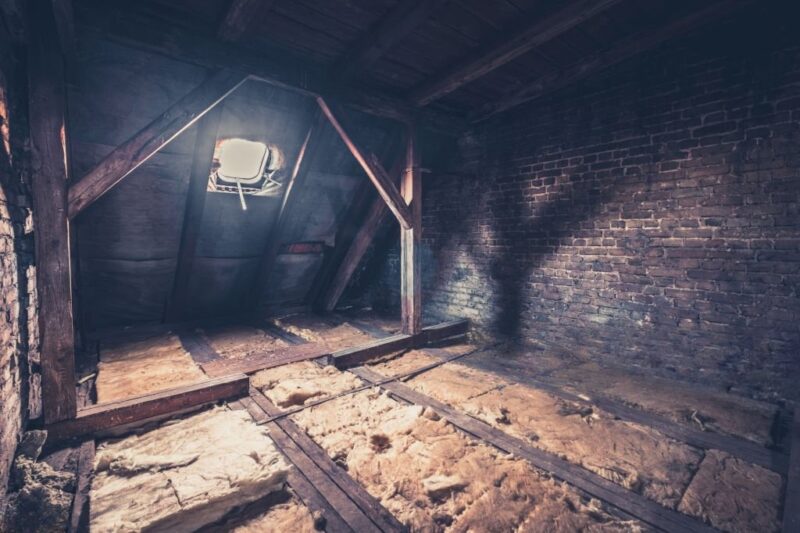
Florida attics can remain hot for long periods, so insulation should be able to maintain its coverage and performance over time. Loose-fill materials may settle, batt insulation can become compressed or displaced, and damaged materials can deteriorate if exposed to moisture or physical disturbance. Periodic inspections can help identify changes in depth, condition, or coverage that may affect performance.
Compatibility With the Existing Home
An insulation material should match the way the home and attic are constructed. Vented and unvented attics require different approaches, and insulation installed along the attic floor serves a different purpose from insulation installed at the roofline. Existing insulation, available space, HVAC equipment, and ductwork location also influence which material and installation method make the most sense. A professional evaluation can help ensure the insulation strategy fits the complete attic assembly rather than focusing on the material alone.
Comparing the Best Insulation Materials for Florida Weather
No insulation material is automatically the best choice for every Florida home. Fiberglass, cellulose, spray foam, and radiant barriers differ in cost, installation method, thermal performance, moisture characteristics, and air-sealing ability. Comparing these differences can help homeowners understand which option may be more appropriate for their attic design and comfort goals.
Fiberglass vs. Cellulose
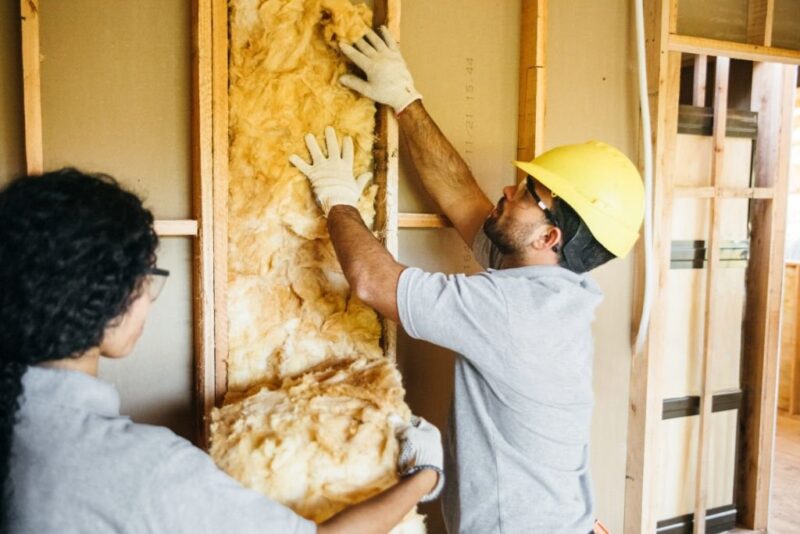
Fiberglass and cellulose are both commonly used for attic-floor insulation and can provide effective coverage when properly installed. Fiberglass is generally widely available and relatively affordable, while cellulose is typically installed as loose fill and can fit around framing and irregular areas. Both materials can settle or become displaced over time, although the degree depends on the product and installation. Moisture is also an important consideration because roof leaks, condensation, or other water intrusion can affect insulation performance and surrounding building materials. The better option often comes down to existing insulation, desired coverage, installation conditions, and project cost.
Fiberglass vs. Spray Foam
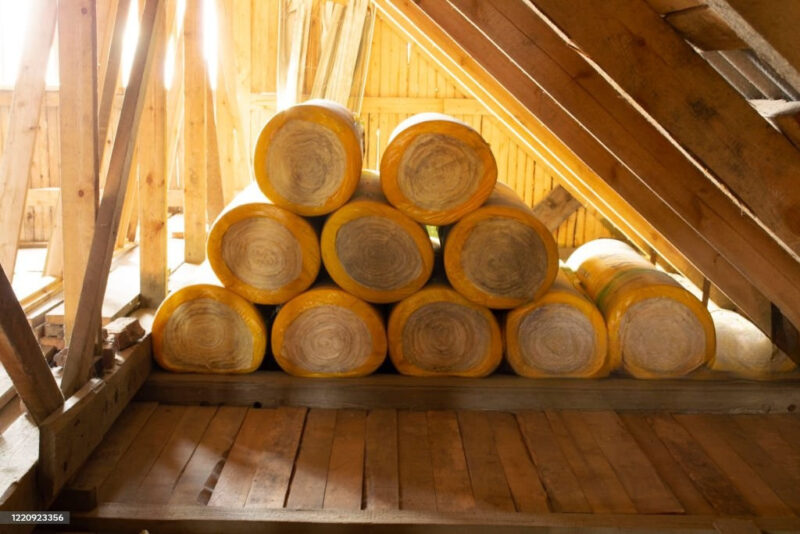
Fiberglass typically has a lower upfront cost than spray foam and is available as batts, rolls, or blown-in material. Spray foam generally provides a higher R-value per inch, depending on the type, and can also help reduce uncontrolled air leakage because it expands and adheres to appropriate surfaces. However, spray foam requires specialized professional installation and careful consideration of attic ventilation, moisture management, and HVAC configuration. Fiberglass is often used along vented attic floors, while spray foam may be better suited to certain roofline or unvented attic assemblies.
Cellulose vs. Spray Foam
Cellulose is a loose-fill insulation material that is commonly blown across attic floors, making it useful for existing homes and retrofit projects. Spray foam is applied as a liquid that expands and cures, allowing it to provide both thermal resistance and air-sealing properties. Cellulose generally costs less upfront, while spray foam installation tends to require a larger investment and more specialized preparation. Moisture conditions should be evaluated before installing either material, and the best choice depends on whether the project involves supplementing attic-floor insulation or creating a different thermal and air boundary at the roofline.
Open-Cell vs. Closed-Cell Spray Foam
Open-cell spray foam is lighter and less dense, expands significantly during installation, and is more vapor-permeable than closed-cell foam. Closed-cell spray foam is denser and typically offers a higher R-value per inch as well as greater resistance to moisture movement. Closed-cell foam usually comes at a higher material cost, while open-cell foam may be appropriate for applications where greater expansion and vapor permeability are desired. Neither type is universally better, so attic assembly design, available space, moisture strategy, applicable building requirements, and project goals should guide the choice.
Radiant Barrier vs. Traditional Insulation
Radiant barriers and traditional insulation address different forms of heat transfer. A radiant barrier is designed primarily to reduce radiant heat from hot roof surfaces, while materials such as fiberglass, cellulose, and spray foam provide thermal resistance that slows heat flow through the building assembly. Because they perform different functions, radiant barriers are not direct replacements for conventional insulation. In some Florida attics, they may be used together as part of a broader strategy for managing roof-related heat gain and supporting indoor comfort.
Best Insulation for Florida Attics
The best insulation for a Florida attic depends on how the attic is designed, where the thermal boundary is located, and whether the home has existing insulation, ductwork, or HVAC equipment in the attic. Vented and unvented assemblies require different strategies, so material selection should be based on the complete attic system rather than climate or R-value alone.
Best Options for Vented Attics
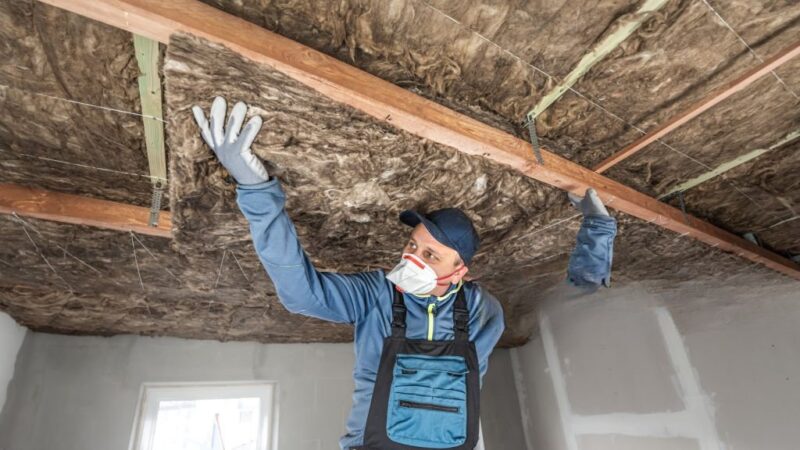
Fiberglass batts, blown-in fiberglass, and cellulose are common options for vented Florida attics where insulation is installed along the attic floor. Blown-in materials can be particularly useful for covering irregular spaces and supplementing suitable existing insulation. Regardless of the material, insulation should not block intended ventilation pathways. Soffit vents, ridge vents, and other designed ventilation components should remain clear, with baffles used where appropriate to help maintain airflow.
Best Options for Unvented Attics
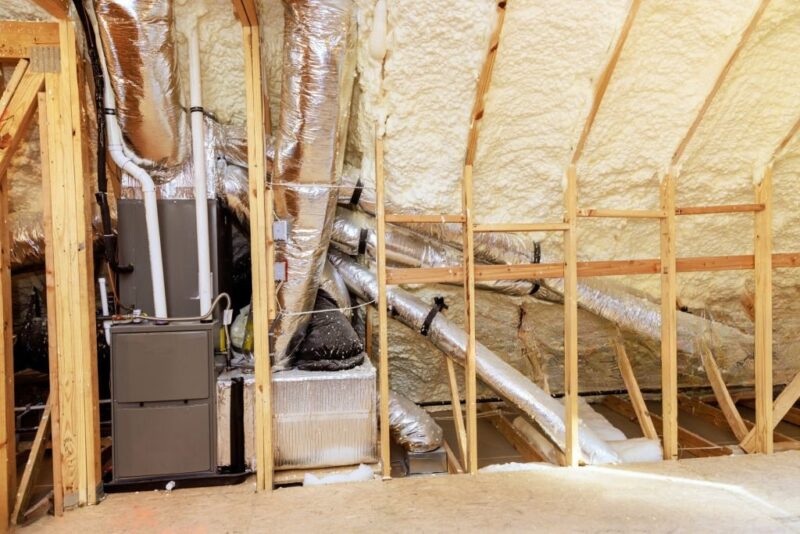
For certain unvented attic assemblies, spray foam may be considered for insulation along the roofline because it can provide thermal resistance while helping create an air barrier. However, converting or designing an unvented attic requires careful attention to building-code requirements, moisture control, ventilation strategy, and the type of spray foam being used. The location of HVAC equipment and ductwork should also be considered because bringing these components within the thermal envelope can change how the attic and mechanical systems interact.
Best Options for Existing Homes
Blown-in fiberglass and cellulose can be practical options for existing Florida homes because they can often be added across attic floors without requiring major changes to the attic assembly. If existing insulation is clean, dry, and in suitable condition, additional material may sometimes be installed over it to improve coverage or thermal resistance. Before adding insulation, appropriate air leaks should be sealed and any moisture, pest, ductwork, or damaged-insulation problems should be addressed.
Best Options When Space Is Limited
When there is limited room to achieve the desired thermal resistance, materials with higher R-values per inch may be considered. Closed-cell spray foam typically provides greater R-value per inch than many traditional insulation materials, while certain rigid foam products can also provide substantial thermal resistance within relatively thin assemblies. These materials are not appropriate for every attic, however, so installation location, fire-protection requirements, moisture conditions, attic design, and applicable building codes should be evaluated before choosing them primarily for their R-value per inch.
Best Insulation for Florida Humidity
Florida’s high humidity makes moisture management an important part of any insulation project. The right insulation can support the building envelope, but material choice alone will not control indoor humidity. HVAC performance, air leakage, ventilation, water intrusion, and installation quality all need to be considered together.
Insulation Does Not Control Humidity by Itself
Insulation can help slow heat transfer, but it is not a standalone humidity-control solution. Indoor humidity can be affected by how the HVAC system operates, how much outdoor air enters through leaks, how the home is ventilated, whether moisture is entering through the roof or plumbing, and everyday occupant activities such as cooking and showering. If humidity is consistently high, the underlying cause should be evaluated rather than assuming additional insulation will solve the problem.
Materials With Air-Sealing Capabilities
Some insulation materials, particularly spray foam, can also help reduce uncontrolled air leakage when properly installed. This matters because air movement can carry moisture into or out of building assemblies. By limiting certain leakage pathways, spray foam may support better control of air and moisture movement, but installation quality is critical. Gaps, improper thickness, or an inappropriate application can reduce performance and create additional concerns.
Moisture-Resistant Does Not Mean Waterproof
Some insulation materials are more resistant to moisture absorption or vapor movement than others, but that does not make them waterproof. Roof leaks, plumbing leaks, condensation, or wind-driven rain can still damage insulation and surrounding building materials. Even moisture-resistant products should be installed only after the attic has been evaluated for active leaks and other sources of water intrusion.
Why Moisture Problems Should Be Fixed First
Wet or moisture-damaged insulation may lose some of its thermal effectiveness and can also affect nearby wood, drywall, and other building materials. Before new insulation is added, the moisture source should be identified, repaired, and the affected area allowed to dry as appropriate. Insulation installation should come after diagnosis and correction so new material is not placed over an unresolved problem.
Best Insulation for Florida Heat
Florida heat can place significant stress on attics, ceilings, and HVAC systems, so insulation should be chosen as part of a broader strategy for reducing heat gain. The most effective approach considers R-value, installation quality, radiant heat, air leakage, roof conditions, and the performance of the cooling system.
Focus on Reducing Heat Transfer
The primary goal of attic insulation is to slow heat transfer from hot attic spaces into conditioned rooms below. That means choosing an appropriate R-value and installing the material at the proper depth with consistent coverage. Gaps, voids, or compressed insulation can reduce performance, while unsealed attic penetrations can allow additional heat and air movement. Roof condition, attic design, and existing insulation should also be evaluated because each can affect how much heat reaches the living space.
Consider Radiant Heat
Florida roofs absorb strong solar heat throughout much of the year, and some of that heat radiates into the attic. Radiant barriers and other reflective strategies may help reduce radiant heat transfer when installed correctly with the required adjacent air space. These products work differently from traditional insulation, so they are typically considered as a complement to conventional insulation rather than a replacement for it.
Consider Your HVAC System
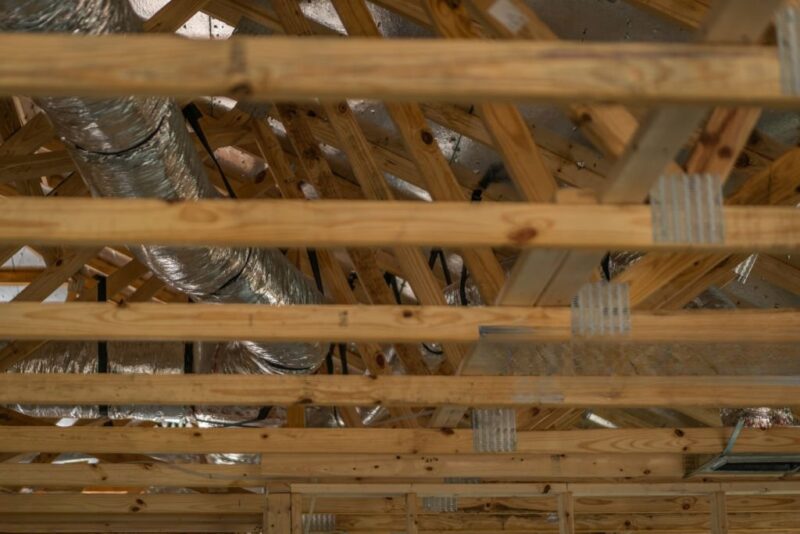
Even well-installed insulation works best when the HVAC system is operating properly. Cooling capacity, ductwork condition, airflow, and regular HVAC maintenance all influence indoor comfort. Ducts located in hot attics can also be affected by heat gain and leakage, which may reduce system efficiency. Insulation can help lower cooling demand, but it cannot correct problems such as a failing air conditioner, leaking ducts, poor airflow, or improperly sized equipment.
8 Signs Your Florida Home May Need Better Insulation
1. Hot or Uneven Rooms
If some rooms consistently feel warmer than others, especially during the hottest parts of the day, uneven or insufficient attic insulation may be allowing more heat to enter certain areas of the home. However, airflow problems, duct leakage, window exposure, and room location can also contribute to temperature differences.
2. Long AC Runtimes
An air conditioner that runs for extended periods may be working harder to offset heat entering through the attic or other parts of the building envelope. Insufficient insulation can increase cooling demand, but long runtimes may also indicate dirty coils, restricted airflow, refrigerant issues, duct problems, or equipment that is not properly sized for the home.
3. Higher-Than-Expected Cooling Costs
Unexpected increases in cooling costs may be a sign that the home is gaining more heat than it should. Thin or poorly installed insulation can contribute, but utility costs are also influenced by thermostat settings, weather, HVAC efficiency, duct leakage, occupancy, and other energy-use factors. Insulation should be evaluated as one part of the overall picture.
4. Thin or Uneven Attic Insulation
If attic insulation appears shallow, patchy, or missing in certain areas, it may not provide consistent thermal resistance. Uneven coverage around framing, attic access points, mechanical equipment, or hard-to-reach sections can create weak spots where heat transfer is more likely to occur.
5. Compressed or Settled Insulation
Insulation can lose effectiveness when it becomes compressed, displaced, or settled below its intended depth. Fiberglass batts may be flattened by storage or foot traffic, while loose-fill materials can settle over time. A professional inspection can help determine whether the remaining material still provides adequate coverage and whether additional insulation is appropriate.
6. Moisture or Water Damage
Wet, stained, or visibly damaged insulation may indicate a roof leak, plumbing issue, condensation, or another source of moisture intrusion. Moisture-damaged insulation may not perform as intended and can affect surrounding building materials. The source of the water should be identified and repaired before new insulation is installed.
7. Drafts Around Attic Access Points
Air movement around attic hatches, pull-down stairs, or other access points may indicate gaps in the building envelope. These areas can allow hot attic air to enter conditioned spaces or cooled indoor air to escape. Weatherstripping, air sealing, and proper insulation around the access point may help reduce these leakage pathways.
8. These Signs Can Have Other Causes
None of these symptoms automatically means a home needs more insulation. HVAC problems, leaking ductwork, uncontrolled air leakage, high indoor humidity, poor attic ventilation, and other building-envelope deficiencies can produce similar comfort and energy concerns. A whole-home evaluation can help determine whether the issue is insulation-related or whether another repair or improvement should be addressed first.
8 Common Insulation Problems in Florida Homes
1. Moisture-Damaged Insulation
Roof leaks, plumbing problems, condensation, and other forms of water intrusion can leave attic insulation wet or damaged. Moisture may reduce the insulation’s effectiveness and can also affect surrounding wood, drywall, and other building materials. The moisture source should be identified and corrected before damaged insulation is replaced or additional material is installed.
2. Insufficient Insulation Depth
Insulation that is too shallow may not provide the intended thermal resistance, allowing more attic heat to transfer toward conditioned living spaces. The appropriate depth depends on the insulation material, target R-value, attic assembly, and applicable building requirements. Simply adding a thin layer may not be enough to achieve the desired performance.
3. Uneven Coverage
Insulation should provide consistent coverage across the intended thermal boundary. Thin areas, bare spots, or missing insulation around framing and attic features can create weak points where heat transfer is more likely to occur. These problems are particularly important in Florida, where attic temperatures can become very high during sunny weather.
4. Compressed Fiberglass
Fiberglass insulation relies partly on trapped air within its fibers to provide thermal resistance. When batts are compressed beneath storage, equipment, or other materials, they may provide less thermal resistance than intended. Fiberglass should generally be installed at the appropriate thickness and fitted carefully rather than tightly packed into undersized spaces.
5. Settled Loose-Fill Insulation
Loose-fill fiberglass and cellulose can settle over time, potentially reducing the installed depth in some areas. Foot traffic, attic work, or other disturbances can also move the material and create uneven coverage. An inspection can determine whether the insulation remains at an appropriate depth or whether additional material may be beneficial.
6. Blocked Ventilation Pathways
In vented attic assemblies, insulation should not block soffit vents or other intended ventilation pathways. Loose-fill insulation can shift toward attic edges, while improperly positioned batts can restrict airflow. Baffles and careful installation can help keep ventilation channels clear where required by the attic design.
7. Unsealed Attic Penetrations
Gaps around plumbing pipes, electrical penetrations, duct chases, attic hatches, and other openings can allow uncontrolled air movement between the attic and conditioned spaces. Insulation alone may not stop these leaks. Appropriate air sealing is often performed before adding insulation so these pathways remain accessible and can be addressed correctly.
8. Improper Spray Foam Installation
Spray foam requires careful preparation, application, and consideration of the entire attic assembly. Uneven thickness, missed areas, unsuitable surfaces, or an installation strategy that does not properly account for moisture, ventilation, roofing, or HVAC conditions can lead to performance concerns. Because cured spray foam can be difficult to remove, professional evaluation and installation are especially important.
How to Choose the Best Insulation for Your Florida Home
Choosing the best insulation for a Florida home requires more than comparing materials on price or R-value alone. The attic design, existing insulation, moisture conditions, air leakage, HVAC system, and overall project scope should all be evaluated before deciding which material and installation method make the most sense.
Identify Your Attic Type
Start by determining whether the attic is vented or unvented and whether the insulation belongs at the attic floor or along the roofline. These assemblies perform differently and may require different insulation materials and air-sealing strategies. A material that works well in a vented attic-floor application may not be the right choice for an unvented roofline assembly.
Inspect Existing Insulation
Existing insulation should be checked for material type, depth, condition, contamination, and signs of moisture damage. If the insulation is clean, dry, and still performing as intended, it may sometimes be possible to add new material over it. Wet, pest-damaged, deteriorated, or contaminated insulation may need to be addressed before an upgrade can move forward.
Evaluate Moisture Conditions
Florida humidity makes moisture evaluation especially important. Roof leaks, plumbing leaks, condensation, and persistent high humidity can all affect insulation and surrounding building materials. These problems should be identified and corrected first so new insulation is not installed over an unresolved source of moisture.
Compare R-Value and Required Thickness
Different insulation materials provide different R-values per inch, which means some materials require more installation depth than others to reach the desired thermal resistance. Available space, framing depth, and the intended location of the insulation should all be considered. Installed performance also depends on consistent coverage, proper density, and avoiding unnecessary gaps or compression.
Evaluate Air-Sealing Needs
Air leakage can reduce the effectiveness of the attic insulation system even when the insulation itself is adequate. Common leakage points include plumbing and electrical penetrations, attic access points, duct chases, top plates, and framing gaps. Addressing appropriate air leaks before adding insulation can help create a more complete thermal and air barrier.
Consider Your HVAC and Ductwork
The location and condition of HVAC equipment and ductwork can influence the insulation strategy. Ducts running through a hot attic may be affected by heat gain or leakage, while poor airflow or equipment problems can create comfort issues that insulation alone will not solve. Evaluating duct condition, airflow, and HVAC performance helps ensure insulation improvements are coordinated with the rest of the comfort system.
Compare Total Project Cost
The total cost of an insulation project includes more than the material itself. Labor, old insulation removal, air sealing, moisture repairs, ventilation modifications, cleanup, accessibility, and other preparation work can all affect the final price. Comparing the complete project scope gives homeowners a more realistic picture of which insulation option offers the best fit for the home and budget.
Why Florida Homeowners Trust Dale’s AC
Florida homeowners need more than a one-size-fits-all insulation recommendation. Dale’s AC brings decades of local experience and looks at attic insulation as part of the home’s overall comfort system, including HVAC performance, air leakage, ductwork, moisture conditions, and the building envelope.
Serving Southwest Florida Since 1974
Dale’s AC has been serving Southwest Florida since 1974, giving our team firsthand experience with the heat, humidity, long cooling seasons, and attic conditions common throughout the region. That local knowledge helps us make practical recommendations that reflect how Florida homes actually perform throughout the year.
Professional Attic Insulation Evaluations
A professional attic evaluation can help identify insufficient insulation depth, uneven coverage, moisture damage, compressed material, air leaks, or other conditions that may be affecting comfort. At Dale’s AC, we look at the existing insulation, attic design, ventilation, ductwork, and surrounding conditions before recommending whether insulation should be added, replaced, or left in place.
HVAC and Building-Envelope Considerations
Insulation works best when it is considered alongside the rest of the home. Dale’s AC evaluates how attic conditions may interact with HVAC performance, duct leakage, airflow, humidity, and heat gain through the building envelope. This broader approach helps determine whether insulation is the main issue or whether other improvements may also be needed.
Air Sealing and Home Comfort Solutions
Gaps around attic hatches, plumbing penetrations, duct chases, electrical openings, and framing can allow unwanted air movement between the attic and conditioned spaces. When appropriate, air sealing can be addressed alongside insulation to support a more effective building envelope. Dale’s AC can help homeowners understand how insulation, air sealing, HVAC performance, and other comfort solutions can work together to improve overall home performance.
FAQs About Insulation Materials for Florida Weather
What Is the Best Insulation Material for Florida Homes?
There is no single insulation material that is best for every Florida home. Fiberglass, cellulose, spray foam, mineral wool, and rigid foam can all be appropriate depending on the attic design, target R-value, moisture conditions, available space, air-sealing needs, and budget. A professional evaluation can help determine which material fits the home rather than choosing based on one feature alone.
What Is the Best Attic Insulation for Florida Heat?
For Florida heat, the most important factors are adequate R-value, consistent coverage, proper installation, and air sealing where needed. Fiberglass, cellulose, and spray foam can all help reduce heat transfer when used in the right attic assembly. Radiant barriers may also be considered in some attics to help address radiant heat from the roof.
What Type of Insulation Is Best for Florida Humidity?
Insulation should be selected based on the complete moisture strategy for the home rather than humidity alone. Spray foam can provide air-sealing benefits, while fiberglass and cellulose may work well when moisture and air leakage are properly managed. The key is to correct roof leaks, condensation, plumbing issues, or other moisture problems before new insulation is installed.
Does Better Insulation Help Lower AC Bills?
Better insulation can help reduce heat transfer into conditioned spaces, which may lower cooling demand and support more efficient HVAC operation. However, actual savings depend on factors such as home size, HVAC efficiency, ductwork, thermostat settings, weather, air leakage, and existing insulation levels. Insulation does not guarantee a specific reduction in utility costs.
Does Insulation Help Control Indoor Humidity?
Insulation can support the building envelope, but it does not control indoor humidity by itself. Humidity levels are also affected by HVAC operation, ventilation, air leakage, moisture intrusion, ductwork, and occupant activities. Persistent humidity problems should be evaluated to identify the actual cause before relying on insulation as the solution.
How Long Does Attic Insulation Last in Florida?
The lifespan of attic insulation depends on the material, installation quality, moisture exposure, pest activity, settling, and physical disturbance. Many materials can remain effective for years when they stay dry and undamaged. Rather than replacing insulation based only on age, homeowners should periodically evaluate its depth, coverage, and condition.
Should I Inspect My Attic After a Roof Leak or Major Storm?
Yes. After a known roof leak, water intrusion, or major storm, it can be a good idea to inspect the attic for wet insulation, staining, displaced materials, or other damage. Moisture-damaged insulation may not perform as intended, and the source of the water should be repaired before damaged insulation is replaced.
Should Air Sealing Be Done Before Adding Insulation?
In many cases, yes. Air leaks around attic hatches, top plates, plumbing penetrations, duct chases, and electrical openings are easier to address before they are covered with new insulation. Air sealing and insulation serve different purposes, but when used together appropriately, they can help create a more effective thermal and air barrier.
Give Florida Heat the Cold Shoulder with Better Insulation!
The best insulation for Florida weather depends on more than heat alone. Humidity, attic design, existing insulation, air leakage, ductwork, HVAC performance, and moisture conditions all influence which material makes the most sense. Whether you are considering fiberglass, cellulose, spray foam, or another option, a professional evaluation can help determine the right approach for attic insulation in Port Charlotte while also supporting overall comfort and indoor air quality in Port Charlotte.
At Dale’s AC as a trusted HVAC company in Port Charlotte, we can help you look at the full picture, from insulation and air sealing to AC maintenance in Port Charlotte, AC installation in Port Charlotte, AC replacement in Port Charlotte, and air conditioning repair in Port Charlotte. We also provide residential HVAC services in Port Charlotte and Commercial HVAC services in Port Charlotte, and we can walk you through available financing options when applicable. Call (941) 629-1712 or contact us today to schedule an evaluation and find the right solution for your Florida home or business.