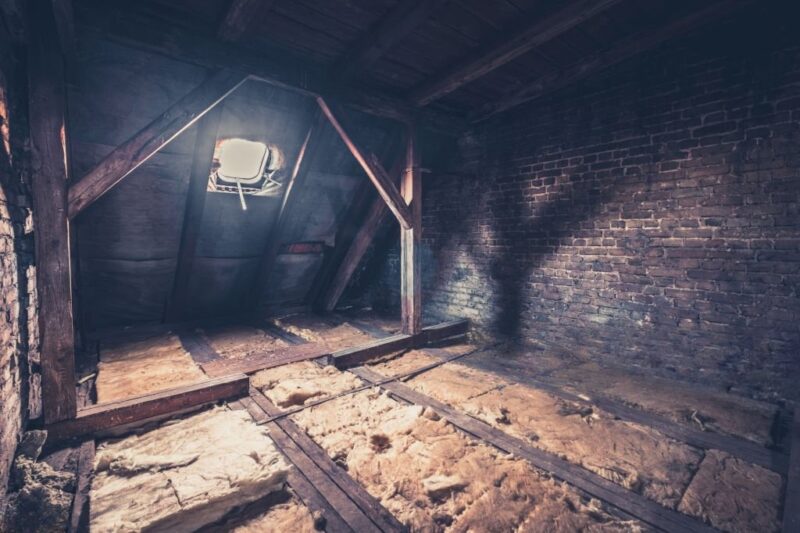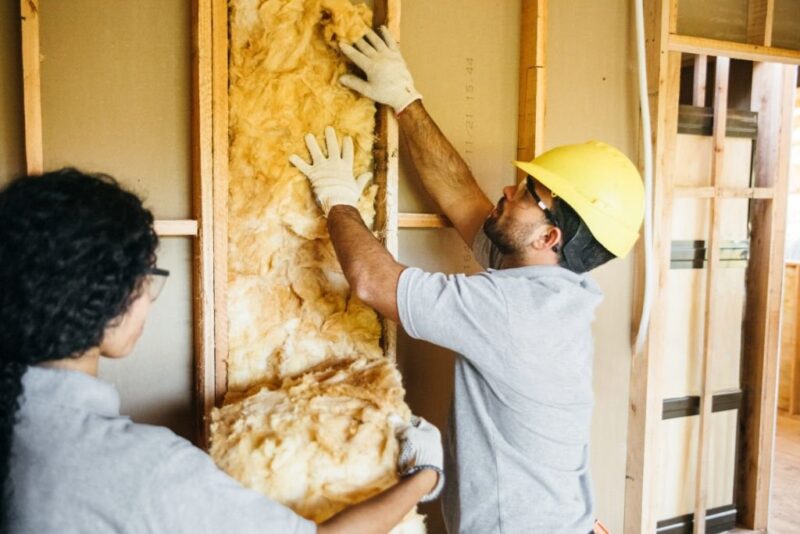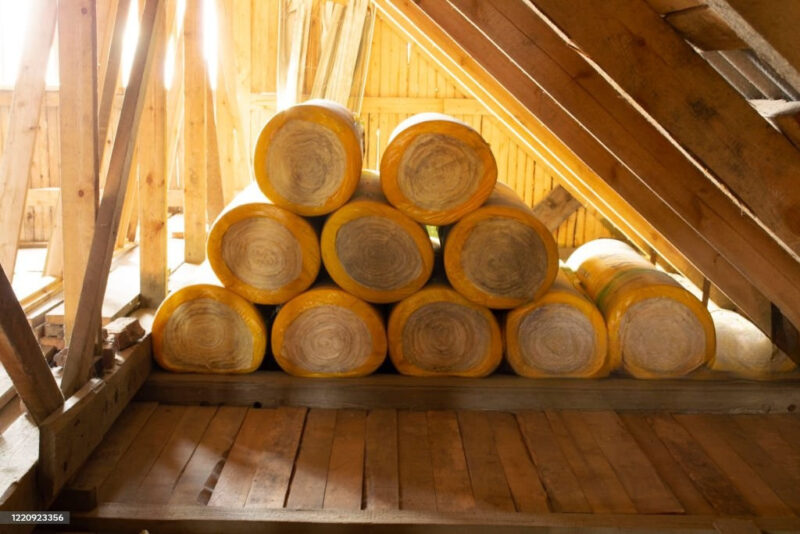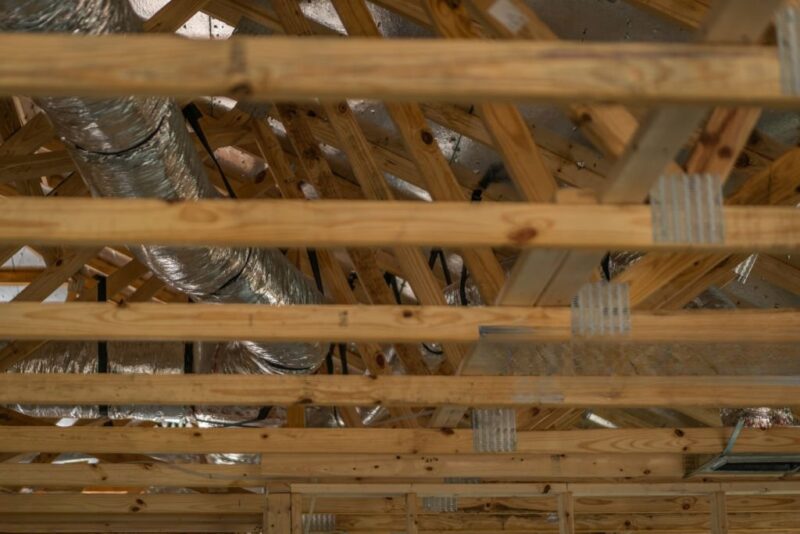


Your attic may be out of sight, but what happens up there can have a noticeable effect on how your HVAC system operates. In Florida, intense sunshine, high temperatures, and a long cooling season can cause attic spaces to become extremely hot. Attic insulation helps slow the transfer of that heat into your living spaces, reducing one source of cooling demand and helping your HVAC system maintain more consistent indoor temperatures.
When attic insulation is thin, uneven, compressed, damaged, or poorly installed, more heat may move into the conditioned areas below. This can contribute to longer AC runtimes, uneven room temperatures, and higher cooling demand. However, insulation is only one part of the equation. Air sealing, ductwork, attic ventilation, moisture conditions, and the condition of your HVAC equipment all influence home comfort and system performance. Understanding how these components work together can help you determine whether your attic insulation needs attention and what improvements may make sense for your Florida home.
How Poor Attic Insulation Increases HVAC Workload
Attic insulation helps reduce the amount of heat that moves from the attic into the conditioned areas of your home. When insulation is insufficient, damaged, or poorly installed, your HVAC system may have to work harder to offset that additional heat gain, especially during Florida’s hottest months.
More Heat Enters the Living Space
Thin or missing insulation, gaps in coverage, and compressed fiberglass can create weak points in the thermal barrier between the attic and the rooms below. When these areas allow more heat to move through the ceiling, indoor spaces may warm more quickly and place greater demand on the cooling system.
Your AC May Run Longer
As more heat enters the home, the AC may need to operate for longer periods to reach and maintain the thermostat setting. This is often more noticeable during hot weather, when attic temperatures and outdoor heat are already adding to the home’s cooling load. Longer runtimes do not always mean insulation is the only issue, but inadequate attic insulation can be a contributing factor.
Your HVAC System May Cycle More Frequently
Poor insulation can allow indoor temperatures to change more quickly after the AC shuts off, which may lead to more frequent thermostat calls for cooling. Additional starts and stops can increase how often system components operate. Frequent cycling can also be caused by equipment sizing, thermostat issues, airflow problems, or other HVAC concerns, so proper diagnosis is important.
Your System May Struggle During Peak Florida Heat
High outdoor temperatures, strong solar heat gain through the roof, and very hot attic conditions can place added pressure on an HVAC system during afternoon and other peak cooling periods. If attic insulation is insufficient, more of that heat may reach the living space, increasing cooling demand and making it harder for the system to maintain comfortable indoor temperatures.
How Attic Insulation Can Support HVAC Efficiency
Proper attic insulation can support HVAC efficiency by reducing the amount of unwanted heat that enters your conditioned living spaces. Rather than expecting the cooling system to compensate for excessive attic heat, a well-insulated attic helps create a stronger thermal boundary between the attic and the rooms below. This can support more consistent comfort while reducing unnecessary cooling demand.
Reduces Unwanted Heat Transfer
Attic insulation slows heat transfer between the hot attic and the conditioned areas of your home. During Florida’s warmer months, this thermal resistance can help limit the amount of attic heat moving through the ceiling, reducing one source of the cooling load placed on your HVAC system.
Helps Maintain Indoor Temperatures
When less heat moves into the living space, indoor temperatures may change more slowly between cooling cycles. This can reduce the influence of hot outdoor and attic conditions on the rooms below and help your HVAC system maintain more consistent indoor comfort throughout the day.
May Reduce HVAC Runtime
By reducing heat transfer into the home, properly installed attic insulation may decrease some of the cooling demand your AC needs to handle. In some homes, this can contribute to shorter or less frequent operating periods. However, actual HVAC runtime depends on many factors, including outdoor weather, equipment condition and sizing, ductwork, home construction, air leakage, thermostat settings, and occupant habits.
Helps Your HVAC System Operate as Part of an Efficient Home
HVAC equipment does not operate independently from the rest of the house. Its performance is influenced by the building envelope, including insulation, air sealing, windows, doors, and other areas where heat or air can move. Even efficient HVAC equipment cannot compensate for every insulation gap or significant air leak. Considering attic insulation and HVAC performance together can help homeowners identify improvements that support the home as a complete comfort system.
How Attic Insulation Affects Your Energy Bills
Your attic insulation can influence how much heat enters your home, which in turn affects how often your air conditioner needs to operate. While insulation is not the only factor behind monthly utility costs, improving attic insulation can be one way to reduce unnecessary cooling demand as part of a more efficient home.
Poor Insulation Can Contribute to Energy Waste
When attic insulation is thin, uneven, damaged, or missing in certain areas, more heat can move through the ceiling into conditioned living spaces. As indoor temperatures rise, the HVAC system may need to run longer or more frequently to maintain the thermostat setting. This increased cooling demand can contribute to higher energy use, particularly during Florida’s hottest months when attic temperatures are elevated for long periods.
Better Insulation May Help Reduce Cooling Costs
Properly installed attic insulation helps slow heat transfer from the attic into the home, reducing one source of the cooling load placed on the HVAC system. By limiting unwanted heat gain, insulation may help reduce unnecessary AC runtime and support more consistent indoor temperatures. However, the amount of energy savings varies considerably depending on the home’s insulation levels, HVAC efficiency, ductwork, thermostat settings, weather conditions, and overall building envelope.
Insulation Is Only One Part of Home Energy Efficiency
Attic insulation works best as part of a complete home energy strategy rather than a standalone solution. HVAC equipment efficiency, duct leakage, air sealing, thermostat settings, windows and doors, home size and construction, and everyday occupant habits all influence cooling performance and utility costs. Addressing insulation alongside these other factors can help homeowners improve overall comfort and HVAC efficiency without assuming insulation alone will solve every energy-related concern.
How Attic Insulation Affects HVAC Wear and Tear
Attic insulation can influence how hard your HVAC system needs to work to maintain comfortable indoor temperatures. When too much heat enters the home through the attic, the cooling system may operate for longer periods or cycle more often. Over time, that added use can increase wear on system components, although insulation is only one of several factors that affect HVAC condition and lifespan.
Longer Runtimes Can Increase Equipment Use
When poor attic insulation contributes to a higher cooling load, the HVAC system may need to run longer to reach the thermostat setting. Longer operating periods mean components such as the compressor, blower motor, fans, and other mechanical and electrical parts are used more frequently. This does not automatically mean those components will fail early, but greater operating demand can contribute to normal wear over time.
Frequent Cycling Can Add Mechanical Stress
If indoor temperatures rise quickly after the AC shuts off, the system may receive more frequent calls for cooling. Each startup requires components to begin operating again, which can increase mechanical and electrical activity throughout the system. However, frequent cycling can also result from improper equipment sizing, thermostat problems, airflow restrictions, or other HVAC issues, so insulation should not be assumed to be the only cause.
Reduced Workload May Support Equipment Longevity
Proper attic insulation may help reduce unnecessary cooling demand by limiting heat transfer into conditioned spaces. A lower cooling load can help the HVAC system operate under more manageable conditions, which may support long-term equipment performance. However, insulation cannot guarantee a specific increase in HVAC lifespan. Routine maintenance, correct system sizing, airflow, installation quality, equipment condition, and timely repairs all remain important factors in how long an HVAC system performs reliably.
How Attic Insulation Affects Indoor Comfort
Attic insulation does more than influence HVAC workload. It can also affect how comfortable different areas of your home feel throughout the day. By slowing heat transfer between a hot Florida attic and the conditioned rooms below, properly installed insulation can help support steadier indoor temperatures and reduce the impact of changing outdoor conditions.
More Consistent Indoor Temperatures
Adequate attic insulation helps reduce heat transfer through ceilings and creates better thermal separation between the attic and living spaces. Because heat enters the conditioned area more slowly, indoor temperatures may remain more consistent, making it easier for the HVAC system to maintain the thermostat setting.
Fewer Hot Spots Around the Home
Thin, missing, compressed, or uneven attic insulation can create weak points where more heat transfers into the rooms below. As a result, certain bedrooms or other areas beneath poorly insulated sections may feel warmer than the rest of the home. Improving insulation coverage can help address insulation-related hot spots, although airflow and ductwork should also be evaluated when temperature differences persist.
Reduced Temperature Swings
Better attic insulation can help slow how quickly indoor spaces warm between AC cycles. With less attic heat moving through the ceiling, temperatures may remain more stable after the cooling system shuts off. This can support more consistent comfort and may allow the HVAC system to operate more predictably as cooling demand changes throughout the day.
Insulation Cannot Fix Every Comfort Problem
Not every hot room or temperature imbalance is caused by attic insulation. Poor airflow, leaking ductwork, improper HVAC sizing, aging equipment, solar heat gain through windows, uncontrolled air leakage, and indoor humidity can produce similar comfort problems. If improving insulation does not address the issue, a broader evaluation of the HVAC system and building envelope can help identify other contributing factors.
Attic Insulation and HVAC Ductwork
Attic insulation and ductwork often affect each other, especially in Florida homes where ducts may run through very hot attic spaces. Even when the attic itself is well insulated, poorly insulated or leaking ducts can still reduce comfort and make the HVAC system work harder. Looking at both systems together can provide a clearer picture of overall performance.
Why Attic Ductwork Matters
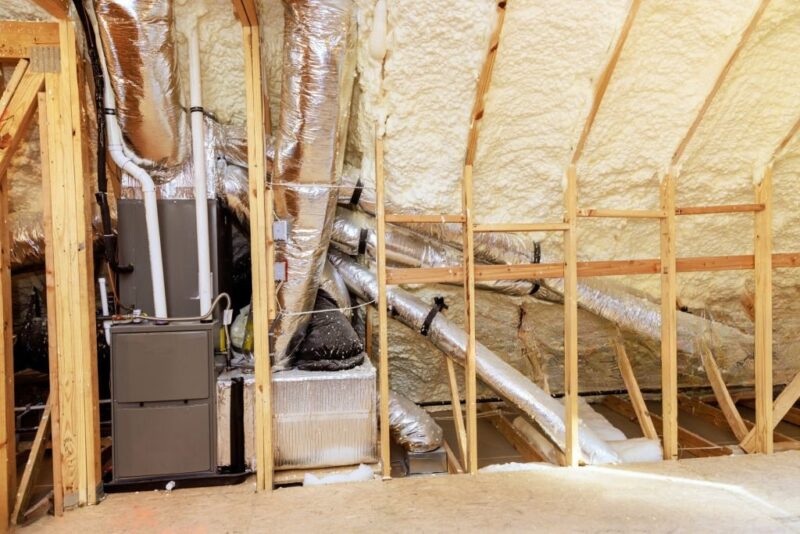
Many homes have supply and return ducts located in the attic, where temperatures can rise significantly during hot weather. Because the air inside supply ducts is much cooler than the surrounding attic air, that temperature difference can increase heat transfer through the duct walls. The hotter the attic becomes, the more important proper duct insulation and sealing can be.
Heat Transfer Through Ducts
Conditioned air can gain heat as it travels through attic ductwork before reaching the rooms it is meant to cool. Insulated ducts help reduce this heat transfer and support more consistent delivery temperatures. If duct insulation is damaged, missing, or compressed, more attic heat may affect the air moving through the system.
Duct Leakage Can Increase HVAC Workload
Leaky supply ducts can allow conditioned air to escape into the attic instead of reaching living spaces, while return-side leaks may pull hot attic air into the HVAC system. Both situations can increase cooling demand and reduce the amount of conditioned air delivered where it is needed. Duct leakage may also contribute to uneven temperatures and longer HVAC runtimes.
Insulation Cannot Repair Leaky Ducts
Attic insulation and duct sealing serve different purposes. Adding more insulation to the attic floor will not repair disconnected, damaged, or leaking ductwork. If duct leakage is suspected, the duct system should be inspected separately so any damaged connections, insulation, or sealing issues can be identified and addressed. A professional HVAC evaluation can help determine whether the problem is related to ductwork, attic insulation, or a combination of both.
Why Air Sealing Matters Alongside Attic Insulation
Attic insulation and air sealing work together, but they do different jobs. Insulation helps slow heat transfer, while air sealing helps limit uncontrolled air movement through gaps and penetrations. Addressing both can create a more effective barrier between the attic and conditioned living spaces and may help reduce unnecessary HVAC workload.
Insulation and Air Sealing Have Different Jobs
Insulation resists heat flow through building materials, while air sealing targets openings where air can move freely between spaces. Even a well-insulated attic can still lose efficiency if conditioned air escapes through gaps or hot, humid attic air enters the home. When appropriate, combining insulation with air sealing can help improve overall thermal and air-control performance.
Common Attic Air-Leak Locations
Attic air leaks are often found around access hatches, plumbing and electrical penetrations, wiring holes, duct chases, top plates, framing gaps, and certain recessed fixtures. These openings may be small individually, but together they can create pathways for unwanted air movement. A professional evaluation can help identify which areas should be sealed and which openings must remain clear for safety or ventilation.
Why Air Leaks Can Affect HVAC Performance
When conditioned air escapes into the attic, the HVAC system may need to replace that lost cooling. At the same time, hot and humid attic or outdoor air may enter conditioned spaces through other gaps. This can add both sensible cooling demand from heat and latent cooling demand from moisture, potentially increasing HVAC runtime and making indoor comfort harder to maintain.
Why Air Sealing Is Often Addressed Before Adding Insulation
Air sealing is often easier to complete before new insulation is installed because penetrations and framing gaps are still visible and accessible. Sealing these areas first also helps avoid burying potential leakage points beneath additional insulation. When insulation and air sealing are planned together, they can create a more complete strategy for limiting heat transfer and uncontrolled air movement through the attic.
How Damaged or Poorly Installed Insulation Can Affect Your HVAC System
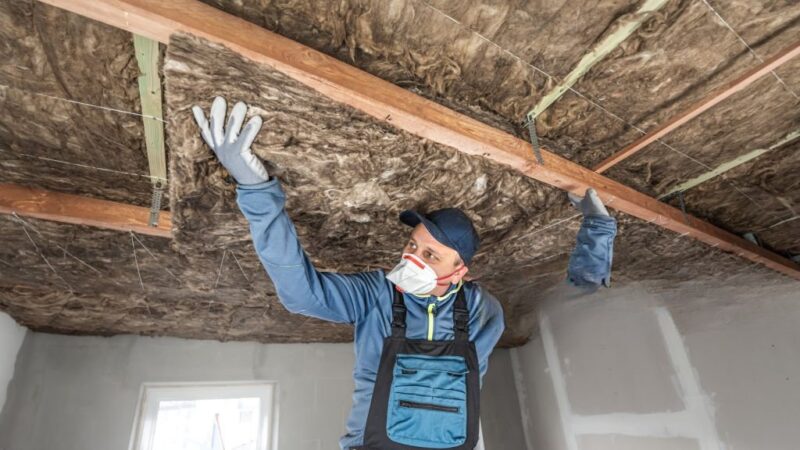
Even the right insulation material may not perform as intended if it is damaged, disturbed, or installed incorrectly. Problems such as insufficient depth, uneven coverage, compression, moisture, or contamination can weaken the thermal barrier between the attic and conditioned spaces. In Florida homes, this may allow additional attic heat to enter living areas and increase the cooling demand placed on the HVAC system.
Thin or Insufficient Insulation
Insulation that is too thin for the intended application provides less thermal resistance than an adequately insulated attic assembly. This can allow more heat to transfer through the ceiling and into conditioned rooms. As cooling demand increases, the AC may need to operate longer to maintain comfortable indoor temperatures.
Uneven Coverage
Gaps, bare areas, and inconsistent insulation depth can create weak spots in the home’s thermal boundary. More heat may move through these areas than through properly insulated sections of the ceiling. Depending on where the gaps occur, rooms beneath poorly covered attic areas may feel warmer than other parts of the home.
Compressed Fiberglass
Fiberglass insulation relies partly on trapped air within its fibers to provide thermal resistance. When batts are compressed by stored belongings, equipment, foot traffic, or improper installation, they may not provide the performance intended for their original thickness. Disturbed areas should be evaluated rather than simply covered with additional material.
Settled or Displaced Loose-Fill Insulation
Blown-in fiberglass and cellulose can settle over time or become displaced by foot traffic, attic maintenance, HVAC work, or other activity. This may leave sections with reduced insulation depth or exposed areas. Checking for consistent coverage can help determine whether loose-fill insulation needs to be redistributed, supplemented, or replaced.
Moisture-Damaged Insulation
Roof leaks, plumbing leaks, condensation, and other sources of water can affect attic insulation and surrounding building materials. Wet or moisture-damaged insulation may not perform as intended and should not simply be covered with new material. The source of the moisture should be identified and corrected first, followed by an evaluation of whether the affected insulation needs to be dried, repaired, or removed.
Contaminated or Pest-Damaged Insulation
Insulation affected by pests, droppings, nesting materials, or other contamination may require professional evaluation and, in some situations, removal. Adding new insulation over contaminated material does not address the underlying problem. Pest activity or the source of contamination should be resolved first before restoring the attic insulation system.
7 Signs Your Attic Insulation May Be Affecting HVAC Performance
1. AC Runs for Long Periods
If your AC runs for extended periods, especially during hot Florida weather, attic heat gain may be one contributing factor. Thin, damaged, or uneven insulation can allow more heat to enter the living space and increase cooling demand. However, long runtimes can also be related to dirty coils, airflow restrictions, refrigerant issues, thermostat settings, equipment sizing, or aging components.
2. Certain Rooms Stay Warmer Than Others
Rooms that consistently feel warmer than the rest of the home may be located beneath areas with insufficient or uneven attic insulation. Gaps in coverage can create weak points where more heat transfers through the ceiling. Airflow imbalances, duct leakage, room orientation, and solar heat gain should also be considered before assuming insulation is the only cause.
3. Indoor Temperature Changes Quickly After the AC Turns Off
If the home warms quickly after a cooling cycle ends, increased heat transfer through the attic or other parts of the building envelope may be involved. Poor insulation coverage or air leakage can allow indoor temperatures to change faster. A broader building-envelope evaluation can help determine whether the issue is related to insulation, air sealing, windows, doors, or another source of heat gain.
4. Cooling Costs Are Higher Than Expected
Higher-than-expected energy bills may indicate that the HVAC system is working harder to cool the home, and attic insulation can be one factor. Insufficient insulation may increase cooling demand, but utility costs are also influenced by HVAC efficiency, duct condition, thermostat settings, weather, home size, air leakage, and household habits.
5. Attic Insulation Looks Thin or Uneven
Visible attic-floor joists, bare sections, displaced insulation, or inconsistent loose-fill depth can indicate that coverage may be insufficient in some areas. Uneven insulation can reduce the effectiveness of the thermal boundary and allow more heat to reach the rooms below. An attic evaluation can help determine whether the material needs to be redistributed, supplemented, or replaced.
6. Insulation Is Wet, Compressed, or Damaged
Moisture staining, compressed fiberglass, pest activity, or insulation that has been physically disturbed can affect how well the material performs. Wet insulation may also point to a roof leak, plumbing issue, or condensation problem that should be addressed before adding new material. Damaged insulation should be evaluated based on its condition and the source of the problem.
7. Your HVAC Struggles to Maintain the Thermostat Setting
If the HVAC system has difficulty reaching or holding the thermostat setting, excessive heat gain through the attic may be increasing the cooling load. However, this symptom can also point to refrigerant problems, airflow restrictions, duct leakage, equipment sizing, thermostat issues, or an aging system. A professional evaluation can help separate insulation-related concerns from mechanical HVAC problems.
Should You Upgrade Attic Insulation Before Replacing Your HVAC System?
Before replacing an HVAC system, it can be helpful to look at the condition of the home itself, especially the attic and building envelope. Insulation, air leakage, ductwork, moisture, and other factors can all influence heating and cooling demand. Addressing these issues first may give you a clearer picture of what your new HVAC system actually needs to handle.
Evaluate the Building Envelope First
Start by reviewing the existing insulation, air leakage, windows and doors, ductwork, and any moisture concerns. These parts of the building envelope affect how quickly heat enters or leaves the home. If significant insulation gaps, duct leaks, or air leaks are present, they may increase cooling demand and make the existing HVAC system appear less effective than it actually is.
Insulation Can Affect Heating and Cooling Loads
Improving attic insulation can change the amount of heat the HVAC system needs to remove during warm weather. Better thermal performance may reduce the home’s cooling load, which can be important when planning new equipment. This is one reason insulation upgrades and HVAC replacement should be considered together rather than as completely separate projects.
HVAC Sizing Should Reflect Current Home Conditions
The size of the existing HVAC system should not automatically be used as the basis for selecting replacement equipment. If insulation, ductwork, windows, air sealing, or other parts of the home have changed, the heating and cooling requirements may also be different. A professional load calculation, where appropriate, can help determine equipment capacity based on current home conditions.
Coordinate Insulation and HVAC Improvements
Building-envelope improvements, duct repairs, air sealing, attic insulation, and HVAC replacement can all affect indoor comfort and system performance. Coordinating these upgrades can help avoid situations where one improvement is planned without considering how it affects another. The goal is to create a more complete comfort strategy based on the home’s actual needs rather than focusing on the HVAC system alone.
How to Improve Attic Insulation for Better HVAC Performance
Improving attic insulation starts with understanding what is already there and what other attic conditions may be affecting performance. Simply adding more insulation is not always the best first step. Moisture, air leakage, duct problems, ventilation, and HVAC condition should also be evaluated so improvements work together as part of the home’s overall comfort system.
Inspect Existing Insulation
Begin by checking the insulation material, depth, coverage, and overall condition. Look for thin areas, gaps, compression, displaced loose-fill material, contamination, or other signs of damage. This assessment can help determine whether the existing insulation can remain in place, needs to be supplemented, or should be removed and replaced.
Address Moisture and Roof Leaks
Roof leaks, plumbing leaks, condensation, and other moisture problems should be corrected before installing new insulation. Adding material over damp or water-damaged insulation can hide the underlying issue and may affect the performance of the new insulation. The source of moisture should be repaired and affected areas evaluated before moving forward.
Air Seal Appropriate Attic Penetrations
Gaps around plumbing penetrations, wiring, duct chases, framing, and attic access points can allow uncontrolled air movement between the attic and conditioned spaces. Sealing appropriate openings before adding insulation can help reduce unwanted air leakage and create a more complete thermal and air-control strategy.
Repair Duct Problems
Leaking, disconnected, poorly insulated, or damaged attic ductwork can reduce the amount of conditioned air reaching living spaces and increase HVAC workload. Duct issues should be inspected and repaired separately from attic insulation. Airflow concerns should also be evaluated to make sure the system can distribute conditioned air effectively.
Add or Replace Insulation When Needed
If the existing insulation is insufficient or damaged, new insulation may be added or replacement may be recommended depending on the attic conditions. The material should be selected based on the attic design, available space, moisture strategy, and intended thermal performance. Proper depth and even coverage are important, and damaged or contaminated insulation should not simply be buried beneath new material.
Protect Attic Ventilation
In vented attic assemblies, insulation should not block soffit vents or other intended airflow pathways. Baffles or other methods may be used where appropriate to maintain ventilation while keeping insulation in the correct location. Protecting the attic’s intended ventilation design helps avoid creating new moisture or performance problems.
Evaluate HVAC Performance
After addressing attic insulation and related building-envelope concerns, the HVAC system should still be evaluated if comfort problems continue. Refrigerant issues, airflow restrictions, equipment sizing, duct leakage, thermostat problems, or aging components may also be contributing to poor performance. Looking at both the attic and HVAC system provides a clearer understanding of what improvements may be needed.
Why Florida Homeowners Trust Dale’s AC
Florida homeowners need insulation and HVAC recommendations that reflect the realities of local heat, humidity, attic conditions, and long cooling seasons. Dale’s AC brings decades of experience to each project and takes a practical approach that considers insulation, air leakage, ductwork, moisture, and HVAC performance together.
Serving Southwest Florida Since 1974
Dale’s AC has been serving Southwest Florida since 1974, helping homeowners manage the comfort challenges that come with Florida’s climate. That long-standing local experience gives our team a better understanding of how attic heat, humidity, ductwork, and HVAC systems can interact in homes across Port Charlotte and the surrounding area.
Professional Attic Insulation Evaluations
A professional attic insulation evaluation can help identify thin coverage, compressed insulation, moisture damage, air leaks, uneven depth, and other conditions that may affect comfort and HVAC workload. Dale’s AC evaluates the existing attic setup before recommending whether insulation should be added, replaced, or left in place.
Attic Insulation Services in Port Charlotte
Dale’s AC provides attic insulation services in Port Charlotte for homeowners looking to improve the thermal performance of their homes. Recommendations are based on factors such as attic design, existing insulation condition, ventilation, moisture, air sealing needs, and how the HVAC system is currently performing.
HVAC and Building-Envelope Considerations
Insulation is only one part of the home comfort equation. Dale’s AC also considers ductwork, airflow, equipment condition, air leakage, attic ventilation, and other building-envelope factors that may influence HVAC performance. This broader view helps avoid treating insulation as a standalone fix when other issues may also be contributing to the problem.
Air Sealing and Home Comfort Solutions
Air sealing can help limit uncontrolled air movement through attic penetrations, access points, chases, and framing gaps. When appropriate, Dale’s AC can evaluate air leakage alongside insulation and HVAC concerns to help create a more complete home comfort strategy. The goal is to identify practical improvements that work together rather than focusing on a single component in isolation.
FAQs About Attic Insulation
Does Attic Insulation Make Your AC Work Less?
Proper attic insulation can help reduce heat transfer from the attic into conditioned spaces, which may lower the cooling demand placed on your AC. When less heat enters the home, the system may not need to run as long or as often to maintain the thermostat setting. Actual results depend on factors such as HVAC condition, ductwork, air leakage, weather, and home design.
Can Poor Attic Insulation Cause My AC to Run Constantly?
Poor attic insulation can contribute to long AC runtimes by allowing more heat to enter the home, especially during hot Florida weather. However, a system that runs constantly may also have airflow problems, refrigerant issues, duct leakage, thermostat problems, improper sizing, or aging components. Insulation should be evaluated alongside the HVAC system.
Can Poor Insulation Damage an HVAC System?
Poor insulation does not directly damage an HVAC system, but it can contribute to higher cooling demand and longer operating periods. Over time, increased equipment use may add to normal wear on components such as the compressor, blower motor, and fans. Maintenance, system sizing, airflow, and equipment condition also play major roles in HVAC reliability.
Can Better Insulation Extend the Life of an AC System?
Better attic insulation may help reduce unnecessary HVAC workload by limiting heat transfer into the home. A lower cooling load can support more manageable operating conditions, but insulation cannot guarantee a specific increase in equipment lifespan. Regular maintenance, proper installation, system sizing, airflow, and timely repairs remain important.
Does Attic Insulation Help With Indoor Humidity?
Attic insulation can support the building envelope, but it does not control indoor humidity by itself. Humidity is also affected by HVAC operation, air leakage, ductwork, ventilation, moisture intrusion, and occupant activities. Persistent humidity problems should be evaluated to identify the underlying contributing factors.
Should I Air Seal My Attic Before Adding Insulation?
In many cases, air sealing is best addressed before adding new insulation because attic penetrations are easier to access. Sealing appropriate gaps around plumbing, wiring, duct chases, attic hatches, and framing can help reduce uncontrolled air movement. Insulation and air sealing perform different jobs, so using both appropriately can create a more complete thermal and air-control strategy.
Should I Replace Attic Insulation When Replacing My AC?
Not necessarily. Attic insulation should be evaluated based on its depth, coverage, condition, moisture exposure, and overall performance rather than replaced automatically when the HVAC system is changed. However, if insulation is insufficient or damaged, addressing it before or during an AC replacement may help ensure the new system is planned around the home’s current cooling needs.
Should Attic Insulation Be Inspected After a Roof Leak?
Yes. A roof leak can wet or damage attic insulation and surrounding materials. After the source of the leak is repaired, the affected insulation should be checked for moisture damage, compression, contamination, or loss of performance before new insulation is added or existing material is left in place.
How Often Should Attic Insulation Be Checked?
There is no single inspection schedule that fits every home, but attic insulation should be checked periodically and after events that may affect it, such as roof leaks, pest activity, remodeling, ductwork repairs, or major attic work. Homeowners may also want an inspection when they notice uneven temperatures, rising cooling demand, visible insulation gaps, or other changes in home comfort.
Don’t let Attic Heat Work Your AC Overtime. Call Dale’s AC!
Attic insulation and your HVAC system work together to influence indoor comfort, cooling demand, and overall home performance. Proper attic insulation in Port Charlotte can help reduce unwanted heat transfer and support more consistent temperatures, while air sealing, ductwork, equipment condition, and indoor air quality in Port Charlotte should also be considered. Looking at the entire home rather than focusing on one component can help identify practical improvements that support your HVAC system.
At Dale’s AC as a reliable HVAC company in Port Charlotte, we can help you evaluate your insulation and HVAC needs, whether you need AC maintenance in Port Charlotte, air conditioning repair in Port Charlotte, AC installation in Port Charlotte, or AC replacement in Port Charlotte. We also provide residential HVAC services in Port Charlotte and Commercial HVAC services in Port Charlotte, along with financing options for eligible projects. Call me at (941) 629-1712 or contact us to schedule an evaluation and find the right approach for your Florida home or business.