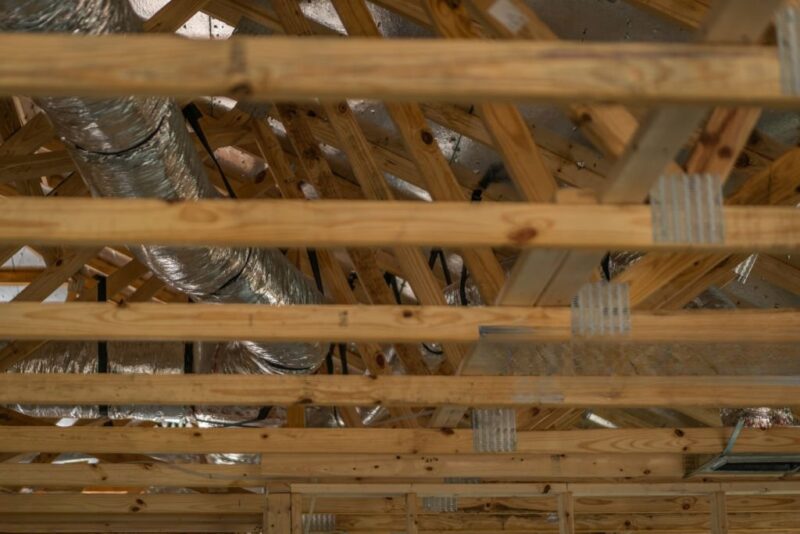



If you’re considering upgrading your attic insulation in Port Charlotte, one of your first questions is probably, “How much is this going to cost?” The answer depends on more than attic size alone. Insulation material, existing insulation condition, required depth, accessibility, labor, air-sealing needs, and whether old insulation must be removed can all influence the final price.
For Port Charlotte homeowners, understanding these cost factors can make it easier to budget for the project and compare estimates accurately. In this guide, we’ll break down typical attic insulation costs, what affects pricing, differences between insulation materials, potential removal and replacement expenses, and how to determine the right scope of work for your home. Because every attic is different, a professional evaluation is the best way to get an estimate based on your home’s actual conditions.
How Much Does Attic Insulation Cost in Port Charlotte?
The cost of attic insulation in Port Charlotte can vary considerably from one home to another. Attic size is important, but the insulation material, existing conditions, installation method, required depth, and preparation work can all affect the final price. For that reason, homeowners should treat published cost ranges as budgeting guides rather than fixed quotes.
Typical Attic Insulation Cost Range
At Dale’s AC, our general range for an attic insulation project is approximately $1,500 to $4,500. This range can provide a useful starting point when planning your budget, but it is not a guaranteed quote. A smaller, straightforward installation may differ significantly from a project involving a larger attic, damaged existing insulation, difficult access, removal, or additional preparation. An attic evaluation allows us to assess the actual project conditions before providing a more accurate estimate.
Attic Insulation Cost Per Square Foot
Contractors may calculate part of an insulation estimate based on the attic’s square footage because a larger area generally requires more insulation material and installation labor. However, square footage alone does not determine the final price. The type of insulation, required depth, installation method, attic accessibility, and existing insulation all influence the cost per square foot. If old insulation needs to be removed or the attic requires additional preparation, those services can also increase the overall project cost.
Why Online Attic Insulation Cost Estimates Vary
Online insulation estimates can vary because they may be based on different materials, R-values, installed depths, labor rates, and assumptions about attic conditions. Some estimates cover installation only, while others may account for insulation removal, air sealing, preparation, or related services. Attic accessibility and design can further affect labor requirements. Online calculators can be helpful for preliminary budgeting, but they cannot inspect your attic for moisture, contamination, existing insulation condition, ventilation, or other factors that may change the scope and cost of the project.
What Factors Affect Attic Insulation Cost in Port Charlotte?
Attic insulation pricing depends on more than the size of the home. The condition of the existing insulation, the material selected, required depth, accessibility, preparation work, and whether there are moisture or pest concerns can all change the scope of the project. Understanding these factors can make it easier to compare estimates and see why one attic may cost more to insulate than another.
Attic Size
Larger attics generally require more insulation material and more labor to complete, which can increase the total project cost. However, the home’s overall square footage does not always match the actual attic area being insulated. Roof design, additions, vaulted ceilings, garages, and other architectural features can affect how much attic space needs attention.
Existing Insulation Condition
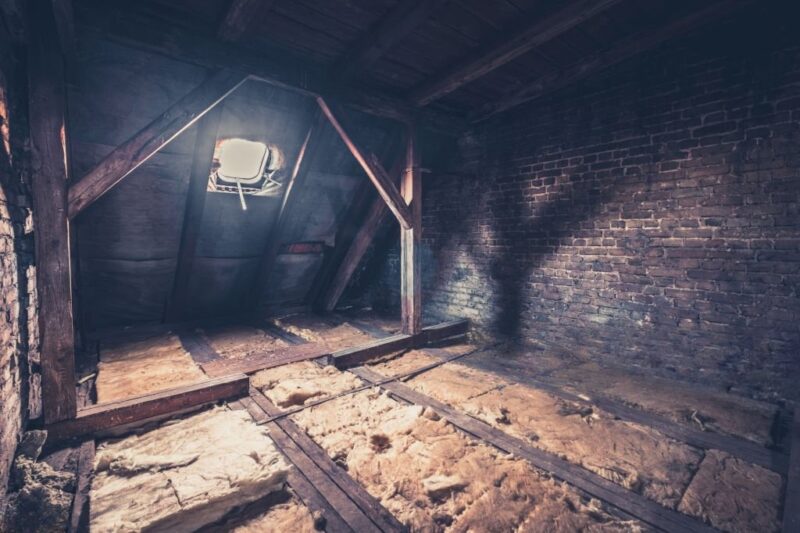
If the existing insulation is clean, dry, properly installed, and still usable, it may sometimes remain in place and receive additional material as a top-off. In other cases, damaged, wet, contaminated, or heavily disturbed insulation may require partial or full removal before new insulation is installed. The difference between adding insulation and replacing it can have a significant impact on project cost.
Insulation Material
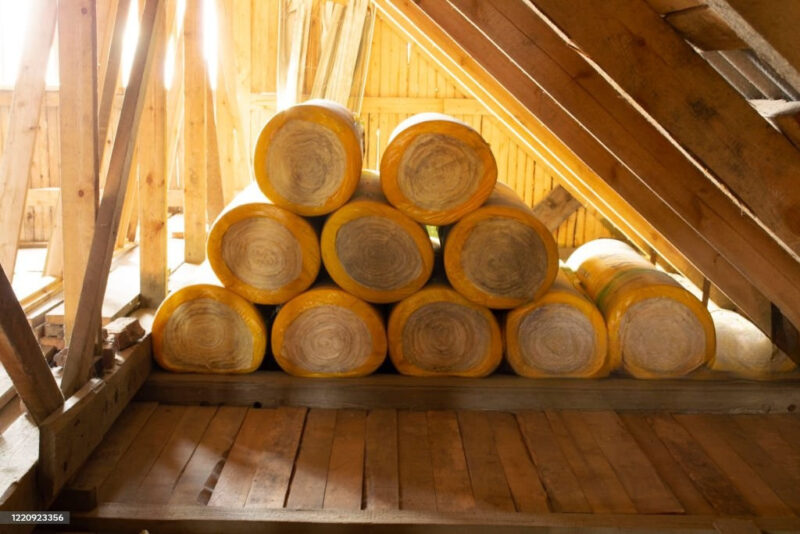
The type of insulation you choose also affects pricing. Fiberglass batts, blown-in fiberglass, cellulose, and spray foam have different material costs and installation requirements. Some products can be installed relatively quickly in open attic areas, while others require more preparation, specialized equipment, or a different approach to the attic assembly.
Required Insulation Depth and R-Value
R-value measures how well insulation resists heat flow. In general, a higher R-value provides greater thermal resistance, but reaching the planned level may require more material depending on the insulation type. Existing insulation may also contribute to the overall thermal resistance if it remains in good condition. Because attic design, existing materials, and building conditions vary, the appropriate insulation depth should be based on the specific home rather than assuming every Florida attic needs the same solution.
Attic Accessibility
Attics that are easy to enter and move through are generally simpler to work in than spaces with low clearance, narrow access openings, complex framing, or difficult-to-reach eaves. HVAC equipment, ductwork, wiring, and other obstructions can also affect how easily insulation can be installed. Greater installation difficulty may increase labor time and overall cost.
Labor Requirements
Labor costs depend on the installation method and the amount of preparation needed. Projects may involve moving or protecting existing materials, preparing the attic surface, installing insulation around obstructions, cleaning the work area, and restoring access paths or ventilation. If old insulation must be removed and disposed of first, that additional labor can increase the total project price.
Air Sealing Requirements
Insulation and air sealing serve different purposes. Insulation slows heat transfer, while air sealing helps limit uncontrolled air movement through gaps and penetrations. If the attic has significant leakage around plumbing, electrical penetrations, access hatches, duct chases, or framing gaps, air sealing may be recommended before new insulation is added. That extra preparation can affect the overall project cost.
Moisture or Pest Problems
Roof leaks, condensation, wet insulation, and pest contamination should be addressed before new insulation is installed. In some cases, affected insulation may need to be removed, and the source of the moisture or pest activity must be corrected first. These additional steps can increase the scope and cost of the project, but they help prevent new insulation from being installed over unresolved problems.
Attic Insulation Cost by Material
The insulation material you choose can have a significant impact on the total cost of an attic insulation project. Each option has different material prices, installation requirements, and suitability for specific attic designs. Instead of comparing materials by price alone, Port Charlotte homeowners should consider how each option fits the existing attic, intended thermal boundary, and overall scope of work.
Fiberglass Batt Insulation Cost
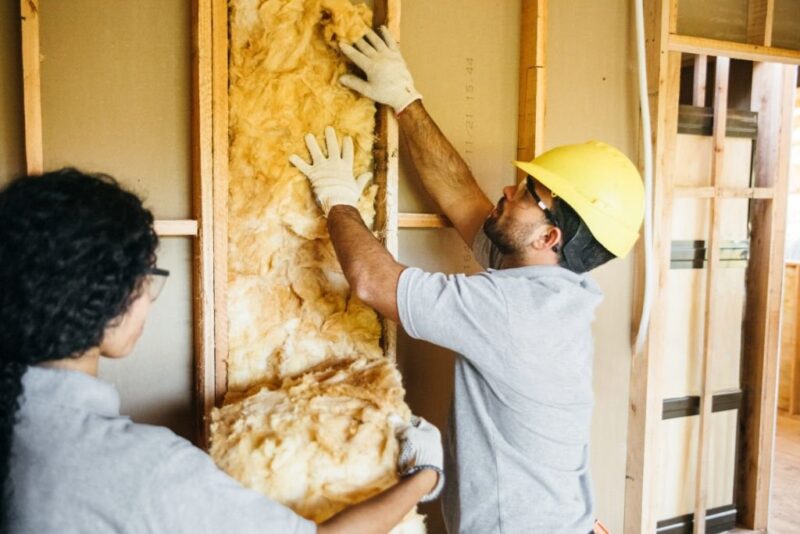
Fiberglass batts are generally an accessible insulation option, but installation costs depend heavily on attic accessibility and the amount of fitting required. Batts need to fit properly between and around framing, wiring, pipes, and other obstructions without excessive gaps or compression. Attics with complex framing or difficult access may require additional labor, which can increase the overall installation cost.
Blown-In Fiberglass Insulation Cost
Blown-in fiberglass is commonly used across attic floors because loose material can provide coverage around framing and irregular areas when properly installed. Pricing generally depends on the square footage being insulated and the depth of material required. In some attics, blown-in fiberglass may also be suitable for topping off existing insulation when the material already in place is clean, dry, and in usable condition.
Cellulose Insulation Cost
Cellulose is another loose-fill insulation option that can be installed across attic floors and around irregular spaces. The total cost depends partly on how much material is required to achieve the planned depth and thermal resistance. Existing insulation, moisture conditions, attic accessibility, and preparation requirements should also be evaluated before determining whether cellulose is appropriate for a particular home.
Spray Foam Insulation Cost
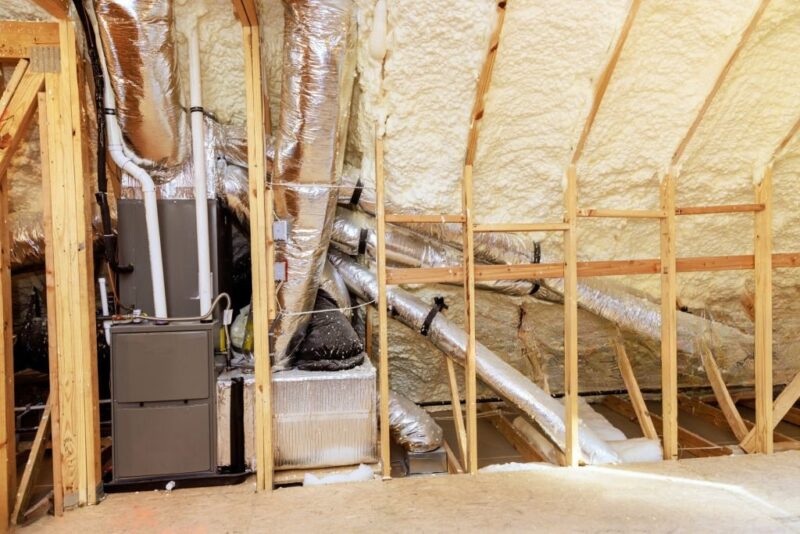
Spray foam typically involves a more specialized installation process than fiberglass batts or loose-fill materials, which can affect project pricing. Open-cell and closed-cell spray foam differ in density, thermal performance, moisture characteristics, and cost. Where the foam is applied also matters because installing insulation along the roof deck can change how the attic functions. Any change to the attic assembly should be carefully evaluated for ventilation, moisture management, HVAC equipment, and other building-envelope considerations.
Why the Cheapest Insulation Is Not Always the Lowest-Cost Solution
Choosing insulation based only on the lowest material price may not provide the best solution for every attic. Installation quality, attic design, existing insulation, moisture conditions, air leakage, the intended thermal boundary, and long-term suitability should all be considered. A properly selected and installed material that fits the home’s actual needs may provide greater value than choosing an option simply because it has the lowest initial price.
Attic Insulation Cost by Attic Size
Attic size is one of the biggest factors that affects insulation pricing because larger spaces generally require more material and labor. However, square footage is only a starting point. The insulation type, target depth, attic condition, accessibility, and whether removal or preparation is needed can all change the final estimate.
Cost to Insulate a 1,000-Square-Foot Attic
A 1,000-square-foot attic may fall on the lower end of a project range when access is straightforward and the existing insulation is in usable condition. However, the final price still depends on the material selected, how much insulation is needed, and the planned depth or R-value. Removal, air sealing, moisture correction, or other preparation can increase the total cost.
Cost to Insulate a 1,500-Square-Foot Attic
A 1,500-square-foot attic generally requires more material than a smaller space, but costs do not always increase in a perfectly linear way. Labor requirements, attic layout, framing, ductwork, and the condition of the existing insulation can all affect pricing. Two attics with the same square footage may have very different project scopes.
Cost to Insulate a 2,000-Square-Foot Attic
A 2,000-square-foot attic typically requires a greater volume of insulation and may take longer to complete, especially if the space includes difficult-to-reach areas or multiple obstructions. Accessibility, installation method, existing materials, and required preparation can all influence the final estimate in addition to the increased square footage.
Why Square Footage Alone Cannot Determine the Final Price
Square footage helps estimate material quantities, but it cannot account for every condition inside the attic. Existing insulation, target R-value and depth, removal requirements, accessibility, moisture or pest concerns, repairs, air sealing, and other preparation can all affect total cost. A professional attic evaluation provides a more reliable estimate because it considers the full scope of work rather than relying on size alone.
Additional Costs That May Be Part of an Attic Insulation Project
The price of an attic insulation project may include more than the insulation material and installation itself. Depending on the condition of the attic, additional work may be needed before new insulation can be installed properly. These extra services can increase the total cost, but they may also be necessary to address underlying issues and support a more complete attic upgrade.
Air Sealing
Air sealing may be recommended when gaps around attic hatches, plumbing penetrations, electrical openings, duct chases, or framing allow uncontrolled air movement. Because these areas are often easier to reach before new insulation is added, air-sealing work may be completed as part of the preparation process. The amount of sealing needed can affect the overall project cost.
Moisture Corrections
Roof leaks, plumbing leaks, condensation, or other moisture problems should be addressed before new insulation is installed. Costs can vary depending on the source and extent of the issue. Wet or damaged materials may also need to be dried, evaluated, or removed before insulation work continues.
Pest-Related Cleanup or Exclusion
If pests have nested in or contaminated the attic insulation, cleanup and exclusion work may be needed before replacement or additional insulation is installed. This can include identifying entry points, removing pests, repairing openings, and addressing affected insulation. The extent of the activity and contamination will influence the additional cost.
Attic Ventilation Corrections
In vented attics, insulation should not block intended airflow through soffit vents or other ventilation pathways. Baffles or other corrections may be needed if existing insulation interferes with ventilation. Any changes should be based on the attic’s design, since vented and unvented assemblies require different approaches.
Ductwork Repairs
Accessible HVAC ducts in the attic may have leaks, damaged insulation, loose connections, or condensation issues that should be addressed separately from the attic insulation. Repairing these problems can add to the overall project cost, but they may also help resolve comfort or efficiency concerns that insulation alone cannot fix.
Insulation Removal and Disposal
Old insulation may need partial or complete removal if it is wet, heavily contaminated, pest-damaged, or otherwise unsuitable to remain in place. Removal adds labor, cleanup, and disposal requirements to the project. The type and amount of existing insulation can also influence the cost of this work.
Difficult Attic Access
Low-clearance spaces, small access openings, complex framing, tight eaves, and obstacles such as ductwork or HVAC equipment can make installation more time-consuming. When technicians have limited room to move or must work carefully around obstructions, additional labor may be required, which can increase the total attic insulation cost.
Why Port Charlotte Homeowners Trust Dale’s AC
Attic insulation, HVAC performance, air leakage, and indoor comfort are often connected. At Dale’s AC, we take a whole-home approach so Port Charlotte homeowners can understand what is actually contributing to comfort or efficiency concerns before moving forward with improvements.
Serving Southwest Florida Since 1974
We have been serving Southwest Florida since 1974, giving us decades of experience with the heat, humidity, and cooling demands common throughout the region. That local experience helps us evaluate attic and HVAC conditions with Port Charlotte homes in mind.
HVAC and Building-Envelope Evaluations
Comfort problems are not always caused by insulation alone. We can evaluate attic insulation alongside HVAC performance, accessible ductwork, air leakage, and other building-envelope factors to help identify where improvements may be needed.
Air Sealing and Home Comfort Solutions
When uncontrolled air movement is part of the problem, air sealing may be recommended alongside insulation work. We can help identify common attic leakage points and consider how insulation, air sealing, ductwork, and HVAC improvements may work together to support more consistent indoor comfort.
Clear Recommendations Based on Your Home
Every attic is different, so we base our recommendations on the actual condition of your home rather than a one-size-fits-all solution. We can help determine whether your attic may benefit from additional insulation, localized corrections, removal and replacement, air sealing, or related HVAC work, giving you a clearer picture of the project scope and potential cost.
FAQs About Cost of Attic Insulation in Port Charlotte
What Is the Cheapest Type of Attic Insulation?
Fiberglass is often one of the more budget-friendly attic insulation materials, particularly when compared with more specialized options such as spray foam. However, material price is only part of the total cost. Labor, required depth, attic accessibility, existing insulation, and preparation should also be considered when comparing options.
Is Blown-In Insulation More Affordable Than Spray Foam?
Blown-in fiberglass or cellulose may have a lower initial installation cost than spray foam in many attic applications. Spray foam generally requires specialized installation and can involve additional building-envelope considerations. Actual pricing depends on the area being insulated, material selected, application location, required depth, and attic design.
How Much Does It Cost to Remove Old Attic Insulation?
Insulation removal costs vary based on the amount and type of material, attic accessibility, contamination, cleanup requirements, and disposal needs. Removing a small damaged section will typically involve a different scope than clearing insulation from an entire attic. An inspection can determine whether full removal is necessary or whether only affected areas need attention.
Is It Cheaper to Add Insulation Over Existing Insulation?
Adding insulation may cost less than complete removal and replacement because it can reduce labor, disposal, and new material requirements. However, existing insulation should only remain when its condition and the planned assembly make that appropriate. Wet, significantly contaminated, pest-damaged, or otherwise compromised material should be evaluated before anything new is installed over it.
Can Attic Insulation Help Lower My AC Costs?
Improving inadequate attic insulation may help reduce unwanted heat transfer into conditioned spaces, which can lower the cooling demand placed on your AC system. Actual energy savings vary depending on HVAC efficiency, ductwork, air leakage, thermostat settings, home design, weather, and existing insulation conditions, so a specific reduction in cooling costs cannot be guaranteed.
Is Attic Insulation Worth the Cost in Florida?
For many Florida homes, properly installed attic insulation can be a valuable part of managing heat transfer and supporting indoor comfort. Whether an upgrade makes sense for your home depends on the condition and amount of existing insulation, attic design, air leakage, HVAC performance, and other factors. An evaluation can help determine whether insulation is a worthwhile improvement or whether another issue should be addressed first.
How Long Does Attic Insulation Installation Take?
Project duration depends on attic size, accessibility, insulation type, and the amount of preparation required. A straightforward insulation top-off may take less time than a project involving old insulation removal, air sealing, moisture corrections, or difficult-to-access areas. Your contractor should be able to provide a more specific timeline after inspecting the attic and determining the scope of work.
Can I Finance an Attic Insulation Project?
Financing options may be available for qualifying home comfort projects through Dale’s AC. Eligibility, terms, and available plans can vary, so homeowners should review the current financing options before beginning the project. Financing can help make a larger insulation or combined HVAC improvement more manageable by spreading eligible costs over time.
Keep Your Cool without Letting Insulation Costs Heat Up!
The cost of attic insulation in Port Charlotte depends on factors such as attic size, insulation material, existing conditions, accessibility, removal needs, and preparation work. A professional evaluation can help you understand whether your attic needs a simple top-off, localized corrections, or a more complete replacement. It can also help identify related concerns involving air sealing, ductwork, Indoor air quality in Port Charlotte, or HVAC performance before you invest in unnecessary work.
At Dale’s AC as a trusted HVAC company in Port Charlotte, we can help with residential HVAC services in Port Charlotte, Commercial HVAC services in Port Charlotte, AC maintenance in Port Charlotte, air conditioning repair in Port Charlotte, AC installation in Port Charlotte, and AC replacement in Port Charlotte. We can evaluate your attic and HVAC system together, explain your options clearly, and help you choose a solution that fits your home and budget. We also offer financing options for qualifying projects. Call us today at (941) 629-1712 or contact us to schedule your attic insulation or home comfort evaluation.