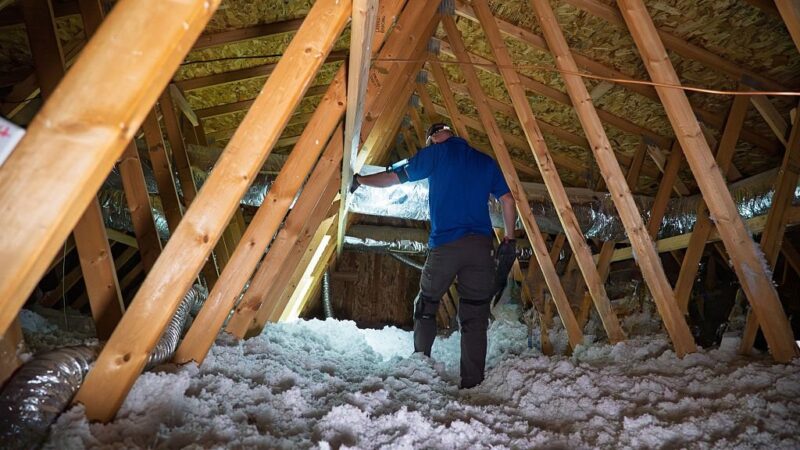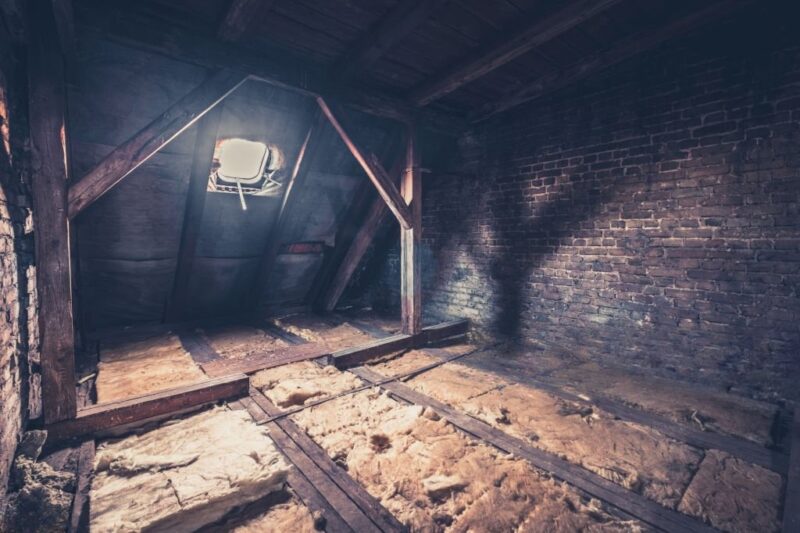


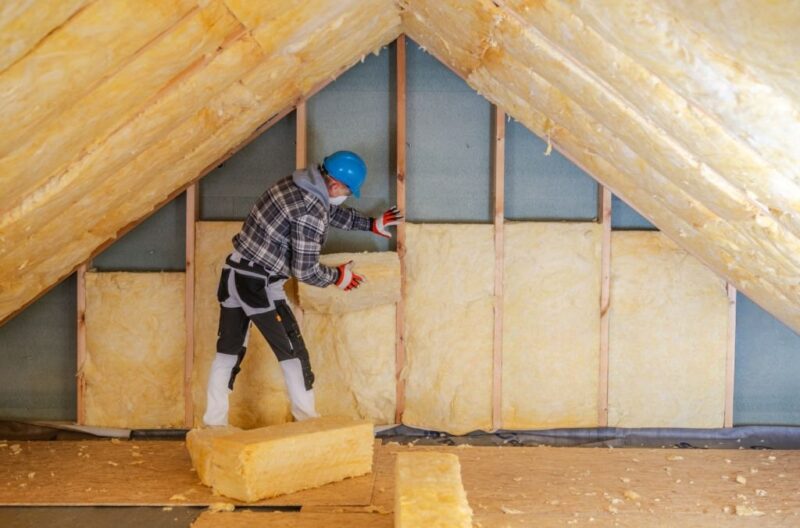
Installing attic insulation may seem like a manageable weekend project, especially when insulation materials and equipment are readily available. For some small, straightforward jobs, a DIY approach may be practical. However, Florida attics can present challenges such as extreme heat, limited access, existing insulation damage, air leakage, moisture concerns, ventilation requirements, and HVAC ductwork that can make the project more complicated than simply adding insulation.
Choosing between DIY and professional attic insulation installation depends on your attic’s condition, the material being installed, your experience, and the overall scope of work. In this guide, we’ll compare the costs, benefits, limitations, safety considerations, and common mistakes associated with both approaches. We’ll also explain when DIY attic insulation may make sense and when hiring a professional can help ensure proper coverage, protect intended ventilation, and address underlying attic conditions before new insulation is installed.
Can You Install Attic Insulation Yourself?
In some situations, yes. A homeowner may be able to handle a small attic insulation project if the space is clean, dry, accessible, and free from significant damage or contamination. However, the more complex the attic conditions become, the more important it is to understand what is already in place and what needs to be corrected before new insulation is added.
When DIY Attic Insulation May Be Possible
DIY attic insulation may be reasonable for a small, straightforward project where access is easy and the existing insulation is clean, dry, and still in usable condition. A simple top-off can be more manageable when the required insulation depth and material are clearly understood and there are no major moisture, pest, ventilation, electrical, or HVAC concerns to address first.
When DIY Installation Becomes More Complicated
DIY work becomes more difficult when the attic requires insulation removal, has moisture or pest contamination, or includes tight access areas and extensive obstructions. Air sealing, ventilation concerns, electrical components, HVAC equipment, and ductwork can also make the project more complex. In these situations, improper installation can create additional problems or leave existing issues unresolved.
DIY Does Not Mean Simply Adding More Insulation
Adding insulation without first evaluating the attic can hide problems rather than solve them. Existing air leaks may need to be sealed, ventilation pathways should remain open where required, and damaged or contaminated insulation may need partial or full removal. A proper attic upgrade starts with understanding the condition of the space, not just adding more material on top.
DIY Attic Insulation: Pros and Cons
Installing attic insulation yourself can offer some advantages, particularly for homeowners who are comfortable with home improvement projects and have a simple, accessible attic. However, the potential savings should be weighed against the time, equipment, physical demands, and installation knowledge required. Understanding both sides can help you decide whether DIY insulation makes sense for your home.
Potential Advantages of DIY Attic Insulation
One of the main reasons homeowners consider DIY attic insulation is the potential to reduce upfront labor costs. Materials such as fiberglass batts and certain loose-fill products are readily available, and homeowners can complete the work according to their own schedule. For a small, uncomplicated project in a clean, dry, easily accessible attic, doing the work yourself may be a practical option if you understand the installation requirements.
Potential Disadvantages of DIY Attic Insulation
Attic insulation can require considerable time and physical effort, especially in Florida’s hot attic conditions. Depending on the material, you may also need specialized equipment, appropriate protective gear, and a safe way to move through areas with limited walking surfaces. Installation mistakes such as uneven coverage, compressed insulation, missed air leaks, or blocked ventilation pathways can reduce performance. Homeowners may also have difficulty identifying moisture, contamination, electrical concerns, or other existing problems that should be addressed before installation.
Why DIY Savings May Be Smaller Than Expected
The cost of a DIY project involves more than purchasing insulation. Equipment rental, protective equipment, air-sealing supplies, disposal costs, additional material, and other preparation expenses can add to the total. If insulation is installed incorrectly or underlying attic problems are overlooked, correcting those issues later can add further expense. Comparing the complete DIY project cost with a professional estimate provides a more realistic picture of the potential savings.
Professional Attic Insulation: Pros and Cons
Professional attic insulation can be a better fit when the project involves more than simply adding material. A trained installer can evaluate the attic first, identify conditions that may affect the work, and recommend an approach based on the insulation type, existing coverage, ventilation, moisture, and other factors. The tradeoff is typically a higher upfront cost than a material-only DIY project.
Advantages of Professional Installation
Professional installation can provide a more complete approach to the attic. An evaluation before work begins can help identify moisture, pest activity, damaged insulation, air leakage, or ventilation concerns that may need attention first. Experienced installers can also work with different insulation materials, calculate the amount needed, and aim for consistent depth and coverage throughout the intended thermal boundary. In many cases, professional equipment and experience can also help the project move more efficiently.
Potential Drawbacks of Professional Installation
The main drawback is usually cost. Professional installation includes labor and other project-related expenses, so the upfront price will generally be higher than buying insulation materials yourself. Homeowners also need to schedule the work, and the final price may change depending on attic size, accessibility, existing insulation condition, removal needs, and preparation requirements.
Why Professional Installation Includes More Than Labor
A professional insulation quote may include much more than installation time. The scope can cover attic assessment, preparation, material calculations, specialized equipment, proper depth and coverage, cleanup, and related considerations such as air sealing or ventilation protection. A clear proposal should explain what is included, what material will be used, the planned coverage or thickness, any preparation or removal work, cleanup responsibilities, and any services that are excluded from the quoted price.
DIY vs Professional Attic Insulation Cost
Cost is one of the biggest reasons homeowners compare DIY and professional attic insulation. A DIY project may appear less expensive at first because you are not paying for professional labor, but the total cost can include much more than insulation material alone. Equipment, safety supplies, preparation, cleanup, and potential correction work should all be considered before deciding which option offers better value.
DIY Material Costs
DIY material costs depend on the type of insulation, the attic area being covered, and the amount needed to reach the planned depth or thermal resistance. Homeowners should also account for extra material that may be needed because of waste, uneven areas, or miscalculations. Delivery fees can add to the total as well, especially for larger projects requiring multiple bags, rolls, or bundles of insulation.
DIY Equipment and Supply Costs
Some DIY insulation projects require more than basic hand tools. Loose-fill insulation may require a blowing machine rental, while protective clothing, respiratory protection, eye protection, lighting, air-sealing materials, and other tools can add to the project budget. These expenses can narrow the price difference between DIY and professional installation, particularly for a one-time project.
Professional Installation Costs
Professional installation pricing generally includes insulation materials, labor, equipment, preparation, and cleanup. Depending on attic conditions, the project may also include services such as air sealing, insulation removal, disposal, ventilation corrections, or other necessary preparation. The final cost depends on the size and complexity of the attic rather than labor alone.
Why the Lowest Upfront Price Is Not Always the Lowest Overall Cost
A lower initial price does not always mean a lower total project cost. Uneven coverage, insufficient depth, compressed insulation, blocked ventilation, or missed air leaks may require additional work later. Underlying problems such as moisture or damaged insulation can also remain unresolved if they are overlooked. When comparing DIY and professional options, it is more useful to compare the complete scope of work rather than insulation material prices alone.
DIY vs Professional Installation Quality
The effectiveness of attic insulation depends heavily on how well it is installed. Even high-quality insulation may not perform as intended when coverage is uneven, material is compressed, or difficult areas are missed. Whether you choose DIY or professional installation, maintaining consistent coverage across the intended thermal boundary should be a priority.
Maintaining Consistent Insulation Depth
Consistent insulation depth helps create a more uniform thermal barrier across the attic. Thin or bare areas can become thermal weak points where heat transfers more readily into conditioned spaces. This is particularly important with loose-fill insulation, which needs to be distributed evenly and installed to the planned depth rather than piled heavily in some areas and left shallow in others.
Installing Insulation Around Obstructions
Attics often contain framing, electrical wiring, plumbing, HVAC equipment, and ductwork that can make installation more complicated. Insulation should be carefully installed around these obstructions while maintaining appropriate access and required clearances. Rushing through these areas can leave gaps or uneven coverage that may reduce the effectiveness of the overall insulation system.
Avoiding Fiberglass Compression
Fiberglass insulation relies partly on maintaining its intended thickness to provide its rated thermal resistance. Compressing batts into spaces that are too small or placing heavy objects on top of them can reduce their effectiveness. Proper fitting around framing and other obstacles helps maintain thickness while minimizing gaps and unnecessary compression.
Reaching Difficult Attic Areas
Eaves, corners, low-clearance sections, and spaces behind HVAC equipment or ductwork can be challenging to reach. These areas can sometimes be overlooked during DIY installation, resulting in thin or missing insulation near attic edges. Professional installers typically have experience working around these obstacles while maintaining coverage and protecting intended ventilation pathways and equipment access.
5 Attic Safety Considerations for DIY Insulation
1. Florida Attic Heat
Florida attics can become extremely hot, especially during the warmer parts of the day. Prolonged exposure can make physical work more difficult and increase the importance of planning around safer working conditions. Scheduling attic work during cooler periods, taking appropriate breaks, and avoiding extended exposure to excessive heat can make the project more manageable.
2. Limited Walking Surfaces
Ceiling drywall is not designed to support body weight, so movement should be limited to appropriate framing or other designated walking surfaces. Joists can be narrow and difficult to see beneath existing insulation, and low visibility can make navigation more challenging. Careful footing and adequate lighting are essential when working in an attic.
3. Electrical Components
Attics may contain wiring, junction boxes, recessed fixtures, and other electrical components that require proper clearances and should not be covered or disturbed without understanding the applicable requirements. Insulation should be installed carefully around these areas, and any questionable wiring or electrical conditions should be evaluated before work continues.
4. HVAC Equipment and Ductwork
HVAC equipment and ductwork can be easily damaged if stepped on, leaned against, or used as support while moving through the attic. Ducts can also become disconnected or compressed if handled improperly. Maintain clear service access around HVAC equipment and avoid placing insulation where it interferes with components that need to remain accessible.
5. Protective Equipment
Protective equipment should match the insulation material and installation method being used. This may include appropriate respiratory protection, eye protection, gloves, and protective clothing. Homeowners should also follow the insulation manufacturer’s handling and safety instructions, as different products may require different precautions.
DIY vs Professional Installation by Insulation Material
The difficulty of a DIY attic insulation project depends partly on the material being installed. Some products are readily available to homeowners but still require careful fitting or specialized equipment, while others involve more complex building-envelope considerations. Understanding the installation requirements of each material can help you determine when professional installation may be the more appropriate option.
Fiberglass Batts
Fiberglass batts are widely available and may appear straightforward to install, but achieving consistent coverage requires careful cutting and fitting. Batts should fit around framing, wiring, pipes, and other obstructions without significant gaps or unnecessary compression. Complex framing and tight attic areas can make proper installation more difficult, particularly for homeowners without insulation experience.
Blown-In Fiberglass
Blown-in fiberglass typically requires specialized blowing equipment to distribute loose insulation across the attic floor. Consistent depth is important because shallow or bare areas can create thermal weak points. Eaves, corners, and areas around obstructions can also be difficult to cover evenly, and intended ventilation pathways near soffits should remain protected during installation.
Cellulose
Cellulose is generally installed as loose-fill insulation and may also require blowing equipment for attic applications. Homeowners need to consider the amount of material and installed depth required while maintaining even coverage throughout the intended area. Existing moisture conditions should be evaluated beforehand, since new cellulose should not simply be installed over unresolved leaks, damp materials, or other moisture-related problems.
Spray Foam
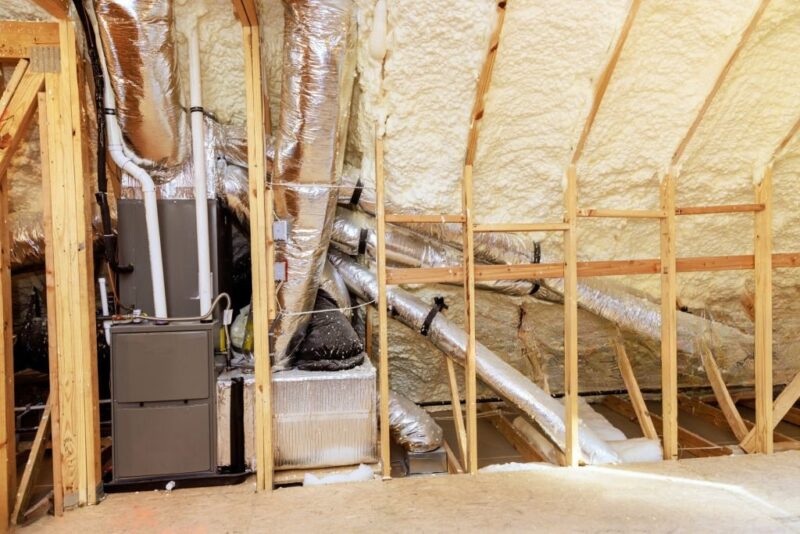
Spray foam involves a more specialized installation process and is generally better suited to professional evaluation and application. Open-cell and closed-cell products differ in density, thermal performance, and moisture characteristics, while the location of the application can affect how the attic functions. Applying spray foam at the roof deck, for example, can change the attic assembly and may require consideration of moisture management, ventilation strategy, HVAC equipment, and applicable building requirements before installation.
10 Common DIY Attic Insulation Mistakes
1. Adding Insulation Without Inspecting the Attic
Installing new insulation without first checking the attic can hide existing problems such as leaks, pest damage, uneven coverage, or air leakage. A basic inspection helps determine whether the attic needs preparation, removal, or corrective work before more insulation is added.
2. Installing Over Wet or Contaminated Insulation
Wet, pest-damaged, or significantly contaminated insulation should not simply be buried beneath new material. The underlying cause should be identified and corrected first, followed by an evaluation of whether the affected insulation needs drying, partial removal, or replacement.
3. Skipping Air Sealing
Insulation slows heat transfer, but it does not seal every path for uncontrolled air movement. Gaps around plumbing, wiring, attic hatches, framing, and duct chases may still allow air leakage. Sealing appropriate penetrations before adding insulation can help create a more complete building-envelope strategy.
4. Creating Uneven Insulation Depth
Loose-fill insulation that is too deep in some areas and too shallow in others can leave thermal weak points. Consistent depth and coverage are important across the intended thermal boundary, especially near attic edges and around obstacles.
5. Compressing Fiberglass Batts
Fiberglass batts rely partly on maintaining their intended thickness. Squeezing them into undersized spaces, placing heavy materials on top, or forcing them around framing can reduce their thermal resistance. Proper cutting and fitting help minimize unnecessary compression.
6. Leaving Gaps Around Framing and Obstructions
Wiring, pipes, framing, ductwork, and other attic components can make insulation harder to install evenly. Gaps around these obstructions may create weak areas in the thermal barrier, so the material should be fitted carefully while maintaining required clearances and access.
7. Blocking Soffit Vents
In vented attics, insulation should not obstruct intended airflow at the soffits. Loose-fill material can drift toward attic edges, while batts may be installed too tightly near eaves. Baffles or other appropriate measures may be needed to help keep ventilation pathways open.
8. Missing Difficult-to-Reach Areas
Eaves, corners, low-clearance sections, and spaces behind HVAC equipment are easy to overlook. Missing these areas can leave inconsistent coverage even when the center of the attic appears well insulated.
9. Covering Components That Require Clearance or Access
Some electrical components, fixtures, HVAC equipment, vents, and service areas should not be buried beneath insulation. Required clearances and access should be maintained according to the component, insulation product, and applicable installation requirements.
10. Assuming More Insulation Automatically Solves Comfort Problems
High cooling costs, hot rooms, or long AC runtimes do not always mean the attic simply needs more insulation. Duct leakage, airflow restrictions, HVAC condition, air leakage, solar heat gain, and other factors can produce similar symptoms. Evaluating the full attic and HVAC system can help avoid adding insulation when another issue is driving the problem.
When Professional Attic Insulation Is the Better Choice
Professional installation becomes more valuable when the attic has conditions that make the project harder to diagnose or complete safely and correctly. Moisture, contamination, removal needs, ventilation concerns, limited access, and HVAC components can all add complexity. In these situations, professional evaluation can help determine what should be corrected before new insulation is installed.
Existing Insulation Needs Removal
If old insulation is wet, heavily damaged, contaminated, or no longer suitable to remain in place, removal may be necessary before new material is installed. Professional crews can evaluate how much insulation needs to be removed and whether partial removal is sufficient, helping avoid unnecessary work.
There Is Moisture or Water Damage
Roof leaks, plumbing leaks, condensation, and damp building materials should be addressed before adding insulation. A professional evaluation can help identify visible moisture concerns and determine whether affected insulation needs to be dried, removed, or replaced after the source of the problem is corrected.
There Is Pest Contamination
Droppings, nesting materials, tunnels, and heavily disturbed insulation may indicate pest activity. The pest problem should be addressed first, followed by an assessment of the affected insulation. Depending on the extent of contamination or damage, professional removal and replacement may be recommended.
The Attic Has Difficult Access
Low-clearance areas, narrow openings, tight eaves, complex framing, and limited walking surfaces can make DIY installation challenging. Professional installers are accustomed to working in confined attic spaces and can plan installation around obstacles while maintaining consistent coverage.
Extensive Air Sealing Is Needed
If the attic has numerous gaps around plumbing penetrations, electrical openings, duct chases, access hatches, or framing, air sealing may be an important part of the project. Completing this work before adding insulation can make the leakage points easier to access and help avoid burying areas that still need attention.
Ventilation Needs Correction
In vented attics, soffit vents and other intended airflow pathways should remain unobstructed. If insulation is already blocking ventilation or the attic configuration is unclear, professional evaluation can help determine how insulation and baffles should be positioned without interfering with the existing attic design.
Spray Foam Is Being Considered
Spray foam typically requires specialized equipment, preparation, and knowledge of how the application may affect the attic assembly. Open-cell and closed-cell products also have different characteristics. Because application location can influence ventilation, moisture management, and HVAC conditions, spray foam is generally better suited to professional evaluation and installation.
HVAC Equipment or Extensive Ductwork Is in the Attic
Attics containing air handlers, extensive ductwork, electrical components, or other mechanical equipment require extra care. Insulation should not damage ducts, block service access, or interfere with equipment operation. Professional installation can help coordinate insulation placement around these components.
You Are Unsure Why the Home Has Comfort Problems
Hot rooms, long AC runtimes, temperature swings, and higher cooling costs can be related to insulation, but they can also result from duct leakage, airflow problems, HVAC condition, air leakage, or other factors. A professional evaluation can help determine whether insulation is actually part of the problem before you invest in additional material.
DIY Attic Insulation vs Professional Installation for Florida Homes
Florida homes present a few extra considerations when comparing DIY and professional attic insulation installation. High attic temperatures, humidity, moisture concerns, and HVAC ductwork can all affect how the project should be planned. For Port Charlotte homeowners, it is especially important to look at the entire attic rather than focusing only on how much insulation is present.
Florida Heat Makes Attic Work More Challenging
Attic work can become difficult quickly in Florida because temperatures can rise significantly during the day. Hot, confined conditions can make prolonged work uncomfortable and increase the importance of careful scheduling, hydration, ventilation, and other safety precautions. Homeowners considering DIY installation should plan around cooler working periods and avoid taking on more attic work than they can safely manage.
Humidity and Moisture Need Attention
Florida humidity makes moisture conditions especially important to evaluate before new insulation is installed. Roof leaks, condensation, and damp insulation or building materials should be identified and addressed first. New insulation should not be used to cover an unresolved moisture problem, since the source may continue affecting the attic even after the upgrade.
Attic Ductwork Is Common in Florida Homes
Many Florida homes have HVAC ductwork running through the attic, which adds another layer of complexity. Leaky ducts, damaged duct insulation, disconnected sections, or condensation can contribute to comfort and efficiency concerns. Attic insulation can help slow heat transfer through the building envelope, but it cannot repair damaged ductwork or correct airflow problems.
Cooling Performance Should Be Considered
Improving attic insulation may help reduce heat transfer into conditioned spaces and lower unnecessary cooling demand. However, hot rooms, long AC runtimes, and higher cooling costs can also result from duct leakage, airflow restrictions, equipment condition, thermostat settings, or other HVAC issues. Evaluating both the attic and the cooling system can help determine whether insulation, HVAC service, or a combination of improvements is the most appropriate solution.
DIY vs Professional Attic Insulation Cost: Which Offers Better Value?
Determining which option offers better value requires looking beyond the price of insulation alone. DIY installation may reduce upfront labor costs, while professional installation can include evaluation, preparation, equipment, installation, and cleanup. The better choice depends on the attic’s condition, project complexity, your available time, and the likelihood that additional work will be needed.
Compare Upfront Costs
DIY installation often has a lower initial price because homeowners purchase the materials and provide their own labor. Professional installation typically has a higher upfront cost because the estimate may include labor, specialized equipment, preparation, and other services. When comparing prices, make sure you are evaluating similar project scopes rather than comparing a DIY material receipt with a complete professional installation quote.
Account for Equipment and Supplies
Insulation material is only one part of a DIY budget. Depending on the project, you may need a blowing machine, protective clothing, respiratory and eye protection, lighting, tools, air-sealing materials, and cleanup supplies. Delivery, equipment rental, and disposal may also add to the total. Including these expenses provides a more accurate comparison with professional installation.
Consider the Value of Your Time
Attic insulation can require significant preparation, installation, and cleanup time, particularly in a hot or difficult-to-access Florida attic. DIY homeowners should consider whether the potential savings justify the hours required to purchase materials, prepare the space, complete the installation, and clean up afterward. A professional crew may be able to complete many projects more efficiently because they have the appropriate equipment and experience.
Factor in Potential Correction Costs
Installation mistakes can reduce the value of initial DIY savings. Uneven loose-fill, compressed fiberglass, blocked ventilation, missed air leaks, or insufficient coverage may require additional material or corrective work later. Problems such as moisture or pest contamination can also increase costs if they are overlooked before insulation is installed.
Consider Installation Quality
The value of attic insulation depends partly on achieving proper depth, consistent coverage, and appropriate installation around framing, obstructions, and ventilation pathways. Professional experience can be particularly useful in complex attics where maintaining even coverage is difficult. Whether the project is DIY or professionally installed, quality matters more than simply placing as much material as possible in the attic.
Evaluate the Entire Attic, Not Just the Insulation Material
The most cost-effective solution may involve more than insulation. Air leakage, moisture, ventilation, ductwork, and existing insulation condition can all contribute to comfort or efficiency concerns. Evaluating the entire attic before deciding between DIY and professional installation can help prevent spending money on insulation when another issue also needs attention.
Why Port Charlotte Homeowners Trust Dale’s AC
When attic insulation, air leakage, ductwork, and HVAC performance overlap, homeowners need more than a one-size-fits-all recommendation. At Dale’s AC, we look at the broader comfort picture so Port Charlotte homeowners can better understand what may be contributing to heat gain, uneven temperatures, or higher cooling demand before deciding on insulation or HVAC improvements.
Serving Southwest Florida Since 1974
We have served Southwest Florida since 1974, giving us decades of experience with the heat, humidity, and cooling demands common throughout the region. That local experience helps us evaluate insulation and HVAC concerns with the needs of Port Charlotte homes in mind.
HVAC and Building-Envelope Evaluations
Comfort problems are not always caused by attic insulation alone. We can evaluate insulation alongside HVAC performance, accessible ductwork, air leakage, and other building-envelope conditions to help determine whether the issue involves insulation, the cooling system, or a combination of factors.
Air Sealing and Home Comfort Solutions
If uncontrolled air movement is contributing to comfort concerns, air sealing may be recommended alongside insulation work. We can help identify common attic leakage points and consider how insulation, air sealing, ductwork, and HVAC improvements may work together to support more consistent indoor comfort.
Clear Recommendations Based on Your Home
Every attic is different, so we base our recommendations on the actual condition of the home rather than assuming every property needs the same solution. We can help determine whether your attic may benefit from additional insulation, localized corrections, removal and replacement, air sealing, or related HVAC work, giving you a clearer path forward before you invest in the project.
FAQs About DIY vs Professional Insulation
Can I Install Attic Insulation Myself?
Yes, some attic insulation projects may be suitable for DIY installation, especially when the attic is clean, dry, easy to access, and the work involves a small, straightforward top-off. More complex situations involving moisture, removal, contamination, difficult access, ventilation, air sealing, or HVAC equipment may be better handled by a professional.
Is DIY Attic Insulation Cheaper Than Professional Installation?
DIY installation may have a lower upfront cost because you are providing the labor. However, the total cost can also include equipment rental, protective gear, tools, air-sealing supplies, disposal, delivery, and extra materials. Professional installation may cost more initially, but the quote can include assessment, preparation, equipment, labor, cleanup, and other parts of the project.
Do I Need to Remove Old Insulation First?
Not always. Existing insulation may be able to remain if it is dry, clean, properly positioned, and in usable condition. Removal may be recommended when insulation is wet, heavily contaminated, significantly pest-damaged, deteriorated, or otherwise unsuitable to cover with new material.
Should I Air Seal Before Adding Attic Insulation?
In many cases, air sealing is best addressed before additional insulation is installed because common leakage points are easier to access while the attic floor is exposed. Insulation slows heat transfer, while air sealing helps limit uncontrolled air movement. Addressing both can create a more complete approach to improving the attic.
Can I Install Insulation Over Electrical Wiring?
Insulation is commonly installed in attics that contain electrical wiring, but wiring, junction boxes, recessed fixtures, and other electrical components may have specific clearance or access requirements. Homeowners should follow the insulation manufacturer’s instructions and applicable building and electrical requirements. Questionable, damaged, or unfamiliar electrical conditions should be evaluated by an appropriate professional before insulation is added.
How Do I Avoid Blocking Attic Ventilation?
In a vented attic, intended airflow pathways near soffits and other vents should remain open. Insulation should be kept from obstructing these areas, and properly installed baffles may be used where appropriate to help preserve airflow between the soffits and attic. The ventilation strategy should be understood before insulation is added.
Is Spray Foam Insulation a DIY Project?
Spray foam is generally better suited to professional evaluation and installation. It requires specialized equipment and careful application, and factors such as open-cell versus closed-cell foam, application location, moisture management, ventilation, and HVAC configuration can affect how the attic assembly performs.
When Should I Hire a Professional for Attic Insulation?
Professional help is especially worth considering when existing insulation needs removal, the attic has moisture or pest contamination, access is difficult, significant air sealing is needed, ventilation requires correction, spray foam is being considered, or HVAC equipment and extensive ductwork are present. A professional evaluation can also help when you are unsure whether insulation is actually causing the comfort or cooling problems in your home.
Keep Your Cool and Leave the Attic Work to Us. Call Dale’s AC!
Choosing between DIY and professional attic insulation comes down to your attic’s condition, the material being installed, your experience, and whether other issues such as moisture, air leakage, ductwork, or ventilation need attention first. At Dale’s AC as a reliable HVAC company in Port Charlotte, we help homeowners look at the full comfort picture, from attic insulation in Port Charlotte and Indoor air quality in Port Charlotte to AC maintenance in Port Charlotte, AC installation in Port Charlotte, AC replacement in Port Charlotte, and air conditioning repair in Port Charlotte.
If you want help deciding whether your attic needs a simple insulation upgrade or a more complete home comfort solution, we’re here to help. We also provide residential HVAC services in Port Charlotte, Commercial HVAC services in Port Charlotte, and financing options for qualifying projects. Call us today at (941) 629-1712 or contact us to schedule an evaluation and get clear recommendations based on your home.