

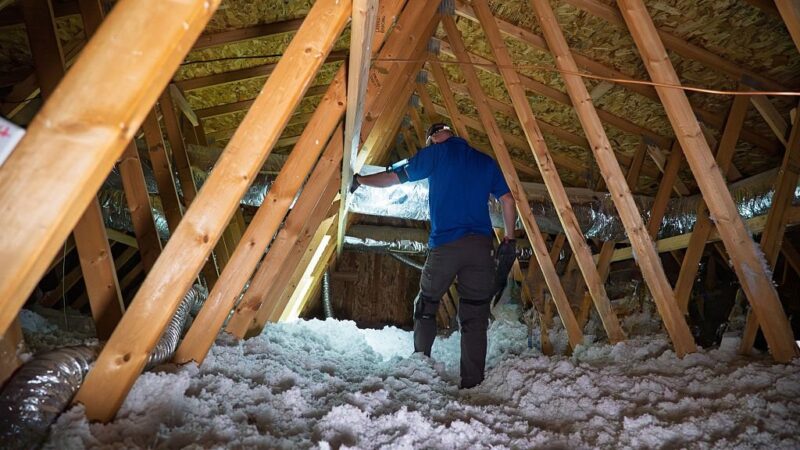
Existing attic insulation does not always need to be completely removed and replaced to improve its performance. In many homes, targeted improvements such as filling thin or bare areas, correcting compressed insulation, air sealing appropriate gaps, or adding insulation to reach the needed coverage can help strengthen the attic’s thermal barrier. However, the right approach depends on the condition of the existing material and whether moisture, pest activity, ventilation concerns, or other attic problems are present.
For homeowners in Port Charlotte and throughout Southwest Florida, attic insulation plays an important role in limiting heat transfer between a hot attic and the conditioned areas below. Before simply adding more material, it is important to inspect what is already there and consider the attic as a complete system. In this guide, we’ll explain how to improve existing attic insulation, when adding more may make sense, when removal may be necessary, and how air sealing, ventilation, ductwork, and HVAC performance should factor into your insulation upgrade.
How Do You Know If Your Existing Attic Insulation Needs Improvement?
Existing attic insulation can become less effective when coverage is uneven, material is compressed or displaced, or moisture and other attic problems are present. Changes in indoor comfort or cooling performance may also point to an issue, but those symptoms should be evaluated carefully because insulation is only one part of the home’s overall comfort system.
Uneven or Thin Insulation Coverage
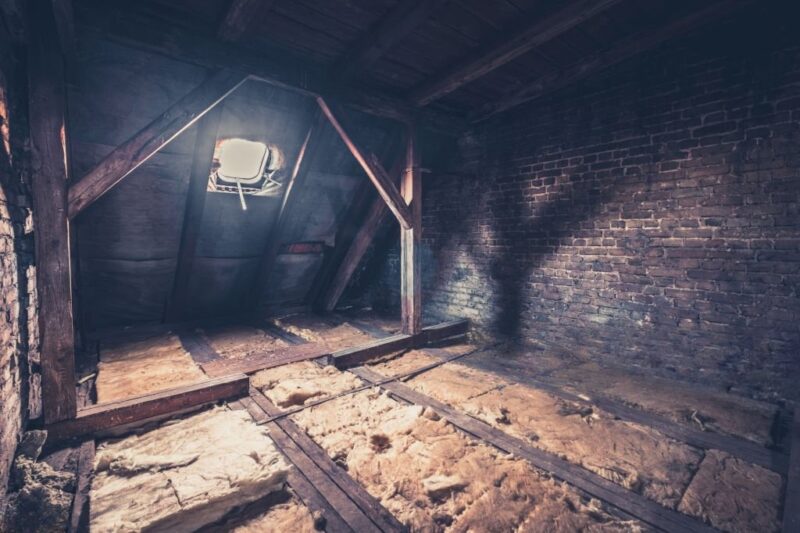
Bare areas, low spots, and inconsistent loose-fill depth can create weak points in the attic’s thermal barrier. These gaps may develop from settling, previous attic work, or incomplete installation, especially near eaves, corners, and other difficult-to-reach areas. Improving coverage may help create a more consistent layer across the attic floor.
Compressed or Settled Insulation
Insulation is designed to perform at an intended thickness, so compression or significant settling can reduce its effectiveness. Loose-fill materials may settle over time, while fiberglass batts can become compressed by storage, foot traffic, or other attic work. An inspection can help determine whether the material should be repositioned, supplemented, or replaced in affected areas.
Damaged or Displaced Insulation
HVAC repairs, electrical work, plumbing projects, roofing work, and other attic activity can shift or disturb insulation. Foot traffic and pest activity may also leave sections flattened, moved, or missing. After work has been completed in the attic, it is worth checking that insulation coverage remains consistent.
Moisture or Water Damage
Roof leaks, plumbing leaks, condensation, and other moisture problems can leave insulation and nearby building materials damp. Wet or water-damaged insulation should not simply be covered with new material. The moisture source should be identified and corrected first, followed by an evaluation of whether the affected insulation can remain or needs removal.
Rising Cooling Costs or Longer AC Runtime
Higher cooling costs or an air conditioner that seems to run longer may indicate increased heat gain through the attic, and insufficient insulation can be one contributing factor. However, weather conditions, duct leakage, airflow restrictions, HVAC equipment condition, thermostat settings, and other issues can create similar symptoms. A complete evaluation can help determine whether insulation is actually part of the problem.
Uneven Indoor Temperatures
Rooms directly below the attic that feel noticeably warmer than other areas of the home may point to inconsistent insulation coverage or other attic-related concerns. Temperature differences can also be caused by ductwork, airflow, windows, solar exposure, or HVAC performance, so comfort problems should be investigated rather than automatically attributed to insulation.
Air Seal the Attic Before Adding More Insulation
Adding more insulation without addressing air leakage first can limit the effectiveness of an attic upgrade. Air sealing helps address uncontrolled air movement through gaps and penetrations, while insulation works to slow heat transfer. Evaluating both before adding new material can create a more complete approach to improving attic performance.
Why Air Sealing and Insulation Have Different Jobs
Insulation and air sealing support home comfort in different ways. Insulation helps slow the movement of heat through the building envelope, while air sealing helps reduce uncontrolled airflow through cracks, gaps, and openings. Because these functions are different, adding more insulation does not automatically correct air leakage.
Common Attic Air Leakage Points
Air leaks can occur around plumbing and wiring penetrations, attic access points, duct chases, framing gaps, and other openings in the ceiling plane. Some of these areas may be difficult to see once insulation is in place, which is why a careful attic evaluation can be useful before additional material is added.
Why Air Sealing Is Easier Before Adding Insulation
Existing insulation can already make some leakage points harder to locate, and adding more material can make future access even more difficult. Addressing appropriate air-sealing areas before a top-off allows those gaps to be evaluated and corrected while they are still easier to reach.
Do Not Assume More Insulation Will Stop Air Leaks
Adding insulation alone is not a substitute for proper air sealing. A home can have plenty of insulation and still lose conditioned air through gaps in the building envelope. Looking at insulation, air leakage, ventilation, and related attic conditions together can help create a more effective improvement plan.
Improve Thin or Uneven Insulation Coverage
Attic insulation performs best when it creates consistent coverage across the intended thermal boundary. Bare spots, shallow sections, gaps, and disturbed material can create thermal weak points even when most of the attic appears adequately insulated. Correcting these areas may be a practical way to improve existing insulation without automatically replacing everything.
Fill Bare Areas
Start by identifying sections where insulation is missing or noticeably thinner than surrounding areas. Attic edges, eaves, corners, and irregular spaces around framing are particularly easy to miss during installation. These areas can often be addressed by carefully adding compatible insulation while protecting ventilation pathways and maintaining required clearances.
Correct Uneven Loose-Fill Insulation
Blown-in fiberglass and cellulose can become uneven because of settling, disturbance, or previous attic work. Restoring a more consistent depth can help eliminate shallow sections that create thermal weak points. Any additional loose-fill insulation should be distributed evenly rather than simply piling more material in the easiest areas to reach.
Correct Poorly Fitted Fiberglass Batts
Fiberglass batts should fit the intended space without significant gaps or unnecessary compression. Poorly fitted batts may leave exposed areas around framing, wiring, pipes, and other obstructions. Correcting their position or replacing damaged sections can improve coverage while preserving the material’s intended thickness.
Address Areas Disturbed by Previous Work
HVAC installation or repair, electrical work, plumbing, roofing, and other attic projects can move, flatten, or remove insulation. After work is completed, previously disturbed areas should be inspected for gaps, compression, or inconsistent coverage. Restoring insulation in these locations can help maintain a more continuous thermal barrier across the attic.
Adding New Insulation Over Existing Insulation
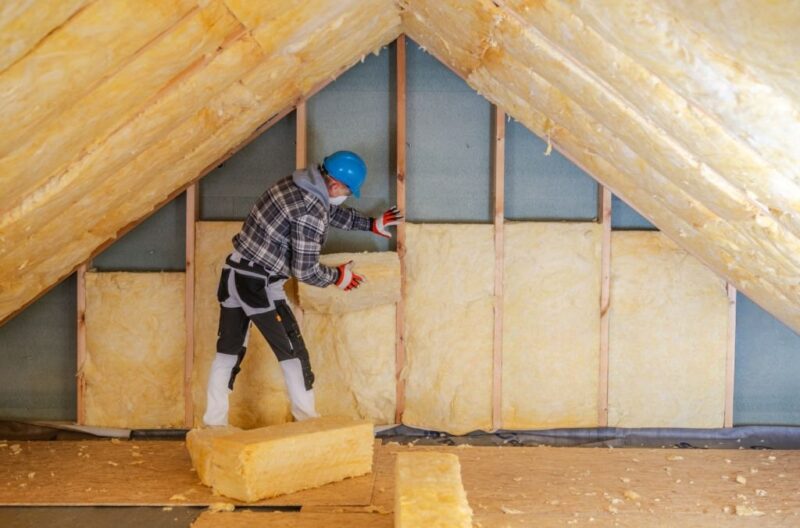
Adding new insulation over existing material can be a practical way to improve attic coverage without removing insulation that is still in good condition. However, a top-off should not be treated as an automatic solution. The existing insulation, moisture conditions, air sealing, ventilation, and overall attic assembly should be evaluated before additional material is installed.
Can You Put New Insulation Over Old Insulation?
In many cases, new insulation can be added over existing material when the old insulation is clean, dry, free from significant contamination, and still usable. An evaluation should come first to identify moisture damage, pest activity, compression, air leakage, or other concerns that could be hidden if another layer is added.
Adding Blown-In Insulation Over Existing Insulation
Blown-in insulation can be useful for topping off an attic because loose material can fill irregular spaces and areas around framing. Consistent depth and distribution are important, particularly near eaves, corners, and other difficult-to-reach locations. Intended ventilation pathways, including soffit areas in vented attics, should remain protected rather than being buried by additional insulation.
Adding Fiberglass Over Existing Insulation
Fiberglass may be added over existing attic insulation in appropriate applications, but material compatibility and installation method should be considered first. New batts should be installed without significant gaps or unnecessary compression, and care should be taken around framing, wiring, ducts, and other obstructions. The goal is to improve coverage without creating new weak points or interfering with required access.
Mixing Different Insulation Materials
Different insulation materials can sometimes be used together, but the combination should make sense for the specific attic assembly. Existing material condition, moisture characteristics, installation method, ventilation strategy, and the location of the thermal boundary should all be considered. When the attic contains multiple materials or has a complicated design, a professional evaluation can help determine the most appropriate approach.
4 Ways to Improve Attic Insulation Without Blocking Ventilation
1. Keep Soffit Vents Clear
Loose-fill insulation and fiberglass batts can block soffit vents if they are pushed too far into the eaves. These openings should remain unobstructed so intended airflow can move into the attic. When improving insulation near attic edges, care should be taken to maintain the ventilation path instead of simply filling every available space.
2. Use Attic Baffles Where Appropriate
Attic baffles can help preserve airflow near the eaves by creating a defined path between the soffit area and the attic. They also help keep insulation from spilling into or blocking intended ventilation openings. Their placement should match the attic’s design and existing ventilation strategy.
3. Understand Vented vs Unvented Attics
Vented and unvented attics are designed differently, so the same insulation approach does not apply to every home. Adding more insulation should not automatically involve changing ventilation, closing vents, or altering the location of the thermal boundary. The attic assembly should be evaluated first so insulation improvements support the way the space is intended to function.
4. Evaluate Existing Ventilation Problems First
Existing issues such as blocked vents, incorrectly installed insulation, or changes made during roofing or renovation work should be addressed before additional insulation is added. Covering these problems can make them harder to correct later. An attic evaluation can help identify whether ventilation pathways need to be restored or protected as part of the insulation upgrade.
Improve Insulation Around the Attic Access
The attic hatch or access door is easy to overlook during an insulation upgrade, but it is part of the same boundary separating conditioned living space from the attic. If the surrounding insulation is improved while the access point remains thin, unsealed, or poorly insulated, it can become a weak spot in the overall attic assembly.
Why Attic Access Points Can Be Thermal Weak Spots
Insulation often stops around the attic opening, and the hatch or access panel itself may have much less insulation than the surrounding ceiling. Gaps around the frame can also allow heat transfer and uncontrolled air movement. Checking this area can help create a more consistent thermal boundary.
Insulate the Attic Hatch or Access Door
Where appropriate, the attic hatch or access door can be insulated so its thermal resistance is closer to the surrounding area. Any added material should be installed in a way that keeps the panel usable and does not interfere with opening, closing, or future attic access.
Air Seal Around the Attic Access
Gaps around the attic access frame may allow uncontrolled air movement between the home and attic. Appropriate air sealing can help reduce these leaks, but it should not prevent the hatch from operating safely or make future access difficult. The goal is to improve the seal while preserving normal use and serviceability.
Improve Attic Insulation Around Ductwork and HVAC Equipment
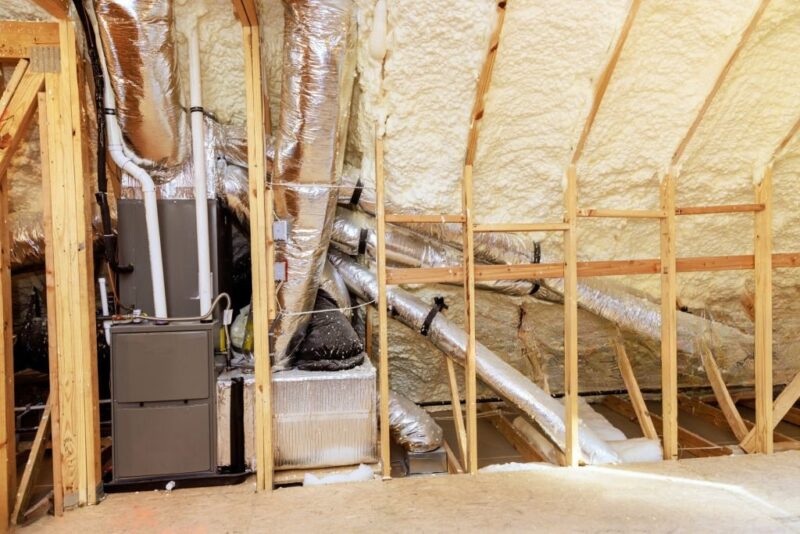
When ductwork or HVAC equipment is located in the attic, insulation improvements need to be planned carefully around these components. Attic insulation can help reduce heat transfer through the building envelope, but it should not interfere with ductwork, equipment operation, or service access. In Florida homes, this coordination is especially important because ducts may run through very hot unconditioned attic spaces.
Inspect Accessible Attic Ductwork
Before adding insulation, check accessible ductwork for visible damage, disconnected sections, damaged duct insulation, or signs of condensation. These issues can contribute to comfort or efficiency concerns and should be evaluated separately from the attic insulation itself. Correcting duct problems first can help prevent them from being hidden or made harder to reach later.
Do Not Use Attic Insulation to Repair Duct Problems
Building insulation and duct insulation serve different purposes. Attic insulation helps slow heat transfer through the home’s thermal boundary, while duct insulation helps reduce heat gain or loss around the duct system. If ducts are leaking, damaged, or disconnected, adding more attic insulation will not repair the underlying problem. Appropriate duct sealing or repair may still be needed.
Maintain HVAC Service Access
Insulation should not bury HVAC equipment or block areas that technicians need for inspection, maintenance, or repair. Service panels, drain components, electrical connections, and access paths should remain reachable. Preserving this access can help make future HVAC service safer and more practical.
Consider Ductwork When Planning the Insulation Upgrade
Attic ductwork is common in Florida homes, so it should be part of the insulation planning process. Ducts located in hot unconditioned attics can be exposed to significant heat, and damaged duct insulation or air leakage can create additional comfort concerns. Looking at both the attic insulation and the duct system can help homeowners make more informed improvements instead of assuming one upgrade will solve every issue.
Choose the Right Insulation Material for the Upgrade
The best material for improving existing attic insulation depends on what is already installed, the attic design, moisture conditions, available space, and the areas that need improvement. Rather than choosing insulation based only on price or R-value, consider how the new material will work with the existing insulation and the overall attic assembly.
Blown-In Fiberglass
Blown-in fiberglass can be useful for topping off existing attic floors and improving coverage in irregular spaces where batts may be difficult to fit. It can be distributed around framing and other obstacles, but consistent depth and coverage are important. Care should also be taken near eaves and soffit vents so intended ventilation pathways remain open.
Fiberglass Batts
Fiberglass batts can work well in certain regularly spaced areas where they can be fitted between framing members. Proper installation requires careful cutting around wiring, pipes, and other obstructions. Significant gaps or unnecessary compression should be avoided because they can reduce the effectiveness of the installed insulation.
Cellulose
Cellulose is a loose-fill insulation option that can be used for certain attic upgrades and irregular spaces. As with other loose-fill materials, installed depth and even distribution are important for consistent coverage. Existing moisture conditions should be evaluated before installation, and unresolved leaks or damp materials should be addressed rather than covered with additional insulation.
Spray Foam
Spray foam is a more specialized approach than simply adding another layer of attic-floor insulation. Depending on where it is applied, spray foam may change the location of the home’s thermal and air-control layers and affect how the attic assembly functions. Factors such as open-cell versus closed-cell foam, moisture management, ventilation, existing insulation, and HVAC equipment should be evaluated, making professional assessment and installation generally appropriate.
10 Common Mistakes When Improving Existing Attic Insulation
1. Adding More Insulation Without an Inspection
Adding insulation before inspecting the attic can hide problems such as moisture, pest contamination, damaged materials, air leakage, or uneven coverage. A basic evaluation should come first so you can determine whether the attic needs preparation, repairs, partial removal, or a simple top-off.
2. Covering Wet or Contaminated Material
Wet, pest-damaged, or significantly contaminated insulation should not simply be buried beneath new material. The source of the problem should be corrected first, and affected insulation should be evaluated to determine whether it can remain or needs partial or full removal.
3. Skipping Air Sealing
Adding insulation without addressing appropriate air leakage points can leave uncontrolled air movement through the attic floor. Insulation slows heat transfer, while air sealing serves a different purpose. Addressing both can create a more complete building-envelope improvement.
4. Blocking Soffit Vents
In vented attics, insulation should not obstruct soffit vents or intended airflow pathways near the eaves. Loose-fill material and fiberglass batts can both block ventilation if installed carelessly. Baffles or other appropriate measures may be needed to help preserve airflow.
5. Creating Uneven Insulation Depth
Loose-fill insulation that is too shallow in some areas and too deep in others can create inconsistent thermal performance. A proper top-off should aim for even coverage across the intended area, including corners, edges, and other difficult-to-reach sections.
6. Compressing Existing Fiberglass
Fiberglass batts rely partly on maintaining their intended thickness. Compressing existing material with additional insulation, storage, or foot traffic can reduce its thermal resistance. Damaged or compressed sections may need to be repositioned or replaced rather than simply covered.
7. Ignoring the Attic Access
The attic hatch or access door can become a weak point if the surrounding insulation is improved while the access panel remains thin or poorly sealed. Insulation and appropriate air sealing around this area can help create a more consistent thermal boundary while keeping the opening usable.
8. Burying Components That Need Clearance or Access
Electrical components, HVAC equipment, junction boxes, fixtures, vents, and service areas may require clearance or future access. New insulation should not be installed in a way that hides or obstructs these components. Applicable product instructions and building requirements should be followed.
9. Ignoring Ductwork Problems
Leaky, damaged, disconnected, or poorly insulated ducts can contribute to comfort and efficiency concerns, especially in hot Florida attics. Adding building insulation does not repair duct leakage or damaged duct insulation, so accessible duct problems should be addressed separately.
10. Assuming More Insulation Is Always Better
More insulation is not automatically the best solution once adequate coverage is already present. Installation quality, air sealing, moisture control, ventilation, ductwork, and HVAC condition may become more important than simply adding another layer. A whole-attic evaluation can help determine which improvement will actually provide the most value.
How Improving Attic Insulation Can Support Your HVAC System
Attic insulation and HVAC performance are closely connected, especially in Florida homes where cooling systems operate frequently during hot weather. Improving thin, damaged, or uneven insulation can help strengthen the thermal boundary between the attic and conditioned living spaces. However, insulation should be viewed as one part of overall home comfort rather than a solution for every cooling problem.
Helps Slow Heat Transfer
Attic insulation helps slow heat transfer between a hot attic and the conditioned rooms below. This is particularly relevant during Florida’s cooling season, when attic temperatures can place additional heat load on the home. Consistent insulation coverage can help limit this heat transfer more effectively than an attic with bare, thin, or compressed areas.
May Help Reduce Unnecessary Cooling Demand
When attic insulation is inadequate, additional heat entering the living space may contribute to greater cooling demand. Improving insulation may help the AC system maintain indoor temperatures with less unnecessary workload, but the results vary by home. Weather, insulation condition, air leakage, ductwork, HVAC efficiency, thermostat settings, and other factors all influence cooling performance and energy use.
May Support More Consistent Indoor Temperatures
Correcting gaps and uneven insulation may help reduce temperature differences in rooms directly below the attic. This can be especially useful when certain areas have insufficient coverage or thermal weak points. However, uneven temperatures can also result from airflow, ductwork, windows, solar exposure, or HVAC issues, so insulation should not automatically be assumed to be the only cause.
Insulation Cannot Fix HVAC Problems
Even properly installed attic insulation cannot correct problems within the cooling system itself. Refrigerant issues, airflow restrictions, aging or malfunctioning equipment, incorrect system sizing, and duct leakage require separate evaluation and appropriate HVAC service. Looking at both the attic and the HVAC system can help determine which improvements are most appropriate for the home.
9 Signs Your Insulation Upgrade May Need Professional Help
1. Existing Insulation Is Wet or Contaminated
Wet, heavily soiled, or otherwise contaminated insulation should not simply be covered with another layer. The source of moisture or contamination needs to be identified first, and the affected material should be evaluated to determine whether partial or complete removal is appropriate.
2. Pest Damage Is Present
Droppings, nesting materials, tunnels, displaced insulation, or chewed materials may indicate pest activity. The pest problem should be addressed before the insulation upgrade continues. A professional can then assess how much insulation has been affected and whether removal or replacement is needed.
3. Large Areas Need Removal
Removing a small damaged section is different from clearing a large portion of an attic. Extensive removal can involve significant material handling, disposal, dust, and access challenges. Professional crews have the equipment and experience to manage larger removal projects and prepare the attic for new insulation.
4. The Attic Is Difficult to Access
Low clearances, narrow openings, limited walking surfaces, complex framing, and HVAC equipment can make attic work difficult. These conditions may also make it harder to achieve consistent insulation coverage. Professional installation may be preferable when safely reaching the areas that need improvement is challenging.
5. Extensive Air Sealing Is Needed
If the attic has numerous gaps and penetrations that require attention, air sealing can become a substantial part of the upgrade. Completing appropriate air sealing before adding more insulation helps keep leakage points accessible and allows the insulation and air-control layers to perform their separate functions.
6. Ventilation Is Unclear or Needs Correction
Blocked soffit vents, missing or damaged baffles, or uncertainty about whether the attic is designed as a vented or unvented assembly can complicate an insulation project. A professional evaluation can help determine how additional insulation should be installed without interfering with the attic’s intended design.
7. Spray Foam Is Being Considered
Spray foam is generally more complex than topping off an attic with fiberglass or cellulose. Application location, open-cell versus closed-cell products, moisture management, ventilation, existing insulation, and HVAC configuration may all need consideration. Professional evaluation can help determine whether spray foam is appropriate for the specific attic assembly.
8. HVAC Equipment or Extensive Ductwork Is Present
Air handlers, ductwork, electrical components, and other mechanical equipment require careful planning during an insulation upgrade. Insulation should not damage ducts, obstruct equipment, or block areas needed for inspection and maintenance. Existing duct problems may also need separate repair rather than being covered by new insulation.
9. You Are Unsure What Is Causing Your Comfort Problems
Hot rooms, long AC runtimes, uneven temperatures, and higher cooling costs do not necessarily mean the home simply needs more attic insulation. Air leakage, duct problems, HVAC condition, airflow, solar exposure, and other factors can create similar symptoms. A professional evaluation can help identify likely contributing factors before you invest in an insulation upgrade.
How to Prioritize Attic Insulation Improvements
Step 1: Inspect Existing Insulation
Begin by checking the type, depth, condition, and coverage of the insulation already in place. Look for thin areas, bare spots, compression, displacement, or sections that appear damaged. This initial inspection helps determine whether the attic needs a simple top-off, targeted corrections, partial removal, or more extensive work.
Step 2: Identify Moisture or Pest Problems
Check for signs of roof leaks, plumbing leaks, condensation, damp materials, droppings, nesting, or other pest activity. Moisture and contamination should be addressed before new insulation is installed because covering these problems can make them harder to correct later.
Step 3: Address Necessary Repairs
Complete any needed roof, plumbing, pest, structural, or other attic repairs before improving the insulation. Damaged materials should be evaluated and corrected first so the new insulation is installed over a suitable, stable area.
Step 4: Evaluate and Complete Appropriate Air Sealing
Once repairs are handled, inspect appropriate attic-floor penetrations and gaps for uncontrolled air leakage. Air sealing is generally easier before additional insulation is added because the leakage points remain more accessible. Insulation and air sealing perform different functions, so both should be considered as part of the overall upgrade.
Step 5: Confirm the Attic Ventilation Strategy
Determine whether the attic is designed to be vented or unvented before changing insulation levels or placement. In vented attics, soffit vents and intended airflow pathways should remain clear. Any existing ventilation issues should be corrected before they are hidden beneath new material.
Step 6: Repair Relevant Ductwork Problems
If accessible ductwork is leaking, damaged, disconnected, poorly insulated, or showing signs of condensation, those concerns should be evaluated separately. Adding attic insulation will not repair duct problems, so addressing them first can help prevent comfort or HVAC issues from continuing after the insulation upgrade.
Step 7: Correct Gaps, Compression, and Uneven Coverage
Reposition disturbed material, address poorly fitted fiberglass batts, and correct shallow or uneven loose-fill where appropriate. Improving existing coverage can sometimes provide meaningful benefits without requiring a full replacement.
Step 8: Add Insulation Where Needed
After repairs, air sealing, ventilation, ductwork, and coverage problems have been addressed, additional insulation can be installed where the existing level is still insufficient. The goal should be consistent, appropriate coverage rather than simply adding as much material as possible.
Step 9: Maintain HVAC and Component Access
As a final step, make sure HVAC equipment, electrical components, attic access points, service panels, and other areas that require inspection or maintenance remain accessible. Insulation should improve the thermal boundary without making future service or repairs unnecessarily difficult.
Why Port Charlotte Homeowners Trust Dale’s AC
Improving attic insulation is often about more than adding material. Air leakage, ductwork, moisture, ventilation, and HVAC performance can all affect home comfort, which is why a broader evaluation can be helpful. At Dale’s AC, we look at the whole picture so Port Charlotte homeowners can make informed decisions based on the actual condition of their homes.
Serving Southwest Florida Since 1974
We have served Southwest Florida since 1974, giving us decades of experience with the cooling demands, heat, and humidity common throughout the region. That local knowledge helps us evaluate attic insulation and HVAC concerns with the needs of Port Charlotte homes in mind.
HVAC and Building-Envelope Evaluations
Comfort problems can come from more than one source. We can evaluate attic insulation alongside HVAC performance, accessible ductwork, air leakage, and other building-envelope conditions to help determine whether insulation, the cooling system, or a combination of factors may be contributing to the issue.
Air Sealing and Home Comfort Solutions
When uncontrolled air movement is part of the problem, air sealing may be recommended alongside insulation improvements. We can help identify appropriate areas for air sealing and consider how insulation, ductwork, and HVAC performance work together to support more consistent indoor comfort.
Clear Recommendations Based on Your Home
Every attic is different, so we base our recommendations on what we find rather than assuming every home needs the same upgrade. Depending on the condition of your attic, we may recommend a simple insulation top-off, targeted corrections, removal and replacement, air sealing, ductwork repairs, or related HVAC service.
Financing Options for Qualifying Projects
Larger insulation or HVAC improvements can be easier to plan when flexible payment options are available. Dale’s AC offers financing options for qualifying projects, helping homeowners consider needed comfort upgrades without relying only on the full upfront cost.
FAQs About Improving Existing Attic Insulation
How Do I Know If My Attic Needs More Insulation?
Your attic may need more insulation if coverage is thin, uneven, compressed, or missing in certain areas. However, comfort problems and higher cooling costs can also come from air leakage, ductwork, HVAC condition, or other factors. An attic inspection can help determine whether additional insulation is actually needed.
Do I Need to Remove Old Insulation Before Adding More?
Not always. Existing insulation may remain in place if it is clean, dry, free from significant contamination, and still in usable condition. Partial or full removal may be appropriate when insulation is wet, pest-damaged, heavily contaminated, severely compressed, or otherwise unsuitable to cover.
Should I Air Seal Before Adding Attic Insulation?
In many cases, yes. Air sealing is often easier before additional insulation is installed because common leakage points are easier to access. Insulation slows heat transfer, while air sealing helps reduce uncontrolled air movement, so both should be evaluated as part of the upgrade.
Can Different Types of Attic Insulation Be Combined?
Different insulation materials can sometimes be used together, depending on the existing material and attic design. Compatibility, moisture conditions, installation method, ventilation, and the location of the thermal boundary should all be considered before combining materials.
Does More Attic Insulation Always Improve Energy Efficiency?
Not necessarily. Once an attic has adequate insulation, simply adding more material may provide less benefit than correcting gaps, air leakage, moisture problems, ventilation issues, or ductwork concerns. Installation quality and the overall building envelope matter as much as insulation quantity.
Can Better Attic Insulation Help My AC?
Improved attic insulation may help reduce heat transfer into conditioned living spaces, which can support lower cooling demand during hot Florida weather. However, the actual effect depends on the home, existing insulation, ductwork, HVAC system, air leakage, and other conditions.
Can Attic Insulation Fix High Cooling Bills?
Attic insulation can help when insufficient coverage is contributing to heat gain, but it is not a guaranteed solution for high cooling costs. Duct leakage, airflow restrictions, equipment condition, thermostat settings, weather, and other factors can also affect energy use.
When Should I Have My Attic Insulation Professionally Evaluated?
A professional evaluation is especially helpful when insulation is wet or contaminated, pest damage is present, large areas need removal, ventilation is unclear, extensive air sealing is needed, spray foam is being considered, or HVAC equipment and ductwork are located in the attic. It is also useful when you are unsure whether insulation is actually causing your comfort or cooling concerns.
Give Your Old Insulation a Little More Loft. Call Dale’s AC!
Improving existing attic insulation starts with understanding what your attic actually needs. Thin coverage, compressed material, air leakage, moisture, ventilation, ductwork, and HVAC performance can all affect comfort, so simply adding more insulation is not always the best answer. At Dale’s AC, we help homeowners evaluate attic insulation in Port Charlotte alongside indoor air quality in Port Charlotte, AC maintenance in Port Charlotte, AC installation in Port Charlotte, AC replacement in Port Charlotte, and air conditioning repair in Port Charlotte so the right improvements can be prioritized.
If you want a clearer plan for your attic and home comfort, Dale’s AC is a reliable HVAC company in Port Charlotte and we’re here to help. We also provide residential HVAC services in Port Charlotte, Commercial HVAC services in Port Charlotte, and financing options for qualifying projects. Call us today at (941) 629-1712 or contact us to schedule an evaluation and get recommendations based on your home.