


Attic insulation plays an important role in keeping your home comfortable throughout the year. It helps slow heat transfer between the attic and your living spaces, making it easier for your HVAC system to maintain consistent indoor temperatures. However, insulation can lose effectiveness when it becomes wet, compressed, damaged by pests, or disturbed during roof repairs and other home projects. Seasonal changes can also reveal problems with insulation coverage, air leaks, and attic ventilation.
For homeowners in Florida, regular attic insulation maintenance is especially important because prolonged heat, high humidity, and heavy rainfall can affect attic conditions. Checking your insulation throughout the year can help you catch moisture damage, gaps, and other issues before they lead to bigger problems. In this guide, we’ll cover practical seasonal attic insulation maintenance tips, common warning signs to watch for, and when to call a professional to help keep your home comfortable in every season.
Summer Attic Insulation Maintenance Tips
Florida’s intense summer sunlight and high outdoor temperatures can cause attic spaces to become extremely hot. This heat can transfer through the ceiling and increase the cooling demand inside your home. Proper attic insulation helps slow that heat transfer, while effective air sealing limits unwanted air movement through gaps and openings. During summer, homeowners should pay close attention to insulation coverage, ceiling penetrations, and HVAC components located in the attic. Checking these areas can help identify problems that may affect indoor comfort and cooling performance.
Check for Gaps and Uneven Insulation Coverage
Start by looking for thin spots, exposed areas, missing insulation, or sections that have shifted away from their intended positions. Pay particular attention to attic edges, corners, and areas around the attic hatch, wiring, plumbing penetrations, and duct openings. Even small gaps can create paths for heat to move into your living space, reducing the effectiveness of the surrounding insulation.
If you find areas with insufficient coverage, determine whether additional insulation or repositioning is appropriate for the existing material and attic design. Make sure repairs do not block required ventilation openings or compress the insulation, as this can affect its intended performance. Also, avoid placing insulation over electrical components or fixtures unless the products and installation methods are approved for that application.
Inspect Air Sealing Around the Attic
Insulation works best when combined with proper air sealing. During your summer inspection, check around the attic access opening, recessed lights, wiring, plumbing, and other ceiling penetrations for visible gaps. These openings can allow conditioned indoor air to escape into the attic while hot, humid air moves into the home through unintended pathways.
Compatible caulk, foam sealants, and weatherstripping can help close appropriate gaps around the ceiling and attic access. However, not every opening should be sealed with the same material or method. Electrical fixtures, chimneys, and other heat-producing components may require specific clearances and approved fire-resistant sealing products. Follow manufacturer instructions and applicable safety requirements, or have a professional handle areas where the correct method is unclear.
Check Ductwork and HVAC Components in the Attic
If your home’s ductwork runs through the attic, include it in your summer maintenance checks. Look at accessible duct insulation for tears, gaps, compression, or signs of deterioration. Also, watch for disconnected sections, visible damage, or condensation around ducts and HVAC components. These issues may affect how effectively conditioned air reaches your living spaces.
Attics can become much hotter than the rest of the home during Florida summers. When ductwork is poorly sealed or insulated, heat can transfer into the air moving through the ducts, while leaks may allow conditioned air to escape before reaching the intended rooms. If you notice damaged duct insulation, loose connections, unusual condensation, or rooms that are difficult to cool, have an HVAC professional inspect the system. Addressing ductwork problems alongside attic insulation concerns can help support more consistent indoor comfort.
Watch for Signs of Insulation Deterioration
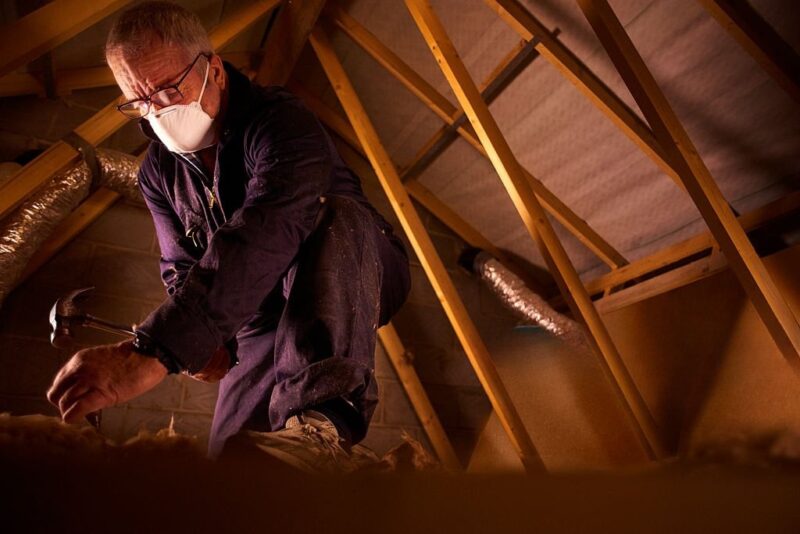
Over time, attic insulation can shift, settle, become compressed, or get disturbed by maintenance work, pests, and other activity. Fiberglass batts may develop gaps or become displaced, while loose-fill insulation may settle or become unevenly distributed. Spray foam can also show signs of damage, such as cracking, separation, or areas where it no longer remains properly attached to the surrounding surfaces.
During your inspection, look for exposed sections, inconsistent coverage, damaged materials, and signs of pest activity or moisture exposure. Wet, contaminated, or visibly deteriorated insulation may need more than a simple adjustment. Have a professional evaluate the affected areas to determine whether the material can be repaired or should be replaced. Catching these issues early can help maintain consistent insulation coverage and prevent existing problems from affecting other parts of your attic.
Fall Attic Insulation Maintenance Tips
Fall is a good time to address attic insulation issues before cooler weather arrives. While Florida homeowners generally do not experience prolonged winter temperatures, seasonal changes can still affect indoor comfort and reveal problems with insulation, air leaks, and attic conditions. A fall inspection gives you an opportunity to check insulation coverage, look for pest activity, and seal appropriate gaps before temperatures begin to drop. Taking care of these issues can also help prepare your home for the next cooling season.
Review Insulation Depth and R-Value
R-value measures how well insulation resists heat flow. A higher R-value generally provides greater resistance to heat transfer, but the appropriate level depends on the home’s location, building requirements, and attic construction. During your fall inspection, look for areas where insulation appears noticeably thinner, uneven, or missing. Pay attention to spots where materials may have shifted or settled over time.
If you are considering adding insulation, check the existing material and determine whether it needs to be repaired or supplemented. The available attic space, insulation type, and required R-value should all factor into your decision. Local building requirements can also influence the amount of insulation needed. Avoid adding material without checking whether it could block ventilation openings, cover electrical components, or create moisture-related issues.
Check for Pest Activity and Disturbed Insulation
Rodents and other pests can enter attic spaces through small openings and disturb insulation as they move around or build nests. During your inspection, look for droppings, nesting materials, scratching sounds, damaged insulation, and openings around the roofline or other exterior areas. You may also notice insulation that has been pushed aside, creating gaps in coverage.
Before installing new insulation, address active pest problems and identify how the animals are getting inside. Otherwise, pests may continue damaging the replacement material. Insulation contaminated by droppings, urine, or nesting materials may require professional cleanup and removal. Once the affected areas have been addressed and entry points properly sealed, you can determine whether the existing insulation can be restored or needs replacement.
Seal Gaps Around the Attic Access and Ceiling Penetrations
The attic access opening is one area where unwanted air movement can occur. Inspect the weatherstripping and seals around attic doors or hatches to see whether they are worn, loose, or missing. Also, check around plumbing, wiring, ductwork, and other ceiling penetrations for visible gaps that may allow conditioned air to escape.
Sealing appropriate openings with compatible materials can help limit air leakage and support insulation performance. Weatherstripping or a properly fitted attic access cover may also help reduce air movement around the hatch. Make sure insulation around the opening remains properly positioned without interfering with safe access. As with other attic sealing work, follow electrical and fire-safety requirements when working near fixtures, wiring, or heat-producing equipment.
Schedule an Attic Insulation Inspection Before Cooler Weather
A professional attic insulation inspection can help identify issues that may be difficult to spot during a basic visual check. An insulation specialist can assess uneven coverage, damaged materials, moisture concerns, air leaks, and other conditions that may affect performance. They can also help determine whether existing insulation needs repairs, additional coverage, or replacement.
Addressing these problems before cooler weather arrives can help your home maintain more consistent indoor temperatures as seasonal conditions change. When hidden gaps or temperature differences are suspected, thermal imaging may help identify areas that need further investigation. This technology can reveal temperature patterns, but additional inspection may be needed to determine their cause. A professional assessment can help you choose the right maintenance or insulation improvements for your attic.
Winter Attic Insulation Maintenance Tips
Florida winters are generally mild, but cooler temperatures can still reveal insulation and air leakage problems around your home. Proper attic insulation helps slow heat loss and maintain more consistent indoor temperatures when outdoor conditions change. Winter is also a good time to check for drafts, monitor moisture, and inspect the attic after heavy rain or storms. Paying attention to these areas can help you identify problems before they lead to insulation damage or affect indoor comfort.
Look for Drafts and Cold Spots
Pay attention to rooms that feel unusually cold or have noticeable temperature differences compared to the rest of your home. These changes may indicate insufficient insulation, gaps around the attic access opening, or air leaks through ceiling penetrations. Check accessible areas around the attic hatch, wiring, plumbing, and other openings for visible gaps that could allow conditioned air to escape.
Insulation helps reduce heat transfer, but it cannot stop air movement through unsealed openings. Sealing appropriate gaps and correcting uneven insulation coverage may help improve temperature consistency. However, drafts and cold spots are not always caused by insulation problems. Leaking ductwork, restricted airflow, and HVAC equipment issues can also affect how evenly your home heats or cools. If certain rooms remain uncomfortable, consider having both the attic and HVAC system inspected.
Monitor Condensation and Indoor Humidity
During cooler weather, pay attention to signs of moisture inside the attic. Look for condensation on roof sheathing, rafters, or other surfaces, as well as damp insulation and persistent musty odors. These conditions may indicate that moisture is entering the attic and collecting on cooler surfaces.
Indoor moisture can move through gaps in the ceiling and into the attic, where it may condense when it comes into contact with cooler materials. Proper air sealing can help limit this movement, while ventilation should be maintained according to the roof assembly’s design. Managing indoor humidity is also important, especially in Florida homes where moisture can remain a concern throughout the year.
If condensation or damp insulation keeps returning, investigate the underlying moisture source rather than simply adding more insulation. Roof leaks, plumbing problems, air leakage, and ventilation issues may all contribute to the problem. Identifying the cause first can help prevent further damage to insulation and surrounding building materials.
Inspect the Attic After Heavy Rain or Storms
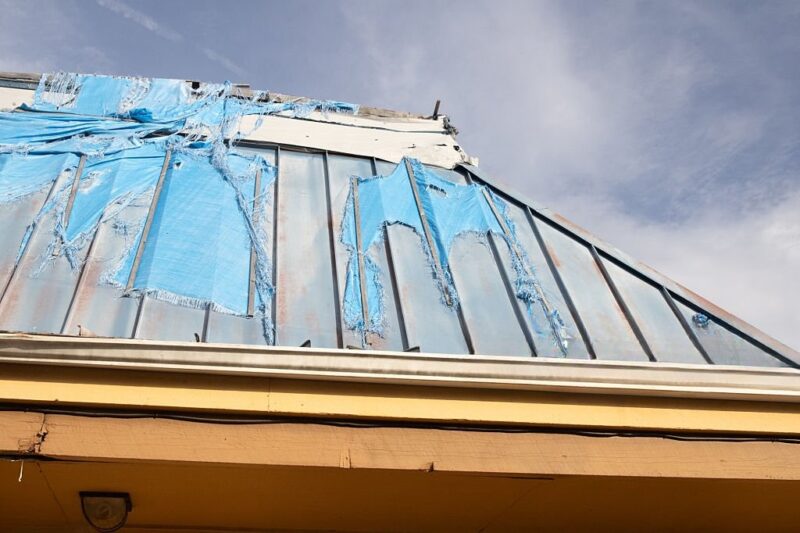
Florida can experience heavy rainfall and strong storms even during the cooler months. After severe weather, check the attic for signs of roof leaks, water stains, damaged flashing, and moisture around vents, skylights, or other roof penetrations. Look for insulation that has become wet, compressed, or displaced following water intrusion.
Addressing storm-related roof damage promptly can help prevent additional moisture from reaching the attic. Wet insulation may lose some of its intended insulating performance and could develop mold or other damage if it remains damp. Have the source of the leak repaired before deciding whether the affected insulation can be dried, restored, or needs replacement.
Once roof repairs are complete, inspect the attic again to confirm that the affected areas are dry and the insulation has been properly restored. Check that ventilation components and air sealing have not been disturbed during the repair work. These follow-up checks can help protect your insulation and maintain a more comfortable home.
5 Common Signs Your Attic Insulation Needs Maintenance or Replacement
1. Uneven Indoor Temperatures
If certain rooms feel warmer or cooler than others, your attic insulation may have gaps or areas with insufficient coverage. You might notice hot spots during summer, rooms that are difficult to cool, or noticeable temperature differences between floors. These problems can occur when heat moves through poorly insulated sections of the ceiling or when air leaks allow outdoor air to enter the home.
Start by checking for visible gaps, thin spots, or displaced insulation in accessible attic areas. However, insulation is not the only possible cause of uneven temperatures. Leaking ductwork, restricted airflow, blocked vents, and HVAC equipment issues can also make some rooms uncomfortable. Having the attic and cooling system evaluated can help determine which improvements are needed.
2. Higher Heating or Cooling Costs
A noticeable increase in your utility bills may be another sign that your attic insulation needs attention. When insulation is inadequate or air leaks are present, your HVAC system may need to run longer to maintain the thermostat setting. This can increase heating or cooling demand, particularly during periods of extreme outdoor temperatures.
Compare your energy use over several billing periods rather than relying on a single month’s bill. Consider changes in weather, thermostat settings, occupancy, and household habits when reviewing the difference. Higher utility costs do not automatically mean your insulation needs replacement. An aging HVAC system, duct leaks, equipment problems, or changes in energy rates can also affect your bills. An inspection can help determine whether insulation improvements may be part of the solution.
3. Damp, Compressed, or Discolored Insulation
Moisture exposure and physical damage can affect how well attic insulation performs. Look for materials that appear wet, flattened, discolored, or unusually heavy. Water stains on nearby rafters or roof sheathing, visible mold, and persistent musty odors may also indicate a moisture problem that needs further investigation.
Wet or compressed insulation may no longer provide its intended level of thermal resistance, depending on the material and extent of the damage. Before restoring or replacing affected sections, identify and correct the source of moisture. Roof leaks, plumbing issues, condensation, and air leakage can all contribute to damp attic conditions. Simply installing new insulation without fixing the underlying problem may lead to recurring damage.
4. Pest Droppings, Nesting Materials, or Damaged Insulation
Pest activity can create problems throughout your attic, including disturbed and contaminated insulation. Rodents and other animals may move through insulation, build nests, and leave droppings or urine behind. During an inspection, look for nesting materials, droppings, scratching sounds, damaged sections, and small openings that may allow pests to enter.
Adding new insulation without addressing active pest problems may only lead to further damage. First, identify and close appropriate entry points after the animals have been safely removed. Insulation contaminated by pest waste may require professional cleaning or removal, depending on the material and extent of contamination. Once the affected area has been addressed, you can determine whether the remaining insulation can be restored or needs replacement.
5. Visible Gaps or Insulation Settling
Insulation should provide consistent coverage across the intended areas of your attic. Over time, some materials may shift, settle, or become compressed, leaving thin spots and exposed sections. You may also find gaps around attic edges, ceiling penetrations, or areas where insulation was moved during maintenance work.
The way insulation changes over time depends on its material and installation quality. For example, loose-fill insulation may settle, while fiberglass batts can become displaced or compressed if they are not properly fitted. These gaps can create paths for heat transfer and reduce the overall effectiveness of the insulation system.
If you notice uneven coverage, determine whether the material needs to be repositioned, repaired, or supplemented with additional insulation. The right solution depends on the existing R-value, available space, and attic ventilation requirements. A professional inspection can help establish whether targeted repairs are enough or whether a larger insulation upgrade is appropriate.
5 Common Attic Insulation Maintenance Mistakes to Avoid
1. Adding New Insulation Without Fixing Moisture Problems
One common mistake is installing new insulation over materials that are already wet or damaged. While additional insulation may cover the visible problem, it does not stop the source of moisture. Roof leaks, plumbing issues, condensation, and air leaks can continue affecting the attic and surrounding building materials beneath the new layer.
Before adding or replacing insulation, identify where the moisture is coming from and correct the issue. Check for damaged roofing materials, water stains, damp insulation, and signs of condensation. Allow affected areas to dry and have damaged or contaminated materials evaluated before proceeding. Addressing the source first helps prevent recurring moisture problems and protects the performance of the replacement insulation.
2. Blocking Attic Ventilation Openings
Insulation that is improperly positioned can block soffit vents or other openings designed to support attic airflow. In vented attic assemblies, these pathways help move air through the designated ventilation space. When insulation obstructs them, the system may not function as intended, potentially contributing to heat and moisture buildup.
Check that insulation is not covering required ventilation openings or blocking designated airflow channels. Baffles may be needed to keep insulation in place while preserving the ventilation path. However, not every attic uses the same ventilation design. Some are built as unvented assemblies with different insulation and moisture-control requirements. Any adjustments should follow the existing roof design and applicable building codes rather than applying a one-size-fits-all ventilation solution.
3. Ignoring Small Air Leaks
Even small gaps can affect how well attic insulation performs. Openings around the attic hatch, wiring, plumbing, recessed fixtures, and duct penetrations can allow conditioned indoor air to escape and outdoor air to move through unintended pathways. In humid climates like Florida, air leaks can also carry moisture into attic spaces and contribute to condensation under certain conditions.
Inspect accessible ceiling areas for visible gaps before adding insulation. Appropriate caulk, foam sealants, and weatherstripping can help close openings, depending on their location and surrounding materials. Pay attention to electrical fixtures, chimneys, and other heat-producing components, which may require specific clearances or approved fire-resistant sealing methods. Proper air sealing should be completed with safety requirements in mind.
4. Compressing Insulation or Installing It Incorrectly
Trying to fit insulation into a space that is too small can reduce its intended performance. For example, compressing fiberglass batts to make them fit between framing members can lower their effective R-value. Gaps, uneven placement, and improper installation can also leave sections of the ceiling with less protection against heat transfer.
Choose insulation that fits the available cavity depth and meets the required R-value for the application. Follow the manufacturer’s installation instructions, including guidance on cutting, fastening, and maintaining clearances around fixtures and ventilation components. If the existing attic space cannot accommodate the desired insulation thickness, a different material or insulation approach may be more appropriate.
5. Overlooking Pest Damage
Installing new insulation without addressing pest activity is another mistake that can lead to recurring problems. Rodents and other pests can disturb insulation, create gaps, build nests, and contaminate materials with droppings or urine. If entry points remain open, they may continue damaging the attic even after replacement insulation is installed.
Before beginning insulation repairs, identify and address active pest issues. Seal appropriate entry points once the pests have been safely removed, and have contaminated or heavily damaged insulation evaluated. Some materials may require professional removal and cleanup rather than being covered with new insulation. Taking care of pest problems first helps protect your attic and prevents avoidable damage to new materials.
Maintain Your Attic Insulation for Year-Round Home Comfort
Keeping your attic insulation in good condition requires attention throughout the year. Seasonal inspections can help you catch problems such as uneven coverage, air leaks, moisture damage, and pest activity before they affect other parts of your home. Focus on maintaining consistent insulation coverage, sealing appropriate gaps, preserving required ventilation pathways, and addressing moisture issues as soon as they appear. These steps are especially important for Florida homeowners, where intense heat, high humidity, and heavy rainfall can create challenging attic conditions.
Proper attic insulation also plays an important role in your home’s overall comfort and HVAC performance. By slowing heat transfer and limiting unwanted air movement, a well-maintained insulation system can help your air conditioner maintain more consistent indoor temperatures. However, persistent hot spots, unusual humidity, or rising energy bills may also point to ductwork or HVAC problems that need attention. At Dale’s AC, I can help you evaluate your home’s cooling needs and find the right solution. Whether you’re dealing with insulation-related comfort concerns or need air conditioning repair in Port Charlotte, AC maintenance in Port Charlotte, or other HVAC services, call (941) 629-1712 to schedule an appointment. Let’s keep your home comfortable in every season!
FAQs About Seasonal Attic Insulation Maintenance
How Often Should Attic Insulation Be Checked?
Attic insulation should be visually checked periodically, with seasonal inspections helping you identify gaps, moisture damage, pest activity, and other changes in its condition. You should also arrange a professional evaluation if you notice uneven indoor temperatures, rising energy use, or visible insulation damage. Additional inspections are recommended after roof repairs, pest activity, or remodeling projects that may have disturbed the attic.
Does Attic Insulation Need to Be Replaced Every Few Years?
No. Properly installed and maintained attic insulation can last for many years without needing replacement. However, moisture exposure, pest contamination, compression, and uneven coverage can affect its performance. If you notice wet or damaged materials, missing sections, or signs of deterioration, have the attic inspected to determine whether the insulation can be repaired or needs replacement.
Can Attic Insulation Get Damaged by Florida’s Humidity?
Yes. Florida’s high humidity can contribute to moisture problems in attic spaces, particularly when humid air enters through ceiling gaps or condensation forms on cooler surfaces. Prolonged moisture exposure can damage insulation and surrounding materials, potentially contributing to mold growth or wood deterioration. Proper air sealing, ventilation suited to the roof design, and prompt repairs to roof or plumbing leaks can help manage these risks.
Does Adding More Attic Insulation Always Improve Energy Efficiency?
Not necessarily. Adding insulation can help reduce heat transfer, but it may not solve problems caused by air leaks, moisture damage, or inadequate ventilation. Installing more material without addressing these issues can leave the underlying problems unresolved. Before upgrading your insulation, evaluate its existing condition, coverage, R-value, and the attic’s overall design to determine what improvements are actually needed.
Can Attic Insulation Affect Air Conditioner Performance?
Yes. Attic insulation helps slow heat transfer from the roof into your living spaces, which can reduce heat gain and potentially lower your air conditioner’s cooling demand. However, insulation cannot replace regular AC maintenance, proper duct sealing, or necessary HVAC repairs. If your system runs frequently or struggles to cool certain rooms, have both the attic and HVAC system evaluated to identify possible causes.
What Are the Signs That Attic Insulation Is Wet?
Wet attic insulation may look damp, compressed, discolored, or unusually heavy. You may also notice water stains on nearby roof sheathing or rafters, persistent musty odors, or visible mold. These signs can point to roof leaks, plumbing problems, or condensation within the attic. Identify and correct the moisture source before deciding whether the affected insulation can be dried, repaired, or needs replacement.
Should I Inspect Attic Insulation After Roof Repairs?
Yes. Roof repairs can disturb insulation, ventilation components, and air sealing, especially when workers need to access the roof cavity. After the work is complete, check the attic for displaced or damaged insulation, signs of moisture, and blocked ventilation pathways. Confirming that insulation coverage and ventilation remain appropriate can help prevent problems and maintain the attic’s intended performance.
Give Attic Trouble the Cold Shoulder with Help from Dale’s AC!
Maintaining your attic insulation throughout the year helps protect your home from unwanted heat transfer, moisture damage, and uneven indoor temperatures. Seasonal inspections allow you to catch problems such as air leaks, pest activity, and damaged insulation before they affect your home’s comfort. By keeping insulation coverage consistent, maintaining proper ventilation, and addressing moisture concerns promptly, you can help your HVAC system maintain comfortable indoor conditions through Florida’s changing weather.
At Dale’s AC as a reliable HVAC company in Port Charlotte, we understand how attic insulation and HVAC performance work together to keep your home comfortable. We can help you find the right solutions, whether you need attic insulation in Port Charlotte, air conditioning repair in Port Charlotte, AC maintenance in Port Charlotte, AC installation in Port Charlotte, or AC replacement in Port Charlotte. We also provide residential HVAC services in Port Charlotte, commercial HVAC services in Port Charlotte, and solutions for better indoor air quality in Port Charlotte. If you’re planning a home comfort upgrade, feel free to ask about our available financing options. Call us at (941) 629-1712 or contact us to discuss your needs and schedule a service.