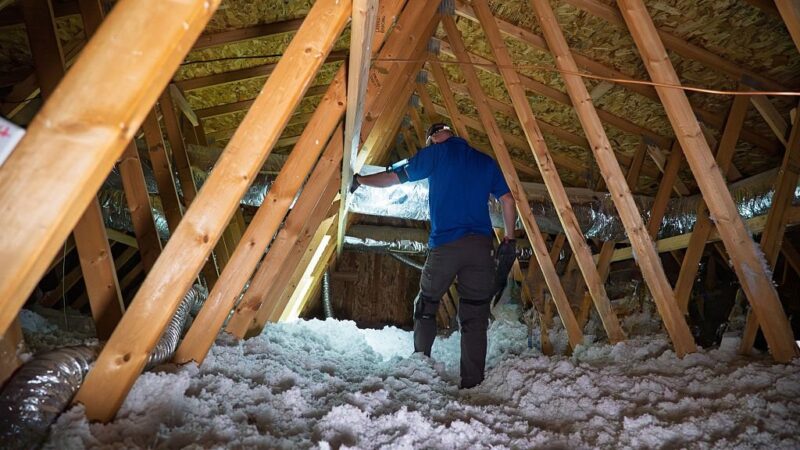


Your attic plays an important role in how heat and air move between your home and the outdoors. In Florida, where high temperatures and long cooling seasons can place significant demand on air conditioning systems, an appropriate attic insulation strategy can help reduce unwanted heat transfer and support more consistent indoor comfort. Spray foam insulation is one option homeowners may consider because it provides thermal resistance while also contributing to air sealing when properly designed and installed.
The benefits of spray foam insulation in attics can include a relatively high R-value per inch, reduced uncontrolled air leakage, consistent coverage around irregular spaces, and long-term stability without the settling associated with some loose-fill materials. However, spray foam is not automatically the right solution for every attic. The type of foam, roof and attic design, moisture conditions, ventilation strategy, existing insulation, and location of HVAC equipment and ductwork all matter. In this guide, we’ll explore the potential benefits, limitations, and key considerations to help you understand whether spray foam insulation may be appropriate for your home.
What Is Spray Foam Attic Insulation?
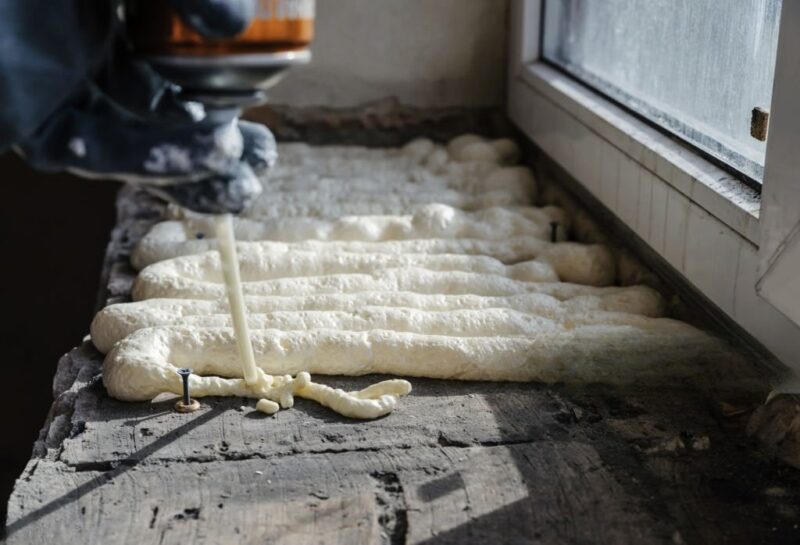
Spray foam attic insulation is a liquid-applied insulation that expands and cures after installation, creating a continuous layer of thermal resistance across the intended surface. Depending on the product and application, spray foam can also contribute to air sealing by filling gaps and irregular spaces. How and where it is installed should be based on the attic design, moisture conditions, ventilation strategy, and location of HVAC equipment and ductwork.
How Spray Foam Insulation Works
Spray foam begins as liquid components that react when mixed and applied using specialized equipment. The material expands to fill the target area before curing into a solid insulating layer. Open-cell and closed-cell spray foams differ in density, R-value per inch, rigidity, and vapor permeability, so the appropriate product depends on the specific application and building assembly.
Where Spray Foam Is Installed in an Attic
Spray foam may be applied to different areas of an attic depending on where the home’s thermal and air boundaries are designed to be located. Common applications can include the underside of the roof deck, roofline, attic floor, and certain gaps or penetrations that contribute to air leakage. The appropriate location should be determined before installation because changing the insulation boundary can affect how the attic manages heat, air, and moisture.
Spray Foam at the Attic Floor vs Roof Deck
Installing spray foam at the attic floor generally maintains the thermal boundary between the conditioned living space and the attic above. Applying it to the underside of the roof deck can move the thermal and air boundary toward the roofline as part of an appropriately designed assembly. A roof-deck application may change the conditions surrounding attic ductwork or HVAC equipment, but it can also affect ventilation and moisture management. The two approaches are therefore not interchangeable and should be evaluated based on the home’s construction and HVAC configuration.
Why Professional Installation Matters
Spray foam requires specialized equipment, careful application, appropriate protective measures, and adherence to manufacturer requirements for thickness, ventilation, curing, re-entry, and re-occupancy. Installation quality also affects whether the foam provides consistent coverage and its intended thermal and air-control performance. A trained professional can evaluate the attic before installation and help ensure the selected product and application method are appropriate for the overall building assembly.
1. Spray Foam Helps Reduce Heat Transfer
One of the primary benefits of spray foam insulation in attics is its ability to slow heat transfer through the building envelope. By adding thermal resistance at the appropriate attic boundary, spray foam can help limit unwanted heat movement between the attic and conditioned areas of the home. This can be particularly valuable in Florida’s warm climate and long cooling seasons.
How Heat Moves Through an Attic
Solar energy heats the roof, and some of that heat can move through roofing materials and the roof assembly into the attic. Heat can then transfer toward cooler areas of the home through conduction, radiation, and air movement. Insulation helps slow this process, while appropriate air sealing can help limit heat carried by uncontrolled air leakage.
How Spray Foam Creates Thermal Resistance
Once applied and cured, spray foam forms an insulating layer that resists heat flow through the surface where it is installed. Its expanding properties can also help provide continuous coverage around framing and irregular spaces when properly applied. Depending on the product, spray foam may contribute to both thermal resistance and air control, helping address two different pathways through which heat can move.
Why Reducing Attic Heat Transfer Matters in Florida
Florida homes experience high outdoor temperatures and substantial solar heat gain for much of the year. Limiting unwanted heat transfer through the attic can help reduce the amount of heat reaching conditioned living areas and may decrease unnecessary cooling demand. Actual indoor comfort and HVAC performance still depend on other factors, including air leakage, duct condition, HVAC efficiency, thermostat settings, windows, and overall home construction.
How R-Value Relates to Thermal Performance
R-value measures an insulation material’s resistance to heat flow, with higher values generally indicating greater thermal resistance under rated conditions. Spray foam R-value varies according to the product, formulation, density, and installed thickness, with closed-cell foam typically providing a higher R-value per inch than open-cell foam. However, R-value alone does not measure air leakage, moisture management, or whole-home energy performance, so it should be considered as one part of the complete attic insulation strategy.
2. Spray Foam Provides Air-Sealing Benefits
One advantage of spray foam insulation is that it can provide thermal resistance while also contributing to air sealing when properly selected and installed. Uncontrolled air movement through attic gaps and penetrations can affect indoor comfort and cooling demand, so addressing these leakage pathways can be an important part of an effective attic insulation strategy.
How Spray Foam Expands Into Gaps and Cracks
Spray foam is applied as a liquid and expands before curing into a solid insulating material. This expansion allows it to conform to irregular surfaces and fill many of the gaps, cracks, and cavities within the intended application area. When installed at the appropriate thickness and according to product requirements, spray foam can help limit uncontrolled air movement through these spaces.
Common Sources of Attic Air Leakage
Air leakage can occur through openings between the attic and other parts of the home. Common locations include gaps around plumbing and electrical penetrations, duct chases, attic access points, framing connections, and certain ceiling penetrations. Identifying these pathways is important because adding insulation without addressing significant air leakage may leave part of the attic’s overall performance problem unresolved.
How Spray Foam Can Create a More Continuous Air Boundary
Because spray foam adheres to surfaces and expands during application, it can help create a continuous air-control layer across the area where it is properly installed. This can reduce gaps between insulation and surrounding building components that might otherwise allow uncontrolled air movement. The effectiveness of the air boundary still depends on product selection, installation thickness, coverage, transitions, and how the foam connects with other parts of the building envelope.
Why Air Sealing and R-Value Are Different
R-value measures how well insulation resists heat flow, while air sealing addresses uncontrolled air movement through openings in the building envelope. A material can provide substantial thermal resistance without necessarily stopping air leakage. Spray foam can potentially address both functions when appropriately installed, but homeowners should still evaluate R-value and air control separately when planning an attic insulation project.
3. Spray Foam May Help Reduce Cooling Demand
An appropriately insulated and air-sealed attic can help limit unwanted heat transfer and uncontrolled air movement into conditioned areas of the home. Because spray foam can provide thermal resistance while also contributing to air sealing when properly installed, it may help reduce unnecessary cooling demand. However, insulation is only one of many factors that influence how often and how long an air conditioner operates.
How Attic Heat Gain Affects Cooling Demand
During hot weather, solar energy heats the roof and attic, creating a significant temperature difference between the attic and the conditioned rooms below. Heat can move toward the living space through the building assembly, increasing the amount of heat the air conditioning system must remove. Appropriate attic insulation helps slow this heat transfer and can reduce unnecessary heat gain through the ceiling or roof assembly.
How Air Leakage Can Increase Cooling Demand
Gaps and penetrations in the building envelope can allow uncontrolled air movement between the attic, conditioned areas, and outdoors. In Florida, this may include warm, humid outdoor air entering through leakage pathways. The HVAC system may then have to manage additional heat and moisture. Air sealing can help limit this uncontrolled movement, although proper ventilation and humidity control remain separate considerations.
How Spray Foam May Support HVAC Performance
By providing thermal resistance and contributing to air sealing, spray foam may help reduce some of the heat gain and uncontrolled air movement that add to cooling demand. In certain roof-deck applications, spray foam can also change the thermal boundary and conditions surrounding attic ductwork or HVAC equipment. These changes may support HVAC performance when the complete attic and mechanical systems are properly designed, but they do not replace appropriate equipment maintenance, duct sealing, or HVAC repairs.
Other Factors That Affect AC Runtime
Long AC runtime does not automatically indicate an attic insulation problem. Outdoor temperature and humidity, thermostat settings, HVAC sizing and efficiency, dirty filters, restricted airflow, refrigerant issues, duct leakage, window performance, air leakage elsewhere in the home, and equipment condition can all influence runtime. If an air conditioner consistently struggles to maintain the desired temperature, the insulation, ductwork, and HVAC system should be evaluated together before determining the cause.
4. Spray Foam Can Support More Consistent Indoor Comfort
Indoor comfort depends partly on how effectively the building envelope limits unwanted heat transfer and uncontrolled air movement. When spray foam is appropriately selected and installed, its combination of thermal resistance and air-sealing capability may help maintain more consistent conditions throughout the home. Actual comfort still depends on the complete building and HVAC system rather than insulation alone.
Reducing Heat Transfer From the Attic
A hot attic can transfer heat toward the conditioned rooms below, particularly when insulation is insufficient, damaged, or uneven. Spray foam creates a layer of thermal resistance that helps slow this heat movement through the surface where it is installed. Reducing unwanted attic heat transfer can help limit temperature fluctuations and support the HVAC system in maintaining the thermostat setting.
Limiting Uncontrolled Outdoor Air Infiltration
Gaps and cracks in the building envelope can allow outdoor air to enter the home unintentionally. Because spray foam expands and adheres to the application surface, it can help seal many of these leakage pathways when installed as part of an appropriate air-control strategy. In Florida, limiting uncontrolled infiltration of warm, humid outdoor air may support more stable indoor conditions, although dedicated ventilation and humidity control may still be necessary.
Addressing Drafts and Temperature Variations
Air leakage and uneven insulation can contribute to drafts or noticeable temperature differences between areas of a home. Spray foam may help address some of these concerns by providing continuous insulation and reducing air movement through properly treated gaps and penetrations. However, persistent hot or cold rooms can also result from duct leakage, airflow imbalance, window performance, HVAC sizing, or other building-envelope issues.
Why Insulation Is Only One Part of Home Comfort
Spray foam can support indoor comfort, but it cannot correct every cause of temperature or humidity concerns. HVAC condition, ductwork, ventilation, filtration, windows, air leakage elsewhere in the building, thermostat settings, and moisture management can all affect indoor conditions. For this reason, attic insulation is most effective when considered as part of a whole-home comfort strategy rather than as a standalone solution.
5. Spray Foam Offers High R-Value Per Inch
Another benefit of spray foam insulation is the amount of thermal resistance it can provide within a given thickness. Spray foam, particularly closed-cell products, can provide a relatively high R-value per inch compared with many conventional insulation materials. This can be useful in attic assemblies where installation space is limited, but R-value should still be considered alongside air sealing, moisture management, installation quality, and overall attic design.
What R-Value Means
R-value measures an insulation material’s resistance to heat flow. In general, a higher R-value indicates greater thermal resistance under rated conditions. The total R-value of an insulation system depends on factors such as the material, thickness, density, and installed condition. R-value is useful for comparing insulation products, but it does not directly measure air leakage, moisture control, or overall home energy performance.
Open-Cell Spray Foam R-Value
Open-cell spray foam typically provides less R-value per inch than closed-cell foam because it has a lighter, lower-density cellular structure. The exact R-value varies by manufacturer, formulation, and installed thickness, so product-specific specifications should be used when planning an attic project. Achieving the desired total R-value may require a thicker layer of open-cell foam than closed-cell foam.
Closed-Cell Spray Foam R-Value
Closed-cell spray foam is denser and generally provides a higher R-value per inch than open-cell spray foam. This characteristic can make it useful where greater thermal resistance is needed within limited installation space. However, closed-cell foam also has different rigidity and vapor-permeability characteristics, so its higher R-value should not be the only factor considered when deciding whether it is appropriate for an attic assembly.
Why R-Value Per Inch Matters
R-value per inch helps homeowners and installers understand how much thermal resistance a material can provide within the available space. A higher R-value per inch can be particularly useful in areas where framing depth or other construction constraints limit insulation thickness. The total required thickness still depends on the specific product, desired R-value, application location, and applicable building requirements.
Why R-Value Alone Does Not Determine Performance
A high R-value does not automatically mean an attic will perform well as a complete system. Gaps in coverage, improper installation, uncontrolled air leakage, moisture problems, and changes to the attic’s ventilation or thermal boundary can all influence real-world performance. HVAC efficiency, duct condition, and the rest of the building envelope also matter. For this reason, the goal should be an appropriately designed and installed attic insulation system rather than simply choosing the product with the highest R-value per inch.
6. Spray Foam Can Work Well in Limited Installation Space
Attic assemblies do not always provide unlimited room for insulation. Framing depth, roof design, mechanical components, and other construction constraints can limit the thickness available. Because some spray foam products provide relatively high thermal resistance per inch, they may be useful when the goal is to achieve an appropriate R-value within a restricted space.
Achieving Thermal Resistance Within Limited Space
When insulation space is limited, R-value per inch becomes an important consideration. Spray foam can provide substantial thermal resistance without requiring as much thickness as some lower-R-value-per-inch materials. However, the available space, desired R-value, application surface, moisture conditions, and building requirements should all be evaluated before determining whether spray foam is appropriate.
Closed-Cell Spray Foam for Space-Constrained Areas
Closed-cell spray foam generally provides a higher R-value per inch than open-cell spray foam, which can make it useful in certain space-constrained applications. Its greater density and rigidity also distinguish it from open-cell foam. However, closed-cell foam has lower vapor permeability and different moisture-related characteristics, so its suitability should be based on the complete attic assembly rather than its R-value alone.
Why Required Thickness Varies by Product
There is no single spray foam thickness that is appropriate for every attic. Required thickness depends on the specific product’s tested R-value, whether open-cell or closed-cell foam is used, the desired total R-value, application location, and applicable building requirements. Manufacturer specifications and project-specific requirements should therefore guide installation rather than relying on a generic thickness recommendation.
7. Spray Foam Can Create More Continuous Insulation Coverage
Attics often contain framing, wiring, pipes, penetrations, and other features that can make consistent insulation coverage challenging. Because spray foam expands and conforms to the surface where it is applied, it can help create a more continuous insulation layer across irregular areas. This can reduce thermal weak points when the material is properly selected and installed.
Filling Irregular Attic Spaces
Spray foam begins as a liquid and expands during application, allowing it to conform to many irregular shapes and hard-to-fit areas. This characteristic can be useful in attic spaces where conventional insulation materials may require extensive cutting or fitting. Proper application can help maintain insulation coverage across complex surfaces without leaving unnecessary gaps.
Insulating Around Framing and Obstructions
Roof framing, structural connections, pipes, wiring, and other attic components can interrupt the insulation layer. Spray foam can conform around many of these features and help maintain more consistent coverage across the intended thermal boundary. Installers must still follow applicable clearance and safety requirements around electrical components, heat-producing equipment, and other areas where insulation placement may be restricted.
Reducing Gaps and Voids
Gaps, voids, and missed areas can create thermal weak points that reduce the effectiveness of an insulation system. Spray foam’s expanding properties can help fill many of these spaces while also contributing to air sealing when appropriately installed. However, the foam must form a continuous connection with surrounding building components for the overall insulation and air-control layers to function as intended.
Why Installation Quality Still Matters
Spray foam’s ability to expand does not eliminate the need for careful installation. Uneven application, insufficient thickness, missed areas, poor surface preparation, or improper transitions between building components can reduce performance. Trained installers should follow manufacturer requirements and evaluate the attic assembly to help ensure the foam achieves the intended thickness, coverage, and continuity.
8. Spray Foam Does Not Settle Like Loose-Fill Insulation
One potential long-term advantage of spray foam is that it adheres directly to the surface where it is applied. Unlike loose-fill insulation, which can settle or shift over time, properly installed and cured spray foam generally remains in place. However, this does not mean spray foam is maintenance-free or unaffected by changes to the surrounding attic assembly.
How Spray Foam Adheres to Surfaces
During installation, spray foam expands and bonds to compatible surfaces within the intended application area. Once properly cured, it forms a solid insulating layer that stays attached rather than resting loosely on the attic floor. This characteristic can help maintain consistent coverage and thickness when the foam and surrounding building materials remain in suitable condition.
Spray Foam vs Loose-Fill Settling
Loose-fill insulation can gradually settle, shift, or become uneven, potentially reducing its depth in certain areas. Spray foam does not settle in the same manner because it cures in place and adheres to the application surface. However, both types of insulation can be affected by physical damage, water intrusion, construction work, or changes made within the attic.
Factors That Can Affect Spray Foam Over Time
Long-term spray foam performance depends on correct initial installation and the condition of the surrounding building assembly. Roof leaks, water intrusion, physical damage, electrical or HVAC modifications, roof repairs, and other construction work may affect the foam or interrupt its continuity. Problems with the roof or attic should be addressed directly rather than relying on spray foam to compensate for them.
When Spray Foam Should Be Inspected
Spray foam should be evaluated when there has been a roof leak, water intrusion, significant attic work, HVAC or electrical modifications, or visible physical damage. An inspection may also be appropriate when homeowners notice exposed areas, separation, or other changes to the insulated assembly. Checking the insulation after major attic or roof work can help determine whether repairs are needed to maintain the intended thermal and air-control layers.
9. Spray Foam Can Support Moisture Management
Moisture management is an important consideration for attic insulation, especially in Florida’s warm, humid climate. Because properly installed spray foam can help limit uncontrolled air movement, it may support a broader moisture-management strategy. However, spray foam is not a standalone solution for leaks, condensation, or indoor humidity, and open-cell and closed-cell products interact with water vapor differently.
How Air Leakage Can Transport Moisture
Moisture can move into and through a building assembly along with uncontrolled air. In humid conditions, warm, moisture-laden air entering through gaps and penetrations may encounter cooler surfaces where condensation can become a concern. Air sealing can help limit this pathway, but moisture control also depends on ventilation, indoor humidity, temperature conditions, and the overall design of the building assembly.
Open-Cell Spray Foam and Vapor Permeability
Open-cell spray foam is generally more vapor permeable than closed-cell foam, meaning water vapor can move through it more readily. Its vapor-control characteristics depend on the specific product and installed thickness. Because vapor permeability can affect how an assembly dries, open-cell foam should be selected and installed with consideration for the roof design, climate, moisture conditions, and other materials in the assembly.
Closed-Cell Spray Foam and Vapor Resistance
Closed-cell spray foam is denser and generally less vapor permeable than open-cell foam. At certain product-specific thicknesses, it can provide substantial resistance to water-vapor movement. This characteristic can be useful in appropriately designed assemblies, but greater vapor resistance is not automatically better in every attic. The assembly’s ability to manage moisture and dry when necessary should be evaluated before installation.
Why Spray Foam Does Not Fix Roof Leaks
Spray foam should not be used as a substitute for repairing a leaking roof. Applying insulation does not correct damaged roofing, flashing problems, plumbing leaks, or other sources of water intrusion. In some assemblies, foam may also make portions of the roof deck less accessible for inspection, making it especially important to address known leaks and roof damage before installation.
Address Moisture Problems Before Installation
Before spray foam is installed, the attic and roof assembly should be evaluated for active leaks, wet materials, condensation concerns, and other signs of moisture problems. The source should be identified and appropriately corrected, and affected materials should be evaluated before they are covered. Starting with a clean, dry, suitable assembly helps support the intended performance of the insulation and reduces the risk of concealing an existing moisture issue.
10. Spray Foam May Help Limit Humid Outdoor Air Infiltration
In Florida, attic performance involves more than managing heat. Warm, humid outdoor air can also enter a home through uncontrolled gaps and penetrations in the building envelope. When spray foam is properly installed as part of an appropriate air-control strategy, it may help limit some of this unwanted air movement. However, reducing air leakage is different from actively controlling indoor humidity.
Why Florida Humidity Matters
Florida’s warm, humid climate means outdoor air can contain significant moisture for much of the year. When humid air enters a home or building assembly through uncontrolled leakage pathways, the HVAC system may have to manage additional heat and moisture. Under certain conditions, moisture-laden air can also encounter cooler surfaces where condensation may become a concern, making both air and moisture management important parts of attic design.
How Air Sealing Can Limit Uncontrolled Air Movement
Gaps around plumbing and electrical penetrations, framing connections, attic access points, duct chases, and other openings can allow air to move unintentionally between the attic, outdoors, and conditioned areas. Because spray foam expands and adheres to the application surface, it can help seal many of these pathways when installed appropriately. Creating a more continuous air boundary can help limit uncontrolled infiltration of warm, humid outdoor air.
Air Sealing vs Indoor Humidity Control
Air sealing can reduce one pathway through which outdoor moisture enters a home, but it does not directly regulate indoor relative humidity. Indoor humidity is also influenced by HVAC operation, ventilation, occupant activities, moisture sources, outdoor conditions, and the overall building design. Spray foam should therefore be considered part of a broader moisture-management strategy rather than a standalone humidity-control solution.
Why Spray Foam Does Not Replace Ventilation or Humidity Control
A tighter building envelope still requires appropriate management of indoor air and moisture. Depending on the home and attic design, this may involve properly designed ventilation, suitable HVAC operation, and dedicated humidity control where needed. Installing spray foam, particularly when changing the attic from a vented to an unvented strategy, should be evaluated as part of the complete building and HVAC system to help maintain appropriate indoor conditions.
11. Spray Foam Can Change Conditions Around Attic Ductwork
In many Florida homes, HVAC ductwork runs through the attic, where it can be exposed to temperatures and humidity levels that differ significantly from the conditioned living space. Applying spray foam at the roof deck can change the thermal and air boundaries of the attic and, in some designs, create a less extreme environment around the ducts. However, this type of change should be evaluated as part of the complete attic and HVAC system.
Why Attic Duct Location Matters
Ductwork located in a hot, unconditioned attic can gain heat as cooled air travels through the system, particularly if duct insulation is inadequate or damaged. Air leakage from ducts can create an additional source of energy loss and comfort problems. Understanding where the ducts are located in relation to the home’s thermal and air boundaries can help determine how an attic insulation upgrade may interact with the HVAC system.
Spray Foam at the Roof Deck and the Thermal Boundary
In a conventional vented attic, insulation is commonly installed at ceiling level, separating the conditioned rooms below from the attic above. When spray foam is applied to the underside of the roof deck as part of an appropriately designed assembly, the thermal and air boundaries may move toward the roofline. This changes how the attic interacts with outdoor conditions and may also change the environment surrounding HVAC equipment and ductwork.
Potential Benefits for Ductwork Within the Insulated Enclosure
When roof-deck spray foam places attic ductwork within the insulated enclosure, the ducts may be exposed to less extreme temperatures than they would experience in a conventional vented attic. This may help reduce unwanted heat gain through the duct walls and support HVAC performance. Actual results depend on the attic design, insulation installation, duct condition, HVAC system, and how the modified attic is managed.
Why Spray Foam Does Not Repair Leaky Ducts
Changing the insulation boundary does not correct holes, disconnected sections, damaged duct insulation, poorly sealed joints, or other ductwork problems. Leaky ducts can still allow conditioned air to escape or unwanted air to enter the system even when they are located within an insulated attic. Duct sealing, repair, or replacement should therefore be handled separately when those issues are present.
Evaluate HVAC and Ductwork Before Changing the Attic Assembly
Before applying spray foam at the roof deck or making other significant changes to the attic, the existing HVAC equipment and ductwork should be evaluated. Duct leakage, damaged insulation, airflow concerns, equipment configuration, ventilation, and moisture management may all influence how the new assembly performs. Looking at the insulation, attic, ducts, and HVAC system together can help determine whether the proposed spray foam strategy is appropriate for the home.
12. Spray Foam May Provide Sound-Dampening Benefits
Sound control can be a secondary benefit of spray foam insulation, particularly with open-cell products. By filling cavities and helping reduce some pathways through which air and sound can travel, spray foam may contribute to a quieter indoor environment in certain applications. However, the level of sound reduction depends on the complete wall, ceiling, or roof assembly rather than the insulation material alone.
Open-Cell Spray Foam and Sound Absorption
Open-cell spray foam has a softer, less dense cellular structure than closed-cell foam and may help absorb some sound energy within building cavities. Its expanding nature also allows it to conform around irregular areas and fill gaps within the intended application area. These characteristics may provide sound-dampening benefits, although performance varies according to the installation and the type and frequency of the noise.
Factors That Affect Sound Reduction
The amount of sound reduction achieved depends on more than the type or thickness of insulation. Framing, drywall, roof and ceiling materials, doors, windows, penetrations, air gaps, and connections between building components can all influence how sound travels. The source and frequency of the noise also matter, which means results can vary significantly between homes and applications.
Why Spray Foam Is Not Complete Soundproofing
Spray foam should not be presented as a complete soundproofing solution. Sound can travel through structural framing and other building components even when insulated cavities contain spray foam. Projects requiring substantial noise reduction typically need a broader assembly designed specifically for sound control, potentially incorporating additional mass, separation, sealing, and other acoustic measures alongside insulation.
13. Spray Foam Can Provide Long-Term Insulation Stability
Spray foam can provide stable insulation coverage because it expands, cures, and adheres directly to the surface where it is applied. Unlike loose-fill materials that may settle or shift, properly installed spray foam generally remains in place. Long-term performance still depends on installation quality, the condition of the surrounding building materials, and whether the attic or roof assembly is later damaged or modified.
Why Spray Foam Stays in Place
Once properly applied and cured, spray foam bonds to compatible surfaces and forms a solid insulating layer. This allows it to maintain its position and coverage without settling in the same way as loose-fill insulation. However, stable placement does not guarantee permanent performance, so the foam and surrounding assembly should still be evaluated when significant attic conditions change.
Water Intrusion and Physical Damage
Roof leaks, plumbing problems, storm-related damage, and other sources of water intrusion can affect the roof or attic assembly even when spray foam is present. Physical damage from attic work can also interrupt the continuity of the insulation. Spray foam should not be relied on to correct a water problem, and the source of any moisture should be identified and appropriately repaired.
Roof, Electrical, and HVAC Modifications
Roof replacement, electrical upgrades, HVAC work, duct modifications, and other projects may require access to areas where spray foam has been installed. Cutting, removing, or disturbing the foam can create gaps in the insulation or air-control layer. After significant work is completed, affected areas should be inspected and repaired as appropriate to restore the intended coverage.
Why Insulation Condition Matters More Than Age Alone
The age of spray foam insulation does not by itself determine whether replacement or repair is necessary. Properly installed foam may remain functional for many years, while newer insulation can develop problems if it was incorrectly applied, physically damaged, or affected by changes to the surrounding assembly. Visible condition, coverage, adhesion, moisture exposure, and any modifications to the attic provide more useful information than age alone when evaluating insulation performance.
14. Spray Foam Can Reach Difficult and Irregular Areas
Attics often contain framing, wiring, plumbing, ductwork, and structural features that create irregular spaces where conventional insulation can be more challenging to fit consistently. Because spray foam is applied as a liquid and expands after application, it can conform to many of these shapes and surfaces. This flexibility can help create more consistent insulation coverage, although safe access and proper installation remain essential.
Expanding Around Framing
Roof rafters, trusses, framing connections, and other structural components can interrupt the insulation layer. Spray foam can expand around many of these features and conform to the application surface, helping reduce gaps in coverage. Installers still need to apply the material at the appropriate thickness and follow applicable clearance requirements around electrical components and other areas where insulation placement may be restricted.
Filling Gaps and Small Cavities
Spray foam’s expanding properties allow it to fill many gaps, cracks, and small cavities within the intended application area. Addressing these spaces can help improve insulation continuity and, when the product and installation are appropriate, contribute to air sealing. However, spray foam should not be used to conceal leaks, damaged materials, unsafe electrical conditions, or other problems that should be corrected before insulation is applied.
Insulating Complex Attic Configurations
Low rooflines, irregular framing, multiple roof sections, and other architectural features can make some attics more complicated to insulate. Spray foam’s ability to conform to surfaces can make it useful for certain complex configurations where maintaining continuous coverage with preformed insulation would be challenging. The attic design should still be evaluated to determine the appropriate application area, insulation type, and thermal boundary.
Why Attic Accessibility Still Matters
Spray foam can reach many irregular spaces, but that does not mean every attic area is automatically suitable or safely accessible for installation. Installers need adequate access to prepare surfaces, apply the foam consistently, inspect coverage, and work safely around wiring, ductwork, HVAC equipment, and structural components. Future access for roof, electrical, plumbing, and HVAC repairs should also be considered when planning where spray foam will be installed.
15. Spray Foam Can Combine Thermal and Air-Control Functions
One of the distinguishing benefits of spray foam insulation is its potential to provide thermal resistance while also contributing to air control. Traditional insulation and air sealing are often addressed as separate parts of a building-envelope project. When the appropriate spray foam product is correctly installed, it may perform both functions within the intended assembly. However, this does not eliminate the need to consider moisture, ventilation, and other building-control layers.
Thermal Resistance From Spray Foam
Once applied and cured, spray foam creates an insulating layer that resists heat flow through the surface where it is installed. The amount of thermal resistance depends on the product, formulation, density, and installed thickness. Closed-cell spray foam generally provides a higher R-value per inch than open-cell foam, but both can contribute meaningful thermal resistance when properly specified for the attic assembly.
Air-Control Benefits From Proper Installation
Spray foam expands during application, allowing it to conform to irregular surfaces and fill many gaps and cracks within the target area. When installed at the appropriate thickness with continuous coverage, certain spray foam applications can help create an effective air-control layer. Proper transitions between the foam and surrounding building components are also important because missed areas or gaps can interrupt the continuity of the air boundary.
Why Combining These Functions Can Be Useful
Addressing thermal resistance and uncontrolled air movement together can help create a more integrated attic insulation strategy. Limiting heat transfer while reducing air leakage may support more consistent indoor comfort and reduce unnecessary cooling demand. This combined function can be especially useful in complex or irregular attic assemblies, but actual performance depends on the product, installation quality, attic design, and condition of the rest of the building envelope.
Other Building-Control Layers Still Matter
Spray foam does not replace every component needed for a well-performing attic or home. Moisture management, appropriate ventilation, roof drainage and waterproofing, HVAC operation, duct sealing, and indoor humidity control still need to be considered separately. The insulation and air-control strategy should therefore work with these other systems rather than being treated as a standalone solution.
5 Spray Foam Installation Safety Considerations
1. Chemical Components Require Specialized Handling
Spray polyurethane foam is created when chemical components are combined and applied using specialized equipment. These materials require proper storage, mixing, application, and handling according to product instructions and applicable safety requirements. Installers should understand the specific product being used and follow its safety documentation rather than treating all spray foam formulations as identical.
2. Personal Protective Equipment During Installation
Appropriate personal protective equipment should be used by installers to limit exposure during spray foam application. Requirements can vary according to the product and installation conditions, so installers should follow the manufacturer’s safety information and applicable workplace requirements. People who are not appropriately protected should remain outside the designated application area during installation.
3. Ventilation During Application
Proper ventilation is an important part of managing the installation environment. Ventilation practices can help manage airborne materials generated during application and curing, but the appropriate approach depends on the product, work area, and manufacturer instructions. Installers should follow product-specific ventilation requirements rather than relying on a universal ventilation procedure for every project.
4. Manufacturer Re-Entry and Re-Occupancy Guidance
Homeowners should follow the spray foam manufacturer’s instructions regarding when workers may safely re-enter the application area and when occupants may return to the home. Re-entry and re-occupancy guidance can vary by product and installation conditions, so a single waiting period should not be assumed to apply to every spray foam installation. The installer should communicate the applicable requirements before work begins.
5. Why Professional Installation Matters
Professional spray foam installation involves more than applying material to the roof deck or attic surfaces. Trained installers must consider product selection, application thickness, coverage, surface conditions, ventilation, safety procedures, and the design of the attic assembly. Proper installation helps support the foam’s intended thermal and air-control performance while ensuring manufacturer and applicable safety requirements are followed.
Why Port Charlotte Homeowners Trust Dale’s AC
Choosing an attic insulation strategy requires more than selecting a product with a high R-value. At Dale’s AC, we consider how insulation interacts with the attic, ductwork, HVAC equipment, air leakage, and Florida’s climate. Our goal is to help Port Charlotte homeowners understand their options and make practical improvements based on the conditions of their homes.
Serving Southwest Florida Since 1974
We have served Port Charlotte and surrounding Southwest Florida communities since 1974. Decades of local experience have given our team firsthand familiarity with the cooling and comfort challenges Florida homeowners face, allowing us to approach attic insulation within the context of the region’s climate and home construction.
Professional Attic Insulation Evaluations
Before recommending an insulation upgrade, we can evaluate the attic’s existing insulation, coverage, condition, and overall configuration. We look for concerns such as thin or uneven insulation, gaps, moisture exposure, contamination, and other conditions that should be considered before additional insulation or other improvements are made.
Experience With Florida Heat and Humidity
Florida’s combination of high temperatures, strong solar heat gain, and humidity makes attic performance particularly important. We consider how insulation, air leakage, ventilation, and moisture management interact rather than treating spray foam or any other insulation material as a standalone solution for heat or humidity.
HVAC and Building-Envelope Experience
Attic insulation and HVAC performance are closely connected, but one cannot correct every problem with the other. Our HVAC experience helps us evaluate insulation within the larger home comfort system, including factors such as cooling equipment, airflow, ductwork, and the building envelope.
Evaluating Insulation, Ductwork, and Cooling Together
Many Southwest Florida homes have HVAC equipment or ductwork located in the attic. We consider the condition and location of these components when evaluating insulation because duct leakage, damaged duct insulation, airflow concerns, and attic heat gain can each influence comfort and cooling demand. Looking at these systems together can provide a more complete understanding of what the home may need.
Recommendations Based on Your Home
No single insulation strategy is appropriate for every attic. We base our recommendations on factors such as existing insulation, attic design, moisture conditions, HVAC and duct locations, air leakage, and project goals. This home-specific approach helps determine which improvements are appropriate rather than assuming spray foam is automatically the best option.
Financing Options for Qualifying Projects
For qualifying projects, we offer financing options that can help make eligible HVAC and home comfort improvements more manageable. Our team can explain available options so homeowners can consider an appropriate solution while keeping their project needs and budget in mind.
FAQs About Spray Foam Insulation in Attics
Does Spray Foam Have a High R-Value?
Yes, spray foam can provide relatively high thermal resistance per inch, particularly closed-cell spray foam. Closed-cell products generally have a higher R-value per inch than open-cell foam, although exact ratings vary by manufacturer, formulation, density, and installed thickness. Product-specific specifications should be used when determining the thickness needed to achieve the desired R-value.
Does Spray Foam Seal Attic Air Leaks?
Spray foam can contribute to air sealing when it is properly installed at an appropriate thickness and connected continuously with the surrounding air-control layers. Because it expands during application, it can fill many gaps, cracks, and irregular spaces that allow uncontrolled air movement. However, the entire air boundary should be evaluated because spray foam in one area does not automatically eliminate leakage elsewhere in the home.
Can Spray Foam Help Keep an Attic Cooler?
Applying spray foam at the roof deck as part of an appropriately designed assembly can reduce heat transfer through the insulated roofline and change the conditions within the attic. This may result in less extreme attic temperatures compared with some conventional vented attic configurations. Actual attic temperatures still depend on outdoor conditions, roof construction, insulation levels, air leakage, HVAC configuration, and the overall attic design.
Can Spray Foam Help Reduce AC Runtime?
Spray foam may help reduce unnecessary cooling demand by limiting heat transfer and uncontrolled air leakage. Under some conditions, this may affect how long the air conditioner needs to operate to maintain the thermostat setting. However, AC runtime is also influenced by outdoor weather, thermostat settings, equipment sizing and efficiency, airflow, duct leakage, refrigerant conditions, and other building-envelope factors.
Will Spray Foam Lower Cooling Bills?
Properly installed spray foam may help reduce unwanted heat gain and air leakage, which can support more efficient use of the cooling system. However, it cannot guarantee lower utility bills or a specific percentage of savings. Energy costs depend on factors including weather, electricity rates, thermostat settings, HVAC efficiency, home construction, duct condition, occupancy, and household energy use.
Does Spray Foam Help With Humidity?
Spray foam can help limit uncontrolled infiltration of humid outdoor air when it forms part of an effective air-control strategy. This may support overall moisture management, particularly in Florida’s humid climate. However, spray foam does not actively control indoor relative humidity and does not replace properly designed HVAC operation, ventilation, or dedicated humidity control when needed.
Does Spray Foam Prevent Mold?
Spray foam should not be described as preventing mold. Mold growth depends on moisture, temperature, available nutrients, and other environmental conditions. While appropriate air sealing may help reduce certain moisture pathways, spray foam cannot correct roof leaks, plumbing leaks, condensation problems, or other sources of unwanted moisture. Existing moisture problems should be identified and addressed before insulation is installed.
Does Spray Foam Help Reduce Sound?
Spray foam may provide some sound-dampening benefits, particularly open-cell foam because of its softer cellular structure. The amount of sound reduction varies depending on the application, foam thickness, framing, drywall, roof or ceiling materials, openings, and the type of noise. Spray foam should therefore be considered one part of a sound-control assembly rather than complete soundproofing.
Does Spray Foam Settle Over Time?
Properly installed and cured spray foam does not settle in the same manner as loose-fill insulation because it adheres directly to the application surface. However, roof leaks, physical damage, renovations, electrical work, HVAC modifications, and other changes to the attic can affect its condition or continuity. Areas disturbed during later work may need to be inspected and repaired.
How Long Does Spray Foam Attic Insulation Last?
Spray foam is designed to provide long-term insulation performance when it is correctly installed and the surrounding building assembly remains in suitable condition. There is no single useful lifespan that applies to every product and installation. Rather than relying on age alone, homeowners should consider the foam’s adhesion, coverage, physical condition, moisture exposure, and whether roof, electrical, or HVAC work has disturbed the insulated assembly.
Foam Sweet Foam Starts in the Attic. Call Dale’s AC!
Spray foam insulation can provide several potential benefits for the right attic, including thermal resistance, air sealing, continuous coverage, and long-term stability. However, achieving these benefits depends on proper product selection, installation quality, moisture management, attic design, and how the insulation interacts with the HVAC system and ductwork. If you are considering attic insulation in Port Charlotte, evaluating the complete home comfort system can help determine the most appropriate approach. At Dale’s AC, our services also include AC maintenance in Port Charlotte, AC installation in Port Charlotte, AC replacement in Port Charlotte, air conditioning repair in Port Charlotte, Indoor air quality in Port Charlotte, comprehensive residential HVAC services in Port Charlotte, and Commercial HVAC services in Port Charlotte.
At Dale’s AC as a professional HVAC company in Port Charlotte we’re here to help you understand your attic and HVAC system so you can make an informed decision based on your home rather than a one-size-fits-all recommendation. Our team can evaluate your insulation, ductwork, cooling equipment, and other relevant conditions and recommend practical improvements when appropriate. We also offer financing options for qualifying projects to help make eligible home comfort upgrades more manageable. Call us today at (941) 629-1712 or contact us to schedule an evaluation and find out which attic insulation approach may be right for your home.