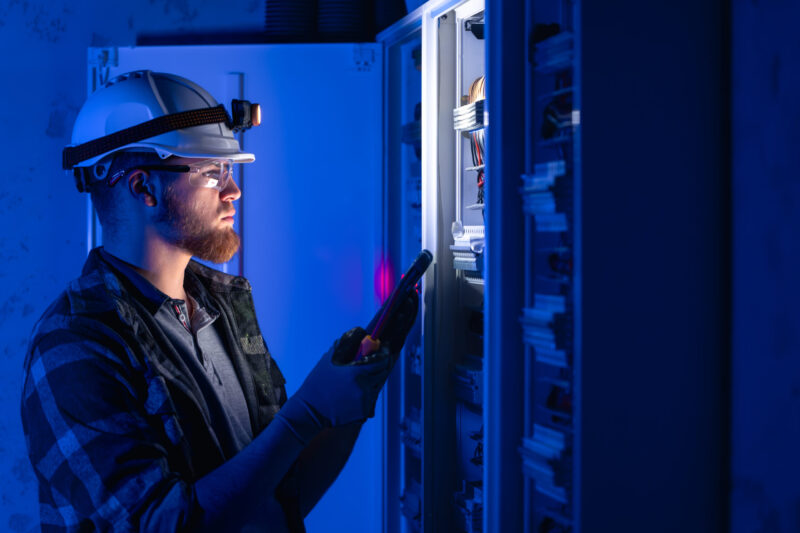



Installing a commercial HVAC system is a major investment that directly impacts your building’s comfort, energy efficiency, and day-to-day operations. Unlike residential systems, commercial HVAC installations require detailed planning, precise load calculations, strict code compliance, and coordination to minimize business disruption. A well-designed and properly installed system can lower operating costs, improve indoor air quality, and support consistent performance for years to come.
This guide walks you through everything you need to know about commercial HVAC installation, from early planning and system selection to permitting, installation, and long-term maintenance considerations. Whether you’re building a new facility, upgrading aging equipment, or expanding an existing space, understanding the installation process helps you make informed decisions that protect your investment and keep your business running comfortably and efficiently.
Understanding Commercial HVAC Systems
What Defines a Commercial HVAC System
A commercial HVAC system is designed to handle significantly larger loads and more complex demands than residential equipment. These systems are built with higher capacity to condition large square footage, support dense occupancy, and operate for extended hours, often daily or around the clock. Unlike residential setups, commercial HVAC services in Port Charlotte typically incorporate advanced controls, multiple zones, and automation to maintain consistent comfort across different areas of a building. This complexity allows businesses to tailor heating, cooling, and ventilation to varying usage patterns while maintaining efficiency and reliability.
Common Types of Commercial HVAC Systems
Commercial buildings can use several HVAC system types depending on size, layout, and operational needs. Rooftop units (RTUs) are common in retail centers and offices because they save interior space and are relatively easy to service. Split systems and packaged units offer flexibility for mid-sized facilities with varied layouts. VRF/VRV systems provide advanced zoning and energy efficiency, making them ideal for offices, hotels, and mixed-use properties. Large facilities often rely on chillers and boilers for centralized cooling and heating, while commercial heat pumps are increasingly popular for their efficiency in climates with mild winters.
Pre-Installation Planning & Assessment
1. Site Evaluation and Building Assessment
Successful commercial HVAC installation starts with a thorough site evaluation. This includes analyzing total square footage, floor layout, ceiling heights, and how air will move throughout the space. Existing ductwork, electrical capacity, and mechanical infrastructure are reviewed to determine whether they can be reused or need upgrades. The assessment also considers structural factors such as roof load capacity for RTUs or available space for mechanical rooms, ensuring the system design aligns with the building’s physical limitations.
2. Load Calculations & HVAC Sizing
Accurate load calculations are critical to system performance and efficiency. Commercial HVAC sizing typically relies on Manual N or equivalent engineering calculations that account for building size, insulation levels, window placement, occupancy, and internal heat sources. An undersized system may struggle to maintain comfort during peak demand, leading to excessive wear and higher energy costs. An oversized system can short cycle, causing humidity issues, uneven temperatures, and unnecessary operational expenses. Proper sizing ensures balanced performance, comfort, and long-term reliability.
3. Understanding Occupancy & Usage Patterns
Every commercial space has unique usage characteristics that directly influence HVAC design. Peak occupancy hours, business operating schedules, and seasonal variations all affect heating and cooling demands. Internal heat loads from equipment, lighting, computers, kitchens, or manufacturing processes must be factored into system planning. By understanding how and when a building is used, designers can create an HVAC system that delivers comfort efficiently during busy periods without wasting energy during low-use times.
Choosing the Right Commercial HVAC System
Energy Efficiency Considerations
Energy efficiency is one of the most important factors when selecting a commercial HVAC system, especially for businesses that operate long hours. Ratings such as SEER2, EER, and IEER help measure how efficiently a system uses energy under different operating conditions. SEER2 reflects seasonal cooling efficiency, EER measures performance at peak load, and IEER evaluates efficiency across a range of part-load conditions common in commercial buildings. Choosing equipment with higher efficiency ratings can significantly reduce monthly utility costs, ease strain on the system, and deliver meaningful long-term operating savings over the life of the equipment.
Climate & Regional Considerations
Local climate plays a major role in determining the best commercial HVAC system. In warm, humid regions, systems must handle heavy cooling demand and continuous moisture removal to maintain comfort and protect building materials. Coastal and high-humidity environments also require equipment with corrosion-resistant components and designs that can withstand salt air and frequent moisture exposure. Selecting a system engineered for these conditions helps ensure reliable performance, better humidity control, and a longer service life.
Budget & Lifecycle Cost Planning
While upfront installation cost is an important consideration, it should be weighed against the total cost of ownership. A lower-priced system may cost less initially but lead to higher energy bills, more frequent repairs, and shorter lifespan. Higher-efficiency or more advanced systems often deliver better value over time through reduced operating costs, fewer breakdowns, and extended equipment life. Evaluating lifecycle costs allows business owners to make informed decisions that balance initial investment with long-term financial performance.
Commercial HVAC Design & Engineering
Ductwork & Air Distribution Design
Effective ductwork and air distribution are critical to the performance of any commercial HVAC system. Proper airflow balance ensures that each zone receives the right amount of conditioned air, preventing hot or cold spots and reducing strain on the equipment. Zoning and pressure management allow different areas of a building to be conditioned independently based on occupancy, usage, and load requirements. Well-designed duct systems also minimize air leakage and static pressure issues, improving efficiency and maintaining consistent comfort throughout the facility.
Ventilation & Fresh Air Requirements
Commercial HVAC systems must meet code-mandated ventilation rates to ensure adequate fresh air is delivered to occupied spaces. These requirements are designed to protect occupant health by diluting indoor pollutants, controlling carbon dioxide levels, and managing humidity. Beyond code compliance, thoughtful ventilation design supports better indoor air quality in Port Charlotte, which can enhance employee productivity and customer comfort. Integrating outdoor air systems, energy recovery ventilators, or demand-controlled ventilation helps balance fresh air needs with energy efficiency.
Control Systems & Automation Planning
Modern commercial HVAC design relies heavily on advanced control systems and automation to optimize performance. Thermostats, sensors, and building automation systems (BAS) work together to monitor temperature, humidity, occupancy, and system operation in real time. These controls enable precise scheduling, zoning, and remote system management, reducing energy waste and improving responsiveness. A well-planned automation strategy also simplifies maintenance, provides valuable performance data, and helps facilities adapt quickly to changing operational demands.
Permits, Codes & Compliance
Local, State & Federal Code Requirements
Commercial HVAC installations must comply with a combination of local, state, and federal regulations to ensure safety, efficiency, and proper system performance. Mechanical and energy codes govern how systems are designed, installed, and operated, covering everything from equipment clearances and ventilation rates to minimum efficiency standards. In commercial settings, ADA and safety considerations also play a role, ensuring that HVAC components, controls, and access points do not interfere with building accessibility or occupant safety.
Permitting Process for Commercial HVAC
Before installation begins, a commercial HVAC project typically requires permits from the local building authority. Required documentation often includes system design plans, load calculations, equipment specifications, and contractor licensing information. Once submitted, plans go through a review process, followed by inspections at key stages such as rough-in and final installation. These inspections verify that the system meets approved plans and applicable codes before it can be legally operated.
Environmental & Efficiency Regulations
Environmental regulations increasingly influence commercial HVAC system selection and installation. Refrigerant standards dictate which refrigerants can be used, focusing on reducing environmental impact and improving safety. Energy compliance and labeling requirements ensure that installed equipment meets minimum efficiency thresholds and is properly documented for inspections and audits. Adhering to these regulations not only keeps a project compliant but also supports long-term sustainability and lower operating costs.
The Commercial HVAC Installation Process
1. Equipment Delivery & Staging
Commercial HVAC installation begins with careful coordination of equipment delivery and on-site staging. Large components such as rooftop units, air handlers, or chillers often require advance planning for site access, storage space, and safety. In many cases, crane lifts are needed to place rooftop equipment, which means coordinating lift schedules, securing permits if required, and ensuring the building structure can support the load. Proper staging minimizes disruption to daily business operations and helps keep the installation on schedule.
2. System Installation Steps
Once equipment is on-site, installation moves into several structured phases. Units are first set in place, whether rooftop-mounted, ground-mounted, or located in mechanical rooms. Next, ductwork and piping are installed or connected, ensuring correct airflow paths, pressure balance, and refrigerant or hydronic circulation. Electrical connections and control wiring follow, integrating power supply, safety switches, sensors, and thermostats or building automation systems. Each step is carefully sequenced to meet code requirements and manufacturer specifications.
3. Integration with Existing Systems
In many commercial projects, new HVAC equipment must integrate with existing infrastructure. Retrofitting involves adapting new systems to existing ductwork, controls, or electrical systems, while full replacements allow for complete redesign and optimization. For occupied buildings, phased installations are often used to maintain comfort and business continuity, replacing or upgrading systems zone by zone. This approach reduces downtime while ensuring the new HVAC system transitions smoothly into operation.
Testing, Commissioning & System Startup
System Testing & Calibration
After installation, the commercial HVAC system goes through comprehensive testing and calibration to ensure it operates as designed. Technicians perform airflow testing and balancing to confirm that each zone receives the correct volume of conditioned air, preventing hot or cold spots. Refrigerant charge levels are also verified and adjusted as needed, which is critical for efficiency, capacity, and long-term compressor health. These steps help confirm that the system meets both design specifications and manufacturer requirements.
Controls Programming & Zoning Setup
Once mechanical performance is verified, the focus shifts to controls and automation. Thermostats, sensors, and building automation systems are programmed with schedules, temperature setpoints, and zoning logic that align with the building’s occupancy and usage patterns. This setup allows the system to respond dynamically to real-time demand, reducing energy waste while maintaining consistent comfort across different areas of the facility. Proper controls programming is essential for unlocking the full efficiency potential of a commercial HVAC system.
Final Inspections & Sign-Off
The final stage involves formal inspections and documentation. Local inspectors review the installation for code compliance, safety standards, and permit requirements. Performance checks confirm that the system operates correctly under normal conditions and meets specified efficiency and ventilation standards. Once all inspections are approved and documentation is completed, the system is officially signed off and ready for full operational use.
Installation Challenges & How to Avoid Them
1. Common Installation Mistakes
One of the most common challenges in commercial HVAC installation is poor system sizing. An undersized system struggles to maintain comfort and runs excessively, while an oversized system short cycles, wastes energy, and experiences premature wear. Inadequate airflow design is another frequent issue, often caused by poorly designed ductwork or improper balancing, leading to uneven temperatures and reduced efficiency. These mistakes can be avoided through accurate load calculations, professional system design, and thorough commissioning before the system goes live.
2. Minimizing Business Disruption
AC installation in Port Charlotte can be disruptive if not carefully planned, especially in occupied commercial spaces. Scheduling work during nights, weekends, or off-hours helps minimize downtime and keeps daily operations running smoothly. For businesses that require continuous climate control, temporary cooling or heating solutions can be deployed during critical phases of the installation. Clear communication with building managers and phased installation strategies also help reduce interruptions and maintain a comfortable environment for employees and customers.
3. Addressing Structural or Electrical Limitations
Structural and electrical constraints often surface during commercial HVAC projects, particularly in older buildings. Roof load capacity must be evaluated before installing rooftop units to ensure the structure can safely support the equipment. Electrical systems may also require upgrades to handle modern HVAC power demands, including higher amperage, dedicated circuits, or updated panels. Identifying these limitations early in the planning phase allows for proactive solutions, prevents delays, and ensures a safe, code-compliant installation.
Cost Breakdown & Budget Expectations
Average Commercial HVAC Installation Costs
Commercial HVAC installation costs can vary widely based on system type, building size, and usage requirements. Small to mid-sized commercial buildings may invest less for packaged rooftop units or split systems, while larger facilities with VRF systems, chillers, or complex zoning typically require a higher budget. Square footage, ceiling height, occupancy levels, and the number of zones all influence system capacity and overall cost. While exact pricing depends on project specifics, understanding these general ranges helps business owners plan realistically and avoid surprises.
Factors That Influence Installation Cost
Several variables directly affect the total cost of a commercial HVAC installation. Equipment efficiency level plays a major role, as higher-efficiency systems often carry a higher upfront cost but deliver long-term energy savings. The complexity of ductwork, piping, and airflow design also impacts labor and material expenses, especially in retrofits or multi-story buildings. Advanced control systems, zoning, and building automation further add to installation complexity but can significantly improve operational efficiency over time.
Financing & Leasing Options
To manage upfront costs, many businesses explore financing or leasing options for commercial HVAC systems. Financing options allows owners to spread payments over time while benefiting immediately from improved comfort and efficiency. Leasing arrangements can shift HVAC expenses from a capital expenditure to an operational expense, preserving cash flow and simplifying budgeting. Choosing the right financial strategy depends on business goals, tax considerations, and long-term facility plans, making it important to evaluate options with both HVAC professionals and financial advisors.
3 Post-Installation Maintenance & Care
1. Importance of Preventive Maintenance
Preventive AC maintenance in Port Charlotte is essential for protecting your investment after a commercial HVAC system is installed. Most manufacturers require documented maintenance to keep warranties valid, meaning skipped service can lead to denied claims if a major component fails. Regular upkeep also helps systems operate at peak efficiency, reducing energy waste and minimizing unexpected breakdowns. Over time, well-maintained equipment experiences less wear, delivers more consistent comfort, and enjoys a longer operational lifespan.
2. Recommended Maintenance Schedules
A structured maintenance schedule keeps commercial HVAC systems running reliably year-round. Monthly tasks often include filter inspections or replacements and visual checks for leaks or abnormal operation. Quarterly maintenance typically involves deeper inspections of coils, belts, electrical connections, and controls, along with airflow and sensor checks. Annual service focuses on comprehensive system testing, cleaning, calibration, and performance verification to ensure the system is ready for peak cooling or heating demand.
3. Service Agreements & Priority Support
Service agreements provide a proactive, cost-effective approach to commercial HVAC care. These plans typically include scheduled maintenance visits, priority response for repairs, and discounted service rates. Priority support is especially valuable for businesses, as it minimizes downtime and helps resolve issues quickly during peak operating hours. With an ongoing service plan in place, facility managers gain peace of mind knowing their HVAC system is monitored, maintained, and supported long after installation.
Energy Efficiency & Long-Term Performance
Optimizing System Performance
Maximizing energy efficiency starts with how the system is operated after installation. Smart controls and demand-based management allow businesses to fine-tune temperatures, schedules, and airflow based on real occupancy and usage patterns. Features like zoning, variable-speed operation, and automated scheduling reduce unnecessary run time while maintaining comfort where and when it’s needed. Over time, these optimizations lower energy consumption, reduce equipment strain, and help maintain consistent performance across the facility.
Utility Rebates & Incentives
Many utility providers and government programs offer rebates or incentives for installing high-efficiency commercial HVAC systems or upgrading controls and components. These energy-efficiency programs can significantly offset upfront costs and improve the overall return on investment. Incentives may apply to high-efficiency equipment, smart thermostats, demand-controlled ventilation, or energy management systems. Taking advantage of available programs not only reduces capital expenses but also encourages long-term energy savings.
Monitoring & Predictive Maintenance Tools
Advanced monitoring tools play a key role in sustaining long-term HVAC performance. Sensors and analytics track system conditions such as temperature, pressure, runtime, and energy usage in real time. Predictive maintenance platforms analyze this data to identify early signs of wear, inefficiency, or potential failure before problems escalate. By addressing issues proactively, businesses can prevent costly downtime, extend equipment life, and ensure their HVAC system continues operating at peak efficiency year after year.
Choosing the Right Commercial HVAC Contractor
Licensing, Certifications & Experience
A qualified commercial HVAC contractor should hold all required state and local licenses and carry proper insurance to work on large-scale systems. Beyond licensing, commercial-specific certifications and factory training indicate a deeper understanding of complex equipment, controls, and zoning requirements. Experience with commercial projects similar to your facility—such as offices, retail spaces, healthcare, or industrial buildings—ensures the contractor understands higher load demands, longer run times, and code compliance unique to commercial environments.
Project Management & Communication
Commercial HVAC projects require clear coordination, scheduling, and documentation. A reliable contractor provides a defined project timeline, assigns a dedicated project manager, and maintains open communication throughout the installation or upgrade. This includes coordinating permits, inspections, equipment delivery, and on-site work while minimizing disruption to daily business operations. Transparent reporting and accountability help keep projects on schedule and prevent costly delays or misunderstandings.
Warranty, Support & Long-Term Partnership
Choosing the right contractor goes beyond installation—it’s about long-term support. A reputable commercial HVAC provider offers strong manufacturer-backed warranties, clear service agreements, and responsive ongoing support. Fast response times, priority service options, and preventive maintenance plans ensure your system continues to perform reliably after installation. Building a long-term partnership with a trusted contractor helps protect your investment, extend system lifespan, and maintain comfort and efficiency for years to come.
FAQs — Commercial HVAC Installation
How long does commercial HVAC installation take?
Installation timelines vary based on system type, building size, and project complexity. Smaller projects such as replacing a rooftop unit may take a few days, while full system installations or large facilities can take several weeks. Factors like permitting, equipment availability, and structural modifications can also affect the schedule.
Can installation happen while the building is occupied?
Yes, in many cases commercial HVAC installation can be performed while the building remains operational. Contractors often use phased installation, off-hours work, or temporary cooling solutions to minimize disruption. Clear planning and communication help ensure business operations continue safely and comfortably during the process.
What HVAC system is best for my type of business?
The ideal system depends on your industry, building layout, occupancy levels, and energy-efficiency goals. Retail spaces often benefit from rooftop units, offices may use VRF or split systems, and large facilities may require chillers or heat pump systems. A professional load assessment and site evaluation are essential to determine the best fit.
How often should a commercial system be replaced?
Most commercial HVAC systems last between 15 and 25 years with proper maintenance. Replacement may be recommended sooner if the system experiences frequent breakdowns, rising energy costs, or struggles to maintain comfort. Advances in efficiency and controls can also make earlier replacement more cost-effective in the long run.
How do I know if my system was installed correctly?
Proper installation is confirmed through testing, commissioning, and final inspections. This includes airflow balancing, refrigerant charge verification, control system calibration, and code-compliance sign-off. Consistent comfort, stable energy usage, and smooth system operation after startup are strong indicators of a successful installation.
Upgrade your airflow, not your stress level!
Installing a commercial HVAC system is a major investment, but when it’s planned, designed, and executed correctly, it pays off through better comfort, lower operating costs, and long-term reliability. From choosing the right system type to ensuring proper sizing, code compliance, and commissioning, every step matters. A well-installed commercial HVAC system supports productivity, protects indoor air quality, and keeps your business running smoothly, even during Florida’s toughest heat and humidity.
If you’re planning a new installation, AC replacement in Port Charlotte, and air conditioning repair in Port Charlotte, Dale’s AC as a trusted HVAC company in Port Charlotte is here to help you get it right the first time. We’ll walk you through system options, timelines, costs, and next steps so there are no surprises along the way. Call (941) 629-1712 or contact us to schedule a consultation and start building a commercial HVAC solution that works as hard as your business does.