

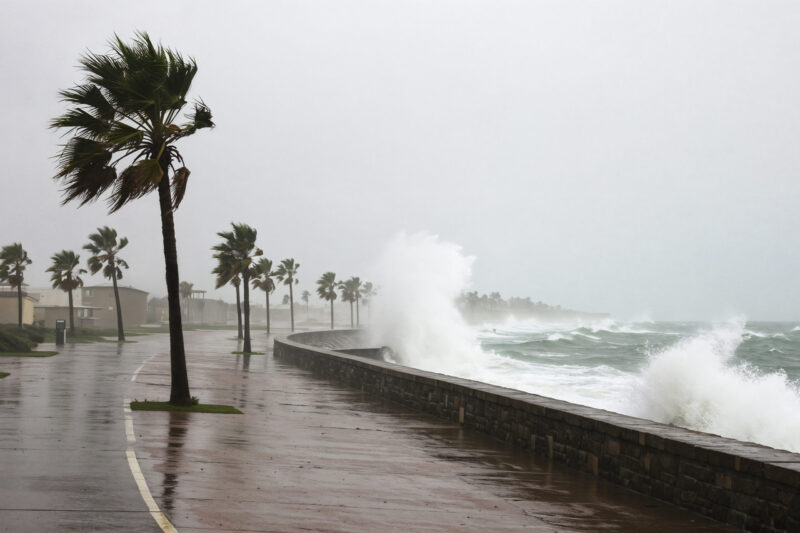
Hurricane season brings more than heavy rain and strong winds — it also puts your home’s HVAC system at serious risk. In storm-prone areas, a single hurricane can cause flooding, electrical damage, or debris impact that leads to costly repairs or even full system replacement. Preparing your HVAC system ahead of time helps protect your comfort, your investment, and your peace of mind when severe weather hits.
In this guide, we’ll walk through practical, homeowner-friendly steps you can take before, during, and after hurricane season to safeguard your HVAC system. From pre-season inspections to post-storm safety checks, these proactive measures can reduce damage, extend system life, and help you avoid emergency repairs when you need cooling the most.
Why Hurricane Preparation for Your HVAC System Matters
Hurricanes create some of the most challenging conditions for HVAC systems, especially in coastal and storm-prone areas. High winds can topple or shift outdoor units, flying debris can damage coils and fan blades, and heavy rainfall or flooding can infiltrate electrical components. Power outages and sudden surges during storms also place sensitive control boards and compressors at risk, often leading to failures that aren’t immediately visible but can surface weeks later.
Taking proactive steps to prepare your HVAC system before hurricane season can significantly reduce the risk of costly damage. Simple measures like securing equipment, scheduling inspections, and shutting systems down properly help prevent emergency breakdowns, expensive repairs, and extended downtime. More importantly, preparation gives homeowners peace of mind, knowing their comfort system is protected and ready to be safely restored once the storm passes.
Understanding How Hurricanes Impact HVAC Systems
High Winds & Flying Debris
Hurricane-force winds can be extremely destructive to outdoor HVAC components. Flying debris such as branches, roofing materials, and yard furniture can strike outdoor condensers, bending fins, damaging fan blades, or puncturing coils. In severe cases, strong winds can cause the unit to shift, tilt, or even tip over if it is not properly secured to its base. Even minor movement can stress refrigerant lines and electrical connections, leading to performance issues or system failure after the storm.
Heavy Rain & Flooding
Excessive rainfall and flooding pose serious threats to HVAC systems, particularly outdoor units and low-lying indoor components. Water can infiltrate electrical panels, motors, and wiring, causing short circuits or delayed electrical failures once the system is restarted. Over time, prolonged moisture exposure can lead to corrosion, rust, and mold growth inside the system, reducing efficiency and shortening the overall lifespan of your HVAC equipment.
Power Outages & Electrical Surges
Power disruptions are common during hurricanes, and when electricity is restored, sudden surges can damage sensitive HVAC electronics. Control boards, capacitors, and compressors are especially vulnerable to voltage spikes, which can result in expensive repairs or total system failure. Installing surge protection and properly shutting down your HVAC system before a storm helps shield critical components and reduces the risk of long-term electrical damage.
Pre-Hurricane Season HVAC Preparation Checklist
Schedule a Professional HVAC Inspection
Before hurricane season begins, scheduling a professional HVAC inspection is one of the most effective ways to protect your system. A trained technician can ensure all components are operating efficiently and verify that indoor and outdoor units are properly secured. Inspections also help identify weak points such as worn wiring, loose fittings, or aging parts that could fail under storm conditions, allowing you to address issues before severe weather arrives. Also, a proper AC maintenance in Port Charlotte, AC replacement in Port Charlotte, and air conditioning repair in Port Charlotte, helps lessen the damage on your HVAC systems and secure a lesser maintenance cost during a pre-hurricane maintenance.
Secure the Outdoor Unit
Outdoor condensers are especially vulnerable during hurricanes. Reinforcing or anchoring the condenser pad helps prevent the unit from shifting or tipping during high winds. It’s also important to check mounting brackets, bolts, and fasteners to ensure everything is tightly secured and capable of withstanding strong gusts.
Clear the Area Around Your HVAC System
Loose objects around your home can quickly become dangerous projectiles in hurricane-force winds. Remove branches, yard furniture, tools, and debris from around the outdoor unit to reduce the risk of impact damage. Keeping proper clearance around the condenser also ensures adequate airflow, which helps maintain system efficiency before and after the storm.
Inspect Electrical Connections
Electrical issues often surface after severe weather, but many can be prevented with pre-season checks. Tightening loose wiring and inspecting electrical connections helps reduce the risk of short circuits or component failure. Make sure the disconnect box and circuit breakers are in good condition and easily accessible so the system can be safely powered down when a storm approaches.
What to Do When a Hurricane Is Approaching
Turn Off Your HVAC System Safely
Shutting down your HVAC system before a hurricane helps protect sensitive electrical components from power surges, outages, and sudden voltage fluctuations. Turning the system off reduces the risk of damage to the control board, compressor, and motors when power becomes unstable. To do this safely, switch the system off at the thermostat first, then turn off the circuit breaker or disconnect switch that supplies power to the outdoor unit.
Cover the Outdoor Unit the Right Way
Covering your outdoor HVAC unit can help shield it from flying debris, but it must be done correctly to avoid trapping moisture. Only cover the unit when high winds are imminent, and remove the cover as soon as the storm passes. Use breathable materials such as plywood secured over the top or a specially designed HVAC cover that allows airflow. Avoid plastic tarps or airtight coverings, as these can trap moisture and lead to corrosion or mold growth.
Adjust Thermostat Settings Before Power Loss
Before the storm arrives and power outages occur, set your thermostat to a comfortable temperature to help maintain indoor comfort during short outages. This allows your system to run efficiently without being overworked as conditions change. Avoid making frequent temperature adjustments once power becomes unstable, as this can strain the system and increase the risk of damage when electricity fluctuates.
Post-Storm HVAC Safety Steps
Inspect Before Restarting the System
After a hurricane passes, it’s important to visually inspect your HVAC system before turning it back on. Check the outdoor unit for visible damage such as bent fins, displaced panels, or debris lodged inside. Look for signs of flooding around the unit or water inside electrical compartments. If the system was submerged, shifted from its base, or shows exposed wiring, do not restart it, as powering on a damaged unit can cause further harm or create safety hazards.
Avoid DIY Electrical or Refrigerant Repairs
Restarting or repairing a storm-damaged HVAC system without proper training can be dangerous. Electrical components may still be wet, corroded, or compromised, increasing the risk of shock, fire, or permanent equipment damage. Refrigerant systems are sealed and regulated, and improper handling can pose health and environmental risks. A professional technician has the tools and expertise to safely assess and restore the system without causing additional damage.
Schedule a Post-Storm HVAC Assessment
Even if your HVAC system appears intact, hidden damage can develop after a hurricane. A post-storm inspection allows a professional to identify water intrusion, electrical issues, or mechanical stress that may not be immediately visible. Addressing these issues early helps prevent long-term performance problems, unexpected breakdowns, and costly repairs down the line, ensuring your system is safe and reliable as you return to normal routines.
Long-Term Storm-Proofing Strategies for HVAC Systems
Elevating or Relocating Outdoor Units
In flood-prone areas, elevating or relocating the outdoor HVAC unit can significantly reduce the risk of water damage during hurricanes. Raising the condenser above expected flood levels helps protect electrical components and motors from submersion. In some cases, relocating the unit to a higher or more sheltered area of the property can provide added protection while still maintaining proper airflow and accessibility for maintenance.
Installing Surge Protection
Power surges are common during and after hurricanes, often causing damage when electricity is restored. Installing surge protection helps shield sensitive electronics such as control boards, compressors, and motors from sudden voltage spikes. Whole-home or dedicated HVAC surge protectors are a cost-effective way to prevent expensive electrical failures and extend the lifespan of your system.
Upgrading to Weather-Resistant Equipment
Modern HVAC systems are built with improved durability and weather resistance to handle extreme conditions. Upgrading to equipment designed for high humidity, heavy rainfall, and coastal environments can reduce corrosion, improve efficiency, and enhance overall system reliability. These systems are better equipped to withstand repeated exposure to severe weather over time.
Adding Backup Power Options
Backup power solutions can help maintain comfort and protect your HVAC system during extended outages. Standby generators or battery backup systems allow essential HVAC components to operate safely when the grid goes down. Even partial backup power can prevent system strain, protect electronics, and help your home recover more smoothly after a major storm.
4 Common HVAC Hurricane Prep Mistakes to Avoid
1. Leaving the System Running During a Storm
One of the most common and costly mistakes homeowners make is leaving their HVAC system running while a hurricane passes through. Power fluctuations, surges, and sudden outages can damage compressors, control boards, and electrical components. Shutting the system down properly before the storm helps protect your equipment from electrical stress and unexpected failures once power is restored.
2. Using Airtight Plastic Covers That Trap Moisture
Covering the outdoor unit incorrectly can do more harm than good. Airtight plastic tarps or wraps trap moisture inside, creating the perfect environment for corrosion, mold, and electrical damage. If you choose to cover your condenser, use breathable materials and remove them as soon as conditions are safe to allow proper drying and airflow.
3. Skipping Professional Inspections After Flooding
Even if your HVAC system appears to be working after a storm, floodwater can leave behind hidden damage. Water intrusion may affect wiring, motors, insulation, and internal components that aren’t visible from the outside. Skipping a professional inspection increases the risk of long-term performance issues, safety hazards, and premature system failure.
4. Ignoring Small Damage That Leads to Bigger Failures
Minor issues like bent fins, loose connections, or unusual noises after a storm are often overlooked. However, these small problems can quickly escalate into major repairs if left unaddressed. Promptly addressing post-storm damage helps maintain efficiency, prevent breakdowns, and extend the life of your HVAC system.
Insurance, Documentation & Warranty Considerations
Documenting HVAC Condition Before Storm Season
Before hurricane season begins, it’s smart to create a clear record of your HVAC system’s condition. Take dated photos of both indoor and outdoor units, including the condenser, electrical connections, and surrounding area. Keep copies of recent service records, invoices, and maintenance reports, and note important details like model and serial numbers. This documentation can be invaluable if you need to file an insurance claim or prove pre-storm condition in the event of damage.
Understanding Warranty Coverage After Storm Damage
Not all HVAC damage is treated the same when it comes to warranties and insurance. Manufacturer warranties typically cover defects in parts or workmanship, but they often exclude damage caused by severe weather, flooding, or power surges. In these cases, homeowners insurance usually plays a larger role in covering storm-related losses. Reviewing your policy ahead of time helps clarify what’s covered, what documentation is required, and how claims should be handled after a hurricane.
FAQs — Preparing Your HVAC for Hurricane Season
Should I turn off my AC during a hurricane?
Yes. Turning off your HVAC system before a hurricane helps protect it from electrical surges, power fluctuations, and potential damage caused by wind-driven debris. Shutting the system down at the breaker adds an extra layer of protection and reduces the risk of costly electrical failures.
Can floodwater permanently damage an HVAC system?
Floodwater can cause serious and often permanent damage to HVAC components, especially motors, wiring, and control boards. Even if the system appears to work after flooding, hidden corrosion and contamination can lead to breakdowns or safety issues later. Any system exposed to floodwater should be professionally inspected before restarting.
How soon can I restart my HVAC after a storm?
Only after a visual inspection confirms there is no standing water, visible damage, or exposed wiring. If flooding occurred or debris impacted the unit, it’s best to wait for a licensed HVAC technician to evaluate the system before turning it back on to prevent further damage.
Is covering the outdoor unit always recommended?
Covering the outdoor unit can help protect it from flying debris, but it must be done correctly. Use breathable materials and avoid airtight plastic covers that trap moisture. Covers should be removed as soon as the storm passes to prevent condensation and corrosion.
How often should I have my system inspected during hurricane season?
A professional inspection at the start of hurricane season is highly recommended. Additional inspections may be needed after major storms or flooding events to ensure your system remains safe, efficient, and free of hidden damage.
Don’t Let a Storm Blow Through Your HVAC Plans!
Preparing your HVAC system for hurricane season is one of the smartest steps you can take to protect your home, your comfort, and your investment. Working with a trusted HVAC contractor in Port Charlotte ensures your system is properly secured before storms arrive, from protecting outdoor equipment to checking airflow, electrical components, and overall system performance. Proactive preparation helps reduce costly repairs, unexpected downtime, and safety risks, while also supporting better indoor air quality in Port Charlotte homes during and after severe weather. A well-prepared system, paired with properly sealed ductwork and attic insulation in Port Charlotte, is far more likely to weather the storm and return to normal operation quickly once conditions improve.
If you want peace of mind heading into hurricane season, we’re here to help. Our team provides dependable residential HVAC services in Port Charlotte, inspecting your system, identifying potential vulnerabilities, and making sure everything is storm-ready before the next hurricane hits. Call (941) 629-1712 or contact us today to schedule your hurricane-season HVAC check and keep your home protected when it matters most.