

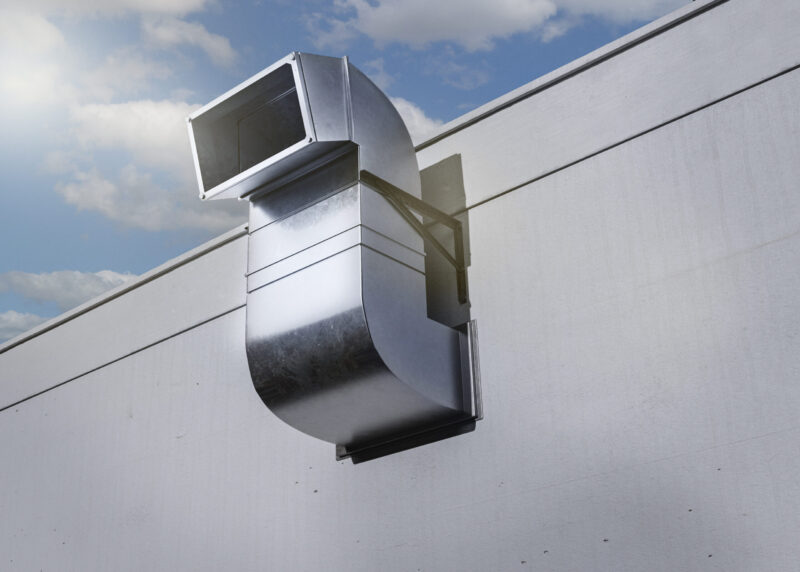
Ventilation is a critical component of any commercial property, playing a key role in maintaining indoor air quality, occupant comfort, and overall building performance. Whether in offices, retail spaces, warehouses, or healthcare facilities, proper ventilation ensures that fresh outdoor air is continuously introduced while stale air, pollutants, and excess moisture are effectively removed. Without adequate ventilation, indoor environments can quickly become uncomfortable, unhealthy, and inefficient, affecting both employees and customers.
Modern commercial buildings are often designed to be more energy-efficient, which can limit natural airflow and make proper ventilation even more essential. As occupancy levels increase and more equipment is used indoors, pollutants such as dust, carbon dioxide, and volatile organic compounds can build up if ventilation is not properly managed. Poor ventilation can lead to issues such as unpleasant odors, humidity imbalances, mold growth, and reduced indoor air quality, all of which can negatively impact health and productivity. Understanding the importance of ventilation in commercial properties helps building owners and managers create safer, healthier environments while improving energy efficiency and ensuring compliance with industry standards.
What Is Ventilation in Commercial Buildings?
Ventilation in commercial buildings refers to the process of supplying fresh outdoor air and removing stale indoor air to maintain a healthy and comfortable environment. It is a fundamental part of building design and HVAC systems, ensuring that indoor spaces remain safe for occupants while supporting efficient operations. Proper ventilation helps regulate air quality, control humidity, and maintain balanced airflow throughout the building.
Definition and Purpose of Ventilation
Ventilation is the controlled movement of air into and out of a building. Its primary purpose is to bring in fresh air while removing stale air, odors, and airborne contaminants. This process helps dilute pollutants such as dust, carbon dioxide, and chemical vapors that can accumulate indoors. By continuously refreshing indoor air, ventilation plays a vital role in maintaining a healthy environment, reducing the risk of respiratory issues, and improving overall comfort for occupants.
3 Types of Ventilation Systems
There are several types of ventilation systems used in commercial buildings, each designed to meet specific needs:
- Natural ventilation: This method relies on openings such as windows, vents, and doors to allow air to flow naturally through the building. While cost-effective, it may be less reliable in maintaining consistent airflow, especially in larger or tightly sealed buildings.
- Mechanical ventilation: This system uses fans, ducts, and HVAC equipment to control airflow and ensure a steady supply of fresh air. Mechanical ventilation provides more consistent and reliable performance, making it the most common solution in commercial properties.
- Hybrid ventilation systems: These systems combine natural and mechanical ventilation to optimize airflow and energy efficiency. They can switch between methods depending on environmental conditions, providing flexibility and improved performance.
How Ventilation Works with HVAC Systems
Ventilation is closely integrated with HVAC systems in commercial buildings. While HVAC systems manage heating and cooling, ventilation ensures proper air exchange and distribution. Together, they work to maintain balanced airflow, consistent temperatures, and controlled humidity levels. HVAC systems use ducts, fans, and air handling units to deliver fresh air throughout the building while removing stale air. Proper integration helps maintain pressure balance, prevent air stagnation, and ensure that all areas receive adequate airflow for optimal comfort and air quality.
Why Ventilation Is Important in Commercial Properties
Ventilation plays a vital role in maintaining a healthy, safe, and productive environment in commercial properties. Without proper airflow, indoor spaces can quickly become filled with pollutants, excess moisture, and stale air, all of which can negatively impact occupants and operations. Effective ventilation systems help maintain air quality, support employee well-being, and create comfortable conditions that contribute to overall business performance.
Improving Indoor Air Quality (IAQ)
One of the primary benefits of ventilation is improving indoor air quality. Proper ventilation systems remove dust, allergens, and airborne pollutants that can accumulate in enclosed spaces. They also help reduce harmful gases such as carbon dioxide and volatile organic compounds that may be released from equipment, furnishings, or cleaning products. By continuously introducing fresh air and removing contaminated air, ventilation helps maintain a cleaner and healthier indoor environment.
Enhancing Employee Health and Well-Being
Good ventilation has a direct impact on employee health and well-being. Poor air quality can lead to respiratory issues, headaches, fatigue, and general discomfort. Over time, inadequate ventilation can contribute to sick building syndrome, where occupants experience ongoing health symptoms related to indoor conditions. By maintaining proper airflow and air quality, ventilation systems help reduce these risks and create a healthier workplace for employees.
Increasing Productivity and Performance
A well-ventilated environment supports better concentration and overall productivity. When air quality is poor, employees may feel tired, distracted, or uncomfortable, which can reduce efficiency and increase absenteeism. Proper ventilation ensures a steady supply of fresh air, helping occupants stay alert and focused throughout the day. Comfortable working conditions contribute to improved performance and a more productive work environment.
Maintaining Comfortable Indoor Conditions
Ventilation also plays an important role in maintaining comfortable indoor conditions. It helps regulate temperature and humidity levels, preventing spaces from becoming too hot, cold, or damp. Proper airflow reduces the buildup of stale air and ensures that fresh air is distributed evenly throughout the building. This creates a more pleasant environment for both employees and customers, enhancing overall comfort and satisfaction.
4 Key Benefits of Proper Ventilation
1. Removal of Airborne Contaminants
One of the most important benefits of ventilation is the removal of airborne contaminants. Commercial spaces can accumulate fumes, dust, and pollutants from equipment, cleaning products, and daily operations. Without proper ventilation, these contaminants can linger in the air and affect occupant health. Ventilation systems help eliminate these particles by continuously replacing polluted indoor air with fresh outdoor air, improving overall air quality.
2. Humidity Control and Moisture Management
Ventilation plays a key role in controlling indoor humidity levels. Excess moisture in the air can lead to mold and mildew growth, which can damage building materials and pose health risks to occupants. Proper ventilation helps regulate humidity by removing moist air and maintaining balanced indoor conditions. This not only protects the structure of the building but also safeguards equipment and stored goods from moisture-related damage.
3. Energy Efficiency and Cost Savings
Efficient ventilation systems can help reduce the overall energy consumption of a commercial property. By maintaining proper airflow and reducing the buildup of heat and humidity, ventilation systems help HVAC equipment operate more efficiently. This reduces strain on heating and cooling systems, leading to lower energy usage and decreased utility costs. Well-designed ventilation systems contribute to long-term cost savings and improved system performance.
4. Improved Safety in Commercial Environments
Ventilation is essential for maintaining safety in commercial environments, especially in spaces where fumes, chemicals, or equipment are present. Proper airflow helps prevent the buildup of hazardous gases and ensures that harmful substances are removed from the air. This is particularly important in industrial facilities, kitchens, and laboratories. Effective ventilation systems also support compliance with workplace safety regulations, helping businesses maintain safe and legally compliant environments.
Ventilation Requirements for Different Commercial Spaces
Ventilation needs can vary significantly depending on the type of commercial property and how the space is used. Each environment has unique airflow, air quality, and temperature requirements that must be addressed to maintain comfort, safety, and efficiency. Tailoring ventilation strategies to specific building functions ensures that air is properly distributed, contaminants are removed, and indoor conditions remain stable.
Office Buildings
Office buildings require ventilation systems that prioritize occupant comfort and consistent indoor air quality. These environments typically house a large number of employees working for extended periods, making fresh air circulation essential. Ventilation systems in offices focus on removing carbon dioxide, maintaining comfortable temperature and humidity levels, and preventing the buildup of stale air. Proper airflow helps improve concentration, reduce fatigue, and create a healthier workplace.
Retail Spaces
Retail spaces must manage ventilation in a way that accommodates fluctuating customer traffic and open layouts. Frequent door openings can introduce outdoor air, affecting temperature and airflow balance. Ventilation systems in retail environments need to maintain consistent indoor conditions while ensuring fresh air circulation for both customers and staff. Proper ventilation also helps control odors and maintains a pleasant shopping experience.
Warehouses and Industrial Facilities
Warehouses and industrial facilities often generate dust, fumes, and heat from equipment and operations. Ventilation systems in these spaces must be designed to remove airborne contaminants and maintain safe working conditions. High-capacity ventilation systems, combined with proper airflow distribution, help prevent the buildup of harmful substances and excessive heat. Effective ventilation is critical for both employee safety and operational efficiency in these environments.
Restaurants and Commercial Kitchens
Restaurants and commercial kitchens have some of the most demanding ventilation requirements due to the presence of smoke, grease, heat, and strong odors. Exhaust systems are essential for removing these contaminants and maintaining a clean and safe environment. Proper ventilation helps prevent grease buildup, reduces fire risks, and ensures compliance with health and safety regulations. Balanced airflow is also important to maintain comfort in dining areas while supporting kitchen operations.
4 Types of Commercial Ventilation Systems
1. Natural Ventilation Systems
Natural ventilation systems rely on openings such as windows, doors, and vents to allow air to flow freely through a building. This method uses natural forces like wind and temperature differences to move air in and out of the space. One of the main benefits of natural ventilation is its low cost and minimal energy use. However, it can be difficult to control and may not provide consistent airflow, especially in large or tightly sealed commercial buildings. Natural ventilation is best suited for smaller spaces or buildings where outdoor conditions are favorable.
2. Mechanical Ventilation Systems
Mechanical ventilation systems use fans, ducts, and HVAC equipment to control airflow within a building. These systems provide consistent and reliable ventilation regardless of outdoor conditions. There are three main types:
- Exhaust systems, which remove stale air from the building
- Supply systems, which bring fresh air into the space
- Balanced systems, which combine both supply and exhaust to maintain proper airflow and pressure
Mechanical ventilation is the most common solution in commercial properties because it offers greater control over air quality and distribution.
3. Demand-Controlled Ventilation (DCV)
Demand-controlled ventilation systems adjust airflow based on occupancy levels within a building. Sensors, such as carbon dioxide monitors, detect the number of occupants and adjust ventilation rates accordingly. When occupancy is low, the system reduces airflow to save energy. When occupancy increases, it provides more fresh air to maintain air quality. DCV systems are highly efficient and are commonly used in offices, conference rooms, and retail spaces where occupancy can vary throughout the day.
4. Energy Recovery Ventilation (ERV) Systems
Energy recovery ventilation systems are designed to improve efficiency while maintaining proper airflow. These systems transfer heat and moisture between incoming fresh air and outgoing exhaust air, reducing the energy required to condition the air. ERV systems help maintain indoor comfort while lowering energy consumption, making them a popular choice for energy-efficient commercial buildings. They are especially beneficial in climates where temperature and humidity control are important.
4 Common Ventilation Issues in Commercial Buildings
1. Poor Airflow and Stagnant Air
Poor airflow is one of the most common ventilation problems in commercial buildings. It can occur due to blocked vents, poorly designed ductwork, or insufficient system capacity. When air is not properly circulated, certain areas may experience stagnant air, leading to uneven temperatures and discomfort. Stagnant air can also allow pollutants and moisture to accumulate, negatively impacting indoor air quality. Ensuring proper airflow distribution helps maintain consistent conditions throughout the building.
2. High Humidity and Moisture Problems
Excess humidity can create serious issues in commercial spaces, especially in warmer climates. High moisture levels can lead to mold and mildew growth, which can damage building materials and pose health risks to occupants. Condensation on surfaces can also contribute to structural deterioration over time. Ventilation systems must effectively remove excess moisture to maintain balanced humidity levels and protect both the building and its occupants.
3. Accumulation of Pollutants and Odors
Without proper ventilation, pollutants such as dust, chemical fumes, and airborne particles can build up indoors. This can lead to unpleasant odors and poor air quality, affecting both employee comfort and customer experience. In some environments, such as industrial facilities or kitchens, the accumulation of contaminants can pose safety risks. Effective ventilation helps remove these pollutants and maintain a clean and fresh indoor environment.
4. Inefficient Ventilation Systems
Inefficient ventilation systems can lead to higher energy costs and reduced performance. Systems that are outdated, poorly maintained, or improperly sized may struggle to provide adequate airflow while consuming more energy than necessary. This can result in inconsistent indoor conditions and increased operational expenses. Regular maintenance and system upgrades help improve efficiency, ensuring that ventilation systems operate effectively while minimizing energy use.
How to Improve Ventilation in Commercial Properties
Improving ventilation in commercial properties is essential for maintaining healthy indoor air quality in Port Charlotte, enhancing comfort, and ensuring efficient building performance. Whether addressing existing issues or optimizing current systems, several strategies can help improve airflow and air exchange. A proactive approach to ventilation not only benefits occupants but also supports long-term HVAC efficiency.
Regular HVAC Maintenance
Routine AC maintenance in Port Charlotte is one of the most effective ways to improve ventilation performance. Over time, filters can become clogged with dust and debris, restricting airflow and reducing system efficiency. Cleaning or replacing filters, inspecting ductwork, and ensuring vents are unobstructed helps maintain proper air circulation. Regular maintenance also allows technicians to identify and address potential issues before they impact system performance.
Upgrading Ventilation Systems
Upgrading outdated ventilation systems can significantly improve air quality and energy efficiency. Modern systems are designed with advanced features such as variable-speed fans, improved filtration, and smart controls that optimize airflow based on real-time conditions. Installing energy-efficient ventilation systems helps reduce operational costs while providing more consistent and reliable performance.
Increasing Outdoor Air Intake
Introducing more fresh outdoor air into a building is a key strategy for improving ventilation. Increasing outdoor air intake helps dilute indoor pollutants and maintain healthier air quality levels. This can be achieved by adjusting HVAC system settings or upgrading ventilation equipment to handle higher air exchange rates. Proper balance is important to ensure that increased airflow does not negatively impact energy efficiency.
Using Air Purification and Filtration
Air purification and filtration systems enhance ventilation by removing airborne contaminants from indoor air. High-efficiency filters, air purifiers, and advanced technologies such as UV systems can help capture or neutralize pollutants, allergens, and microorganisms. These solutions are especially beneficial in high-occupancy or high-risk environments, where maintaining clean air is critical. Combining filtration with proper ventilation ensures a healthier and safer indoor environment.
Ventilation and Energy Efficiency
Ventilation is essential for maintaining indoor air quality, but it must be carefully managed to avoid unnecessary energy consumption. In commercial buildings, the goal is to provide sufficient fresh air while minimizing the impact on heating and cooling systems. By using efficient strategies and modern technologies, businesses can achieve a balance between proper ventilation and energy savings.
Balancing Airflow with Energy Use
Providing too little ventilation can lead to poor air quality, while excessive ventilation can increase energy demand by forcing HVAC systems to condition more outdoor air than necessary. Achieving the right balance is key. Proper system design ensures that ventilation rates meet required standards without overloading the system. By optimizing airflow based on actual building needs, businesses can maintain healthy indoor conditions while avoiding unnecessary energy waste.
Smart Ventilation Controls
Smart ventilation controls use sensors and automation to adjust airflow in real time based on occupancy, air quality, and environmental conditions. These systems can increase ventilation when more fresh air is needed and reduce it during low-occupancy periods. Real-time monitoring helps ensure that ventilation systems operate efficiently while maintaining optimal indoor air quality. Automation not only improves system performance but also reduces energy consumption and operating costs.
Role of Insulation and Building Design
The design of a building and its insulation levels have a significant impact on ventilation efficiency. Proper attic insulation in Port Charlotte helps reduce heat gain during warm weather and prevents heat loss during cooler periods, reducing the workload on HVAC systems. Well-designed building envelopes minimize air leaks and support controlled ventilation, ensuring that fresh air is introduced efficiently. By combining good insulation with effective ventilation strategies, commercial properties can improve energy efficiency while maintaining comfortable indoor conditions.
Choosing the Right Ventilation System
Selecting the right ventilation system for a commercial property is essential for maintaining indoor air quality, comfort, and energy efficiency. Each building has unique requirements based on its size, layout, and operational use, so a one-size-fits-all approach is rarely effective. A well-chosen system ensures proper airflow, supports compliance with regulations, and integrates seamlessly with existing HVAC systems.
Assessing Building Needs
The first step in choosing a ventilation system is evaluating the specific needs of the building. Factors such as square footage, ceiling height, occupancy levels, and daily operations all influence ventilation requirements. For example, high-traffic areas may require increased airflow, while spaces with equipment or chemical use may need specialized ventilation solutions. Understanding how the space is used helps determine the appropriate system capacity and design.
Compliance with Building Codes and Standards
Ventilation systems in commercial properties must meet established building codes and industry standards. These regulations specify minimum ventilation rates, air quality requirements, and safety guidelines to ensure a healthy indoor environment. Compliance is essential for passing inspections, maintaining safe conditions, and avoiding potential penalties. Proper system design ensures that ventilation meets all required standards while supporting efficient building operation.
Working with HVAC Professionals
Working with experienced HVAC professionals is key to designing and installing an effective ventilation system. Professionals can assess the building, perform detailed calculations, and recommend solutions tailored to the property’s specific needs. They also ensure proper AC installation in Port Charlotte, system integration, and ongoing maintenance. Expert guidance helps prevent common issues such as poor airflow, inefficiency, or non-compliance, ensuring long-term performance and reliability.
FAQs About How Important is Ventilation in Commercial Properties
Why is ventilation important in commercial buildings?
Ventilation is important in commercial buildings because it helps maintain a healthy and comfortable indoor environment. It removes stale air, pollutants, and excess moisture while bringing in fresh outdoor air. Proper ventilation supports employee health, improves productivity, and ensures compliance with safety and building standards.
How does ventilation improve indoor air quality?
Ventilation improves indoor air quality by diluting and removing airborne contaminants such as dust, allergens, carbon dioxide, and chemical fumes. By continuously circulating fresh air and exhausting polluted air, ventilation systems help maintain cleaner air, reduce health risks, and create a more comfortable environment for occupants.
What are the types of commercial ventilation systems?
The main types of commercial ventilation systems include natural ventilation, mechanical ventilation, hybrid systems, demand-controlled ventilation (DCV), and energy recovery ventilation (ERV). Each system is designed to meet specific building needs, with mechanical systems being the most common due to their ability to provide consistent and controlled airflow.
How often should ventilation systems be maintained?
Ventilation systems should be inspected and maintained regularly to ensure optimal performance. Typically, maintenance should be performed at least twice a year, with more frequent servicing in high-use environments. Maintenance tasks include cleaning or replacing filters, inspecting ducts, and checking system components to ensure proper airflow and efficiency.
Can ventilation reduce energy costs?
Yes, proper ventilation can help reduce energy costs when designed and managed efficiently. Systems such as demand-controlled ventilation and energy recovery ventilation adjust airflow based on actual needs, reducing unnecessary energy use. Efficient ventilation also reduces the workload on HVAC systems, leading to lower operating costs over time.
What are signs of poor ventilation in a building?
Common signs of poor ventilation include stale or stuffy air, persistent odors, high humidity levels, condensation on surfaces, uneven temperatures, and increased dust buildup. Occupants may also experience symptoms such as headaches, fatigue, or respiratory discomfort. These signs indicate that airflow may be insufficient or improperly distributed.
How do HVAC systems support ventilation?
HVAC systems support ventilation by controlling airflow, temperature, and humidity within a building. They use ducts, fans, and air handling units to distribute fresh air while removing stale air. Integrated ventilation within HVAC systems ensures balanced airflow, proper air exchange, and consistent indoor conditions, helping maintain a healthy and efficient environment.
Turn Stale Spaces into Fresh Places!
Proper ventilation is essential for maintaining healthy, comfortable, and efficient commercial environments. It plays a crucial role in improving indoor air quality, controlling humidity levels, and ensuring a steady flow of fresh air throughout the building. By removing airborne contaminants, reducing moisture buildup, and preventing stale air, a well-designed ventilation system helps create a safer space for employees, customers, and visitors. In addition, effective ventilation supports HVAC performance, reduces strain on equipment, and contributes to lower energy costs over time. Businesses that prioritize ventilation not only improve daily operations but also protect their property and occupants in the long run.
If you’re looking to improve ventilation in your commercial property, Dale’s AC is a trusted HVAC company in Port Charlotte and is here to help you find the right solution tailored to your specific needs. We’ll evaluate your building, identify airflow issues, and recommend systems that enhance air quality while maintaining energy efficiency. Whether you need system upgrades, routine AC maintenance, AC replacement in Port Charlotte, air conditioning repair in Port Charlotte, commercial HVAC services in Port Charlotte, residential HVAC services in Port Charlotte or a complete ventilation design and installation, we’ll ensure your space is optimized for performance and comfort. Call us at (941) 629-1712or contact us and let’s create a healthier, more efficient environment for your business.