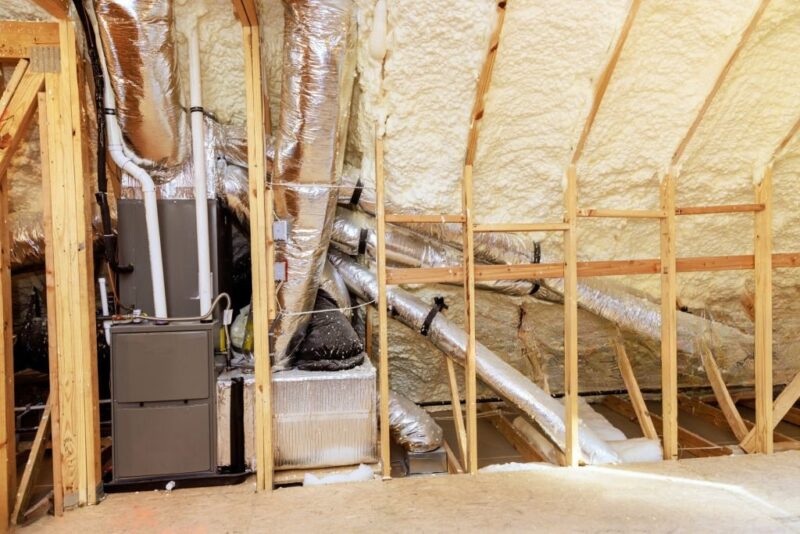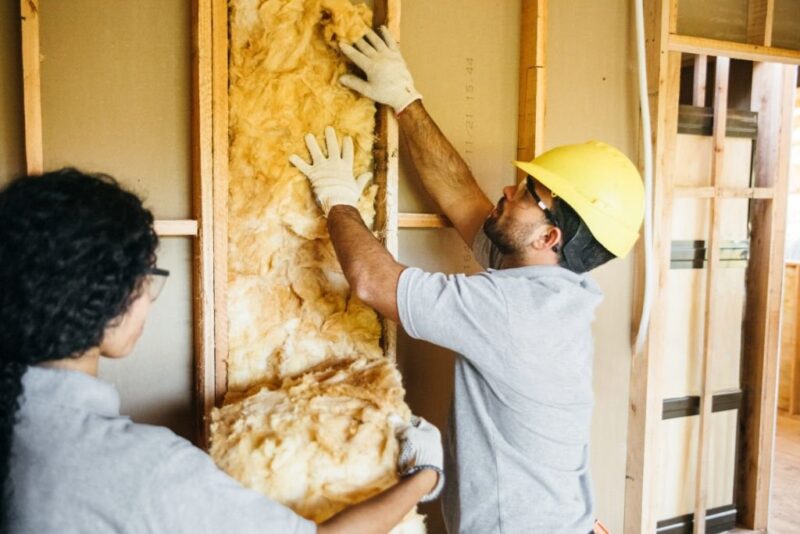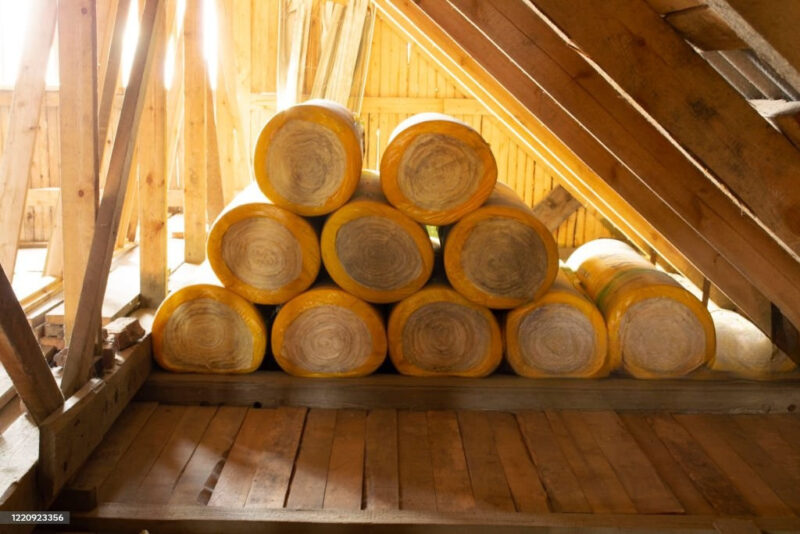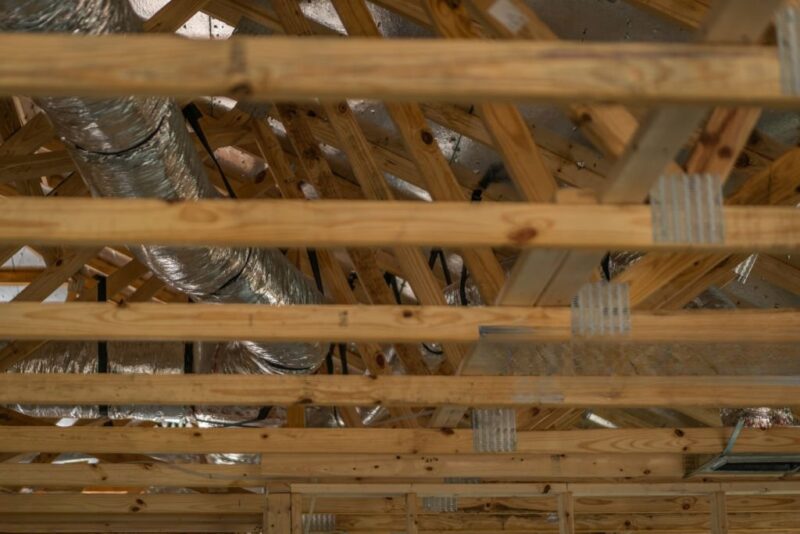


Attic insulation plays an important role in protecting your Florida home from the intense heat that builds up beneath the roof. By slowing heat transfer between the attic and conditioned living spaces, properly installed insulation can support more consistent indoor temperatures and reduce unnecessary cooling demand. Over time, however, insulation can settle, become compressed, shift out of place, or suffer damage from moisture, pests, and attic work.
Higher cooling costs, uneven room temperatures, long AC runtimes, visible gaps, wet insulation, and pest damage are some signs that your attic insulation may need attention. However, these problems do not always mean a complete replacement is necessary. Existing insulation may sometimes be supplemented or corrected if it remains clean, dry, and in suitable condition. Understanding the warning signs and having the attic properly evaluated can help determine whether your Florida home needs additional insulation, partial replacement, or a more comprehensive insulation upgrade.
1. Your Cooling Bills Are Higher Than Expected
A noticeable increase in cooling costs can be one sign that your attic insulation is no longer performing as effectively as it should. Because many factors influence household energy use, higher bills do not automatically mean the insulation needs replacement. However, if cooling costs continue to rise without an obvious explanation, the attic may be worth inspecting.
Poor Insulation Can Increase Heat Gain
Thin, missing, damaged, or uneven attic insulation can allow more heat to transfer through the ceiling into conditioned living spaces. As heat gain increases, your AC may need to operate for longer periods to maintain the thermostat setting. During Florida’s hottest months, this additional cooling demand can contribute to increased energy use.
Compare Energy Use Before Blaming the Insulation
Before assuming attic insulation is responsible for higher cooling costs, consider what else may have changed. Hotter weather, lower thermostat settings, aging or inefficient HVAC equipment, leaking ductwork, and changes in household occupancy or daily habits can all influence energy consumption. Comparing recent bills with similar periods and considering these factors can provide a clearer picture of what may be driving the increase.
When an Insulation Inspection May Help
An attic insulation inspection may be worthwhile if energy use has gradually increased without significant changes in household habits or thermostat settings. Older insulation, visible attic-floor joists, bare areas, uneven coverage, compression, or insufficient insulation depth can provide additional reasons for an evaluation. A professional inspection can help determine whether insulation is contributing to higher cooling demand or whether the cause may be elsewhere in the home or HVAC system.
2. Some Rooms Are Hotter Than Others
If certain rooms consistently feel warmer than the rest of your home, attic insulation may be one factor worth investigating. Uneven insulation coverage can allow more heat to enter some areas than others, creating noticeable differences in indoor comfort. In Florida, these temperature variations may become especially apparent during hot, sunny afternoons when attic heat gain is at its highest.
Uneven Insulation Can Create Thermal Weak Spots
Bare attic-floor sections, insufficient insulation depth, displaced loose-fill material, and gaps around framing can create weak points in the home’s thermal boundary. Heat can move more readily through these areas, reducing the effectiveness of the insulation system even when other parts of the attic have adequate coverage.
Rooms Beneath Problem Areas May Feel Warmer
Rooms located directly beneath poorly insulated attic sections may experience greater heat transfer through the ceiling. As a result, these spaces can feel warmer or become more difficult to cool than surrounding rooms. The difference may be particularly noticeable during afternoon hours when the roof and attic have been exposed to intense Florida sunshine for an extended period.
Rule Out Other Comfort Problems
Uneven room temperatures do not automatically mean your attic needs new insulation. Poor HVAC airflow, leaking or damaged ductwork, solar heat gain through windows, and HVAC zoning or sizing issues can create similar symptoms. A professional evaluation can help determine whether insulation is contributing to the problem or whether another part of the home comfort system needs attention.
3. Your AC Runs for Long Periods
Long AC runtimes are not unusual during periods of intense Florida heat, but a system that seems to run much longer than expected may be dealing with additional cooling demand. Insufficient or damaged attic insulation is one possible contributor because it can allow more heat to move from the attic into conditioned living spaces.
Insufficient Insulation Can Increase Cooling Load
When attic insulation is too thin, uneven, compressed, or missing in certain areas, heat can enter the living space more easily through the ceiling. This additional heat gain can make it harder for the HVAC system to reach and maintain the thermostat setting. As a result, the AC may need to operate for longer periods, particularly during hot afternoons and other peak cooling times.
Long Runtime Does Not Automatically Mean Insulation Is the Problem
An AC that runs for extended periods can have many possible causes besides attic insulation. Refrigerant concerns, dirty coils, restricted airflow, leaking ductwork, improper equipment sizing, thermostat settings, or aging HVAC equipment can all affect runtime. Weather conditions also matter, so longer operation during exceptionally hot days does not necessarily indicate a problem.
Why Attic and HVAC Evaluations Should Be Coordinated
Because insulation and mechanical HVAC problems can produce similar symptoms, evaluating both can help identify what is actually increasing cooling demand. An attic inspection can reveal insufficient coverage, damage, or air leakage, while an HVAC evaluation can identify equipment, ductwork, or airflow concerns. Looking at the systems together helps determine whether new insulation is appropriate and avoids replacing material unnecessarily when the main issue is elsewhere.
4. Your Home Heats Up Quickly After the AC Turns Off
If your home warms up quickly after a cooling cycle ends, attic insulation may be one factor to examine. In Florida, hot attic conditions can push heat toward the living space, and weak thermal protection above the ceiling can make indoor temperatures rise faster than expected.
Rapid Temperature Changes May Indicate Heat Gain
Poorly insulated ceilings can allow more heat to transfer from the attic into conditioned rooms. When attic temperatures are high, limited insulation depth, gaps in coverage, or damaged material can weaken the thermal separation between the attic and living spaces. This may cause the home to warm more quickly between AC cycles.
Air Leakage Can Produce Similar Symptoms
Air leakage can create a similar comfort problem even when insulation levels appear adequate. Gaps around attic penetrations, access hatches, duct chases, and framing can allow hot attic air to move into conditioned spaces or cooled air to escape. These openings can increase heat and moisture entering the home and make indoor temperatures less stable.
Insulation and Air Sealing Should Be Evaluated Together
Insulation and air sealing serve different but complementary purposes. Insulation provides thermal resistance, while air sealing helps create an air-control layer that limits uncontrolled air movement. Evaluating both can provide a clearer picture of why the home heats up quickly and whether improvements to insulation, air sealing, or both may support more consistent indoor comfort.
5. Your Attic Insulation Looks Thin or Uneven
Sometimes the clearest signs of an insulation problem are visible during an attic inspection. Thin areas, bare sections, gaps, and inconsistent coverage can weaken the attic’s thermal barrier and allow more heat to move toward conditioned spaces. These conditions do not always mean all the insulation needs to be replaced, but they are good reasons to have its depth, coverage, and condition evaluated.
Visible Attic-Floor Joists Can Be a Clue
If attic-floor joists are clearly visible above or through the insulation in multiple areas, the insulation depth may be insufficient for the intended thermal performance. However, one shallow or disturbed spot does not necessarily represent the entire attic. Checking several locations provides a better understanding of whether insulation coverage is consistently low or limited to isolated sections.
Bare Areas or Gaps Reduce Coverage
Gaps around framing, attic access points, mechanical equipment, and attic edges can create weak spots in the thermal boundary. Even when most of the attic has insulation, uncovered sections may allow greater heat transfer through the ceiling below. These areas should be evaluated carefully because some spaces must also remain clear for ventilation, equipment access, or safety.
Loose-Fill Insulation Can Become Uneven
Blown-in fiberglass and cellulose can settle or become displaced over time, leaving some areas deeper than others. Foot traffic, HVAC servicing, electrical work, and other attic activity can move insulation away from its original position. Air movement may also disturb loose material in certain locations. Depending on its overall condition, uneven insulation may need to be redistributed, supplemented, or replaced rather than automatically removed in full.
6. Fiberglass Insulation Is Compressed
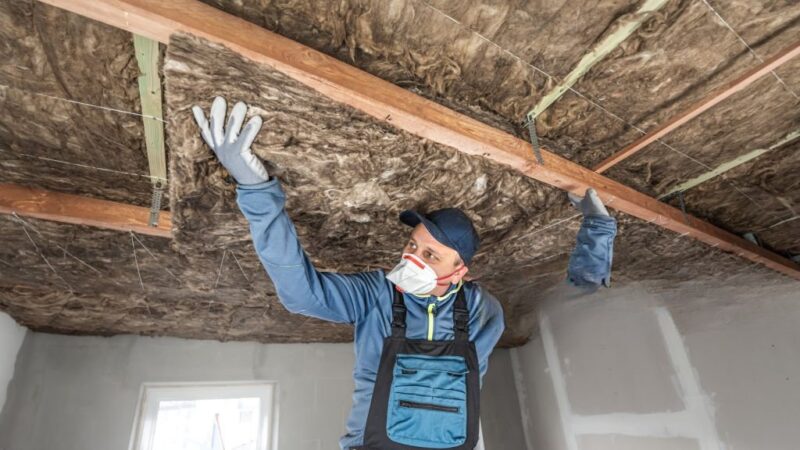
Fiberglass insulation is designed to maintain a specific thickness to provide its intended thermal resistance. When batts are flattened, squeezed, or packed into spaces incorrectly, they may not perform as intended. If you notice compressed sections in your attic, those areas may need attention even when the surrounding insulation remains in good condition.
Why Compression Matters
Fiberglass insulation relies partly on tiny pockets of trapped air within its fibers to resist heat flow. Compressing the material reduces its thickness and can lower the thermal resistance provided by that section compared with properly installed insulation of the intended thickness. In a hot Florida attic, these weaker areas may allow more heat to transfer toward the conditioned rooms below.
Common Causes of Compression
Stored belongings placed directly on fiberglass, attic flooring installed over insulation without adequate space, and foot traffic can flatten the material. HVAC, electrical, plumbing, or other service work may also disturb or compress insulation while technicians move through the attic. In some cases, compression begins during installation when fiberglass batts are forced into cavities that do not match their intended dimensions.
Compressed Insulation May Need Correction
The appropriate solution depends on the condition and extent of the compression. Some material may be repositioned where appropriate, while other areas may require properly installed additional insulation. If the fiberglass is also wet, contaminated, severely damaged, or affected by pests, partial or complete replacement of the affected material may be recommended after the underlying problem has been addressed.
7. Loose-Fill Insulation Has Settled or Shifted
Blown-in fiberglass and cellulose are designed to create a consistent layer of insulation across the attic floor, but that coverage can change over time. Settling, foot traffic, maintenance work, or other attic activity may leave some sections shallower than others. When this happens, the attic’s thermal resistance may become less consistent and allow greater heat transfer through certain areas.
Settling Can Reduce Insulation Depth
Loose-fill materials such as blown-in fiberglass and cellulose may settle to some degree after installation, depending on the material and installation method. Over time, reduced depth can affect the thermal resistance provided by the insulation. This does not automatically mean the material needs to be removed, but its current depth and condition should be evaluated to determine whether additional insulation is appropriate.
Attic Activity Can Displace Material
Contractors and technicians may need to move through the attic for HVAC maintenance, electrical work, plumbing repairs, or duct service. Storage and other household activity can also disturb loose-fill insulation. As material is pushed aside to create pathways or reach equipment, previously insulated sections may be left with thin or uneven coverage.
Check for Exposed or Shallow Areas
Uneven insulation depth, visible sections of the attic floor, or bare patches around frequently traveled pathways can indicate that loose-fill material has settled or shifted. Checking multiple areas can help determine whether the problem is localized or widespread. If the existing insulation remains clean, dry, and otherwise suitable, redistribution or additional material may be enough to restore coverage rather than requiring complete replacement.
8. Your Insulation Is Wet or Water-Damaged
Wet or water-damaged attic insulation deserves prompt attention, especially in Florida, where heavy rain, storms, and high humidity can add to moisture concerns. Damp insulation may not perform as intended, and simply covering it with new material can hide an unresolved problem. The source and extent of the moisture should be identified before deciding whether the affected insulation can remain or needs replacement.
Common Sources of Attic Moisture
Roof leaks are a common source of attic moisture, particularly after heavy rain or storm-related roof damage. Plumbing leaks, condensation around ducts or other surfaces, and water entering through damaged roofing or exterior components can also affect insulation. High humidity may contribute to moisture concerns when combined with air leakage, condensation, ventilation issues, or other building conditions, but humidity alone should not automatically be assumed to be the cause.
Moisture Can Affect Insulation Performance
When certain insulation materials become wet, they may compress, mat, shift, or otherwise lose some of their intended thermal performance. Moisture can also affect nearby roof decking, framing, ceilings, and other building materials. The extent of the problem depends on the insulation type, amount of water exposure, how long the material remained wet, and whether surrounding materials were also affected.
Fix the Moisture Source Before Replacing Insulation
Before adding or replacing attic insulation, the source of the moisture should be corrected. This may involve repairing a roof or plumbing leak, identifying the cause of condensation, and allowing affected areas to dry appropriately. The damaged insulation and surrounding materials should then be evaluated to determine whether drying, partial removal, or replacement is appropriate. Installing new insulation without addressing the original moisture problem can allow the same issue to return.
9. You Notice Musty Odors or Visible Biological Growth
A persistent musty odor or visible biological growth in the attic can indicate that excess moisture is present or has been present in the past. Florida’s humid climate can make moisture management particularly important, but an odor or visible discoloration alone does not identify the source or confirm what type of growth is present. The attic should be evaluated before assuming the insulation needs to be replaced.
Musty Odors Can Signal a Moisture Problem
Musty odors may be associated with damp attic materials, roof leaks, condensation, or other moisture-management problems. Water can enter through damaged roofing or plumbing, while condensation may develop when warm, humid air contacts cooler surfaces under certain conditions. Finding the source of the moisture is more important than simply covering the affected area or adding new insulation.
Insulation Should Not Be Assumed to Be the Source
Attic insulation is only one of several materials that may be affected by moisture. Roof decking, framing, stored belongings, and other building materials should also be inspected. Condensation on HVAC equipment or ductwork can create additional moisture concerns. A musty smell near insulation does not necessarily mean the insulation itself is the source of the problem.
Professional Evaluation Is Important
A professional evaluation can help locate the moisture source, determine which materials have been affected, and identify appropriate next steps. Depending on the findings, the solution may involve repairing a leak, addressing condensation, drying materials, or removing and replacing damaged insulation. Odor or visible discoloration alone should not be used to make assumptions about indoor air quality or potential health effects.
10. Pests Have Damaged or Contaminated the Insulation
Attics can provide shelter for rodents, insects, and other pests, and their activity can disturb or contaminate insulation. Depending on the extent of the problem, affected insulation may no longer provide consistent coverage and may require professional evaluation. New insulation should not simply be installed over pest-damaged or contaminated material without addressing the underlying issue first.
Signs of Pest Activity
Droppings, nesting materials, tunnels through loose-fill insulation, and chewed or displaced material can all indicate pest activity in the attic. Pests may push insulation away from certain areas, compress it, or damage batts while moving through the space. Homeowners may also notice disturbed pathways or insulation gathered into nesting areas.
Contaminated Insulation May Need Removal
Whether insulation needs partial or complete removal depends on the type, location, and extent of contamination or physical damage. Localized problems may require a different approach than widespread pest activity. Simply adding fresh insulation over contaminated or damaged material can hide the problem without restoring proper coverage or addressing the condition underneath.
Address the Pest Problem First
Before restoring attic insulation, the active pest problem should be addressed. This may involve identifying entry points, arranging appropriate pest removal or exclusion, and repairing openings that could allow pests to return. Once the problem has been controlled, the insulation can be evaluated to determine which areas should remain, be cleaned or corrected where appropriate, or be removed and replaced.
11. The Insulation Has Been Physically Damaged
Attic insulation can be damaged even when there are no moisture or pest problems. Contractors, maintenance work, storage, and renovations can disturb insulation that was originally installed correctly. Once insulation is compressed, moved, torn, or removed from certain areas, its coverage may become inconsistent and reduce the effectiveness of the attic’s thermal barrier.
Attic Work Can Disturb Insulation
HVAC repairs, electrical work, plumbing service, roofing projects, and home renovations often require technicians or contractors to access the attic. Insulation may need to be moved temporarily to reach equipment, wiring, pipes, or structural components. If the material is not properly restored afterward, previously insulated areas can be left thin, compressed, or completely uncovered.
Common Forms of Damage
Physical damage can include compressed fiberglass, displaced loose-fill material, torn or poorly positioned batts, bare sections of the attic floor, and inconsistent insulation depth. Loose-fill insulation may also be pushed aside to create walking paths or access equipment. Depending on the extent of the disturbance, affected areas may need to be repositioned, supplemented, or replaced.
Inspect the Attic After Major Work
After significant HVAC, roofing, electrical, plumbing, or renovation work, it can be helpful to check the attic to confirm that insulation coverage has been restored. The inspection should also verify that intended ventilation pathways remain clear and look for gaps or penetrations that may allow uncontrolled air movement. Identifying these issues early can help maintain a more consistent thermal and air-control boundary.
12. You Have Persistent Drafts or Air Leakage
Persistent drafts or unwanted air movement can be a sign that the attic and building envelope need attention, but they do not automatically mean the insulation needs to be replaced. In many cases, gaps and penetrations allow air to move between the attic and conditioned spaces. Identifying whether the problem involves insulation, air sealing, or both can help avoid unnecessary insulation replacement.
Insulation Alone Does Not Stop Every Air Leak
Insulation and air sealing serve different purposes. Insulation primarily slows heat transfer, while air sealing limits uncontrolled air movement through openings in the building envelope. Even an attic with adequate insulation may still have air leaks if gaps and penetrations were never properly sealed. Addressing both where needed can create a more effective thermal and air-control boundary.
Common Attic Leakage Points
Air can move through openings around attic access hatches, plumbing and electrical penetrations, duct chases, top plates, and framing gaps. Individually, some of these openings may seem minor, but multiple leakage points can contribute to unwanted air movement between the attic and living spaces. In Florida, these pathways may also allow hot, humid attic air to enter conditioned areas under certain pressure conditions.
Air Sealing May Be Needed Before New Insulation
When new attic insulation is planned, appropriate air sealing is often easier to complete first while penetrations and framing gaps remain accessible. This helps avoid burying potential leakage points beneath additional insulation and makes future corrections more difficult. Addressing air sealing and insulation as complementary parts of the building envelope can support more consistent indoor comfort and help determine whether new insulation is actually necessary.
13. Your Attic Insulation Is Very Old
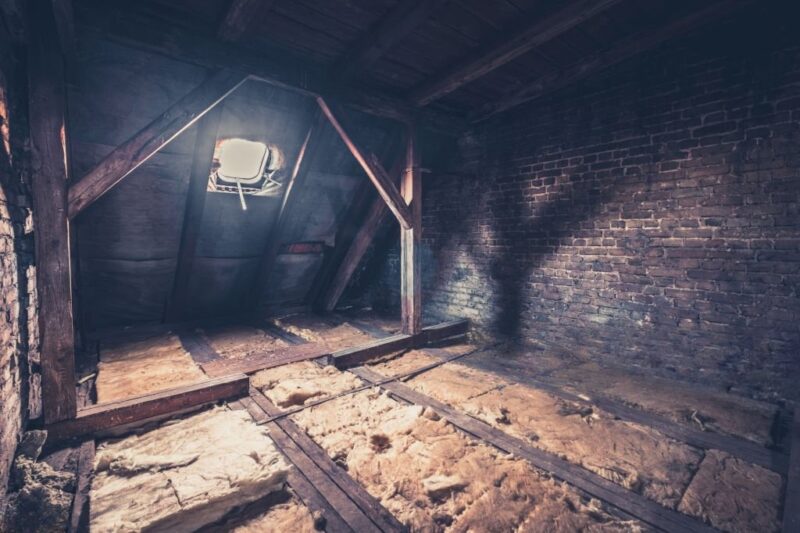
If your attic insulation has been in place for many years, it may be worth having its condition evaluated. Older insulation does not automatically need to be removed or replaced, but time, moisture, pests, renovations, and attic activity can affect how well it performs. An inspection can help determine whether the existing material remains suitable or whether it needs to be supplemented, corrected, or replaced.
Age Alone Does Not Determine Replacement
There is no single age at which every type of attic insulation must be replaced. Some insulation can remain functional for many years when it is properly installed and stays clean, dry, and undisturbed. Instead of relying on age alone, homeowners should consider the material’s current depth, coverage, condition, and installation quality when deciding whether an upgrade is necessary.
Older Insulation Should Be Evaluated for Condition
Over time, insulation may settle, become compressed, absorb moisture, or be disturbed by pests and attic work. Contamination and insufficient depth can also reduce the effectiveness of the overall insulation system. Checking for these conditions provides more useful information than simply determining when the material was originally installed.
Older Homes May Have Lower Insulation Levels
Older Florida homes may have insulation levels that reflect previous construction practices or improvements made by earlier owners. Renovations, HVAC work, electrical upgrades, and other projects may also result in insulation being added, removed, or disturbed in different parts of the attic. A professional evaluation can identify what is currently installed and whether the attic would benefit from additional insulation or more extensive corrective work.
14. You Recently Had a Roof Leak or Major Storm
A roof leak or major Florida storm is a good reason to check the condition of your attic insulation, even if you do not notice an immediate comfort problem. Water intrusion and storm-related damage can leave insulation wet, displaced, or compressed, potentially affecting its performance. An attic inspection can help determine whether the problem is limited to a small area or whether more extensive corrective work is needed.
Water Intrusion Can Affect Attic Insulation
Water entering through a damaged roof can soak insulation, create moisture staining, and cause loose-fill materials to shift or become matted. The surrounding roof deck, framing, ceilings, and other building materials may also be affected. The extent of insulation damage depends on factors such as the amount of water, how long the area remained wet, and the type of insulation installed.
Florida Storms Can Disturb Attic Conditions
Heavy rain and strong winds can create conditions that affect the attic, particularly when roofing, soffits, flashing, or other exterior components are damaged. Wind-driven rain may enter through compromised areas, while soffit or roof damage can alter intended attic ventilation. Insulation may also become wet or displaced in affected sections, making a post-storm attic inspection useful when damage or water intrusion is suspected.
Schedule an Inspection After Known Water Intrusion
If you know water entered the attic, repair the roof leak or other source of intrusion before installing new insulation. Once the source is corrected, the existing insulation and surrounding materials should be assessed for moisture, staining, displacement, compression, and other damage. Depending on the findings, the affected insulation may need drying, repositioning, partial replacement, or removal rather than automatically replacing the entire attic.
15. Your Insulation No Longer Provides Even Coverage
Attic insulation works best when it creates consistent coverage across the intended thermal boundary. Even if most of the attic appears adequately insulated, thin or missing areas can create weak points where more heat transfers into the living space. In Florida’s hot climate, these inconsistencies may become especially noticeable during periods of intense attic heat.
Attic Edges May Be Underserved
Eaves, attic edges, areas around framing, and other difficult-to-access sections can sometimes have less insulation than the center of the attic. These locations may be harder to reach during installation or may lose coverage after attic work. However, insulation should not simply be packed into every available space, since intended ventilation pathways such as soffit vents need to remain clear.
Previous Installation May Have Missed Areas
Uneven coverage may originate with the original installation or a later insulation upgrade. Loose-fill material can have inconsistent depth, while fiberglass batts may be poorly fitted around framing, wiring, pipes, or other obstructions. Gaps between batts and areas where insulation does not fully cover the intended surface can reduce the consistency of the thermal barrier.
Uneven Coverage Can Reduce Overall Performance
Thin, bare, or poorly insulated sections create thermal weak points where heat can move more readily between the attic and conditioned spaces. Depending on their location and extent, these areas may contribute to room-to-room temperature differences or increased cooling demand. A professional attic evaluation can determine whether the insulation needs redistribution, additional material, localized replacement, or a more extensive upgrade.
What to Check During an Attic Insulation Inspection
A thorough attic insulation inspection should look at more than just how much insulation is present. The material type, depth, coverage, moisture conditions, air leakage, ventilation, pest activity, and nearby ductwork can all affect how the attic performs. Looking at these factors together helps determine whether the insulation needs to be adjusted, supplemented, partially replaced, or fully removed.
Insulation Material
Start by identifying what type of insulation is installed. Common materials include fiberglass batts, blown-in fiberglass, cellulose, spray foam, and other insulation products. Different materials age, settle, respond to moisture, and require correction in different ways, so knowing what is present helps guide the rest of the evaluation.
Insulation Depth and Coverage
Check whether the insulation has consistent depth and coverage across the intended thermal boundary. Bare areas, shallow sections, settled loose-fill, compressed fiberglass, and gaps around framing or obstructions can create weak points. Several measurements throughout the attic may provide a clearer picture than checking only one accessible location.
Moisture Conditions
Look for moisture staining, active roof or plumbing leaks, condensation, and damp insulation or building materials. Moisture problems should be diagnosed before new insulation is added because covering wet or damaged areas can hide the underlying issue. The source of the moisture should be corrected first, followed by an evaluation of the affected insulation and surrounding materials.
Pest or Contamination Issues
Signs such as droppings, nesting material, chewed insulation, tunnels through loose-fill, or other visible contamination may indicate pest activity. The extent of the affected area should be evaluated before deciding whether insulation can remain in place or requires partial or complete removal. Active pest problems should also be addressed before insulation restoration begins.
Air Leakage
Inspect common leakage points such as plumbing and electrical penetrations, attic access hatches, duct chases, top plates, and framing gaps. Insulation slows heat transfer, but it does not seal every pathway for uncontrolled air movement. Identifying these openings before adding insulation can make air-sealing work easier and more effective.
Attic Ventilation
In a vented attic, intended airflow pathways should remain open and unobstructed. Check soffit vents, exhaust vents, baffles, and areas where insulation may be blocking ventilation. Baffles may be needed in certain locations to help maintain airflow near the eaves. Unvented attic assemblies require a different approach, so ventilation should always be evaluated in the context of the home’s existing design.
Accessible HVAC Ductwork
If HVAC ducts are located in the attic, accessible sections should also be checked for visible leakage, damaged duct insulation, disconnected joints, and signs of condensation. These issues are separate from attic insulation problems but can contribute to comfort concerns and cooling inefficiency. Evaluating both systems together can help identify whether the source of the problem is the insulation, ductwork, HVAC system, or a combination of factors.
How Poor Attic Insulation Can Affect Your HVAC System
Your attic insulation and HVAC system work together to support indoor comfort. When insulation is thin, damaged, compressed, or uneven, more heat may transfer from a hot Florida attic into conditioned areas below. This can increase the cooling demand placed on your air conditioner, although insulation is only one of several factors that influence HVAC performance.
Increased Heat Transfer
Poor attic insulation can allow additional heat to move through the ceiling and into conditioned spaces. During hot Southwest Florida afternoons, attic temperatures can place significant thermal pressure on the areas below. Adequate, properly installed insulation helps slow this heat transfer and reduces the amount of unwanted heat the HVAC system must address.
Longer AC Runtimes
When more heat enters the home, the air conditioner may need to operate for longer periods to reach and maintain the thermostat setting. Increased cooling demand can mean greater overall system operation, particularly during periods of intense outdoor heat. However, long AC runtimes can also result from airflow restrictions, duct problems, equipment condition, improper sizing, or other HVAC issues.
Difficulty Maintaining Indoor Temperatures
Insulation gaps, thin areas, or uneven coverage can contribute to hot rooms, temperature swings, and discomfort during peak afternoon hours. Rooms located beneath poorly insulated sections of the attic may be especially affected. Because similar symptoms can result from ductwork, airflow, solar exposure, or HVAC problems, a professional evaluation can help identify what is contributing to the temperature differences.
Potential Increase in HVAC Wear
If poor attic insulation contributes to longer and more frequent cooling cycles, HVAC components may experience additional use over time. Improving insulation can help reduce unnecessary cooling demand when the building envelope is part of the problem, but it does not guarantee a specific increase in HVAC lifespan. Regular maintenance and timely repairs remain important for supporting reliable system performance.
Why Florida Homeowners Trust Dale’s AC
Florida homeowners need more than a quick fix when attic insulation, HVAC performance, and indoor comfort problems overlap. At Dale’s AC, we look at the bigger picture so we can recommend solutions based on the condition of the home, the attic, and the HVAC system. Our goal is to help homeowners make informed decisions without replacing materials or equipment unnecessarily.
Serving Southwest Florida Since 1974
We have been serving Southwest Florida homeowners since 1974, giving us decades of experience with the heat, humidity, and cooling demands common across the region. Our local experience helps us understand how attic conditions, insulation, ductwork, and HVAC performance can interact in Florida homes.
Professional Attic Insulation Evaluations
Our attic insulation evaluations help identify issues such as uneven coverage, insufficient depth, compression, moisture damage, pest-related problems, and physically disturbed material. We can assess whether the existing insulation may be suitable to remain in place, needs additional material, or may require partial or more extensive replacement.
HVAC and Building-Envelope Evaluations
Comfort problems are not always caused by insulation alone. We can evaluate attic insulation alongside HVAC performance, accessible ductwork, air leakage, and other building-envelope factors that may be contributing to higher cooling demand or uneven temperatures. This more complete approach helps us identify where improvements may have the greatest impact.
Air Sealing and Home Comfort Solutions
When air leakage is part of the problem, air sealing may be recommended alongside an insulation upgrade. We can help identify common attic leakage points and determine how insulation, air sealing, ductwork, and HVAC improvements may work together to support more consistent comfort and efficient system operation throughout your home.
FAQs About Signs Your Attic Needs New Insulation
Can I Add New Insulation Over Existing Insulation?
In some cases, yes. If the existing insulation is clean, dry, free from significant contamination, and still in usable condition, additional insulation may be installed to improve coverage or depth. However, wet, pest-damaged, severely compressed, or contaminated insulation should be evaluated before new material is added.
How Can I Tell If My Attic Has Enough Insulation?
Look for consistent insulation depth, even coverage, and minimal bare or compressed areas across the intended thermal boundary. Visible attic-floor joists, shallow sections, gaps, or uneven loose-fill may indicate that more insulation is needed. Because recommended levels can depend on the insulation material and attic design, a professional inspection can provide a more accurate assessment.
Can Pest-Damaged Insulation Be Left in Place?
That depends on the extent of the damage or contamination. Minor localized disturbance may require a different solution than widespread nesting, droppings, or heavily damaged insulation. Pest activity should be addressed first, followed by an evaluation to determine whether the affected insulation can remain, needs partial removal, or should be replaced.
Can Poor Attic Insulation Make My AC Run Longer?
It can contribute to longer AC runtimes by allowing more heat to transfer from the attic into conditioned spaces. This increases the amount of heat the cooling system needs to manage. However, long runtimes can also be caused by duct leakage, airflow restrictions, equipment condition, sizing issues, thermostat settings, or extreme outdoor temperatures.
Can New Attic Insulation Lower Cooling Costs?
Improved attic insulation may help reduce unnecessary cooling demand by slowing heat transfer into the home. This can support more efficient HVAC operation when insufficient or damaged insulation is contributing to the problem. Actual energy savings vary based on the home, HVAC system, ductwork, air leakage, thermostat habits, weather, and other factors.
Should I Replace Insulation After a Roof Leak?
Not automatically. The leak should be repaired first, and the affected insulation should then be inspected for moisture, staining, compression, deterioration, or other damage. Depending on the material and extent of exposure, some insulation may be able to remain while other sections may require removal and replacement.
Should I Inspect My Insulation After a Major Florida Storm?
Yes, especially if you suspect roof, soffit, flashing, or water-intrusion damage. Wind-driven rain and storm-related damage can leave insulation wet, displaced, or uneven. An inspection can help identify problems early and determine whether any insulation or surrounding building materials need attention.
How Often Should Attic Insulation Be Inspected?
There is no single inspection schedule that applies to every home. It is generally helpful to have the attic evaluated when you notice comfort problems, unexplained cooling-cost changes, moisture, pest activity, roof leaks, or after significant roofing, HVAC, electrical, plumbing, or renovation work. Periodic inspections can also help identify changes in insulation condition before they become more extensive.
Keep Attic Heat from Crashing Your Cool. Call Dale’s AC!
Recognizing the signs of damaged, uneven, wet, compressed, or contaminated insulation can help you address attic problems before they contribute to ongoing comfort concerns. Whether you need attic insulation in Port Charlotte, AC maintenance in Port Charlotte, air conditioning repair in Port Charlotte, or help with Indoor air quality in Port Charlotte, a professional evaluation can identify what may be affecting your home and determine the appropriate next steps.
At Dale’s AC as a professional HVAC company in Port Charlotte, we provide residential HVAC services in Port Charlotte and Commercial HVAC services in Port Charlotte, including AC installation in Port Charlotte and AC replacement in Port Charlotte. We can evaluate your attic insulation and HVAC system together and recommend practical solutions based on your property’s needs. We also offer financing options to help make qualifying home comfort improvements more manageable. Call us today at (941) 629-1712 or contact us to schedule your service or attic insulation evaluation.