

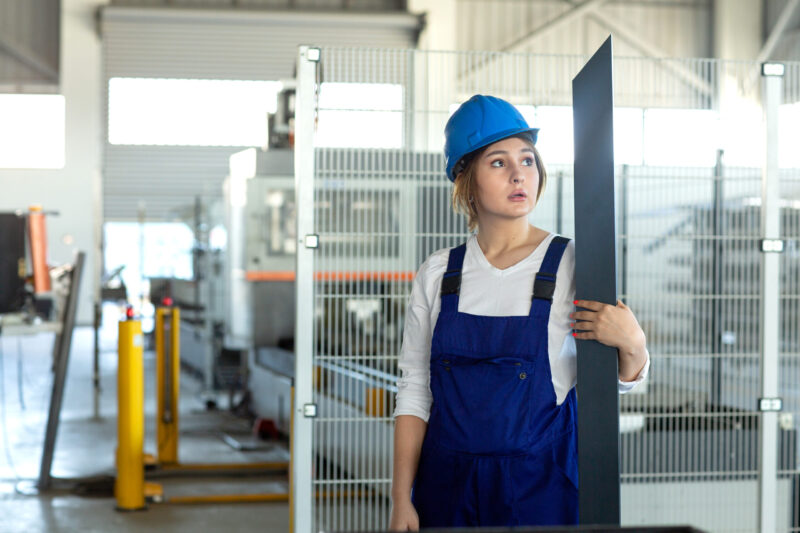
Warehouses in Port Charlotte face unique climate challenges that make effective HVAC systems essential for smooth and efficient operations. With large open floor plans, high ceilings, and constant movement of goods, maintaining consistent temperatures throughout the space can be difficult without the right system in place. On top of that, Florida’s intense heat and high humidity levels add extra strain on cooling systems, making proper climate control even more critical. Without an efficient HVAC solution, warehouses may face issues such as product damage, reduced equipment performance, uncomfortable working conditions, and rising energy costs.
Warehouse HVAC solutions are specifically designed to handle these challenges by delivering consistent cooling, proper ventilation, and reliable humidity control across expansive spaces. Unlike standard commercial systems, warehouse HVAC setups must consider airflow distribution, zoning requirements, and the impact of frequent loading dock activity. A well-designed system not only improves employee comfort and safety but also protects inventory and supports overall operational efficiency. Understanding the right HVAC strategies for warehouses in Port Charlotte can help business owners optimize performance, reduce long-term costs, and maintain a controlled indoor environment year-round.
Unique HVAC Challenges in Warehouse Environments
Warehouses present a distinct set of HVAC challenges compared to typical commercial buildings. Their size, layout, and operational demands require specialized climate control strategies to maintain consistent temperatures and airflow. In Port Charlotte, these challenges are further amplified by high humidity and warm temperatures throughout most of the year. Without a properly designed HVAC system, warehouses may struggle with uneven cooling, energy inefficiency, and uncomfortable working conditions.
Large Open Spaces and High Ceilings
One of the biggest challenges in warehouse HVAC design is managing temperature across large open areas with high ceilings. Unlike smaller spaces, warehouses require significant airflow to distribute conditioned air evenly. Heat stratification is a common issue, where warm air rises and collects near the ceiling while cooler air remains near the floor. This can result in uneven temperatures and reduced comfort for employees working at ground level. Proper airflow strategies and equipment selection are essential to address this imbalance and maintain consistent conditions throughout the space.
Varying Usage Zones
Warehouses often include multiple functional areas such as offices, storage zones, loading docks, and production areas. Each of these zones has different temperature and airflow requirements. Office spaces may require tighter climate control for comfort, while storage areas may need stable conditions to protect inventory. Loading docks are exposed to outdoor air, and production areas may generate additional heat. A one-size-fits-all HVAC system is often insufficient, making zoning and customized airflow solutions necessary to meet the needs of each area effectively.
Frequent Door Openings
Frequent door openings, especially at loading docks, can significantly impact temperature stability inside a warehouse. Each time a door is opened, conditioned air escapes while warm, humid outdoor air enters the building. This constant air exchange places additional strain on HVAC systems and increases energy demand. Over time, this can lead to higher operating costs and inconsistent indoor conditions. Effective solutions such as air curtains, vestibules, and strategic airflow management help reduce energy loss and maintain stable temperatures.
Florida Climate Considerations
The climate in Port Charlotte adds another layer of complexity to warehouse HVAC systems. High humidity levels can affect indoor air quality, lead to condensation issues, and potentially damage stored goods. Excess moisture can also create uncomfortable working conditions and increase the risk of mold growth. Additionally, the year-round warm temperatures in Florida increase cooling demand, requiring HVAC systems to operate more frequently and efficiently. Proper humidity control, ventilation, and energy-efficient cooling solutions are essential to maintain a balanced indoor environment.
4 Types of HVAC Systems for Warehouses
1. Packaged Rooftop Units (RTUs)
Packaged rooftop units are one of the most common HVAC solutions used in warehouses and other large commercial spaces. These systems contain all major components—such as the compressor, condenser, and air handler—within a single unit installed on the roof. RTUs provide centralized heating and cooling, making them ideal for covering large open areas without taking up valuable floor space. Their rooftop placement also allows for easier maintenance access and minimizes disruption to warehouse operations. Multiple units can be installed to serve different zones, providing flexibility and scalability.
2. Evaporative Cooling Systems
Evaporative cooling systems offer a cost-effective alternative for cooling large open warehouse spaces, particularly in environments with lower humidity levels. These systems work by using water evaporation to cool incoming air, which is then circulated throughout the building. While evaporative cooling can significantly reduce energy consumption compared to traditional air conditioning, its effectiveness depends on environmental conditions. In high-humidity areas like Port Charlotte, these systems may be used as a supplemental cooling solution rather than a primary system.
3. Split and Ductless Systems
Split and ductless HVAC systems are commonly used in specific areas within warehouses, such as offices, break rooms, and smaller enclosed spaces. These systems consist of an outdoor unit connected to one or more indoor units, allowing for targeted temperature control. Ductless systems are especially useful in areas where installing ductwork is impractical. Their flexibility and scalability make them ideal for maintaining comfort in administrative spaces without affecting the larger warehouse environment.
4. Industrial HVAC Systems
Industrial HVAC systems are designed for large-scale warehouse operations that require heavy-duty performance and continuous operation. These systems are built to handle high heat loads, large air volumes, and demanding environmental conditions. They often include advanced features such as enhanced airflow control, high-capacity cooling, and integrated ventilation systems. Industrial HVAC solutions are ideal for warehouses with intensive operations, manufacturing processes, or specialized storage requirements.
4 Key HVAC Design Considerations for Warehouses
Designing an HVAC system for a warehouse requires a strategic approach that goes beyond basic heating and cooling. Because warehouses have large open areas, varying operational zones, and high exposure to outdoor conditions, proper system design is critical for maintaining efficiency and consistent indoor comfort. Factors such as system sizing, airflow distribution, zoning, and humidity control all play a role in ensuring the HVAC system performs effectively in a demanding environment like Port Charlotte.
1. Proper System Sizing and Load Calculations
Accurate system sizing is one of the most important aspects of warehouse HVAC design. Load calculations take into account the building’s size, ceiling height, insulation, equipment heat loads, and occupancy levels. Warehouses may also have additional factors such as large doors, machinery, and lighting that contribute to overall heat gain. An undersized system may struggle to maintain desired temperatures, while an oversized system can lead to inefficient operation and uneven cooling. Proper load calculations ensure the HVAC system delivers the right amount of heating and cooling capacity for optimal performance.
2. Airflow and Ventilation Design
Consistent airflow is essential for maintaining stable temperatures throughout a warehouse. Without proper air circulation, certain areas may become too hot while others remain cooler, creating uncomfortable working conditions and inefficiencies. Effective ventilation design ensures that fresh air is introduced while stale air is removed, improving indoor air quality. Proper placement of vents, fans, and ductwork helps distribute conditioned air evenly and prevents the formation of hot and cold spots across the warehouse floor.
3. Zoning and Temperature Control
Zoning allows warehouses to divide their space into separate areas that can be controlled independently based on specific needs. Offices, storage zones, loading docks, and production areas often require different temperature settings. By implementing zoning strategies, HVAC systems can deliver targeted heating or cooling where it is needed most. This approach not only improves comfort for employees but also increases energy efficiency by reducing unnecessary cooling in low-use areas.
4. Humidity Control
Humidity control is especially important in warehouses located in humid climates like Port Charlotte. Excess moisture in the air can lead to condensation, mold growth, and damage to stored products. High humidity levels can also affect equipment performance and create uncomfortable working conditions. HVAC systems with integrated humidity control help maintain balanced moisture levels, protecting both inventory and the overall indoor environment. Proper humidity management is essential for maintaining air quality and ensuring long-term system efficiency.
Air Distribution and Circulation Strategies
In large warehouse environments, effective air distribution is just as important as the HVAC system itself. Without proper circulation, conditioned air may not reach all areas of the building, leading to uneven temperatures, hot spots, and wasted energy. Strategic airflow solutions help maintain consistent indoor conditions, improve energy efficiency, and support a healthier working environment. By combining fans, ventilation systems, and proper airflow design, warehouses can optimize HVAC performance across expansive spaces.
Destratification Fans
Destratification fans are designed to address one of the most common issues in warehouses—heat stratification. Since warm air naturally rises, it tends to accumulate near the ceiling, leaving cooler air at ground level. This creates temperature imbalances and forces HVAC systems to work harder to maintain comfort. Destratification fans push warm air back down toward the occupied areas, helping equalize temperatures throughout the space. This improved air mixing reduces energy consumption and allows the HVAC system to operate more efficiently.
High-Volume Low-Speed (HVLS) Fans
High-volume low-speed (HVLS) fans are large, slow-moving fans that circulate significant amounts of air across wide areas. These fans are particularly effective in warehouses because they create consistent airflow without generating strong drafts. HVLS fans help distribute conditioned air more evenly, reduce temperature variations, and improve overall comfort for employees. By enhancing air movement, these fans can reduce the workload on HVAC systems, leading to lower energy usage and operating costs.
Ventilation Systems
Ventilation systems play a crucial role in maintaining indoor air quality within warehouses. These systems help remove dust, fumes, and other airborne contaminants that may accumulate during daily operations. Proper ventilation ensures a steady exchange of indoor and outdoor air, reducing the buildup of pollutants and maintaining a healthier environment for workers. In warehouses with equipment, vehicles, or manufacturing processes, effective ventilation is essential for safety and compliance with air quality standards.
4 Energy Efficiency Strategies for Warehouse HVAC
Energy efficiency is a key concern for warehouse operations, especially in Port Charlotte where cooling systems often run for extended periods due to warm temperatures and high humidity. Large warehouse spaces can consume significant amounts of energy if HVAC systems are not optimized. By implementing energy-efficient strategies, businesses can reduce operating costs, improve system performance, and maintain consistent indoor conditions without unnecessary energy waste.
1. Smart HVAC Controls and Automation
Smart HVAC controls and automation systems allow warehouses to monitor and adjust system performance in real time. These systems can track temperature, humidity, and occupancy levels, enabling automatic adjustments based on actual conditions within the building. For example, cooling output can be reduced during off-hours or in low-traffic areas to save energy. Automation helps ensure that HVAC systems operate only when needed, reducing energy waste while maintaining consistent comfort and performance.
2. Energy-Efficient Equipment
Upgrading to energy-efficient HVAC equipment is one of the most effective ways to lower operating costs in a warehouse environment. Modern systems are designed to deliver the same level of heating and cooling while using less energy. High-efficiency units often include advanced features such as variable-speed compressors and improved heat exchange technology. Although these systems may require a higher upfront investment, they provide long-term savings through reduced energy consumption and improved reliability.
3. Insulation and Building Envelope Improvements
Improving the building envelope is another important strategy for increasing HVAC efficiency. Proper AC insulation in Port Charlotte helps reduce heat gain during hot weather and prevents conditioned air from escaping the building. Sealing gaps around doors, windows, and loading docks minimizes air leaks and reduces the workload on HVAC systems. In warehouses, where large doors are frequently opened, maintaining a well-insulated structure is essential for controlling indoor temperatures and reducing energy loss.
4. Economizers and Free Cooling
Economizers and free cooling systems take advantage of favorable outdoor conditions to assist with indoor cooling. When outside air is cooler than indoor air, economizers can bring in fresh air to reduce the need for mechanical cooling. This approach can significantly lower energy consumption, especially during cooler periods or at night. By incorporating these systems into warehouse HVAC design, businesses can improve efficiency while maintaining stable indoor temperatures.
6. Indoor Air Quality in Warehouses
Indoor air quality (IAQ) in Port Charlotte is a critical factor in warehouse environments where dust, airborne particles, and operational activities can quickly impact air conditions. Poor IAQ can affect employee health, reduce productivity, and even damage stored goods. A properly designed HVAC system helps regulate airflow, filter contaminants, and maintain balanced temperature and humidity levels, ensuring a safer and more efficient working environment.
Dust and Contaminant Control
Warehouses often generate significant amounts of dust and airborne contaminants from packaging materials, machinery, and daily operations. Without proper control, these particles can accumulate in the air and on surfaces, affecting both employee health and equipment performance. HVAC systems equipped with industrial-grade filtration help capture dust, allergens, and other pollutants before they circulate throughout the space. High-efficiency filters and air cleaning systems are especially important in warehouses handling sensitive products or operating heavy machinery.
Ventilation Requirements
Proper ventilation is essential for maintaining safe air quality in warehouses. Continuous air exchange helps remove stale air, fumes, and contaminants while introducing fresh outdoor air into the building. This is particularly important in facilities where vehicles, equipment, or chemical processes are present. Adequate ventilation ensures compliance with workplace safety standards and helps create a healthier environment for employees. Well-designed ventilation systems also prevent the buildup of harmful gases and reduce odors within the space.
Temperature and Humidity Balance
Maintaining the right balance of temperature and humidity is crucial for both employee comfort and product storage. High humidity levels can lead to condensation, mold growth, and product damage, while low humidity can create static issues and discomfort. In a climate like Port Charlotte, where humidity levels are naturally high, HVAC systems must effectively manage moisture while providing consistent cooling. Proper temperature and humidity control not only improves working conditions but also helps protect inventory and equipment.
Maintenance and Performance Optimization
Maintaining a warehouse HVAC system is essential for ensuring consistent performance, energy efficiency, and long-term reliability. Given the size and operational demands of warehouse environments, even minor issues can quickly escalate into costly breakdowns if left unaddressed. A proactive maintenance and performance strategy helps keep systems running efficiently while minimizing downtime and unexpected repair expenses.
Routine Maintenance and Inspections
Routine AC maintenance in Port Charlotte and regular inspections are the foundation of HVAC system performance. This includes tasks such as replacing air filters, checking refrigerant levels, inspecting electrical components, and ensuring all system parts are functioning correctly. In warehouse environments, where dust and debris are common, frequent filter replacement is especially important to maintain proper airflow. Regular inspections allow technicians to catch small issues early before they impact system performance or lead to more significant failures.
Preventative Maintenance Plans
Preventative maintenance plans provide a structured approach to keeping HVAC systems in optimal condition. These plans typically include scheduled service visits, system tune-ups, and priority support when issues arise. By addressing potential problems before they become major repairs, businesses can avoid costly emergency breakdowns and extend the lifespan of their equipment. Preventative maintenance also helps maintain consistent indoor conditions, which is critical for both employee comfort and product storage.
Monitoring System Performance
Monitoring HVAC system performance is key to identifying inefficiencies and maintaining energy efficiency. Modern systems often include sensors and smart controls that track temperature, humidity, and energy usage in real time. By analyzing this data, facility managers can detect irregularities such as increased energy consumption or uneven cooling. Early detection of performance issues allows for timely adjustments and repairs, helping to prevent larger system failures and reduce operational costs.
Seasonal HVAC Adjustments
Seasonal adjustments are particularly important in Florida’s climate, where temperature and humidity levels can fluctuate throughout the year. Preparing HVAC systems for peak summer heat or cooler months ensures they operate efficiently under changing conditions. This may include adjusting system settings, calibrating controls, and performing seasonal tune-ups. Proper seasonal preparation helps maintain consistent performance, reduces strain on the system, and ensures the warehouse remains comfortable and functional year-round.
Choosing the Right HVAC Contractor in Port Charlotte
Selecting the right HVAC contractor is essential for ensuring your warehouse system is designed, installed, and maintained correctly. Warehouses present unique challenges, including large open spaces, high ceilings, and varying operational zones, which require specialized expertise. A qualified contractor will understand these complexities and provide solutions that maximize efficiency, performance, and long-term reliability.
Experience with Warehouse HVAC Systems
Experience matters when it comes to warehouse HVAC systems. Contractors who have worked with large-scale commercial and industrial environments understand the challenges of airflow distribution, temperature consistency, and equipment demands. They are better equipped to design systems that address issues like heat stratification, high ceilings, and varying occupancy levels. Choosing an experienced contractor helps ensure your system is properly sized and optimized for your specific warehouse operations.
Custom HVAC Solutions
Every warehouse operates differently, which is why customized HVAC solutions are essential. A reliable contractor will assess your facility’s layout, usage patterns, and operational requirements before recommending a system. This includes designing zoning strategies, selecting the right equipment, and integrating ventilation and humidity control systems. Tailored solutions help improve efficiency, maintain consistent indoor conditions, and support the specific needs of your business.
Licensing, Certifications, and Compliance
Working with a licensed and certified HVAC contractor ensures that your system meets all Florida building codes and safety standards. Proper licensing indicates that the contractor has the necessary training and qualifications to handle commercial HVAC projects. Compliance with local regulations is critical for avoiding fines, ensuring safety, and passing inspections. A reputable contractor will also stay updated on industry standards and best practices.
Emergency and Ongoing Support
Warehouses rely heavily on HVAC systems for both operations and employee comfort, making reliable support essential. A dependable contractor should offer emergency repair services and ongoing maintenance support to minimize downtime. Quick response times can prevent small issues from becoming major disruptions, helping your business maintain productivity. Long-term service partnerships also ensure your HVAC system continues to operate efficiently over time.
FAQs About Warehouse HVAC Solutions
What is the best HVAC system for warehouses in Port Charlotte?
The best HVAC system for warehouses in Port Charlotte depends on factors such as building size, layout, and usage. Packaged rooftop units (RTUs) are commonly used for large spaces, while industrial HVAC systems are ideal for heavy-duty operations. For warehouses with office areas, split or ductless systems may be used alongside larger systems. In Florida’s hot and humid climate, systems that include strong humidity control and high energy efficiency are especially important.
How do you cool a large warehouse efficiently?
Cooling a large warehouse efficiently requires a combination of proper system sizing, airflow management, and energy-efficient equipment. Solutions such as HVLS fans, destratification fans, and zoning strategies help distribute air evenly and reduce temperature variations. Additionally, smart HVAC controls and insulation improvements can minimize energy waste while maintaining consistent indoor conditions.
Why is humidity control important in Florida warehouses?
Humidity control is critical in Florida warehouses due to the region’s naturally high moisture levels. Excess humidity can lead to mold growth, condensation, equipment damage, and product deterioration. Proper HVAC systems with dehumidification capabilities help maintain safe humidity levels, protecting both inventory and the building environment while improving employee comfort.
How often should warehouse HVAC systems be serviced?
Warehouse HVAC systems should typically be serviced at least twice a year, with additional inspections depending on usage and environmental conditions. In high-demand environments, more frequent maintenance may be necessary to ensure optimal performance. Regular servicing includes filter replacement, system inspections, and performance checks to prevent breakdowns and extend equipment lifespan.
What are the most energy-efficient warehouse cooling solutions?
Energy-efficient warehouse cooling solutions include high-efficiency HVAC systems, smart controls, economizers, and proper insulation. HVLS fans and destratification fans also play a major role by improving air circulation and reducing the load on HVAC systems. Combining these strategies helps lower energy consumption while maintaining a comfortable environment.
Can zoning improve warehouse HVAC efficiency?
Yes, zoning can significantly improve HVAC efficiency in warehouses. By dividing the space into different temperature-controlled areas, businesses can condition only the zones that need it. This reduces energy waste, improves comfort in occupied areas, and allows better control over different operational zones such as offices, storage areas, and loading docks.
How do HVLS fans support HVAC systems in warehouses?
HVLS (high-volume low-speed) fans support HVAC systems by improving air circulation across large spaces. They help distribute conditioned air more evenly, reduce hot and cold spots, and minimize the need for excessive heating or cooling. By enhancing airflow, HVLS fans reduce the workload on HVAC systems, leading to improved efficiency and lower energy costs.
Stop Sweating Your HVAC—Let’s Fix That!
Optimizing HVAC systems for warehouse environments in Port Charlotte requires a strategic approach that goes beyond basic heating and cooling. Large open spaces, high ceilings, fluctuating usage zones, and constant exposure to Florida’s heat and humidity all demand specialized solutions. From improving airflow and ventilation to selecting energy-efficient equipment and implementing smart controls, every component plays a critical role in maintaining consistent indoor conditions. We also offer AC replacement in Port Charlotte, air conditioning repair in Port Charlotte, attic insulation in Port Charlotte, residential HVAC services in Port Charlotte, and commercial HVAC services in Port Charlotte. A well-designed HVAC system not only enhances employee comfort but also protects inventory, reduces energy consumption, and supports overall operational efficiency.
If you’re planning to upgrade or install a warehouse HVAC system, Dale’s AC is a leading HVAC company in Port Charlotte and is here to help you find the right solution tailored to your facility’s specific needs. We’ll work closely with you to evaluate your space, identify inefficiencies, and recommend systems that deliver reliable performance and long-term savings. Whether you need a full system installation, upgrades, or ongoing maintenance, we’re ready to support your business every step of the way. Call us today at (941) 629-1712or contact us and let’s build an HVAC solution that keeps your warehouse running at its best.