

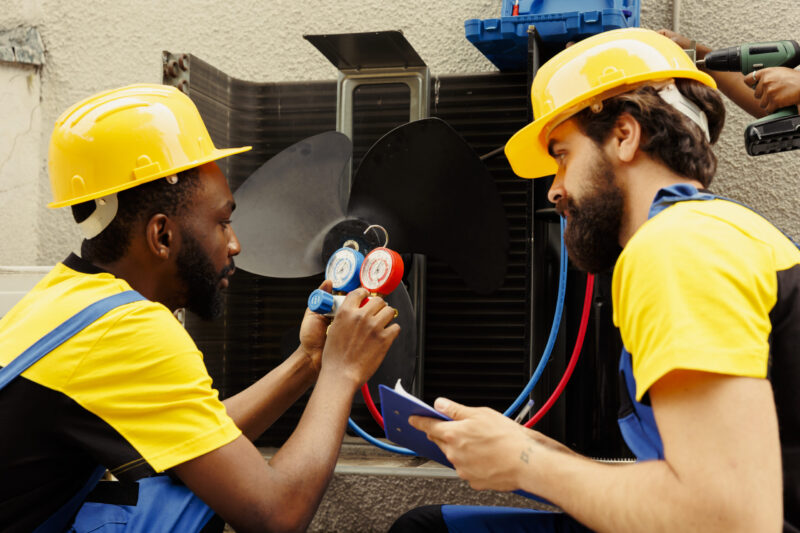
When your air conditioner starts struggling to keep your home cool, frequent repairs and rising energy bills may be signs that it’s time for a replacement. But when should you replace your AC unit instead of paying for another repair? The answer depends on several factors, including your system’s age, overall condition, cooling performance, and repair history.
For homeowners in Port Charlotte, Florida’s heat, humidity, and long cooling season can put additional demands on an aging air conditioner. Recognizing the warning signs early can help you avoid unexpected breakdowns and make a more informed decision about AC replacement. In this guide, we’ll cover when to replace your AC, what factors to consider before investing in a new system, and the benefits of upgrading to a more efficient air conditioner.
7 Signs It’s Time for an AC Replacement in Port Charlotte
1. Your Air Conditioner Is 10–15 Years Old or Older
Most residential air conditioners have an expected lifespan of approximately 10–15 years, although actual longevity depends on installation quality, maintenance history, usage, and operating conditions. In Port Charlotte, where AC systems often run for extended periods, equipment may experience considerable wear over time.
As your system ages, components may become less reliable, replacement parts may become harder to source, and cooling efficiency may decline. If your older unit requires frequent service or struggles to maintain comfortable temperatures, replacing it may be more practical than continuing to invest in repairs. However, age alone does not automatically mean you need a new system. Have an HVAC technician evaluate its condition before making a decision.
2. Your Energy Bills Keep Increasing Despite Normal Usage
Have your electricity bills increased even though your cooling habits have not changed? An aging or inefficient air conditioner may be one possible reason. Dirty coils, worn components, refrigerant problems, and restricted airflow can make your system work harder to maintain the desired temperature.
Although maintenance or repairs may resolve some efficiency problems, an older AC may still consume more energy than newer, properly sized equipment. If your energy costs remain unusually high despite regular servicing, compare your current system’s performance with the potential efficiency of a replacement. Keep in mind that insulation, ductwork, thermostat settings, outdoor temperatures, and electricity rates can also affect your monthly bills.
3. Your AC Needs Frequent or Expensive Repairs
Occasional AC repairs are normal, but repeated service calls can become costly as your system gets older. You may find yourself replacing components more often, dealing with recurring cooling problems, or paying for repairs that only provide temporary relief.
Consider the total cost of recent and anticipated repairs alongside the price of a new system. If a major component fails or another expensive repair is needed, home AC replacement may offer better long-term value than continuing to maintain an unreliable unit.
A useful starting point is to ask your HVAC technician for an honest assessment of the system’s remaining condition. They can explain whether the problem is isolated and repairable or part of a broader pattern of equipment deterioration.
4. Your Home Has Uneven Cooling or Persistent Hot Spots
If some rooms feel comfortable while others remain warm, your air conditioner may not be distributing cooled air effectively. You might notice that upstairs rooms, bedrooms, or areas farther from the indoor unit are consistently warmer than the rest of your home.
Several issues can contribute to uneven cooling, including:
- Incorrect AC sizing for your home’s cooling requirements
- Leaky, damaged, or poorly designed ductwork
- Restricted airflow or dirty filters
- Aging equipment that struggles to meet cooling demand
- Poor insulation or significant heat gain through windows and doors
A new AC system may help address the problem if the existing equipment is undersized, improperly matched, or no longer performing adequately. However, replacement alone will not necessarily resolve ductwork or insulation problems. A professional assessment should identify the underlying cause before you invest in a new unit.
5. Your AC Makes Unusual Noises or Produces Strange Odors
Air conditioners make some noise during normal operation, but sudden or increasingly loud sounds may indicate a mechanical problem. Pay attention to unusual noises such as:
- Grinding: May indicate worn motor bearings or other mechanical issues.
- Banging or clanking: Could point to loose or damaged internal components.
- Buzzing: May be associated with electrical problems or loose parts.
- Hissing: Could indicate a refrigerant leak or another pressure-related issue.
Strange odors also deserve attention. A musty smell may indicate moisture-related concerns, while a burning or electrical odor could signal a serious problem. Turn off the system if you notice a burning smell and contact a qualified HVAC technician.
A single unusual noise or odor does not automatically mean you need a replacement. However, if these symptoms keep returning alongside frequent repairs or poor cooling performance, it may be worth evaluating whether a new AC system is the better investment.
6. Your System Struggles With Airflow and Humidity Control
Your air conditioner should do more than lower the temperature. It also helps remove moisture from indoor air as part of the cooling process. If your home feels consistently damp or your AC runs for long periods without maintaining comfortable temperatures, the system may not be operating properly.
Common warning signs include:
- Weak airflow from supply vents
- Rooms that take too long to cool
- Indoor humidity that remains uncomfortable
- Frequent AC cycling or unusually long run times
- Persistent condensation or moisture concerns around the system
These symptoms can result from clogged filters, dirty coils, refrigerant issues, ductwork problems, or an improperly sized system. In some cases, repairs or adjustments may restore normal performance. If your equipment is older and continues to struggle despite appropriate service, AC system replacement may be worth considering.
For Port Charlotte homeowners, proper cooling and humidity management are especially important during Florida’s humid months. A professional evaluation can help determine whether your current unit can meet your home’s needs or whether a replacement is more appropriate.
7. Your AC Uses R-22 Refrigerant or Has Outdated Components
If your air conditioner uses R-22 refrigerant, also known as Freon, it may be time to evaluate your replacement options. R-22 was phased out of U.S. production and importation in 2020 because of its environmental impact. Existing systems can still be serviced using available reclaimed or previously produced R-22, but supplies may be limited and refrigerant-related repairs can become more expensive.
Older equipment may also contain components that are difficult to source or no longer supported by manufacturers. If your system develops a refrigerant leak or experiences a major component failure, the cost and availability of repairs may make replacement a more practical option.
A qualified HVAC technician can confirm which refrigerant your system uses, assess its condition, and explain your options. If you’re already dealing with an aging unit and recurring performance issues, upgrading to a newer system may provide a more dependable long-term solution.
When to consider replacement: One warning sign alone does not always mean your air conditioner needs to go. However, several issues occurring together, especially an older system with frequent repairs, declining efficiency, and inconsistent cooling, may indicate that replacement deserves serious consideration. Have a qualified HVAC professional inspect your equipment and compare the cost of continued repairs with the benefits of installing a new system.
Should You Repair or Replace Your AC Unit? 6 Factors to Consider
1. Age and Overall Condition of Your Current AC
Your air conditioner’s age is an important factor when deciding whether to repair or replace it. Most residential AC systems last around 10–15 years, although maintenance, installation quality, usage, and environmental conditions can affect their lifespan.
If your unit is relatively new and has been properly maintained, repairing a faulty component may be worthwhile. However, if your system is approaching or beyond its expected lifespan and experiencing recurring problems, replacement may offer better long-term value.
Have an HVAC technician assess the condition of your equipment, including its major components, coils, electrical connections, and overall cooling performance. This evaluation can help determine whether another repair is reasonable or whether your system is nearing the point where replacement should be considered.
2. Cost of Repairs Compared to AC Replacement
The cost of a repair is often one of the first things homeowners consider. A minor issue, such as a faulty capacitor or clogged condensate drain, may be relatively inexpensive to address. However, major repairs involving the compressor, evaporator coil, or other critical components can be considerably more costly.
Compare the estimated repair cost with the price of installing a new system. Also consider whether the repair is likely to resolve the problem for the long term or whether additional service calls may be needed.
A common guideline is the 5,000 rule, which multiplies the system’s age by the estimated repair cost. If the result exceeds $5,000, replacement may be worth considering. For example, a 12-year-old AC with a $500 repair would produce a score of 6,000.
This is only a general budgeting guideline, not a definitive replacement formula. Your system’s condition, energy efficiency, warranty coverage, and the actual cost of replacement should also influence your decision.
3. Frequency of Breakdowns and Previous Repairs
An air conditioner that needs occasional repairs is not necessarily ready for replacement. However, repeated breakdowns can indicate that multiple components are wearing out or that an underlying issue has not been properly resolved.
Review your recent service history and consider:
- How many times have you needed professional AC repairs in the past year?
- Are you experiencing the same problem repeatedly?
- Have repair costs increased over time?
- Are different components beginning to fail?
- Does your system continue to struggle even after repairs?
If your AC requires frequent service and still cannot maintain comfortable temperatures, investing in a new unit may be more practical than continuing to pay for recurring repairs. A technician can review the system’s repair history and help you understand whether replacement is a reasonable next step.
4. Energy Efficiency of Your Existing System
Older air conditioners generally have lower efficiency ratings than many newer models. As equipment ages, dirty coils, worn components, and other performance issues may also affect how efficiently it operates.
Check your current system’s efficiency rating and compare it with newer equipment. Modern air conditioners use SEER2 ratings to measure seasonal cooling efficiency, with higher ratings generally indicating greater efficiency under standardized testing conditions.
If your existing AC consumes more energy than expected despite proper maintenance, replacing it with a correctly sized, higher-efficiency system may help reduce cooling-related energy use. However, actual savings depend on your home’s insulation, ductwork, thermostat settings, usage habits, and local electricity rates.
For Port Charlotte homeowners who rely on air conditioning for much of the year, evaluating long-term operating costs can help determine whether AC replacement is a worthwhile investment.
5. Availability of Replacement Parts and Refrigerant
Older air conditioning systems may use outdated components or refrigerants that are becoming more difficult or expensive to source. This can make certain repairs less practical, especially when a major part needs replacement.
For example, systems that use R-22 refrigerant may require more expensive service because the refrigerant is no longer produced or imported in the United States. Existing R-22 systems can still be serviced using available reclaimed or previously produced supplies, but availability may vary.
Before deciding, ask your HVAC technician whether the necessary parts and refrigerant are readily available and whether the repair is likely to provide reliable operation. If sourcing components becomes difficult or the repair cost is disproportionately high, installing a newer system may be the more practical choice.
6. Your Long-Term Home Comfort and Budget
Your decision should also account for how long you plan to stay in your home and what you can comfortably spend. If you expect to remain in your Port Charlotte home for many years, investing in a new air conditioner may provide greater value through updated technology, improved comfort, and potentially lower operating costs.
On the other hand, if your current system is relatively reliable and you are working within a limited budget, repairing it may be the more manageable short-term option.
Consider the following when planning your budget:
- Upfront costs: Compare the immediate expense of repairs with the total cost of a new AC system and installation.
- Long-term operating costs: Consider how your current system’s efficiency affects monthly energy use.
- Warranty coverage: Check whether your existing equipment or replacement components are still covered.
- Financing options: Ask about available payment plans that may make a new system more manageable.
- Future maintenance: Factor in the ongoing service needs of both older and newer equipment.
Ultimately, the right choice depends on your system’s condition and your household’s needs. A professional assessment can help you compare repair and replacement costs, understand your options, and decide whether your existing air conditioner is still worth maintaining or if it’s time for a new one.
Why AC Replacement Is Especially Important in Port Charlotte, FL
Port Charlotte’s warm temperatures, high humidity, and extended cooling season can put considerable demands on residential air conditioning systems. An older or inefficient unit may struggle to keep your home comfortable, especially during the hottest months. When repairs become frequent or cooling performance declines, AC replacement in Port Charlotte may be worth considering. Understanding how local weather conditions affect your equipment can help you make a more informed decision about upgrading your system.
High Heat and Humidity Put More Demand on AC Systems
Florida’s heat and humidity mean air conditioners often need to run for extended periods to maintain comfortable indoor temperatures. This frequent operation places additional demands on components such as compressors, motors, fans, and electrical connections.
As an older system experiences normal wear, it may become less effective at maintaining your preferred temperature. If your AC runs constantly, struggles to cool your home, or requires increasingly frequent repairs, it may be time to evaluate its condition. A properly sized replacement system can provide cooling capacity suited to your home’s needs, although professional load calculations are necessary to determine the right equipment.
Salt Air Exposure Can Contribute to Outdoor Unit Corrosion
Port Charlotte’s coastal location means some properties experience exposure to salt carried through the air. Over time, salt deposits can contribute to corrosion on exposed metal components, including condenser coils and other parts of outdoor AC units.
Corrosion may reduce the condition and performance of equipment, depending on the severity of exposure and the materials used. During an inspection, an HVAC technician can check for visible deterioration and determine whether affected components can be repaired or whether the overall condition of the system makes replacement worth considering.
If you’re installing a new unit, ask about equipment designed for coastal environments and protective features that may help manage salt exposure. Proper installation and routine maintenance remain important for long-term equipment care.
Long Cooling Seasons Increase Equipment Usage
Unlike areas with shorter summers, Port Charlotte homeowners may rely on their air conditioners for much of the year. Extended operating hours mean equipment has fewer opportunities to remain idle, contributing to normal wear over time.
An aging AC system may eventually struggle to maintain consistent performance under these conditions. You might notice longer cooling cycles, recurring service needs, or increasing difficulty keeping certain rooms comfortable.
Replacing an outdated unit with a properly selected system can help address these concerns and provide equipment better suited to your home’s cooling requirements. Regular maintenance is still necessary, as a new AC system also experiences wear through everyday use.
Proper Cooling and Dehumidification Matter for Indoor Comfort
In Port Charlotte, maintaining a comfortable indoor temperature is only part of the challenge. High outdoor humidity can also affect how your home feels, even when the thermostat indicates that the desired temperature has been reached.
Your air conditioner removes moisture from indoor air as it cools. However, an aging, improperly sized, or poorly performing system may struggle to manage both temperature and humidity effectively. Signs may include persistent dampness, clammy indoor conditions, or rooms that never seem comfortable.
A replacement system should be properly sized to your home’s cooling load and configured to support appropriate moisture removal. Keep in mind that AC replacement alone may not resolve every humidity concern. Ductwork problems, inadequate insulation, ventilation issues, and other moisture sources may also need attention.
Preparing Your Home for Florida’s Extended Cooling Season
Waiting until your AC stops working completely can leave you dealing with an unexpected replacement during the hottest part of the year. Planning ahead gives you more time to compare equipment, review installation estimates, and choose a system that fits your home and budget.
If your current unit is aging, needs frequent repairs, or struggles to cool your home, consider scheduling an inspection before peak cooling demand. A qualified HVAC technician can evaluate its condition, explain whether repairs remain practical, and discuss available replacement options.
For Port Charlotte homeowners, planning an AC system replacement before a major breakdown can make the process more manageable. It also gives you time to explore energy efficiency ratings, warranty coverage, and available financing options before making your decision.
7 Benefits of Replacing Your Old Air Conditioner With a New AC System
1. Improved Energy Efficiency and Potentially Lower Utility Bills
Newer air conditioning systems are generally designed to meet more current energy efficiency standards than older models. If your existing unit has declining performance or outdated technology, replacing it with a more efficient system may reduce the amount of electricity needed to cool your home.
However, actual energy use depends on several factors, including the system’s size, SEER2 rating, installation quality, ductwork condition, insulation, thermostat settings, and household cooling habits. A new air conditioner does not automatically guarantee lower utility bills, but choosing an appropriately sized, energy-efficient model can help you manage cooling costs over time.
2. More Consistent Cooling Throughout Your Home
An aging air conditioner may struggle to distribute cool air evenly, leaving some rooms comfortable while others remain noticeably warmer. This can happen when the system has worn components, inadequate capacity, or airflow problems.
A new AC system that’s properly sized for your home can provide more consistent cooling when paired with properly designed and maintained ductwork. During an AC system replacement, an HVAC technician can also evaluate your home’s layout, insulation, and existing airflow to identify factors that may contribute to uneven temperatures. Addressing these issues can help create a more comfortable indoor environment.
3. Better Humidity Management and Indoor Comfort
In Port Charlotte, high humidity can make indoor temperatures feel warmer and leave your home feeling uncomfortable even when the air conditioner is running. Besides cooling the air, an AC system also removes some moisture as warm indoor air passes over its evaporator coil.
A newer air conditioner with appropriate capacity and humidity-control features may help maintain more comfortable indoor conditions. Proper sizing is especially important because an oversized system may cool the home too quickly without running long enough to remove sufficient moisture. A professional assessment can help determine whether your current system’s capacity, airflow, and controls are appropriate for your home’s needs.
4. Fewer Repairs Associated With Aging Equipment
As an air conditioner gets older, its components experience normal wear and tear. Parts such as motors, capacitors, electrical connections, and other mechanical components may eventually require attention. If your system has already needed several repairs, additional service calls may become a recurring expense.
Replacing an aging unit can reduce your reliance on repairs associated with worn-out equipment, particularly when the new system is installed correctly and receives regular maintenance. Although a new AC can still experience mechanical or electrical issues, it may offer a fresh start compared with continuing to repair a system that’s nearing the end of its expected service life.
5. Quieter AC Operation and Updated Features
Older air conditioners can become noisier as components wear down. You may notice rattling, buzzing, excessive vibration, or louder startup and shutdown sounds. While some noises can be resolved through repairs, persistent operating noise may be another reason to evaluate your system.
Many newer AC models also include updated features designed to improve convenience and operation. Depending on the equipment, these may include variable-speed or multi-stage operation, compatible smart thermostats, programmable settings, and improved system controls. These features can give homeowners more flexibility when managing indoor temperatures and cooling schedules.
6. Improved Indoor Air Quality Options
Your air conditioner plays a role in circulating indoor air, but standard cooling equipment alone does not remove every airborne particle or resolve all indoor air quality concerns. When planning a home AC replacement, you can also explore compatible filtration and indoor air quality options that support your household’s needs.
Depending on your existing HVAC setup, available options may include upgraded air filters, whole-home air purification systems, UV air treatment products, and humidity-control equipment. Each option serves a different purpose, so it’s important to choose equipment that’s compatible with your system and appropriate for your home’s conditions. Proper filter selection, routine replacement, and regular HVAC maintenance also remain important.
7. Greater Reliability and Long-Term Home Comfort
An unexpected AC breakdown during a hot Florida summer can disrupt your daily routine and leave your household uncomfortable. If your current unit has become increasingly unreliable, replacing it before a major failure may give you more control over the timing of your HVAC investment.
A new air conditioner comes with new equipment and applicable manufacturer warranty coverage, although specific terms and conditions vary by model and installation. Pairing the system with professional installation and routine maintenance can help support its operation throughout its service life. For Port Charlotte homeowners, planning an AC replacement before the hottest months can also provide more time to compare equipment, review financing options, and schedule installation without waiting for an emergency.
Ultimately, replacing an old air conditioner is about more than getting a new piece of equipment. It’s an opportunity to evaluate your home’s cooling requirements, address existing comfort concerns, and choose a system that better fits your household’s needs and budget.
How to Choose the Right AC System for Your Home
Choosing a new air conditioner involves more than comparing prices and selecting a familiar brand. The right system should match your home’s cooling requirements, available space, energy efficiency goals, and budget. For homeowners planning an AC system replacement in Port Charlotte, it’s also important to consider Florida’s heat, humidity, and extended cooling season.
Before investing in a new unit, review these factors to help you make an informed decision and find an air conditioning system that suits your home.
Choosing the Correct AC Size for Your Home
AC size is one of the most important factors to consider when selecting a replacement system. An air conditioner that’s too small may struggle to keep your home comfortable during hot weather, while an oversized unit may cool the space too quickly and shut off before adequately removing indoor humidity. Both situations can affect comfort and system operation.
HVAC professionals typically use a Manual J load calculation to determine the appropriate cooling capacity for a home. This assessment considers more than square footage. Factors such as ceiling height, window size and placement, insulation, air leakage, ductwork, occupancy, and sun exposure can all influence cooling requirements.
Rather than choosing a unit based solely on the size of your old system, have a qualified technician evaluate your home before purchasing new equipment. Proper sizing helps ensure your new air conditioner is suited to your property’s actual cooling needs.
Understanding SEER2 Ratings and Energy Efficiency
When comparing air conditioners, pay attention to their SEER2 ratings. SEER2 stands for Seasonal Energy Efficiency Ratio 2, a measure of how efficiently an air conditioning system operates over a typical cooling season under standardized testing conditions. Generally, a higher SEER2 rating indicates greater seasonal cooling efficiency.
In Florida, where air conditioners often operate for extended periods, energy efficiency can be an important consideration. A higher-efficiency system may use less electricity to provide comparable cooling under similar conditions. However, the potential difference in operating costs depends on factors such as your home’s insulation, thermostat settings, usage patterns, local electricity rates, and installation quality.
Compare the upfront price of each system with its efficiency rating and expected operating requirements. An HVAC professional can help you understand the available options and determine whether the additional cost of a higher-efficiency model makes sense for your household.
Comparing Central AC Systems, Heat Pumps, and Other Options
Your home’s existing HVAC setup and cooling requirements will help determine which type of system is appropriate. While central air conditioning is common in Florida homes, it isn’t the only option available.
Here are a few systems worth understanding:
- Central air conditioning: A central AC system cools indoor air and distributes it throughout the home using a network of ducts. It’s a common choice for properties with existing ductwork in good condition.
- Heat pumps: Heat pumps provide both cooling and heating by transferring heat between indoor and outdoor spaces. They can be a practical option in Florida’s relatively mild winters, particularly for homeowners who want one system for year-round temperature control.
- Ductless mini-split systems: These systems deliver conditioned air directly into individual rooms or zones without requiring traditional ductwork. They may be suitable for room additions, converted garages, or homes where extending ducts is impractical.
Each option has different installation requirements, operating characteristics, and costs. Your home’s layout, existing equipment, and comfort goals should guide the decision. A professional evaluation can help you compare suitable systems before moving forward with AC installation in Port Charlotte.
Considering Indoor Air Quality and Humidity Control Features
Cooling capacity isn’t the only consideration when selecting a new air conditioner. In Port Charlotte, high humidity can affect indoor comfort, making moisture management an important part of your HVAC planning.
Depending on the system and your home’s needs, you may want to consider features such as variable-speed operation, advanced humidity controls, compatible air filtration, and whole-home dehumidification. Variable-speed equipment, for example, can adjust its output to match changing cooling demands. Under suitable conditions, longer periods of lower-capacity operation may also support moisture removal.
You can also ask about indoor air quality products that work with your new system, including upgraded filters and air purification equipment. Keep in mind that these products serve different purposes and are not interchangeable. An HVAC professional can explain which options are compatible with your equipment and address your specific indoor air quality concerns.
Checking Warranty Coverage and Manufacturer Reputation
A new air conditioner is a long-term investment, so review the warranty coverage before choosing a model. Manufacturer warranties commonly cover certain parts for a specified period, but coverage, registration requirements, and exclusions vary by brand and equipment type.
Before purchasing, check:
- Parts warranty: Understand which components are covered and for how long.
- Compressor coverage: Check whether the compressor has separate warranty terms.
- Labor coverage: Determine whether installation-related service or labor is included or must be purchased separately.
- Registration requirements: Some manufacturers require registration within a specific period to qualify for extended warranty coverage.
- Warranty exclusions: Review conditions that may affect coverage, including improper installation or inadequate maintenance.
It’s also worth researching the manufacturer’s reputation, product availability, and access to replacement parts. A reputable brand with dependable support can make future maintenance and service more manageable. Your HVAC contractor should be able to explain the warranty terms and help you understand what to expect after installation.
Understanding Installation Costs, Rebates, and Financing Options
The total cost of replacing an air conditioner depends on more than the equipment’s purchase price. Installation expenses can vary based on system type, cooling capacity, efficiency rating, existing ductwork, electrical requirements, and any modifications needed to accommodate the new unit.
When comparing estimates, ask for an itemized breakdown that includes the equipment, labor, removal of the old system, necessary installation materials, and any additional work. This makes it easier to compare proposals and understand what’s included in each quote.
You may also want to explore available rebates, utility incentives, or qualifying tax credits for energy-efficient HVAC equipment. Eligibility requirements, qualifying models, and program availability can change, so verify current details before including potential incentives in your budget.
If the upfront cost is a concern, ask your HVAC contractor about available financing options. Financing may help spread the expense over time, depending on approval, terms, and applicable fees.
Before making your final decision, compare the total installation cost, warranty coverage, equipment efficiency, and long-term maintenance requirements. A detailed estimate from a qualified HVAC professional can help you understand your options and choose a system that fits both your home and your budget.
What to Expect During a Professional Home AC Replacement
Once you’ve decided it’s time for a new air conditioner, understanding the replacement process can help you prepare for the work ahead. A professional home air conditioner replacement involves more than removing an old unit and connecting a new one. Your HVAC contractor should evaluate your home’s cooling requirements, recommend suitable equipment, complete the installation, and verify that the system operates as intended.
While the exact process varies depending on your home’s layout and the type of equipment being installed, here are the main steps you can generally expect.
Initial AC Inspection and Home Cooling Assessment
The first step is evaluating your existing air conditioning system and the conditions inside your home. An HVAC technician will inspect the current equipment, review its condition, and identify any issues that may affect the replacement process.
This assessment may include checking the indoor and outdoor units, ductwork, thermostat, electrical connections, insulation, and airflow. The technician may also ask about recurring problems, uneven temperatures, humidity concerns, and your household’s cooling preferences.
A thorough evaluation helps determine whether you need a straightforward equipment replacement or additional work to address existing problems. For example, damaged ductwork or inadequate insulation may affect how well a new system cools your home, even if the equipment itself is properly installed.
Selecting and Sizing Your New Air Conditioning System
After assessing your home, your HVAC contractor can help you compare suitable replacement systems. Recommendations should account for your property’s cooling requirements, existing HVAC setup, budget, and preferred features.
Proper sizing is particularly important. Rather than automatically selecting a unit with the same capacity as your old air conditioner, a technician may perform a Manual J load calculation to determine the appropriate cooling capacity. This considers factors such as square footage, ceiling height, windows, insulation, air leakage, and sun exposure.
You can also discuss equipment options, SEER2 ratings, humidity-control features, manufacturer warranties, and available financing. Taking time to compare these details helps you select an AC system that fits your home instead of focusing only on the initial purchase price.
Removing the Old AC Equipment
Before installing the new system, technicians will prepare the work area and disconnect the existing equipment. This typically involves shutting off the appropriate electrical power, safely recovering refrigerant when required, and disconnecting the necessary components.
The old indoor and outdoor units are then removed, along with other equipment or materials that need replacement. Depending on the installation, this may include sections of refrigerant piping, electrical connections, drain lines, or mounting components.
If your existing system has damaged or outdated parts that aren’t suitable for the new equipment, your contractor should explain what needs to be addressed before proceeding. Proper removal and disposal also help ensure the installation area is ready for the replacement system.
Installing and Connecting the New AC System
With the old equipment removed, the installation team can position and connect your new air conditioner. The exact steps depend on the system type, but a typical central AC installation involves setting up the indoor and outdoor units, connecting refrigerant lines, completing electrical connections, and ensuring the condensate drainage system is properly configured.
Technicians may also need to make adjustments to the existing ductwork, refrigerant piping, or equipment supports to accommodate the new unit. All connections should follow manufacturer specifications and applicable building and safety requirements.
Proper installation is essential because even an efficient, correctly sized air conditioner may not perform as intended if it’s installed incorrectly. Working with qualified HVAC professionals helps ensure the equipment is connected and configured according to the manufacturer’s requirements.
System Testing, Thermostat Setup, and Final Inspection
After installation, technicians should test the new air conditioning system before considering the job complete. This helps confirm that the equipment starts, operates, and responds to the thermostat as expected.
Depending on the system, the testing process may include:
- Checking electrical connections and system controls.
- Verifying refrigerant charge using the manufacturer’s specified procedures.
- Inspecting condensate drainage and checking for leaks.
- Measuring airflow and checking supply and return temperatures.
- Testing thermostat communication and cooling settings.
- Confirming that the indoor and outdoor units operate properly.
Your technician should also explain how to use the thermostat and review any important system features. Before leaving, the installation team should walk you through the completed work, answer your questions, and provide relevant warranty and equipment documentation.
Understanding Your New System’s Maintenance Requirements
Your new air conditioner will still need routine maintenance to support reliable operation. Even newer equipment can develop issues over time if filters become clogged, drainage lines collect debris, or components are not inspected regularly.
Ask your HVAC contractor about the manufacturer’s recommended maintenance schedule and any specific requirements for your model. Basic upkeep may include replacing or cleaning air filters as directed, keeping the outdoor unit clear of obstructions, and monitoring the system for unusual noises, odors, or changes in cooling performance.
Professional maintenance should also include inspecting important components, checking electrical connections, evaluating airflow, and verifying proper system operation. Keeping up with these tasks can help identify developing concerns before they become more disruptive.
At the end of your AC system replacement, make sure you understand your warranty requirements, maintenance recommendations, and whom to contact if you notice a problem. Knowing how to care for your new equipment can help you get the most appropriate use from your investment.
Why Choose Dale’s AC for AC Replacement in Port Charlotte?
Choosing the right HVAC contractor is just as important as selecting the right air conditioning system. Proper equipment selection, accurate sizing, and professional installation all play a role in how your new system operates. For homeowners planning AC replacement in Port Charlotte, Dale’s AC offers local HVAC experience and practical solutions tailored to Southwest Florida homes.
Family-Owned HVAC Experience Since 1974
Dale’s AC has been family-owned and serving Southwest Florida since 1974. With decades of experience in the HVAC industry, we understand the cooling challenges local homeowners face, from long summers to high humidity and extended air conditioner run times.
We bring that experience to every replacement project, helping homeowners evaluate their existing equipment and consider options that fit their property’s needs. Whether your current system is nearing the end of its service life or no longer provides the comfort you expect, our team can help you understand your next steps.
Experienced Technicians and Professional Installation
A new air conditioner needs more than a quality product to operate as intended. Proper sizing, equipment compatibility, and installation all matter. Our team approaches each replacement project with attention to your home’s cooling requirements and the equipment being installed.
From evaluating your existing setup to completing the installation and testing the new system, we focus on following appropriate installation practices and manufacturer requirements. We also take the time to explain the equipment and answer your questions so you know what to expect from your new air conditioner.
Honest Recommendations Without High-Pressure Sales
Replacing an air conditioner is a major household expense, and you deserve clear information before making a decision. At Dale’s AC, we believe in providing honest recommendations based on your system’s condition, repair history, and home comfort needs.
If a repair is a reasonable option, we’ll help you understand that choice. If replacement makes more sense, we can explain why and discuss available equipment options. Our goal is to help you make an informed decision without unnecessary pressure or recommendations that don’t fit your situation.
AC Solutions for Florida Homes and Cooling Needs
Florida’s heat and humidity make a dependable air conditioning system an important part of everyday home comfort. When selecting a replacement, it’s important to consider more than the equipment’s cooling capacity. System efficiency, humidity management, airflow, and your home’s layout can all influence which option is appropriate.
We help homeowners evaluate air conditioning solutions based on their property’s requirements and cooling priorities. Whether you’re replacing an aging central AC system or exploring a more efficient option, our team can help you compare suitable equipment for your home in Port Charlotte and surrounding communities.
Financing Options for Your AC Replacement
The cost of a new air conditioner can make replacement a challenging decision, especially when your existing system fails unexpectedly. To help make the investment more manageable, Dale’s AC offers financing options for qualifying customers.
Financing availability, approval, and terms depend on the applicable program and lender requirements. Our team can help you learn more about available options so you can consider the equipment and installation that fit your needs and budget.
Ongoing AC Maintenance, Repair, and Customer Support
Your relationship with an HVAC contractor shouldn’t end once your new air conditioner is installed. Routine maintenance and timely repairs remain important throughout your system’s service life.
At Dale’s AC, we provide ongoing HVAC support, including AC maintenance in Port Charlotte, air conditioning repair in Port Charlotte, and AC installation in Port Charlotte. We also offer Indoor Air Quality Services in Port Charlotte, attic insulation in Port Charlotte, and comprehensive residential HVAC services in Port Charlotte and commercial HVAC services in Port Charlotte.
FAQs About AC Replacement in Port Charlotte
When Should You Replace Your AC Unit?
You should consider replacing your AC unit when it is around 10–15 years old, requires frequent or expensive repairs, struggles to cool your home, or has declining efficiency. However, age alone doesn’t determine whether replacement is necessary. An HVAC technician can inspect your system and help you compare the cost of continued repairs with the benefits of installing a new unit.
Should I Replace My AC After 10 or 15 Years?
Not necessarily. Many residential air conditioners have an expected service life of approximately 10–15 years, although actual lifespan depends on equipment quality, usage, maintenance, and environmental conditions. In Port Charlotte, extended cooling seasons can put additional demands on HVAC systems. If your unit is approaching this age range and experiencing recurring problems, it’s worth having it evaluated to determine whether replacement makes sense.
Is It Better to Repair or Replace an Old Air Conditioner?
The decision depends on your AC’s age, condition, repair costs, and overall performance. Repairing a relatively new system with an isolated problem may be more practical. However, if your air conditioner is older and frequently breaks down, investing in another repair may not be the best long-term option. A professional inspection can help you compare the costs and determine which choice better fits your needs.
How Much Does It Cost to Replace a Home AC Unit in Port Charlotte?
The cost of home air conditioner replacement in Port Charlotte depends on several factors, including the system’s size, equipment type, SEER2 rating, installation requirements, and any necessary ductwork or electrical modifications. Additional features and indoor air quality equipment can also affect the total price. The best way to determine your investment is to request an itemized estimate based on your home’s cooling requirements.
How Long Does a Home AC Replacement Take?
A straightforward central AC replacement may take approximately one day to complete. However, installation can take longer if the project requires ductwork modifications, electrical upgrades, changes to refrigerant lines, or other additional work. Your HVAC contractor should provide an estimated timeline after evaluating your existing system and the requirements of the new equipment.
What Is the Best Time of Year to Replace an AC Unit in Florida?
Spring is often a convenient time to replace an air conditioner in Florida because homeowners can prepare for the summer cooling season before temperatures reach their peak. However, replacement may be necessary at any time of year if your system is failing or no longer providing adequate cooling. Scheduling ahead when possible gives you more time to compare equipment, review estimates, and arrange installation.
Will a New AC Unit Lower My Electricity Bills?
A new, energy-efficient air conditioner may reduce electricity consumption compared with an older, less efficient system. However, actual savings depend on the equipment’s SEER2 rating, proper sizing, installation quality, ductwork condition, insulation, thermostat settings, and usage habits. While lower utility bills are possible, they aren’t guaranteed with every replacement.
Do I Need to Replace My Ductwork When Replacing My AC?
Not always. If your existing ductwork is properly sized, sealed, insulated, and in good condition, it may be suitable for your new air conditioner. However, damaged, leaking, or poorly designed ducts can affect airflow and cooling performance. During an AC system replacement, have your HVAC technician inspect the ductwork and recommend repairs or replacement only when needed.
Make Room for a Fresh Breeze with a New AC System from Dale’s AC!
Replacing an aging air conditioner can help improve indoor comfort, support better humidity management, and reduce the need for recurring repairs. For Port Charlotte homeowners, choosing the right system involves considering your home’s cooling requirements, energy efficiency, installation costs, and long-term maintenance needs. By recognizing the signs of an aging unit and exploring your replacement options early, you can make a more informed decision about your home’s cooling system.
At Dale’s AC as a professional HVAC company in Port Charlotte, we help homeowners and businesses stay comfortable with dependable AC replacement in Port Charlotte, AC installation in Port Charlotte, and Air Conditioning Repair in Port Charlotte. We also provide AC maintenance in Port Charlotte, Indoor Air Quality Services in Port Charlotte, and Attic insulation in Port Charlotte, along with comprehensive residential HVAC services in Port Charlotte and commercial HVAC services in Port Charlotte. If you’re ready to upgrade your air conditioner, we’ll help you explore suitable systems and available financing options. Call us at (941) 629-1712 or contact us to schedule an assessment and let our team help you find the right cooling solution for your home.