

Florida homes face a unique combination of high temperatures, humidity, and long cooling seasons, making attic insulation an important part of maintaining indoor comfort. Your attic can become significantly hotter than the living areas below it, allowing heat to transfer through the ceiling and increasing the demand placed on your air conditioning system. When insulation is insufficient, uneven, compressed, or improperly installed, rooms may become harder to cool and indoor temperatures may become less consistent.
Proper attic insulation can help slow heat transfer and support better overall home performance, but insulation is only one part of the equation. Air sealing, attic ventilation, ductwork, HVAC performance, and moisture control can all influence how effectively your home manages Florida’s heat. In this guide, Dale’s AC explains why attic insulation matters, the signs your home may need an upgrade, the different insulation options available, and how professional installation can support a more comfortable Florida home.
Why Attic Insulation Is So Important for Florida Homes
Florida’s climate puts homes under significant cooling demands for much of the year. High temperatures, elevated humidity, and a long cooling season can make it challenging to maintain comfortable indoor conditions without an effective building envelope. Attic insulation plays an important role in slowing heat transfer from the hot attic into the conditioned areas of the home, helping your HVAC system manage the cooling load more effectively.
Florida’s Hot and Humid Climate
Florida homeowners deal with high outdoor temperatures, high humidity, and an extended cooling season, all of which can increase the demand placed on an air conditioning system. When outdoor heat continually moves into a home, the AC must work to remove that heat and maintain the desired indoor temperature. Proper attic insulation can help limit one of the pathways through which heat enters conditioned spaces, supporting a more comfortable indoor environment.
Attics Can Become Extremely Hot
The roof is exposed to direct sunlight for much of the day, and roofing materials can absorb and transfer significant amounts of solar heat into the attic. As heat builds up in the attic, the temperature difference between the attic and the living space below can increase heat transfer through the ceiling. Without adequate insulation, more of that heat can reach conditioned rooms, potentially contributing to hot spots and greater cooling demand.
Attic Insulation Helps Slow Heat Transfer
Insulation provides resistance to heat flow, helping slow the movement of heat between the attic and the conditioned areas below. Adequate, properly installed insulation can reduce heat gain through ceilings and contribute to more consistent indoor temperatures. By reducing the amount of heat the HVAC system needs to overcome, attic insulation can also support overall cooling-system performance, although actual energy savings depend on the home’s construction, existing insulation, HVAC equipment, weather, and other factors.
Insulation Is Part of a Whole-Home Strategy
Attic insulation works best when considered alongside the other systems that influence a home’s thermal performance. HVAC performance, air sealing, duct insulation, attic ventilation, moisture management, and the overall building envelope can all affect comfort and cooling demand. For example, adding insulation may not resolve a comfort problem caused by leaking ductwork or significant air leakage. A whole-home evaluation can help identify how these components interact and determine which improvements are appropriate for the property.
How Attic Insulation Benefits Florida Homeowners
Proper attic insulation can do more than add another layer between your home and the outdoors. In Florida, where heat and humidity can place significant demands on a home’s cooling system, an effective insulation strategy can help manage heat transfer and support overall comfort. The benefits depend on the home’s existing insulation, attic design, HVAC system, air sealing, and other building conditions.
Improves Indoor Comfort
Adequate attic insulation can help reduce the amount of heat transferred from the attic into the living spaces below. This may mean fewer hot rooms, more consistent indoor temperatures, and better overall thermal comfort, particularly during Florida’s hottest months. However, uneven temperatures can have other causes, such as ductwork problems, inadequate airflow, or HVAC issues, so insulation should be considered as part of a broader comfort assessment.
Can Reduce Cooling Demand
When less heat enters conditioned spaces through the ceiling, the air conditioning system may have less heat to remove. Depending on the home’s condition, this can potentially contribute to shorter HVAC runtimes and a reduced cooling workload. Actual energy savings vary based on factors such as insulation levels, home size, HVAC efficiency, ductwork, thermostat settings, weather, air leakage, and how the home is occupied. Attic insulation can support energy efficiency, but it does not guarantee a specific reduction in utility costs.
Supports HVAC Performance
A well-insulated attic can help reduce the amount of heat your AC needs to overcome, particularly during periods of extreme outdoor temperatures. Because attic conditions can influence the cooling load, insulation may complement a properly sized and maintained HVAC system. Regular HVAC maintenance remains important, including filter changes, airflow checks, coil cleaning, and other system-performance inspections. Insulation cannot compensate for problems such as refrigerant issues, restricted airflow, leaking ducts, improper equipment sizing, or aging HVAC equipment.
Can Improve Building-Envelope Performance
Attic insulation is one component of the home’s building envelope, which helps separate conditioned indoor spaces from Florida’s hot outdoor environment. A properly installed layer of insulation can provide a more continuous thermal barrier and reduce heat transfer through the ceiling. Combining insulation with appropriate air sealing can further improve the envelope by addressing unwanted air movement through gaps and penetrations. Proper installation is essential because gaps, compression, uneven coverage, or blocked ventilation pathways can reduce the effectiveness of an otherwise suitable insulation system.
9 Signs Your Home May Need Better Attic Insulation
1. Uneven Temperatures Between Rooms
If some rooms consistently feel warmer or harder to cool than others, inadequate attic insulation may be contributing to the problem. Heat can transfer through areas of the ceiling where insulation is insufficient or uneven. However, uneven temperatures can also result from ductwork issues, restricted airflow, poor equipment performance, or differences in sun exposure.
2. Rooms Become Excessively Hot During Summer
Florida’s summer heat can make poorly insulated rooms noticeably uncomfortable. If certain areas become significantly hotter than the rest of the home, especially rooms directly beneath the attic, insufficient insulation or air leakage may be worth investigating. A professional assessment can help distinguish attic-related heat gain from other possible causes.
3. HVAC Runs for Long Periods
An AC system may run longer when it has to overcome substantial heat entering the home through the building envelope. Insufficient attic insulation can contribute to this additional cooling demand, particularly during extreme temperatures. However, long runtimes can also indicate an undersized or aging system, dirty filters, airflow restrictions, duct leakage, or other HVAC problems.
4. Cooling Costs Are Higher Than Expected
Unexpectedly high cooling costs may be a reason to evaluate your attic insulation, especially if the increase occurs alongside comfort problems or longer HVAC runtimes. Insufficient insulation can allow more heat into conditioned spaces, potentially increasing cooling demand. Energy use can also be affected by weather, thermostat settings, HVAC efficiency, ductwork, occupancy, and air leakage, so insulation should not automatically be considered the sole cause.
5. Existing Insulation Looks Thin or Uneven
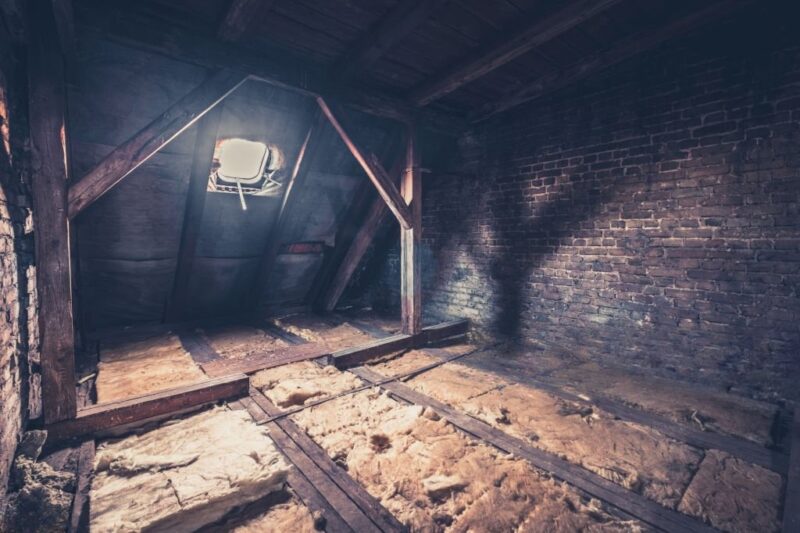
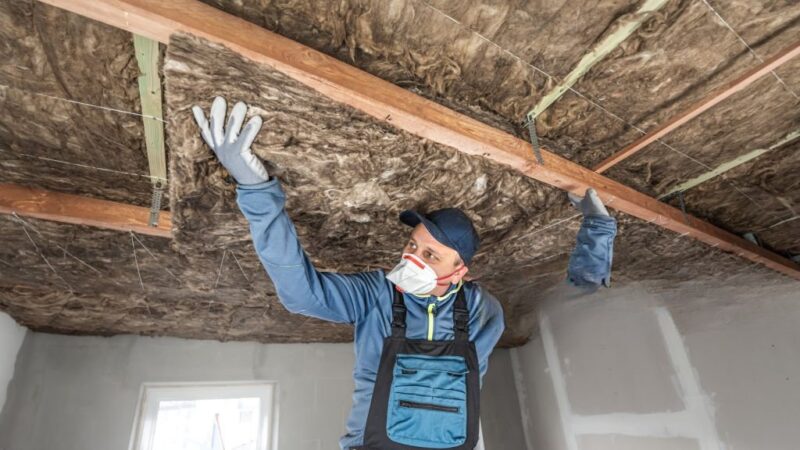
Visible areas of thin, settled, or uneven insulation may indicate that portions of the attic are not receiving consistent thermal coverage. Bare spots and significant differences in insulation depth can create areas where heat moves more easily through the ceiling. An inspection can determine the existing insulation level and whether adding material is appropriate.
6. Insulation Is Compressed or Damaged
Insulation can become compressed or damaged because of remodeling work, storage activity, moisture, pests, or other attic activity. Compression can reduce the effective performance of some insulation materials, while damaged material may no longer provide the intended coverage. Depending on its condition, existing insulation may need to be repaired, supplemented, or removed before new insulation is installed.
7. Attic Feels Excessively Hot
It is normal for an attic to become hot during Florida’s summer weather, particularly in a vented attic exposed to direct solar heat. However, an unusually hot attic combined with comfort problems below may warrant an evaluation of insulation, ventilation, air sealing, and the overall attic assembly. Attic temperature alone does not determine whether additional insulation is needed.
8. Drafts Occur Around Attic Access Points
Gaps around attic hatches, access doors, or other penetrations can allow air to move between the attic and conditioned spaces. These leaks can transfer heat and humidity and may reduce the effectiveness of the insulation system. Properly sealing appropriate access points can help limit uncontrolled air movement while maintaining necessary ventilation and building-safety requirements.
9. Moisture or Condensation Is Present
Moisture, condensation, musty odors, or visibly damp insulation should be addressed before simply adding more insulation. Possible causes include roof or plumbing leaks, duct condensation, high indoor humidity, inadequate ventilation, or air leakage. Wet insulation can lose performance and may contribute to broader building concerns, so identifying and correcting the moisture source should be a priority.
How Attic Insulation Works With Your HVAC System
Attic insulation and HVAC performance are closely connected because both influence how efficiently a Florida home manages heat. Proper insulation can help slow heat transfer into conditioned spaces, while a properly maintained HVAC system provides the cooling needed to maintain comfortable indoor temperatures. However, insulation should be viewed as one part of a larger home-comfort strategy rather than a replacement for proper HVAC maintenance and repairs.
Attic Heat Can Increase Cooling Demand
During Florida’s hot weather, heat can move from the attic through the ceiling and into the living spaces below. This additional heat gain can contribute to higher indoor temperatures, longer AC runtimes, and greater HVAC workload as the system works to maintain the desired temperature. Adequate attic insulation can help slow this heat transfer, potentially reducing the amount of heat the cooling system needs to remove. The actual impact depends on the home’s existing insulation, construction, HVAC system, air leakage, weather, and other factors.
Attic Ductwork Can Affect Comfort
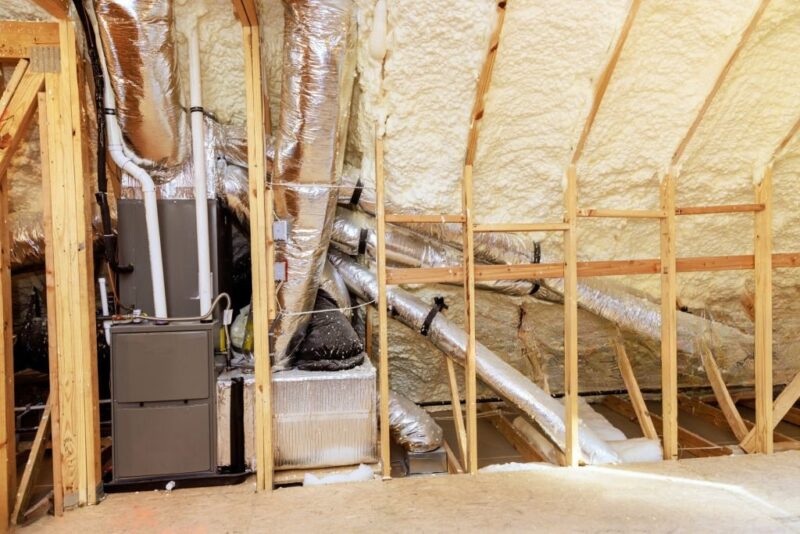
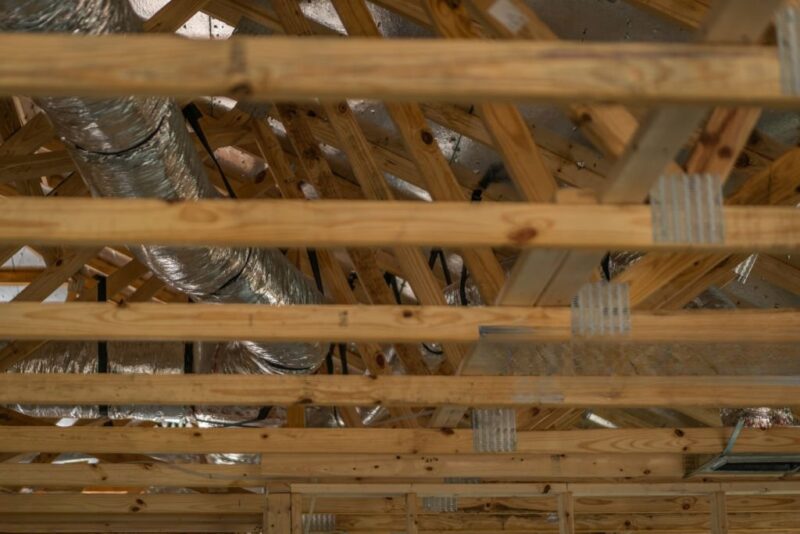
Ductwork located in a hot attic is exposed to conditions that can affect cooling performance. Proper duct insulation can help reduce unwanted heat transfer, while duct leakage can allow conditioned air to escape before it reaches the rooms it is intended to cool. When ducts are poorly insulated or leaking in a hot attic, the HVAC system may have to work harder to deliver the expected cooling. Addressing duct conditions alongside attic insulation can therefore be important when investigating comfort problems or inconsistent temperatures.
HVAC Maintenance Still Matters
Even with properly installed attic insulation, the HVAC system needs regular maintenance to perform effectively. Filter replacement, coil cleaning, condensate drain maintenance, airflow checks, and refrigerant and system-performance checks can help identify conditions that may affect cooling performance. Regular maintenance can also help detect problems before they contribute to poor comfort or excessive system runtime. Insulation and HVAC maintenance work together, with each addressing a different part of the home’s overall cooling performance.
Insulation Cannot Fix Every HVAC Problem
Adding attic insulation will not resolve every reason an AC system may struggle to cool a home. Poor airflow, duct leakage, refrigerant problems, improper equipment sizing, and aging equipment can all contribute to comfort issues and extended runtimes. If a home continues to experience hot rooms or inconsistent cooling after insulation improvements, the HVAC system and ductwork may need further evaluation. Looking at the attic, building envelope, and HVAC system together can help identify the actual source of the problem and avoid unnecessary upgrades.
Why Professional Attic Insulation Services Matter
Attic insulation is most effective when it is treated as part of the home’s overall thermal and mechanical performance rather than as an isolated upgrade. A professional evaluation can identify existing conditions that may affect insulation performance and help determine whether insulation is actually the appropriate solution. This approach can also uncover related issues involving air leakage, moisture, ductwork, HVAC performance, or indoor air quality.
Whole-Attic Evaluation
A professional assessment looks beyond the amount of insulation currently in place. The evaluation may consider existing insulation, air sealing, ventilation, moisture conditions, and ductwork to understand how the attic is performing as a whole. This can help identify gaps, compressed or damaged insulation, blocked ventilation pathways, air leaks, moisture problems, or ductwork concerns that could affect comfort and cooling performance.
Proper Insulation Selection
The right insulation depends on more than choosing a material with a high R-value. A professional can consider the appropriate material, target R-value, installation location, and existing attic assembly when developing an insulation strategy. Vented and unvented attics, attic-floor applications, and roofline applications can have different requirements, so the insulation approach should be compatible with the home’s design and applicable building requirements.
Coordination With HVAC Performance
Attic insulation can influence the amount of heat the HVAC system needs to overcome, but it is only one component of cooling performance. A professional evaluation can consider cooling demand, ductwork, airflow, and equipment condition when assessing comfort concerns. If the underlying problem is caused by leaking ducts, restricted airflow, or an HVAC issue, adding insulation alone may not provide the expected improvement.
Identification of Related Home-Comfort Issues
A professional attic evaluation may also reveal issues that extend beyond insulation, including air leakage, humidity, inconsistent insulation coverage, HVAC performance, and indoor air quality concerns. Identifying these factors can help homeowners prioritize the improvements that make sense for their property instead of investing in a single solution without addressing the underlying cause. A whole-home approach can provide a clearer picture of how the attic, HVAC system, and living environment work together.
Why Florida Homeowners Trust Dale’s AC
Attic insulation is closely connected to your home’s HVAC performance, comfort, moisture management, and building envelope. At Dale’s AC, we take these factors into account when evaluating your home rather than treating insulation as a standalone improvement. Our goal is to help homeowners understand their options and choose solutions that fit their property’s actual conditions.
Serving Southwest Florida Since 1974
Dale’s AC has been serving Southwest Florida since 1974, giving our team decades of experience working with the region’s hot temperatures, humidity, and long cooling seasons. That local experience helps us understand the challenges Florida homeowners can face and how attic conditions can affect overall home comfort.
Professional Attic Insulation Evaluations
Before recommending an insulation solution, we can evaluate the attic’s existing conditions, including insulation coverage, air leakage, ventilation, moisture, and ductwork. This helps determine whether your home would benefit from additional insulation or whether another issue should be addressed first.
HVAC and Building-Envelope Considerations
Attic insulation works as part of the home’s larger building envelope and can influence cooling demand. We consider insulation alongside HVAC performance, ductwork, airflow, and air sealing to help identify factors that may be affecting comfort. This whole-home perspective can help prevent homeowners from investing in insulation when an HVAC or building-envelope issue is actually responsible for the problem.
Air Sealing and Home Comfort Solutions
Insulation and air sealing serve different purposes, but they can work together to improve the home’s thermal performance. We can help identify appropriate areas where unwanted air movement may be affecting comfort, including gaps and penetrations between the attic and conditioned spaces. Addressing these areas as part of an overall strategy can help your insulation perform more effectively.
FAQs About Attic Insulation in Florida Homes
Is Spray Foam Better Than Blown-In Insulation?
Neither option is automatically better for every Florida home. Spray foam can provide both insulation and air-sealing properties, making it useful for certain attic assemblies and roofline applications. Blown-in insulation can provide consistent coverage across attic floors when properly installed. The best choice depends on the attic design, existing insulation, moisture conditions, target R-value, available space, and project goals. A professional evaluation can help determine which approach is appropriate.
Does Attic Insulation Lower AC Bills?
Attic insulation can potentially reduce cooling demand by slowing heat transfer from the hot attic into conditioned living spaces. This may contribute to lower energy use, particularly when existing insulation is insufficient. However, savings vary based on factors such as home size, HVAC efficiency, ductwork, air leakage, thermostat settings, weather, and insulation levels. Insulation should therefore be viewed as an energy-efficiency improvement rather than a guarantee of a specific reduction in AC bills.
How Often Should Attic Insulation Be Inspected?
There is no universal inspection schedule that applies to every home. An attic should be evaluated when homeowners notice signs such as uneven temperatures, unusually high cooling demand, damaged or displaced insulation, moisture, pest activity, or changes following remodeling. It can also make sense to inspect the attic when purchasing a home or planning insulation upgrades. Periodic professional assessments can help identify problems before they significantly affect comfort or building performance.
How Long Does Attic Insulation Last?
The service life of attic insulation depends on the material, installation quality, attic conditions, and exposure to moisture, pests, or physical disturbance. Properly installed insulation can remain effective for many years, but it may require attention if it becomes wet, compressed, contaminated, damaged, or displaced. Rather than replacing insulation based solely on age, homeowners should evaluate its current condition, coverage, and performance.
Should Attic Insulation and Air Sealing Be Done Together?
They often should be considered together because insulation and air sealing address different aspects of attic performance. Insulation slows heat transfer, while air sealing helps reduce uncontrolled movement of air through gaps and penetrations. Addressing appropriate air leaks before installing or adding insulation can help create a more effective thermal barrier. However, the specific approach depends on the home’s construction, attic assembly, ventilation requirements, and existing conditions.
Don’t let Your Attic Sweat Your AC—Call Dale’s AC!
Proper attic insulation can play an important role in helping Florida homes manage heat, maintain more consistent indoor temperatures, and reduce unnecessary cooling demand. However, insulation works best as part of a complete home-performance strategy that also considers air sealing, ventilation, ductwork, humidity, and HVAC performance. If you’re experiencing hot rooms, long AC runtimes, uneven temperatures, or other comfort concerns, a professional evaluation can help determine whether attic insulation in Port Charlotte is the right solution for your home.
At Dale’s AC as a leading HVAC company in Port Charlotte, we can help you look at the bigger picture, from AC maintenance in Port Charlotte and AC installation in Port Charlotte to AC replacement in Port Charlotte and air conditioning repair in Port Charlotte. We also provide residential HVAC services in Port Charlotte, Commercial HVAC services in Port Charlotte, and solutions related to Indoor air quality in Port Charlotte. If you’re considering home improvements, we can also discuss available financing options and help you determine which solutions make sense for your property. Call (941) 629-1712 or contact us today to schedule an evaluation and take the next step toward a more comfortable Florida home.