

Annual AC tune-ups are one of the most important yet often overlooked parts of home maintenance. Many homeowners only think about their air conditioning system when something goes wrong—usually during the hottest time of the year when reliable cooling matters most. But waiting until your system shows signs of trouble can lead to higher repair costs, reduced efficiency, and unexpected breakdowns that leave your home uncomfortable when you need cool air the most. Just like a car performs better with regular servicing, your air conditioner also benefits from routine professional maintenance to keep it running smoothly and efficiently.
A yearly AC tune-up does far more than simply “check if the system works.” It includes a full inspection, cleaning, performance testing, and preventive adjustments that help your system operate at peak condition. Regular tune-ups improve energy efficiency, extend equipment lifespan, reduce the likelihood of costly repairs, and improve overall indoor comfort by maintaining consistent cooling and better humidity control. Whether your AC system is brand new or several years old, annual maintenance is a smart investment that protects your cooling system, lowers long-term operating costs, and helps ensure dependable performance season after season.
What Is an Annual AC Tune-Up?
An annual AC tune-up is a professional maintenance service designed to keep your air conditioning system running efficiently, safely, and reliably. Rather than waiting for your AC to develop problems, a tune-up focuses on inspecting, cleaning, and optimizing the system before issues appear. This preventive service helps identify small concerns early, improves performance, and reduces unnecessary wear on key components. Annual tune-ups are one of the most effective ways to protect your cooling system and ensure it performs at its best when temperatures rise.
Definition of an AC Tune-Up
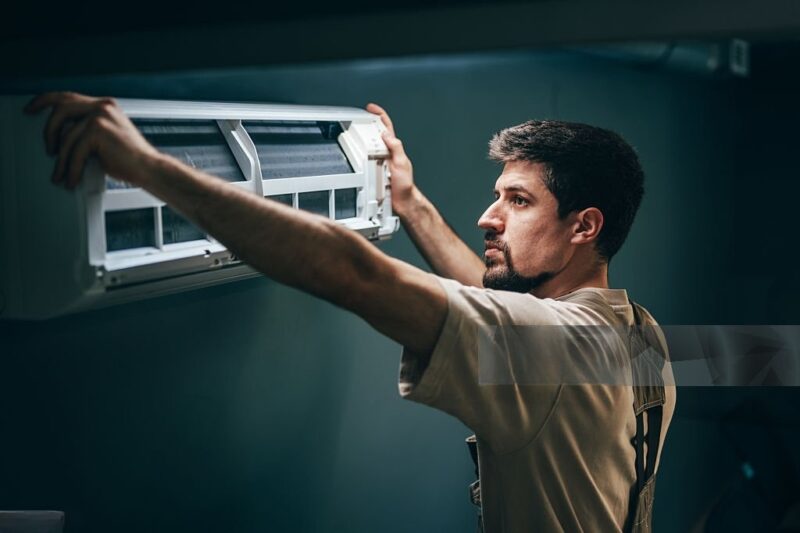
An AC tune-up is a complete professional inspection and maintenance service that goes well beyond basic homeowner upkeep. While changing filters and clearing debris around the outdoor unit are important routine tasks, a tune-up involves a deeper evaluation of the entire system. HVAC technicians inspect internal components, clean critical parts, test operating performance, and make adjustments that improve efficiency and reliability. The goal is to optimize how the system runs, reduce strain on equipment, and catch developing issues before they turn into expensive repairs or sudden breakdowns.
What’s Included in a Tune-Up
A professional AC tune-up typically includes a thorough checklist of maintenance tasks designed to improve performance and system health. This often starts with thermostat calibration to ensure accurate temperature readings and proper cycling. Technicians check refrigerant levels to confirm the system can cool efficiently and inspect electrical connections for loose wires or signs of wear. They test capacitors, motors, and moving parts to identify components that may be weakening over time. Coil cleaning helps improve heat transfer, while drain line cleaning prevents moisture buildup and clogs. Airflow measurements are taken to ensure balanced circulation throughout the home, moving parts may be lubricated to reduce friction, and safety controls are tested to confirm the system shuts down properly if unsafe conditions occur. Together, these steps help restore efficiency and improve long-term reliability.
Difference Between Tune-Ups and Repairs
The biggest difference between tune-ups and repairs is that tune-ups are preventive, while repairs are reactive. A tune-up is scheduled maintenance performed to keep your AC system operating smoothly and to prevent problems from developing. Repairs, on the other hand, happen after something has already gone wrong—such as a failed capacitor, refrigerant leak, electrical issue, or compressor problem. Because annual maintenance helps identify weak components, restricted airflow, dirty coils, and other early warning signs, it greatly reduces the likelihood of unexpected breakdowns. In many cases, consistent tune-ups help homeowners avoid costly repairs altogether or significantly reduce how often repairs are needed.
Improves Energy Efficiency
One of the biggest benefits of annual AC tune-ups is improved energy efficiency. Over time, dust buildup, worn parts, airflow restrictions, and small performance issues can make your air conditioner work much harder than necessary just to maintain the same level of comfort. When the system has to run longer or cycle more frequently, it uses more electricity, increases wear on components, and raises monthly cooling costs. A professional tune-up restores system efficiency by cleaning critical components, optimizing airflow, and making sure everything is operating as designed. The result is a system that cools more effectively while using less energy.
Cleaner Components Run Better
Clean components are essential for efficient AC performance. When air filters become clogged, airflow is restricted, forcing the system to run longer cooling cycles just to move enough conditioned air throughout the home. Dirty evaporator and condenser coils also reduce the system’s ability to absorb and release heat, making cooling less effective and increasing strain on the compressor. Dust buildup on moving parts and internal components can further reduce performance over time. Regular tune-ups remove this buildup, improve airflow, and allow the entire system to operate with less resistance. When your AC doesn’t have to work as hard, it runs more efficiently and experiences less wear and tear.
Lower Monthly Utility Bills
An efficient air conditioner uses less electricity to cool your home, which translates directly into lower utility bills. When your system is clean, properly charged with refrigerant, and operating with balanced airflow, it reaches desired temperatures faster and cycles off sooner. This reduces energy consumption without sacrificing comfort. Even modest efficiency improvements can lead to noticeable savings over the course of a cooling season. Over multiple years, those monthly savings add up significantly, helping offset the cost of annual maintenance while reducing long-term operating expenses.
Optimized Cooling Performance
Energy efficiency isn’t just about lower bills—it also improves overall cooling performance. A tuned-up AC system cools your home faster, maintains more consistent temperatures, and responds more accurately to thermostat settings. Rooms are less likely to experience hot spots, airflow becomes more balanced, and humidity control improves as the system operates at peak performance. Proper calibration and system adjustments also help prevent short cycling or unnecessary runtime, which improves comfort while minimizing wasted energy. When your AC is operating efficiently, you get better cooling performance with less effort from the system.
Extends the Life of Your AC System
An air conditioning system is a major investment, and most homeowners want to get as many years of reliable performance from it as possible. One of the best ways to maximize the lifespan of your AC unit is through annual tune-ups and consistent preventive maintenance. Just like routine servicing helps a vehicle last longer, regular AC maintenance helps your cooling system operate under less stress, prevents avoidable damage, and keeps major components functioning properly over time. By caring for your system before problems develop, you can significantly extend its service life and delay the need for a costly replacement.
Reduces Wear and Tear
Every time your air conditioner runs, its motors, compressor, fans, electrical components, and moving parts experience normal wear. When the system is dirty, poorly calibrated, or struggling with airflow restrictions, these components are forced to work harder and for longer periods, increasing strain and accelerating wear. Annual tune-ups reduce that stress by cleaning coils, replacing clogged filters, lubricating moving parts, and ensuring the system is running efficiently. When your AC operates smoothly and doesn’t have to overcompensate for neglected maintenance, key components experience less friction, lower operating stress, and slower long-term wear.
Prevents Premature Component Failure
Many major AC repairs begin as small issues that go unnoticed. Weak capacitors, loose electrical connections, refrigerant imbalances, dirty coils, and struggling fan motors can gradually worsen until a major component fails. Annual inspections help HVAC technicians catch these warning signs early and correct them before they lead to breakdowns. Preventing premature failure of expensive parts—especially the compressor, which is often one of the costliest components to replace—can add years to the life of your system. Proactive maintenance keeps small weaknesses from turning into major mechanical failures.
Protects Your HVAC Investment
Installing or replacing an air conditioning system is a significant expense, so protecting that investment should be a priority. Annual tune-ups help ensure your system continues operating close to manufacturer specifications, preserving performance, efficiency, and long-term reliability. A well-maintained AC system is more likely to reach or exceed its expected lifespan, giving homeowners greater value from their equipment purchase. Regular maintenance also helps delay system replacement, allowing you to get the maximum return on your HVAC investment before needing to upgrade to a new unit.
Prevents Costly Repairs
One of the most valuable benefits of annual AC tune-ups is the ability to prevent expensive repairs before they happen. Air conditioning systems rarely fail without warning—most major breakdowns begin as small mechanical or performance issues that gradually worsen over time. Without regular maintenance, these hidden problems can go unnoticed until they turn into costly repairs or complete system failure. Annual tune-ups give HVAC professionals the opportunity to inspect the system closely, identify developing concerns, and correct them early, saving homeowners money and avoiding unnecessary stress.
Identifies Small Problems Early
Routine AC inspections help uncover small issues before they become serious mechanical failures. Loose electrical wires, for example, can cause intermittent system operation, overheating, or damage to electrical components. Refrigerant leaks may begin small but can eventually reduce cooling capacity, increase compressor strain, and lead to costly repairs if left untreated. Drain clogs can create moisture buildup, water damage, and mold growth, while weak capacitors may prevent motors from starting properly and can lead to sudden system shutdowns. Dirty coils also reduce efficiency and place added strain on the compressor. Catching and fixing these smaller issues during a tune-up is often far less expensive than dealing with the major repairs they can cause later.
Avoids Emergency Breakdowns
There’s never a convenient time for your AC to fail, but breakdowns are especially frustrating during the hottest months of the year when your system is working hardest. Mid-summer cooling failures can leave your home uncomfortable, create safety concerns during extreme heat, and often require emergency repair service, which typically comes at a higher cost. Annual tune-ups reduce the chances of unexpected breakdowns by making sure all critical components are functioning properly before peak cooling season begins. Preventive servicing helps identify weak points in the system and address them before they fail under heavy demand.
Reduces Repair Frequency
A well-maintained AC system generally requires fewer repairs over its lifespan. Because annual tune-ups keep components clean, properly adjusted, and operating efficiently, the system experiences less strain and fewer performance issues throughout the year. This means fewer service calls for common problems such as airflow restrictions, electrical malfunctions, drainage issues, or cooling inefficiencies. Over time, reduced repair frequency translates into lower maintenance costs, less disruption to your comfort, and greater confidence that your system will perform reliably when you need it most.
Improves Indoor Comfort
Annual AC tune-ups don’t just benefit your equipment—they directly improve how comfortable your home feels every day. A properly maintained air conditioning system cools more evenly, controls humidity more effectively, circulates air better, and supports cleaner indoor air. When your AC is operating at peak performance, your home becomes more consistently comfortable without overworking the system. This means fewer temperature swings, less sticky indoor air, and a healthier living environment overall.
More Consistent Cooling
One of the clearest signs of a well-maintained AC system is consistent cooling throughout the home. Without proper servicing, airflow restrictions, dirty coils, thermostat inaccuracies, or duct issues can cause certain rooms to feel warmer while others become too cold. This creates uneven comfort and constant thermostat adjustments. During an annual tune-up, technicians inspect airflow, clean components, and verify system performance to ensure conditioned air is being distributed evenly. The result is more balanced temperatures from room to room, fewer hot and cold spots, and a home that feels consistently comfortable no matter where you are.
Better Humidity Control
Air conditioners don’t just cool the air—they also remove excess moisture. This moisture control plays a huge role in indoor comfort, especially in humid climates where sticky, damp air can make a home feel warmer than it actually is. When an AC system is dirty, low on refrigerant, or not cycling properly, it may struggle to remove humidity effectively. Annual tune-ups help restore proper system function so it can dehumidify indoor air more efficiently. Better humidity control makes the air feel cooler and more comfortable, often allowing homeowners to set the thermostat slightly higher while still maintaining the same comfort level—helping save energy without sacrificing comfort.
Improved Airflow
Strong, balanced airflow is essential for comfort and efficient cooling. Dirty filters, clogged coils, blower issues, or duct restrictions can reduce airflow, causing weak cooling output and inconsistent temperatures throughout the home. Professional AC maintenance in Port Charlotte helps restore proper airflow by cleaning components, checking blower performance, inspecting ducts, and ensuring vents are delivering air as intended. Better circulation means cooled air reaches every room more effectively, cooling happens faster, and the system doesn’t need to run as long to maintain indoor comfort.
Cleaner Indoor Air
A well-maintained AC system also contributes to healthier indoor air quality. Clean filters, coils, and drain lines reduce the circulation of dust, pollen, pet dander, mold spores, and other airborne contaminants that can build up in neglected systems. This is especially beneficial for households with allergies, asthma, or respiratory sensitivities. Proper humidity control also helps reduce mold and mildew growth, which can impact air quality and create musty odors. By keeping the system clean and functioning efficiently, annual tune-ups help create a fresher, healthier breathing environment for everyone in the home.
Protects Indoor Air Quality
Your air conditioning system plays a major role in the quality of the air you breathe inside your home. While most homeowners think of AC primarily as a cooling system, it also helps filter airborne particles, regulate humidity, and circulate fresh, conditioned air throughout the house. When the system is clean and properly maintained, it supports a healthier indoor environment. But when filters, coils, and drain components are neglected, your AC can begin circulating dust, allergens, moisture, and unpleasant odors. Annual AC tune-ups help keep the system clean and operating properly, which directly improves indoor air quality and overall comfort.
Cleaner Filters and Coils
Clean filters and coils are essential for maintaining healthy indoor air. Air filters trap dust, pollen, pet dander, and other airborne particles before they circulate through your home, while clean evaporator coils prevent dirt buildup inside the system. Over time, clogged filters and dirty coils can allow contaminants to build up and recirculate through your ductwork, increasing indoor dust levels and reducing air quality. Regular maintenance keeps these components clean, improves airflow, and helps your system filter indoor air more effectively, creating a cleaner and fresher home environment.
Prevents Mold and Mildew Growth
Moisture is a natural part of air conditioning, but if that moisture isn’t managed properly, it can create ideal conditions for mold and mildew growth. Clogged condensate drain lines, standing water, and dirty evaporator coils can all trap moisture inside the system, leading to microbial buildup that affects both air quality and system performance. Annual tune-ups include drain line cleaning and moisture inspections that help keep condensation flowing properly and prevent excess water from accumulating. Good moisture management reduces the risk of mold growth, improves indoor humidity control, and helps maintain a healthier indoor environment.
Removes Odor Sources
Unpleasant odors coming from your AC system are often signs of underlying maintenance issues. Musty smells commonly develop from mold, mildew, or bacteria buildup in coils, drain pans, or ductwork, especially in humid conditions. Burning odors may indicate overheating electrical components, loose wiring, or failing motors—issues that can become serious if left unaddressed. During an annual tune-up, HVAC technicians inspect for these odor sources, clean contaminated components, and identify electrical problems early before they worsen. This not only improves system safety but also keeps your home smelling cleaner and fresher.
Helps Maintain Manufacturer Warranty
Your air conditioner is a major investment, and manufacturer warranties are designed to protect that investment by covering certain parts or equipment failures within a specified period. However, many homeowners don’t realize that warranty coverage often comes with conditions—one of the most common being regular professional maintenance. Skipping annual tune-ups may not only increase the risk of breakdowns but could also create complications if you ever need to file a warranty claim. Keeping up with scheduled maintenance helps ensure your system stays eligible for coverage and gives you added peace of mind if problems arise.
Warranty Requirements
Many HVAC manufacturers include maintenance requirements in their warranty terms. While coverage details vary by brand and equipment type, some warranties expect homeowners to have their system professionally serviced on a regular basis to keep coverage valid. This is because neglect can contribute to equipment failure, and manufacturers want assurance that the system has been properly cared for. Annual tune-ups help meet these maintenance expectations by ensuring your AC is inspected, cleaned, and operating according to manufacturer recommendations, reducing preventable damage caused by neglect.
Documentation of Service History
Keeping records of professional maintenance can be extremely valuable if a warranty claim needs to be filed. Service invoices, inspection reports, and maintenance records provide proof that your air conditioner has been properly maintained over time. This documentation can help support claims involving covered parts failures and reduce disputes over whether neglect contributed to the issue. Without a documented service history, homeowners may have a harder time proving they met warranty conditions. Routine tune-ups not only protect the system—they also create a clear maintenance record that supports future coverage claims.
Avoiding Coverage Issues
Neglecting routine maintenance can sometimes lead to denied warranty claims if the manufacturer determines that poor upkeep contributed to the failure. Dirty coils, clogged drain lines, refrigerant issues, or damaged electrical components caused by lack of maintenance may be viewed as preventable problems rather than covered defects. In these situations, homeowners may end up paying out of pocket for repairs that might otherwise have been covered. Annual professional tune-ups help avoid these coverage issues by keeping the system in good condition, identifying maintenance-related problems early, and demonstrating responsible care of your HVAC equipment.
What HVAC Technicians Check During a Tune-Up
A professional AC tune-up is much more than a quick inspection—it’s a detailed system evaluation designed to optimize performance, improve efficiency, and catch developing problems before they become costly repairs. HVAC technicians inspect multiple components that work together to keep your air conditioner operating properly. By testing performance, cleaning critical parts, and checking for wear, technicians help ensure your system runs safely, efficiently, and reliably throughout the cooling season.
Refrigerant Charge
Refrigerant is what allows your air conditioner to absorb heat from inside your home and release it outdoors. During a tune-up, HVAC technicians check refrigerant charge and system pressure to ensure levels are within the manufacturer’s recommended range. Low refrigerant can reduce cooling performance, increase energy use, and place excessive strain on the compressor, while overcharging can also reduce efficiency and damage components. Maintaining the correct refrigerant balance helps your AC cool efficiently, cycle properly, and operate under less stress.
Electrical Components
Your AC system relies on electrical components to start, operate, and shut down safely. During maintenance, technicians inspect wiring connections, tighten loose terminals, test voltage, and measure amperage draw to confirm motors and components are operating within normal ranges. Faulty electrical connections can cause overheating, inconsistent performance, or sudden breakdowns. Catching worn wiring, weak relays, or abnormal electrical readings early helps prevent larger failures and improves system safety.
Motors and Moving Parts
Blower motors, condenser fan motors, and other moving parts are essential to airflow and cooling performance. During a tune-up, technicians inspect these components for wear, unusual vibration, or signs of overheating. Bearings and moving parts may be lubricated where applicable to reduce friction and improve operation. Proper lubrication and early wear detection help reduce mechanical strain, improve efficiency, and prevent motor failures that can lead to costly repairs or complete system shutdown.
Evaporator and Condenser Coils
Both indoor evaporator coils and outdoor condenser coils are checked during maintenance because clean coils are critical for efficient heat transfer. Technicians inspect coils for dirt, buildup, corrosion, and signs of restricted airflow. Dirty coils make it harder for the system to absorb and release heat, forcing longer run times and increasing energy consumption. Cleaning and efficiency testing help restore proper heat exchange, improve cooling performance, and reduce strain on the compressor and other major components.
Drainage System
Your AC system removes moisture from indoor air, and that condensation must drain away properly. Technicians inspect the condensate drain line, drain pan, and related moisture-management components for clogs, algae buildup, standing water, or drainage restrictions. Blocked drain lines can cause water leaks, mold growth, unpleasant odors, and automatic system shutdowns triggered by overflow safety switches. Clearing the drainage system helps maintain healthy humidity control, protects indoor air quality, and prevents water-related damage.
Airflow and Duct Performance
Proper airflow is essential for even cooling and system efficiency. During a tune-up, technicians measure airflow output, inspect vents and registers, and evaluate duct performance for leaks, blockages, or circulation imbalances. Poor airflow can lead to hot and cold spots, weak cooling performance, higher energy use, and unnecessary strain on the blower system. By confirming proper circulation and vent output, technicians help ensure conditioned air is distributed evenly throughout the home, improving both comfort and efficiency.
Best Time to Schedule an AC Tune-Up
Timing matters when it comes to air conditioner maintenance. While annual tune-ups are beneficial at any point during the year, scheduling service at the right time can maximize the value of your maintenance visit. A well-timed tune-up ensures your system is clean, properly calibrated, and ready to handle heavy cooling demand before temperatures rise. It also gives HVAC technicians the chance to catch small issues early, when repairs are typically easier and less disruptive. Planning maintenance ahead of peak season helps your system perform better when you need it most.
Spring Is Ideal
Spring is widely considered the best time to schedule an AC tune-up because it prepares your cooling system before the summer heat arrives. During spring maintenance, technicians can inspect, clean, and optimize your system while it’s under lighter demand, ensuring it’s fully ready for the long cooling season ahead. This proactive timing helps identify worn components, refrigerant issues, airflow problems, or drainage concerns before they become serious under peak operating conditions. By the time summer temperatures climb, your AC system will already be running efficiently and reliably, reducing the risk of breakdowns during the hottest days of the year.
Early Service Prevents Peak-Season Delays
Scheduling maintenance early also makes it easier to secure a convenient appointment. Once summer begins, HVAC companies typically experience a surge in service calls for breakdowns, emergency repairs, and urgent cooling issues. This peak-season demand can lead to longer wait times for routine maintenance appointments. By scheduling your tune-up before the busy season starts, you avoid the rush, gain more flexibility in appointment times, and ensure any needed repairs can be completed before your system is heavily relied upon. Early service gives homeowners peace of mind knowing their system is prepared before cooling demand reaches its highest point.
Is Late Maintenance Better Than None?
Absolutely—late maintenance is still far better than skipping maintenance altogether. Even if summer has already started or your system has been running heavily, a professional tune-up can still improve efficiency, address developing issues, and help prevent breakdowns later in the season. Cleaning coils, checking refrigerant levels, inspecting electrical components, and restoring airflow can make an immediate difference in system performance. Maintenance at any time of year helps reduce strain on your equipment and extends system life. While spring may be ideal, the best time to schedule AC service is ultimately whenever your system needs attention.
Why Annual Tune-Ups Matter More in Florida
Annual AC tune-ups are important everywhere, but they’re especially critical in Florida, where air conditioning systems face much tougher operating conditions than in many other parts of the country. Between long cooling seasons, intense humidity, coastal salt exposure, and severe weather, Florida AC systems work harder and endure more environmental stress year-round. That extra workload increases wear on components, reduces efficiency faster, and raises the likelihood of breakdowns if maintenance is neglected. For Florida homeowners, annual tune-ups aren’t simply recommended—they’re essential for keeping cooling systems dependable, efficient, and long-lasting.
Longer Cooling Seasons
Unlike regions where air conditioners may only run heavily for a few months each year, Florida’s warm climate keeps AC systems running for extended periods—often most of the year. Longer operating seasons mean compressors, motors, fans, electrical components, and airflow systems accumulate wear much faster. The more hours a system runs, the greater the strain on moving parts and cooling components. Without regular tune-ups, dirt buildup, airflow restrictions, and mechanical wear can quickly reduce efficiency and shorten equipment lifespan. Annual maintenance helps offset this heavy workload by keeping the system clean, optimized, and ready for constant use.
Higher Humidity Levels
Florida’s humidity places added strain on air conditioning systems because AC units must work to remove moisture from the air in addition to cooling it. This extra dehumidification demand increases system runtime, creates more condensation, and places greater stress on evaporator coils, drain lines, and moisture management components. If the system isn’t properly maintained, clogged drain lines, mold buildup, dirty coils, and poor humidity control can quickly develop. Annual tune-ups help ensure your AC is effectively managing moisture, keeping indoor humidity balanced, improving comfort, and reducing the risk of mold, mildew, and indoor air quality issues.
Salt Air Exposure in Coastal Areas
For homes located near Florida’s coastline, salt air creates another challenge for AC systems. Salt particles carried by ocean breezes settle on outdoor condenser units, coils, electrical connections, and metal surfaces, accelerating corrosion and rust. Over time, corrosion can weaken components, reduce heat transfer efficiency, damage electrical systems, and shorten the life of outdoor equipment. Annual maintenance gives HVAC technicians the chance to inspect for early corrosion, clean exposed surfaces, and identify protective measures that help coastal systems last longer despite harsh environmental conditions.
Frequent Storms and Debris Exposure
Florida’s storm season can expose outdoor AC units to heavy rain, flooding, wind-driven debris, and fallen branches. Leaves, dirt, and storm debris can clog condenser coils, restrict airflow, or physically damage outdoor equipment. Flooding and standing water may also affect electrical components and create drainage issues. Even minor storm exposure can gradually reduce system efficiency if debris buildup is left unaddressed. Annual tune-ups help remove hidden buildup, inspect storm-related wear, verify electrical safety, and ensure the outdoor unit remains protected and operating properly after severe weather.
Maintenance Plans vs One-Time Tune-Ups
When it comes to caring for your air conditioner, homeowners often choose between enrolling in a maintenance plan or scheduling one-time tune-ups as needed. Both options can help keep your system in good working condition, but they offer different levels of convenience, protection, and long-term value. The right choice often depends on how proactive you want to be with system care, how often your AC runs, and whether you prefer a structured service schedule or occasional maintenance appointments. Understanding the differences can help you decide which option makes the most sense for your home and budget.
Benefits of Maintenance Memberships
Maintenance memberships offer a proactive and convenient approach to AC care. These plans typically include scheduled servicing, meaning you won’t have to remember when it’s time for your annual tune-up—appointments are often automatically arranged for you. Many plans also include priority repair service, which can be especially valuable during peak summer months when HVAC companies are busiest and wait times are longer. In addition, maintenance members often receive discounted repair rates, reduced service fees, or special pricing on parts and labor. Over time, these benefits can lead to meaningful savings while helping ensure your system receives consistent care year after year.
One-Time Tune-Ups
One-time AC tune-ups are a good option for homeowners who prefer flexibility or only schedule maintenance occasionally. With this approach, you book service when it’s convenient or when you feel your system needs attention. This can work well for newer systems, seasonal properties, or homeowners who are diligent about scheduling regular maintenance on their own. However, one-time servicing doesn’t typically include added perks like priority scheduling or discounted repair rates, and it can be easier to delay or forget maintenance altogether. While occasional tune-ups are still beneficial, consistency is key to getting the full long-term advantages of preventive maintenance.
Which Option Offers Better Long-Term Value
For most homeowners, maintenance plans tend to offer better long-term value because they combine routine care, added convenience, and financial savings. Scheduled tune-ups help keep the system consistently maintained, reducing breakdowns, improving efficiency, and extending equipment life. The added benefits—such as repair discounts and priority service—can also reduce overall HVAC costs over time. One-time tune-ups still provide valuable maintenance, but they rely more heavily on homeowners remembering to schedule service and may not offer the same level of protection or savings. If long-term reliability, convenience, and cost efficiency are priorities, a maintenance plan is often the smarter investment.
FAQs About AC Annual Tune-Ups
How often should I get an AC tune-up?
Most homeowners should schedule a professional AC tune-up at least once a year, ideally before the cooling season begins. Annual maintenance helps keep the system clean, efficient, and operating properly while allowing HVAC technicians to catch small problems early. In warmer climates such as Florida, where air conditioners run for extended periods and often work year-round, twice-yearly maintenance may provide even greater benefits. More frequent servicing can help manage wear and tear, improve energy efficiency, and reduce the risk of breakdowns in systems that operate under heavier demand.
What does an annual AC tune-up include?
A professional AC tune-up typically includes a full inspection, cleaning, and performance check of the system. Technicians often calibrate the thermostat, inspect refrigerant charge, check electrical connections, test capacitors and motors, clean evaporator and condenser coils, clear drain lines, inspect moving parts, measure airflow, and test safety controls. The goal is to ensure every major component is operating efficiently and safely. This detailed service helps optimize cooling performance, improve energy efficiency, and identify developing issues before they become expensive repairs.
Is an AC tune-up really necessary every year?
Yes, annual tune-ups are strongly recommended because even a properly functioning air conditioner gradually accumulates dirt, experiences normal wear, and can develop small issues that are not immediately noticeable. Without yearly maintenance, efficiency can decline, operating costs can rise, and minor mechanical problems may grow into major repairs. Regular tune-ups help keep the system performing close to manufacturer standards while extending equipment life and reducing unexpected service calls. Annual maintenance is one of the most effective ways to protect your AC investment over the long term.
How much does an AC tune-up cost?
The cost of an AC tune-up varies depending on the provider, the type of system, and what’s included in the service. Factors such as system size, accessibility, and whether additional cleaning or minor adjustments are needed can affect pricing. While there is an upfront maintenance cost, tune-ups often save homeowners money over time by improving efficiency, lowering monthly utility bills, reducing repair frequency, and helping prevent expensive emergency breakdowns. Many homeowners also choose maintenance plans, which may offer scheduled servicing and discounted repair rates for added value.
Can annual maintenance prevent breakdowns?
While no maintenance program can guarantee that a system will never fail, annual tune-ups greatly reduce the likelihood of unexpected breakdowns. Many AC failures happen because of issues that build up gradually—such as dirty coils, loose electrical connections, refrigerant leaks, weak capacitors, or clogged drain lines. Routine inspections allow technicians to identify and correct these problems early before they lead to system shutdowns or major repairs. Preventive maintenance is one of the best ways to improve reliability and reduce the chances of losing cooling during peak summer heat.
What happens if I skip yearly AC service?
Skipping annual AC maintenance can lead to reduced efficiency, higher energy bills, declining cooling performance, and increased wear on major components. Dirt buildup on filters and coils can restrict airflow and force the system to work harder, while unnoticed electrical issues, refrigerant problems, or drainage clogs can quietly worsen over time. Eventually, neglected systems are more likely to experience breakdowns, costly repairs, and shorter equipment lifespan. In some cases, skipping required maintenance may also affect manufacturer warranty coverage. What seems like saving money upfront can often lead to greater long-term costs.
Is spring the best time for a tune-up?
Yes, spring is generally the best time to schedule an AC tune-up because it prepares your system before heavy summer demand begins. A spring tune-up ensures the system is clean, calibrated, and ready to handle long cooling cycles efficiently. It also gives technicians time to identify and fix any issues before peak season arrives, when HVAC companies are often busiest with repair calls. That said, maintenance is beneficial any time of year—if you missed spring service, it’s still worthwhile to schedule a tune-up rather than wait until a problem develops.
Give Your AC a Tune-up, Not a Tough Time!
Annual AC tune-ups are one of the smartest investments you can make in your home’s comfort, efficiency, and long-term HVAC performance. Regular maintenance helps your air conditioner run more efficiently, lowers energy costs, improves indoor air quality, reduces the likelihood of costly breakdowns, and extends the life of your system. From cleaner coils and stronger airflow to better humidity control and early problem detection, yearly tune-ups keep your AC operating at peak condition when you need it most. In a warm climate like Florida, where cooling systems work hard for much of the year, consistent professional maintenance becomes even more important for protecting your comfort and avoiding unexpected repair expenses.
If you want your air conditioner to stay efficient, dependable, and ready for every cooling season, Dale’s AC is a trusted HVAC company in Port Charlotte and is here to help with professional tune-ups and expert system care you can trust. We’ll thoroughly inspect your AC, clean key components, check performance, and catch small issues before they turn into expensive repairs or sudden breakdowns. We also offer AC installation in Port Charlotte, AC replacement in Port Charlotte, air conditioning repair in Port Charlotte, residential HVAC services in Port Charlotte, commercial HVAC services in Port Charlotte, reliable indoor air quality in Port Charlotte, and attic insulation in Port Charlotte. Whether your system needs its annual maintenance visit or you want to set up ongoing service for year-round peace of mind, we’re ready to keep your cooling system in top shape. Call us today at (941) 629-1712 or contact us, and let’s give your AC the tune-up it deserves so your home stays cool, comfortable, and worry-free.