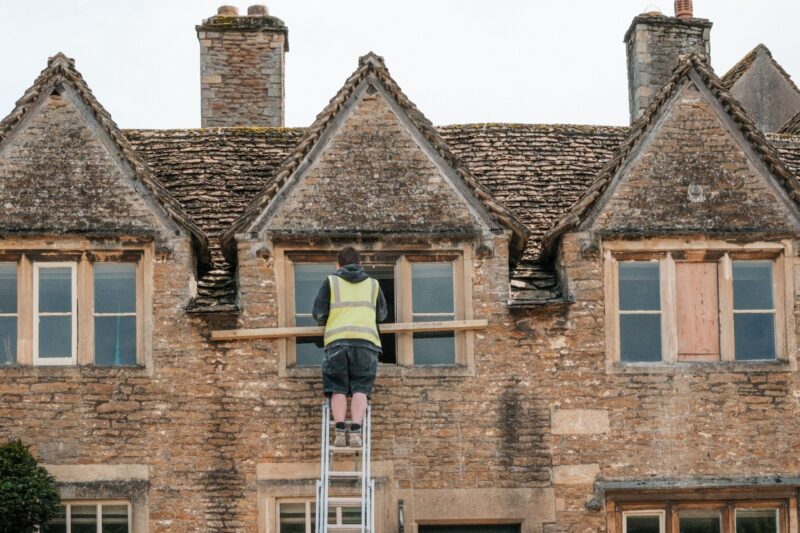


Older homes offer charm, character, and craftsmanship that many newer houses simply cannot replicate. However, when it comes to staying cool during Florida’s long, hot summers, these homes often present unique challenges. Aging insulation, outdated ductwork, limited ventilation, drafty windows, and older construction methods can make it difficult for air conditioning systems to maintain consistent indoor comfort. As a result, homeowners may experience uneven temperatures, high humidity levels, rising energy bills, and rooms that never seem to cool properly.
The good news is that there are many effective cooling solutions available for older homes. From improving insulation and sealing air leaks to upgrading HVAC equipment or installing ductless systems, the right approach can significantly improve comfort and efficiency without sacrificing the character of your home. In this guide, we’ll explore the most common cooling challenges found in older homes, discuss practical ways to improve performance, and help you determine which cooling solutions may work best for your Florida property.
Why Cooling Older Homes Can Be Challenging
Cooling older homes can be more complicated than cooling newer properties because the structure was often built before modern HVAC systems, insulation standards, and energy efficiency practices became common. Many older homes were designed around natural ventilation, shaded windows, high ceilings, or smaller room layouts rather than central air conditioning. While these features add charm and character, they can also make it harder to maintain steady indoor comfort during Florida’s long cooling season.
How Older Homes Were Built Differently
Older homes often have construction features that differ from newer, energy-efficient houses. They may have thicker walls, original windows, crawl spaces, high ceilings, smaller rooms, limited attic insulation, or framing that was not designed for modern ductwork. Some older homes were built to encourage natural airflow instead of mechanical cooling. As a result, adding or improving air conditioning may require a more customized approach that respects the home’s structure while improving comfort.
Common Airflow and Ventilation Limitations
Airflow problems are common in older homes because vents, ducts, and return air pathways may be limited or poorly placed. Some rooms may receive too much conditioned air while others barely cool at all. Closed-off layouts, narrow hallways, older ductwork, and limited return vents can make it difficult for cool air to circulate evenly. Without proper airflow, the AC system may run longer while certain rooms remain warm or humid.
Aging Insulation and Energy Efficiency Issues
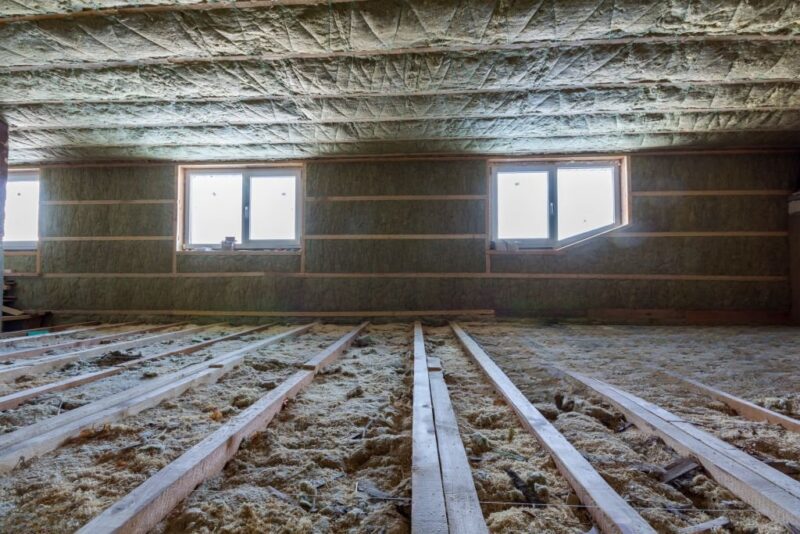
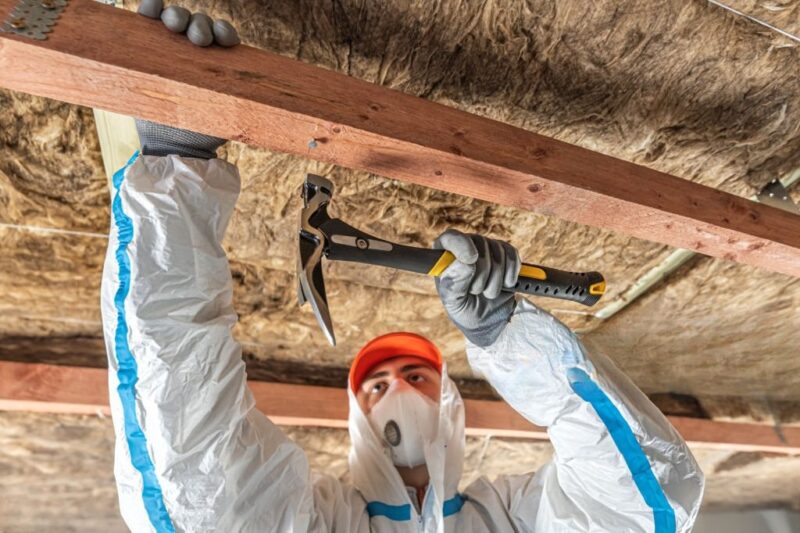
Many older homes have insulation that is thin, settled, damaged, or missing in key areas such as attics, walls, and crawl spaces. Poor insulation allows heat to enter the home more easily and makes cooled air harder to retain. Drafty windows, air leaks, and older building materials can also reduce efficiency. When the home gains heat quickly, the AC system has to work harder to maintain the thermostat setting, which can lead to higher energy bills and uneven comfort.
Why Florida Heat Creates Additional Challenges
Florida’s heat and humidity make cooling older homes even more difficult. Long cooling seasons, strong sunlight, high moisture levels, and frequent AC use place extra demand on both the home and the HVAC system. If an older home has air leaks, weak insulation, aging ducts, or an undersized system, those issues become more noticeable during hot and humid weather. Addressing these challenges often requires a combination of HVAC improvements, insulation upgrades, air sealing, and humidity control solutions.
6 Common Cooling Problems in Older Homes
1. Uneven Temperatures Between Rooms
Uneven temperatures are one of the most common cooling complaints in older homes. One room may feel comfortable while another stays warm, especially if the home has an older duct layout, limited return vents, air leaks, or rooms with more sun exposure. Closed-off floor plans can also make it harder for cooled air to circulate. Solving uneven temperatures may involve ductwork improvements, airflow balancing, insulation upgrades, or adding targeted cooling solutions.
2. Hot Spots in Upper Floors and Attics
Upper floors and attic-adjacent rooms often become hotter because heat rises and attic spaces can trap intense warmth during the day. If attic insulation is thin or damaged, that heat can move into the living areas below and make the AC work harder. Bedrooms, bonus rooms, and upstairs spaces may feel warmer even when the thermostat is set correctly. Improving attic insulation, ventilation, and airflow can help reduce these hot spots.
3. High Humidity Levels Indoors
Older homes can struggle with indoor humidity because of air leaks, poor insulation, outdated HVAC equipment, or systems that are not properly sized. In Florida, high humidity can make a home feel sticky and warmer than the thermostat reading suggests. If the AC cools the air but does not remove enough moisture, comfort will still suffer. Humidity control solutions, proper AC sizing, duct sealing, and regular maintenance can help create a drier and more comfortable indoor environment.
4. Weak Airflow From Existing HVAC Systems
Weak airflow may come from aging ductwork, dirty filters, blocked vents, undersized ducts, blower motor issues, or poor system design. In older homes, duct systems may have been added after the home was built, which can lead to awkward routing or limited airflow to certain areas. Weak airflow makes rooms harder to cool and can increase system runtime. A professional inspection can help determine whether the issue is with the AC equipment, ducts, or home layout.
5. Rising Energy Bills During Summer
If energy bills climb sharply during the summer, the home may be losing cooled air or gaining heat too quickly. Drafty windows, poor insulation, leaky ducts, and older AC equipment can all force the system to run longer than necessary. In Florida’s long cooling season, these efficiency problems can become expensive. Improving air sealing, insulation, thermostat habits, and HVAC maintenance can help reduce wasted energy.
6. Outdated Cooling Equipment
Older cooling equipment may not be able to keep up with modern comfort expectations or Florida’s heavy cooling demands. Aging AC systems often lose efficiency, require more repairs, and struggle with airflow or humidity control. If the system is near the end of its lifespan, replacement with a properly sized, energy-efficient unit may provide better comfort and lower long-term operating costs.
Evaluating Your Existing Cooling System
Before choosing a new cooling solution for an older home, it is important to understand how well the current system is performing. Sometimes the air conditioner itself is the main problem, but in many older homes, comfort issues are also connected to ductwork, insulation, airflow, air leaks, or poor system sizing. A full evaluation can help determine whether your existing system needs maintenance, repairs, efficiency improvements, or replacement.
Determining the Age of Your AC System
The age of your AC system is one of the first things to review. Older systems are more likely to lose efficiency, need frequent repairs, and struggle with Florida’s long cooling season. If your unit is 10 to 15 years old or older, it may be nearing the point where replacement becomes more practical than continued repairs. However, age alone does not tell the whole story. A well-maintained system may still perform well, while a neglected system may decline much sooner.
Assessing Cooling Performance
Cooling performance should be measured by more than whether the system turns on. Pay attention to how long it takes to cool the home, whether rooms stay comfortable, how well the system handles humidity, and whether the thermostat setting matches how the home feels. If the AC runs constantly, struggles during peak heat, or leaves the home feeling damp and uneven, the system may need professional evaluation.
Identifying Airflow Restrictions
Airflow restrictions can make an older home difficult to cool even when the AC equipment is working. Dirty filters, blocked vents, weak blower motors, closed-off rooms, leaky ducts, or poorly designed duct runs can all limit airflow. Weak airflow may show up as rooms that never cool properly, vents that barely blow air, or longer cooling cycles. Identifying these restrictions can help improve comfort without immediately replacing the entire system.
Inspecting Ductwork and Vent Placement
Ductwork is often a major factor in older home cooling problems. Some older homes have duct systems that were added after the home was built, which can lead to awkward layouts, long duct runs, poor vent placement, or limited return airflow. Leaky, crushed, disconnected, or poorly insulated ducts can waste cooled air before it reaches the living space. Inspecting ductwork and vent placement helps determine whether the issue is the AC system, the air distribution system, or both.
Recognizing Signs Your System Is Undersized or Oversized
An improperly sized AC system can cause comfort and efficiency problems. An undersized system may run constantly and still fail to cool the home, especially during Florida’s hottest days. An oversized system may cool too quickly, shut off before removing enough humidity, and leave the home feeling clammy. In older homes, sizing problems can be complicated by insulation, air leaks, window condition, and ductwork design, so professional load calculations are important before replacing or upgrading equipment.
Improving Cooling Efficiency Without Replacing Your AC
Many older homes can become noticeably more comfortable without the expense of a full AC replacement. While upgrading equipment may eventually be necessary, there are several practical steps homeowners can take to improve cooling performance, reduce energy waste, and help the existing system work more effectively. Small improvements to maintenance, airflow, insulation, and heat management can often deliver meaningful results, especially during Florida’s long cooling season.
Replace Air Filters Regularly
A clean air filter helps your AC move air more efficiently throughout the home. When filters become clogged with dust, pet hair, and debris, airflow is restricted, forcing the system to work harder to cool the house. This can lead to longer run times, higher energy bills, and reduced comfort. Homeowners should check their filters monthly and replace them as needed based on system usage, pets, indoor air quality concerns, and manufacturer recommendations.
Schedule Professional AC Maintenance
Routine AC maintenance in Port Charlotte helps identify small issues before they become larger problems. During a professional tune-up, technicians can clean coils, inspect electrical components, check refrigerant levels, clear drain lines, evaluate airflow, and verify overall system performance. Regular maintenance helps older systems operate more efficiently and may extend equipment life while improving comfort and reliability.
Upgrade to a Programmable or Smart Thermostat
A programmable or smart thermostat can help older homes cool more efficiently by reducing unnecessary AC operation. These devices allow homeowners to create schedules, adjust temperatures automatically, and optimize cooling based on occupancy patterns. Many smart thermostats also provide energy usage insights and remote access, making it easier to manage cooling costs while maintaining comfort.
Seal Air Leaks Around Doors and Windows
Older homes often have gaps and cracks around doors, windows, and other openings that allow cooled air to escape and warm outdoor air to enter. Sealing these air leaks with weatherstripping, caulk, or other air-sealing materials can help reduce heat gain and improve overall efficiency. By keeping conditioned air inside, the AC system may not need to work as hard to maintain comfortable temperatures.
Use Ceiling Fans to Improve Air Circulation
Ceiling fans do not lower the actual air temperature, but they can make rooms feel cooler by improving air circulation. Better airflow helps distribute conditioned air more evenly throughout the home and may allow homeowners to feel comfortable at slightly higher thermostat settings. In older homes with uneven temperatures, ceiling fans can be a simple and affordable way to improve comfort.
Reduce Heat Gain With Window Treatments
Windows can be a major source of heat gain, especially in older homes with single-pane glass or limited insulation. Closing blinds, curtains, shades, or solar window treatments during the hottest parts of the day can help block sunlight and reduce indoor temperatures. This simple step can lessen the cooling load on the AC system and make rooms more comfortable without requiring major home upgrades.
The Role of Insulation in Cooling Older Homes
Insulation plays a major role in how comfortable and efficient an older home feels during Florida’s hot weather. Even if the AC system is working properly, poor insulation can allow heat to enter the home and cooled air to escape. This forces the air conditioner to run longer and work harder to maintain the thermostat setting. Improving insulation can help stabilize indoor temperatures, reduce hot spots, support better humidity control, and make the home easier to cool overall.
Why Insulation Matters for Indoor Comfort
Insulation helps slow the transfer of heat between the outdoors, attic, crawl space, walls, and living areas. In summer, good insulation helps keep outdoor heat from moving into the home while helping conditioned air stay inside. Without enough insulation, rooms may heat up quickly, especially during peak sunlight hours. Better insulation can make indoor temperatures feel more consistent and reduce the need for constant thermostat adjustments.
Common Insulation Problems in Older Homes
Older homes may have insulation that is thin, settled, damaged, missing, or no longer performing well. Some homes were built before modern insulation standards, while others may have had insulation disturbed by renovations, pests, moisture, or age. Gaps around attic access points, wall cavities, crawl spaces, and duct areas can also allow heat and humidity to enter. These problems can make rooms feel warmer, increase AC runtime, and contribute to higher cooling costs.
Attic Insulation Upgrades
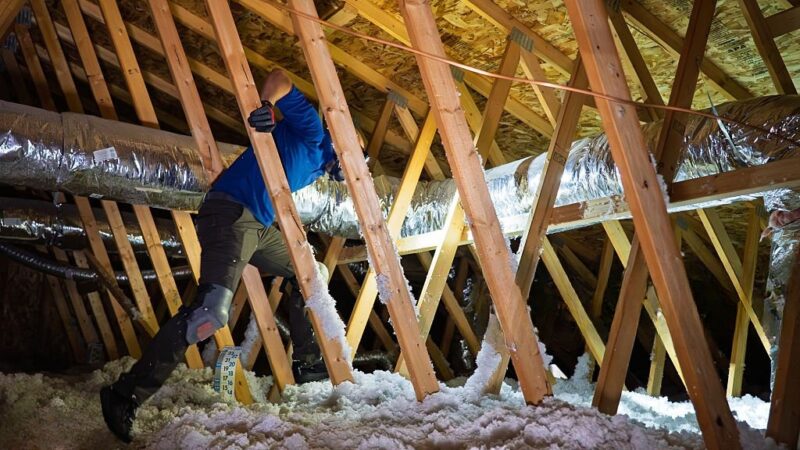
Attic insulation in Port Charlotte is especially important in Florida because attic spaces can become extremely hot during the day. If attic insulation is inadequate, heat can radiate into the living spaces below and make the AC work harder. Upgrading attic insulation can help reduce heat transfer, improve comfort in upstairs or ceiling-adjacent rooms, and support more efficient cooling. A professional inspection can determine whether the insulation level is sufficient or if blown-in insulation may be a good option.
Wall and Crawl Space Insulation Considerations
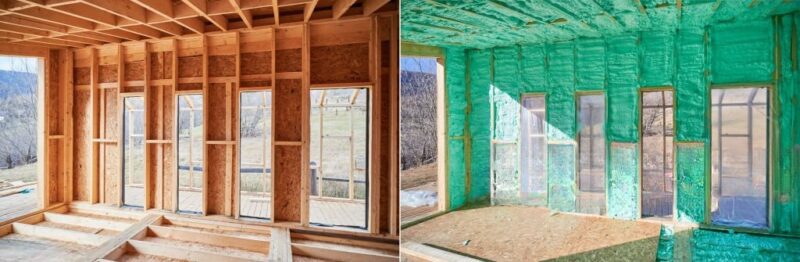
Walls and crawl spaces can also contribute to cooling loss in older homes. Poorly insulated walls may allow outdoor heat to move indoors, while crawl spaces can introduce warm, humid air if they are not properly sealed or insulated. Addressing these areas can help improve comfort, reduce drafts, and support better humidity control. Because older homes may have unique construction details, insulation upgrades should be planned carefully to avoid moisture issues or damage to existing materials.
Potential Energy Savings From Improved Insulation
Improved insulation can reduce the amount of work your AC system has to do, which may help lower energy use over time. When the home holds conditioned air more effectively, the system can run more efficiently and maintain comfort with less strain. While savings vary based on the home’s condition, AC system, ductwork, and thermostat habits, insulation upgrades are often one of the most effective ways to improve cooling performance in older Florida homes.
Ductwork Upgrades for Better Cooling Performance
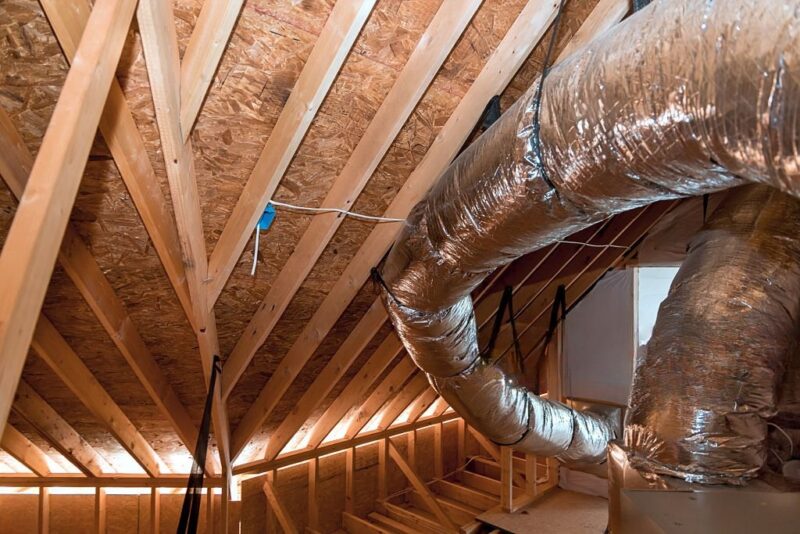
Ductwork plays a major role in how well an older home cools. Even with a strong AC system, damaged, leaky, poorly insulated, or poorly designed ducts can waste cooled air before it reaches the rooms that need it. In many older homes, ductwork may have been added after the home was built or modified over time, which can lead to uneven airflow, hot spots, and higher energy bills. Upgrading the duct system can help improve comfort, efficiency, and overall HVAC performance.
How Aging Ductwork Affects Comfort
Aging ductwork can make it difficult for cool air to move evenly throughout the home. Ducts may become loose, crushed, disconnected, rusted, or poorly sealed over time. When this happens, some rooms may receive too much airflow while others receive very little. In Florida homes, ducts located in hot attic spaces can also absorb heat, causing cooled air to warm up before it reaches the vents. These issues can leave the home feeling uneven, humid, and harder to cool.
Identifying Leaky or Damaged Ducts
Common signs of leaky or damaged ducts include weak airflow, uneven room temperatures, high energy bills, dusty rooms, musty odors, and an AC system that runs longer than normal. You may also notice that certain vents barely blow air or that some areas never feel comfortable. Because many duct problems are hidden in attics, crawl spaces, or walls, a professional duct inspection is often the best way to find leaks, disconnected sections, or damaged insulation.
Duct Sealing Benefits
Duct sealing helps keep conditioned air inside the duct system so it reaches your living spaces instead of escaping into the attic, crawl space, or wall cavities. Sealing leaks can improve airflow, reduce wasted energy, and help rooms cool more evenly. It can also support better humidity control by limiting the amount of hot, humid air entering the ductwork. For older homes, duct sealing is often one of the most effective upgrades for improving AC performance without replacing the entire system.
Duct Insulation Improvements
Duct insulation helps protect cooled air as it travels through hot or unconditioned spaces. This is especially important in Florida homes where ducts often run through attics that can become extremely hot during the day. If ducts are poorly insulated, cooled air can pick up heat before it reaches the rooms below. Improving duct insulation can help reduce cooling loss, improve supply air temperature, and make the AC system work more efficiently.
When Duct Replacement Makes Sense
Duct replacement may be necessary when the existing ductwork is severely damaged, poorly designed, undersized, contaminated, or beyond repair. In some older homes, the original duct layout may not support modern cooling needs or may not deliver enough airflow to certain rooms. Replacing ductwork can improve air distribution, reduce energy waste, and support better performance from a new or existing AC system. A professional HVAC evaluation can determine whether sealing, insulation, repairs, or full duct replacement is the best solution.
Central Air Conditioning Solutions for Older Homes
Central air conditioning can be an excellent cooling solution for older homes when it is properly designed and installed. Many homeowners assume that older houses cannot support modern central AC systems, but in many cases, upgrades to ductwork, insulation, and airflow management can make central cooling both practical and effective. The key is evaluating the home’s existing infrastructure and selecting equipment that matches its unique cooling needs.
Can Your Existing Home Support Central AC?
Many older homes can support central air conditioning, but each property must be evaluated individually. Factors such as available space for ductwork, attic accessibility, wall construction, electrical capacity, insulation levels, and home layout all influence installation options. Some homes may already have existing ductwork that can be upgraded, while others may require significant modifications. A professional HVAC assessment can determine whether central AC is a practical solution and what improvements may be needed.
Retrofitting Ductwork for Older Properties
Retrofitting ductwork is often one of the biggest challenges when adding or upgrading central air conditioning in an older home. Because many older properties were built before central AC became common, duct systems may need to be installed or redesigned to improve airflow and efficiency. Proper duct placement helps ensure that conditioned air reaches every room while minimizing energy loss. Modern duct design can often be integrated without significantly affecting the home’s character or appearance.
Benefits of Modern High-Efficiency Systems
Today’s central AC systems offer significant improvements over older equipment. High-efficiency systems are designed to provide better cooling performance while using less energy. They often deliver improved airflow, quieter operation, enhanced humidity control, and more consistent temperatures throughout the home. For Florida homeowners, these improvements can help reduce cooling costs while making the home more comfortable during hot and humid weather.
Proper AC Sizing for Older Homes
Correct sizing is critical for achieving good performance in an older home. An undersized system may run continuously and still struggle to cool the house, while an oversized system may cool too quickly and fail to remove enough humidity. Proper sizing requires more than simply looking at square footage. HVAC professionals should consider insulation levels, window efficiency, ceiling height, air leakage, ductwork condition, sun exposure, and overall home design when selecting equipment.
Balancing Installation Costs and Long-Term Comfort
Installing or upgrading central air conditioning in an older home can require a larger upfront investment than basic repairs or temporary cooling solutions. However, the long-term benefits often include improved comfort, better humidity control, increased energy efficiency, and more reliable cooling. When evaluating costs, homeowners should consider not only installation expenses but also future energy savings, maintenance requirements, and the overall improvement in daily comfort. For many older homes, a properly designed central AC system can provide lasting value for years to come.
Ductless Mini-Split Systems for Older Homes
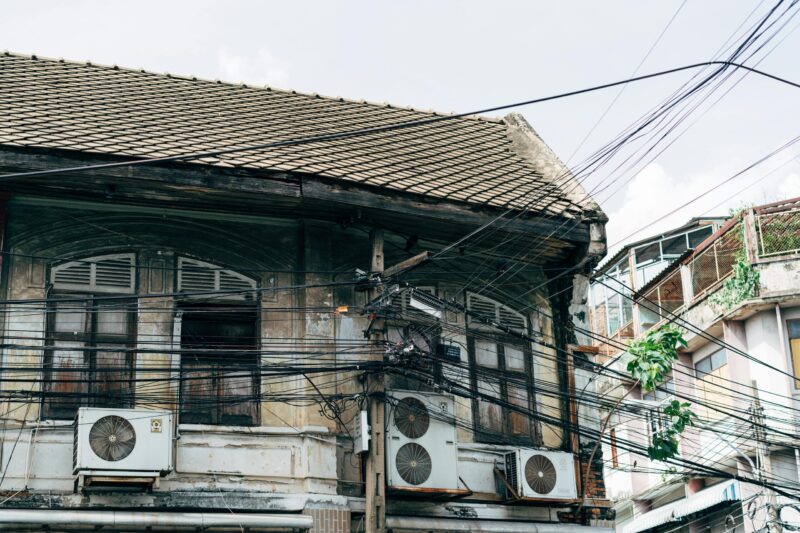
Ductless mini-split systems can be an excellent cooling option for older homes, especially when adding or upgrading ductwork is difficult, expensive, or disruptive. Since many older homes were not originally designed for central air conditioning, installing traditional ducts may require major modifications. Mini-splits offer a flexible alternative by delivering cooling directly to specific rooms or zones without relying on a full duct system. For Florida homeowners, they can also help improve comfort in areas that central AC struggles to reach.
How Mini-Splits Work
A ductless mini-split system uses an outdoor condenser connected to one or more indoor air-handling units. Instead of sending cooled air through ducts, each indoor unit delivers conditioned air directly into the room or zone where it is installed. The indoor and outdoor units are connected by refrigerant lines, electrical wiring, and a small wall opening. This design allows mini-splits to provide targeted cooling without the need for bulky ductwork.
Benefits of Ductless Cooling
Ductless cooling offers several advantages for older homes. Installation is often less invasive than adding central ductwork, making it a practical choice for homes with limited attic, wall, or crawl space access. Mini-splits also avoid energy losses commonly associated with leaky or poorly insulated ducts. They can provide quiet operation, flexible placement, and efficient cooling for rooms that are difficult to keep comfortable with a traditional system.
Ideal Applications for Older Homes
Mini-splits are especially useful for older homes with additions, enclosed porches, converted garages, upstairs rooms, sunrooms, guest suites, or spaces that never seem to cool properly. They can also work well in homes without existing ductwork or in properties where preserving architectural character is important. Instead of forcing a full ducted system into a home that was not designed for one, mini-splits allow homeowners to cool specific areas more efficiently and with less disruption.
Zoned Cooling Advantages
One of the biggest benefits of ductless mini-splits is zoned cooling. Each indoor unit can often be controlled independently, allowing homeowners to adjust temperatures based on room usage and comfort needs. This means you can cool bedrooms at night, living areas during the day, or problem rooms only when needed. Zoned cooling can improve comfort while reducing wasted energy in rooms that are rarely used.
Energy Efficiency Benefits
Mini-split systems can be highly efficient because they deliver cooling directly where it is needed and avoid duct-related energy loss. Many models also use inverter technology, which allows the system to adjust output based on demand instead of turning on and off constantly. This can help reduce energy use, improve temperature consistency, and support better comfort during Florida’s long cooling season. For older homes with uneven cooling or ductwork limitations, ductless mini-splits can be a smart way to improve efficiency without a major renovation.
Heat Pumps as a Cooling and Heating Solution
Heat pumps can be a practical comfort solution for older homes because they provide both cooling and heating from one system. Instead of only cooling the home like a standard air conditioner, a heat pump can reverse operation to provide warmth during cooler weather. For Florida homeowners, this can be especially useful because winters are generally mild, while cooling remains the main priority for much of the year. A properly selected heat pump can help improve comfort, efficiency, and year-round temperature control.
Understanding Modern Heat Pump Technology
Modern heat pumps work by transferring heat rather than creating it from scratch. During warm weather, they move heat out of the home to provide cooling. During cooler months, they reverse the process and move heat into the home. Many newer heat pumps include advanced features such as variable-speed operation, improved humidity control, and smart thermostat compatibility. These upgrades can make them a strong option for older homes that need both efficient cooling and occasional heating.
Cooling Benefits in Florida Climates
In Florida, cooling performance is the most important consideration for most homeowners. Heat pumps can cool the home much like a central air conditioner, helping remove heat and manage indoor comfort during long cooling seasons. When properly sized and installed, they can provide steady cooling while also helping with humidity control. This is especially helpful in older homes where heat gain, air leaks, and insulation issues can make comfort more difficult to maintain.
Energy Efficiency Advantages
Heat pumps are often energy-efficient because they transfer heat instead of generating it through fuel combustion or electric resistance alone. In mild climates like Florida, this can make them an efficient option for both cooling and heating needs. Newer heat pump systems may also use variable-speed technology to adjust output based on demand, which can reduce energy waste and improve temperature consistency. For older homes, pairing a heat pump with insulation, duct sealing, and airflow improvements can further improve efficiency.
Heating Capabilities During Cooler Months
Although Florida winters are usually mild, homes still need heating on cooler mornings and evenings. A heat pump can provide comfortable warmth without requiring a separate furnace in many homes. Since it can both cool and heat, it simplifies year-round comfort control. For older homes that currently rely on outdated heating methods or inefficient space heaters, a heat pump may offer a safer and more efficient heating option during seasonal temperature drops.
When a Heat Pump May Be the Right Choice
A heat pump may be the right choice if your older home needs a new cooling system and could also benefit from efficient heating. It may work well for homes with existing ductwork, homes needing a central HVAC upgrade, or homes where year-round comfort is a priority. However, proper sizing, duct condition, insulation, and humidity control should all be evaluated before installation. A professional HVAC assessment can help determine whether a heat pump is the best fit for your older Florida home.
5 Smart Cooling Strategies for Older Florida Homes
1. Setting Realistic Thermostat Temperatures
Setting the thermostat too low will not cool the home faster. Instead, it often makes the AC run longer, use more energy, and work harder than necessary. Older homes may benefit from a steady, realistic thermostat setting that balances comfort and efficiency. If the home still feels warm at a reasonable setting, the issue may be poor insulation, air leaks, ductwork problems, or humidity rather than the thermostat temperature itself.
2. Managing Sun Exposure During Peak Hours
Sun exposure can add a significant amount of heat to older homes, especially if windows are older, unshaded, or not energy efficient. Closing curtains, blinds, or shades during the hottest parts of the day can help reduce indoor heat gain. Exterior shading from awnings, trees, or solar screens may also help keep rooms cooler. Managing sunlight is a simple way to reduce cooling demand without changing the AC system.
3. Using Fans Alongside Air Conditioning
Ceiling fans and portable fans can help move cooled air more effectively through older homes. Fans do not lower the actual temperature, but they can make rooms feel cooler by improving air circulation. This may allow homeowners to feel comfortable at a slightly higher thermostat setting. Just remember to turn fans off when rooms are empty, since fans cool people, not spaces.
4. Limiting Indoor Heat Sources
Appliances, lighting, cooking, and electronics can add heat indoors. In older homes that already struggle to stay cool, these small heat sources can make the AC work harder. Using ovens, dryers, and dishwashers during cooler parts of the day can help reduce indoor heat buildup. Switching to LED lighting and limiting unnecessary electronics can also support better cooling efficiency.
5. Creating More Efficient Cooling Habits
Efficient cooling habits can help older homes stay more comfortable without overworking the HVAC system. Keep doors and windows closed while the AC is running, replace filters regularly, avoid constant thermostat changes, and use smart or programmable schedules when possible. Combining these habits with maintenance, air sealing, insulation improvements, and ductwork checks can make a major difference in how well an older Florida home stays cool.
Signs It May Be Time to Upgrade Your Cooling System
1. Frequent Repairs and Breakdowns
Occasional repairs are normal, but repeated service calls may indicate that the system is reaching the end of its useful life. If you find yourself repairing the same unit year after year, the costs can quickly add up. Frequent breakdowns can also leave your home without cooling during the hottest times of the year. When repair bills start becoming a regular expense, upgrading to a newer system may provide better reliability and long-term value.
2. Consistently High Utility Bills
Rising energy bills are often one of the first signs that a cooling system is losing efficiency. Older equipment may have to run longer and work harder to maintain the desired temperature, especially in homes with insulation or airflow challenges. If utility costs remain high despite regular maintenance and reasonable thermostat settings, a modern high-efficiency system may help reduce energy consumption and improve overall performance.
3. Poor Humidity Control
Florida homes depend on air conditioning not only for cooling but also for humidity control. If your home feels damp, sticky, or uncomfortable even when the AC is running, the system may no longer be removing moisture effectively. Poor humidity control can make indoor temperatures feel warmer, encourage mold growth, and reduce overall comfort. In some cases, upgrading to a properly sized modern system can significantly improve moisture removal and indoor air quality.
4. Uneven Cooling Throughout the Home
Older cooling systems may struggle to distribute conditioned air evenly throughout the house. If certain rooms remain hot while others feel comfortable, or if the system runs constantly without maintaining consistent temperatures, the equipment may no longer be capable of meeting the home’s cooling demands. While ductwork and insulation should also be evaluated, persistent uneven cooling can be a sign that an upgrade is needed.
5. Aging Equipment Near the End of Its Lifespan
Most air conditioning systems last approximately 10 to 15 years when properly maintained, although lifespan can vary based on usage, climate, and maintenance history. In Florida, where cooling systems operate heavily for much of the year, wear and tear often occurs more quickly. If your system is approaching the end of its expected lifespan and experiencing efficiency or reliability issues, replacing it proactively may help prevent unexpected breakdowns and improve overall comfort.
Finding the Right Cooling Solution for Your Older Home
Finding the right cooling solution for an older home starts with understanding where comfort and efficiency are being lost. In many cases, the issue is not just the AC system itself. Poor insulation, leaky ducts, aging windows, limited airflow, air leaks, and high humidity can all make the home harder to cool. By looking at the entire home instead of only the equipment, homeowners can choose upgrades that deliver better comfort and long-term value.
Identifying the Biggest Sources of Cooling Loss
The first step is finding out where cooled air is being wasted or where heat is entering the home. Common problem areas include attics, ductwork, windows, doors, crawl spaces, and poorly insulated rooms. Some homes may also have outdated AC systems that can no longer keep up with cooling demand. A professional evaluation can help identify whether the biggest issue is airflow, insulation, equipment age, humidity, or a combination of factors.
Combining Efficiency Upgrades for Better Results
Older homes often benefit most from a combination of upgrades rather than one single fix. For example, replacing an AC system may improve cooling, but pairing it with duct sealing, attic insulation, thermostat upgrades, and air sealing can improve performance even more. These improvements work together to help the home hold cooled air longer, reduce system strain, and create more consistent indoor comfort.
Investing in Long-Term Comfort and Energy Savings
Cooling upgrades should be viewed as an investment in comfort, efficiency, and home value. While some improvements require upfront costs, they may help reduce energy waste, lower repair needs, improve humidity control, and make the home more comfortable year-round. For older Florida homes, long-term planning is especially important because cooling systems work hard through extended heat and humidity.
Working With an Experienced HVAC Professional
An experienced HVAC professional can help homeowners choose solutions that fit the home’s age, structure, layout, and cooling needs. Whether the best option is maintenance, ductwork improvements, insulation upgrades, ductless mini-splits, a heat pump, or a new central AC system, professional guidance helps avoid guesswork. With the right plan, older homes can stay cool, efficient, and comfortable while preserving the charm that makes them special.
Professional Cooling Solutions for Older Homes in Port Charlotte, FL
Older homes in Port Charlotte often need a more customized cooling approach than newer properties. From aging ductwork and limited insulation to uneven airflow and humidity concerns, several factors can affect how well an older home stays comfortable. Dale’s AC helps homeowners evaluate these challenges and find practical cooling solutions that improve comfort, efficiency, and long-term system performance.
AC Maintenance and System Evaluations
Professional AC maintenance is often the first step toward improving comfort in an older home. Dale’s AC can inspect your current system, check refrigerant levels, clean coils, test electrical components, evaluate airflow, clear drain lines, and identify signs of wear. A full system evaluation helps determine whether your current AC can be improved with maintenance and repairs or whether replacement may offer better long-term value.
Energy-Efficient AC Replacement Options
If your current system is outdated, unreliable, or struggling to cool your home, an energy-efficient AC replacement may be the right solution. Modern systems can offer better cooling performance, improved humidity control, quieter operation, and lower energy use. Dale’s AC can help you compare replacement options and choose a system that fits your older home’s layout, comfort needs, and budget.
Ductwork Inspection and Sealing Services
Ductwork problems are common in older homes and can lead to weak airflow, uneven temperatures, and wasted energy. Dale’s AC can inspect ducts for leaks, damage, poor insulation, disconnected sections, or inefficient layouts. Duct sealing and repairs can help keep cooled air moving where it should, improving comfort while reducing unnecessary strain on the AC system.
Attic Insulation and Indoor Air Quality Solutions
Attic insulation and indoor air quality upgrades can make a major difference in older Florida homes. Proper attic insulation helps reduce heat transfer into living spaces, while indoor air quality solutions can help address dust, humidity, musty odors, and stale air. Dale’s AC can recommend options such as insulation improvements, filtration upgrades, humidity control, and duct cleaning to support a cleaner, more comfortable indoor environment.
Honest Recommendations From Dale’s AC
Dale’s AC provides honest recommendations based on your home’s condition, your comfort goals, and your budget. If maintenance, duct sealing, or insulation upgrades can improve performance, we will explain those options clearly. If a new AC system is the better investment, we will help you understand why. Our goal is to help Port Charlotte homeowners find cooling solutions that respect the character of older homes while improving everyday comfort.
FAQs About Cooling Older Homes
Why is my older home harder to cool?
Older homes are often harder to cool because they may have aging insulation, drafty windows, air leaks, outdated ductwork, limited ventilation, or older HVAC equipment. Many were not originally built with central air conditioning in mind, so airflow may not be as balanced as it is in newer homes. In Florida, heat and humidity can make these issues even more noticeable.
Can I add central air to an older home?
Yes, central air can often be added to an older home, but the process depends on the home’s layout, available duct space, electrical capacity, insulation, and existing HVAC setup. Some homes may need ductwork upgrades or modifications before central AC can perform properly. A professional evaluation can determine whether central air is the best option or if another solution, such as ductless mini-splits, may be more practical.
Are ductless mini-splits good for older houses?
Ductless mini-splits can be an excellent option for older houses, especially when adding ductwork is difficult or expensive. They provide targeted cooling without requiring a full duct system, making them useful for additions, upstairs rooms, sunrooms, converted garages, or areas that never cool well. They also allow zoned temperature control, which can improve comfort and reduce wasted energy.
How can I improve cooling without replacing my AC?
You can improve cooling by replacing air filters regularly, scheduling AC maintenance, sealing air leaks, improving attic insulation, using ceiling fans, closing blinds during peak sunlight, and checking ductwork for leaks or damage. These upgrades can reduce strain on the AC system and help older homes hold cooled air more effectively.
Does insulation really affect cooling performance?
Yes, insulation has a major impact on cooling performance. Poor or missing insulation allows outdoor heat to enter the home and cooled air to escape. In older homes, attic insulation is especially important because hot attic spaces can transfer heat into living areas. Improving insulation can help stabilize indoor temperatures, reduce AC runtime, and improve comfort.
What temperature should I keep my home during Florida summers?
The best thermostat setting depends on your comfort needs, humidity levels, and system performance. Many homeowners aim for a moderate, consistent setting instead of setting the thermostat extremely low. If your home still feels warm or humid at a reasonable temperature, the issue may be insulation, ductwork, airflow, or humidity control rather than the thermostat setting.
How can I reduce humidity in an older home?
To reduce humidity, make sure your AC system is properly sized, maintained, and running efficiently. You can also seal air leaks, improve insulation, keep drain lines clear, use exhaust fans in bathrooms and kitchens, and consider whole-home dehumidification or indoor air quality solutions. In Florida, humidity control is often just as important as temperature control.
When should I replace my cooling system?
You should consider replacing your cooling system if it is 10 to 15 years old, needs frequent repairs, causes high energy bills, struggles to cool evenly, or no longer controls humidity well. A professional HVAC evaluation can help determine whether repairs, efficiency upgrades, or a new system will provide the best long-term value for your older home.
Give Your Classic Home a Breath of Fresh, Cool Air!
Cooling an older home takes the right mix of HVAC performance, airflow improvements, insulation, ductwork care, humidity control, and smart cooling habits. With the right solution, you can improve comfort, reduce energy waste, and help your older Florida home stay cooler without losing the charm that makes it special.
At Dale’s AC as a leading HVAC company in Port Charlotte, we help homeowners find practical cooling solutions for older homes, from AC maintenance and ductwork inspections to insulation support, indoor air quality improvements, and energy-efficient system replacements. We also offer AC installation in Port Charlotte, AC replacement in Port Charlotte, air conditioning repair in Port Charlotte, residential HVAC company in Port Charlotte, commercial HVAC company in Port Charlotte, and financing options. Call us today at (941) 629-1712 or contact us and let us help your older home keep its cool.