

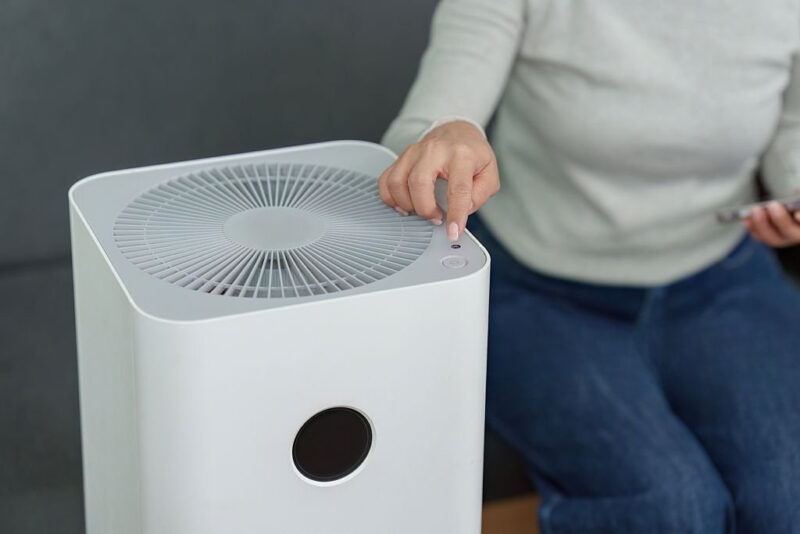
Florida’s tropical climate offers plenty of sunshine, but it also brings consistently high humidity that can make your home feel less comfortable throughout the year. While your air conditioner helps cool the air, it isn’t always enough to remove excess moisture, especially during the rainy season or periods of extreme humidity. As moisture builds up indoors, you may notice sticky air, foggy windows, musty odors, or even mold and mildew in areas with poor ventilation. High humidity can also affect wood flooring and furniture, encourage dust mites and other allergens, and force your HVAC system to work harder than necessary. Maintaining proper indoor humidity isn’t just about comfort—it’s also an important part of protecting your home, improving indoor air quality, and helping your cooling system operate more efficiently.
A quality dehumidifier can be an effective way to manage excess moisture and create a healthier indoor environment. From compact portable units designed for bedrooms and living spaces to whole-home dehumidifiers that integrate directly with your HVAC system, there are solutions available for every type of Florida home. However, choosing the right model depends on factors like your home’s size, humidity levels, energy efficiency goals, and desired features. In this guide, we’ll review some of the best dehumidifiers for Florida homes, explain what to look for before making a purchase, and compare portable and whole-home options. We’ll also discuss when persistent indoor humidity may point to an underlying HVAC issue and how professional humidity control solutions can help keep your home comfortable year-round.
Why Florida Homes Need a Reliable Dehumidifier
High indoor humidity is a common concern for Florida homeowners because warm temperatures, frequent rain, and moisture-heavy outdoor air can make homes feel damp and uncomfortable throughout much of the year. Excess humidity may contribute to musty odors, condensation, mold and mildew growth, and damage to flooring, furniture, and other moisture-sensitive materials. It can also make the air feel warmer than the thermostat setting and place added strain on the cooling system. A reliable dehumidifier helps remove excess moisture, improve indoor comfort, support better air quality, and protect the home from humidity-related problems.
Florida’s Year-Round High Humidity Levels
Florida experiences elevated humidity during most seasons, with especially high moisture levels during the warmer and rainier months. Coastal communities often face even greater humidity because moist air from the Gulf of Mexico and Atlantic Ocean regularly moves inland and enters homes through open doors, windows, air leaks, and poorly sealed ductwork. Although air conditioners remove some moisture while cooling, they may not always run long enough to provide effective humidity control, particularly during mild but damp weather. Oversized, aging, or poorly maintained AC systems may also cool a home quickly without adequately reducing moisture, which is why additional dehumidification may be necessary.
Signs Your Home Has Too Much Humidity
Common signs of excessive indoor humidity include musty odors, condensation on windows or vents, visible mold or mildew, and air that feels sticky or clammy. Homeowners may also notice warped wood flooring, swollen doors, damaged furniture, peeling paint, or fabrics that take longer to dry. High moisture levels can create conditions that support dust mites and mold, which may increase allergy-like symptoms or respiratory discomfort for sensitive individuals. If the air conditioner runs frequently but the home still feels damp, or certain rooms remain more humid than others, the issue may involve airflow, ductwork, equipment sizing, or another HVAC concern.
Ideal Indoor Humidity Levels
Indoor relative humidity should generally remain between 30% and 50% for a comfortable and balanced home environment. Keeping moisture within this range can help reduce condensation, limit conditions that encourage mold and mildew, and make indoor air feel cooler and less sticky. Proper humidity control may also help protect wood, furnishings, and other household materials while supporting better overall comfort. Homeowners can monitor humidity with a hygrometer, smart thermostat, or dehumidifier with a built-in humidistat, and persistent readings above 50% to 60% may indicate the need for a portable unit, whole-home dehumidifier, or professional HVAC inspection.
3 Types of Dehumidifiers for Florida Homes
1. Portable Room Dehumidifiers
Portable room dehumidifiers are best suited for targeted areas such as bedrooms, bathrooms, garages, laundry rooms, and basements. They are available in different capacities, so homeowners should compare the unit’s recommended coverage area with the size and moisture level of the room. Smaller models may work well in compact spaces, while larger-capacity units are better for open rooms or areas with persistent dampness. These dehumidifiers are generally easy to install because most only need a nearby electrical outlet and enough clearance for airflow, although homeowners must also consider whether they prefer to empty the water tank manually or connect a drainage hose for continuous operation.
2. Whole-Home Dehumidifiers
Whole-home dehumidifiers are integrated with the HVAC system to manage moisture throughout the house instead of treating one room at a time. They can provide more consistent humidity control by removing excess moisture as air circulates through the ductwork, making them especially useful for larger Florida homes or properties with widespread humidity issues. These systems may also reduce the need to operate several portable units, help improve comfort across different rooms, and support more balanced indoor conditions. Because installation involves the HVAC system and drainage setup, whole-home dehumidifiers should be properly sized and installed by a qualified professional.
3. Crawl Space and Basement Dehumidifiers
Crawl space and basement dehumidifiers are designed for enclosed or below-grade areas where moisture can accumulate because of limited airflow, ground vapor, plumbing leaks, or humid outdoor air. These units are typically more durable than standard portable models and may include continuous drainage, automatic humidistats, and low-temperature operation. Controlling moisture in these spaces can help protect foundations, floor joists, stored belongings, insulation, and other materials from mold, mildew, corrosion, and moisture-related damage. It can also help reduce the amount of damp air that moves from the crawl space or basement into the living areas above.
How to Choose the Right Dehumidifier for Your Florida Home
Choosing the right dehumidifier involves more than selecting a popular model or the largest unit available. Florida homeowners should consider the size of the space, the severity of the moisture problem, drainage requirements, noise output, energy use, available controls, and ongoing maintenance. A properly sized and well-maintained unit can remove moisture more effectively, maintain balanced indoor humidity, and provide better long-term value without consuming more energy than necessary.
Room Size and Coverage Area
Start by measuring the square footage of the area where the dehumidifier will operate and comparing it with the manufacturer’s recommended coverage range. A compact unit may be sufficient for a small bathroom or bedroom, while a larger living area, garage, basement, or open floor plan will require greater coverage. Avoid choosing an undersized dehumidifier, as it may run continuously without lowering humidity to the desired level, resulting in increased energy use, faster wear, and limited moisture control. Homes with high ceilings, open doorways, or significant air leakage may also need a higher-capacity model than square footage alone would suggest.
Moisture Removal Capacity
Dehumidifier capacity is typically measured by the number of pints of moisture the unit can remove from the air within 24 hours under specified testing conditions. A higher pint rating generally indicates greater moisture-removal capability, but the appropriate capacity depends on both room size and humidity severity. A moderately damp bedroom may need less capacity than a garage with visible condensation or a living area that regularly feels sticky. Florida homeowners should consider choosing a higher-capacity unit for spaces with musty odors, persistent moisture, frequent condensation, or other signs of excessive humidity.
Drainage Options
Dehumidifiers collect water in different ways, so the best drainage option depends on where the unit will be placed and how often it will operate. Models with manual water tanks are simple to use but require regular emptying, and the unit will usually shut off when the bucket becomes full. A continuous gravity drain allows water to flow through a hose into a nearby floor drain or another lower drainage point, reducing the need for daily attention. Pump-assisted models can move collected water upward or across longer distances to a sink, window, or drain, making them useful when a suitable gravity drain is unavailable.
Noise Levels
Noise is an important consideration when placing a dehumidifier in a bedroom, home office, nursery, or frequently used living area. Many residential models operate between approximately 40 and 60 decibels, although sound output varies by fan speed, capacity, and design. Lower settings are usually quieter but may remove moisture more slowly, while larger units can produce more noticeable airflow and compressor noise. Homeowners should review the listed decibel rating and customer feedback to find a model that balances moisture-removal performance with comfortable sound levels.
Energy Efficiency
Because a dehumidifier may run for several hours each day in Florida’s humid climate, energy efficiency can significantly affect operating costs. ENERGY STAR-certified models are designed to remove moisture while using less electricity than standard units with similar capacities. Actual expenses will depend on the unit’s wattage, local electricity rates, humidity conditions, and daily runtime. Choosing the correct capacity, using an automatic humidity setting, keeping doors and windows closed, and maintaining clean filters can help reduce unnecessary energy consumption.
Smart Features
Modern dehumidifiers may include features that make humidity control easier and more precise. A built-in humidistat monitors indoor moisture and automatically cycles the unit on and off to maintain the selected setting. Wi-Fi-enabled models allow homeowners to check humidity levels, adjust controls, or receive alerts through a mobile application. Automatic shutoff protects against overflow when the water tank is full, while programmable timers can limit operation to specific hours. Other useful features may include automatic restart after a power outage, adjustable fan speeds, filter indicators, and compatibility with smart home systems.
Maintenance Requirements
Regular maintenance helps a dehumidifier operate efficiently and may extend its service life. Washable or replaceable air filters should be inspected and cleaned according to the manufacturer’s recommendations to prevent dust from restricting airflow. Water buckets should be emptied, rinsed, and disinfected regularly to limit odors and buildup, even when the unit includes automatic shutoff. Drain hoses should also be checked for clogs or leaks. Dust and debris can collect on internal coils over time, so periodic coil cleaning may be necessary, although homeowners should follow the product manual or arrange professional service before accessing internal components.
5 Benefits of Using a Dehumidifier in Florida
1. Improves Indoor Comfort
One of the most noticeable benefits of a dehumidifier is improved indoor comfort. Excess humidity can make the air feel heavy, sticky, and warmer than the actual thermostat setting because moisture slows the body’s natural cooling process. By removing excess water vapor from the air, a dehumidifier helps create a drier, more comfortable environment where rooms feel cooler without necessarily lowering the thermostat. This can make it easier to relax, sleep, and enjoy your home, especially during Florida’s hot and humid summer months.
2. Helps Prevent Mold and Mildew
Mold and mildew thrive in damp environments where moisture is consistently present. A dehumidifier helps control indoor humidity, making conditions less favorable for mold growth on walls, ceilings, furniture, carpets, and stored belongings. Reducing excess moisture can also help minimize musty odors and protect areas that are especially vulnerable to humidity, such as bathrooms, laundry rooms, garages, and closets. While a dehumidifier cannot eliminate existing mold, it can be an important part of preventing future moisture-related problems.
3. Supports Better Indoor Air Quality
Maintaining proper humidity levels can contribute to healthier indoor air quality by reducing conditions that allow common allergens to thrive. Dust mites prefer humid environments, and excess moisture can also encourage mold growth, both of which may affect indoor air quality. By helping maintain recommended humidity levels, a dehumidifier can create a more comfortable indoor environment and support households looking to minimize moisture-related allergens. This can be especially beneficial for individuals who are sensitive to dust, mold, or other airborne irritants.
4. Helps Protect Your Home
High indoor humidity can gradually damage many of the materials inside your home. Wood flooring, cabinets, furniture, and doors may swell, warp, or crack as they absorb excess moisture. Paint and wallpaper may begin to peel, while important documents, photographs, and stored belongings can deteriorate over time. Electronics and other valuable items may also be affected by prolonged exposure to humid conditions. Using a dehumidifier helps preserve these materials by maintaining a more stable indoor environment and reducing moisture-related wear.
5. Can Improve HVAC Performance
Although an air conditioner removes some moisture while cooling, excessive humidity can make it work harder to keep your home comfortable. When indoor air feels sticky, homeowners often lower the thermostat to compensate, which can increase cooling demand and energy use. A dehumidifier helps reduce the moisture load, allowing the air conditioner to focus more on cooling rather than moisture removal. In some homes, this improved balance may help the HVAC system operate more efficiently, reduce unnecessary runtime, and contribute to lower cooling costs over time, particularly when combined with regular HVAC maintenance and proper system sizing.
5 Common Mistakes to Avoid When Buying a Dehumidifier
A dehumidifier can be an effective solution for managing excess indoor moisture, but choosing the wrong unit or using it improperly can limit its performance. Before making a purchase, it’s important to consider factors beyond price, including capacity, drainage, maintenance, and operating habits. Avoiding these common mistakes can help you get better humidity control, improve energy efficiency, and extend the lifespan of your dehumidifier.
1. Choosing a Unit That’s Too Small
One of the most common mistakes is selecting a dehumidifier that doesn’t have enough capacity for the space. A unit that is too small may run almost continuously without removing enough moisture to reach the desired humidity level. This not only reduces comfort but can also increase energy consumption and place unnecessary wear on the appliance. Always compare the manufacturer’s recommended coverage area and moisture removal capacity with the size and humidity level of the room before making a decision.
2. Ignoring Drainage Requirements
Many homeowners focus on moisture removal capacity but overlook how the collected water will be drained. Units with a manual water bucket require frequent emptying, especially in Florida’s humid climate, and will automatically stop operating when the bucket is full. If you plan to run the dehumidifier for extended periods, a model with continuous gravity drainage or a built-in condensate pump may provide greater convenience. Choosing the right drainage option can reduce maintenance and ensure the unit continues operating as intended.
3. Forgetting Regular Maintenance
Like any home appliance, a dehumidifier performs best when it is properly maintained. Dirty air filters can restrict airflow and reduce efficiency, while neglected water buckets or drain hoses may develop odors, buildup, or clogs. Dust can also accumulate on the coils, affecting moisture removal performance over time. Following the manufacturer’s recommended maintenance schedule, including cleaning filters and inspecting drainage components, can help keep the unit operating efficiently and may extend its service life.
4. Running the Dehumidifier with Open Windows
A dehumidifier is designed to remove moisture from a controlled indoor environment. Running it while windows or exterior doors are open allows humid outdoor air to continuously enter the home, forcing the unit to work much harder without achieving the desired humidity level. Keeping windows and doors closed while the dehumidifier is operating helps improve efficiency, reduces unnecessary energy use, and allows the unit to maintain consistent indoor humidity.
5. Setting Humidity Too Low
Lower humidity is not always better. While reducing excess moisture is important, setting a dehumidifier well below the recommended indoor range can make the air feel uncomfortably dry and may affect wood flooring, furniture, and other materials. For most Florida homes, maintaining indoor relative humidity between 30% and 50% provides a comfortable balance between moisture control and indoor comfort. Using the built-in humidistat or monitoring humidity with a hygrometer can help ensure the unit maintains appropriate moisture levels without over-drying the air.
Portable Dehumidifier vs. Whole-Home Dehumidifier
Portable and whole-home dehumidifiers both help control excess moisture, but they are designed for different needs. A portable unit may work well for a single damp room or a temporary humidity concern, while a whole-home system is better suited for widespread moisture throughout the house. Comparing cost, coverage, maintenance, energy use, and long-term performance can help Florida homeowners choose the most practical option for their property.
Initial Cost Comparison
Portable dehumidifiers generally have a lower upfront cost and do not usually require professional installation, making them an accessible option for bedrooms, bathrooms, garages, or other isolated spaces. Whole-home dehumidifiers cost more initially because they are larger, require proper sizing, and are installed as part of or alongside the HVAC system. Although the initial investment is higher, a whole-home system may provide better value for homeowners dealing with persistent humidity across multiple rooms.
Coverage Area
Portable units are designed to control humidity in a limited area, with coverage depending on the model’s capacity and the severity of the moisture problem. They are most effective when doors and windows remain closed and the unit is placed in the room that needs treatment. Whole-home dehumidifiers manage moisture throughout the property by working with the duct system or through a dedicated air distribution setup. This allows them to provide more consistent humidity control in bedrooms, living areas, hallways, and other connected spaces.
Maintenance Needs
Portable dehumidifiers require regular hands-on maintenance, including emptying and cleaning the water bucket, washing or replacing the filter, and checking the drain hose if continuous drainage is used. Homeowners with several portable units will need to maintain each one separately. Whole-home systems also require filter changes, drain inspections, and periodic professional servicing, but they typically operate with less daily attention. Maintenance can often be completed during routine HVAC service appointments.
Energy Consumption
Energy use depends on the size, efficiency, operating time, and condition of the dehumidifier. A single portable unit used occasionally may consume less electricity than a whole-home system, but running several portable units for long periods can increase total energy use. A properly sized whole-home dehumidifier can manage moisture more efficiently across a larger area and may help homeowners avoid lowering the thermostat simply because the house feels humid. ENERGY STAR-certified equipment and automatic humidity controls can further reduce unnecessary operation.
Long-Term Value
A portable dehumidifier offers flexibility and a lower initial investment, but it may not provide lasting results when humidity affects the entire home. Buckets need frequent attention, units take up floor space, and multiple devices may eventually be needed. A whole-home dehumidifier offers greater convenience, quieter operation, and more balanced humidity control. For homeowners planning to remain in the property for several years, the improved comfort, reduced moisture exposure, and centralized operation may justify the higher upfront cost.
Which Option Makes Sense for Florida Homeowners?
A portable dehumidifier may be the right choice when moisture is limited to one room, the need is temporary, or the homeowner wants a lower-cost solution. A whole-home dehumidifier may make more sense when several rooms feel sticky, indoor humidity regularly stays above the recommended range, or the air conditioner cannot maintain comfortable conditions on its own. Florida homeowners should also consider the size of the property, drainage access, HVAC design, and frequency of the humidity problem. A professional evaluation can help determine whether a portable model is sufficient or whether an integrated system would provide more reliable year-round control.
Additional Ways to Reduce Humidity in Florida Homes
A dehumidifier can make a major difference, but it works best as part of a broader moisture-control strategy. Florida homeowners can reduce indoor humidity by improving airflow, limiting the amount of humid outdoor air that enters the home, using exhaust fans correctly, and keeping the HVAC system in good condition. These steps can help maintain more balanced humidity, improve comfort, and reduce unnecessary strain on cooling and dehumidification equipment.
Improve Ventilation
Proper ventilation helps remove trapped moisture and keeps air moving through areas that are prone to dampness. Bathrooms, laundry rooms, garages, and enclosed spaces can hold humid air when ventilation is limited, so improving airflow in these areas may help reduce condensation and musty odors. Mechanical ventilation should be used carefully in Florida, however, because bringing in too much untreated outdoor air can increase indoor humidity. A professional can help determine whether the home needs better exhaust, balanced ventilation, or another moisture-control solution.
Seal Air Leaks
Gaps around windows, doors, attic access points, plumbing penetrations, and duct connections can allow warm, humid outdoor air to enter the home. Sealing these leaks with appropriate weatherstripping, caulk, insulation, or professional duct sealing can reduce moisture infiltration and help the HVAC system maintain more stable indoor conditions. Homeowners should also inspect areas where outdoor air may enter unnoticed, especially around recessed lighting, utility openings, and damaged seals.
Use Bathroom and Kitchen Exhaust Fans
Bathroom and kitchen exhaust fans remove moisture at the source before it spreads into nearby rooms. Run the bathroom fan during showers and for several minutes afterward, and use the kitchen exhaust fan when boiling water or cooking foods that release steam. Fans should vent directly outdoors rather than into the attic, where moisture can collect and contribute to mold or insulation damage. Cleaning fan covers and checking airflow can also help ensure these systems continue working properly.
Schedule Regular HVAC Maintenance
Routine AC maintenance in Port Charlotte helps the cooling system manage temperature and humidity more effectively. During a professional service visit, a technician can inspect the evaporator coil, drain line, air filter, blower components, refrigerant performance, and ductwork for issues that may reduce moisture removal. Maintenance can also identify airflow problems, clogged drains, or equipment concerns before they lead to higher humidity, reduced comfort, or unexpected system repairs.
Keep Your Air Conditioner Operating Efficiently
An air conditioner removes moisture as warm indoor air passes over the cold evaporator coil, so efficient operation is important for humidity control. Replace or clean filters as recommended, keep supply and return vents unobstructed, avoid frequently changing the thermostat, and keep exterior doors and windows closed while the system is running. If the AC cools the home quickly but leaves the air feeling damp, the system may be oversized, improperly configured, or experiencing an airflow issue that should be evaluated by an HVAC professional.
Why Florida Homeowners Trust Dale’s AC for Indoor Air Quality Solutions
For more than 50 years, Dale’s AC has helped homeowners throughout Southwest Florida create more comfortable, energy-efficient homes with dependable HVAC and indoor air quality in Port Charlotte. We understand that Florida’s high humidity requires more than just effective cooling, which is why we take a comprehensive approach to moisture control. Whether you’re experiencing musty odors, uneven humidity, or poor indoor air quality, our experienced technicians will assess your home’s unique needs and recommend solutions that support long-term comfort and HVAC performance.
Expertise in Indoor Air Quality and Humidity Control
Our team specializes in helping homeowners improve indoor air quality by addressing excess humidity and other comfort concerns. From identifying moisture-related issues to evaluating airflow and HVAC performance, we take a whole-home approach to creating healthier, more comfortable indoor environments.
Whole-Home Dehumidifier Installation
For homes with persistent humidity throughout multiple rooms, we offer professionally installed whole-home dehumidifiers that integrate with your existing HVAC system. These systems provide consistent humidity control across the entire house, helping reduce sticky indoor air, limit excess moisture, and support better overall comfort without relying on multiple portable units.
Honest Recommendations Tailored to Each Home
Every home has different humidity challenges, which is why we never recommend a one-size-fits-all solution. Our technicians carefully evaluate your home’s size, HVAC system, airflow, and moisture levels before recommending the most appropriate humidity control options. Whether a portable dehumidifier is sufficient or a whole-home system is the better investment, you can expect honest guidance focused on your needs rather than unnecessary upselling.
Professional HVAC Maintenance and Inspections
Maintaining proper humidity often starts with ensuring your HVAC system is operating at its best. Our professional maintenance and inspection services include evaluating system performance, airflow, filters, coils, drain lines, and other components that influence moisture removal. Regular service can help improve humidity control, increase efficiency, and reduce the likelihood of unexpected breakdowns during Florida’s hottest months.
Schedule Your Indoor Air Quality Assessment Today
If your home feels damp, sticky, or uncomfortable despite running your air conditioner, it may be time to take a closer look at your indoor humidity levels. Contact Dale’s AC today to schedule a professional indoor air quality assessment. We’ll evaluate your home’s humidity concerns, inspect your HVAC system, and recommend the right solution to help you enjoy a healthier, more comfortable home throughout the year.
FAQs about Home Dehumidifiers
What Size Dehumidifier Do I Need for My Florida Home?
The right size depends on the square footage of the space and how severe the humidity problem is. A small-capacity unit may be sufficient for a bedroom or bathroom, while larger living areas, garages, basements, or open floor plans may require a higher-capacity model. Florida homeowners should also consider ceiling height, airflow, and whether the space regularly experiences condensation, musty odors, or visible moisture. An undersized unit may run constantly without achieving the desired humidity level, so it is important to compare the manufacturer’s coverage recommendations with the actual conditions in your home.
Can a Dehumidifier Lower My Electric Bill?
A dehumidifier may help reduce cooling costs in some homes by making the air feel more comfortable at a higher thermostat setting. When indoor humidity is high, homeowners often lower the temperature because the air feels sticky and warm. Removing excess moisture can help rooms feel cooler, which may reduce the need for extended air conditioner operation. However, dehumidifiers also use electricity, so potential savings depend on the unit’s efficiency, operating time, size, and how well it works with the home’s HVAC system.
Is It Better to Run My AC or a Dehumidifier?
Air conditioners and dehumidifiers serve different but complementary purposes. An AC system primarily lowers indoor temperature and removes some moisture during the cooling process, while a dehumidifier focuses on reducing humidity without significantly cooling the room. During hot weather, the air conditioner will usually remain the main source of comfort. A dehumidifier can provide additional moisture control when the home feels damp even though the temperature is comfortable, especially during mild but humid weather or in areas with persistent moisture.
How Often Should I Empty a Dehumidifier?
How often the bucket needs to be emptied depends on the unit’s capacity, tank size, indoor humidity, and daily runtime. In Florida’s humid climate, a portable dehumidifier may fill once or several times per day when moisture levels are high. Most models shut off automatically when the bucket is full, which means they stop removing moisture until the tank is emptied. Homeowners who do not want to manage the bucket frequently should consider a model with a continuous gravity drain or built-in pump.
What Is the Ideal Humidity Level Inside a Florida Home?
Most Florida homes should maintain indoor relative humidity between 30% and 50%, although conditions near the upper end of that range are common in humid climates. Keeping humidity below approximately 60% can help reduce condensation and make the environment less favorable for mold, mildew, and dust mites. A hygrometer, smart thermostat, or built-in humidistat can help homeowners monitor moisture levels and adjust their dehumidifier or HVAC settings as needed.
How Long Do Dehumidifiers Typically Last?
A portable dehumidifier commonly lasts around five to ten years, depending on the model, operating conditions, maintenance, and frequency of use. Units that run continuously in highly humid environments may experience more wear than those used occasionally. Regular filter cleaning, proper drainage, bucket maintenance, and coil care can help extend the appliance’s useful life. Whole-home dehumidifiers may last longer when they are properly installed and serviced as part of routine HVAC maintenance.
Can a Dehumidifier Help Reduce Mold Growth?
A dehumidifier can help reduce the conditions that encourage mold growth by lowering excess moisture in the air. Maintaining balanced humidity may help prevent mold and mildew from developing on walls, ceilings, furniture, fabrics, and stored belongings. However, a dehumidifier does not remove existing mold or correct water leaks, flooding, or structural moisture problems. Existing mold should be addressed directly, and the source of the moisture should be repaired to prevent the issue from returning.
Turn Down the Damp, Not Just the Thermostat!
Choosing the best dehumidifier for your Florida home depends on the size of your space, the severity of the humidity problem, and whether you need targeted or whole-home moisture control. A properly selected dehumidifier can make your home feel more comfortable, help reduce musty odors and excess moisture, protect flooring and furnishings, and support better indoor air quality. When humidity remains high even with regular air conditioning, it may also be a sign that your HVAC system needs professional attention.
At Dale’s AC as a reliable HVAC company in Port Charlotte, we can evaluate your indoor humidity levels, inspect your HVAC system, and recommend a solution tailored to your home. Whether you need guidance on moisture control, professional maintenance, or whole-home dehumidifier installation, our team is ready to help. We also offer AC installation in Port Charlotte, AC replacement in Port Charlotte, air conditioning repair in Port Charlotte, attic insulation in Port Charlotte, residential HVAC services in Port Charlotte, and commercial HVAC services in Port Charlotte. Call us today at (941) 629-1712 or contact us to schedule an indoor air quality assessment and take the next step toward a more comfortable Florida home.