

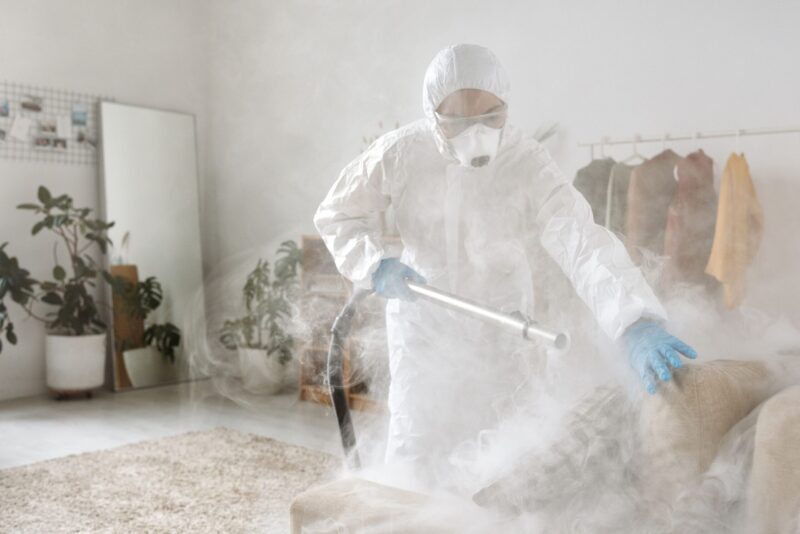
The air inside your home may contain more pollutants than you realize. Dust, pet dander, pollen, mold spores, volatile organic compounds (VOCs), smoke particles, and other airborne contaminants can circulate through your living spaces every day. While many of these pollutants are invisible, they can affect indoor comfort, contribute to unpleasant odors, and make it harder to maintain a fresh, healthy home environment.
Fortunately, there are practical ways to reduce indoor air pollution and improve the air you breathe. From routine HVAC maintenance and better filtration to humidity control and whole-home air purification, the right combination of solutions can make a noticeable difference. In this guide, we’ll explain the most common indoor pollutants, how they enter your home, and the steps you can take to eliminate them for cleaner, healthier indoor air, especially in Florida’s warm and humid climate.
8 Most Common Indoor Air Pollutants
Indoor air pollutants come from a variety of sources, both inside and outside your home. Some enter through doors, windows, or your HVAC system, while others are generated by everyday activities and household products. Understanding these common pollutants is the first step toward improving indoor air quality and creating a healthier living environment.
1. Dust and Airborne Particles
Dust is one of the most common indoor pollutants. It consists of tiny particles such as dirt, fabric fibers, skin cells, pollen, and other debris that become airborne before settling on surfaces. As your HVAC system circulates air, these particles can continue moving throughout your home. High-quality filtration, regular cleaning, and routine HVAC maintenance can help reduce airborne dust.
2. Pet Dander
Pet dander is made up of tiny flakes of skin shed by cats, dogs, and other animals. Because these particles are lightweight, they can remain suspended in the air for extended periods and settle into carpets, furniture, and bedding. Homes with pets often benefit from improved HVAC filtration and air purification to help reduce circulating dander.
3. Pollen
Pollen can easily find its way indoors through open doors and windows, clothing, shoes, pets, and ventilation systems. In Florida, pollen can be present for much of the year, making it an ongoing indoor air quality concern. Once inside, pollen can continue circulating unless it is captured by effective filtration or air purification.
4. Mold and Mildew Spores
Mold and mildew release microscopic spores that can become airborne when moisture is present. High humidity, water leaks, condensation, and poor ventilation can all create conditions that encourage mold growth. While air filtration can help capture some airborne spores, controlling moisture is essential for preventing mold-related indoor air quality issues.
5. Volatile Organic Compounds (VOCs)
Volatile organic compounds, or VOCs, are gases released from products such as paint, cleaning supplies, air fresheners, adhesives, flooring, furniture, and certain personal care products. These compounds can accumulate indoors, especially in homes with limited ventilation. Choosing low-VOC products and improving airflow can help reduce their presence.
6. Smoke and Combustion Byproducts
Smoke from cooking, candles, fireplaces, tobacco products, or outdoor wildfires can introduce fine particles and odors into your home. Fuel-burning appliances may also produce combustion byproducts if they are not operating properly. Proper ventilation, regular equipment maintenance, and air purification can help reduce smoke-related pollutants indoors.
7. Dust Mites
Dust mites are microscopic organisms that thrive in warm, humid environments and feed on household dust. They are commonly found in mattresses, upholstered furniture, carpets, and bedding. While they are too small to see, their waste particles can become airborne and contribute to indoor air quality concerns. Managing humidity, cleaning regularly, and using effective filtration can help reduce dust mite exposure.
8. Bacteria and Other Biological Contaminants
Indoor air may also contain bacteria and other biological contaminants that originate from people, pets, moisture, or contaminated surfaces. While many microorganisms are naturally present in indoor environments, excessive moisture or poor ventilation can allow biological contaminants to accumulate. Maintaining a clean home, controlling humidity, ensuring proper ventilation, and keeping your HVAC system well maintained all help support healthier indoor air.
How Indoor Pollutants Affect Your Health and Comfort
Indoor pollutants can affect how your home feels and how your family feels while spending time inside. Dust, pollen, pet dander, mold spores, VOCs, smoke particles, and excess humidity can build up in the air and create an environment that feels stuffy, irritating, or unpleasant. While every household is different, reducing indoor pollutants can help support better comfort and cleaner air.
Allergy Symptoms
Indoor pollutants can trigger allergy symptoms such as sneezing, runny noses, itchy eyes, congestion, and throat irritation. Dust mites, pollen, pet dander, and mold spores are common culprits. If allergy symptoms seem worse indoors or improve when you leave the home, indoor air quality may be part of the problem.
Respiratory Irritation
Airborne particles and chemical pollutants can irritate the nose, throat, and lungs. Smoke, VOCs, mold spores, and fine dust may contribute to coughing, wheezing, or breathing discomfort, especially for people with asthma or respiratory sensitivities. Cleaner filtration, better ventilation, and humidity control can help reduce exposure to these irritants.
Odors and Stale Indoor Air
Lingering odors can make a home feel less clean, even when surfaces are tidy. Cooking smells, pet odors, smoke, mustiness, and chemical scents from household products can remain trapped indoors when ventilation is poor. Air purification, activated carbon filtration, and HVAC maintenance can help freshen indoor air.
Headaches and Fatigue
Poor indoor air quality may contribute to headaches, fatigue, dizziness, or general discomfort for some people. These symptoms can be linked to stale air, poor ventilation, VOCs, high humidity, or airborne pollutants. If symptoms happen often at home, it may be worth evaluating your HVAC system and indoor air quality.
Long-Term Indoor Air Quality Concerns
When indoor pollutants are not addressed, they can continue to affect comfort, cleanliness, and air freshness over time. Persistent dust, humidity, mold concerns, odors, and poor ventilation may lead to recurring issues throughout the home. Regular HVAC maintenance, better filtration, moisture control, and source reduction can help create a healthier indoor environment year-round.
How to Eliminate Dust and Airborne Particles
Dust and airborne particles are impossible to eliminate completely, but you can significantly reduce them with the right combination of cleaning habits and HVAC improvements. Since your heating and cooling system continuously moves air throughout your home, maintaining both your living space and your HVAC equipment plays an important role in keeping particle levels lower.
Upgrade HVAC Filtration
One of the simplest ways to reduce airborne particles is by upgrading your HVAC filtration. A high-quality filter can capture more dust, pollen, pet dander, and other particles before they circulate through your home. Be sure to choose a filter that is compatible with your HVAC system so it provides effective filtration without restricting airflow.
Use Whole-Home Air Purification
A whole-house air purification system adds another layer of protection by treating the air as it passes through your HVAC system. These systems help reduce airborne dust and fine particles throughout the home rather than in just one room. They can be especially beneficial for homes with pets, allergy concerns, or heavy dust buildup.
Vacuum and Dust Regularly
Routine cleaning helps remove particles before they become airborne again. Vacuum carpets, rugs, and upholstered furniture using a vacuum with a HEPA filter when possible, and dust surfaces with a microfiber cloth that traps particles instead of spreading them into the air. Paying extra attention to ceiling fans, blinds, shelves, and air vents can also help reduce circulating dust.
Reduce Clutter That Collects Dust
Books, decorative items, fabric storage bins, and other household clutter can become dust collection points. Keeping surfaces organized and minimizing unnecessary items makes cleaning easier and reduces places where dust can accumulate. Choosing washable window coverings and limiting excess fabric décor may also help decrease dust buildup.
Schedule Routine HVAC Maintenance
Even the best filters and cleaning habits cannot replace regular HVAC maintenance. Dirty coils, clogged filters, dusty blower components, and leaky ductwork can all contribute to airborne particles circulating through your home. Routine professional maintenance helps keep your HVAC system clean, supports proper airflow, and improves its ability to maintain cleaner indoor air.
How to Reduce Pet Dander and Allergens
Pets bring companionship and joy to a home, but they also contribute to indoor allergens. Pet dander, fur, saliva, and outdoor particles carried on their coats can circulate through your living spaces and settle on furniture, flooring, and bedding. Fortunately, a combination of regular cleaning, proper grooming, and HVAC improvements can help reduce pet-related allergens indoors.
Groom Pets Regularly
Regular grooming helps reduce the amount of loose fur and dander that pets shed inside the home. Brushing your pet and following an appropriate bathing routine can minimize the buildup of allergens before they spread throughout your living spaces. Whenever possible, grooming outdoors can also help keep loose hair from becoming airborne indoors.
Clean Pet Bedding and Furniture
Pet beds, blankets, and upholstered furniture can collect fur, dander, dust, and other allergens over time. Washing pet bedding regularly and vacuuming furniture where pets spend time can help reduce the amount of allergens circulating through your home. If your pets frequently use sofas or chairs, consider using washable covers that are easy to clean.
Improve HVAC Filtration
Your HVAC system continuously circulates air throughout your home, making filtration an important part of allergen control. Upgrading to a high-quality HVAC filter can help capture pet dander and other airborne particles before they spread from room to room. Replacing filters on schedule is equally important to maintain good airflow and effective filtration.
Use Air Purifiers
Air purifiers can provide an additional layer of protection by helping remove airborne pet dander and other allergens. Portable air purifiers work well in bedrooms or living areas where pets spend most of their time, while whole-house air purification systems treat air throughout the home as it moves through the HVAC system.
Vacuum Frequently With HEPA Filtration
Vacuuming regularly helps remove pet hair, dander, and dust before they become airborne again. Vacuums equipped with True HEPA filters are especially effective because they trap fine particles instead of releasing them back into the air. Paying extra attention to carpets, rugs, upholstered furniture, and pet-favorite areas can further reduce indoor allergens and support cleaner air.
How to Control Mold and Moisture
Moisture control is one of the most effective ways to improve indoor air quality, especially in Florida’s warm and humid climate. Excess humidity creates conditions that can encourage mold and mildew growth, contribute to musty odors, and make your home feel damp or uncomfortable. Taking steps to manage moisture helps protect both your indoor air and your home.
Keep Indoor Humidity Balanced
Maintaining a balanced indoor humidity level helps reduce the conditions that support mold, mildew, and dust mites. If your home frequently feels sticky or damp, it may be a sign that humidity is too high. Monitoring humidity with a hygrometer and ensuring your HVAC system is removing moisture effectively can help maintain a more comfortable indoor environment.
Fix Leaks Quickly
Water leaks from roofs, plumbing, windows, or HVAC components should be repaired as soon as they are discovered. Even small leaks can create hidden moisture that allows mold to develop behind walls, under flooring, or around ceilings. Addressing water intrusion promptly helps prevent long-term moisture problems and protects indoor air quality.
Improve Ventilation
Proper ventilation helps remove excess moisture from areas where humidity naturally builds up, such as bathrooms, kitchens, and laundry rooms. Using exhaust fans during cooking or showering and allowing fresh air to circulate when weather conditions permit can help reduce indoor moisture levels. Well-maintained HVAC systems also play an important role in supporting balanced airflow throughout the home.
Clean Mold-Prone Areas
Areas that regularly experience moisture should be inspected and cleaned routinely. Bathrooms, window sills, utility rooms, air vents, and spaces around sinks are common locations where mold or mildew may begin to develop. Keeping these areas clean and dry helps reduce the chance of mold growth and supports healthier indoor air.
Consider Whole-Home Dehumidification
For homes with persistent humidity issues, a whole-home dehumidifier can provide more consistent moisture control than portable units alone. These systems work alongside your HVAC system to remove excess humidity throughout the house, helping reduce musty odors, improve comfort, and create conditions that are less favorable for mold and mildew growth. For many Florida homeowners, whole-home dehumidification is an effective long-term solution for maintaining healthier indoor air.
How to Reduce VOCs and Household Chemicals
Volatile organic compounds, or VOCs, can come from everyday household products such as paints, cleaning sprays, air fresheners, adhesives, flooring, furniture, and personal care items. While it may not be possible to remove every chemical source from your home, you can reduce exposure by choosing safer products, improving ventilation, and using proper filtration.
Choose Low-VOC Products
When buying paint, cleaners, sealants, furniture, flooring, or other household materials, look for low-VOC or no-VOC options. These products are designed to release fewer chemical fumes into the air. This is especially helpful after renovations, painting, or bringing new furniture into the home, when VOC levels may be higher than usual.
Improve Indoor Ventilation
Ventilation helps dilute and remove chemical odors and airborne pollutants. Open windows when outdoor conditions are suitable, use kitchen and bathroom exhaust fans, and run ventilation systems when using strong cleaning products or completing home projects. Better airflow can help prevent VOCs from building up indoors.
Store Chemicals Properly
Household chemicals should be stored tightly sealed and kept away from living areas when possible. Paints, solvents, pesticides, fuel, and strong cleaners should be stored in appropriate spaces and handled according to label directions. Reducing unnecessary chemical storage inside the home can help limit ongoing off-gassing and odors.
Replace HVAC Filters Regularly
HVAC filters help capture airborne particles, but they must be replaced regularly to remain effective. While standard filters may not remove all VOCs, clean filters support better airflow and overall indoor air quality. If filters become clogged, your HVAC system may struggle to circulate and refresh indoor air properly.
Use Activated Carbon Filtration
Activated carbon filtration can help reduce odors and some VOCs from household products, smoke, cooking, and chemical fumes. These filters are often used in air purifiers or whole-home indoor air quality systems. For homes with recurring odors or chemical sensitivities, activated carbon can provide an added layer of air quality support.
How HVAC Systems Help Reduce Indoor Pollutants
Your HVAC system does much more than heat and cool your home. It also plays a key role in managing indoor air quality by filtering, circulating, and conditioning the air you breathe every day. When properly maintained, your HVAC system can help reduce indoor pollutants and support a cleaner, more comfortable living environment.
Air Filtration
Every time your HVAC system runs, air passes through a filter before being distributed throughout your home. A properly selected and well-maintained filter helps capture dust, pollen, pet dander, and other airborne particles. Replacing filters on schedule keeps filtration effective and helps maintain proper airflow.
Air Circulation
Consistent air circulation helps prevent pollutants from becoming trapped in one area of the home. By moving air through the HVAC system, particles are more likely to pass through the filtration system instead of remaining suspended indoors. Good air circulation also helps reduce stale air and supports more even indoor comfort.
Humidity Control
Air conditioners naturally remove moisture from the air as part of the cooling process. Proper humidity control helps reduce conditions that encourage mold, mildew, dust mites, and musty odors. In Florida, where humidity remains high for much of the year, effective moisture removal is an essential part of maintaining healthy indoor air.
Whole-House Air Purification
Many HVAC systems can be equipped with whole-house air purification systems that provide additional protection beyond standard filtration. These systems may use advanced filters, activated carbon, UV technology, or other air-cleaning methods to help reduce airborne particles, odors, and certain contaminants as air circulates throughout the home.
The Importance of HVAC Maintenance
Routine AC maintenance in Port Charlotte helps ensure every part of the system contributes to cleaner indoor air. Dirty filters, dusty coils, clogged drain lines, restricted airflow, and leaky ductwork can all reduce indoor air quality. Regular professional maintenance keeps the system operating efficiently, supports better filtration and humidity control, and helps reduce the circulation of indoor pollutants.
Professional Indoor Air Quality Services in Port Charlotte, FL
Professional indoor air quality in Port Charlotte helps homeowners identify and reduce the pollutants affecting their comfort, health, and home environment. Whether you are dealing with dust, pet dander, mold concerns, odors, humidity, or poor airflow, Dale’s AC provides practical solutions designed to support cleaner, fresher indoor air.
Indoor Air Quality Assessments
An indoor air quality assessment helps determine what may be contributing to poor air inside your home. Dale’s AC can evaluate humidity levels, airflow, filtration, odors, HVAC performance, and signs of moisture or pollutant buildup. This helps homeowners understand the source of the issue and choose the right solution.
HVAC Inspections
Your HVAC system plays a major role in indoor air quality because it circulates air throughout the home. Dale’s AC can inspect filters, coils, drain lines, ductwork, vents, and airflow to identify problems that may be spreading dust, allergens, odors, or excess moisture.
Air Filtration and Purification Solutions
Air filtration and purification solutions can help reduce airborne particles such as dust, pollen, pet dander, mold spores, and other contaminants. Dale’s AC can recommend upgraded filters, whole-home air purification systems, or other IAQ options that work with your HVAC system and comfort goals.
Humidity Control Services
Humidity control is especially important in Florida homes. Excess moisture can lead to musty odors, mold concerns, dust mites, and sticky indoor air. Dale’s AC can evaluate your AC system’s moisture removal performance and recommend solutions such as maintenance, airflow improvements, or whole-home dehumidification.
Trusted Indoor Air Quality Support From Dale’s AC
Dale’s AC provides trusted indoor air quality support for homeowners throughout Port Charlotte, FL. With professional HVAC care, filtration, purification, and humidity control solutions, our team can help you reduce indoor pollutants and create a cleaner, healthier, and more comfortable home.
FAQs About Indoor Air Pollutants
How can I improve indoor air quality naturally?
You can improve indoor air quality naturally by keeping your home clean, vacuuming regularly, reducing clutter, washing bedding, controlling humidity, opening windows when outdoor conditions are good, and limiting strong chemical products. Removing pollutant sources is one of the best first steps.
Can my HVAC system remove indoor pollutants?
Yes, your HVAC system can help reduce indoor pollutants through filtration, air circulation, and humidity control. However, it must be properly maintained. Clean filters, clean coils, clear drain lines, and good airflow help your system capture particles and support healthier indoor air.
Do air purifiers remove all indoor pollutants?
No, air purifiers do not remove every indoor pollutant. They can help reduce airborne particles, allergens, odors, and some VOCs depending on the type of purifier and filter used. However, source control, ventilation, HVAC maintenance, and humidity control are still important.
What humidity level helps reduce indoor pollutants?
Many homes perform best when indoor humidity stays around 30% to 50%. This range can help reduce mold, mildew, dust mites, musty odors, and moisture-related air quality issues. In Florida, humidity control is especially important because outdoor moisture levels are often high.
How often should HVAC filters be replaced?
Most HVAC filters should be checked monthly and replaced every 1 to 3 months. Homes with pets, allergies, heavy dust, or frequent AC use may need more frequent filter changes. If the filter looks dirty or clogged, replace it sooner.
When should I schedule an indoor air quality evaluation?
Schedule an indoor air quality evaluation if your home has persistent dust, musty odors, high humidity, visible mold, allergy symptoms, respiratory irritation, stale rooms, or recurring HVAC filter clogging. A professional evaluation can help identify the source of the issue.
What is the best way to reduce indoor air pollution?
The best approach is to combine source reduction, regular cleaning, HVAC maintenance, effective filtration, proper ventilation, and humidity control. For stronger support, homeowners may also consider whole-home air purification or dehumidification solutions.
Pollutants Checked Out—Comfort Checked In!
Indoor pollutants can come from dust, pets, pollen, mold, household chemicals, smoke, humidity, and everyday activities, but the right strategies can help reduce them. With regular cleaning, better HVAC filtration, humidity control, ventilation, air purification, and routine maintenance, homeowners can create cleaner, fresher, and healthier indoor air.
At Dale’s AC as a trusted HVAC company in Port Charlotte, we help homeowners identify and reduce indoor pollutants with professional IAQ assessments, HVAC inspections, filtration, purification, and humidity control solutions. We also provide residential HVAC services in Port Charlotte, commercial HVAC services in Port Charlotte, AC installation in Port Charlotte, AC replacement in Port Charlotte, air conditioning repair in Port Charlotte, and attic insulation in Port Charlotte to help you make your home safe and ready during storms and every holiday. Call us today at (941) 629-1712 or contact us and let us help your home breathe cleaner.