

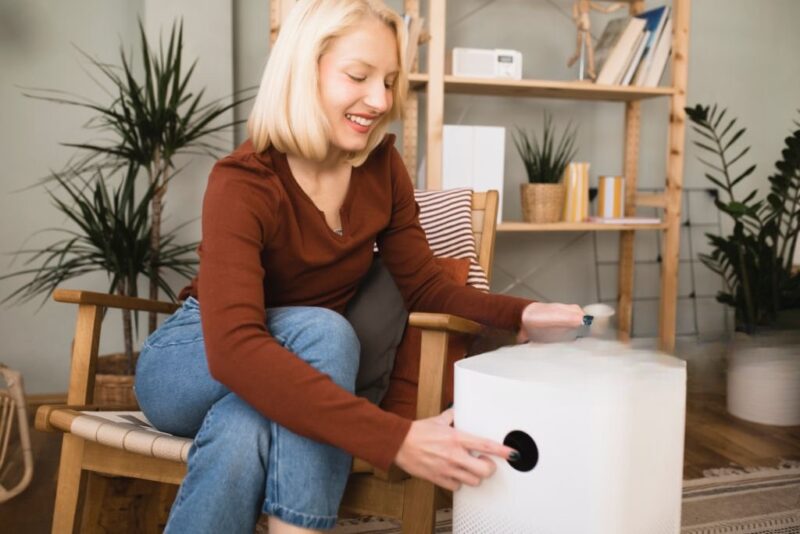
Florida homeowners face unique indoor air quality challenges that go beyond everyday dust. High humidity, year-round pollen, mold spores, pet dander, wildfire smoke, and outdoor pollutants can all find their way inside, affecting the comfort and freshness of your home. While your HVAC system plays an important role in filtering and circulating air, adding the right air purifier can provide another layer of protection by capturing airborne particles and reducing odors.
With so many models and technologies available, choosing the best air purifier can feel overwhelming. Features such as True HEPA filters, activated carbon filtration, room coverage, and whole-home HVAC integration all influence how well an air purifier performs. In this guide, we’ll explain what to look for in an air purifier, compare the best options for Florida homes, and help you choose a solution that supports cleaner, healthier indoor air year-round.
Why Florida Homes Need Air Purification
Florida homes face indoor air quality challenges that can make extra air purification especially helpful. Warm weather, high humidity, long allergy seasons, frequent AC use, and outdoor pollutants can all affect the air inside your home. While regular HVAC filtration is important, an air purifier can add another layer of support by helping reduce airborne particles, allergens, odors, and other contaminants.
High Humidity and Indoor Air Quality Concerns
Florida’s humidity can make indoor air feel heavy, sticky, and less fresh. Excess moisture may also contribute to musty odors, dust mite activity, and conditions that support mold or mildew growth. Although air purifiers do not remove humidity, they can help reduce certain airborne particles while humidity control solutions address the moisture problem itself.
Seasonal Allergens, Pollen, and Outdoor Pollutants
Florida’s long growing season means pollen and outdoor allergens can enter the home throughout much of the year. These particles can come in through doors, windows, clothing, pets, and leaky ductwork. Air purifiers with strong particle filtration can help capture pollen, dust, and other outdoor contaminants that settle indoors and circulate through living spaces.
Mold Spores and Moisture-Related Air Issues
Mold spores can become airborne when moisture problems are present. While an air purifier can help reduce some airborne mold spores, it does not solve the source of mold growth. Florida homeowners should pair air purification with proper humidity control, HVAC maintenance, and moisture repairs to help manage mold-related air quality concerns more effectively.
Pet Dander, Dust, and Everyday Household Particles
Everyday household particles such as dust, pet dander, lint, hair, and fabric fibers can build up quickly indoors. These particles may collect on furniture, floors, bedding, vents, and filters. Air purifiers can help capture smaller airborne particles before they settle, which may support cleaner air and reduce how often dust seems to return after cleaning.
Why HVAC Filtration Alone May Not Be Enough
Your HVAC filter helps protect your system and capture particles as air moves through it, but it may not catch everything, especially if the filter is low-efficiency, dirty, or not changed regularly. Some particles may also remain airborne between HVAC cycles. Air purifiers can provide added filtration in specific rooms or throughout the home, helping support cleaner indoor air alongside regular HVAC maintenance.
What to Look for in an Air Purifier
Choosing the right air purifier starts with understanding what the unit is designed to capture and how well it matches your home’s needs. For Florida homeowners, the best option should support cleaner air while addressing common concerns such as pollen, dust, pet dander, odors, and mold-related particles. Comparing filtration type, room coverage, noise level, energy use, and maintenance costs can help you make a smarter purchase.
True HEPA Filtration
True HEPA filtration is one of the most important features to look for if your goal is to reduce airborne particles. A True HEPA filter can capture very small particles such as dust, pollen, pet dander, and some mold spores. This makes it especially helpful for households with allergies, pets, or frequent outdoor pollutants entering the home.
Activated Carbon for Odors and VOCs
Activated carbon filters help reduce odors and certain volatile organic compounds, or VOCs, that may come from cleaning products, smoke, cooking, paint, furniture, or household materials. If your home has lingering smells, musty odors, or chemical-like scents, an air purifier with a strong carbon filter can provide added support beyond particle filtration.
Clean Air Delivery Rate (CADR)
Clean Air Delivery Rate, or CADR, measures how quickly an air purifier can filter air for specific particles such as dust, pollen, and smoke. A higher CADR generally means the purifier can clean air more quickly. When comparing units, look for CADR ratings that match the size of the room where the purifier will be used.
Room Size and Coverage Area
Air purifiers are designed for specific room sizes, so coverage area matters. A unit that is too small for the room may run constantly without cleaning the air effectively. For open floor plans or larger spaces, you may need a larger purifier, multiple portable units, or a whole-home air purification solution connected to your HVAC system.
Noise Level and Energy Use
Because air purifiers often run for long periods, noise level and energy use are important considerations. A quieter unit is better for bedrooms, offices, and living areas where comfort matters. Energy-efficient models can also help reduce operating costs, especially if you plan to run the purifier daily.
Filter Replacement Costs and Maintenance
Air purifiers require ongoing maintenance to work properly. Before buying, check how often filters need to be replaced and how much replacement filters cost. A low-cost unit may become expensive over time if filters are pricey or need frequent replacement. Regular maintenance ensures the purifier continues to capture particles, control odors, and support better indoor air quality.
6 Types of Air Purifiers for Florida Homes
1. Portable Room Air Purifiers
Portable room air purifiers are designed to clean the air in a specific area, such as a bedroom, living room, nursery, or home office. They are easy to move, simple to install, and often a good choice for targeted concerns like allergies, pet dander, or dust in one room. The key is choosing a unit with the right coverage area and CADR rating for the size of the room.
2. Whole-Home Air Purification Systems
Whole-home air purification systems are designed to treat air throughout the entire house. These systems are typically installed as part of the HVAC setup, allowing air to be filtered or purified as it circulates. For Florida homeowners who want broader air quality support, whole-home systems can be a strong option, especially when paired with routine HVAC maintenance and humidity control.
3. HEPA Air Purifiers
HEPA air purifiers are popular because they capture very small airborne particles, including dust, pollen, pet dander, and some mold spores. These are often a good choice for allergy sufferers, pet owners, and households dealing with frequent airborne particles. For best results, look for True HEPA filtration rather than vague “HEPA-type” wording.
4. Activated Carbon Air Purifiers
Activated carbon air purifiers are designed to help reduce odors, smoke smells, cooking odors, musty smells, and certain VOCs from household products. Carbon filtration works best when paired with particle filtration, such as HEPA. This combination helps address both airborne particles and odor-related air quality concerns.
5. UV Air Treatment Systems
UV air treatment systems use ultraviolet light to help target certain biological contaminants within the HVAC system. These systems are often installed near coils or inside ductwork to support cleaner system components. While UV treatment can be helpful, it should not replace filtration, humidity control, or regular HVAC maintenance.
6. HVAC-Integrated Air Purifiers
HVAC-integrated air purifiers work directly with your heating and cooling system to improve air quality throughout the home. These may include advanced filtration, UV treatment, electronic air cleaners, or other whole-home IAQ technologies. Because they affect airflow and system performance, they should be selected and installed with guidance from an HVAC professional.
Air Purifiers and Your HVAC System
Air purifiers can work alongside your HVAC system to provide stronger indoor air quality support. While HVAC filters help capture particles as air moves through the system, air purifiers can add another layer of filtration or treatment for dust, pollen, pet dander, odors, and other airborne contaminants. The key is choosing the right solution for your home without affecting HVAC performance.
How Air Purifiers Support HVAC Filtration
Your HVAC filter helps protect the system and reduce particles moving through the equipment. Air purifiers can provide extra support by targeting smaller airborne particles, odors, or contaminants that standard filters may not fully address. Portable units can help in specific rooms, while whole-home air purifiers can treat air as it circulates through the HVAC system.
Why Filter Compatibility Matters
Not every filter or air purification system is compatible with every HVAC unit. Some high-efficiency filters may be too restrictive for certain systems, which can reduce airflow and strain the equipment. Before upgrading filters or installing an HVAC-integrated purifier, homeowners should make sure the product matches the system’s design and airflow requirements.
Avoiding Restricted Airflow
Restricted airflow can create comfort problems, reduce efficiency, and place unnecessary stress on the HVAC system. If a filter is too dense or an air purifier is installed incorrectly, the system may struggle to move air properly. This can lead to uneven temperatures, longer run times, poor humidity control, and higher energy use.
Combining Air Purification With HVAC Maintenance
Air purification works best when paired with routine HVAC maintenance. Clean filters, clear drain lines, clean coils, and proper airflow all help the system support better indoor air quality. Without maintenance, even a strong air purifier may not fully solve dust, odor, humidity, or airflow issues caused by dirty HVAC components.
When to Ask an HVAC Professional for Guidance
Homeowners should ask an HVAC professional for guidance before installing whole-home air purification, upgrading to a high-efficiency filter, or choosing a system for allergy, odor, or mold-related concerns. A professional can evaluate your HVAC equipment, ductwork, airflow, humidity levels, and indoor air quality needs to recommend a solution that improves air quality without compromising performance.
Features to Compare Before Buying an Air Purifier
Not all air purifiers perform the same, even if they look similar. Before making a purchase, compare the features that have the biggest impact on air cleaning performance, operating costs, and long-term convenience. Understanding these differences can help you choose a unit that fits your home’s air quality needs and works effectively alongside your HVAC system.
True HEPA vs HEPA-Type Filters
One of the most important distinctions is between True HEPA and HEPA-type filters. True HEPA filters are built to meet established filtration standards for capturing very small airborne particles such as dust, pollen, pet dander, and some mold spores. HEPA-type filters, on the other hand, do not necessarily meet the same performance standards and may capture fewer small particles. If allergy reduction or cleaner indoor air is a priority, a True HEPA filter is generally the better choice.
CADR Ratings and Air Changes Per Hour
Clean Air Delivery Rate (CADR) measures how quickly an air purifier filters particles such as dust, pollen, and smoke. Higher CADR ratings generally indicate faster air cleaning for the recommended room size. You should also consider air changes per hour (ACH), which refers to how many times the purifier can filter the air in a room within one hour. Choosing a purifier with appropriate CADR and ACH ratings helps ensure the unit can keep up with your room size and daily air quality needs.
Activated Carbon Filter Quality
Not all activated carbon filters are created equal. Larger, higher-quality carbon filters generally provide better odor reduction and can help remove more VOCs from household products, cooking, smoke, and pets. If odors are one of your primary concerns, compare the quality and amount of activated carbon used rather than simply checking whether the unit includes a carbon filter.
Smart Sensors and Air Quality Monitoring
Many modern air purifiers include smart sensors that continuously monitor indoor air quality. These sensors can automatically adjust fan speed when particle levels increase and may display readings through onboard indicators or smartphone apps. Smart monitoring allows the purifier to respond to changing indoor conditions while providing homeowners with useful information about their air quality.
Ozone-Free Operation
When comparing air purifiers, choose models that operate without producing ozone. Ozone is not needed for effective air filtration and may irritate the lungs or worsen respiratory discomfort for some individuals. Many high-quality HEPA and activated carbon air purifiers provide effective air cleaning without generating ozone, making them a safer choice for everyday home use.
Filter Availability and Replacement Schedule
Replacement filters are an ongoing part of owning an air purifier, so it is important to consider both availability and long-term cost. Some filters need replacement every few months, while others may last up to a year depending on use and air quality conditions. Before purchasing a unit, check how often filters should be replaced, whether replacements are readily available, and what they cost. A purifier is only effective when its filters are maintained according to the manufacturer’s recommendations.
5 Common Air Purifier Mistakes to Avoid
1. Choosing a Unit Too Small for the Room
An air purifier must be properly sized for the room where it will be used. A unit that is too small may run constantly without cleaning the air effectively. Always compare the purifier’s recommended coverage area and CADR rating with the size of the room. For larger rooms, open floor plans, or whole-home needs, multiple units or an HVAC-integrated system may be a better choice.
2. Ignoring Filter Replacement Costs
Filter replacement is an ongoing cost that should be considered before buying an air purifier. Some units have affordable filters, while others require expensive replacements more often. If filters are not replaced on schedule, the purifier may lose effectiveness and circulate less-clean air. Choosing a unit with accessible, reasonably priced filters can make long-term maintenance easier.
3. Placing the Unit in the Wrong Location
Placement affects how well an air purifier works. A purifier blocked by furniture, placed in a corner, or hidden behind curtains may not move air efficiently. For best results, place the unit where air can circulate freely and where the air quality concern is strongest, such as bedrooms, living areas, or spaces with pets. Always follow the manufacturer’s placement recommendations.
4. Expecting Air Purifiers to Fix Moisture Problems
Air purifiers can help reduce airborne particles, allergens, and some odors, but they do not remove humidity from the air. If your home feels damp, sticky, or musty, the real issue may be excess moisture. In Florida homes, humidity control, HVAC maintenance, and dehumidification may be needed along with air purification to improve indoor air quality.
5. Overlooking HVAC Maintenance and Humidity Control
An air purifier works best as part of a complete indoor air quality strategy. Dirty HVAC filters, dusty coils, clogged drain lines, poor airflow, and high humidity can continue to affect air quality even if a purifier is running. Regular HVAC maintenance, proper filtration, and moisture control help your air purifier perform better and keep your home fresher.
Indoor Air Quality Challenges Air Purifiers Can Help Address
Air purifiers can help reduce many common airborne pollutants that affect comfort and indoor air quality. While they are not a cure-all, the right purifier can support cleaner air by capturing particles, reducing odors, and helping limit the contaminants that circulate through your home. For Florida homeowners, air purifiers can be especially helpful when used alongside HVAC maintenance, humidity control, and regular cleaning.
Dust and Airborne Particles
Dust, lint, fabric fibers, and fine particles can float through the air before settling on surfaces. A quality air purifier with strong particle filtration can help capture these airborne particles before they spread throughout the room. This may help reduce dust buildup and make the air feel cleaner.
Pollen and Seasonal Allergens
Florida’s long allergy seasons can bring pollen and outdoor allergens indoors through doors, windows, clothing, shoes, pets, and leaky ductwork. Air purifiers with True HEPA filtration can help capture pollen and other small airborne allergens, making them a useful option for bedrooms, living areas, and other frequently used spaces.
Pet Dander
Pet dander is lightweight and can remain airborne for long periods before settling into carpets, furniture, bedding, and HVAC filters. Air purifiers can help reduce the amount of dander circulating indoors, especially in rooms where pets spend the most time. Models with both HEPA and activated carbon filtration may also help with pet-related odors.
Smoke and Odors
Smoke particles and household odors from cooking, candles, pets, or outdoor pollution can linger indoors. Air purifiers with HEPA filtration can help capture fine smoke particles, while activated carbon filters can help reduce odors. For best results, choose a unit with enough carbon filtration and proper room coverage.
VOCs From Household Products
Volatile organic compounds, or VOCs, can come from cleaning products, paint, furniture, flooring, adhesives, air fresheners, and other household materials. Activated carbon filters can help reduce some VOCs and chemical odors, although ventilation and reducing pollutant sources are also important. If VOCs are a major concern, look for an air purifier with a substantial activated carbon filter.
Mold Spores in the Air
Air purifiers can help capture airborne mold spores, but they do not remove active mold growth or fix the moisture problem causing it. In humid Florida homes, mold concerns should be addressed with humidity control, leak repairs, HVAC maintenance, and professional evaluation when needed. Air purification can be part of the solution, but source control comes first.
Professional Indoor Air Quality Solutions in Port Charlotte, FL
Professional indoor air quality in Port Charlotte can help homeowners create a cleaner, healthier, and more comfortable indoor environment. Whether you’re dealing with allergies, excess dust, musty odors, high humidity, or concerns about airborne pollutants, Dale’s AC can evaluate your home’s needs and recommend practical solutions that work with your HVAC system.
Indoor Air Quality Assessments
An indoor air quality assessment helps identify the factors that may be affecting the air inside your home. Dale’s AC can evaluate humidity levels, airflow, filtration, ventilation, HVAC performance, and signs of dust, odors, or moisture concerns. This allows us to recommend solutions based on your home’s specific air quality challenges rather than relying on guesswork.
HVAC Filtration Recommendations
Choosing the right HVAC filter is an important part of improving indoor air quality. Dale’s AC can recommend filtration options that balance effective particle removal with proper system airflow. The right filter can help reduce dust, pollen, pet dander, and other airborne particles while allowing your HVAC system to operate efficiently.
Whole-Home Air Purification Options
For homeowners who want cleaner air throughout the house, whole-home air purification systems can be integrated with the HVAC system. These solutions treat the air as it circulates, helping reduce airborne particles, allergens, odors, and other contaminants in multiple rooms. Dale’s AC can help determine which whole-home air purification option best fits your home’s layout, HVAC equipment, and indoor air quality goals.
Humidity Control Solutions
Managing humidity is essential for maintaining healthy indoor air in Florida. If your home feels damp, sticky, or develops musty odors, Dale’s AC can evaluate your HVAC system’s moisture removal performance and recommend humidity control solutions. Depending on your needs, this may include HVAC maintenance, airflow improvements, or whole-home dehumidification options.
Trusted IAQ Support From Dale’s AC
Dale’s AC provides trusted indoor air quality support for homeowners throughout Port Charlotte, FL. From AC maintenance in Port Charlotte, AC replacement in Port Charlotte, AC installation in Port Charlotte, air conditioning repair in Port Charlotte, and advanced filtration to whole-home air purification and humidity control, our team is committed to helping you create a fresher, healthier, and more comfortable home with solutions tailored to Florida’s unique climate.
FAQs About Air Purifiers for Florida Homes
What type of air purifier is best for Florida homes?
The best air purifier for a Florida home depends on your main concern. True HEPA air purifiers are helpful for dust, pollen, pet dander, and airborne particles, while activated carbon filters can help with odors and some VOCs. For whole-home support, an HVAC-integrated air purification system may be a better option.
Do air purifiers help with mold in humid climates?
Air purifiers can help capture some airborne mold spores, but they do not remove active mold growth or fix moisture problems. In humid climates like Florida, mold concerns should also be addressed with humidity control, HVAC maintenance, ventilation, and repairs to leaks or water intrusion.
Are HEPA air purifiers good for allergies?
Yes, True HEPA air purifiers can help reduce common airborne allergens such as pollen, dust, pet dander, and some mold spores. They are especially useful in bedrooms, living rooms, or areas where allergy symptoms are most noticeable.
Do air purifiers remove humidity?
No, air purifiers do not remove humidity from the air. If your home feels sticky, damp, or musty, you may need humidity control support from your HVAC system or a dehumidifier. Air purification and humidity control often work best together in Florida homes.
Should I choose a portable or whole-home air purifier?
A portable air purifier is a good choice for targeted rooms, such as bedrooms, offices, or pet areas. A whole-home air purifier may be better if you want cleaner air throughout the entire house. The best option depends on your home size, HVAC setup, budget, and air quality concerns.
Can air purifiers remove odors?
Yes, air purifiers with activated carbon filters can help reduce odors from pets, cooking, smoke, mustiness, and household products. However, persistent odors may point to deeper issues such as mold, dirty ductwork, poor ventilation, or humidity problems that should be addressed at the source.
Where should I place an air purifier?
Place a portable air purifier in the room where you spend the most time or where air quality concerns are strongest. Keep it away from walls, furniture, curtains, and blocked corners so air can flow freely around the unit. Bedrooms, living rooms, home offices, and pet areas are common placement choices.
How often do air purifier filters need to be replaced?
Filter replacement depends on the purifier model, filter type, air quality, pets, allergies, and how often the unit runs. Many filters need replacement every few months to once a year. Always follow the manufacturer’s recommendations and replace filters sooner if they look dirty or airflow drops.
Don’t Just Clean Your Home—Clean Your Air!
Choosing the best air purifier for your Florida home starts with understanding your indoor air quality needs, from dust and pollen to pet dander, odors, mold spores, and humidity-related concerns. The right solution can help your home feel fresher, cleaner, and more comfortable, especially when paired with proper HVAC maintenance, filtration, and moisture control.
At Dale’s AC as a leading HVAC company in Port Charlotte, we help homeowners choose indoor air quality solutions that fit their homes, HVAC systems, and comfort goals. Call us today at (941) 629-1712 or contact us and let us help your home breathe cleaner, fresher air.