


The air inside your home can have a significant impact on your comfort, health, and overall quality of life. While dust, humidity, odors, and allergens are often easy to notice, many indoor air quality issues are invisible. Pollutants such as airborne particles, volatile organic compounds (VOCs), carbon monoxide, and excess moisture can affect your indoor environment without obvious warning signs. Testing your indoor air quality is one of the best ways to understand what you’re breathing and identify potential problems before they become more serious.
Whether you’re experiencing persistent allergies, musty odors, excessive dust, or simply want peace of mind, indoor air quality testing can provide valuable insight into your home’s environment. From DIY air quality monitors to professional HVAC evaluations, there are several ways to assess the condition of your indoor air. In this guide, we’ll explain how to test indoor air quality, what different tests measure, when professional testing is recommended, and how you can improve the air inside your Florida home.
Why Indoor Air Quality Testing Matters
Indoor air quality testing matters because many air quality problems are not easy to see. Your home may look clean while still containing airborne particles, excess humidity, odors, allergens, or pollutants that affect comfort and well-being. Testing helps homeowners better understand what is happening inside their indoor environment so they can take the right steps to improve air quality.
What Indoor Air Quality (IAQ) Means
Indoor air quality, or IAQ, refers to the condition of the air inside your home. It includes factors such as dust, allergens, humidity, ventilation, odors, airborne particles, mold concerns, and chemical pollutants. Good indoor air quality means the air feels clean, fresh, and comfortable, while poor indoor air quality may feel stale, dusty, humid, or irritating to breathe.
Why Homeowners Should Monitor Indoor Air
Monitoring indoor air can help homeowners identify problems before they become more serious. High humidity, poor ventilation, elevated particles, or recurring odors may point to issues with HVAC performance, filtration, moisture control, or indoor pollutant sources. Regular monitoring can also help confirm whether air quality improvements, such as filter changes or HVAC maintenance, are making a difference.
Common Indoor Air Pollutants
Common indoor air pollutants include dust, pollen, pet dander, mold spores, smoke particles, volatile organic compounds, carbon monoxide, and outdoor contaminants that enter through doors, windows, leaks, or ductwork. In Florida homes, excess humidity can also contribute to mold, mildew, musty odors, and dust mite activity. Testing can help determine which pollutants may be affecting your home and what solutions may be needed.
What Indoor Air Quality Testing Can Measure
Indoor air quality testing can measure a variety of factors that influence the air inside your home. Some tests focus on pollutants that affect health and comfort, while others evaluate environmental conditions such as humidity and temperature. The type of testing needed depends on your home’s conditions, your concerns, and whether you are using a home air quality monitor or a professional assessment.
Airborne Particles (PM2.5 and PM10)
Airborne particles, often referred to as particulate matter (PM), include dust, pollen, smoke, pet dander, and other microscopic debris suspended in the air. PM2.5 consists of very fine particles, while PM10 includes larger particles. Elevated particle levels can reduce indoor air quality and may contribute to respiratory irritation or allergy symptoms. Many indoor air quality monitors measure these particles to help homeowners understand the cleanliness of their indoor air.
Humidity Levels
Humidity is one of the most important measurements for Florida homes. Excess moisture can contribute to mold growth, musty odors, dust mites, and sticky indoor conditions, while very low humidity can cause dryness and discomfort. Measuring relative humidity helps determine whether your home is maintaining a healthy moisture balance and whether additional humidity control may be beneficial.
Temperature
Temperature works together with humidity to influence indoor comfort. Even if your thermostat shows a comfortable temperature, high humidity can make the home feel much warmer. Monitoring temperature alongside humidity provides a more complete picture of your indoor environment and how effectively your HVAC system is maintaining comfort.
Volatile Organic Compounds (VOCs)
Volatile organic compounds, or VOCs, are gases released from products such as paint, cleaning supplies, furniture, flooring, adhesives, air fresheners, and personal care products. Elevated VOC levels may affect indoor air quality and contribute to lingering odors or irritation for some individuals. Many advanced indoor air quality monitors include sensors that track overall VOC levels.
Carbon Dioxide (CO₂)
Carbon dioxide is naturally produced when people breathe. While normal indoor levels are expected, elevated CO₂ levels may indicate inadequate ventilation or limited fresh air exchange. Monitoring carbon dioxide can help identify areas where airflow and ventilation may need improvement to maintain a fresher indoor environment.
Carbon Monoxide (CO)
Carbon monoxide is a colorless, odorless gas that can be produced by fuel-burning appliances, fireplaces, attached garages, or malfunctioning heating equipment. Unlike many other indoor air quality concerns, carbon monoxide poses an immediate safety risk and should always be monitored with properly installed carbon monoxide detectors. If a detector alarms, homeowners should follow emergency safety procedures immediately.
Radon (Where Applicable)
Radon is a naturally occurring radioactive gas that can enter homes through cracks in foundations and other openings in the ground. While radon is not a concern in every location, testing may be recommended in areas where elevated levels are known to occur. Dedicated radon test kits or professional testing are required because most standard indoor air quality monitors do not measure radon.
Mold and Biological Contaminants
Professional indoor air quality assessments may also evaluate for mold and other biological contaminants when moisture problems are suspected. Visible mold, musty odors, water damage, or persistently high humidity can all indicate conditions that support mold growth. While some home mold test kits are available, professional evaluations can often provide a more thorough assessment and help identify the moisture source contributing to the problem.
6 Signs It’s Time to Test Your Indoor Air Quality
1. Persistent Allergy or Respiratory Symptoms
If you or your family members experience frequent sneezing, coughing, congestion, itchy eyes, throat irritation, or breathing discomfort indoors, it may be time to check your air quality. These symptoms may be related to dust, pollen, pet dander, mold spores, or other airborne irritants. Testing can help determine whether indoor pollutants may be contributing to the problem.
2. Musty Odors or Visible Mold
Musty odors or visible mold are strong signs that moisture may be affecting your indoor air. Mold and mildew can release spores into the air and may spread if the moisture source is not addressed. If certain rooms smell damp or mold appears around vents, walls, ceilings, bathrooms, or windows, indoor air quality testing and a professional evaluation may be needed.
3. Excessive Dust Around the Home
Dust that returns quickly after cleaning may indicate elevated airborne particles, poor filtration, duct leaks, or HVAC issues. If dust collects around vents, furniture, ceiling fans, or return grilles, testing can help identify whether particulate levels are high and whether your HVAC system is circulating debris throughout the home.
4. High Indoor Humidity
High humidity can make your home feel sticky, heavy, and uncomfortable. It can also contribute to mold growth, musty odors, and dust mite activity. If indoor humidity regularly feels excessive or your home remains damp even when the AC is running, air quality testing and humidity monitoring can help reveal whether moisture control is the main issue.
5. Headaches, Fatigue, or Poor Indoor Comfort
Frequent headaches, fatigue, dizziness, or general discomfort at home may sometimes be linked to poor ventilation, elevated pollutants, high humidity, or stale indoor air. These symptoms can have many causes, but if they seem to improve when you leave the home, testing your indoor air quality may help uncover possible environmental factors.
6. Recent Home Renovations or Water Damage
Renovations can release dust, VOCs, and other particles from paint, flooring, adhesives, cabinetry, and building materials. Water damage can also create moisture problems that may lead to mold or mildew. If your home has recently been remodeled, repaired, flooded, or affected by leaks, indoor air quality testing can help confirm whether additional filtration, ventilation, or moisture control is needed.
Understanding Indoor Air Quality Monitors
Indoor air quality in Port Charlotte monitors give homeowners a better understanding of the air inside their homes by tracking various environmental conditions and pollutants. While they do not replace a professional indoor air quality assessment, these devices can provide helpful day-to-day information about changes in air quality and alert homeowners when conditions may need attention.
What an IAQ Monitor Measures
The features of an IAQ monitor vary by model, but many devices measure particulate matter (PM2.5 and PM10), temperature, relative humidity, volatile organic compounds (VOCs), and carbon dioxide (CO₂). Some advanced monitors may also track radon or other environmental factors. Monitoring these measurements helps homeowners identify trends that could affect comfort, ventilation, or indoor air quality.
Choosing the Right Monitor for Your Home
The best indoor air quality monitor depends on your home’s specific needs. If humidity is a concern, look for a monitor that accurately measures relative humidity. If allergies are a priority, choose one that tracks airborne particles. Homes with attached garages or fuel-burning appliances should always have dedicated carbon monoxide detectors, since most IAQ monitors are not designed to replace them. Selecting a monitor with the features most relevant to your concerns provides more useful information.
Smart Indoor Air Quality Monitors
Many modern IAQ monitors connect to smartphone apps or smart home systems, allowing homeowners to view air quality data in real time. These devices may provide notifications when humidity, particle levels, or VOCs increase beyond recommended ranges. Some models also display historical trends, making it easier to identify recurring indoor air quality issues or evaluate whether improvements such as filter replacements or HVAC maintenance are making a difference.
How to Interpret Indoor Air Quality Readings
Indoor air quality readings should be viewed as indicators rather than standalone diagnoses. For example, elevated humidity may suggest the need for better moisture control, while increased particulate levels could point to dirty filters, excessive dust, or outdoor pollutants entering the home. A sudden rise in VOC readings may occur after painting, cleaning, or bringing new furniture indoors. Looking at multiple measurements together often provides a clearer picture of your home’s indoor environment.
When Monitor Readings Require Action
If your monitor consistently reports high humidity, elevated airborne particles, increased VOCs, or poor ventilation indicators, it may be time to take corrective action. Replacing HVAC filters, improving ventilation, reducing indoor pollutant sources, or scheduling HVAC maintenance may help improve conditions. If poor readings continue despite these efforts or are accompanied by musty odors, visible mold, persistent allergy symptoms, or comfort issues, a professional indoor air quality evaluation can help identify the underlying cause and recommend appropriate solutions.
Professional Indoor Air Quality Testing
Professional indoor air quality testing provides a deeper look at what may be affecting the air inside your home. While DIY monitors can be helpful for tracking basic readings, a professional assessment can evaluate your HVAC system, humidity levels, airflow, filtration, ventilation, and possible pollutant sources together. This helps homeowners move from guessing to making informed improvements.
What Happens During a Professional IAQ Assessment
During a professional IAQ assessment, a technician may inspect your HVAC system, air filters, ductwork, vents, humidity levels, airflow, and signs of moisture or mold concerns. They may also ask about symptoms, odors, dust levels, recent renovations, water damage, pets, and comfort issues. This whole-home approach helps identify where air quality problems may be coming from.
Advanced Testing Equipment
Professional evaluations may use more advanced tools than typical home monitors. Depending on the concern, technicians may check humidity, temperature, airflow, particulate levels, ventilation performance, and other indoor conditions. Specialized testing may also be recommended for specific concerns such as mold, carbon monoxide, radon, or elevated chemical pollutants.
Identifying Hidden Air Quality Problems
Some air quality issues are not easy to see. Hidden moisture, leaky ductwork, dirty coils, poor airflow, clogged drain lines, and inadequate ventilation can all affect indoor air quality without obvious signs at first. A professional assessment can help uncover these hidden problems and explain how they may be contributing to dust, odors, humidity, or allergy symptoms.
When Professional Testing Is Recommended
Professional indoor air quality testing is recommended when problems are persistent, unexplained, or getting worse. Homeowners should consider an evaluation if they notice musty odors, visible mold, high humidity, excessive dust, respiratory irritation, frequent headaches, or symptoms that improve after leaving the home. Testing may also be helpful after renovations, water damage, or major HVAC issues.
Benefits of Professional Indoor Air Quality Evaluations
A professional evaluation helps homeowners understand the source of indoor air quality concerns and choose the right solution. Instead of relying on guesswork, you can receive recommendations for filtration, humidity control, ventilation improvements, HVAC maintenance, ductwork repairs, or air purification options. This can lead to cleaner air, better comfort, and a healthier home environment.
How HVAC Systems Affect Indoor Air Quality Test Results
Your HVAC system can have a major impact on indoor air quality test results because it circulates, filters, cools, and dehumidifies the air throughout your home. If the system is clean and working properly, test results may show better particle control, balanced humidity, and improved airflow. If the system has maintenance or performance issues, readings may show higher dust levels, humidity problems, stale air, or signs of poor ventilation.
Dirty HVAC Filters
Dirty HVAC filters can lead to higher particle readings during indoor air quality testing. When filters are clogged, they cannot capture dust, pollen, pet dander, and other airborne particles as effectively. They can also restrict airflow, making the system work harder while allowing contaminants to circulate through the home.
Poor Airflow and Ventilation
Poor airflow can cause certain rooms to feel stuffy and may lead to uneven indoor air quality readings. If air is not moving properly through the HVAC system, pollutants, humidity, and odors may build up in specific areas. Limited ventilation can also contribute to higher carbon dioxide levels and stale indoor air, especially in tightly sealed homes.
High Indoor Humidity
High humidity can strongly affect air quality test results, especially in Florida homes. Elevated moisture levels may point to poor AC performance, inadequate dehumidification, clogged drain lines, or ventilation issues. High humidity can also create conditions that support mold, mildew, musty odors, and dust mite activity.
Dirty Coils and HVAC Components
Dusty evaporator coils, dirty blower components, and clogged drain pans can all affect air quality. These components may collect dust, moisture, and debris over time, which can contribute to odors, reduced airflow, and higher particle levels. Regular HVAC maintenance helps keep these parts clean so the system can support better indoor air quality.
Leaky or Contaminated Ductwork
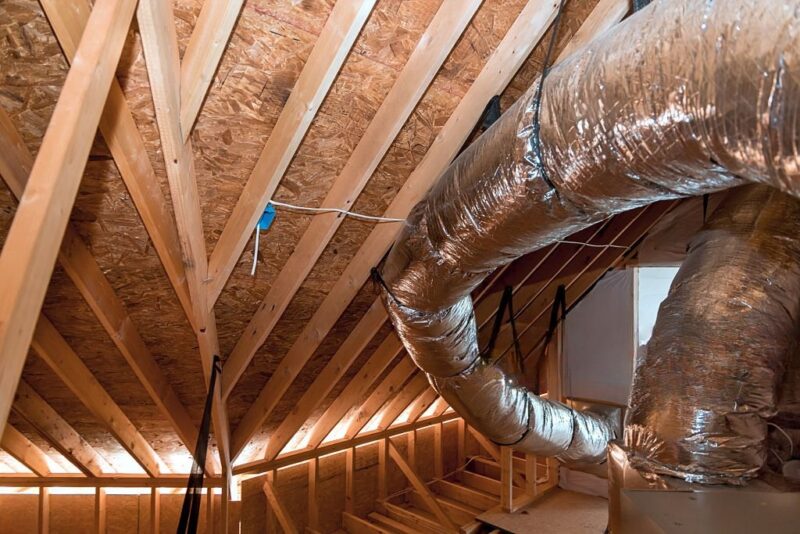
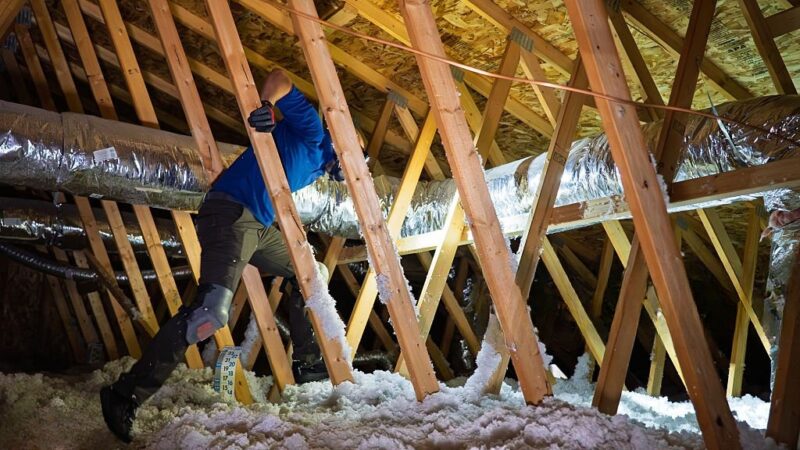
Leaky or contaminated ductwork can introduce dust, attic air, insulation particles, moisture, and outdoor pollutants into the HVAC system. During testing, this may show up as elevated particles, uneven air quality between rooms, or recurring dust problems. Duct inspection and sealing may be recommended if ductwork is affecting indoor air quality.
6 Common Indoor Air Quality Problems Found During Testing
1. Excess Humidity
High indoor humidity is one of the most common findings during air quality evaluations. Excess moisture can make the home feel sticky, contribute to musty odors, encourage mold and mildew growth, and increase dust mite activity. Testing humidity levels helps determine whether your HVAC system is removing enough moisture or if additional humidity control is needed.
2. Dust and Airborne Particles
Indoor air quality testing may reveal elevated levels of dust, pollen, pet dander, smoke particles, or other airborne contaminants. High particle readings can result from dirty HVAC filters, poor filtration, leaky ductwork, heavy outdoor pollen, or everyday household activities. Improving filtration and maintaining the HVAC system can help reduce airborne particle levels.
3. Mold and Mildew Growth
Moisture problems can create conditions that allow mold and mildew to develop. Visible growth, musty odors, or signs of water damage often lead to further evaluation for mold-related concerns. Professional testing may help determine whether excess moisture is affecting indoor air quality and whether additional inspection or remediation is appropriate.
4. Poor Ventilation
Limited ventilation can allow indoor pollutants, odors, humidity, and carbon dioxide to build up over time. During testing, signs of poor ventilation may include stale air, elevated carbon dioxide levels, or uneven air circulation between rooms. Improving ventilation helps bring in fresher air while reducing the buildup of indoor contaminants.
5. Elevated VOC Levels
Indoor air quality testing may detect increased levels of volatile organic compounds (VOCs), which are gases released from products such as paint, flooring, furniture, cleaning supplies, adhesives, and air fresheners. Elevated VOC readings often occur after renovations or when many chemical-based products are used indoors. Improving ventilation and reducing pollutant sources can help lower VOC levels over time.
6. HVAC Performance Issues
Indoor air quality testing may also reveal problems related to HVAC performance. Dirty filters, clogged condensate drain lines, dusty coils, restricted airflow, leaky ductwork, or improperly sized equipment can all affect air quality. Addressing these HVAC issues not only helps improve indoor air quality but also supports better comfort, system efficiency, and long-term performance.
Indoor Air Quality Testing in Florida Homes
Indoor air quality testing is especially helpful for Florida homeowners because the local climate can make air quality concerns more noticeable. Heat, humidity, pollen, storms, and frequent air conditioning use can all affect the air inside your home. Testing can help identify whether issues are related to moisture, allergens, ventilation, HVAC performance, or pollutants entering from outdoors.
Humidity-Related Air Quality Challenges
Florida’s high humidity can make indoor air feel heavy, sticky, and uncomfortable. When moisture levels stay elevated, the home may develop musty odors, condensation, and poor overall freshness. Testing indoor humidity levels can help determine whether your AC system is removing enough moisture or if additional humidity control may be needed.
Mold and Moisture Risks
Excess moisture can create conditions where mold and mildew are more likely to grow. Bathrooms, closets, ductwork, drain pans, walls, and areas affected by leaks or condensation are common trouble spots. Indoor air quality testing can help identify moisture-related concerns and guide the next steps for improving air quality and reducing future mold risks.
Seasonal Allergens and Outdoor Pollutants
Florida’s long growing season means pollen, grass allergens, dust, and outdoor particles can enter the home throughout much of the year. These pollutants may come in through doors, windows, clothing, pets, air leaks, or ductwork. Testing can help reveal whether airborne particles are elevated indoors and whether filtration or duct improvements may help.
Why Year-Round HVAC Use Matters
Because Florida homes rely on air conditioning for much of the year, the HVAC system has a major impact on indoor air quality. Dirty filters, dusty coils, clogged drain lines, poor airflow, or leaky ducts can affect test results and indoor comfort. Regular AC maintenance in Port Charlotte helps the system filter, circulate, and dehumidify air more effectively.
The Importance of Local HVAC Expertise
Local HVAC expertise matters because Florida homes face different indoor air quality challenges than homes in cooler, drier climates. A professional who understands Port Charlotte’s humidity, weather patterns, housing styles, and cooling demands can better identify the source of air quality concerns. With the right testing and HVAC support, homeowners can make practical improvements for cleaner, fresher, and healthier indoor air.
Professional Indoor Air Quality Testing Services in Port Charlotte, FL
Professional indoor air quality testing services can help Port Charlotte homeowners understand what may be affecting the air inside their homes. Whether you are dealing with humidity, dust, odors, allergies, stale air, or HVAC performance concerns, Dale’s AC can help evaluate the problem and recommend practical solutions for cleaner, healthier indoor air.
Indoor Air Quality Evaluations
An indoor air quality evaluation looks at the conditions that may be affecting your home’s air. This may include dust levels, humidity, odors, airflow, filtration, ventilation, and signs of moisture or mold concerns. By identifying the likely source of the problem, Dale’s AC can help homeowners choose the right next steps instead of guessing.
HVAC System Inspections
Your HVAC system plays a major role in indoor air quality because it filters, circulates, cools, and dehumidifies the air. Dale’s AC can inspect filters, coils, drain lines, blower components, ductwork, and overall system performance to determine whether the HVAC system is contributing to dust, odors, humidity, or poor airflow.
Humidity and Ventilation Assessments
Humidity and ventilation issues are common in Florida homes. If your home feels sticky, smells musty, or has rooms that feel stale, an assessment can help determine whether moisture control or fresh air exchange needs improvement. Dale’s AC can evaluate how well your system manages humidity and whether additional solutions may be helpful.
Air Filtration and Purification Recommendations
Depending on the results of your indoor air quality evaluation, Dale’s AC can recommend filtration and purification options that fit your home and HVAC system. These may include upgraded filters, whole-home air purification systems, or other solutions designed to reduce airborne particles, allergens, odors, and contaminants.
Trusted Indoor Air Quality Solutions From Dale’s AC
Dale’s AC provides trusted indoor air quality solutions for homeowners throughout Port Charlotte, FL. From HVAC maintenance and humidity control to filtration and purification recommendations, our team helps create a cleaner, fresher, and more comfortable indoor environment.
FAQs About Indoor Air Quality Testing
How can I test the air quality in my home?
You can test indoor air quality with a home air quality monitor, humidity gauge, carbon monoxide detector, radon test kit, or professional indoor air quality assessment. Home monitors can track basic readings such as particles, humidity, VOCs, temperature, and carbon dioxide, while professional evaluations can provide a more complete look at HVAC performance, airflow, filtration, humidity, and possible pollutant sources.
Are home air quality monitors accurate?
Home air quality monitors can be helpful for tracking trends, but accuracy varies by device and sensor type. They are useful for spotting changes in humidity, particles, VOCs, or ventilation indicators, but they may not identify the exact source of a problem. For persistent concerns, professional testing is more reliable.
What pollutants should I test for?
Common pollutants to test for include airborne particles, humidity, VOCs, carbon dioxide, carbon monoxide, radon where applicable, mold concerns, and ventilation issues. The right test depends on your symptoms, home conditions, recent renovations, water damage, odors, and HVAC performance.
How often should indoor air quality be tested?
Indoor air quality should be tested when you notice symptoms or warning signs such as musty odors, excess dust, allergy flare-ups, high humidity, or stale air. Testing may also be helpful after renovations, water damage, mold concerns, or major HVAC changes. Home monitors can be used continuously for ongoing awareness.
Can HVAC problems affect indoor air quality?
Yes. Dirty filters, dusty coils, clogged drain lines, poor airflow, leaky ducts, and humidity problems can all affect indoor air quality. Since your HVAC system circulates air throughout the home, regular maintenance is important for cleaner, fresher air.
Should I test for mold if I smell musty odors?
Yes, musty odors can be a sign of moisture or mold-related issues. Testing may help, but it is also important to identify the source of moisture. Mold concerns often require both air quality evaluation and inspection of areas such as ducts, drain lines, walls, bathrooms, closets, and spaces affected by leaks.
Do indoor air quality monitors detect mold?
Most standard indoor air quality monitors do not directly detect mold. They may show conditions that support mold growth, such as high humidity, elevated particles, or poor ventilation. If you suspect mold, a professional evaluation or mold-specific testing may be needed.
When should I schedule a professional indoor air quality assessment?
Schedule a professional indoor air quality assessment if your home has persistent odors, visible mold, high humidity, excessive dust, worsening allergies, respiratory irritation, stale rooms, or poor HVAC performance. A professional can help identify the likely cause and recommend solutions such as HVAC maintenance, filtration upgrades, humidity control, ventilation improvements, or air purification.
Don’t Guess What You’re Breathing—Test It!
Testing indoor air quality helps homeowners better understand what may be affecting their comfort, health, and overall indoor environment. Whether the concern is humidity, dust, odors, allergens, VOCs, poor ventilation, mold, or HVAC performance, the right testing can help identify problems early and guide practical solutions for cleaner, fresher air.
At Dale’s AC as a trusted HVAC company in Port Charlotte, we help homeowners take the guesswork out of indoor air quality with professional evaluations, AC replacement in Port Charlotte, AC installation in Port Charlotte, air conditioning repair in Port Charlotte, attic insulation in Port Charlotte, HVAC inspections, humidity assessments, filtration recommendations, and trusted IAQ solutions. Call us today at (941) 629-1712 or contact us and let us help your home breathe easier.