

The air inside your home should feel fresh, clean, and comfortable, but without proper ventilation, indoor air can quickly become stale. Everyday activities such as cooking, showering, cleaning, and even breathing release moisture, odors, and airborne pollutants that can build up over time. When fresh air isn’t able to circulate effectively, these contaminants can linger indoors, affecting your home’s comfort and indoor air quality.
Proper ventilation plays an important role in maintaining a healthier indoor environment by helping remove stale air, control humidity, and reduce airborne pollutants. It also works alongside your HVAC system to support balanced airflow and improve overall comfort. In this guide, we’ll explain why proper home ventilation matters, the signs of poor ventilation, how it affects indoor air quality, and the practical steps you can take to keep fresh air flowing throughout your Florida home.
What Is Home Ventilation?
Home ventilation is the process of moving stale indoor air out of the home and bringing fresher air in. It helps control moisture, reduce odors, dilute indoor pollutants, and keep air from feeling trapped or stuffy. Proper ventilation works together with your HVAC system, filtration, and humidity control to support a cleaner and more comfortable indoor environment.
Understanding How Ventilation Works
Ventilation works by creating air exchange between indoor and outdoor spaces. As stale air leaves the home, fresher air replaces it. This movement helps reduce the buildup of pollutants from cooking, cleaning, pets, moisture, smoke, and everyday household activities. Without enough ventilation, contaminants can remain trapped indoors and affect comfort over time.
The Role of Fresh Air Exchange
Fresh air exchange helps replace stale indoor air with cleaner outdoor air. This process can reduce odors, lower indoor pollutant levels, and prevent rooms from feeling stuffy. The goal is not simply to bring in outside air, but to do it in a controlled way that supports comfort, humidity balance, and indoor air quality.
How Ventilation Supports Indoor Air Quality
Ventilation supports indoor air quality by helping remove or dilute pollutants that build up inside the home. These may include dust, VOCs, carbon dioxide, cooking fumes, pet odors, humidity, and airborne particles. When combined with proper HVAC filtration and regular maintenance, good ventilation can help indoor air feel fresher and healthier.
Why Modern Homes Need Proper Ventilation
Modern homes are often built or sealed to improve energy efficiency, which helps reduce cooling loss but can also limit natural air exchange. When a home is too tightly sealed without proper ventilation, moisture and pollutants may build up indoors. Proper ventilation helps balance energy efficiency with healthier airflow, making it an important part of long-term home comfort.
Why Proper Ventilation Is Important
Proper ventilation is important because it helps keep indoor air fresh, balanced, and healthier to breathe. Without enough airflow, stale air, moisture, odors, and pollutants can build up inside the home. In Florida homes, where windows often stay closed while the AC runs, good ventilation is especially important for maintaining comfort and indoor air quality.
Removing Stale Indoor Air
Stale indoor air can make rooms feel stuffy, heavy, or unpleasant. Everyday activities such as cooking, cleaning, showering, and breathing can add odors, moisture, and particles to the air. Ventilation helps move this stale air out of the home and replace it with fresher air.
Reducing Indoor Air Pollutants
Indoor pollutants can come from dust, pet dander, cleaning products, smoke, cooking fumes, furniture, flooring, and household chemicals. When ventilation is poor, these pollutants can linger and circulate throughout the home. Proper ventilation helps dilute and remove contaminants, supporting cleaner indoor air.
Managing Moisture and Humidity
Ventilation plays an important role in moisture control. Bathrooms, kitchens, laundry rooms, and enclosed spaces can collect excess humidity if air is not moving properly. In Florida’s humid climate, poor ventilation can contribute to musty odors, condensation, mold, and mildew concerns. Fresh air exchange and proper exhaust help reduce moisture buildup.
Supporting a Healthier Living Environment
Cleaner, better-ventilated air can help create a healthier home environment. Reducing stale air, excess moisture, and airborne irritants may help improve comfort for people with allergies, asthma, or respiratory sensitivities. Ventilation works best when paired with HVAC filtration, humidity control, and regular system maintenance.
Improving Everyday Comfort
Good ventilation helps your home feel fresher and more comfortable throughout the day. Rooms are less likely to feel stuffy, odors do not linger as long, and humidity is easier to manage. With proper ventilation, your HVAC system can better support balanced airflow, cleaner air, and consistent indoor comfort.
6 Common Indoor Air Pollutants Ventilation Helps Reduce
1. Dust and Airborne Particles
Dust, lint, pollen, and other fine particles are constantly generated through daily activities and can remain suspended in the air before settling on surfaces. Proper ventilation helps move these particles out of occupied spaces while allowing your HVAC filtration system to capture many of them as air circulates.
2. Pet Dander and Allergens
Pet dander, fur, and allergens can accumulate quickly in homes with cats, dogs, or other animals. Ventilation helps reduce the concentration of these airborne particles by improving air exchange and circulation. When paired with high-quality HVAC filters or air purification, ventilation can further support cleaner indoor air.
3. Volatile Organic Compounds (VOCs)
Volatile organic compounds, or VOCs, are gases released from products such as paint, cleaning supplies, furniture, flooring, adhesives, and air fresheners. These compounds can build up indoors, especially in tightly sealed homes. Proper ventilation helps dilute VOC concentrations by bringing in fresh outdoor air and removing stale indoor air.
4. Smoke, Cooking Fumes, and Odors
Cooking, candles, fireplaces, tobacco smoke, and other household activities can release particles, fumes, and odors into the air. Kitchen exhaust fans and well-designed ventilation systems help remove these pollutants before they spread throughout the home. Good airflow also helps prevent lingering smells from becoming trapped indoors.
5. Carbon Dioxide Buildup
People naturally produce carbon dioxide (CO₂) as they breathe. In homes with limited fresh air exchange, CO₂ levels can gradually increase, making rooms feel stale or stuffy. Proper ventilation helps replace indoor air with fresher outdoor air, supporting a more comfortable indoor environment and reducing carbon dioxide buildup.
6. Excess Moisture and Mold Spores
Bathrooms, kitchens, laundry rooms, and other moisture-prone areas can accumulate humidity if ventilation is inadequate. Excess moisture creates conditions that support mold and mildew growth, allowing mold spores to become airborne. Proper ventilation helps remove humid air, reduce condensation, and limit the conditions that encourage mold-related indoor air quality concerns.
6 Signs Your Home May Have Poor Ventilation
1. Persistent Musty Odors
Musty odors are often a sign that moisture and stale air are trapped indoors. These smells may be most noticeable in bathrooms, closets, laundry rooms, or rooms with limited airflow. If odors linger even after cleaning, poor ventilation may be contributing to the problem.
2. Condensation on Windows
Condensation on windows, mirrors, vents, or other cool surfaces may indicate excess moisture in the air. When humid indoor air cannot escape, water droplets can form on surfaces. Frequent condensation should not be ignored because it can lead to water damage, mildew, and mold concerns.
3. High Indoor Humidity
High indoor humidity can make the home feel sticky, heavy, or damp. In Florida homes, poor ventilation can make humidity problems worse by trapping moisture from showers, cooking, laundry, and daily activities. Proper ventilation helps move excess moisture out and supports better humidity control.
4. Stuffy Rooms and Poor Airflow
Rooms that feel stale, warm, or uncomfortable may not be receiving enough fresh air or balanced circulation. Poor airflow can happen when vents are blocked, ducts have issues, or ventilation is limited. These areas may feel less comfortable than the rest of the home and may collect odors or humidity more easily.
5. Excessive Dust and Allergy Symptoms
When ventilation is poor, dust, pollen, pet dander, and other airborne particles may remain trapped indoors. This can lead to more dust buildup on surfaces and may worsen allergy symptoms such as sneezing, congestion, itchy eyes, or throat irritation. Better airflow and filtration can help reduce these irritants.
6. Mold or Mildew Growth
Mold and mildew often develop where moisture is present and air circulation is limited. Bathrooms, closets, around windows, near vents, and areas affected by leaks are common problem spots. If you see visible mold or mildew, improving ventilation and addressing the moisture source should be a priority.
How Poor Ventilation Affects Indoor Air Quality
Poor ventilation allows stale air, moisture, and airborne pollutants to remain inside your home instead of being removed. Over time, this can reduce indoor air quality, make rooms feel less comfortable, and create conditions that support mold and other moisture-related problems. In Florida homes, where windows often stay closed and air conditioning runs much of the year, proper ventilation is an important part of maintaining a healthy indoor environment.
Pollutants Become Trapped Indoors
Everyday activities release dust, pet dander, pollen, volatile organic compounds (VOCs), cooking fumes, and other airborne particles into the air. Without enough ventilation, these pollutants can accumulate indoors and continue circulating throughout the home. Fresh air exchange helps dilute and remove many of these contaminants before they build up.
Increased Humidity Levels
Poor ventilation can cause moisture to remain trapped indoors after cooking, showering, laundry, and other daily activities. High humidity not only makes the air feel sticky and uncomfortable but can also make it more difficult for your HVAC system to maintain ideal indoor conditions. Proper ventilation helps remove excess moisture and supports balanced humidity levels.
Higher Risk of Mold and Mildew
When humid air cannot escape, moisture may collect on walls, ceilings, windows, and other surfaces. Over time, these damp conditions can encourage mold and mildew growth. Once mold develops, spores may become airborne and affect indoor air quality. Good ventilation helps reduce excess moisture and lowers the likelihood of mold-related concerns.
Lingering Household Odors
Cooking smells, pet odors, cleaning product scents, and other household odors can linger much longer in homes with poor ventilation. Instead of being carried outside, these odors become trapped in indoor air and may spread from room to room. Improving ventilation helps remove stale air and keeps your home smelling fresher.
Reduced Indoor Comfort
Poor ventilation can leave your home feeling stuffy, heavy, or uneven in temperature. Some rooms may feel warmer, more humid, or less comfortable than others due to limited airflow. By promoting better air circulation and fresh air exchange, proper ventilation helps create a cleaner, more comfortable living environment throughout the home.
Health Benefits of Proper Home Ventilation
Proper home ventilation can support a cleaner, healthier indoor environment by helping remove stale air, excess moisture, odors, and airborne pollutants. When fresh air can circulate effectively, your home is less likely to feel stuffy or polluted, and your HVAC system can better support indoor comfort.
Supporting Respiratory Health
Good ventilation helps reduce the buildup of airborne irritants that may affect breathing comfort. By moving stale air out and bringing fresher air in, ventilation can help limit exposure to dust, fumes, odors, and other pollutants that may irritate the nose, throat, and lungs.
Reducing Allergy Triggers
Dust, pollen, pet dander, mold spores, and other allergens can collect indoors when airflow is limited. Proper ventilation helps dilute and remove these particles, especially when combined with quality HVAC filtration and regular AC maintenance in Port Charlotte. This can help create a more comfortable space for allergy-sensitive individuals.
Better Sleep and Indoor Comfort
Stuffy rooms, lingering odors, and high humidity can make it harder to relax and sleep comfortably. Better ventilation helps keep bedrooms fresher by improving air movement and reducing trapped pollutants. Cleaner, more balanced air can make your home feel more comfortable day and night.
Helping Control Moisture-Related Issues
Ventilation helps remove moisture from bathrooms, kitchens, laundry areas, and other humid spaces. This is especially important in Florida homes, where excess humidity can lead to condensation, musty odors, mold, and mildew concerns. Proper airflow helps reduce the conditions that allow moisture problems to grow.
Creating a Healthier Home Environment
A well-ventilated home supports better indoor air quality, fewer lingering pollutants, and a fresher overall living space. When ventilation works alongside HVAC maintenance, filtration, and humidity control, homeowners can create a healthier and more comfortable environment for the whole family.
How HVAC Systems Support Proper Ventilation
Your HVAC system plays an important role in moving, filtering, and balancing the air inside your home. While ventilation involves bringing in fresh air and removing stale air, HVAC equipment helps circulate conditioned air throughout the living space. When properly maintained, it can support better airflow, cleaner indoor air, and more consistent comfort.
Air Circulation Throughout the Home
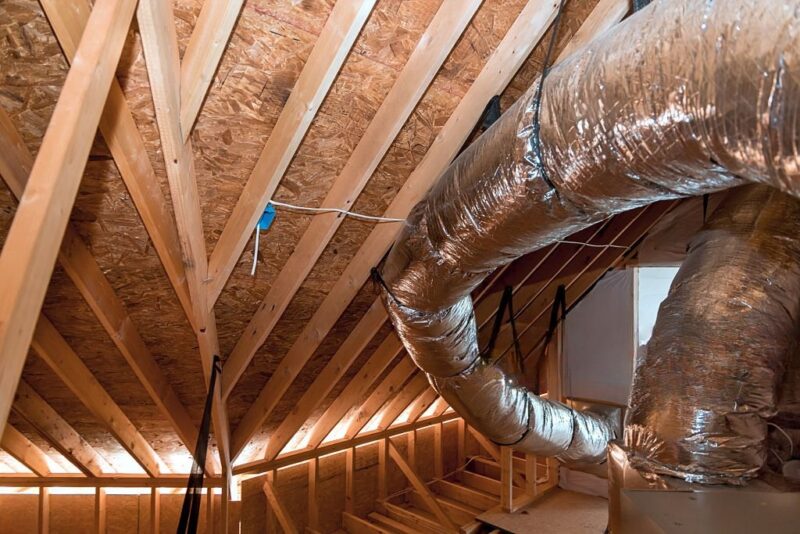
HVAC systems help distribute air through supply vents, return vents, and ductwork. This circulation keeps air moving from room to room, helping reduce stale spots and uneven comfort. Proper airflow also allows filtered and conditioned air to reach more areas of the home.
Fresh Air Ventilation Solutions
Some HVAC systems can be paired with fresh air ventilation solutions that bring outdoor air into the home in a more controlled way. This can help reduce stale indoor air without relying only on open windows. In Florida, controlled ventilation is especially useful because outdoor air can be hot and humid.
HVAC Filtration and Air Cleaning
As air moves through the HVAC system, filters help capture dust, pollen, pet dander, and other airborne particles. Additional air cleaning solutions, such as whole-home air purifiers, can provide stronger indoor air quality support. Clean filtration helps make circulated air fresher and more comfortable to breathe.
Humidity Control
Ventilation and humidity control work closely together. Your AC system helps remove moisture as it cools the air, while proper ventilation helps prevent excess moisture from becoming trapped indoors. This is especially important in bathrooms, kitchens, laundry areas, and humid Florida homes.
Why Routine HVAC Maintenance Matters
Routine HVAC maintenance helps keep airflow, filtration, and humidity control working properly. Dirty filters, clogged drain lines, dusty coils, and ductwork problems can reduce ventilation performance and indoor air quality. Regular service helps your system move air efficiently, reduce pollutants, and support a fresher home environment.
Ventilation Challenges in Florida Homes
Florida homes face unique ventilation challenges because of the state’s warm, humid climate and heavy reliance on air conditioning. While keeping doors and windows closed helps maintain indoor comfort, it can also limit fresh air exchange. Without proper ventilation, moisture, allergens, odors, and pollutants can become trapped indoors and affect overall air quality.
High Humidity Levels
Humidity is one of the biggest ventilation concerns in Florida homes. When moist air becomes trapped indoors, rooms may feel sticky, heavy, or uncomfortable. Excess humidity can also contribute to condensation, musty odors, and moisture buildup in areas with poor airflow.
Year-Round Air Conditioning Use
Because air conditioners run often in Florida, many homeowners keep windows closed for much of the year. This helps with cooling but can reduce natural ventilation. Without controlled fresh air exchange, indoor air may recirculate repeatedly, allowing dust, odors, and pollutants to build up over time.
Seasonal Allergens and Outdoor Pollutants
Florida’s long allergy seasons can bring pollen, dust, and outdoor pollutants into the home. Ventilation must be managed carefully so fresh air can enter without introducing excessive allergens or humidity. Proper HVAC filtration and controlled ventilation can help balance fresh air with indoor air quality protection.
Moisture and Mold Concerns
Poor ventilation can allow moisture to collect in bathrooms, kitchens, laundry rooms, closets, and other enclosed areas. Over time, this can increase the risk of mold and mildew growth. Improving airflow and humidity control helps reduce damp conditions that support mold-related air quality issues.
Why Florida Homes Benefit From Ventilation Solutions
Florida homes benefit from ventilation solutions that bring in fresh air while managing humidity, filtration, and comfort. HVAC-supported ventilation, routine maintenance, exhaust fans, and humidity control can help homeowners maintain fresher indoor air without sacrificing cooling efficiency.
6 Ways to Improve Ventilation in Your Home
1. Open Windows When Conditions Allow
Opening windows can provide natural ventilation when outdoor conditions are mild and humidity levels are manageable. This helps fresh air enter the home and allows stale indoor air to escape. However, in Florida, it is best to avoid opening windows during very humid days, high pollen periods, heavy rain, or poor outdoor air quality.
2. Use Kitchen and Bathroom Exhaust Fans
Kitchen and bathroom exhaust fans help remove moisture, odors, smoke, and cooking fumes at the source. Use bathroom fans during and after showers to reduce humidity buildup, and use kitchen exhaust fans while cooking to remove heat, steam, and airborne particles. These small habits can make a noticeable difference in indoor air quality.
3. Improve HVAC Airflow
Good HVAC airflow helps circulate conditioned and filtered air throughout the home. Keep supply and return vents open, avoid blocking vents with furniture or curtains, and replace filters regularly. If some rooms feel stuffy or uneven, a professional airflow inspection may help identify ductwork, blower, or ventilation issues.
4. Install Whole-Home Ventilation Systems
Whole-home ventilation systems provide controlled fresh air exchange without relying only on open windows. These systems can work with your HVAC equipment to help remove stale air and bring in fresh air more efficiently. For Florida homes, professional installation is important to help balance ventilation with humidity control.
5. Maintain Proper Indoor Humidity
Ventilation works best when humidity is properly controlled. High moisture levels can make indoor air feel sticky and increase the risk of musty odors, mold, and mildew. Using your AC system properly, repairing leaks, running exhaust fans, and considering dehumidification when needed can help maintain healthier humidity levels.
6. Schedule Routine HVAC Maintenance
Routine HVAC maintenance supports better ventilation by keeping filters, coils, drain lines, ductwork, and airflow components in good condition. A clean, well-maintained system can move air more effectively and help reduce indoor pollutants. Regular service also helps identify problems that may be limiting fresh air, airflow, or humidity control.
5 Common Ventilation Mistakes to Avoid
1. Blocking Supply and Return Vents
Supply and return vents should remain open and unobstructed so air can circulate properly. Furniture, rugs, curtains, or storage items placed over vents can restrict airflow, causing some rooms to feel stuffy while forcing your HVAC system to work harder. Keeping vents clear helps maintain balanced air circulation throughout the home.
2. Ignoring Dirty HVAC Filters
Dirty HVAC filters reduce airflow and make it more difficult for your system to circulate clean air. As filters become clogged with dust, pollen, and other particles, ventilation performance can decline and indoor air quality may suffer. Replacing filters according to the manufacturer’s recommendations helps maintain proper airflow and filtration.
3. Relying Only on Open Windows
Opening windows can provide natural ventilation, but it is not always the best solution, especially in Florida. Hot, humid weather, high pollen counts, rain, and poor outdoor air quality can introduce unwanted moisture and pollutants into the home. Controlled ventilation through your HVAC system and exhaust fans often provides more consistent results.
4. Overlooking Humidity Problems
Ventilation alone cannot solve every humidity issue. If your home consistently feels damp or sticky, excess moisture may still be trapped indoors even with improved airflow. Ignoring high humidity can contribute to musty odors, condensation, mold, and mildew. Ventilation should be combined with proper humidity control for the best indoor air quality.
5. Skipping HVAC Maintenance
Your HVAC system plays a major role in supporting ventilation, so regular maintenance is essential. Dirty coils, clogged drain lines, worn components, leaky ductwork, and restricted airflow can all reduce ventilation performance. Routine inspections and maintenance help keep your system operating efficiently while supporting cleaner, fresher indoor air.
FAQs About Home Ventilation
Can ventilation improve indoor air quality?
Yes, proper ventilation can improve indoor air quality by helping dilute and remove pollutants such as dust, pet dander, VOCs, cooking fumes, odors, carbon dioxide, and excess moisture. It works best when combined with HVAC filtration, humidity control, and routine maintenance.
Does my HVAC system provide enough ventilation?
Your HVAC system circulates and filters indoor air, but it may not always bring in enough fresh outdoor air. Some homes need additional ventilation solutions, especially if they feel stale, humid, or stuffy. A professional HVAC evaluation can determine whether your system supports proper ventilation.
How can I improve ventilation without opening windows?
You can improve ventilation without opening windows by using kitchen and bathroom exhaust fans, keeping vents clear, improving HVAC airflow, installing a whole-home ventilation system, and scheduling routine HVAC maintenance. These options are especially helpful in Florida, where outdoor air can be hot and humid.
Can poor ventilation cause mold?
Poor ventilation can contribute to mold by allowing moisture to build up indoors. Bathrooms, kitchens, closets, laundry rooms, and other low-airflow areas are especially vulnerable. Better ventilation, humidity control, and prompt moisture repairs can help reduce mold and mildew risks.
How often should my HVAC system be maintained?
Most HVAC systems should be professionally maintained at least once a year, though Florida homeowners may benefit from more frequent service because air conditioners run heavily for much of the year. Regular maintenance helps support airflow, filtration, humidity control, and overall indoor air quality.
When should I schedule a professional ventilation assessment?
Schedule a professional ventilation assessment if your home has persistent musty odors, high humidity, condensation, stale rooms, poor airflow, mold concerns, or indoor air quality problems that do not improve with basic maintenance. A professional can identify the cause and recommend the right ventilation or HVAC solution.
Vent Your Home—Not Your Frustration!
Proper ventilation helps keep your home fresh, comfortable, and healthier by moving stale air out and bringing cleaner air in. It also helps reduce indoor pollutants, control excess moisture, prevent lingering odors, and support better airflow throughout the home. When paired with proper HVAC maintenance, filtration, and humidity control, good ventilation can help lower the risk of musty rooms, mold concerns, allergy triggers, and poor indoor air quality.
At Dale’s AC as a leading HVAC company in Port Charlotte, we help homeowners improve ventilation, airflow, humidity control, and overall indoor air quality in Port Charlotte with practical HVAC solutions tailored to Florida homes. Whether your rooms feel stuffy, your home smells musty, or your indoor air simply does not feel as fresh as it should, we can help identify the issue and recommend the right solution. We also offer AC installation in Port Charlotte, AC replacement in Port Charlotte, air conditioning repair in Port Charlotte, attic insulation in Port Charlotte, residential HVAC services in Port Charlotte, and commercial HVAC services in Port Charlotte. Call us today at (941) 629-1712 or contact us and let us help your home breathe easier.