

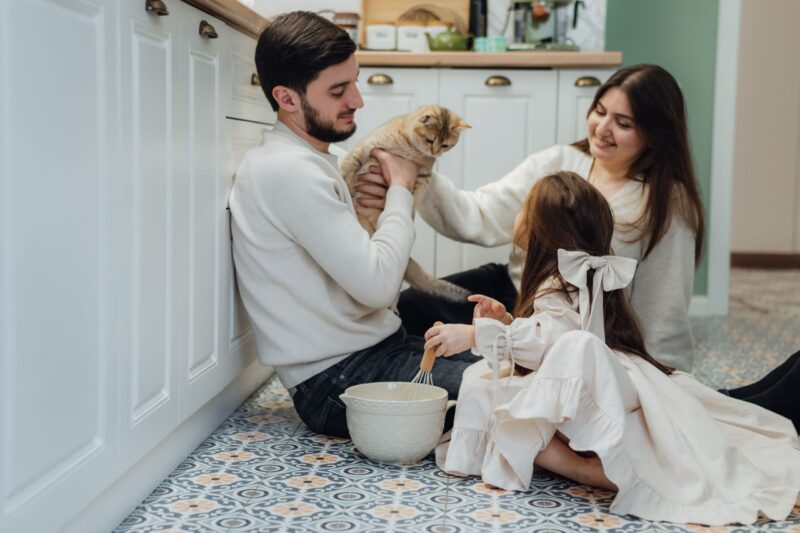
Pets make a house feel like home, but they can also influence the air you breathe indoors. While dogs, cats, birds, and other companion animals do not automatically create poor indoor air quality, they can contribute to airborne particles such as pet dander, hair, dust, and outdoor debris carried in on their fur or paws. Everyday activities like shedding, playing, and lounging on furniture can also increase the amount of particles circulating throughout your home.
Fortunately, enjoying life with pets and maintaining cleaner indoor air can go hand in hand. Regular grooming, routine cleaning, proper humidity control, and a well-maintained HVAC system all play important roles in supporting indoor air quality. In this guide, we’ll explore how pets affect the air inside your home, what that means for your HVAC system, and practical ways to create a fresher, more comfortable living environment for every member of the family, including the four-legged ones.
How Pets Influence Indoor Air Quality
Pets can affect indoor air quality in several ways, from releasing dander to carrying outdoor debris into the home. These particles can settle on floors and furniture or circulate through the HVAC system, especially in homes where pets spend most of their time indoors.
Pet Dander Is More Than Fur
Pet dander consists of tiny flakes of skin shed by animals, and it is different from visible pet hair. Because these particles are lightweight, they can remain airborne, settle on household surfaces, and move through the home with normal air circulation. Pet dander is also a common allergen, although individual reactions vary and similar symptoms may have other causes.
Pet Hair Collects Dust and Allergens
Pet hair can act as a carrier for dust, dander, pollen, and other small particles. As hair collects on carpets, furniture, bedding, and near vents, it can contribute to dust buildup throughout the home. When the HVAC system turns on or pets move through a room, some of these particles may become airborne again.
Outdoor Contaminants Pets Bring Indoors
Pets that spend time outside can bring pollen, dirt, grass particles, and mold spores indoors on their paws, coats, and collars. These contaminants may spread across floors, upholstery, and pet bedding before entering the air. Wiping paws after outdoor activity and regular grooming can help reduce the amount of debris carried into the home.
Pet Odors and Indoor Air
Natural body oils, litter boxes, accidents, damp fur, and unwashed bedding can contribute to lingering pet odors. Poor ventilation and high indoor humidity may make these smells more noticeable. Routine cleaning, proper airflow, and moisture control can help manage odors more effectively than simply covering them with heavily scented products.
Increased Dust From Daily Pet Activity
Running, playing, scratching, and jumping on furniture can disturb dust that has settled on floors and surfaces. This movement may send pet hair, dander, and other particles back into the air, where they can circulate through the home. Frequent vacuuming and surface cleaning can help limit buildup and reduce the amount of dust disturbed during daily activity.
5 Common Indoor Air Quality Challenges for Pet Owners
1. Airborne Allergens
Pet dander, saliva proteins, dust, and outdoor pollen can remain suspended in the air or settle on surfaces throughout the home. These particles may circulate through the HVAC system and become airborne again during normal activity. For sensitive individuals, exposure may contribute to sneezing, congestion, or irritated eyes, although these symptoms can have many possible causes.
2. Odor Buildup
Pet odors can come from fur, skin oils, litter boxes, accidents, bedding, and damp areas. When ventilation is limited, these smells may linger and spread through the home. Regular cleaning, prompt accident cleanup, fresh air exchange, and properly maintained filtration can help reduce odor buildup without relying only on scented products.
3. Excess Dust
Pet hair and dander can combine with household dust and collect along floors, baseboards, furniture, and air vents. Running, playing, and moving through carpeted areas can disturb these particles and send them back into the air. Frequent vacuuming, surface cleaning, and filter replacement can help keep dust levels more manageable.
4. Humidity and Moisture
Water bowls, wet paws, damp bedding, and bathing can add small amounts of moisture indoors, while Florida humidity can make moisture control more difficult overall. High humidity may intensify odors and create conditions that support mold growth in areas with poor airflow or water intrusion. Keeping indoor relative humidity between 30% and 50%, cleaning up spills, and addressing leaks promptly can help reduce these concerns.
5. HVAC Filters Clogging Faster
Homes with pets often collect more hair, dander, and dust in the HVAC filter. As the filter becomes loaded, airflow may decrease and the system may need to work harder to move conditioned air. Pet owners may need to inspect filters more frequently and replace them based on the manufacturer’s guidance, the number of pets, and the home’s indoor conditions.
How Pet Dander Affects Your HVAC System
Your HVAC system continuously circulates air throughout the home, so it naturally captures many of the particles pets introduce indoors. While filters are designed to trap airborne debris, larger amounts of pet hair and dander can affect system performance if routine maintenance is overlooked.
Filters Fill More Quickly
Homes with pets often require more frequent HVAC filter inspections because pet hair, dander, and dust can accumulate faster than in homes without animals. As the filter captures these particles, it gradually becomes more restrictive. Replacing the filter at appropriate intervals helps maintain airflow and allows the system to continue filtering airborne particles effectively.
Reduced Airflow
A clogged air filter can make it more difficult for conditioned air to move through the HVAC system. Reduced airflow may lead to uneven temperatures, longer cooling cycles, and added strain on system components. Keeping filters clean and selecting the correct filter for the HVAC system helps support both comfort and efficiency.
More Frequent HVAC Cycling
As airflow becomes restricted or cooling efficiency decreases, the HVAC system may run longer or cycle more frequently to maintain the thermostat setting. While several factors can contribute to this behavior, a heavily loaded air filter caused by excess pet hair and dander is one possible cause. Regular maintenance can help identify whether filtration or another system issue is affecting performance.
Dirty Evaporator Coils
Some airborne particles that pass beyond the filter may eventually settle on the evaporator coil over time. Dust, pet dander, and other debris can reduce heat transfer if significant buildup occurs, making the system less efficient. Professional HVAC maintenance includes inspecting and cleaning the evaporator coil when necessary to help maintain proper operation.
Ductwork Can Collect Pet Debris
Small amounts of pet hair, dust, and dander can settle inside ductwork as air moves through the system. While some accumulation is normal, excessive debris may occur when filters are not replaced regularly, ducts have air leaks, or home cleaning is infrequent. Routine filter replacement, HVAC maintenance, and keeping the home clean can help limit the amount of pet-related debris that enters the duct system.
6 Signs Pet-Related Air Quality May Need Attention
1. Persistent Pet Odors
Lingering pet odors that remain even after routine cleaning may indicate that odors have settled into carpets, upholstery, bedding, or other porous materials. In some cases, poor ventilation or elevated indoor humidity can make odors more noticeable. Addressing the source of the odor, rather than simply masking it, is often the most effective approach.
2. Visible Dust Around Vents
Dust collecting around supply or return vents may suggest that airborne particles are circulating throughout the HVAC system. While some dust is normal in every home, excessive buildup may indicate that filters need replacing, cleaning frequency should be increased, or airflow should be evaluated as part of routine HVAC maintenance.
3. Frequent Filter Changes
If HVAC filters appear dirty much sooner than expected, pets may be contributing additional hair, dander, and dust to the system. Homes with multiple pets or heavy shedding often require more frequent filter inspections than the standard replacement schedule. Following the filter manufacturer’s recommendations while adjusting for household conditions can help maintain proper airflow.
4. Increased Allergy-Like Symptoms
Sneezing, nasal congestion, itchy eyes, or throat irritation may become more noticeable in some homes with pets. However, these symptoms can have many possible causes, including seasonal pollen, household dust, mold, viruses, or other indoor allergens. If symptoms persist or worsen, improving indoor air quality and consulting an appropriate healthcare professional may both be worthwhile.
5. Uneven Airflow
Some rooms may receive less conditioned air if HVAC airflow becomes restricted by a heavily loaded filter or other system issues. Uneven airflow can also result from duct leaks, closed vents, or equipment problems, so a professional HVAC inspection may be needed to determine the underlying cause.
6. Excess Pet Hair Near Registers
Large amounts of pet hair collecting around floor registers, return grilles, or vents may indicate that hair is being pulled toward the HVAC system as it circulates air. Regular vacuuming around these areas, grooming pets frequently, and replacing HVAC filters on schedule can help reduce buildup and support cleaner airflow throughout the home.
6 Tips for Improving Indoor Air Quality With Pets
1. Groom Pets Regularly
Regular grooming helps reduce loose hair and dander before they spread throughout the house. Brushing pets outdoors or in an easy-to-clean area can keep shedding under control, while bathing, when appropriate for the animal and recommended by a veterinarian, may help remove dirt and allergens from the coat. Grooming frequency will vary depending on the pet’s breed, coat type, and individual needs.
2. Vacuum Frequently
Vacuuming floors, rugs, and upholstered furniture on a regular basis helps remove pet hair, dander, and dust before these particles become airborne again. Vacuums equipped with HEPA filters can capture many fine particles while cleaning, making them a good option for homes with pets. Don’t forget to clean under furniture and along baseboards where pet hair often accumulates.
3. Wash Pet Bedding Often
Pet beds, blankets, and favorite resting spots can collect hair, dander, dirt, and natural body oils over time. Washing bedding according to the manufacturer’s instructions helps reduce particle buildup and can also minimize lingering pet odors. Keeping bedding clean benefits both indoor air quality and your pet’s comfort.
4. Keep Litter Boxes and Pet Areas Clean
Litter boxes, cages, feeding areas, and other pet spaces should be cleaned regularly to help reduce odors and limit the buildup of dust and debris. Promptly removing waste and replacing litter or bedding as needed can help prevent odors from spreading throughout the home. Good ventilation around these areas also supports fresher indoor air.
5. Wipe Paws Before Coming Inside
Pets can track pollen, dirt, grass, and other outdoor particles into the house after spending time outside. Wiping paws before entering helps reduce the amount of debris carried onto floors, carpets, and furniture. This simple habit can be especially beneficial during Florida’s pollen season or after rainy weather.
6. Reduce Clutter Where Hair Collects
Pet hair tends to gather around piles of clothing, decorative fabrics, storage boxes, and other cluttered areas that are difficult to clean. Keeping living spaces organized makes it easier to vacuum, dust, and remove accumulated hair and dander. Fewer places for debris to collect can contribute to a cleaner home and support better indoor air quality.
HVAC Solutions That Help Pet Owners
A well-maintained HVAC system can help manage many of the airborne particles associated with pets. While no single product can eliminate every source of pet hair, dander, or odors, combining proper filtration, humidity control, and routine maintenance can support cleaner indoor air and more efficient system performance.
Upgrade to High-Efficiency Air Filters
Choosing the right HVAC filter is one of the simplest ways to improve indoor air quality in a home with pets. Filters with higher MERV ratings can capture smaller airborne particles than lower-rated filters, but the filter should also be compatible with your HVAC system. Using a filter that is too restrictive for the equipment may reduce airflow, so it’s important to balance filtration efficiency with proper system performance.
Schedule Regular HVAC Maintenance
Routine HVAC maintenance helps keep the system operating efficiently while reducing the buildup of dust, pet hair, and debris on important components. During a professional service visit, technicians can inspect the air filter, evaporator coil, blower components, condensate drain, and overall system operation. Regular maintenance also provides an opportunity to identify airflow or indoor air quality concerns before they become larger problems.
Consider Whole-Home Air Purification
Whole-home air purification systems can provide an additional layer of indoor air quality support beyond a standard HVAC filter. Depending on the equipment selected, electronic air cleaners and other whole-home air purification systems are designed to help reduce airborne particles as air circulates through the HVAC system. These solutions work alongside filtration and routine cleaning rather than replacing them.
Maintain Proper Indoor Humidity
Indoor relative humidity should generally remain between 30% and 50% for comfort and moisture control. In Florida, high outdoor humidity can make it difficult for the air conditioner alone to maintain this range, especially during mild weather or periods of limited cooling demand. A whole-home dehumidifier can help manage excess moisture, which may also reduce musty odors and create indoor conditions that are less favorable for mold growth.
Keep Air Ducts Clean When Appropriate
Air ducts do not need routine cleaning simply because you have pets. However, duct cleaning may be beneficial if there is substantial accumulation of debris, evidence of pest activity, excessive dust following renovations, or other specific concerns identified during an HVAC inspection. Replacing filters regularly, maintaining the HVAC system, and keeping the home clean are often the most effective ways to limit pet-related particles entering the ductwork.
6 Common Mistakes Pet Owners Make
1. Forgetting to Change Air Filters
Homes with pets often require more frequent air filter inspections because pet hair, dander, and dust can accumulate quickly. Waiting too long to replace a loaded filter may restrict airflow and reduce the system’s ability to capture airborne particles. Checking the filter regularly and replacing it according to the manufacturer’s recommendations or household conditions can help maintain better indoor air quality.
2. Overlooking HVAC Maintenance
Routine HVAC maintenance is important for every home, but it can be especially valuable in households with pets. Hair and dust may accumulate on system components over time, affecting airflow and efficiency. Scheduling professional maintenance helps ensure the equipment is clean, operating properly, and ready to handle the additional airborne particles common in pet-friendly homes.
3. Relying Only on Air Fresheners
Air fresheners can temporarily mask pet odors, but they do not remove the particles or sources creating the smell. Lingering odors are often better managed through regular cleaning, proper ventilation, humidity control, and effective HVAC filtration. Addressing the source of the odor is typically more effective than covering it with fragrances.
4. Ignoring Humidity Levels
High indoor humidity can make pet odors more noticeable and may contribute to condensation or moisture-related concerns. Florida homeowners should monitor indoor humidity and aim to keep relative humidity between 30% and 50%. If humidity remains elevated, a whole-home dehumidifier or adjustments to the HVAC system may help improve moisture control.
5. Skipping Routine Cleaning
Pet hair and dander can quickly build up on floors, furniture, curtains, and other household surfaces. Without regular vacuuming, dusting, and washing of pet bedding, these particles may continue circulating through the home. Consistent cleaning helps reduce airborne debris and supports the performance of the HVAC system.
6. Blocking Air Vents With Pet Beds or Furniture
Placing pet beds, crates, furniture, or storage items over supply or return vents can interfere with proper airflow. Restricted vents may reduce heating and cooling performance and make it more difficult for the HVAC system to circulate and filter indoor air effectively. Keeping vents clear helps maintain balanced airflow and consistent comfort throughout the home.
Indoor Air Quality Products That May Benefit Pet Owners
Pet-friendly homes often benefit from a combination of filtration, moisture control, and air-quality monitoring. These products cannot replace routine cleaning or pet grooming, but they can support a broader strategy for reducing airborne particles, managing humidity, and keeping the HVAC system cleaner.
Whole-Home Air Purifiers
Whole-home air purifiers work with the HVAC system to treat air as it circulates throughout the house. Depending on the model, they may help capture or reduce pet dander, dust, pollen, and other airborne particles. They are especially useful for homeowners who want coverage beyond a single room, though performance depends on proper sizing, installation, and maintenance.
Electronic Air Cleaners
Electronic air cleaners use an electrical charge to help capture fine particles as air passes through the HVAC system. They may reduce some pet-related contaminants that standard filters do not catch as effectively. These systems require regular cleaning or maintenance to continue working properly and should be selected based on compatibility with the existing HVAC equipment.
UV-C Lights
UV-C lights are commonly installed near the evaporator coil or inside ductwork to help reduce microbial growth on surfaces exposed to the light. They may help keep certain HVAC components cleaner, especially in humid environments, but they do not capture pet hair or dander and should not be viewed as a complete indoor air quality solution. UV-C lights are also not odor eliminators, so pet smells still need to be addressed through cleaning, ventilation, filtration, and source control.
Whole-Home Dehumidifiers
Whole-home dehumidifiers help remove excess moisture from indoor air and can be particularly useful in Florida homes. Keeping relative humidity between 30% and 50% may help reduce musty odors, improve comfort, and create conditions that are less favorable for mold growth. These systems work alongside the air conditioner and can provide moisture control even when cooling demand is low.
Smart Indoor Air Quality Monitors
Smart indoor air quality monitors can track conditions such as humidity, temperature, and airborne particle levels in real time. While they do not remove pollutants, they can help homeowners identify patterns and determine when ventilation, filtration, cleaning, or dehumidification may be needed. For pet owners, this information can make it easier to adjust routines and maintain a more consistent indoor environment.
Why Florida Pet Owners Trust Dale’s AC
Local HVAC Experts Since 1974
For more than 50 years, Dale’s AC has proudly served homeowners throughout Southwest Florida. As a family-owned company, we understand the unique challenges of Florida’s heat, humidity, and year-round cooling demands. Our experienced technicians provide honest recommendations and dependable service tailored to each home’s needs.
Indoor Air Quality Solutions for Pet-Friendly Homes
Every home is different, especially when pets are part of the family. We offer indoor air quality solutions that may help reduce airborne particles while supporting HVAC performance, including upgraded filtration, whole-home humidity control, air purification systems, and other products designed to work with your existing equipment. We’ll help you determine which options are appropriate for your home and lifestyle.
Professional HVAC Maintenance
Routine HVAC maintenance helps keep your system operating efficiently while managing the additional hair, dander, and dust that often come with pet ownership. During scheduled service, we inspect key system components, replace or recommend air filters, check airflow, clean accessible components as needed, and identify issues that could affect comfort or indoor air quality.
Personalized Indoor Air Quality Recommendations
There is no one-size-fits-all solution for indoor air quality. Our team evaluates your home’s HVAC system, filtration, humidity levels, occupancy, and pet-related concerns before recommending improvements. Whether you need better filtration, humidity control, or air purification, we’ll provide practical recommendations based on your home’s specific conditions.
FAQs About How Pets Affect Indoor Air Quality
Do pets make indoor air quality worse?
Pets can contribute additional hair, dander, dust, odors, and outdoor debris to the home, but they do not automatically create poor indoor air quality. Regular grooming, cleaning, filtration, humidity control, and HVAC maintenance can help keep pet-related particles more manageable.
Does pet hair affect HVAC systems?
Yes. Pet hair can collect on air filters, return grilles, vents, and other HVAC components. If buildup becomes excessive, it may restrict airflow and make the system work harder. Frequent vacuuming and regular filter inspections can help reduce the amount of hair entering the system.
What air filter is best for homes with pets?
The best filter is one that captures fine particles while remaining compatible with the HVAC system’s airflow requirements. A higher MERV rating may help capture more pet dander and dust, but a filter that is too restrictive can reduce airflow. An HVAC professional can recommend an appropriate option for the specific equipment.
How often should pet owners change HVAC filters?
Pet owners may need to inspect filters every month and replace them more frequently than households without animals. The exact schedule depends on the number of pets, shedding levels, filter type, household dust, and system usage. Replace the filter when it appears dirty or according to the manufacturer’s guidance.
Will an air purifier remove pet dander?
An air purifier can help capture airborne pet dander, but it will not remove particles that have already settled on carpets, furniture, bedding, or other surfaces. Whole-home or portable air purifiers work best when combined with regular cleaning, grooming, and effective HVAC filtration.
Can pets increase indoor humidity?
Pets generally add only small amounts of moisture through breathing, bathing, wet fur, water bowls, and damp bedding. Florida’s outdoor humidity usually has a much greater effect on indoor moisture levels. Maintaining relative humidity between 30% and 50% can support comfort and help limit moisture-related concerns.
Should air ducts be cleaned because of pets?
Air ducts do not need to be cleaned on a routine schedule simply because pets live in the home. Cleaning may be appropriate when there is substantial visible debris, pest contamination, unusual odors connected to the ductwork, or another specific concern confirmed during an inspection. Regular filter replacement and HVAC maintenance are often more important for limiting buildup.
How can I reduce pet odors without affecting indoor air quality?
Address odor sources directly by washing pet bedding, cleaning litter boxes, vacuuming upholstery, grooming pets, and cleaning accidents promptly. Proper ventilation, humidity control, and activated carbon filtration may also help with certain odors. Avoid relying heavily on fragranced sprays because they may only mask the smell and can add additional airborne compounds.
Your Pets Deserve Belly Rubs, Not Dusty Air!
Pets can add dander, hair, dust, odors, and outdoor debris to the home, but the right combination of cleaning, filtration, humidity control, and HVAC care can make these concerns more manageable. Professional AC installation in Port Charlotte, regular AC maintenance in Port Charlotte, and timely air conditioning repair in Port Charlotte can all support more consistent airflow, better system performance, and improved indoor air quality in Port Charlotte.
At Dale’s AC as a trusted HVAC company in Port Charlotte, we provide trusted residential HVAC services in Port Charlotte and practical indoor air quality solutions for pet-friendly homes. We can inspect your system, review your filtration and humidity needs, and recommend options that fit your household. Call us today at (941) 629-1712 or contact us and let us help you clear the air without sending your pets to the doghouse.