

Your home’s air ducts carry heated and cooled air from the HVAC system to every room, making them an important part of indoor comfort and airflow. Over time, dust, pet hair, renovation debris, pest residue, and moisture-related contamination may collect inside the duct system. However, a little dust around a vent does not automatically mean the entire system needs professional cleaning.
The key is knowing which warning signs point to a possible duct problem and which may be caused by filters, duct leaks, damaged components, humidity, or other HVAC issues. Visible debris, musty odors, pest activity, dust blowing from registers, and recent renovation or water damage may justify a professional inspection. This guide explains the most common signs your home may need air duct cleaning and when another HVAC service may be the more appropriate solution.
What Is Air Duct Cleaning?
Air duct cleaning is the process of removing accumulated dust, debris, and other contaminants from accessible parts of a home’s duct system and related HVAC components. The service is typically recommended based on the condition of the system rather than performed automatically on a fixed schedule.
Understanding the HVAC Duct System
An HVAC duct system includes supply ducts that carry conditioned air into each room and return ducts that pull indoor air back toward the equipment. Registers and grilles cover the openings where air enters and leaves the ductwork, while the ducts connect to the air handler, where air is filtered, heated, or cooled before being distributed throughout the home again.
What Professional Duct Cleaning May Include
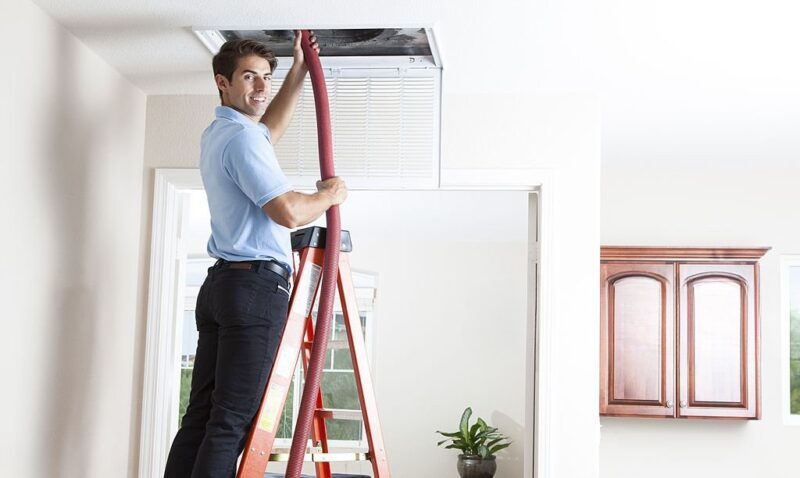
Professional duct cleaning may include the supply and return ductwork, registers, return grilles, air handler cabinet, and accessible blower components. Technicians often use vacuum collection equipment to create controlled suction, along with brushes, air whips, or other agitation tools to loosen and capture debris without spreading it through the home.
Duct Cleaning vs Routine HVAC Maintenance
Air duct cleaning and routine HVAC maintenance are separate services. Maintenance usually includes filter replacement, coil and drain inspection, electrical and mechanical checks, and equipment performance testing. Duct cleaning is generally recommended only when an inspection shows significant buildup, contamination, renovation debris, pest residue, or another condition that makes cleaning appropriate.
1. Visible Dust Blowing From the Vents
While it’s normal for a small amount of dust to collect around air vents over time, visible dust blowing into your living space whenever the HVAC system starts may indicate that more than ordinary household dust is present. If this continues despite regular housekeeping and filter changes, it’s worth having the duct system professionally inspected to determine whether excessive debris has accumulated inside the ductwork or another HVAC issue is contributing to the problem.
Dust Puffs When the HVAC System Starts
If you notice small clouds of dust or visible particles coming from supply registers each time your heating or cooling system turns on, it could be a sign that debris has built up inside the ductwork. Dust collecting inside supply registers or repeatedly appearing after you’ve cleaned the vent covers may suggest that particles are being circulated through the system rather than simply settling on the surface. An inspection can help determine whether the debris is coming from the ducts, the air handler, or another part of the HVAC system.
Dust or Pet Hair Trapped Behind Registers
Removing a register cover can sometimes reveal dust, pet hair, insulation fibers, or construction debris that has collected just inside the duct opening. While a small amount of buildup is common, excessive accumulation or debris extending farther into the ductwork may indicate the need for a closer inspection. Homes with multiple pets or those that have recently undergone remodeling may be more likely to experience this type of buildup.
Dust Coating Return-Air Grilles
Return-air grilles often collect more dust than supply vents because they continuously pull air back into the HVAC system. Some buildup is expected due to the high volume of air moving through these openings. However, heavy dust accumulation may also point to a dirty air filter, gaps around the filter that allow unfiltered air to bypass it, or other airflow issues. Rather than assuming the ducts need cleaning, it’s important to inspect the entire HVAC system to identify the source of the problem and recommend the appropriate solution.
Visible dust puffs, debris inside vents, and heavy buildup around return grilles are commonly recognized signs that your HVAC system may benefit from a professional duct inspection. An evaluation can determine whether duct cleaning is appropriate or if another issue, such as a clogged filter, duct leak, or airflow restriction, should be addressed instead.
2. Your Home Becomes Dusty Soon After Cleaning
If dust returns to your furniture, floors, and other surfaces shortly after you clean, your HVAC system may be recirculating particles through the home. However, rapid dust buildup does not automatically mean the ductwork needs cleaning. Dust can enter from several sources, so the filter, duct system, and surrounding areas should be evaluated before deciding on the right service.
Dust Quickly Returns to Furniture and Floors
Repeated dust buildup on tables, shelves, flooring, and electronics may indicate that particles are continuing to circulate indoors. This can be especially noticeable when surfaces look dusty again only a day or two after cleaning. While debris inside the ductwork may contribute, the particles could also be moving through the home from multiple indoor and outdoor sources.
Ductwork May Be Only One Possible Source
Household dust can come from outdoor air, carpets, upholstered furniture, bedding, clothing, and daily activity. Open windows and doors may allow pollen, dirt, and fine debris to enter, while pets can add hair and dander. Leaks in attic ductwork or return-air connections may also pull dust from unconditioned spaces into the HVAC system, making a full inspection more useful than assuming the ducts simply need cleaning.
Check the Filter Before Scheduling Duct Cleaning
A dirty or poorly fitted air filter is one of the first things to check when dust builds up quickly. An incorrect filter size, gaps around the frame, or a filter installed backward may allow particles to bypass filtration and circulate through the system. Replacing the filter correctly and checking the filter cabinet may resolve part of the problem, while persistent dust may warrant a closer inspection of the ducts, air handler, and return-air pathways.
A home that becomes dusty again very quickly may benefit from a duct inspection, but household dust can originate from many places. Identifying the source first helps determine whether duct cleaning, filter correction, duct sealing, or another HVAC service is the most appropriate solution.
3. Persistent Musty or Unpleasant Odors
Occasional odors can occur for many reasons, but smells that consistently appear whenever your HVAC system starts may indicate that something inside the system deserves attention. A musty or unpleasant odor does not automatically mean the air ducts need cleaning, but it can signal moisture, accumulated debris, pest activity, or another issue affecting the HVAC system. A professional inspection can help determine where the odor is coming from and whether duct cleaning is the appropriate solution.
Odors Appear When the HVAC System Runs
If you notice musty smells, stale air, pest-related odors, or other unpleasant scents only when your heating or cooling system is operating, the HVAC system may be distributing those odors throughout the home. In some cases, the smell may seem to travel from room to room as conditioned air moves through the ductwork. While this can indicate contamination within the system, it may also point to other HVAC components that require inspection.
Possible Odor Sources Inside the HVAC System
Several parts of the HVAC system can contribute to persistent odors. Accumulated dust and debris inside the ductwork may trap odors over time, while excess moisture near the air handler can create conditions that lead to musty smells. Drain pan or condensate issues may allow standing water to develop, and contaminated insulation or pest nesting materials inside or around the duct system can also produce unpleasant odors that circulate when the system is running.
Why Source Identification Matters
Identifying the source of the odor is essential because duct cleaning is not the right solution for every situation. Odors may originate from the evaporator coil, the air handler cabinet, or the condensate drain system rather than the ductwork itself. In other cases, carpeting, upholstered furniture, plumbing issues, or excess moisture elsewhere in the home may be responsible. A thorough HVAC inspection helps pinpoint the source so the appropriate repair, cleaning, or maintenance service can be recommended instead of addressing the wrong component.
Musty or unpleasant smells that become noticeable when the HVAC system starts may justify a professional inspection, but duct cleaning will only be beneficial if the source of the odor is actually within the ductwork or another accessible HVAC component.
4. Visible Mold-Like Growth Near Vents or HVAC Components
Visible discoloration or spotting near vents, grilles, or HVAC equipment may indicate excess moisture or possible microbial growth. However, appearance alone is not enough to confirm mold, since dust, staining, rust, and other residue can look similar. A professional inspection can help identify the material, evaluate how far it has spread, and determine whether cleaning, repair, or replacement is appropriate.
Growth Around Registers or Grilles
Dark spots, discoloration, or surface growth around registers and grilles may develop where condensation forms or humid air reaches cooler surfaces. These signs should not be ignored, especially when they return after cleaning. Proper identification is important before taking action because not every stain is mold, and the underlying moisture source may be located elsewhere in the HVAC system or building.
Growth Inside Hard-Surface Ducts
If mold-like growth is visible inside accessible hard-surface ducts, a professional inspection can determine the extent of the affected area and whether the material can be safely cleaned. The technician may examine nearby duct sections, the air handler, coils, drain components, and insulation to identify related moisture concerns. The cleaning method should match the duct material and condition to avoid damaging the system or spreading debris.
Moisture Must Be Corrected First
Cleaning visible growth without addressing moisture may allow the problem to return. Condensation, clogged drains, duct leaks, high indoor humidity, and wet insulation are common issues that should be investigated. Correcting the source of moisture helps protect the HVAC system and supports longer-lasting results after affected surfaces are cleaned or repaired.
When Cleaning May Not Be Enough
Some materials cannot be fully restored through cleaning alone. Porous duct liner, saturated insulation, heavily contaminated ductboard, or materials damaged by water may need professional remediation or replacement. Extensive contamination may also require coordination with a qualified mold remediation specialist before HVAC cleaning or repairs are completed.
Visible growth near HVAC equipment often points to a moisture-related issue, but it should be properly identified before any service is performed. Addressing the moisture source first helps determine whether cleaning, remediation, repair, or material replacement is the most appropriate solution.
5. Evidence of Rodents or Insects in the Ductwork
Rodents and insects can occasionally find their way into HVAC ductwork, especially if there are gaps, damaged ducts, or openings around the home. Once inside, they may leave behind droppings, nesting materials, unpleasant odors, and physical damage that can affect the condition of the duct system. If you suspect pest activity, a professional inspection can help determine the extent of the problem and identify the repairs or cleaning that may be needed after the infestation has been addressed.
Scratching or Movement Sounds
Hearing scratching, scurrying, or movement inside the ductwork, particularly during quiet hours or at night, may indicate rodents or other small animals are present. While metal ducts can naturally expand and contract as temperatures change, persistent sounds that go beyond occasional popping or ticking deserve further investigation. Identifying the source early can help prevent additional damage to the duct system and surrounding areas.
Droppings, Nesting Materials, or Chewed Components
Finding droppings, shredded insulation, nesting materials, or debris inside registers or around HVAC components is another potential sign of pest activity. Rodents may chew flexible ducts, insulation, wiring, or other materials while creating nesting areas. Besides damaging the HVAC system, these materials can contaminate sections of the ductwork and may require cleaning after the infestation has been eliminated.
Unpleasant Pest-Related Odors
Persistent foul odors coming from the vents may occur when pests have nested inside the duct system or when nesting materials, droppings, or animal remains are present. These odors may become more noticeable whenever the HVAC system starts, allowing smells to travel from room to room through the ductwork. Because several HVAC and household issues can also cause unpleasant odors, a professional inspection is the best way to identify the actual source.
Pest Control Must Come Before Cleaning
If rodents or insects are found in the ductwork, removing the infestation should always be the first priority. After the pests have been eliminated, any entry points should be sealed to help prevent future infestations, and damaged ducts or insulation should be repaired or replaced as needed. Only then should affected sections of the HVAC system be professionally cleaned to remove remaining debris, nesting materials, and other contamination.
Rodent or insect activity is a strong reason to schedule a professional HVAC inspection because pests can leave behind odors, droppings, nesting materials, and physical damage that extend beyond the visible portions of the duct system. Addressing both the infestation and any resulting HVAC issues helps restore the system’s condition and supports reliable airflow throughout the home.
6. Reduced or Uneven Airflow From the Vents
If some rooms receive noticeably less airflow than others, your duct system or HVAC equipment may not be operating as efficiently as it should. While debris inside the ductwork can sometimes contribute to airflow restrictions, reduced airflow is not always caused by dirty ducts. A professional inspection can help identify whether cleaning, repairs, or another HVAC service is needed to restore consistent comfort throughout your home.
Weak Airflow in Certain Rooms
Low air volume from one or more supply vents may be a sign that airflow is being restricted somewhere within the HVAC system. You might notice that certain rooms take much longer to cool or never seem to reach the same temperature as the rest of the house. Differences in airflow between nearby vents can also indicate that a section of the duct system should be inspected to determine the underlying cause.
Uneven Indoor Temperatures
Uneven temperatures throughout the home often accompany airflow issues. Some rooms may remain warm while others cool quickly, causing noticeable comfort differences from one area to another. As the HVAC system works longer to satisfy the thermostat setting, it may operate for extended periods without evenly distributing conditioned air. Although duct contamination can contribute in some situations, temperature imbalances often have multiple possible causes.
When Debris May Be Restricting Airflow
In some cases, significant debris inside the ductwork may partially restrict airflow. Large obstructions, leftover construction materials, or accumulated debris after a renovation can reduce the amount of conditioned air reaching certain rooms. Collapsed or contaminated duct sections and blocked supply or return registers may also interfere with proper air distribution. A thorough inspection can determine whether cleaning alone is sufficient or if repairs are necessary.
Other Causes That Must Be Ruled Out
Before assuming the ducts need cleaning, several other HVAC issues should be evaluated. A clogged air filter can significantly reduce airflow throughout the system, while closed dampers or blocked registers may limit air delivery to individual rooms. Duct leaks, crushed flexible ducts, blower motor problems, or an improperly sized HVAC system can also create uneven airflow and comfort issues. Identifying the actual cause helps ensure the correct solution is recommended instead of performing unnecessary duct cleaning.
Reduced or uneven airflow is frequently listed as a possible sign that your duct system should be inspected, but it does not automatically mean the ducts need cleaning. A complete HVAC evaluation can determine whether the issue is caused by debris, damaged ductwork, equipment performance, or airflow design, allowing the appropriate service to restore comfort and efficiency.
7. Energy Bills Rise Without an Obvious Explanation
A sudden increase in your energy bills can be frustrating, especially if your household habits have not changed. While restricted airflow caused by excessive debris inside the HVAC system may contribute to reduced efficiency in some situations, higher utility costs are not a reliable indicator that your air ducts need cleaning. Many factors can affect how hard your heating and cooling system works, making a professional inspection the best way to identify the actual cause.
The HVAC System Runs Longer Than Before
One sign of reduced HVAC performance is when the system runs longer than it used to in order to maintain the desired indoor temperature. Extended cooling cycles, difficulty reaching the thermostat setting, or frequent operation throughout the day may indicate that the equipment is working harder than normal. This increased workload can result from airflow restrictions, equipment issues, or other conditions that reduce overall system performance.
Airflow Restrictions May Contribute
Heavy debris inside sections of the ductwork or other HVAC components may restrict airflow in certain cases, making it more difficult for conditioned air to reach every room. Dirty blower components, pressure imbalances within the system, or reduced air delivery caused by obstructions can also affect efficiency. However, these conditions should be confirmed through an inspection rather than assumed based solely on rising energy costs.
Other Common Causes of Higher Energy Use
Many common HVAC and home-related issues can increase utility bills without involving the ductwork. Dirty air filters, duct leaks, poor attic insulation, aging heating and cooling equipment, thermostat setting changes, and periods of extreme outdoor temperatures can all cause your system to run longer and consume more energy. Identifying these issues early may help improve comfort and prevent unnecessary wear on the HVAC system.
Why a Complete HVAC Evaluation Matters
When energy bills increase unexpectedly, it’s important to avoid assuming the ducts are responsible. Comparing recent energy-use patterns with seasonal weather, inspecting the HVAC system, and evaluating airflow can provide a more accurate picture of what’s affecting performance. A professional evaluation can determine whether duct cleaning is appropriate or if maintenance, repairs, filter replacement, duct sealing, or equipment service would be a more effective solution.
Rising energy use is sometimes associated with restricted airflow or dirty HVAC components, but it is not proof that duct cleaning is needed. Because many equipment and building conditions can affect energy consumption, a complete HVAC evaluation is the most reliable way to identify the cause and recommend the appropriate service.
8. Your Air Filters Become Dirty Unusually Quickly
Air filters naturally collect dust and airborne particles as your HVAC system operates, but they should generally last for their expected service interval under normal household conditions. If your filter becomes heavily soiled much sooner than expected, it may indicate excessive airborne debris, an airflow issue, or a problem elsewhere in the HVAC system. Rather than replacing filters more frequently without investigating the cause, it’s worth determining why they are loading up so quickly.
Filters Load Up Before the Expected Interval
If your air filter develops heavy visible buildup well before its recommended replacement date, it may begin restricting airflow through the HVAC system. Reduced airflow can make your heating and cooling equipment work harder to maintain the desired indoor temperature, leading to more frequent filter changes and reduced overall system performance. While this doesn’t necessarily mean the ductwork needs cleaning, it does suggest that the system should be evaluated to identify the source of the excess debris.
Household Conditions That Increase Filter Loading
Some homes naturally require more frequent filter replacement than others. Pets shed hair and dander, multiple occupants generate more household dust, and open windows can allow pollen and outdoor debris to enter. Nearby road construction, landscaping projects, or major home renovations may also introduce additional airborne particles. In Florida, where air conditioners often run for much of the year, heavy HVAC use can cause filters to collect debris more quickly than homes in milder climates.
Check for Filter Bypass
A filter that becomes dirty unusually fast may also indicate that it is not installed correctly. An incorrect filter size, gaps around the frame, a damaged filter cabinet, or improper installation can allow unfiltered air to bypass the filter and circulate through the HVAC system. Ensuring the filter fits securely and is installed in the correct direction helps improve filtration and may reduce unnecessary dust throughout the home.
Consider Duct Leaks or Contamination
If filters continue to become dirty unusually quickly after being properly installed, the duct system may need further evaluation. Leaks in return ducts can draw dusty attic air into the HVAC system, while damaged return-air pathways or loose duct connections may allow additional contaminants to enter before the air reaches the filter. A professional inspection can identify whether duct leaks, contamination, or another HVAC issue is contributing to the problem and recommend the most appropriate solution.
Air filters that become dirty much sooner than expected should not be ignored. While heavy filter loading can sometimes be linked to duct contamination, it is just as often caused by household conditions, improper filter installation, or duct leakage. A thorough HVAC inspection can help determine the underlying cause and whether duct cleaning, duct repair, or another service is the best course of action.
9. Strange Noises Come From the Ductwork
Your HVAC system should operate relatively quietly, aside from the normal sound of air moving through the vents and the equipment cycling on and off. If you begin hearing unusual noises from the ductwork, it may indicate that something inside the system needs attention. While debris inside the ducts can sometimes contribute to these sounds, damaged ductwork, loose components, or mechanical issues are often the underlying cause.
Rattling, Scratching, or Flapping Sounds
Rattling noises may occur when loose materials or debris move through sections of the ductwork, while scratching sounds can suggest rodents or other pests are active inside the system. Flapping or vibrating noises may result from damaged flexible ducts, loose duct connections, or duct insulation that has come loose over time. In some cases, debris that has collected near registers or inside accessible duct openings may also create unusual sounds when the HVAC system is running.
Normal Duct Expansion vs Unusual Noise
Not every sound coming from your ductwork is a cause for concern. Metal ducts naturally expand and contract as they heat and cool, which can produce occasional popping or ticking noises. However, persistent scraping, rattling, or movement sounds, especially when they occur in the same area or continue throughout the HVAC cycle, are not considered normal. Noise that is isolated to one section of the home often points to a localized issue that should be inspected.
Cleaning May Not Solve Mechanical Problems
Although duct cleaning may remove loose debris that contributes to certain noises, it will not correct mechanical or structural problems within the HVAC system. Loose duct sections, broken dampers, airflow imbalances, damaged flexible ducts, or blower-related issues can all create sounds that require repair rather than cleaning. A professional HVAC inspection can identify the source of the noise and determine whether the solution involves duct cleaning, repairs, or maintenance.
Unusual noises coming from the ductwork should not be ignored. While they can sometimes signal debris buildup or pest activity, they may also indicate damaged ductwork or mechanical concerns that require professional repair to restore safe and efficient HVAC operation.
10. You Recently Completed a Home Renovation
Home improvement projects often create large amounts of dust and debris, even when contractors take steps to protect the work area. If the HVAC system operates while renovations are underway, fine particles can enter the ductwork through open vents or return-air grilles. While not every remodeling project requires professional duct cleaning, it’s a good idea to inspect the HVAC system if significant construction dust may have entered the ducts.
Drywall and Joint-Compound Dust
Drywall installation, sanding, and joint-compound finishing produce extremely fine particles that can easily become airborne. If return vents remain uncovered or the HVAC system continues running during the project, these particles may be drawn into the duct system and circulated throughout the home. Because drywall dust is much finer than ordinary household dust, it can settle inside accessible ductwork, on HVAC components, and in air filters.
Sawdust and Building Debris
Renovations involving woodworking, flooring installation, demolition, or insulation replacement can introduce additional debris into the HVAC system. Sawdust, insulation fibers, and small construction materials may collect inside floor registers or enter open ductwork if vents are left uncovered. Larger debris may also become trapped near registers or within accessible sections of the duct system, depending on the type and scope of the project.
Newly Built Homes May Also Have Duct Debris
Even newly constructed homes can contain debris inside the ductwork. Construction scraps, drywall dust, insulation particles, and other materials may remain in the system after finishing work if the ducts were not adequately protected throughout the building process. Before moving in, a professional inspection can help determine whether any construction-related debris is present and whether cleaning is appropriate.
Inspect Before Automatically Scheduling Cleaning
Not every renovation results in contaminated ductwork, so it’s important to evaluate the situation before scheduling professional cleaning. Consider whether the HVAC system was operating during construction, whether supply and return vents were properly covered, and whether visible debris is present inside registers or around the duct openings. If air filters are becoming dirty unusually quickly or construction dust continues to circulate after the project is complete, a professional HVAC inspection can determine whether duct cleaning or another service is the most appropriate solution.
New construction and major remodeling are commonly recognized situations where dust and debris may enter the duct system, particularly if the HVAC system operated during the project. Inspecting the system afterward helps determine whether cleaning is necessary or if replacing the filter and performing routine HVAC maintenance will adequately address the issue.
11. Your Home Has Experienced Water Damage
Water damage can affect more than walls, flooring, and ceilings. If moisture enters the HVAC system, it may impact the ductwork, insulation, and other components that help distribute conditioned air throughout your home. Whether the result of a roof leak, plumbing issue, flooding, or prolonged condensation, water intrusion should be addressed promptly. Before considering duct cleaning, it’s important to determine the extent of the damage and identify the source of the moisture.
Water Entered the Duct System
Roof leaks, burst pipes, plumbing failures, flooding, and ongoing condensation problems can all allow water to enter sections of the duct system. Moisture may collect inside ducts, around air handlers, or near supply and return vents, depending on where the intrusion occurred. Even a small amount of water can create conditions that affect the performance and condition of HVAC components if left unaddressed.
Duct Insulation Became Wet
When duct insulation becomes saturated, it may lose its ability to perform as intended. Fiberglass insulation and internal duct liner can retain moisture, reducing their effectiveness and potentially contributing to persistent musty odors. Wet insulation may also deteriorate over time, making it important to evaluate its condition before deciding whether cleaning alone is appropriate.
Inspection Must Come Before Cleaning
After any water-related event, a professional HVAC inspection should be the first step. The inspection can identify the source of the moisture, determine which duct materials or HVAC components have been affected, evaluate the condensate drainage system, and assess whether the ductwork has remained structurally sound. This process helps determine whether cleaning, repairs, or replacement will provide the most effective long-term solution.
Some Materials May Need Replacement
In some situations, cleaning alone may not restore water-damaged HVAC materials. Saturated insulation, deteriorated ductboard, extensively contaminated sections of the duct system, or damaged flexible ducts may require replacement rather than cleaning. Replacing affected materials after correcting the moisture source helps support proper HVAC performance and reduces the likelihood of recurring problems.
If your home has experienced water damage, avoid assuming that duct cleaning is the only service required. A thorough inspection can identify hidden moisture-related issues, determine the condition of the duct system, and recommend the appropriate repairs, cleaning, or replacement based on the extent of the damage.
What Happens During Professional Air Duct Cleaning?
Professional air duct cleaning involves more than vacuuming visible dust from registers. A qualified technician typically follows a structured process designed to inspect the system, protect the home, contain loosened debris, and clean accessible ductwork and related HVAC components. The exact approach may vary depending on the duct material, system layout, and level of contamination.
Initial System Inspection
The process usually begins with an inspection of the supply and return ducts, registers, air handler, and other accessible HVAC components. The technician may look for heavy debris, pest residue, moisture damage, disconnected ducts, or materials that may require repair or replacement instead of cleaning. This inspection helps determine whether duct cleaning is appropriate and which areas need the most attention.
Protecting Floors and Furnishings
Before cleaning begins, technicians may place protective coverings around work areas, registers, and HVAC equipment. Furniture may be moved or covered when necessary, and access points are prepared to reduce the chance of dust or debris spreading into occupied spaces. These precautions help keep the home clean while equipment is moved between rooms.
Connecting Vacuum Collection Equipment
Professional vacuum collection equipment is connected to the duct system to capture loosened dust and debris. Depending on the system and cleaning method, the equipment may be attached near the air handler, main trunk lines, or another access point. Proper connections help contain material inside the collection system rather than releasing it into the home.
Creating Negative Pressure
The vacuum equipment creates negative pressure inside the ductwork, meaning air is pulled toward the collection unit during cleaning. This controlled suction helps direct loosened debris away from registers and living areas. Registers or duct sections may be sealed temporarily so the technician can maintain effective pressure throughout the part of the system being cleaned.
Loosening and Capturing Debris
Technicians may use brushes, compressed-air tools, air whips, or other agitation devices to loosen material from accessible duct surfaces. As dust and debris are disturbed, the vacuum collection system captures them. The tools and methods used should be appropriate for the duct material to reduce the risk of damaging flexible ducts, ductboard, or internal liners.
Cleaning Accessible HVAC Components
When appropriate, the service may also include accessible parts of the air handler, blower assembly, registers, grilles, and other components connected to the air distribution system. Cleaning related components can help prevent remaining debris from being recirculated through newly cleaned ducts. Coils, drain pans, or mechanical parts may require separate HVAC maintenance depending on their condition.
Completing a Final Inspection
After cleaning is complete, the technician should inspect accessible areas to confirm that debris has been removed and that registers, access panels, and duct connections have been restored properly. The technician may also explain any damage, moisture concerns, airflow issues, or maintenance needs discovered during the service. A final review helps homeowners understand what was cleaned and whether additional repairs or follow-up work are recommended.
7 Common Air Duct Cleaning Mistakes to Avoid
1. Cleaning Only the Visible Registers
Wiping or vacuuming register covers may improve their appearance, but it does not clean the duct system behind them. Dust visible on a grille may also come from a dirty filter, air leakage, or normal household buildup. A proper inspection should evaluate the supply ducts, return pathways, air handler, and other accessible HVAC components before determining whether professional cleaning is needed.
2. Attempting Deep DIY Duct Cleaning
Homeowners can safely clean removable vent covers and vacuum dust near accessible openings, but reaching deep into the ductwork without proper equipment may cause damage. Flexible ducts, internal liners, and ductboard can tear or deteriorate when handled incorrectly. DIY cleaning may also push debris farther into the system instead of removing it.
3. Using Household Vacuums Inside Ductwork
A household vacuum usually does not provide the suction or containment needed for whole-system duct cleaning. Extending hoses or attachments deep into the ducts may damage materials, disconnect sections, or stir up particles that later circulate through the home. Professional equipment is designed to collect loosened debris while maintaining controlled pressure inside the duct system.
4. Applying Chemicals Without Understanding the Product
Homeowners should avoid spraying disinfectants, fragrances, sealants, or other chemicals into ductwork without understanding the product and whether it is appropriate for the duct material. Some products may leave residues, create strong odors, or require specific application conditions. Chemicals should not be used as a substitute for removing debris, correcting moisture problems, or repairing damaged HVAC components.
5. Ignoring Moisture or Pest Sources
Cleaning the ducts without addressing the source of contamination may allow the problem to return. Moisture from condensation, drainage issues, or duct leaks should be corrected before affected areas are cleaned. Pest infestations should also be removed, entry points sealed, and damaged duct materials repaired before any remaining droppings or nesting debris are addressed.
6. Assuming Cleaning Will Repair Damaged Ducts
Air duct cleaning cannot seal leaks, reconnect loose sections, restore crushed flexible ducts, or repair deteriorated insulation. If the system has structural damage, cleaning alone will not correct airflow loss or prevent dust from entering through gaps. A professional inspection can determine whether the ductwork needs sealing, repair, or replacement instead.
7. Hiring Based Only on a Very Low Advertised Price
An unusually low advertised price may cover only a limited number of vents or exclude important parts of the HVAC system. Some companies may recommend unnecessary add-ons after arriving at the home or make unsupported claims about health benefits. Homeowners should ask what the quoted service includes, how the system will be cleaned, what equipment will be used, and whether the company will provide findings before additional work is approved.
Why Florida Homeowners Trust Dale’s AC
Not every HVAC concern requires professional air duct cleaning. Dust, uneven airflow, odors, or rising energy bills can result from several different issues, including clogged filters, duct leaks, equipment problems, or high indoor humidity. That’s why a thorough inspection is the best first step. At Dale’s AC, we evaluate your entire HVAC system to identify the source of the problem and recommend the service that best fits your home’s needs.
Serving Southwest Florida Since 1974
For more than five decades, Dale’s AC has proudly served homeowners throughout Southwest Florida with dependable heating and cooling services. Our long-standing commitment to quality workmanship, honest recommendations, and reliable customer care has made us a trusted choice for HVAC solutions across the region.
Professional Air Duct Inspections
Our technicians perform comprehensive air duct inspections to look for visible debris, airflow restrictions, moisture concerns, damaged ductwork, and signs of pest activity. Rather than assuming every system needs cleaning, we evaluate its condition and explain our findings so you can make an informed decision about the next steps.
Airflow and Static Pressure Evaluations
Comfort problems are not always caused by dirty ducts. We assess airflow throughout your HVAC system and evaluate static pressure to help identify restrictions, duct leaks, equipment issues, or other factors that may be affecting system performance. This allows us to recommend solutions that address the underlying cause rather than simply treating the symptoms.
Indoor Air Quality Solutions for Florida Homes
Florida’s warm, humid climate presents unique indoor air quality challenges. In addition to duct evaluations, we offer solutions designed to support healthier indoor environments, including filtration recommendations, humidity management, ventilation improvements, and other indoor air quality services tailored to your home’s specific needs.
HVAC Maintenance, Duct Repair, and System Services
If our inspection shows that duct cleaning is not the most appropriate solution, we can recommend other HVAC services that may better address the issue. From routine HVAC maintenance and duct repairs to airflow improvements and system diagnostics, our goal is to help your heating and cooling system operate safely, efficiently, and reliably.
Personalized Recommendations Based on Your Home
Every home is different, which is why we never rely on one-size-fits-all recommendations. We assess your ductwork, air filters, HVAC components, airflow, humidity levels, and overall system condition before recommending cleaning, repairs, maintenance, or other services. This personalized approach helps ensure you receive the service your home actually needs.
FAQs About Signs Your Home Needs Air Duct Cleaning
Why Does Dust Blow From My Vents When the AC Starts?
Dust blowing from the vents when the AC starts may come from buildup near the registers, debris inside accessible duct sections, a dirty filter, or gaps that allow unfiltered air to enter the system. If the dust returns after cleaning the vent covers and replacing the filter, a professional inspection can help identify whether the ductwork, air handler, or return-air pathway needs attention.
Can Dirty Air Ducts Cause Musty Odors?
Dirty ducts may contribute to musty odors when debris, pest residue, or moisture-related contamination is present inside the system. However, odors can also come from the evaporator coil, drain pan, condensate line, insulation, carpeting, or other moisture sources in the home. Duct cleaning may only help when the source of the smell is actually located within the ductwork or another accessible HVAC component.
Do Homes With Pets Need Duct Cleaning More Often?
Homes with pets may experience faster filter loading and more hair or dander around registers, but pet ownership alone does not mean the ducts need frequent cleaning. Regular filter replacement, routine HVAC maintenance, and cleaning around vents may be enough in many homes. An inspection is more appropriate when there is substantial buildup, persistent odors, reduced airflow, or visible debris beyond the register.
Can Duct Cleaning Improve Weak Airflow?
Duct cleaning may improve airflow when a confirmed obstruction or significant debris buildup is restricting air movement. However, weak airflow is often caused by clogged filters, duct leaks, crushed flexible ducts, closed dampers, blower problems, or improper system sizing. A complete HVAC evaluation should identify the cause before cleaning is recommended.
What Should I Do if I See Mold Near an Air Vent?
Avoid assuming that dark spots or discoloration are mold based on appearance alone. Have the area and nearby HVAC components inspected to determine what the material is and whether moisture is present. Condensation, high humidity, drainage problems, or duct leaks should be corrected before affected surfaces are cleaned, repaired, or replaced.
How Can I Tell Whether I Need Duct Cleaning or Duct Repair?
Duct cleaning is generally used to remove significant loose debris, renovation residue, or pest-related contamination from otherwise serviceable ductwork. Duct repair may be needed when sections are leaking, crushed, disconnected, deteriorated, or damaged by water or pests. A professional inspection can assess the duct material, airflow, insulation, and overall condition to determine whether cleaning, sealing, repair, or replacement is the better solution.
Dust Belongs in the Bin, Not in Your Vents!
Knowing the signs your home needs air duct cleaning can help you respond before dust, odors, airflow problems, pest residue, or moisture-related issues become more disruptive. However, these warning signs do not always mean the ducts need cleaning. Dirty filters, duct leaks, damaged components, humidity concerns, or equipment problems may be responsible, which is why a professional inspection is the best place to start.
At Dale’s AC as a professional HVAC company in Port Charlotte, we assess your ductwork, filters, HVAC components, airflow, and humidity before recommending the right solution for your home. We also provide AC maintenance in Port Charlotte, air conditioning repair in Port Charlotte, AC installation in Port Charlotte, AC replacement in Port Charlotte, residential HVAC services in Port Charlotte, and solutions for indoor air quality in Port Charlotte. Call us today at (941) 629-1712 or contact us to schedule your HVAC and indoor air quality evaluation.