

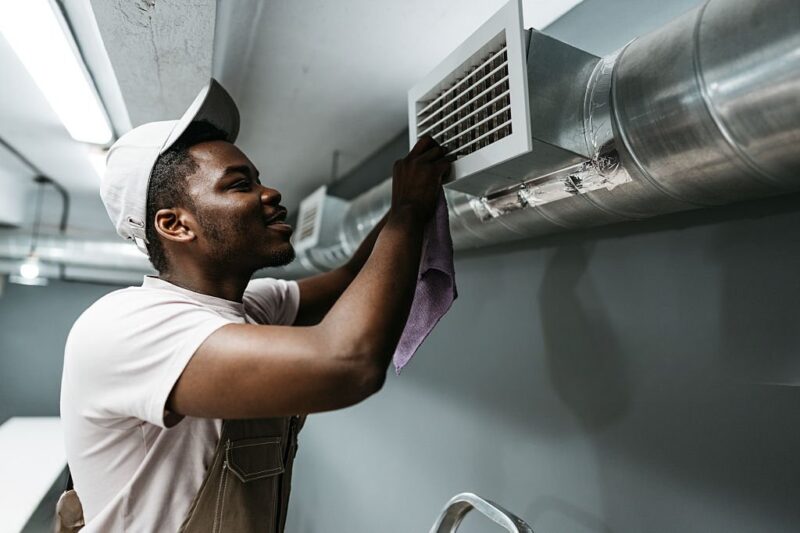
Your home’s air ducts move heated and cooled air to every room, making them an important part of both HVAC performance and indoor comfort. Over time, dust, pet hair, construction debris, and other particles can accumulate inside the duct system, leading many homeowners to wonder whether air duct cleaning can improve indoor air quality.
The answer depends on the condition of the ductwork and the home itself. While professional air duct cleaning may be beneficial in certain situations, such as after remodeling, water damage, or pest activity, it is not a routine service every home requires. Understanding when duct cleaning is appropriate and how it fits into a broader indoor air quality strategy can help you make informed decisions about your HVAC system. In this guide, we’ll explain how air duct cleaning works, when it may be worthwhile, and other ways to help maintain cleaner, healthier indoor air.
What Is Air Duct Cleaning?
Air duct cleaning is the process of removing accumulated dust, debris, and other contaminants from accessible parts of a home’s duct system and related HVAC components. A professional service should focus on the system as a whole rather than cleaning only the visible vents.
Understanding Your HVAC Duct System
Your duct system includes supply ducts that carry conditioned air into each room and return ducts that pull indoor air back toward the HVAC equipment. Registers and grilles cover the openings where air enters and leaves the ductwork, while the ducts connect to the air handler, where air is filtered, heated, or cooled before circulating through the home again.
What Professional Air Duct Cleaning Includes
A thorough duct cleaning may include the supply and return ducts, registers, vents, air handler cabinet, and accessible blower components. In some cases, the evaporator coil may also be inspected or cleaned when appropriate. Professional technicians typically use vacuum collection equipment, agitation tools, and controlled negative pressure to loosen and capture debris without spreading it into the home.
What Air Duct Cleaning Does Not Include
Air duct cleaning is not the same as repairing damaged HVAC equipment, replacing deteriorated ductwork, performing mold remediation, or conducting a formal indoor air quality test. If an inspection reveals leaks, moisture damage, microbial contamination, or equipment problems, additional services may be required to address those issues properly.
When Air Duct Cleaning May Be Beneficial
Air duct cleaning is most useful when there is a clear source of contamination or debris inside the duct system. Rather than treating it as a routine service for every home, homeowners should consider cleaning when an inspection reveals conditions that may affect airflow, cleanliness, or indoor comfort.
After Home Renovations or Remodeling
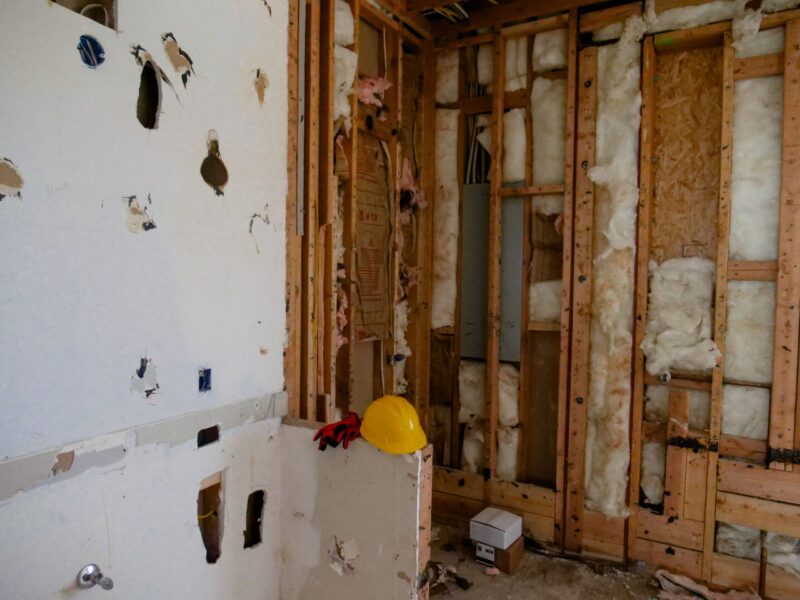
Renovation work can create large amounts of drywall dust, sawdust, and construction debris that may enter open registers or be pulled into the HVAC system. If the system operated during the project or the vents were not properly covered, professional duct cleaning may help remove debris left behind after the work is complete.
Following Water Damage
Water intrusion can affect ductwork, insulation, and nearby HVAC components. Wet or damaged insulation may need to be removed and replaced rather than simply cleaned. A professional inspection should come first so the moisture source, extent of the damage, and condition of the duct materials can be evaluated before cleaning begins.
Visible Mold Growth
Visible growth on hard-surface ducts or HVAC components should be properly identified before any cleaning is performed. The underlying moisture source must also be corrected, or the problem may return. Porous or damaged materials may require replacement, and extensive contamination may call for professional remediation rather than standard duct cleaning alone.
Pest Infestations
Rodents, insects, and other pests can leave nesting materials, droppings, and debris inside the duct system. The infestation should be resolved and entry points sealed before the ducts are cleaned. Once the source is controlled, professional cleaning may help remove remaining contamination from accessible areas.
Excessive Dust Blowing From Registers
Visible clouds of dust or debris coming from supply registers may indicate significant buildup, construction residue, or another problem within the system. An inspection can help determine whether the material is coming from the ducts, a damaged filter, deteriorating insulation, or another HVAC component.
Persistent Musty Odors
Musty odors may come from ductwork, but they can also originate from the evaporator coil, drain pan, air handler cabinet, moisture-damaged insulation, or other areas of the home. Cleaning the ducts alone may not solve the issue unless the actual source is identified and corrected first.
5 Common Misconceptions About Air Duct Cleaning
1. Does Every Home Need Regular Duct Cleaning?
Not every home needs duct cleaning on a fixed schedule. The service is generally more appropriate when there is visible contamination, pest activity, renovation debris, moisture damage, or dust being released from the system. An inspection can help determine whether cleaning is actually needed.
2. Can Duct Cleaning Cure Allergies?
Air duct cleaning cannot cure allergies or guarantee relief from allergy-related symptoms. It may help reduce certain particles when significant debris is present in the ductwork, but indoor air quality is also affected by filters, humidity, ventilation, pets, outdoor pollen, and other household sources.
3. Will It Eliminate All Dust?
Duct cleaning will not remove all dust from a home. Dust also comes from clothing fibers, furniture, flooring, outdoor air, and normal daily activity. Cleaning may reduce buildup inside contaminated ducts, but routine housekeeping and regular filter replacement are still necessary.
4. Does Air Duct Cleaning Remove Mold Everywhere?
Standard duct cleaning does not remove mold from every surface or address the cause of microbial growth. Hard-surface ducts may sometimes be cleaned, but porous materials, wet insulation, or extensive contamination may require replacement or professional remediation. The moisture source must also be corrected first.
5. Is It Part of Routine HVAC Maintenance?
Air duct cleaning is not the same as routine HVAC maintenance. Regular maintenance usually includes checking filters, coils, drains, electrical components, refrigerant operation, and overall system performance. Duct cleaning is a separate service that may be recommended when inspection shows a specific need.
5 Potential Benefits of Professional Air Duct Cleaning
1. May Reduce Dust Circulating Through the System
If large amounts of dust or debris have accumulated inside the ductwork, professional cleaning may help reduce some of the particles that could otherwise circulate when the HVAC system operates. However, dust can also originate from everyday household activities, outdoor air, and furnishings, so duct cleaning alone is not likely to eliminate all indoor dust.
2. May Improve Airflow if Significant Debris Exists
Heavy debris buildup or construction materials inside the duct system may partially restrict airflow in some situations. Removing these obstructions can help restore more consistent airflow, provided there are no other issues affecting the HVAC system, such as clogged filters, duct leaks, or equipment problems.
3. Supports Cleaner HVAC Components
Professional duct cleaning often includes cleaning accessible HVAC components, such as the air handler cabinet, blower compartment, and registers. Keeping these areas cleaner may support overall system operation and can complement routine HVAC maintenance, although it is not a substitute for scheduled service.
4. May Reduce Certain Odors in Specific Situations
If odors originate from accumulated debris, pest activity, or contaminants within the duct system, professional cleaning may help reduce those smells. However, odors can also come from evaporator coils, drain pans, excess humidity, carpeting, furnishings, or other household sources. Identifying the true source is essential before expecting odor improvements.
5. Can Complement Indoor Air Quality Improvements
Air duct cleaning is only one part of a comprehensive indoor air quality strategy. It can complement other measures such as regular filter replacement, humidity control, proper ventilation, air purification, and routine HVAC maintenance. Together, these practices may help create a cleaner and more comfortable indoor environment without relying on duct cleaning alone.
What Happens During a Professional Air Duct Cleaning?
A professional air duct cleaning follows a controlled process designed to remove debris without releasing it into the home. The exact steps may vary depending on the duct material, HVAC layout, and level of contamination, but a reputable service should begin with an inspection and end with a review of the cleaned system.
Initial HVAC Inspection
The technician first examines accessible ductwork, registers, return grilles, the air handler, and other relevant HVAC components. This inspection helps identify visible debris, moisture concerns, damaged ducts, pest activity, or other conditions that may need to be addressed before cleaning begins.
Protecting the Home
Before starting, technicians may cover flooring, furniture, and nearby surfaces to help prevent dust and debris from spreading. Registers may be sealed temporarily, and equipment is positioned carefully to protect the home while providing access to the duct system.
Creating Negative Pressure
A high-powered vacuum collection system is connected to the ductwork to create negative pressure. This controlled suction helps pull loosened debris toward the collection equipment instead of allowing it to circulate through the rooms.
Agitating and Removing Debris
Specialized brushes, air whips, or compressed-air tools may be used to loosen dust and debris from interior duct surfaces. As the material is dislodged, the vacuum system captures and removes it from the duct network.
Cleaning HVAC Components
Depending on the scope of service, technicians may also clean accessible registers, return grilles, the blower compartment, air handler cabinet, and other related components. The evaporator coil may be inspected and cleaned separately when appropriate, since coil cleaning often requires a different process.
Final Inspection
After cleaning, the technician should inspect the system to confirm that accessible debris has been removed and all registers, panels, and connections have been restored correctly. The homeowner may also receive recommendations for filter replacement, duct repairs, moisture control, or additional HVAC maintenance if other concerns are found.
How to Choose a Reputable Air Duct Cleaning Company
Choosing the right air duct cleaning company can help ensure the work is completed safely, thoroughly, and for the right reasons. Homeowners should look beyond promotional pricing and ask clear questions about the company’s methods, qualifications, and scope of service.
Ask About the Cleaning Process
A reputable company should be able to explain how it inspects the system, creates negative pressure, loosens debris, and collects contaminants. Ask what equipment will be used, which components are included, and how the home will be protected during the service. Clear answers can help distinguish a thorough process from a quick vent-only cleaning.
Verify Licensing and Experience
Homeowners should confirm that the company meets applicable state and local requirements and has experience working with residential HVAC systems. Technicians should understand different duct materials, airflow concerns, and equipment configurations so they can clean the system without causing damage.
Beware of Unrealistically Low Prices
Extremely low advertised prices may cover only a limited number of vents or lead to unexpected charges once the technician arrives. Before scheduling, ask for a written estimate that explains what is included, whether there are additional fees, and how the final price is determined.
Avoid Companies Making Health Guarantees
Air duct cleaning should not be presented as a guaranteed cure for allergies, asthma, or other health conditions. A trustworthy provider will explain that results depend on the condition of the system and that indoor air quality is influenced by many factors, including filtration, humidity, ventilation, and household pollutant sources.
Ask Whether the Entire HVAC System Is Being Cleaned
Cleaning only the visible registers may leave debris in the supply ducts, return ducts, air handler, or blower compartment. Ask whether the service includes the full accessible duct system and related HVAC components. A whole-system approach may provide more meaningful results when significant contamination is present.
How to Keep Air Ducts Cleaner Between Professional Services
While no duct system stays perfectly clean forever, regular HVAC care can help slow the buildup of dust and debris. Simple maintenance habits can also support better airflow and reduce the likelihood of unnecessary duct cleaning.
Replace HVAC Filters Regularly
The HVAC air filter is the first line of defense against dust, pet hair, pollen, and other airborne particles. Replacing the filter according to manufacturer recommendations and household conditions can help reduce the amount of debris entering the duct system. Homeowners should also inspect filters monthly to determine whether earlier replacement is needed.
Schedule Routine HVAC Maintenance
Routine HVAC maintenance helps keep the entire system operating efficiently. During a professional service visit, technicians can inspect filters, blower components, evaporator coils, and other parts that affect airflow and cleanliness. Addressing small issues early may help prevent excess debris from circulating through the system.
Control Indoor Humidity
Maintaining appropriate indoor humidity can help reduce moisture-related concerns within the HVAC system. In Florida, where humidity levels are often high, proper moisture control may also help limit conditions that contribute to musty environments. Whole-home dehumidifiers can be beneficial in homes with persistent humidity challenges, but they should complement, not replace, proper filtration and maintenance.
Keep Supply and Return Vents Clean
Dust and debris can collect on registers and return grilles over time. Vacuuming these accessible surfaces regularly and keeping furniture, curtains, and other objects away from the vents helps maintain unobstructed airflow while reducing the amount of loose debris entering the system.
Seal Air Leaks When Needed
Leaks in ductwork can draw dust, insulation fibers, and other contaminants from attics, crawl spaces, or wall cavities into the HVAC system. If air leaks are suspected, professional duct sealing may help reduce unwanted debris while improving airflow and overall system efficiency.
Keep Renovation Dust Out of the System
Home improvement projects can generate significant amounts of drywall dust, sawdust, and construction debris. Covering supply and return vents during renovations, replacing HVAC filters after the work is complete, and limiting HVAC operation when practical can help reduce the amount of debris entering the duct system.
Why Florida Homeowners Trust Dale’s AC
When it comes to indoor comfort and air quality, homeowners need more than a one-size-fits-all solution. Dale’s AC has earned the trust of Southwest Florida families by providing honest recommendations, quality workmanship, and HVAC services tailored to the region’s unique climate.
Serving Southwest Florida Since 1974
Since 1974, Dale’s AC has helped homeowners stay comfortable through Florida’s heat, humidity, and year-round cooling season. Our decades of local experience allow us to identify HVAC and indoor air quality concerns that are common in homes throughout the area.
Professional Air Duct Inspections
Not every home needs air duct cleaning, which is why we begin with a professional inspection. Our technicians evaluate accessible ductwork, airflow, and overall system condition to determine whether cleaning is appropriate or if another HVAC service would better address the issue.
Indoor Air Quality Solutions
Indoor air quality involves much more than clean ductwork. We offer solutions that may include improved filtration, whole-home air purification, humidity control, and other products designed to support cleaner, more comfortable indoor air based on your home’s specific needs.
HVAC Maintenance and Airflow Evaluations
Routine HVAC maintenance helps keep your system operating efficiently while allowing our technicians to evaluate airflow, inspect key components, and identify developing issues before they become larger problems. Airflow evaluations can also help determine whether comfort concerns are related to the duct system, filtration, or other HVAC components.
Personalized Recommendations for Every Home
Every home is different, and so are its indoor air quality needs. We take the time to understand your HVAC system, household conditions, and comfort concerns before recommending services or equipment. Our goal is to provide practical solutions that support reliable performance without recommending unnecessary work.
FAQs About Air Duct Cleaning
Does air duct cleaning improve indoor air quality?
Air duct cleaning may support indoor air quality when significant dust, debris, pest residue, or other contaminants are present in the duct system. However, air quality is also influenced by filtration, humidity, ventilation, cleaning habits, and pollutant sources throughout the home. Duct cleaning should be considered one part of a broader indoor air quality strategy.
How often should residential air ducts be cleaned?
There is no universal schedule that applies to every home. Air ducts should generally be inspected and cleaned when there is a clear reason, such as visible contamination, pest activity, renovation debris, water damage, or excessive dust coming from the registers. A professional inspection can help determine whether cleaning is necessary.
Can dirty air ducts make my HVAC system less efficient?
Heavy debris buildup may restrict airflow in some situations and make it harder for the HVAC system to distribute conditioned air. However, reduced efficiency can also result from clogged filters, dirty coils, duct leaks, blower problems, or aging equipment. A full system evaluation is often needed to identify the actual cause.
Is air duct cleaning recommended after home renovations?
Air duct cleaning may be beneficial after renovations if drywall dust, sawdust, insulation fibers, or other construction debris entered the duct system. This is more likely when the HVAC system operated during the project or vents were left uncovered. An inspection can confirm whether significant debris is present.
Can air duct cleaning remove mold?
Professional cleaning may remove visible growth from some hard-surface ducts, but it does not replace mold remediation or moisture correction. Wet insulation, porous duct materials, or extensive contamination may need to be replaced or professionally remediated. The source of moisture should always be addressed first.
Will duct cleaning eliminate dust in my home?
Duct cleaning will not eliminate all household dust. Dust also comes from outdoor air, flooring, furniture, clothing fibers, pets, and normal daily activity. Cleaning contaminated ducts may reduce one potential source, but regular housekeeping, filter replacement, and HVAC maintenance are still important.
Should I have my air ducts cleaned if I have pets?
Having pets does not automatically mean your air ducts need cleaning. Pet hair and dander may contribute to faster filter loading, but a properly fitted filter and regular HVAC maintenance often help manage these particles. Cleaning may be appropriate if an inspection finds significant buildup inside the ductwork.
How long does professional air duct cleaning take?
The time required depends on the size of the home, number of HVAC systems, duct layout, accessibility, and level of contamination. A thorough residential cleaning may take several hours, while larger or more complex systems can take longer. The company should explain the expected scope and duration before work begins.
Dust Belongs on Shelves, Not in Your Ducts!
Air duct cleaning may support cleaner airflow when significant dust, renovation debris, pest residue, moisture-related contamination, or other buildup is present inside the duct system. However, it is not a routine requirement for every home and should be based on a professional inspection. Combined with regular filter replacement, humidity control, and AC maintenance in Port Charlotte, duct care can play a helpful role in improving indoor air quality in Port Charlotte and supporting reliable HVAC performance.
At Dale’s AC as a reliable HVAC company in Port Charlotte, we provide professional duct inspections along with residential HVAC services in Port Charlotte, including AC installation in Port Charlotte, AC replacement in Port Charlotte, and air conditioning repair in Port Charlotte. We can evaluate your ductwork, airflow, and indoor air quality needs, explain what we find, and recommend the most appropriate next steps for your home. Call us at (941) 629-1712 or contact us to schedule your HVAC and indoor air quality evaluation.