


Air conditioning is more than a convenience in Port Charlotte—it’s an essential part of everyday comfort. With long stretches of heat, high humidity, and nearly year-round cooling demand, homeowners rely heavily on their AC systems to keep indoor spaces comfortable and healthy. Because air conditioners in Southwest Florida work harder and longer than systems in many other regions, maintenance, repairs, and occasional system upgrades are a normal part of homeownership. Understanding the cost of air conditioning services can help homeowners plan ahead, avoid surprise expenses, and make smarter decisions when it comes to protecting their HVAC investment.
The cost of AC service can vary widely depending on the type of work needed, the age and condition of the system, the complexity of the repair, and even the time of year service is requested. Routine maintenance may be relatively affordable, while emergency repairs, major component replacements, or full system installations can represent a much larger investment. Coastal conditions, humidity-related wear, and storm season in Port Charlotte can also increase service needs over time. By understanding what influences HVAC pricing—and where preventive maintenance can save money—homeowners can better manage cooling costs while keeping their system running efficiently and reliably year-round.
What Influences the Cost of Air Conditioning Services?
The cost of air conditioning services in Port Charlotte can vary significantly from one homeowner to another because HVAC pricing depends on several important factors. No two systems are exactly alike, and service costs are often influenced by the type of work needed, the size and complexity of the system, its age and condition, and when service is requested. Local climate also plays a role, since Southwest Florida’s heat, humidity, and long cooling season put additional strain on equipment, often increasing maintenance and repair needs over time. Understanding what drives HVAC costs can help homeowners budget more effectively and make informed decisions about repairs, maintenance, and system upgrades.
Type of Service Needed
One of the biggest factors affecting cost is the type of air conditioning service required. Routine maintenance, such as annual tune-ups or seasonal inspections, is typically one of the most affordable HVAC services because it focuses on preventive care like cleaning coils, checking refrigerant levels, inspecting electrical components, and optimizing performance. Repair costs vary depending on the issue—minor repairs such as replacing capacitors, clearing drain lines, or fixing thermostats generally cost less than major repairs involving compressors, blower motors, or refrigerant leaks. Emergency service calls often come at a premium because of after-hours labor, immediate dispatch needs, and weekend or holiday scheduling. System replacement and new installations represent the highest HVAC investment, since they involve equipment costs, labor, sizing calculations, and possible ductwork or electrical upgrades.
Size and Type of AC System
The size and type of your air conditioning system also directly affect service costs. Larger homes typically require larger cooling systems, which often have higher-capacity components, more refrigerant, and greater service complexity. Central air conditioning systems are common in Port Charlotte homes and may involve both indoor and outdoor equipment, ductwork, and airflow balancing. Heat pumps have both cooling and heating functionality, which can add service complexity but may improve overall efficiency. Ductless mini-split systems have fewer duct-related concerns but may include multiple indoor air handlers that each require inspection and servicing. In general, larger and more complex systems take more time to maintain, diagnose, and repair, increasing overall service costs.
Age of the Equipment
Older air conditioning systems often cost more to maintain because wear and tear naturally increase over time. Aging systems may develop frequent mechanical issues, lose efficiency, and experience declining cooling performance that leads to higher operating costs and more service calls. Older units may also use outdated refrigerants or parts that are harder to find, which can make repairs more expensive. In some cases, replacement parts for discontinued equipment are limited, increasing labor time and sourcing costs. As efficiency declines, older systems also work harder to cool the home, placing additional stress on components and increasing the likelihood of future repairs. At a certain point, repeated service costs on an aging unit may outweigh the value of continued repairs.
Service Timing
When you schedule HVAC service can also affect pricing. Peak summer months are often the busiest time for AC companies in Port Charlotte because high temperatures increase breakdowns, emergency repair calls, and overall service demand. During these busy periods, scheduling may be tighter and urgent service may carry higher fees. Emergency after-hours service—including nights, weekends, and holidays—typically costs more because of overtime labor, rapid dispatch, and limited technician availability. Seasonal pricing can also vary based on demand. Homeowners who schedule tune-ups during slower months, such as spring before peak cooling season, often have greater scheduling flexibility and may avoid premium emergency repair costs later.
Labor and Parts Costs
Labor and replacement parts make up a major portion of HVAC service pricing. Highly trained HVAC technicians bring specialized knowledge, advanced diagnostic tools, and technical expertise that ensure systems are repaired correctly and safely. More complex repairs naturally require additional labor time, which increases cost. Replacement components also vary widely in price depending on the part involved. Electrical components such as capacitors or contactors may be relatively affordable, while compressors, blower motors, control boards, and refrigerant-related repairs are often more expensive. Warranty coverage can also influence out-of-pocket costs—systems still under manufacturer warranty may have certain parts covered, reducing replacement expenses, though labor costs may still apply. Understanding warranty status can sometimes significantly affect the total cost of service.
Cost of Routine AC Maintenance
Routine AC maintenance is one of the most cost-effective HVAC services a homeowner can invest in. In Port Charlotte, where air conditioners often run for much of the year because of constant heat and humidity, regular maintenance becomes even more important for keeping systems efficient and reliable. While maintenance does involve an upfront service cost, it is typically far less expensive than emergency repairs, major component replacements, or early system replacement caused by neglect. In many cases, routine servicing pays for itself over time through lower energy bills, fewer repair calls, and longer equipment life.
Annual Tune-Up Costs
An annual AC tune-up is generally one of the most affordable professional HVAC services, yet it provides some of the greatest long-term value. A standard tune-up typically includes a full system inspection, cleaning, testing, and calibration to ensure the unit is operating at peak performance. HVAC technicians commonly inspect refrigerant levels, test electrical connections, clean evaporator and condenser coils, flush drain lines, inspect motors and moving parts, measure airflow, calibrate the thermostat, and check system safety controls. This thorough service helps identify developing issues before they become expensive repairs while also improving cooling efficiency. Compared to the cost of replacing major components like compressors or blower motors, the investment in an annual tune-up is relatively small and often prevents much larger expenses later.
Maintenance Plans vs One-Time Service
Homeowners typically choose between scheduling one-time tune-ups as needed or enrolling in a maintenance membership plan. One-time service offers flexibility and works well for homeowners who prefer to schedule maintenance on their own timeline. Maintenance plans, however, often provide additional value beyond the tune-up itself. Many membership plans include scheduled servicing reminders, priority scheduling during busy seasons, discounted repair rates, waived service fees, and preferred pricing on parts or labor. In a place like Port Charlotte—where summer HVAC demand can create long wait times—priority service alone can be a major advantage. Over time, the combination of routine maintenance, repair discounts, and improved system care can create meaningful long-term savings compared to occasional one-time servicing.
Why Preventive Maintenance Saves Money
Preventive maintenance saves money in several ways. First, it lowers repair frequency by catching small issues—such as weak capacitors, refrigerant imbalances, clogged drain lines, dirty coils, or loose electrical connections—before they become costly breakdowns. Second, it improves energy efficiency by keeping airflow strong, heat transfer effective, and system performance optimized, which reduces monthly utility bills in Florida’s long cooling season. Third, regular maintenance extends the life of your air conditioner by reducing strain on major components like the compressor, blower motor, and electrical systems. The longer your system lasts, the more value you get from your HVAC investment. Simply put, spending a little on routine care today can prevent spending a lot on repairs and replacement later.
6 Common AC Repair Costs
1. Thermostat Repairs or Replacement
Thermostat problems are often among the more straightforward AC repairs, but they can still affect comfort and efficiency. Sensor issues may cause inaccurate temperature readings, while wiring problems can prevent the thermostat from communicating properly with the AC system. In some cases, replacing an outdated thermostat with a smart thermostat can improve scheduling, reduce unnecessary runtime, and help lower cooling costs. While thermostat repairs are usually less expensive than major mechanical repairs, they should still be handled properly to avoid inconsistent cooling or system short cycling.
2. Capacitor and Contactor Repairs
Capacitors and contactors are common electrical wear parts that help your AC system start and run properly. In Florida heat, these components are under heavy strain because the system cycles frequently and runs for long periods. When a capacitor weakens or a contactor fails, your AC may struggle to start, shut off unexpectedly, or stop cooling altogether. These repairs are relatively common and usually more affordable than major component replacements, but ignoring them can lead to additional damage to motors or compressors.
3. Refrigerant Leak Detection and Repair
Refrigerant-related repairs can be more costly because they often involve both finding the leak and restoring the correct refrigerant level. A technician may need to perform leak detection, repair the damaged line or coil, and recharge the system. The cost can also depend on the type of refrigerant your system uses, since older refrigerants may be harder to source and more expensive. Refrigerant leaks should never be ignored because low refrigerant can reduce cooling performance, increase energy use, and place serious strain on the compressor.
4. Drain Line Cleaning and Water Leak Repairs
Condensate drain clogs are common in humid areas because AC systems remove a large amount of moisture from indoor air. When algae, dirt, or debris blocks the drain line, water can back up and leak around the indoor unit. This may lead to water damage, musty odors, mold concerns, or system shutdowns triggered by safety switches. Drain line cleaning is often a manageable repair, but moisture-related damage can become more expensive if the issue is not addressed quickly.
5. Fan Motor and Blower Repairs
Fan motors and blower components are responsible for moving air through the system and throughout the home. When these parts fail, airflow may become weak, uneven, or stop entirely. Repair costs depend on whether the issue involves a simple electrical component, a worn motor, or a larger blower assembly problem. Because airflow is essential for cooling performance, these repairs should be handled promptly to prevent frozen coils, overheating, or added strain on the system.
6. Compressor Repairs
Compressor repairs are among the most expensive AC repairs because the compressor is one of the system’s most critical components. It circulates refrigerant and allows the cooling process to happen. If the compressor fails, the system may stop cooling completely or require major service to restore operation. For older systems, homeowners may need to weigh compressor repair costs against the cost of replacing the entire unit. If the system is aging, inefficient, or already experiencing frequent repairs, replacement may offer better long-term value than investing in a costly compressor repair.
Emergency AC Repair Costs
Emergency AC repair costs are usually higher than standard service because they involve urgent response, immediate diagnostics, and service outside normal business hours. In Port Charlotte, where heat and humidity can make a broken AC uncomfortable very quickly, emergency repairs are often necessary to restore comfort and prevent further damage. While the upfront cost may be higher, fast service can help avoid larger expenses caused by delayed repairs.
After-Hours Service Pricing
Emergency AC repairs often include additional fees for service outside regular business hours. This may apply to nights, weekends, and holidays when technicians are responding outside the normal schedule. These fees help cover urgent dispatch, overtime labor, and limited technician availability. While after-hours service typically costs more than a standard appointment, it provides critical support when waiting until the next business day is not practical.
Emergency Diagnostic Fees
Emergency service calls usually begin with a diagnostic fee, which covers the technician’s immediate response and system evaluation. During this visit, the technician identifies the cause of the problem, checks key components, and determines whether the issue can be repaired on the spot. The diagnostic fee may vary depending on the time of day, the severity of the situation, and the complexity of the system. In many cases, this fee is separate from the cost of parts and labor needed for the actual repair.
Cost of Waiting Too Long
Delaying emergency AC repair can often make the problem more expensive. A minor issue, such as a weak capacitor, clogged drain line, or restricted airflow, can quickly escalate into a major repair if the system continues running under strain. For example, low refrigerant or dirty coils can overwork the compressor, while drain clogs can lead to water damage and moisture problems. Addressing issues quickly helps prevent additional damage, reduces repair complexity, and protects the overall system.
Is Emergency Repair Worth It?
Emergency repair is often worth the cost when comfort, safety, and system protection are at risk. A broken AC during extreme heat can quickly make indoor conditions uncomfortable, especially for older adults, young children, or anyone with health concerns. Immediate repair also helps prevent small problems from turning into major failures that could require expensive parts or even full system replacement. While emergency service may cost more upfront, it can save money and stress by preventing bigger losses.
Cost of AC Installation and Replacement
AC installation in Port Charlotte and AC replacement in Port Charlotte are usually the largest air conditioning service expenses homeowners face, but they also offer some of the greatest long-term value. In Port Charlotte, where cooling systems work hard for much of the year, choosing the right system and ensuring proper installation can make a major difference in comfort, efficiency, and future repair costs. The total price depends on the system type, home size, ductwork condition, energy-efficiency rating, and installation complexity.
New AC Installation Costs
New AC installation costs typically include both equipment and labor. Equipment pricing depends on the system size, brand, efficiency rating, and features, while labor costs depend on the complexity of the installation. If the home needs new ductwork, duct modifications, or airflow balancing, the total cost can increase. Thermostat upgrades, such as installing a programmable or smart thermostat, may also add to the upfront investment but can help improve efficiency and comfort over time.
AC Replacement Costs
AC replacement costs include removing the old system, properly disposing of outdated equipment, selecting the right replacement unit, and installing the new system. Proper sizing is an important part of the replacement process because an oversized or undersized unit can lead to higher energy bills, poor humidity control, and uneven cooling. Installation complexity also affects pricing, especially if ductwork, electrical connections, refrigerant lines, or indoor components need updates. While replacement may cost more upfront than repair, it can provide better long-term value when the existing system is old, inefficient, or frequently breaking down.
High-Efficiency System Costs
High-efficiency AC systems usually cost more upfront, but they can help reduce long-term cooling expenses. These systems often feature higher SEER or SEER2 ratings, variable-speed technology, improved humidity control, and quieter operation. In a climate like Port Charlotte’s, where air conditioners run frequently, energy savings can add up over time. A high-efficiency system may also reduce strain on components, improve indoor comfort, and help lower monthly utility bills, making the higher initial cost worthwhile for many homeowners.
Ductless Mini-Split Installation Costs
Ductless mini-split installation costs vary depending on whether the system is single-zone or multi-zone. A single-zone system cools one specific area, making it a good option for additions, garages, sunrooms, or rooms that are difficult to cool. Multi-zone systems connect multiple indoor units to one outdoor unit, allowing customized temperature control in different areas of the home. Multi-zone installations generally cost more because they require additional indoor units, longer refrigerant line runs, and more installation time. However, ductless systems can be highly efficient and may help reduce energy waste by cooling only the spaces being used.
Financing and Rebates
Because AC installation and replacement can be a significant investment, many homeowners explore financing options and rebate options. HVAC companies may offer payment plans or financing programs that make it easier to spread costs over time. Manufacturer promotions may also be available on select systems, especially during seasonal sales periods. In some cases, energy-efficiency rebates or utility incentives may help offset the cost of installing a high-efficiency unit. Asking about available promotions, rebates, and financing options can help homeowners choose a better system while keeping the project within budget.
Hidden Costs Homeowners Should Know About
Air conditioning service costs are not limited to visible repairs or installation quotes. Some of the most expensive HVAC costs develop quietly over time through poor maintenance, energy waste, indoor air quality needs, and ductwork problems. In Port Charlotte, where AC systems run frequently, these hidden costs can add up quickly if the system is not properly cared for. Understanding these expenses helps homeowners make smarter decisions and avoid paying more than necessary in the long run.
Poor Maintenance Costs More Over Time
Skipping routine AC maintenance may seem like a way to save money, but it often leads to higher costs later. Dirty filters, clogged coils, loose electrical connections, and neglected drain lines force the system to work harder and increase the risk of breakdowns. Over time, this can result in more frequent repairs, reduced equipment lifespan, and higher monthly energy bills. Preventive maintenance helps catch small issues early, keeps components clean, and protects your system from avoidable wear.
Energy Waste from Inefficient Systems
An inefficient AC system can quietly increase your cooling costs every month. Older units, dirty components, poor airflow, low refrigerant, or incorrect system sizing can all cause the system to use more electricity than necessary. In Port Charlotte’s long cooling season, even a small efficiency loss can create a noticeable increase in utility bills. Addressing inefficiencies through maintenance, repairs, or system upgrades can help reduce energy waste and improve long-term savings.
Indoor Air Quality Add-Ons
Some homeowners may need additional indoor air quality solutions beyond standard AC service. Options such as UV lights, air purifiers, upgraded filtration systems, and whole-home dehumidifiers can improve comfort and air cleanliness, especially in humid climates. These add-ons can increase upfront costs, but they may also provide long-term value by reducing allergens, controlling moisture, preventing mold growth, and improving overall indoor comfort. For homes with allergies, musty odors, or persistent humidity issues, these upgrades may be worth considering.
Duct Repairs and Sealing Costs
Ductwork problems are another hidden cost that can affect both comfort and energy bills. Leaky, poorly insulated, or damaged ducts allow cooled air to escape before it reaches the rooms in your home. This forces the AC system to run longer, increasing energy use and reducing comfort. Duct repairs and sealing may add to service costs, but they can also improve airflow, reduce cooling waste, and help your system operate more efficiently. Over time, properly sealed ducts can help lower utility costs and reduce strain on the AC system.
Why AC Services Can Cost More in Port Charlotte
Air conditioning services can cost more in Port Charlotte because local weather conditions place extra demand on cooling systems. Unlike areas with shorter cooling seasons, AC units in Southwest Florida often run for much of the year, which increases wear, maintenance needs, and repair frequency. Heat, humidity, coastal air, and storms all affect how efficiently a system performs and how often it may need professional service.
Longer Cooling Seasons
Port Charlotte’s long cooling season means AC systems operate for extended periods throughout the year. More runtime leads to greater wear and tear on components such as compressors, fan motors, capacitors, and blower systems. As these parts work harder and age faster, homeowners may need more frequent maintenance, repairs, or earlier system replacement compared to homes in milder climates.
High Humidity and Moisture Issues
High humidity adds extra strain because AC systems must cool the air while also removing moisture. This increases runtime and places more demand on evaporator coils, drain lines, and condensate systems. Humid conditions can also lead to clogged drain lines, water leaks, musty odors, and mold concerns. As a result, homeowners may need more frequent drain line cleaning, moisture control solutions, and maintenance to prevent humidity-related damage.
Coastal Salt Air Exposure
Salt air is another factor that can increase AC service costs in coastal areas near Port Charlotte. Salt particles can settle on outdoor condenser units, accelerating corrosion on coils, fan blades, cabinet panels, refrigerant lines, and electrical connections. Corrosion-related repairs can become costly if damage spreads or causes refrigerant leaks and efficiency loss. Regular inspections and protective maintenance are often needed to help extend equipment life.
Storm Damage and Electrical Risks
Port Charlotte’s storm season can also increase HVAC service needs. Strong winds may blow leaves, branches, and debris into outdoor units, restricting airflow or damaging fan components. Heavy rain and flooding can affect electrical parts, while lightning and power surges can damage thermostats, capacitors, control boards, and other sensitive components. Surge-related repairs and storm cleanup can add unexpected costs, making preventive protection and post-storm inspections especially valuable.
How to Reduce Your AC Service Costs
While air conditioning costs are a normal part of homeownership in Port Charlotte, there are practical ways homeowners can reduce service expenses without sacrificing comfort. The key is being proactive rather than reactive. Small maintenance habits, efficiency upgrades, and addressing minor problems early can significantly reduce repair frequency, lower energy bills, and extend the life of your cooling system. In a climate where AC systems work hard nearly year-round, taking preventive steps can lead to meaningful long-term savings.
Schedule Regular Maintenance
Routine professional maintenance is one of the most effective ways to reduce AC service costs over time. Annual—or even semi-annual—tune-ups help HVAC technicians catch small issues before they become expensive repairs. Loose electrical connections, weak capacitors, dirty coils, refrigerant imbalances, and drainage problems are much less costly to fix early than after they cause major component failure. Regular maintenance also keeps the system operating efficiently, reduces strain on important parts, and lowers the likelihood of emergency breakdowns during peak summer heat.
Change Filters Frequently
Changing air filters regularly is one of the simplest and most affordable ways to protect your AC system. Dirty filters restrict airflow, forcing the blower motor and cooling components to work harder just to maintain indoor comfort. This extra strain increases energy use, accelerates wear on parts, and can contribute to frozen coils, weak airflow, and system inefficiency. In Port Charlotte’s humid environment—where pollen, dust, and moisture can clog filters faster—homeowners should check filters monthly and replace them as needed. A clean filter improves airflow, supports better indoor air quality, and helps the entire system operate with less effort.
Upgrade to Smart Thermostats
A smart thermostat can help lower cooling costs by improving how and when your AC system runs. These thermostats allow homeowners to create efficient schedules, automatically adjust temperatures when the home is empty, and remotely control settings through a mobile device. Many smart models also learn household patterns and optimize cooling cycles for better energy efficiency. In a warm climate where AC usage is heavy, reducing unnecessary runtime can make a noticeable difference in monthly utility bills while reducing wear on HVAC equipment. Better system control often translates directly into lower long-term operating and service costs.
Improve Home Insulation
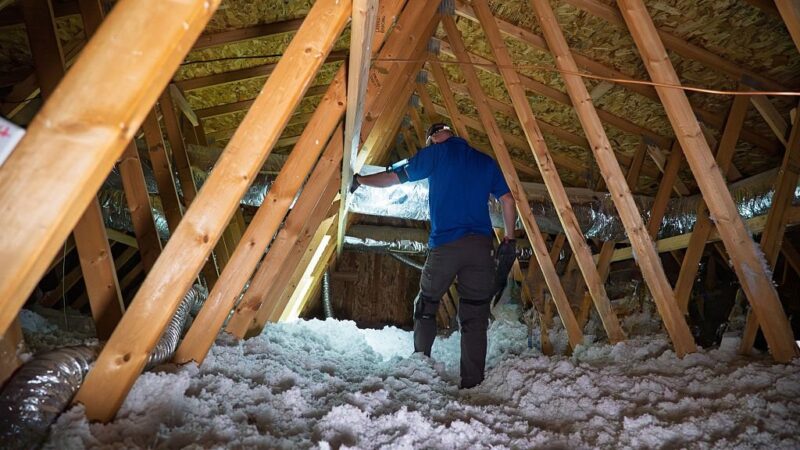
Improving insulation is another effective way to reduce AC strain and lower service costs. When cool air escapes through poorly sealed windows, doors, attic spaces, or ductwork, your air conditioner must run longer to replace lost cooling. Proper insulation keeps conditioned air inside and outdoor heat out, reducing the workload on your AC system. Sealing air leaks, adding attic insulation, insulating ductwork, and upgrading weather stripping can all improve efficiency. With a lower cooling load, the system cycles less often, uses less electricity, and experiences less wear on key components, helping reduce both energy costs and repair frequency.
Address Small Repairs Quickly
Ignoring small AC problems often leads to much bigger repair bills later. Strange noises, weak airflow, inconsistent cooling, water leaks, rising energy bills, or unusual odors may seem minor at first, but they can signal developing mechanical or electrical issues. A weak capacitor today could lead to motor failure tomorrow, while a small refrigerant leak could eventually damage the compressor if left unchecked. Addressing small repairs quickly keeps minor problems from escalating into major breakdowns, reduces overall repair costs, and helps maintain reliable cooling performance throughout the year.
Repair vs Replace: Which Saves More Money?
Deciding whether to repair or replace your AC system depends on the unit’s age, repair history, efficiency, and long-term operating costs. A repair may be the better choice for newer systems with minor issues, but replacement can save more money when the unit is older, inefficient, or breaking down frequently. Looking beyond the immediate repair bill helps homeowners make a smarter financial decision.
Age of the System
Most AC systems last around 10 to 15 years with proper maintenance. If your system is still relatively new and the repair is minor, fixing it may make sense. However, if your unit is already within or beyond the 10–15 year range, replacement may offer better value. Older systems often lose efficiency, require more frequent repairs, and may struggle to keep up with Port Charlotte’s long cooling season.
Repair Cost Rule
A common guideline is to consider replacement when repair costs reach 30–50% of the cost of a new system. For example, spending a large amount on a major repair for an aging unit may only provide a short-term solution. If the system is likely to need more repairs soon, that money may be better invested in a new, more reliable unit.
Energy Savings from New Systems
Newer AC systems are designed with improved SEER and SEER2 efficiency ratings, meaning they use less energy to provide the same cooling output. In a climate like Port Charlotte’s, where AC systems run often, even small efficiency improvements can lead to noticeable savings on monthly utility bills. A high-efficiency replacement system may cost more upfront but can reduce long-term cooling expenses.
Long-Term Ownership Costs
To decide whether repair or replacement saves more money, consider the full cost of ownership. Repeated repairs, rising energy bills, poor comfort, and reduced reliability can make an old system more expensive to keep. A new system requires a larger upfront investment, but it may offer lower energy costs, fewer repairs, better humidity control, and improved long-term performance.
FAQs About the Cost of Air Conditioning Services
How much does AC service cost in Port Charlotte?
AC service costs in Port Charlotte vary depending on the type of service needed, the system’s size, age, condition, and whether the appointment is routine or urgent. Basic maintenance is usually more affordable, while major repairs, emergency calls, replacements, or new installations cost more because they involve additional labor, parts, and system evaluation.
What is the average cost of AC repair?
The average cost of AC repair depends on the problem. Minor repairs, such as thermostat issues, capacitor replacement, or drain line cleaning, are typically less expensive. Larger repairs involving refrigerant leaks, fan motors, blower components, control boards, or compressors can cost significantly more. A professional diagnosis is the best way to get an accurate estimate.
Are emergency AC repairs more expensive?
Yes, emergency AC repairs are usually more expensive than standard appointments. This is because they often involve after-hours service, nights, weekends, holidays, or urgent dispatch. While the cost may be higher upfront, emergency repair can prevent further damage, restore comfort quickly, and help avoid more expensive system failures.
How much does a new AC installation cost?
New AC installation costs depend on the system type, size, efficiency rating, ductwork condition, labor requirements, and any added upgrades such as smart thermostats or indoor air quality features. Central AC systems, heat pumps, ductless mini-splits, and high-efficiency units all come with different price ranges.
Is annual maintenance worth the cost?
Yes, annual AC maintenance is worth the cost because it helps prevent repairs, improves efficiency, lowers energy use, and extends system lifespan. In Port Charlotte’s hot and humid climate, routine maintenance is especially valuable because AC systems work harder and experience more wear throughout the year.
Why are HVAC repairs expensive in Florida?
HVAC repairs can be more expensive in Florida because AC systems run more often due to long cooling seasons, high humidity, salt air exposure, and storm-related wear. These conditions can lead to more frequent repairs, corrosion issues, moisture problems, and electrical damage.
Should I repair or replace my AC system?
Repair may be the better option if your system is newer and the issue is minor. Replacement may make more sense if your unit is 10–15 years old, needs frequent repairs, has rising energy bills, or repair costs are close to 30–50% of a new system.
Stay Chill—Without the Shocking Bill !
Understanding the cost of air conditioning services in Port Charlotte helps homeowners make smarter decisions about maintenance, repairs, and system upgrades before expenses become overwhelming. From routine tune-ups and common repairs to emergency service calls and full system replacements, HVAC costs can vary widely depending on your equipment, home size, and local climate demands. The good news is that proactive maintenance, timely repairs, and energy-efficient upgrades can significantly reduce long-term costs while improving comfort, lowering utility bills, and extending the life of your air conditioning system.
If you want honest guidance on your AC service options and expert help keeping your cooling costs under control, Dale’s AC is a trusted HVAC company in Port Charlotte and is here to help. We can inspect your system, explain repair versus replacement options, improve efficiency, and recommend solutions that make sense for your home and budget—not just today, but for the long run. Whether you need AC maintenance in Port Charlotte, air conditioning repairs in Port Charlotte, indoor air quality in Port Charlotte, attic insulation in Port Charlotte, emergency service, or a new system estimate, give us a call at (941) 629-1712 or contact us, and let’s keep your home cool, your system running strong, and your HVAC costs from heating up.