

Tightly sealed homes can be more energy-efficient, but they may also trap stale air, lingering odors, excess moisture, and pollutants generated by everyday activities. Opening the windows is not always practical in Florida, where heat, humidity, pollen, and outdoor debris can quickly affect indoor comfort. An energy recovery ventilator, or ERV, offers a controlled way to bring filtered outdoor air into the home while exhausting stale indoor air.
As the two airstreams pass through the ERV, the system transfers heat and part of the moisture between them, helping precondition incoming air before it reaches the living space. This can support more consistent ventilation while reducing some of the demand placed on the HVAC system. In this guide, we will explain how ERVs work, how they differ from other indoor air quality products, and what Florida homeowners should consider before adding one to their home.
What Is an Energy Recovery Ventilator?
An energy recovery ventilator, or ERV, is a whole-home ventilation system designed to bring controlled outdoor air into the home while exhausting stale indoor air. Unlike opening a window, an ERV manages both airstreams in a balanced way and helps reduce some of the heating, cooling, and moisture load associated with ventilation.
The Purpose of an ERV
The main purpose of an ERV is to provide controlled outdoor-air ventilation while removing stale indoor air. The system is designed to supply and exhaust similar amounts of air, which helps maintain more balanced indoor pressure. By recovering some of the energy from outgoing conditioned air, an ERV can reduce the amount of heating or cooling lost during ventilation and support year-round residential use.
Why Modern Homes May Need Mechanical Ventilation
Modern homes are often built with tighter envelopes, better insulation, and more efficient windows and doors. While these improvements help reduce uncontrolled air leakage, they can also limit natural air exchange. Indoor odors, moisture, and pollutants generated by cooking, cleaning, bathing, pets, furnishings, and everyday household activity may remain trapped for longer periods. Mechanical ventilation provides a more predictable way to replace stale indoor air with outdoor air.
What “Energy Recovery” Means
Energy recovery refers to the transfer of heat and a portion of the water vapor between the outgoing and incoming airstreams. During hot weather, the cooler, drier indoor exhaust air helps moderate the warmer, more humid outdoor air before it enters the home. During cooler weather, outgoing indoor air can help warm the incoming air. This preconditioning reduces part of the ventilation load placed on the HVAC system.
ERVs do not simply recirculate exhaust air back into the home. The incoming and outgoing airstreams remain separated while energy passes through the recovery core, allowing the system to moderate the temperature and moisture content of fresh outdoor air before it is distributed indoors.
How Does an Energy Recovery Ventilator Work?
An energy recovery ventilator works by moving stale indoor air out of the home while bringing filtered outdoor air inside at a controlled rate. As the two airstreams pass through the unit, heat and a portion of the moisture are transferred between them without directly mixing the air. This allows the incoming outdoor air to be partially conditioned before it enters the living space.
Stale Indoor Air Is Exhausted
The ERV removes stale air from selected indoor areas, which may include bathrooms, laundry rooms, hallways, and common spaces. Depending on the system design, it may operate continuously at a low speed, run on a schedule, or switch to a higher setting when additional ventilation is needed. Kitchen range hoods should still vent separately because grease, smoke, and concentrated cooking pollutants require direct exhaust rather than ERV circulation.
Outdoor Air Is Brought Into the Home
Fresh outdoor air enters through a dedicated intake and passes through a filter before being distributed indoors. The filtered air may be supplied directly to bedrooms and living areas or introduced through compatible HVAC ductwork. The ventilation rate is controlled so the home receives a planned amount of outdoor air rather than relying on unpredictable air leakage through doors, windows, and gaps in the building envelope.
The Two Airstreams Pass Through an Energy-Exchange Core
Inside the ERV, the outgoing indoor air and incoming outdoor air pass through separate channels within an energy-exchange core. The air pathways remain physically separated, but heat and water vapor can move across the core material. Proper system design, sealing, and maintenance help reduce unwanted cross-contamination while allowing energy transfer to occur.
Incoming Air Is Preconditioned
The energy-exchange process moderates the outdoor air before it enters the home. During hot, humid weather, the cooler and drier exhaust air helps reduce part of the heat and moisture carried by the incoming air. This creates a less extreme temperature and humidity difference for the HVAC system to manage, which may reduce part of the ventilation-related cooling or heating demand.
Balanced Airflow Supports Building Pressure
ERVs are designed to supply and exhaust similar volumes of air. Balanced airflow helps reduce excessive depressurization or pressurization, which can otherwise draw unwanted air through gaps in the home or interfere with comfort. Proper commissioning is essential because a technician must measure and adjust both airstreams to confirm that the installed system is delivering the intended ventilation rate.
RenewAire describes this process as the recovery of sensible energy, which relates to temperature, and latent energy, which relates to moisture. Together, these forms of energy recovery help make controlled ventilation more efficient without returning stale exhaust air to the home.
6 Potential Benefits of an ERV
1. Supports More Consistent Ventilation
An ERV provides a predictable amount of outdoor-air exchange rather than relying on air leaks or open windows. It can operate continuously at a low speed or intermittently based on a schedule or control setting. Because the system can serve multiple rooms, it offers broader coverage than relying only on individual exhaust fans.
2. Helps Remove Stale Indoor Air
By exhausting indoor air, an ERV may help reduce lingering cooking odors, household smells, occupant-generated moisture, and some contaminants produced by everyday activities. This can be especially useful in tightly sealed homes where air tends to feel stale or stuffy. Strong pollutant sources should still be addressed directly through source control and local exhaust.
3. Pre-Conditions Outdoor Air
As incoming and outgoing airstreams pass through the recovery core, the ERV moderates the temperature of the outdoor air and transfers a portion of its moisture load. This makes the incoming air less extreme before it reaches the living space or HVAC system. In hot, humid conditions, the process may help reduce part of the cooling and moisture load, though the air conditioner or dehumidifier must still handle the remaining demand.
4. May Reduce the Energy Penalty of Ventilation
Ventilation can increase heating and cooling demand because outdoor air must be conditioned after entering the home. An ERV recovers some energy from the outgoing indoor air that would otherwise be lost. This may lower the ventilation-related load on the HVAC system, but savings depend on climate, runtime, airflow balance, equipment performance, and household use. No specific reduction in energy costs applies to every home.
5. Supports Indoor Comfort
Controlled ventilation can help reduce abrupt temperature changes that may occur when windows are opened during very hot, humid, or cool weather. By preconditioning incoming air and maintaining balanced airflow, an ERV may support more consistent indoor conditions. It also allows homeowners to introduce outdoor air without leaving windows open for extended periods.
6. May Complement Indoor Air Quality Improvements
An ERV works best as one part of a broader indoor air quality strategy. It provides controlled outdoor-air ventilation, while HVAC filters and air cleaners address certain airborne particles. Source control removes or reduces contaminants at their origin, humidity-management equipment handles excess moisture, and routine HVAC maintenance supports reliable airflow and system performance. Together, these measures can provide more complete indoor air quality support than any single product alone.
The EPA identifies ventilation as one part of indoor air quality management and notes that energy-recovery equipment can help reduce some of the energy required to condition introduced outdoor air.
7 Signs Your Home May Benefit From an ERV
1. The Home Feels Stuffy With the Windows Closed
A home that feels stale or stuffy may not be exchanging enough indoor air with outdoor air. This can happen in tightly built homes where natural air leakage is limited. Lingering odors, moisture, and contaminants generated by daily activities may build up more quickly, especially when several people spend long periods indoors.
2. Odors Remain After the Source Is Removed
Cooking smells, pet odors, and cleaning-product scents may linger when the home lacks effective exhaust and fresh-air ventilation. An ERV may help remove stale indoor air and bring in filtered outdoor air, but the source of the odor should still be addressed first. Kitchen exhaust, bathroom ventilation, cleaning habits, and HVAC maintenance should also be inspected.
3. Indoor Humidity Is Difficult to Manage
Persistent humidity problems can point to ventilation, HVAC sizing, air leakage, or moisture-control concerns. Monitoring indoor relative humidity can help reveal when and where moisture levels rise. Because an ERV transfers only part of the moisture between airstreams, homes with consistently high humidity may still need a whole-home dehumidifier or HVAC adjustments.
4. The Home Has Been Air-Sealed or Renovated
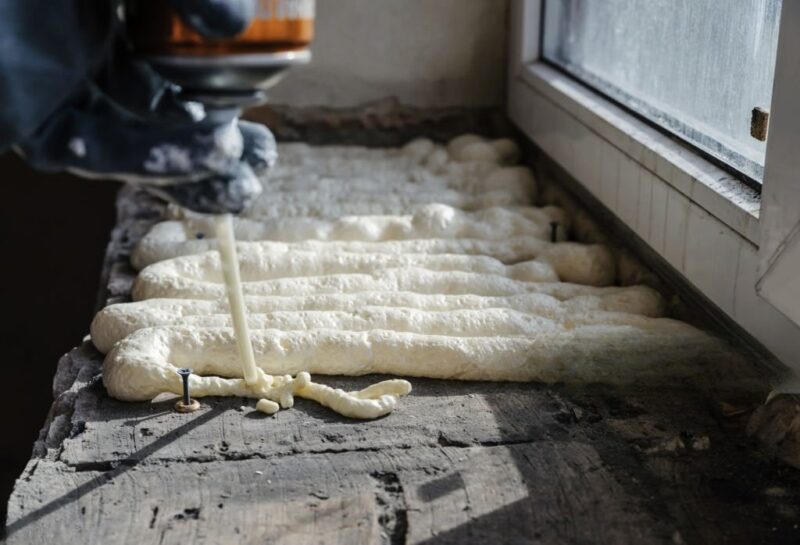
New windows, exterior doors, spray foam insulation, and other envelope improvements can reduce uncontrolled air leakage. While this may improve energy efficiency, it can also reduce natural ventilation. After major air-sealing work, a professional evaluation can determine whether controlled mechanical ventilation is needed to maintain appropriate outdoor-air exchange.
5. Household Occupancy Has Increased
More occupants typically create more moisture, odors, and carbon dioxide through breathing, cooking, bathing, laundry, and everyday activity. A home that previously felt comfortable may begin to feel stuffy after household size increases or more people start working from home. An ERV can provide controlled ventilation based on the home’s updated occupancy and needs.
6. Windows Rarely Remain Open
Florida heat, outdoor humidity, pollen, traffic noise, and security concerns often make opening windows impractical. When windows stay closed for most of the year, a home may have limited access to outdoor air beyond uncontrolled leaks. An ERV offers a more controlled and filtered way to ventilate without relying on open windows.
7. Existing Exhaust-Only Ventilation Causes Pressure Concerns
Bathroom fans and kitchen range hoods remove indoor air but do not always provide balanced replacement air. When powerful exhaust equipment operates, it can depressurize the home and draw outdoor air through gaps, attics, garages, or other unwanted pathways. A properly designed ERV can supply outdoor air while exhausting stale air, helping create a more balanced ventilation strategy.
What Happens During ERV Installation?
Installing an energy recovery ventilator involves more than mounting the unit and connecting a few ducts. The ERV must be sized for the home, integrated with the existing HVAC system, and balanced so it supplies and exhausts the intended amount of air. A professional installation helps reduce airflow problems, condensation concerns, and unnecessary humidity loads.
Evaluating the Home and Existing HVAC System
The installation process begins with an assessment of the home’s airtightness, indoor humidity, occupancy, duct condition, and available equipment space. The technician may also review how often the HVAC system runs, whether the home already has exhaust ventilation, and whether existing moisture or airflow problems need to be corrected before the ERV is added.
Selecting the ERV and Installation Method
The contractor selects an ERV based on the required airflow, recovery-core design, control options, filter access, and HVAC compatibility. The installation may use dedicated ventilation ducts, connect to parts of the existing HVAC ductwork, or combine both approaches. The chosen method should provide effective ventilation without interfering with heating, cooling, or dehumidification.
Installing Outdoor Intake and Exhaust Hoods
Separate exterior hoods are installed for the fresh-air intake and stale-air exhaust. They should be spaced appropriately to reduce the possibility of exhaust air being drawn back into the intake. Weather protection, pest screens, and placement away from dryer vents, plumbing vents, driveways, garages, and other pollutant sources are also important.
Installing and Sealing Ductwork
The ERV ductwork is routed between the unit, outdoor hoods, exhaust areas, and supply locations. Ducts passing through hot attics or other unconditioned spaces may require insulation to reduce heat gain and condensation. Airtight connections help limit airflow loss, prevent humid air from entering through leaks, and support the ventilation rates used to size the system.
Connecting Electrical Components and Controls
The installer connects the ERV to an appropriate power supply and installs the wall controller, timers, humidity-responsive controls, or other sensors included with the system. Some installations also use HVAC interlocks that coordinate ERV operation with the air handler fan. Control settings should reflect the home’s ventilation needs rather than relying only on factory defaults.
Balancing Supply and Exhaust Airflow
After the ductwork is connected, the technician measures the incoming and outgoing airstreams and adjusts dampers or fan settings as needed. The goal is to confirm that the system delivers the designed ventilation rate while keeping supply and exhaust volumes appropriately balanced. This step helps reduce unwanted pressure imbalances that could draw humid or contaminated air through gaps in the home.
Testing and Commissioning the System
The final stage includes operational checks, control testing, airflow verification, and a noise evaluation. The technician should confirm that the exterior hoods, fans, filters, and HVAC connections are working correctly. Homeowners should also receive instructions on operating modes, filter access, routine cleaning, and the recommended maintenance schedule so the ERV continues performing as intended.
Why Professional ERV Installation Matters
An energy recovery ventilator must be carefully designed, installed, and adjusted to perform as intended. Poor airflow balance, incorrect ductwork, or improper control settings can reduce ventilation effectiveness and may create new comfort or moisture problems. Professional installation helps ensure the ERV works with the home’s HVAC system rather than against it.
Airflow Must Be Properly Balanced
ERV performance depends on supplying and exhausting the correct amount of air. A technician measures both airstreams and adjusts dampers or fan settings to maintain the intended balance. If the system exhausts too much air, the home may become depressurized and draw humid or contaminated air through gaps. If it supplies too much, unwanted pressurization may affect comfort and building performance. Proper balancing supports consistent ventilation, indoor comfort, and reliable equipment operation.
Duct Design Affects Performance
The length, size, and layout of the ductwork influence how much air the ERV can move. Long duct runs, sharp elbows, restrictive fittings, and poorly placed registers can reduce airflow and increase fan workload. Ducts installed in hot attics or other unconditioned spaces may also require insulation to help prevent heat gain and condensation. Airtight connections reduce leakage and help the system deliver the airflow used during the original design calculations.
Outdoor Intake Placement Matters
The outdoor-air intake should be positioned away from pollutant sources such as dryer vents, plumbing vents, exhaust outlets, driveways, and garages. Poor placement may allow odors, vehicle exhaust, or other contaminants to enter the ventilation system. Exterior hoods should also be protected from wind-driven rain, leaves, insects, and other debris while maintaining clear airflow.
Incorrect Installation Can Increase Moisture Problems
An improperly installed ERV may introduce more humid outdoor air than the HVAC system can manage. Excess ventilation, poorly insulated ducts, air leaks, and incorrect control settings can contribute to condensation or elevated indoor humidity. In Florida’s humid climate, the system must be coordinated with the air conditioner and any dehumidification equipment to avoid creating additional moisture concerns.
The ERV Must Work With the Existing HVAC System
When an ERV connects to existing HVAC ductwork, its operation must be coordinated with the air handler, thermostat, and cooling equipment. The installation should account for air handler airflow, HVAC capacity, dehumidification performance, and system runtime. Proper control coordination helps ensure fresh air is distributed effectively without disrupting temperature control or placing unnecessary strain on the equipment.
DOE research has identified system design, installation, operation, and maintenance as important factors in achieving intended ERV performance. A professional installer can evaluate these elements together, commission the system correctly, and explain how to operate and maintain it for reliable long-term use.
9 Factors That Affect ERV Performance
1. Local Climate
Outdoor temperature and seasonal weather affect how much heat and moisture the ERV must transfer. In Florida, long cooling seasons and humid outdoor air create different demands than colder, drier climates. Equipment selection should reflect local conditions rather than relying only on a general efficiency rating.
2. Indoor and Outdoor Humidity
The difference between indoor and outdoor humidity affects how moisture moves through the recovery core. During humid weather, the ERV may transfer part of the incoming moisture load to the outgoing air, but it does not remove all excess humidity. Homes with persistent moisture concerns may still need dedicated dehumidification.
3. Home Airtightness
Tightly sealed homes often benefit more from controlled ventilation because less outdoor air enters through natural leakage. In homes with significant air leaks, uncontrolled infiltration may reduce the effectiveness of a balanced ventilation strategy. Air sealing and ventilation planning should therefore be considered together.
4. Duct Design and Leakage
Duct length, diameter, insulation, fittings, and leakage all influence delivered airflow. Long runs, sharp bends, crushed sections, and loose connections can reduce ventilation performance and increase fan workload. Properly sealed and insulated ducts help the ERV deliver air where it is intended.
5. Supply and Exhaust Balance
The ERV should supply and exhaust similar amounts of air according to the system design. An imbalance may pressurize or depressurize the home, potentially drawing humid or contaminated air through unintended pathways. Professional airflow measurements and damper adjustments help maintain appropriate balance.
6. Filter Condition
Dirty filters restrict airflow and may reduce the ERV’s ability to deliver the designed ventilation rate. Filters should be inspected, cleaned, or replaced according to the manufacturer’s guidance and local conditions. Homes with pets, pollen, nearby construction, or heavy dust may require more frequent attention.
7. Runtime and Control Settings
ERV performance depends on how often the unit operates and which fan speed or mode is selected. Continuous low-speed operation may provide steady ventilation, while timed or boost modes may be appropriate during periods of higher occupancy or moisture generation. Settings should match the home’s actual needs rather than relying only on factory defaults.
8. HVAC Equipment Performance
The air conditioner, air handler, ductwork, and dehumidification equipment must work properly for the ERV to support comfort. Poor cooling performance, short cycling, restricted airflow, or inadequate moisture removal can limit the benefits of ventilation. The ERV and HVAC system should be evaluated as one connected system.
9. Household Occupancy and Activities
The number of occupants and their daily activities affect ventilation demand. Cooking, bathing, laundry, pets, guests, and working from home can increase moisture, odors, and indoor-generated pollutants. ERV controls and airflow settings may need adjustment when household occupancy or routines change.
Why Florida Homeowners Trust Dale’s AC
Choosing the right ventilation solution requires more than selecting an ERV from a product catalog. The system must be sized correctly, integrated with the existing HVAC equipment, and adjusted for Florida’s heat and humidity. Dale’s AC helps homeowners evaluate the full picture so ventilation improvements support comfort, airflow, and indoor air quality without creating unnecessary moisture or performance concerns.
Serving Southwest Florida Since 1974
Dale’s AC has served Southwest Florida homeowners since 1974. Our decades of local experience give us a practical understanding of how long cooling seasons, high humidity, seasonal occupancy, and tightly sealed homes can affect ventilation and HVAC performance.
Whole-Home Ventilation Evaluations
We begin by evaluating how air currently moves through the home. This may include reviewing existing exhaust fans, outdoor-air pathways, ductwork, household occupancy, and signs of stale air or poor ventilation. A whole-home assessment helps determine whether an ERV is appropriate or whether another solution would better address the concern.
ERV Sizing and Installation Recommendations
ERV performance depends on proper sizing and installation. We consider the home’s square footage, layout, number of occupants, ventilation needs, available installation space, and HVAC compatibility before recommending equipment. We also account for duct design, filter access, control options, and the need to balance supply and exhaust airflow.
Indoor Humidity and Airflow Assessments
Florida homes require careful humidity management, especially when outdoor air is introduced mechanically. We assess indoor relative humidity, HVAC runtime, airflow, static pressure, and duct condition to determine how an ERV may affect the home. If additional moisture control is needed, we can explain whether HVAC adjustments or whole-home dehumidification should be considered.
Indoor Air Quality Solutions for Florida Homes
An ERV may be one part of a broader indoor air quality plan. Dale’s AC can also evaluate filtration, air purification, humidity control, smart monitoring, and source-control needs. These solutions can work together to support fresher indoor air while maintaining reliable HVAC performance.
HVAC Installation, Repair, and Maintenance Services
Because an ERV must work with the existing heating and cooling system, overall HVAC condition matters. We provide professional AC installation in Port Charlotte, air conditioning repair in Port Charlotte, and AC maintenance in Port Charlotte to help ensure the air handler, ductwork, controls, and cooling equipment can support the ventilation system. Routine maintenance also helps keep filters, fans, controls, and airflow operating as intended.
Personalized Recommendations Based on Your Home
No two homes have the same ventilation, humidity, or comfort needs. We take a personalized approach by evaluating the home before recommending an ERV or any other indoor air quality equipment. Our team explains the potential benefits, limitations, maintenance requirements, and system compatibility so homeowners can make informed decisions based on their property rather than a one-size-fits-all recommendation.
FAQs About Energy Recovery Ventilators
Does an ERV Bring Fresh Outdoor Air Into the House?
Yes. An ERV draws outdoor air through a dedicated intake, filters it, and supplies it to the home at a controlled rate. At the same time, it exhausts stale indoor air. The incoming and outgoing airstreams remain separate while heat and a portion of the moisture transfer through the recovery core.
Can an ERV Help With Indoor Humidity?
An ERV can help moderate the moisture load associated with outdoor-air ventilation by transferring part of the water vapor between the incoming and outgoing airstreams. However, it is not a dehumidifier and does not actively collect or drain moisture. Florida homes with persistent humidity concerns may still need proper air-conditioning performance, ventilation adjustments, or whole-home dehumidification.
What Is the Difference Between an ERV and an HRV?
Both ERVs and heat recovery ventilators, or HRVs, exchange stale indoor air with outdoor air while recovering heat. An HRV primarily transfers temperature energy, while an ERV transfers both heat and a portion of the moisture. ERVs are often considered for humid climates, but the right option depends on the home, HVAC system, occupancy, and indoor moisture conditions.
Can an ERV Work With an Existing HVAC System?
Yes, many ERVs can be integrated with existing HVAC ductwork, although compatibility must be evaluated first. The installation should account for air-handler airflow, duct design, available space, controls, and cooling and dehumidification capacity. Some homes may benefit from dedicated ERV ductwork instead of relying entirely on the existing system.
How Often Should ERV Filters Be Changed?
Filter schedules vary by model, operating conditions, and manufacturer guidance. Homeowners should inspect ERV filters regularly and clean or replace them when they become visibly dirty. Homes with pets, heavy pollen, nearby construction, or frequent ERV operation may need more frequent maintenance.
How Long Does an ERV Last?
A properly installed and maintained ERV may remain in service for many years, but its lifespan depends on equipment quality, climate, runtime, maintenance, and installation conditions. Regular filter care, core cleaning, fan inspections, and professional service can help support reliable performance. Individual components such as motors, controls, or the recovery core may need repair or replacement during the unit’s service life.
Breathe New Life into Your Home’s Airflow!
Energy recovery ventilators can support fresher indoor air by bringing in controlled outdoor air while exhausting stale indoor air and recovering part of the heat and moisture between the two airstreams. When properly sized and installed, an ERV can complement indoor air quality in Port Charlotte, HVAC filtration, humidity control, and even attic insulation in Port Charlotte as part of a broader whole-home comfort strategy. However, it does not replace air conditioning, dehumidification, source control, or routine system maintenance.
At Dale’s AC as a trusted HVAC company in Port Charlotte, we provide residential HVAC services in Port Charlotte, commercial HVAC services in Port Charlotte, and professional guidance for ventilation, airflow, humidity, and AC replacement in Port Charlotte. We can evaluate your home or business, explain the best options for your system, and discuss available financing options for qualifying projects. Call us today at (941) 629-1712 or contact us to schedule an ERV and indoor air quality evaluation.