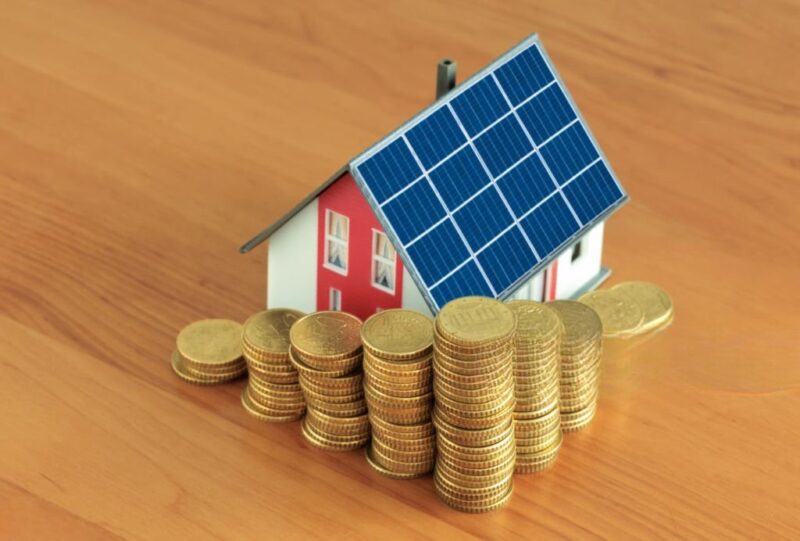



Energy efficiency isn’t just a buzzword—it’s a smarter way to live comfortably while saving money and reducing your environmental footprint. When it comes to home heating and cooling, your HVAC system plays a major role in both your energy bills and indoor comfort. The good news? Today’s energy-efficient HVAC systems are designed to deliver optimal performance while using less power, helping homeowners enjoy year-round comfort without the high utility costs.
In this guide, we’ll explore the most energy-efficient HVAC systems for homes, break down how they work, and show you how to choose the best one for your needs. Whether you’re looking to upgrade an outdated unit, lower your carbon footprint, or simply keep your home comfortable in every season, you’ll find practical insights and expert tips to help you make an informed decision.
What Makes an HVAC System Energy-Efficient?
When you hear “energy-efficient HVAC,” it’s easy to think only of lower energy bills, but efficiency goes deeper than that. It’s about how effectively your system converts energy into heating or cooling without wasting power. Let’s look at the key elements that make a modern HVAC system truly energy-efficient.
High SEER and AFUE Ratings
The Seasonal Energy Efficiency Ratio (SEER) and Annual Fuel Utilization Efficiency (AFUE) are industry benchmarks for measuring efficiency.
- SEER Rating (Cooling Efficiency): The higher the SEER, the more efficient your air conditioner or heat pump. Systems rated SEER 16 or above are considered highly efficient, with some advanced models reaching SEER 20+.
- AFUE Rating (Heating Efficiency): For furnaces, the AFUE rating measures how much of the fuel is converted into heat. An AFUE of 90% or more means the system converts nearly all its fuel into usable warmth.
Together, these ratings help homeowners compare systems and make smarter choices that reduce energy consumption over time.
Variable-Speed Motors
Unlike traditional single-speed motors that turn on and off abruptly, variable-speed motors adjust airflow gradually to meet your home’s temperature needs. This steady performance minimizes energy spikes, reduces wear and tear, and keeps indoor temperatures more consistent. It’s like cruise control for your HVAC — smoother, quieter, and more efficient.
Smart Thermostats and Controls
Smart thermostats are a game-changer for energy efficiency. They learn your habits, adjust temperatures automatically, and can even detect when you’re away. Many can be managed through mobile apps, allowing you to fine-tune comfort and save energy from anywhere. When integrated with your HVAC system, these intelligent controls can reduce energy use by up to 10% or more annually.
Zoning Systems
A zoned HVAC system divides your home into multiple climate areas, each controlled independently. This prevents the waste of heating or cooling unused rooms. For example, you can keep bedrooms cooler at night while maintaining a comfortable temperature in the living area — all without overworking your unit. The result: personalized comfort and lower utility bills.
Proper System Sizing and Installation
Even the most advanced HVAC system will underperform if it’s not the right size or improperly installed.
- Oversized units cycle on and off too frequently, wasting energy and wearing out components faster.
- Undersized systems struggle to meet demand, running continuously and driving up costs. Professional load calculations and expert installation ensure your HVAC system operates at peak efficiency — not too big, not too small, just right for your home’s needs.
In short, energy efficiency comes from a combination of technology, precision, and performance. High SEER and AFUE ratings set the foundation, while smart controls, zoning, and proper installation ensure your HVAC system delivers comfort that’s both sustainable and cost-effective.
Types of Energy-Efficient HVAC Systems
Not all HVAC systems are created equal—especially when it comes to energy efficiency. Modern systems come in a variety of designs that cater to different climates, home sizes, and energy goals. Here’s a breakdown of the most energy-efficient HVAC systems for homes, and what makes each type stand out.
High-Efficiency Central Air Conditioners
Central air conditioning remains a popular choice for whole-home cooling, but newer models are far more efficient than their predecessors.
- SEER Ratings of 16 to 25: Modern systems use advanced compressors, improved refrigerants, and variable-speed fans to deliver high performance with less energy.
- Two-Stage or Variable Compressors: These adjust cooling output based on demand, preventing unnecessary energy use. Pairing your central AC with a programmable or smart thermostat further maximizes energy savings throughout the year.
Heat Pumps (Air Source & Geothermal)
Heat pumps are among the most energy-efficient options available because they transfer heat instead of generating it.
- Air-Source Heat Pumps: These systems pull heat from outdoor air to warm your home in winter and reverse the process in summer for cooling. Modern models can perform efficiently even in cooler climates.
- Geothermal (Ground-Source) Heat Pumps: These use underground loops to harness the earth’s consistent temperature, offering efficiency rates up to 400%. While installation costs are higher, the long-term savings and lifespan make them one of the most sustainable HVAC choices.
Ductless Mini-Split Systems
Perfect for homes without existing ductwork, ductless mini-split systems offer zoned heating and cooling with exceptional energy control.
- Individual Air Handlers: Each unit can be controlled separately, allowing you to condition only the rooms you use.
- Inverter Technology: The compressor runs continuously but adjusts its speed to maintain a steady temperature, avoiding energy-draining start-up cycles. Their compact design, high SEER ratings, and quiet operation make them ideal for small homes, room additions, or energy-conscious homeowners.
Hybrid or Dual-Fuel Systems
A hybrid HVAC system combines an electric heat pump with a gas furnace to deliver the best of both worlds.
- In mild weather, the heat pump efficiently manages heating and cooling.
- When temperatures drop, the gas furnace automatically takes over for stronger heating output. This smart switching capability keeps comfort consistent while reducing fuel use — a great option for regions with varying climates.
Smart HVAC Systems
The rise of smart HVAC systems has transformed how homeowners manage comfort and efficiency.
- Automation & Connectivity: Smart HVACs integrate with home automation systems and use data to optimize performance in real time.
- Energy Usage Insights: Many provide detailed reports on your energy consumption, allowing you to fine-tune usage habits. Combined with smart thermostats, these systems can anticipate your needs, adjust based on occupancy, and significantly cut energy waste.
Each type of energy-efficient HVAC system has its own strengths, but the right choice depends on your home’s design, local climate, and long-term goals. Whether you prioritize upfront affordability, low operating costs, or sustainability, there’s a high-efficiency solution tailored for every household.
Benefits of Upgrading to an Energy-Efficient HVAC System
Upgrading to an energy-efficient HVAC system isn’t just a smart move for your comfort — it’s an investment that pays off in multiple ways. From lower bills to a smaller carbon footprint, the advantages go far beyond temperature control. Here’s a closer look at why switching to an energy-efficient system is worth it.
Lower Utility Bills
One of the biggest reasons homeowners make the switch is simple: cost savings. Energy-efficient HVAC systems are designed to use less power while maintaining optimal comfort levels.
- High SEER and AFUE ratings mean your system delivers the same heating or cooling output using less energy.
- Features like variable-speed motors and smart thermostats fine-tune performance, avoiding unnecessary energy waste. Over time, these improvements can reduce monthly utility bills by up to 30% or more, depending on your current system’s efficiency.
Improved Indoor Comfort
An efficient HVAC company in Port Charlotte, doesn’t just save energy, it creates a more consistent, comfortable home environment.
- Variable-speed compressors and zoning systems ensure even airflow and temperature control across all rooms.
- Systems with advanced humidity regulation help maintain balanced indoor air, preventing that sticky, uncomfortable feeling in summer or dryness in winter. You’ll enjoy fewer temperature swings and a more pleasant living space year-round.
Reduced Environmental Impact
Every kilowatt of electricity saved means a reduction in your home’s carbon footprint. Energy-efficient HVAC systems are designed to use less fuel, emit fewer greenhouse gases, and rely on eco-friendly refrigerants. For eco-conscious homeowners, this means aligning comfort with sustainability—helping protect the planet while maintaining energy-smart living standards.
Enhanced Air Quality
Modern HVAC systems go beyond temperature control to support better indoor air quality. Many come equipped with advanced filtration, dehumidification, and ventilation technologies that help reduce allergens, pollutants, and mold growth. Efficient airflow ensures fresh, clean air circulates throughout your home—ideal for households with kids, pets, or allergy sufferers.
Long-Term Savings & ROI
While the upfront investment in an energy-efficient HVAC system can be higher, the return on investment (ROI) quickly becomes clear.
- Lower repair and maintenance costs: Efficient systems experience less wear and tear due to smoother operation.
- Extended lifespan: Quality components and smarter technology reduce strain on your unit.
- Increased home value: Buyers appreciate homes with modern, eco-efficient systems, making this upgrade a selling point if you ever move.
In short, you’ll spend less on utilities and repairs while enjoying a system that lasts longer and performs better.
Eligibility for Rebates and Incentives
Many local governments, utility companies, and manufacturers offer rebates, tax credits, and energy incentives to encourage homeowners to upgrade. By choosing an Energy Star-certified HVAC system, you may qualify for federal tax credits or state-specific rebates, helping offset the initial cost of installation. Always check current incentive programs before making your purchase — it’s an easy way to save even more.
Upgrading to an energy-efficient HVAC system is a win-win for your wallet, your comfort, and the environment. With the right technology and proper installation, you can enjoy reliable performance, cleaner air, and peace of mind knowing your home is running efficiently all year long.
Factors to Consider When Choosing an Energy-Efficient HVAC System
Selecting the right energy-efficient HVAC system isn’t just about picking the model with the highest SEER rating — it’s about finding the perfect fit for your home, lifestyle, and budget. Before making the investment, consider these key factors to ensure your system performs at its best and delivers the comfort and savings you expect.
Home Size and Layout
Your home’s size and design directly affect the type and capacity of HVAC system you’ll need.
- Oversized units may cool or heat rooms too quickly, leading to frequent cycling and wasted energy.
- Undersized units will struggle to maintain consistent comfort, causing premature wear. A professional load calculation (often called a Manual J assessment) ensures your system matches your home’s heating and cooling demands for optimal efficiency.
Climate Conditions
Your local climate determines which system type and features will deliver the best performance.
- In hot, humid areas, systems with high SEER ratings, variable-speed compressors, and humidity control are ideal.
- In colder regions, dual-fuel or geothermal systems can maximize heating efficiency. By tailoring your HVAC system to your regional weather patterns, you’ll save energy and prevent unnecessary strain on your unit year-round.
Insulation and Home Sealing
Even the most efficient HVAC system can’t perform well in a poorly insulated home.
- Air leaks and poor insulation let conditioned air escape, forcing your system to work harder.
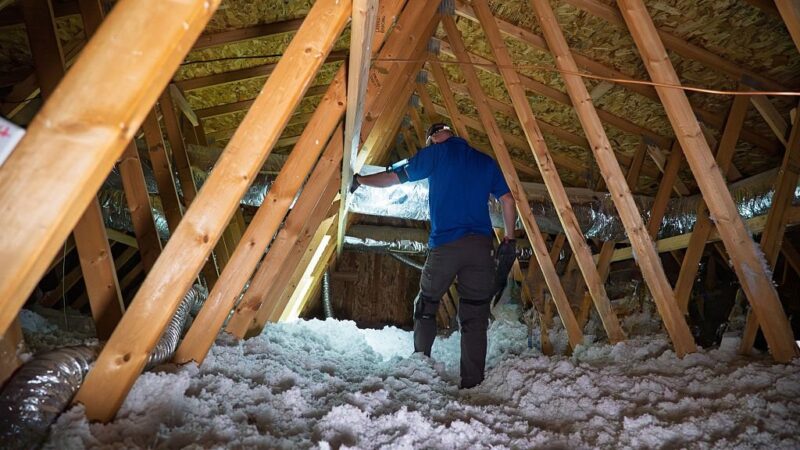
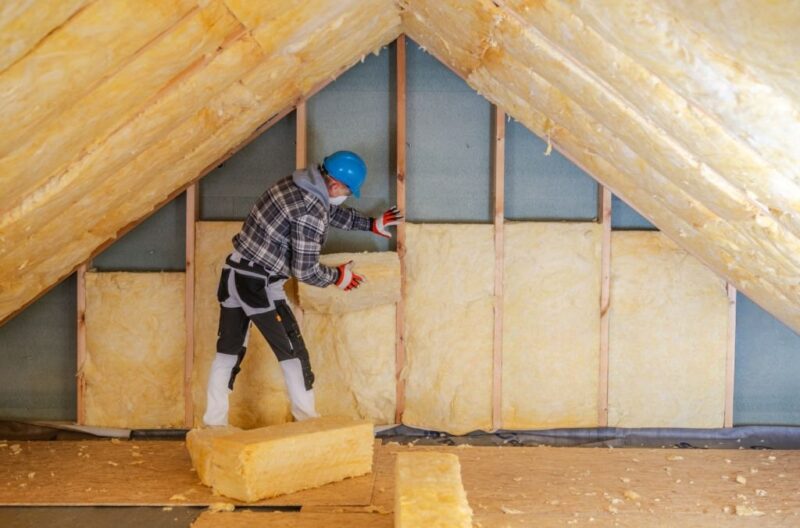
- Upgrading insulation and sealing leaks in walls, windows, and ductwork can improve system performance by up to 20% or more. Before upgrading your HVAC, have an energy audit done to identify and fix problem areas that compromise efficiency.
Energy Ratings and Certifications
Always check for Energy Star® certification and efficiency ratings before making a purchase.
- SEER (Seasonal Energy Efficiency Ratio) for cooling and AFUE (Annual Fuel Utilization Efficiency) for heating help you compare system performance.
- Look for Energy Star®-rated models, which meet or exceed federal efficiency standards and may qualify for rebates or tax credits. These labels ensure you’re investing in a system designed to minimize energy waste.
Installation Quality
Even the most advanced HVAC system can underperform if not installed properly.
- A poor installation can reduce efficiency by up to 30%, leading to uneven comfort and higher energy costs.
- Always choose a licensed, experienced HVAC technician who follows manufacturer specifications and performs a full system test after installation. Proper setup ensures your system runs efficiently from day one.
Maintenance Requirements
Energy efficiency doesn’t stop at installation — it depends on consistent care.
- Some systems, like variable-speed or high-efficiency heat pumps, require more frequent maintenance to perform optimally.
- Ask your HVAC provider about maintenance plans that include seasonal tune-ups, filter replacements, and performance checks. Regular upkeep ensures your investment continues saving energy and money for years to come.
Upfront Cost vs. Long-Term Savings
Energy-efficient systems often have higher upfront costs, but their long-term energy savings usually offset the initial expense.
- Calculate your break-even point by comparing monthly utility savings to installation costs.
- Take advantage of rebates, incentives, and financing programs to make your upgrade more affordable. Remember, efficiency isn’t just about saving energy—it’s about maximizing your return on investment.
By considering these factors, you can confidently choose an HVAC system that’s not only energy-efficient but also perfectly suited to your home and lifestyle. The right decision ensures lasting comfort, lower energy bills, and a greener footprint for years to come.
Installation and Maintenance Best Practices
Even the most advanced energy-efficient HVAC system can only perform as well as it’s installed and maintained. Proper setup and consistent care are what truly unlock your system’s potential for energy savings, comfort, and longevity. Here’s how to make sure your investment continues to deliver optimal results year after year.
Professional Installation Matters
A correct installation is the foundation of energy efficiency. Even small mistakes, like incorrect refrigerant charge or improper duct sizing, can lead to reduced performance and higher energy bills.
- Hire certified HVAC professionals who follow manufacturer guidelines and local building codes.
- Make sure the installer performs a Manual J load calculation to determine the right system size for your home.
- Request a post-installation inspection to ensure the system is balanced, sealed, and running at peak efficiency. A system that’s properly sized and installed will use less energy, maintain consistent comfort, and avoid premature breakdowns.
Optimize Ductwork and Airflow
Ductwork plays a major role in how efficiently your HVAC operates. Even a small air leak can waste a significant amount of conditioned air.
- Have your technician inspect, clean, and seal ductwork during installation or replacement.
- Ensure ducts are properly insulated, especially those running through unconditioned spaces like attics or crawl spaces.
- Verify that airflow is balanced across all rooms for even temperature distribution. Well-designed ductwork ensures your HVAC system doesn’t have to overwork to reach desired temperatures — reducing energy use and wear.
Schedule Regular Maintenance
Consistent maintenance is essential to keeping an energy-efficient HVAC system performing like new.
- Change filters every 1–3 months, depending on usage and air quality.
- Schedule biannual tune-ups (spring and fall) for cleaning, inspections, and performance checks.
- Ask your HVAC provider to check refrigerant levels, electrical connections, blower assembly, and condensate drains to catch issues early. Routine care not only prevents costly repairs but also maintains your system’s efficiency rating over time.
Use Smart Thermostats Effectively
Pairing your energy-efficient HVAC with a smart thermostat can enhance performance and reduce waste.
- Set schedules around your daily routine to avoid unnecessary heating or cooling.
- Use eco or away modes when you’re not home.
- Take advantage of energy reports and adaptive learning features to fine-tune usage. Smart thermostats ensure your HVAC operates only when needed, trimming energy bills without sacrificing comfort.
Monitor System Performance
Your HVAC system can often tell you when it’s not running efficiently — if you know what to look for.
- Pay attention to unusual noises, airflow changes, or inconsistent temperatures.
- Track your monthly energy bills for unexpected increases.
- Consider installing energy monitoring devices that provide real-time performance data. Catching inefficiencies early helps you avoid breakdowns and maintain peak energy performance.
Protect Your System from the Elements
If your outdoor unit is exposed to Florida’s humidity or storms, proper protection is key.
- Keep the area around the condenser unit clear of debris and vegetation.
- Use a sturdy cover or awning for protection without blocking airflow.
- Elevate units in flood-prone areas and secure them against high winds. These simple steps prevent corrosion and environmental damage, helping your system last longer.
Following these best practices ensures your energy-efficient HVAC system continues to operate at its highest potential. With expert installation, consistent maintenance, and smart management, you’ll enjoy lasting comfort, lower utility bills, and the peace of mind that comes with a well-cared-for system.
Smart Upgrades and Add-Ons for Greater Efficiency
Modern HVAC systems are already designed for performance, but adding the right upgrades can take your home’s efficiency to the next level. From smart thermostats to advanced filtration systems, these add-ons can help fine-tune comfort, reduce energy use, and extend your system’s lifespan. Here’s how to make your energy-efficient HVAC system even smarter and more effective.
Smart Thermostats
A smart thermostat is one of the most impactful upgrades you can make. These devices automatically adjust temperature settings based on your habits, preferences, and occupancy patterns.
- Learning algorithms track your routines to optimize heating and cooling schedules.
- Remote control via smartphone apps lets you adjust settings anytime, anywhere.
- Energy usage reports help identify savings opportunities and minimize waste. By preventing unnecessary energy use, a smart thermostat can reduce energy bills by up to 10–15% annually.
Zoning Systems
Traditional HVAC systems treat the home as a single zone, but zoning systems divide your space into independently controlled areas. This ensures that heating and cooling are delivered only where needed.
- Motorized dampers and individual thermostats allow precise control per room or zone.
- Ideal for multi-story homes or spaces with varying sunlight exposure, where temperature differences are common.
- Reduces energy consumption by avoiding over-conditioning unoccupied areas. Zoning not only enhances comfort but also reduces system strain, prolonging its lifespan.
High-Performance Air Filters
Upgrading to high-efficiency air filters improves both indoor air quality and system performance.
- Filters with MERV ratings between 8 and 13 capture finer dust, allergens, and pollutants without restricting airflow.
- Cleaner air means the system doesn’t have to work as hard to circulate conditioned air.
- Improved filtration also reduces the buildup of dirt on coils and fans, maintaining peak efficiency. This simple upgrade can make your HVAC more efficient and healthier for your household.
Energy Recovery Ventilators (ERVs) and Heat Recovery Ventilators (HRVs)
ERVs and HRVs are advanced ventilation systems that help maintain indoor air quality while conserving energy.
- ERVs transfer both heat and humidity between incoming and outgoing air — ideal for humid climates like Port Charlotte.
- HRVs transfer only heat, making them suitable for cooler regions. These systems allow continuous ventilation without wasting conditioned air, reducing the load on your HVAC system and lowering overall energy use.
Variable-Speed Components
Variable-speed technology gives your HVAC system the ability to adjust output gradually rather than operating at full capacity all the time.
- Variable-speed compressors and blowers fine-tune performance based on demand.
- This results in quieter operation, steady temperatures, and less energy consumption.
- The system runs longer at lower speeds, improving humidity control and air circulation. Over time, this not only cuts costs but also minimizes wear and tear on components.
Duct Sealing and Insulation Upgrades
Even if your HVAC system is efficient, leaky or poorly insulated ducts can sabotage performance.
- Professional duct sealing prevents conditioned air from escaping before it reaches your rooms.
- Insulated ductwork reduces energy loss, particularly in attics or crawl spaces.
- This upgrade can improve overall system efficiency by up to 20%, depending on existing duct conditions. It’s one of the most cost-effective ways to enhance both comfort and efficiency in older homes.
By integrating these smart upgrades and add-ons, you can turn your HVAC system into a high-performance energy-saving machine. Whether you start with a smart thermostat or invest in full zoning control, each enhancement brings you closer to maximum comfort, efficiency, and long-term savings.
7 Common Myths About Energy-Efficient HVAC Systems
Energy-efficient HVAC systems are often misunderstood — and these misconceptions can prevent homeowners from making smart, cost-saving decisions. Let’s debunk some of the most common myths and uncover the real truth behind energy-efficient heating and cooling.
Myth 1: Energy-Efficient Systems Don’t Need Maintenance
Many homeowners believe that once they invest in an energy-efficient HVAC system, maintenance is optional. In reality, regular maintenance is essential for keeping your system performing at peak efficiency.
- Dust buildup, clogged filters, and worn components can still reduce performance and drive up energy bills.
- Even high-end systems need biannual tune-ups to maintain their rated efficiency. Think of maintenance as protecting your investment — not just fixing problems but preventing them before they start.
Myth 2: Higher SEER Always Means Lower Bills
While a high Seasonal Energy Efficiency Ratio (SEER) rating indicates a more efficient unit, it doesn’t automatically guarantee lower costs.
- Factors like home insulation, duct condition, thermostat use, and climate play major roles in energy consumption.
- If your home isn’t properly sealed or insulated, even a top-rated system will work harder than necessary. Efficiency ratings are only part of the equation — optimizing your entire home environment is what truly delivers savings.
Myth 3: Bigger Systems Are More Efficient
A common misconception is that installing a larger HVAC system will improve comfort and efficiency. In fact, oversized systems often waste more energy.
- They cool or heat rooms too quickly, causing short cycling — frequent starts and stops that wear out components.
- This also leads to uneven temperatures and poor humidity control. A correctly sized system, determined through a professional load calculation, will always outperform an oversized one in efficiency and comfort.
Myth 4: Energy-Efficient Systems Don’t Work Well in Older Homes
Some believe that energy-efficient HVAC systems only benefit new or modern homes. The truth is, older homes can see dramatic improvements when retrofitted with the right equipment.
- Ductless mini-splits or heat pumps are perfect for homes without existing ductwork.
- Adding proper insulation and air sealing can make older structures perform like new. Energy efficiency isn’t limited by a home’s age — it’s about making smart upgrades that complement your space.
Myth 5: Energy Efficiency Equals Weak Performance
Another misconception is that efficient HVAC systems sacrifice power for energy savings. In reality, modern systems are engineered for both performance and efficiency.
- Variable-speed compressors and motors adjust output to match your exact needs, delivering consistent comfort without wasting energy.
- High-efficiency systems often provide better humidity control, quieter operation, and improved airflow. Efficiency doesn’t mean weakness — it means smarter, smoother, and more precise performance.
Myth 6: Smart Thermostats Automatically Maximize Efficiency
Smart thermostats are powerful tools, but they’re only as effective as how they’re used.
- If programmed incorrectly or overridden too often, they can’t optimize performance.
- To maximize savings, combine a smart thermostat with a well-maintained, properly sized HVAC system. Automation helps, but human habits still make a big difference in overall energy use.
Myth 7: You Can’t Afford an Energy-Efficient System
While energy-efficient HVAC systems may have higher upfront costs, the long-term savings far outweigh the investment.
- Lower energy bills, reduced repairs, and potential rebates or tax credits can make them surprisingly affordable.
- Financing options from many HVAC providers can spread out costs without delaying your upgrade. Think of it as an investment that pays for itself — month after month, in both comfort and savings.
By separating fact from fiction, homeowners can make informed decisions about their HVAC systems. The truth is, energy-efficient systems aren’t just for tech-savvy or wealthy households — they’re for anyone looking to save money, increase comfort, and reduce environmental impact.
FAQs — Energy-Efficient HVAC Systems for Homes
How much can I actually save with an energy-efficient HVAC system?
Savings vary depending on your home’s size, insulation, and usage habits, but homeowners can typically save 15% to 30% on energy bills compared to older or less efficient systems. Pairing your HVAC with a smart thermostat and proper maintenance can maximize these savings.
Are energy-efficient HVAC systems worth the higher upfront cost?
Yes. While the initial investment is higher, the long-term energy savings, lower repair frequency, and longer lifespan often offset the cost within a few years. Many homeowners also qualify for rebates, tax credits, or financing plans, making upgrades more affordable.
What’s the best energy-efficient HVAC system for my home?
The ideal system depends on your climate, home layout, and energy goals.
- Heat pumps are great for moderate climates.
- Variable-speed central air systems offer consistent comfort in larger homes.
- Ductless mini-splits are ideal for zoned comfort or older homes without ducts. A professional energy audit can help determine the most efficient fit for your needs.
Do energy-efficient systems require special maintenance?
Not special — just consistent. Regular tune-ups, filter changes, and coil cleanings keep your system performing at peak efficiency. Skipping maintenance can cause efficiency ratings to drop quickly, negating your energy savings.
Can I upgrade my existing HVAC to make it more efficient?
Absolutely. You can enhance your current system’s efficiency by adding:
- A smart thermostat for optimized scheduling.
- Duct sealing and insulation to prevent air loss.
- High-efficiency air filters or ERV/HRV units for improved airflow and air quality. These upgrades can deliver noticeable energy savings even without a full system replacement.
What SEER rating should I look for in a new system?
In Florida, look for systems with a SEER2 rating of 15 or higher for cooling and an AFUE of 90% or above for heating. The higher the rating, the more efficient the system — but be sure it’s properly sized for your home to realize full benefits.
How do I know if my current HVAC system is inefficient?
Common signs include:
- Rising energy bills despite consistent use.
- Uneven cooling or heating across rooms.
- Frequent repairs or excessive noise.
- The system is over 10–15 years old. If you’re noticing two or more of these, it may be time to consider an upgrade.
Are there financial incentives for installing an energy-efficient HVAC system?
Yes — homeowners can often qualify for federal tax credits, state rebates, or utility company incentives when upgrading to Energy Star–certified equipment. Your HVAC contractor can help identify available programs and handle the paperwork.
Will an energy-efficient system improve indoor air quality?
Yes. Many high-efficiency systems include advanced filtration and humidity control features that reduce allergens, pollutants, and mold growth. Proper ventilation through ERVs or HRVs further enhances air freshness and balance.
Chill Smarter, Not Harder — Upgrade Your HVAC Today!
Energy-efficient HVAC systems aren’t just about saving money — they’re about creating a home that’s more comfortable, sustainable, and built for the future. With rising energy costs and growing environmental awareness, upgrading to a high-efficiency system is one of the smartest investments a homeowner can make. You’ll enjoy lower utility bills, better indoor air quality, and peace of mind knowing your home is running at its best all year long.
If you’re ready to take the next step toward smarter, greener comfort, we’re here to help. Let’s find the perfect energy-efficient HVAC solution tailored to your home’s needs and budget. Give us a call today at (941) 629-1712 or contact us — together, we’ll make your home cooler, cleaner, and more efficient than ever.