

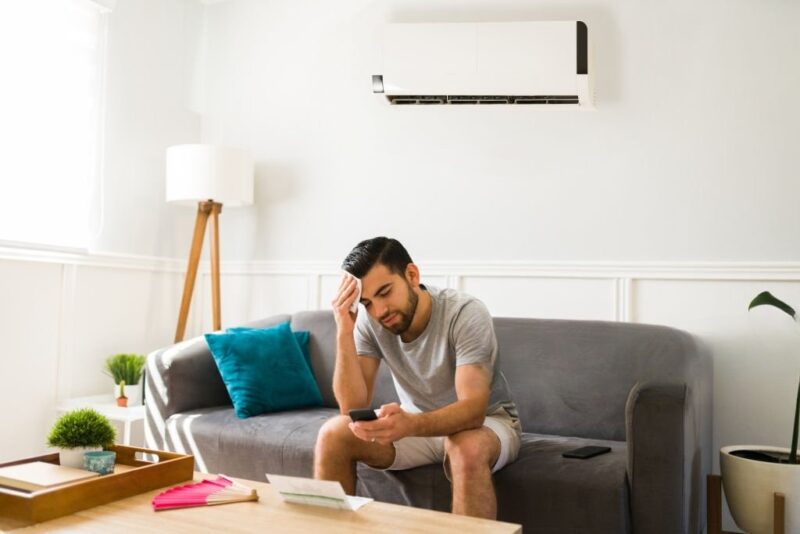
Living in Port Charlotte means enjoying sunshine, warm temperatures, and coastal living—but those same weather conditions can be tough on your air conditioning system. Unlike homes in milder climates, air conditioners in Southwest Florida often run for much of the year, working overtime to combat intense heat, high humidity, salty coastal air, and seasonal storms. This constant demand places added strain on major HVAC components, increases energy use, and can shorten the lifespan of your system if it isn’t properly maintained. What keeps your home comfortable every day is also one of the hardest-working systems in your house.
The local climate doesn’t just affect how often your AC runs—it impacts how efficiently it performs, how quickly parts wear down, and how often repairs may be needed. High humidity forces your system to remove more moisture from the air, coastal salt exposure can accelerate corrosion on outdoor units, and storm season introduces debris, flooding risks, and electrical surges that can damage HVAC equipment. Understanding how Port Charlotte’s weather affects your air conditioner can help you take proactive steps to protect your system, improve efficiency, and avoid unexpected breakdowns. In this guide, we’ll explore the biggest weather-related challenges your AC faces and how proper care can keep it running strong year-round.
Understanding Port Charlotte’s Climate
The climate in Port Charlotte plays a major role in how hard your air conditioning system has to work. While air conditioners everywhere are designed to handle warm weather, Southwest Florida’s combination of prolonged heat, heavy humidity, coastal salt exposure, and seasonal storms creates unique challenges that can accelerate wear on HVAC equipment. These environmental conditions don’t just affect comfort—they directly influence system efficiency, maintenance needs, repair frequency, and overall equipment lifespan. Understanding these climate factors is the first step toward protecting your AC and keeping it operating efficiently year-round.
Hot Summers and Long Cooling Seasons
Port Charlotte experiences long stretches of warm to hot weather, with summer temperatures frequently climbing into uncomfortable ranges and mild winters that still often require indoor cooling. Unlike cooler regions where air conditioners may only be used seasonally, homeowners in this area often rely on their AC systems for much of the year. That extended runtime means compressors, blower motors, fans, and electrical components accumulate wear much faster. Constant cycling and long operating hours also increase the likelihood of mechanical fatigue, making regular maintenance especially important to reduce strain and keep systems operating reliably.
High Humidity Levels
Heat is only part of the challenge—humidity places just as much pressure on air conditioning systems. In Port Charlotte, AC units aren’t simply cooling the air; they’re also constantly working to remove excess moisture from indoor spaces. This added dehumidification demand increases runtime, creates more condensation, and puts extra strain on evaporator coils, drain lines, and moisture management systems. When humidity isn’t properly controlled, indoor air can feel sticky and uncomfortable, even when the thermostat is set to a cool temperature. Systems that are underperforming often struggle most with humidity control, making homes feel warmer and forcing the AC to run even longer.
Coastal Air and Salt Exposure
Being near the coast comes with beautiful views and ocean breezes—but salt in the air can be harsh on HVAC equipment. Salt-laden moisture settles on outdoor condenser units, coils, metal panels, and electrical connections, accelerating corrosion and rust formation. Over time, this corrosion can weaken components, reduce heat transfer efficiency, damage electrical systems, and shorten the life of outdoor equipment. Condenser coils and exposed metal parts are especially vulnerable. Without regular cleaning and inspection, coastal exposure can quietly reduce system performance and lead to premature repairs or replacement.
Afternoon Storms and Seasonal Weather Swings
Port Charlotte’s frequent afternoon rainstorms, thunderstorm activity, and seasonal weather changes create additional challenges for AC systems. Heavy rain and moisture exposure can affect outdoor equipment, while strong winds can blow leaves, dirt, and debris into condenser coils, restricting airflow and reducing efficiency. Lightning storms also increase the risk of power surges that can damage thermostats, control boards, and sensitive electrical components. Sudden temperature swings—such as hot sunny afternoons followed by cooler rainy evenings—can also cause your system to cycle on and off more frequently, adding extra operational stress. These weather patterns make routine inspection and storm-season preparation an important part of HVAC care in the area.
How Heat Impacts Your Air Conditioner
Heat is one of the biggest factors affecting air conditioner performance, especially in a warm climate like Port Charlotte. While AC systems are designed to cool homes efficiently, prolonged exposure to high outdoor temperatures forces them to work harder and longer to maintain indoor comfort. As temperatures climb, the system has to remove more heat from inside the home while simultaneously trying to release that heat outdoors in already hot conditions. This creates additional strain on the equipment, increases energy use, and accelerates wear on critical components. Over time, constant high-demand operation can reduce efficiency, shorten system lifespan, and raise the likelihood of breakdowns.
Longer Run Times
During extreme heat, your air conditioner naturally runs longer cooling cycles to maintain the temperature set on your thermostat. This happens because heat enters the home more quickly through windows, doors, roofing materials, and poorly insulated areas, increasing the cooling load on the system. Instead of cycling off regularly, the AC may continue running for extended periods just to keep up. Longer runtime means higher electricity use, increased wear on moving parts, and more strain on the overall system. If the heat persists day after day, your AC may rarely get a break, which can lead to performance decline over time.
Compressor Strain
The compressor is often considered the heart of the air conditioning system, and it works especially hard during extreme temperatures. Its job is to circulate refrigerant through the system and help transfer heat from indoors to outdoors. When outdoor temperatures are very high, the compressor has to work against hotter air, making heat transfer less efficient and increasing operating pressure within the system. This added stress can cause overheating, excessive wear, and eventually compressor failure if the system is not properly maintained. Since compressor replacement is one of the most expensive HVAC repairs, protecting this component through regular maintenance is essential in hot climates.
Reduced Cooling Efficiency
As outdoor temperatures rise, air conditioners naturally become less efficient. The hotter it gets outside, the harder it becomes for the system to release heat through the outdoor condenser unit. This reduced heat transfer efficiency forces the AC to work longer and use more energy to achieve the same cooling result. In peak summer heat, homeowners may notice rooms taking longer to cool, uneven temperatures throughout the home, or a constant struggle to maintain the thermostat setting. Without proper airflow, clean coils, and adequate refrigerant levels, this efficiency drop becomes even more noticeable and costly.
Faster Component Wear
Constant exposure to high heat speeds up wear on many AC components, especially motors, capacitors, contactors, fan assemblies, and electrical connections. These parts experience more operational stress when the system runs longer and cycles more frequently under heavy cooling demand. Capacitors may weaken faster, motors can overheat, and fan components may wear down sooner than expected. Even electrical wiring and connections can experience added thermal stress over time. The longer an AC operates under heavy summer conditions, the faster normal wear accumulates. This is why systems in hotter climates often require more frequent maintenance and inspections to keep components functioning reliably.
The Effect of Humidity on AC Performance
Humidity has a major impact on how your air conditioner performs, especially in places like Port Charlotte where moisture levels in the air remain high for much of the year. Many homeowners think their AC’s only job is to lower temperature, but air conditioners also play a crucial role in removing excess moisture from indoor air. When humidity levels rise, your system has to work harder—not only to cool your home but also to dehumidify it. This added workload increases runtime, raises operating costs, creates more moisture inside the system, and can lead to comfort and maintenance problems if humidity isn’t managed properly.
Moisture Removal Adds Extra Workload
When warm, humid air enters your home, your air conditioner must remove both heat and moisture before the indoor environment feels comfortable. That means the evaporator coil has to condense water vapor out of the air while still performing its cooling function. This extra dehumidification demand causes the system to run longer cycles, especially during hot, muggy days when humidity is at its highest. Longer operating cycles mean higher electricity use, more wear on components, and increased strain on parts like the compressor, blower motor, and condensate drainage system. In humid climates, moisture removal becomes just as demanding as temperature control, making AC systems work significantly harder overall.
Indoor Comfort Depends on Humidity Control
Humidity greatly affects how comfortable your home feels. When indoor air contains too much moisture, it creates a sticky, heavy feeling that makes rooms seem warmer than they actually are. This often leads homeowners to lower the thermostat, causing the AC to run even more in an attempt to improve comfort. Proper humidity control allows indoor air to feel cooler at higher thermostat settings, reducing unnecessary runtime and improving energy efficiency. Balanced indoor moisture levels also help protect furniture, flooring, and household materials from excess dampness. In many cases, good humidity control is just as important as cooling when it comes to maintaining a comfortable home.
Drain Line and Condensation Issues
The more moisture your AC removes from the air, the more condensation it produces. That water must flow through the condensate drain system and safely exit the home. In humid areas like Port Charlotte, this drainage system works constantly, increasing the chance of algae growth, clogs, and overflow problems. Blocked drain lines can cause standing water, leaks around the indoor unit, water damage to nearby materials, and automatic system shutdowns triggered by overflow safety switches. Increased moisture production also means drain pans and lines require more frequent inspection and cleaning to keep water moving properly and prevent costly moisture-related issues.
Mold and Mildew Risks
High humidity creates ideal conditions for mold and mildew growth inside HVAC systems if moisture is not managed correctly. Damp evaporator coils, clogged drain lines, wet drain pans, and moisture trapped inside ductwork can all become breeding grounds for microbial growth. Once mold or mildew develops, spores can circulate throughout your home through the air system, affecting indoor air quality and potentially aggravating allergies, asthma, and other respiratory issues. Musty odors are often one of the first signs of moisture-related buildup inside the system. Regular maintenance, proper drainage, and effective humidity control are essential for keeping your AC clean and maintaining healthier indoor air.
Coastal Salt Air and Corrosion Damage
Living near the coast in areas like Port Charlotte offers plenty of perks, but salty coastal air can be one of the biggest hidden threats to your air conditioning system. Salt particles carried by ocean breezes settle on outdoor HVAC equipment every day, and over time, that salt buildup can accelerate corrosion, weaken components, and reduce overall system performance. Unlike normal wear and tear, salt-related damage often develops gradually and silently, affecting metal surfaces, electrical connections, and moving parts long before obvious performance issues appear. Without preventive care, coastal exposure can shorten the life of your AC system and lead to more frequent repairs.
Corrosion of Outdoor Components
Outdoor AC units are especially vulnerable to corrosion because they are constantly exposed to the elements. Salt buildup can slowly eat away at condenser coils, reducing their ability to transfer heat efficiently. Fan blades may begin to rust or weaken, which can affect airflow and create balance issues that strain the motor. Cabinet panels can corrode over time, exposing internal components to moisture and further environmental damage. Refrigerant lines are also susceptible to corrosion, increasing the risk of leaks that reduce cooling performance and place extra strain on the compressor. Because salt exposure is constant in coastal environments, outdoor HVAC equipment naturally ages faster without proper maintenance and protective measures.
Electrical Corrosion Risks
Salt air doesn’t only damage visible metal parts—it can also quietly affect electrical components. Wiring terminals, connectors, contactors, and circuit connections can corrode more quickly in coastal conditions, creating weak electrical pathways or unstable connections. This increases resistance in the system, which can lead to overheating, erratic system behavior, poor performance, and a higher chance of electrical shorts. Corroded electrical connections may also cause intermittent shutdowns, delayed starts, or complete component failure. Because electrical corrosion is often hidden inside the unit, regular professional inspections are important for identifying these issues before they cause unexpected breakdowns.
Efficiency Loss from Salt Buildup
Even before corrosion becomes severe, salt buildup can reduce your AC system’s efficiency. Salt deposits coating condenser coils create a barrier that limits heat transfer, making it harder for the system to release heat outdoors. This forces the compressor to work harder and increases runtime, driving up energy consumption. Salt and corrosion buildup can also contribute to restricted airflow around fan assemblies and coil surfaces, reducing cooling performance even further. As efficiency drops, homeowners may notice longer cooling cycles, rising utility bills, and a system that struggles to maintain indoor comfort during hot weather.
Protective Measures for Coastal Homes
Fortunately, there are effective ways to protect AC systems from coastal salt damage. Protective coil coatings can create a barrier that helps shield metal surfaces from corrosive salt exposure. Regularly rinsing outdoor units with fresh water—using gentle water pressure—can help remove salt deposits before they build up and begin causing damage. Keeping the area around the condenser clean also reduces debris that can trap moisture and accelerate corrosion. Most importantly, regular professional inspections allow HVAC technicians to check for early signs of rust, coil damage, and electrical corrosion before problems become severe. For coastal homeowners, preventive care is one of the best ways to extend equipment life and maintain reliable cooling performance.
4 Storm Season Challenges for HVAC Systems
1. Wind-Blown Debris Around Outdoor Units
Strong winds during storms can quickly turn leaves, branches, dirt, mulch, and other loose debris into HVAC hazards. This material often collects around the outdoor condenser unit, clogging condenser coils, blocking airflow, and making it harder for the system to release heat efficiently. Restricted airflow forces the AC to work longer and harder, increasing energy use and strain on the compressor. Large debris can also damage fan blades, dent cabinet panels, or become lodged inside the unit, leading to mechanical issues. After storms, it’s important to inspect the area around your outdoor unit and remove any debris buildup before restarting the system for normal operation.
2. Flooding and Water Exposure
Heavy rain and flooding can pose serious risks to outdoor HVAC systems, especially if standing water reaches electrical components or internal mechanical parts. Water exposure can damage motors, corrode wiring, weaken electrical connections, and create safety hazards if the system is powered on before it’s properly inspected. Flooding can also overwhelm condensate drainage systems, increasing the risk of moisture backups, clogged drain lines, and indoor water damage. Even if the system appears fine after water exposure, hidden corrosion or electrical issues may develop later. Any AC unit affected by flooding should be professionally inspected before being returned to service.
3. Lightning and Power Surges
Lightning storms are common in Florida and can be especially damaging to modern HVAC systems, which rely heavily on sensitive electronics. Power surges caused by lightning strikes or grid disruptions can damage thermostats, control boards, capacitors, contactors, and communication systems inside newer AC units. Even if the system continues operating after a surge, electrical damage may shorten component life or create hidden reliability problems that lead to future breakdowns. Because HVAC electronics are expensive to replace, surge protection devices specifically designed for HVAC systems can provide valuable protection during storm season.
4. Hurricane Preparation for Your AC
Preparing your air conditioner for hurricane season can help reduce storm-related damage and improve system recovery afterward. Outdoor equipment should be securely mounted and checked for loose hardware to help it withstand strong winds. Clearing loose objects, trimming nearby trees, and removing yard debris around the unit can prevent impact damage during storms. Some homeowners use protective covers for outdoor units, but covers should be properly fitted and removed promptly after the storm to avoid trapping moisture. In severe weather, shutting off power to the AC system can help protect electrical components from surges when power is restored. After a hurricane or major storm, a full inspection of the outdoor unit, drainage systems, and electrical components is recommended before returning the system to heavy use.
How Port Charlotte Weather Affects Energy Bills
The weather in Port Charlotte doesn’t just affect how hard your air conditioner works—it also has a direct impact on your monthly energy bills. With long cooling seasons, intense heat, high humidity, and coastal environmental conditions, AC systems in Southwest Florida typically operate longer and under greater strain than systems in cooler climates. The harder your air conditioner works, the more electricity it consumes, and even small efficiency losses can significantly increase operating costs over time. Understanding how local weather influences energy use can help homeowners make smarter maintenance and cooling decisions that keep costs under control.
Increased Runtime Equals Higher Costs
One of the biggest drivers of higher cooling bills in Port Charlotte is simply how long AC systems have to run. During extended periods of heat, air conditioners may operate for long cycles throughout the day—and sometimes much of the night—to maintain comfortable indoor temperatures. Longer runtime means compressors, blower motors, and fans use more electricity, especially during peak cooling demand. Homes with poor insulation, air leaks, or older HVAC systems may see even longer cooling cycles, which further increases energy use. The more hours your AC runs, the more expensive it becomes to cool your home, making system efficiency and maintenance especially important in warm climates.
Humidity Makes Cooling More Expensive
Humidity adds another layer of energy demand because your AC system must remove moisture from indoor air in addition to lowering the temperature. Dehumidification requires longer operating cycles, more condensate management, and greater strain on the evaporator coil and blower system. High humidity also makes indoor spaces feel warmer, often causing homeowners to lower thermostat settings in an effort to feel more comfortable. This forces the AC to run even longer, increasing electricity consumption further. In humid climates like Port Charlotte, a large portion of cooling costs is tied not just to temperature control, but to the energy required to manage moisture in the air.
Dirty Components Reduce Efficiency Faster
Port Charlotte’s humid coastal environment can cause AC systems to lose efficiency more quickly due to faster dirt buildup on filters, evaporator coils, condenser coils, and drainage components. Moisture in the air allows dust, pollen, and debris to stick more easily to system surfaces, restricting airflow and reducing heat transfer efficiency. Salt air can also contribute to buildup and corrosion on outdoor units, making heat release less effective. When coils become dirty or airflow is restricted, the system has to run longer to cool the same space, using more electricity in the process. Regular maintenance becomes especially important in this environment because even minor buildup can noticeably impact cooling costs.
Smart Thermostat Strategies for Savings
Smart thermostat use can help offset some of the energy challenges created by Port Charlotte’s climate. Programmable and smart thermostats allow homeowners to create cooling schedules that match daily routines, reducing unnecessary runtime when no one is home or when temperatures can be adjusted slightly overnight. Features such as humidity-aware settings, learning schedules, and remote access also help optimize comfort without overcooling the home. Even small temperature adjustments—combined with proper humidity control—can significantly reduce energy use over time. In extreme weather conditions, smart thermostat strategies help balance comfort and efficiency, making them a valuable tool for lowering cooling bills.
5 Common AC Problems Caused by Local Weather
1. Frozen Evaporator Coils
It may seem surprising, but frozen evaporator coils are a common AC issue even in hot climates. This usually happens when airflow becomes restricted due to dirty filters, blocked vents, clogged coils, or blower motor problems. High humidity can make the problem worse by increasing condensation around the coil, which can freeze when airflow is too low or refrigerant levels are off balance. Once coils freeze, cooling performance drops significantly, airflow weakens, and the system may eventually shut down completely. Frozen coils also place added strain on the compressor, making early diagnosis and repair important before larger damage occurs.
2. Refrigerant Pressure Problems
Extreme outdoor heat can affect refrigerant pressures inside your AC system, especially during the hottest parts of the day when cooling demand is highest. High operating temperatures increase pressure within the refrigerant cycle, forcing the compressor to work harder to move heat out of your home. If refrigerant levels are low, overcharged, or if coils are dirty and heat transfer is restricted, pressure imbalances become even more severe. This can lead to poor cooling performance, longer runtime, overheating, and increased wear on major components. Left unchecked, refrigerant pressure problems can eventually contribute to compressor failure—one of the most expensive HVAC repairs homeowners face.
3. Drain Line Clogs
Florida’s humid climate means your AC removes a large amount of moisture from indoor air every day, producing a steady stream of condensation that must flow through the drain system. Over time, algae, mold, slime, and debris can build up inside the condensate drain line, creating clogs that block water flow. When that happens, water may back up into the indoor unit, leak around the system, trigger safety shutoff switches, or create moisture-related damage in surrounding areas. Drain line clogs are especially common in warm, humid environments because algae and microbial growth thrive in damp conditions. Routine cleaning and preventive maintenance are essential to keeping drainage systems clear.
4. Corrosion-Related Repairs
Coastal salt exposure accelerates corrosion on many outdoor AC components, making rust-related repairs more common in Port Charlotte homes. Condenser coils can corrode and lose efficiency, fan blades may weaken, refrigerant lines may develop leaks, and cabinet panels can deteriorate over time. Electrical terminals and connectors are also vulnerable to salt-related corrosion, which can lead to poor electrical contact, overheating, or component failure. Corrosion often develops gradually, so homeowners may not notice the damage until cooling performance drops or repairs are needed. Regular inspections help catch rust and salt damage early before corrosion spreads and causes more serious system issues.
5. Electrical Failures
Moisture, storms, and constant humidity create conditions that increase the likelihood of electrical problems in HVAC systems. Electrical connections can corrode faster in damp coastal air, moisture intrusion can affect wiring and components, and lightning-related power surges can damage thermostats, capacitors, relays, and control boards. Even normal condensation combined with humidity can contribute to electrical wear over time if connections are not properly maintained. Electrical failures may show up as systems not starting, intermittent shutdowns, weak performance, tripped breakers, or sudden loss of cooling. Because electrical issues can affect both performance and safety, professional inspection is important whenever system behavior becomes unpredictable.
How to Protect Your AC in Port Charlotte
Because of the demanding climate in Port Charlotte, protecting your air conditioning system requires more than basic upkeep. Long cooling seasons, heavy humidity, salt exposure, and seasonal storms place extra stress on HVAC equipment, which means preventive care becomes even more important for maintaining efficiency and avoiding expensive repairs. The good news is that with the right maintenance habits and a few strategic upgrades, homeowners can significantly reduce weather-related wear and keep their AC system running reliably year-round. Taking proactive steps now can extend equipment life, improve indoor comfort, and lower long-term operating costs.
Schedule More Frequent Maintenance
In a climate where air conditioners often run for most of the year, annual maintenance may not always be enough. Semi-annual inspections—typically once before peak summer cooling season and once later in the year—can provide added protection against wear and weather-related stress. More frequent professional servicing helps catch refrigerant issues, corrosion, drainage problems, electrical wear, and airflow restrictions before they become serious. Regular inspections also keep the system clean and operating efficiently, which is especially important in Port Charlotte’s humid coastal environment where components can degrade faster.
Replace Filters More Often
Air filters in Port Charlotte homes often clog faster due to humidity, airborne pollen, dust, and year-round AC use. Moisture in the air allows particles to stick more easily to filters, which can quickly reduce airflow and force the system to work harder. Dirty filters not only lower cooling efficiency but also worsen indoor air quality and increase strain on the blower system. Homeowners should check filters monthly and replace them more frequently when needed—especially in homes with pets, allergy concerns, or heavy system use. Keeping filters clean is one of the easiest and most effective ways to protect your AC.
Keep Outdoor Units Clean
Outdoor condenser units in coastal Florida face constant exposure to debris, moisture, and salt buildup, all of which can reduce efficiency and accelerate wear. Leaves, dirt, grass clippings, and storm debris can block airflow around the unit, while salt deposits on coils and metal surfaces can contribute to corrosion. Homeowners should regularly clear debris from around the condenser, maintain at least two feet of open space around the unit, and gently rinse the outdoor system with fresh water to help remove salt buildup. Keeping the outdoor unit clean improves heat transfer, reduces compressor strain, and helps protect against coastal corrosion.
Improve Home Insulation
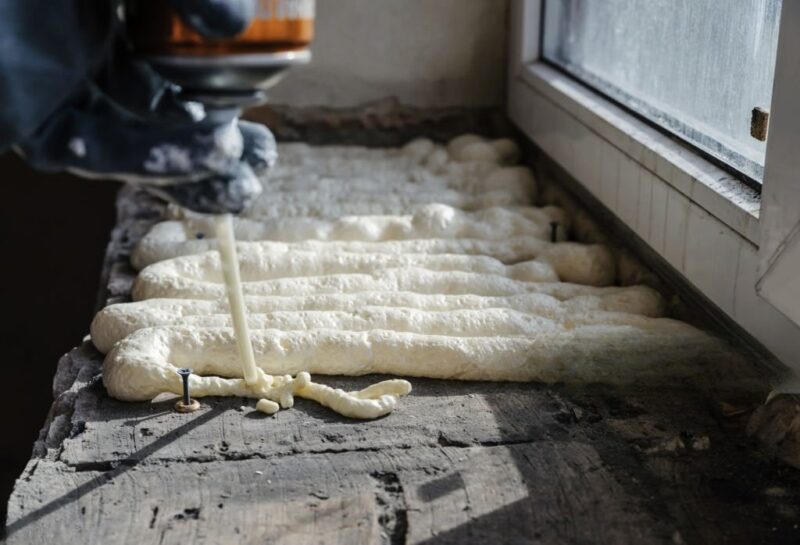
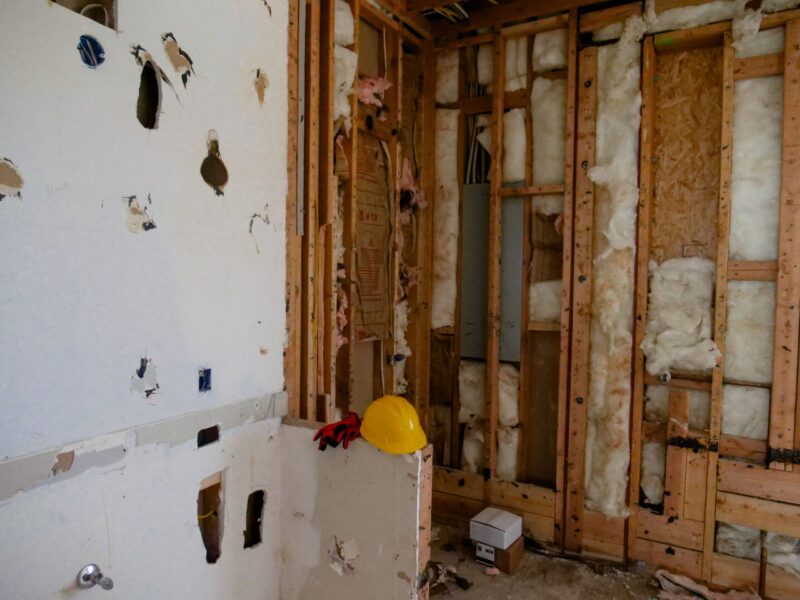
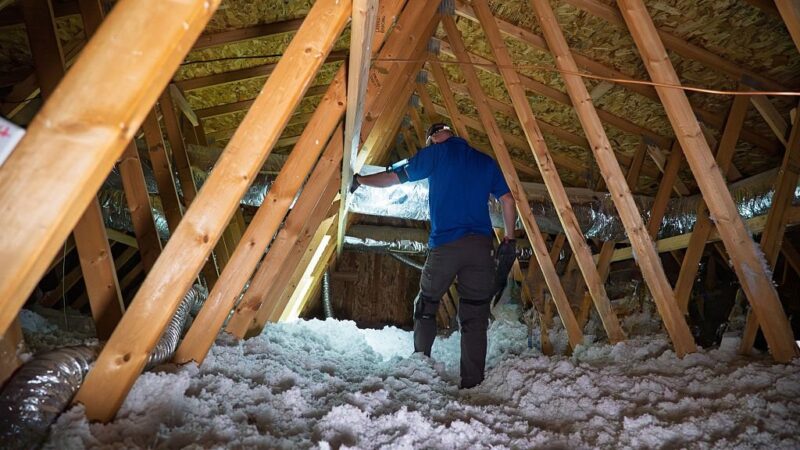
Reducing the cooling load on your AC system is one of the best ways to protect it from overwork. Proper insulation in walls, attics, windows, and doors helps keep cool air inside and hot outdoor air from entering the home. Sealing air leaks around windows, doors, and ductwork also improves efficiency by reducing the amount of conditioned air that escapes. Better insulation means your AC doesn’t need to run as long or as often to maintain comfort, which lowers energy bills and reduces wear on major components. In Port Charlotte’s hot climate, improving insulation can make a noticeable difference in both comfort and HVAC longevity.
Install Surge Protection
Florida’s frequent thunderstorms and lightning activity make surge protection a smart investment for HVAC systems. Modern air conditioners rely on sensitive electronics such as thermostats, control boards, capacitors, and communication modules that can be damaged by sudden power surges. Even small surges can gradually weaken electrical components over time, while larger surges can cause immediate failure. Installing a dedicated HVAC surge protector helps shield your system from electrical damage during storms and power fluctuations. This simple upgrade can prevent costly repairs and improve the long-term reliability of your air conditioning system.
Monitor Indoor Humidity
Managing indoor humidity is essential for both comfort and HVAC performance in Port Charlotte. When humidity stays too high, your AC must work harder to remove moisture while cooling the home, increasing runtime and energy use. Excess humidity can also lead to mold growth, musty odors, and poor indoor air quality. Homeowners should monitor indoor humidity levels and aim for balanced moisture control throughout the year. In homes with persistent humidity issues, whole-home dehumidifiers can be an excellent addition to the HVAC system. These systems reduce moisture load on the air conditioner, improve comfort, and help create a healthier indoor environment while allowing the AC to operate more efficiently.
When Weather Damage Requires Professional Help
While regular maintenance and homeowner care can go a long way in protecting your air conditioner, some weather-related damage requires professional attention. In Port Charlotte, constant heat, humidity, salt exposure, and storm activity can create hidden HVAC issues that are difficult to spot without a trained inspection. What may begin as a small performance problem can quickly turn into a major repair if left unchecked. Knowing when to call an HVAC professional can help prevent further damage, restore efficiency, and save you from more expensive repairs down the road.
Signs Your System Is Struggling
Your AC often gives warning signs when weather-related stress is beginning to affect performance. Longer cooling cycles are one of the first indicators, as the system takes more time to reach the desired temperature due to heat strain, airflow issues, or declining efficiency. Warm air coming from vents can signal refrigerant problems, compressor stress, or electrical malfunctions. Weak airflow may point to clogged filters, dirty coils, blower motor issues, or duct restrictions made worse by humidity and debris buildup. Rising energy bills without a major change in usage are another red flag that your system is working harder than it should. When these symptoms appear, professional diagnosis can identify the root cause before it worsens.
After-Storm HVAC Inspections
After severe weather, it’s a good idea to have your HVAC system professionally inspected—even if it seems to be operating normally. Storm damage is not always immediately visible. Heavy rain, flooding, wind-blown debris, and lightning-related surges can affect electrical systems, motors, condenser coils, and drainage components in ways that may cause delayed failures later. A professional inspection can check wiring integrity, test electrical connections, inspect fan motors, verify refrigerant pressures, clear storm debris from coils, and confirm drainage systems are functioning properly. Catching storm-related issues early helps prevent unexpected breakdowns weeks or months after the weather event.
Corrosion Assessments for Coastal Homes
For coastal homeowners, periodic corrosion assessments are one of the smartest preventive steps you can take. Salt air damage often develops slowly, affecting condenser coils, refrigerant lines, electrical terminals, and metal housing components long before obvious performance problems appear. HVAC technicians can inspect for early rust, salt buildup, weakened connections, and metal deterioration that may not be visible to homeowners. Early detection allows small corrosion issues to be cleaned, treated, or repaired before they spread and cause refrigerant leaks, electrical failures, or major component replacement. Regular corrosion inspections can significantly extend the life of HVAC equipment in coastal environments.
Repair vs Replacement Decisions
Sometimes weather-related damage becomes extensive enough that replacement may be more practical than continued repairs. If corrosion has severely damaged condenser coils, electrical systems have suffered repeated storm-related failures, or major components like compressors are failing due to years of heavy climate-related strain, repair costs can quickly add up. Older systems that are already less efficient may become increasingly expensive to maintain after significant weather wear. A professional HVAC evaluation can help determine whether targeted repairs will restore reliable performance or if replacing the system offers better long-term value, improved efficiency, and lower operating costs. In climates like Port Charlotte’s, making the right repair-versus-replacement decision can have a major impact on comfort and energy savings for years to come.
Why Preventive Maintenance Matters in Port Charlotte
In a place like Port Charlotte, preventive AC maintenance isn’t just a good habit—it’s one of the most important things homeowners can do to protect their cooling system. Between year-round heat, high humidity, salt air exposure, and frequent storms, air conditioners in Southwest Florida operate under much tougher conditions than systems in milder climates. That constant environmental stress accelerates wear, reduces efficiency, and increases the likelihood of repairs if maintenance is neglected. Preventive care helps your AC stay ahead of these challenges by keeping components clean, catching problems early, and making sure the system is prepared to handle the demands of local weather. Over time, regular maintenance pays off in longer equipment life, lower cooling costs, fewer breakdowns, and better indoor comfort.
Extends Equipment Lifespan
Port Charlotte’s climate naturally causes air conditioning systems to age faster because of heavy use and constant exposure to moisture, heat, and coastal elements. Compressors run longer, motors work harder, coils collect buildup faster, and outdoor equipment faces corrosion risks that can shorten component life. Preventive maintenance helps fight this weather-related wear by cleaning coils, checking refrigerant levels, inspecting electrical connections, lubricating moving parts, and identifying early signs of corrosion or mechanical stress. By reducing unnecessary strain on the system and correcting small issues before they escalate, homeowners can significantly extend the life of their HVAC equipment and delay the need for costly replacement.
Maintains Efficiency
A properly maintained air conditioner operates more efficiently, which is especially important in a climate where cooling costs can quickly rise. Dirty filters, clogged coils, airflow restrictions, low refrigerant, and worn electrical components all make the system work harder to produce the same cooling result. In Port Charlotte’s hot and humid environment, even a small drop in efficiency can noticeably increase monthly energy bills because the AC runs so frequently. Preventive maintenance keeps all major components operating at peak performance, improves airflow, restores efficient heat transfer, and helps your system cool your home with less energy. That means lower operating costs and better long-term system performance.
Reduces Breakdowns During Peak Heat
There’s never a convenient time for your AC to fail, but breakdowns are especially disruptive during the hottest months when cooling becomes essential for comfort and safety. Preventive maintenance helps reduce the risk of summer breakdowns by identifying weak capacitors, electrical issues, refrigerant leaks, drainage problems, and worn mechanical components before they fail under heavy demand. Scheduling service before peak summer heat gives HVAC technicians time to inspect, clean, and optimize your system so it’s prepared for long cooling cycles and extreme temperatures. Preventive care dramatically improves reliability when your AC is needed most.
Improves Indoor Comfort Year-Round
Regular maintenance doesn’t just protect equipment—it directly improves how comfortable your home feels. A well-maintained AC system provides stronger airflow, more even cooling, better humidity removal, and cleaner indoor air. In Port Charlotte, humidity control is especially important because excess moisture can make homes feel warmer, heavier, and less comfortable even when temperatures are cool. Preventive maintenance helps ensure your AC is effectively removing humidity while maintaining consistent temperatures throughout the home. The result is better year-round comfort, healthier indoor air quality, and a cooling system that performs reliably in every season.
FAQs About How the Weather in Port Charlotte Affects Your AC
Why does my AC run so much in Port Charlotte?
In Port Charlotte, long stretches of warm weather, high humidity, and strong sun exposure naturally cause air conditioners to run more often than in cooler climates. Your AC isn’t just cooling indoor air—it’s also constantly removing moisture, which increases runtime significantly. Homes with poor insulation, air leaks, dirty filters, clogged coils, or older systems may experience even longer cooling cycles because the unit has to work harder to maintain comfort. In many cases, frequent operation is normal in Southwest Florida, but if your system seems to run nonstop without adequately cooling your home, it may be struggling with efficiency or maintenance issues.
Does humidity make my AC work harder?
Yes—humidity places a major extra workload on your air conditioning system. Beyond lowering temperature, your AC must also remove moisture from the air through the evaporator coil and condensate drainage system. This dehumidification process requires longer operating cycles and more energy, especially during humid summer months. High indoor humidity can also make your home feel warmer than it actually is, causing homeowners to lower thermostat settings and force the system to run even longer. Proper humidity control is essential for comfort, efficiency, and reducing unnecessary strain on your HVAC equipment.
Can salt air damage my outdoor AC unit?
Absolutely. Coastal salt air is one of the biggest long-term threats to outdoor HVAC equipment in Florida. Salt particles settle on condenser coils, fan blades, cabinet panels, refrigerant lines, and electrical components, accelerating corrosion and rust. Over time, this corrosion can weaken metal parts, reduce heat transfer efficiency, create refrigerant leaks, and damage electrical connections. Without regular cleaning and inspections, salt exposure can significantly shorten the life of your AC system. Rinsing outdoor units with fresh water, applying protective coil coatings, and scheduling routine maintenance can help reduce salt-related damage.
How often should I service my AC in coastal Florida?
Because of the harsh coastal climate, most homeowners in Florida benefit from professional AC maintenance at least twice a year rather than just annually. A spring tune-up prepares the system for heavy summer cooling demand, while a second inspection later in the year helps identify corrosion, drainage issues, electrical wear, and storm-related damage. Homes directly exposed to coastal air or those running their AC nearly year-round may benefit from even closer monitoring. More frequent maintenance helps keep systems efficient, prevents costly repairs, and extends equipment life in demanding weather conditions.
What should I do to protect my AC during hurricane season?
Preparing your AC for hurricane season starts with securing outdoor equipment and keeping the surrounding area clear. Trim nearby trees and branches, remove loose yard debris, and make sure the condenser unit is firmly mounted. Installing surge protection helps protect HVAC electronics from lightning-related power surges. Before a major storm, some homeowners choose to shut off power to the AC system to reduce electrical risks when power is restored. After the storm passes, inspect the outdoor unit for debris buildup, visible damage, flooding exposure, or drainage issues before resuming normal use. If the system was exposed to flooding or severe impact, a professional inspection is strongly recommended.
Why are my cooling bills so high in summer?
Summer cooling bills in Port Charlotte are often higher because your AC runs longer and works harder during extreme heat and humidity. Removing moisture from the air requires extra energy, and outdoor heat makes heat transfer less efficient, causing longer cooling cycles. Dirty filters, clogged coils, poor insulation, leaking ductwork, low refrigerant, or aging HVAC equipment can increase operating costs even more. Small efficiency losses add up quickly when your system runs daily for long periods. Regular maintenance, better insulation, smart thermostat settings, and humidity control can all help lower summer cooling expenses.
Should Florida homes have dehumidifiers with AC systems?
In many Florida homes, yes—a whole-home dehumidifier can be an excellent addition to an air conditioning system. While AC units naturally remove some moisture during cooling, extremely humid conditions can still leave indoor spaces feeling damp or sticky, especially during mild weather when the AC doesn’t run as often. A dedicated dehumidifier helps control indoor moisture independently of cooling demand, improving comfort, reducing mold and mildew risk, protecting indoor air quality, and lowering strain on your air conditioner. For homeowners dealing with persistent humidity issues, whole-home dehumidification can significantly improve both comfort and HVAC efficiency.
Don’t Let Florida Weather Blow Your Cool—Call Today!
The weather in Port Charlotte plays a major role in how your air conditioning system performs, how efficiently it runs, and how long it lasts. From intense heat and year-round humidity to coastal salt exposure and seasonal storms, Southwest Florida’s climate creates constant challenges that can increase wear, raise energy bills, and lead to unexpected repairs if your system isn’t properly maintained. Understanding how local weather affects your AC allows you to stay proactive with maintenance, protect critical components, improve efficiency, and keep your home consistently cool and comfortable no matter what the forecast brings.
If you want your air conditioner prepared for everything Port Charlotte’s climate throws at it, Dale’s AC is a reliable HVAC company in Port Charlotte and is here to help with expert inspections, preventive AC maintenance in Port Charlotte, weather-related air conditioning repairs in Port Charlotte, proper AC installation in Port Charlotte, routine AC replacement in Port Charlotte, attic insulation in Port Charlotte and system protection solutions designed for Florida homes. We’ll help keep your AC efficient, reliable, and ready to handle heat, humidity, salt air, and storm season without missing a beat. Whether your system needs a tune-up, corrosion check, storm inspection, or professional service to improve performance, give us a call at (941) 629-1712or contact us, and let’s make sure your AC stays strong, your energy bills stay manageable, and your home stays cool year-round.