

Your air conditioning system is one of the most important components of your home, especially in warm and humid climates where consistent cooling is essential for comfort and indoor air quality. However, like any mechanical system, an AC unit has a limited lifespan. Over time, constant use leads to wear and tear on internal components, reducing efficiency and performance. You may start to notice signs such as higher energy bills, uneven cooling, frequent repairs, or longer run times. These issues not only affect comfort but also increase operating costs and place additional strain on the system. Understanding when your AC is no longer performing efficiently is key to avoiding unexpected breakdowns and costly emergency repairs.
Deciding whether to repair or replace your AC system can be challenging, especially when short-term fixes seem more affordable. However, continuing to repair an aging system can quickly become more expensive than investing in a replacement. Modern AC systems are designed with improved energy efficiency, advanced technology, and better humidity control, offering significant long-term benefits. By recognizing the right time to upgrade, you can improve your home’s comfort, reduce energy consumption, and enjoy more reliable performance. This guide will help you identify the warning signs, understand the benefits of replacement, and make a confident decision that supports both your comfort and your budget.
Understanding AC Replacement
Understanding what AC replacement involves is the first step in making the right decision for your home. Many homeowners continue repairing aging systems without realizing that replacement may be the more cost-effective and reliable option. Knowing how AC systems age, when they reach the end of their lifespan, and why replacement becomes necessary can help you avoid ongoing issues and improve overall comfort and efficiency.
What Is AC Replacement
AC replacement refers to the process of removing an old, inefficient, or failing air conditioning system and installing a new one in its place. Unlike simple repairs that address individual issues, replacement involves upgrading the entire system to improve performance and reliability. While repairs can fix temporary problems, they may not resolve underlying inefficiencies or aging components. A full replacement ensures that all parts of the system are modern, compatible, and designed to work efficiently together, providing better cooling and long-term value.
Typical Lifespan of an AC Unit
Most air conditioning systems have an average lifespan of around 10 to 15 years, depending on usage, maintenance, and environmental conditions. Systems that are used heavily in hot climates or receive minimal maintenance may wear out more quickly. Regular servicing can extend the lifespan, but over time, components naturally degrade and become less efficient. As systems age, they often require more frequent repairs and consume more energy, making replacement a more practical option.
Why AC Systems Need Replacement
AC systems eventually need replacement due to continuous wear and tear on internal components. Over time, parts such as compressors, coils, and motors lose efficiency and become more prone to failure. In addition, older systems often rely on outdated technology that is less energy-efficient compared to modern units. This results in higher energy consumption, increased operating costs, and reduced cooling performance. Replacing an outdated system with a newer, high-efficiency model can significantly improve comfort, reduce energy bills, and provide more reliable operation.
6 Key Signs You Need AC Replacement
1. Aging System (10–15+ Years Old)
One of the most obvious signs that it’s time for AC replacement is the age of the system. Most air conditioning units are designed to last between 10 and 15 years, depending on usage and maintenance. As systems age, their efficiency declines and components begin to wear out. Even if the system is still functioning, it may struggle to maintain consistent temperatures and require more frequent servicing. Older units also lack the advanced technology found in modern systems, which can lead to higher energy consumption and reduced overall performance.
2. Frequent Repairs
If your AC system requires frequent repairs, it may be a sign that it is nearing the end of its lifespan. While occasional repairs are normal, repeated service calls indicate that multiple components are failing. Over time, the cost of these repairs can add up, often exceeding the value of keeping the system running. When repair costs become significant or occur frequently, replacing the system can provide a more reliable and cost-effective solution. A new system eliminates recurring issues and offers improved efficiency and performance.
3. Rising Energy Bills
An unexplained increase in energy bills is another strong indicator that your AC system may need replacement. As systems age, they lose efficiency and require more energy to achieve the same level of cooling. Factors such as worn components, restricted airflow, and outdated technology contribute to this increased energy use. If your cooling costs continue to rise despite regular maintenance, it may be more economical to upgrade to a newer, energy-efficient system that can significantly reduce operating expenses.
4. Poor Cooling Performance
When your AC system can no longer maintain a comfortable indoor environment, it may be time to consider replacement. Signs of poor performance include uneven temperatures, weak airflow, longer cooling cycles, and difficulty reaching the desired temperature. These issues often indicate that the system is no longer capable of meeting your home’s cooling demands. While some problems can be repaired, persistent performance issues usually point to a system that is no longer functioning effectively and may need to be replaced.
5. Unusual Noises or Odors
Unusual noises and odors are often signs of serious internal problems within your AC system. Sounds such as grinding, banging, or squealing can indicate failing components like motors or compressors. Similarly, musty odors may suggest mold or moisture issues, while burning smells can point to electrical problems. These issues not only affect performance but can also pose safety concerns. When these problems become frequent or severe, replacing the system is often the safest and most reliable solution.
6. Use of Outdated Refrigerant (R-22)
If your AC system uses R-22 refrigerant, it is likely outdated and may need replacement. R-22 has been phased out due to environmental regulations, making it increasingly expensive and difficult to obtain. Systems that rely on this refrigerant are less efficient and more costly to maintain. As a result, repairing leaks or recharging the system can become impractical. Upgrading to a newer system that uses modern, environmentally friendly refrigerants not only improves efficiency but also ensures compliance with current standards and reduces long-term operating costs.
When to Replace vs Repair
Deciding whether to repair or replace your AC system can be challenging, especially when you’re trying to balance short-term costs with long-term value. While repairs may seem like the easier and more affordable option, they are not always the most practical solution—particularly for older or inefficient systems. Understanding when replacement makes more sense than repair can help you avoid ongoing expenses, improve comfort, and ensure reliable performance.
Cost Comparison: Repair vs Replacement
One of the most important factors in this decision is cost. A common guideline is that if a repair costs more than 30–50% of the price of a new system, replacement is often the better option. Spending a large amount on repairs for an aging unit may only provide a temporary fix, while investing in a new system offers long-term benefits such as improved efficiency and reliability. Evaluating both immediate repair costs and future expenses helps you make a more informed financial decision.
Frequency of Breakdowns
Frequent breakdowns are a clear sign that your AC system may be nearing the end of its lifespan. If you’re calling for repairs multiple times a year, it indicates that the system is no longer reliable and that key components are wearing out. These ongoing issues not only disrupt comfort but also lead to increasing repair costs over time. In such cases, replacing the system can eliminate recurring problems and provide a more dependable cooling solution.
Energy Efficiency Considerations
Older AC systems tend to be less energy-efficient, requiring more power to deliver the same level of cooling. Newer systems are designed with advanced technology that can reduce energy consumption by up to 20% or more. This improvement can lead to noticeable savings on monthly utility bills. If your current system is driving up energy costs, upgrading to a high-efficiency unit can provide significant long-term financial benefits while also improving performance.
Comfort and Performance Issues
If your AC system is no longer providing consistent comfort, it may be time to consider replacement. Issues such as uneven temperatures, weak airflow, and poor humidity control are often signs that the system is struggling to meet your home’s cooling needs. While some of these problems can be addressed with repairs, persistent performance issues usually indicate that the system is outdated or failing. Replacing the system can restore consistent cooling, improve indoor air quality, and create a more comfortable living environment.
5 Benefits of Replacing Your AC System
Replacing your AC system is not just about addressing an old or failing unit—it’s an opportunity to upgrade your home’s comfort, efficiency, and overall performance. Modern air conditioning systems are designed with advanced technology that improves cooling capabilities while reducing energy consumption and operating costs. By replacing an outdated system, homeowners can enjoy a more reliable, efficient, and comfortable indoor environment while avoiding the ongoing expenses associated with frequent repairs and poor performance.
1. Improved Energy Efficiency
One of the most significant benefits of replacing your AC system is improved energy efficiency. Older systems tend to lose efficiency over time, requiring more energy to maintain the same level of cooling. Newer models are built with higher SEER or SEER2 ratings and advanced components that optimize energy use. This means your system can cool your home more effectively while consuming less power. Over time, this leads to noticeable savings on utility bills and reduces overall energy consumption, making replacement a smart long-term investment.
2. Enhanced Indoor Comfort
A new AC system provides a higher level of comfort by delivering more consistent and even cooling throughout your home. Modern systems are designed to maintain stable temperatures, eliminating hot and cold spots that are common with older units. Features such as variable-speed compressors and improved airflow systems allow the unit to adjust its output based on demand, providing better temperature control. Additionally, enhanced humidity control helps create a more comfortable indoor environment by reducing excess moisture and maintaining balanced air conditions.
3. Reduced Repair Costs
As AC systems age, they become more prone to breakdowns and require more frequent repairs. These recurring costs can quickly add up, making it less practical to continue repairing an older system. By replacing your AC unit, you eliminate the need for constant repairs and reduce maintenance expenses. New systems are more reliable and built with updated components that are less likely to fail. This not only saves money but also provides peace of mind knowing your system will operate consistently without unexpected issues.
4. Better Indoor Air Quality
Replacing your AC system can significantly improve indoor air quality in Port Charlotte. Modern units are equipped with advanced filtration systems that help remove dust, allergens, and other airborne particles. Improved airflow and humidity control also reduce the risk of mold and mildew growth, which can negatively impact health and comfort. These enhancements create a cleaner, healthier indoor environment, making it easier to maintain good air quality and overall well-being.
5. Increased Home Value
A new AC system can also add value to your home, making it more attractive to potential buyers. Energy-efficient HVAC systems are a desirable feature, as they offer lower operating costs and reduced maintenance concerns. Buyers are more likely to invest in a property that already has an updated cooling system in place, eliminating the need for immediate upgrades. In addition to improving comfort and efficiency, replacing your AC system enhances the overall appeal and marketability of your home, making it a worthwhile investment for the future.
4 Types of Replacement AC Systems
1. Central Air Conditioning Systems
Central air conditioning systems are one of the most common and effective solutions for whole-home cooling. These systems use a network of ducts to distribute cooled air evenly throughout the home, providing consistent temperatures across multiple rooms. They are particularly well-suited for larger homes or properties with existing ductwork. Modern central AC systems are significantly more efficient than older models, offering improved airflow, better humidity control, and compatibility with advanced features such as smart thermostats and zoning systems. When properly installed and maintained, central systems provide reliable, long-term cooling and are ideal for homeowners who want a single, comprehensive solution for their entire home.
2. Ductless Mini-Split Systems
Ductless mini-split systems are a flexible and energy-efficient alternative to traditional central air systems. These systems consist of one or more indoor units connected to an outdoor unit, allowing for targeted cooling in specific areas of the home. One of their biggest advantages is zoned cooling, which enables homeowners to control temperatures in individual rooms independently. This helps reduce energy waste by cooling only the spaces that are in use. Ductless systems are ideal for homes without ductwork, room additions, or areas that are difficult to cool with traditional systems. Their compact design, quiet operation, and high efficiency make them a popular choice for modern homes.
3. Heat Pumps
Heat pumps are a versatile replacement option that provides both cooling and heating in a single system. Instead of generating heat, they transfer it, making them more energy-efficient than traditional HVAC systems. During the summer, heat pumps function like air conditioners by removing heat from inside the home. In cooler months, they reverse the process to provide heating. This dual functionality makes them a practical and cost-effective solution for year-round comfort. Heat pumps are especially beneficial in regions with moderate climates, where extreme heating demands are minimal, allowing homeowners to enjoy efficient performance in both cooling and heating modes.
4. High-Efficiency Systems
High-efficiency AC systems are designed to deliver maximum cooling performance while minimizing energy consumption. These systems typically feature high SEER or SEER2 ratings, advanced compressors such as variable-speed or inverter-driven technology, and improved airflow systems. By adjusting their output based on cooling demand, they operate more efficiently and maintain more consistent indoor temperatures. This results in lower energy bills, improved comfort, and reduced environmental impact. High-efficiency systems are an excellent choice for homeowners looking to upgrade to a more sustainable and cost-effective solution while benefiting from the latest advancements in HVAC technology.
Factors to Consider Before Replacing Your AC
Before replacing your AC system, it’s important to evaluate several key factors that will influence performance, efficiency, and overall cost. A replacement is a long-term investment, and making the right decisions upfront ensures your new system meets your cooling needs while delivering reliable performance and energy savings. Careful planning helps you avoid common mistakes and ensures your system is properly matched to your home and lifestyle.
System Size and Home Layout
Proper system sizing is critical when replacing your AC unit. The size of your home, ceiling height, room layout, insulation, and window placement all affect how much cooling capacity is needed. A system that is too large may cool the home too quickly without removing enough humidity, leading to discomfort and inefficiency. On the other hand, a system that is too small will struggle to maintain the desired temperature and may run continuously. Evaluating your home’s layout and working with a professional to perform load calculations ensures the new system is correctly sized for balanced airflow and consistent cooling.
Energy Efficiency Ratings (SEER/SEER2)
Energy efficiency ratings, such as SEER and SEER2, are important indicators of how efficiently an AC system operates. Higher-rated systems use less energy to provide the same level of cooling, which can significantly reduce utility bills over time. While high-efficiency systems may have a higher upfront cost, they offer long-term savings through lower energy consumption. Choosing a system with the right efficiency rating helps balance performance with cost and ensures you get the most value from your investment.
Budget and Installation Costs
Budget considerations go beyond the cost of the equipment itself. Installation expenses, including labor, ductwork modifications, and additional components, can impact the total investment. It’s important to consider both upfront costs and long-term value when selecting a replacement system. While a lower-cost system may seem appealing initially, it may lead to higher operating and maintenance costs over time. Investing in a quality system with professional installation can provide better performance, reliability, and long-term savings.
Climate and Usage Needs
Your local climate and how often you use your AC system play a major role in determining the best replacement option. In hot and humid climates, systems need to handle extended cooling demands and provide effective humidity control. Features such as variable-speed operation and enhanced dehumidification can improve comfort and efficiency in these conditions. Understanding your usage patterns—such as how often the system runs and which areas of the home require the most cooling—helps ensure you choose a system that meets your specific needs and performs reliably throughout the year.
Cost of AC Replacement
Replacing your AC system is a significant investment, and understanding the cost involved can help you plan effectively and make informed decisions. The total cost of replacement can vary depending on several factors, including the type of system, the size of your home, and the complexity of the installation. While the upfront expense may seem high, it’s important to consider the long-term savings and benefits that come with upgrading to a modern, energy-efficient system.
Factors Affecting Replacement Cost
Several key factors influence the overall cost of AC replacement. The type of system you choose—such as central air, ductless mini-split, or heat pump—plays a major role in pricing. The size of the system, which is determined by your home’s cooling needs, also affects cost. Larger homes typically require more powerful units, increasing equipment and installation expenses. Installation complexity is another important factor, as projects involving ductwork modifications, electrical upgrades, or advanced features like zoning systems can add to the total cost. Labor rates and the quality of materials used also contribute to the final price.
Average Cost Range
The average cost of AC replacement includes both the price of the equipment and the labor required for installation. Basic systems for smaller homes tend to fall on the lower end of the price range, while larger or high-efficiency systems with advanced features are more expensive. Additional components such as smart thermostats, upgraded ductwork, or improved insulation can also increase the overall cost. Because every home is different, getting a detailed estimate from an HVAC professional is the best way to understand the specific costs for your project.
Long-Term Savings from Replacement
Although the upfront cost of AC replacement can be significant, the long-term savings often make it a worthwhile investment. Newer systems are designed to operate more efficiently, which can lead to lower energy bills over time. In addition, replacing an aging system reduces the need for frequent repairs, saving money on maintenance and service calls. Improved performance and reliability also mean fewer unexpected expenses and greater peace of mind. Over the lifespan of the system, these savings can help offset the initial investment and provide lasting value.
The AC Replacement Process
Replacing an AC system involves a structured process designed to ensure the new unit is properly selected, installed, and optimized for long-term performance. Each step plays a critical role in achieving efficient operation, reliable cooling, and overall comfort. Understanding what to expect during the replacement process can help homeowners prepare and make informed decisions along the way.
1. System Evaluation and Inspection
The replacement process begins with a thorough evaluation of your current AC system. HVAC professionals inspect the condition of the unit, assess its performance, and identify any underlying issues such as airflow problems, duct leaks, or inefficiencies. This step also involves evaluating your home’s cooling needs, including size, layout, insulation, and usage patterns. A detailed inspection ensures that the new system is properly matched to your home and addresses any existing issues that could affect performance.
2. Choosing the Right Replacement Unit
Once the evaluation is complete, the next step is selecting the right replacement system. This involves choosing a unit that matches your home’s size, cooling requirements, and energy efficiency goals. Factors such as system type, SEER or SEER2 rating, and additional features like zoning or smart thermostat compatibility are considered. HVAC professionals provide recommendations based on your specific needs, helping you choose a system that delivers optimal comfort and long-term savings.
3. Removal of Old System
Before installing the new unit, the old system must be safely removed. This includes disconnecting electrical components, refrigerant lines, and duct connections. Proper disposal of the old unit is important, especially when dealing with outdated refrigerants that must be handled according to environmental regulations. Professional technicians ensure that the removal process is completed safely and efficiently, minimizing disruption to your home.
4. Installation of New System
After the old system is removed, the new AC unit is installed. This step involves setting up the indoor and outdoor components, connecting refrigerant lines, configuring electrical wiring, and integrating the system with existing ductwork or installing new components if needed. Proper installation is critical for ensuring efficiency, reliability, and optimal performance. Technicians also ensure that the system is positioned correctly to allow for proper airflow and easy maintenance access.
5. Testing and Final Adjustments
The final step in the replacement process is testing and calibrating the new system. Technicians check airflow, verify refrigerant levels, test thermostat functionality, and ensure all components are operating correctly. Adjustments are made as needed to optimize performance and efficiency. This step ensures that the system delivers consistent cooling, maintains proper humidity levels, and operates reliably. Once testing is complete, the system is ready for use, providing improved comfort and efficiency throughout your home.
4 Tips to Extend the Life of Your New AC System
Once you’ve invested in a new AC system, proper care is essential to ensure it lasts as long as possible and continues to operate efficiently. Even the most advanced systems require regular upkeep and smart usage habits to maintain performance. By following a few simple practices, you can reduce wear and tear, lower energy costs, and avoid premature system failure. Taking a proactive approach helps protect your investment and ensures consistent comfort for years to come.
1. Regular Maintenance and Tune-Ups
Routine AC maintenance in Port Charlotte is one of the most important steps in extending the life of your AC system. Scheduling regular tune-ups allows HVAC professionals to inspect components, clean critical parts, and identify potential issues before they become serious problems. Tasks such as replacing air filters, cleaning coils, checking refrigerant levels, and inspecting electrical connections help keep the system running smoothly. Consistent maintenance reduces strain on the system, improves efficiency, and helps prevent unexpected breakdowns.
2. Proper Usage and Thermostat Settings
Using your AC system correctly can significantly impact its lifespan. Avoid setting extremely low temperatures, as this forces the system to work harder than necessary. Instead, maintain a steady and reasonable temperature to reduce strain on components. Using programmable or smart thermostats can help regulate cooling based on your daily schedule, ensuring the system runs efficiently without unnecessary usage. Proper thermostat management not only extends system life but also helps reduce energy consumption.
3. Keeping Outdoor Unit Clean
The outdoor unit plays a crucial role in releasing heat, and keeping it clean is essential for proper operation. Dirt, leaves, and debris can accumulate around the unit, restricting airflow and reducing efficiency. Regularly clearing the area around the unit and ensuring there is adequate space for airflow helps the system perform better. Keeping the outdoor unit clean reduces strain on the system and prevents overheating, which can lead to long-term damage.
4. Upgrading Insulation and Sealing
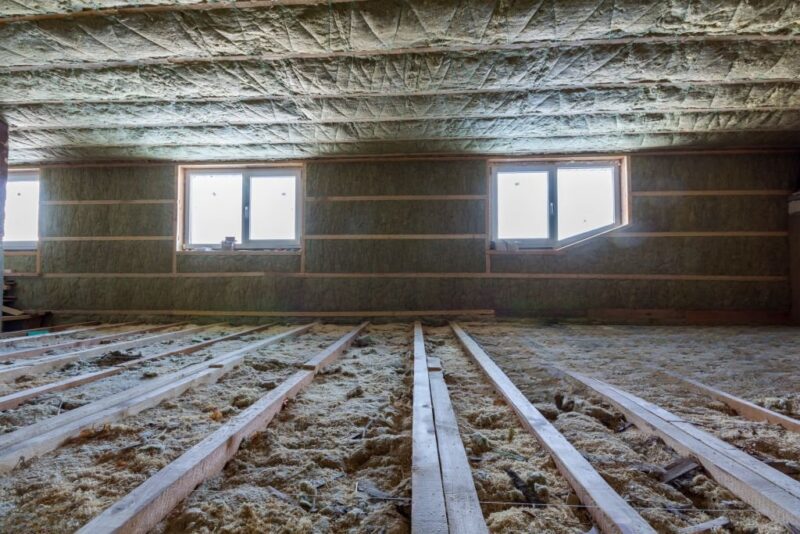
Improving your home’s insulation and sealing can have a significant impact on your AC system’s efficiency and lifespan. Proper insulation helps maintain indoor temperatures by reducing heat gain, allowing the AC system to work less to keep the space cool. Sealing gaps around doors, windows, and ducts prevents cool air from escaping and warm air from entering. These improvements reduce the workload on your system, enhance overall efficiency, and help extend its lifespan while maintaining consistent comfort.
FAQs About AC Replacement
How do I know if I need AC replacement or repair?
Deciding between repair and replacement depends on several factors, including the age of your system, how often it breaks down, and the cost of repairs. If your AC unit is relatively new and the issue is minor, a repair is usually the best option. However, if your system is older (typically over 10–15 years), requires frequent service calls, or struggles to maintain consistent cooling, replacement is often more cost-effective. A common guideline is that if a repair costs a significant portion of a new system or if problems keep recurring, it may be time to upgrade. Consulting a professional can help you evaluate the condition of your system and make the best decision.
What is the average lifespan of an AC unit?
Most air conditioning systems have an average lifespan of 10 to 15 years. This lifespan can vary based on factors such as how often the system is used, the climate, and how well it is maintained. Systems that operate in hotter climates or run frequently may experience more wear and tear. Regular maintenance, including filter changes and annual tune-ups, can extend the life of the system. However, as the unit ages, efficiency declines and the likelihood of breakdowns increases, making replacement a more practical option over time.
Is it worth replacing a 10-year-old AC?
In many cases, replacing a 10-year-old AC system can be a smart investment, especially if it is showing signs of reduced efficiency or frequent issues. While some systems can continue to operate beyond 10 years, they often do so with decreased performance and higher energy consumption. Upgrading to a newer system can provide improved efficiency, better cooling performance, and lower utility bills. If your current system requires repairs or struggles to keep your home comfortable, replacement may offer better long-term value.
How much does AC replacement cost?
The cost of AC replacement can vary widely depending on factors such as system type, size, efficiency rating, and installation complexity. Basic systems for smaller homes may cost less, while larger homes or high-efficiency systems with advanced features can increase the total investment. Costs typically include equipment, labor, and any additional components such as ductwork modifications or smart thermostats. While the upfront cost may seem high, a new system can provide long-term savings through improved efficiency and reduced maintenance expenses.
Will a new AC system lower my energy bills?
Yes, installing a new AC system can significantly reduce energy bills, especially if your current unit is older or inefficient. Modern systems are designed with higher efficiency ratings and advanced technology that allows them to cool your home using less energy. Features such as variable-speed compressors and improved airflow help maintain consistent temperatures while minimizing energy use. Over time, the savings on utility bills can help offset the initial cost of the new system.
How long does AC replacement take?
The AC replacement process is typically completed within one day, although more complex installations may take longer. The timeline depends on factors such as the type of system, the size of the home, and whether any additional work—such as ductwork modifications or electrical upgrades—is required. The process includes removing the old system, installing the new unit, and testing it to ensure proper operation. A professional HVAC technician can provide a more accurate timeline based on your specific installation needs.
What size AC system do I need?
Choosing the correct AC system size is essential for efficiency and comfort. The size is determined by factors such as your home’s square footage, layout, insulation, number of windows, and local climate. An oversized system may cool the home too quickly without properly removing humidity, while an undersized system may struggle to maintain the desired temperature. Proper sizing requires a detailed load calculation performed by an HVAC professional. This ensures the system is matched to your home’s specific needs, providing consistent cooling and optimal performance.
Don’t Sweat It—Replace It!
Replacing your AC system at the right time is one of the most important decisions you can make for your home’s comfort and efficiency. An aging or underperforming unit can lead to rising energy bills, inconsistent cooling, and frequent repairs that quickly add up. By understanding the signs of system failure and knowing when replacement is the smarter option, you can avoid unnecessary expenses and ensure your home stays comfortable year-round. A new AC system offers improved energy efficiency, better humidity control, quieter operation, and more reliable performance, making it a worthwhile long-term investment for both comfort and cost savings.
If you’re starting to notice issues with your AC or simply want to explore your options, Dale’s AC is a trusted HVAC company in Port Charlotte and is here to help you make the right choice. We’ll evaluate your current system, recommend the best AC replacement in Port Charlotte based on your home and budget, and ensure everything is installed properly for optimal performance. We also offer AC Installation in Port Charlotte, residential HVAC services in Port Charlotte, commercial HVAC services in Port Charlotte, and attic insulation in Port Charlotte. Our goal is to help you get the most value out of your investment while keeping your home cool and efficient. Call us at (941) 629-1712 or contact us and let’s upgrade your comfort with a system that works better, lasts longer, and saves you money over time.