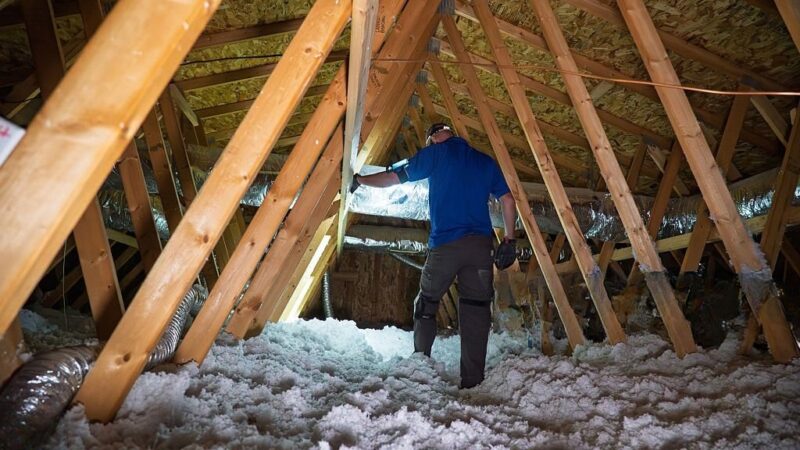


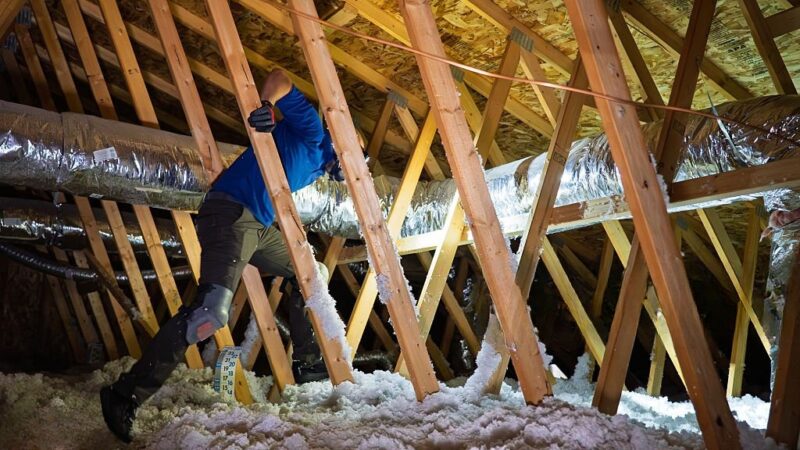
Adding attic insulation is a common way to improve indoor comfort and reduce unwanted heat transfer, especially in Florida’s hot and humid climate. But can you over-insulate your attic? While additional insulation can increase thermal resistance, more is not always necessary or beneficial. Homeowners may wonder whether excessive insulation can block ventilation, contribute to moisture problems, or interfere with attic components. The answer depends on how much insulation is installed, the materials used, and the attic’s existing conditions.
For homeowners in Port Charlotte and Southwest Florida, understanding the right balance between insulation levels, ventilation, and HVAC performance is important before making upgrades. An attic with a high R-value is not automatically over-insulated, but improper installation can create problems that affect comfort and maintenance. In this guide, we’ll explain what over-insulating an attic means, the warning signs to watch for, how much insulation your home may need, and when a professional evaluation can help you make the right improvements.
How Attic Insulation Works
Attic insulation helps reduce unwanted heat transfer between your home’s living spaces and the attic. In Southwest Florida, where attics can become extremely hot during sunny weather, proper insulation plays an important role in maintaining indoor comfort and managing cooling demand. Understanding how insulation works can help homeowners determine whether additional material is necessary and why installation quality matters just as much as insulation thickness.
How Insulation Slows Heat Transfer
Attic insulation works by resisting the movement of heat between areas with different temperatures. During hot weather, heat from the attic can move toward cooler living spaces below. Materials such as fiberglass, cellulose, and mineral wool contain small air pockets that help slow this transfer. The amount of thermal resistance provided depends on the insulation material, thickness, density, and overall installation condition.
Understanding Conductive, Convective, and Radiant Heat Transfer
Heat moves through three primary mechanisms: conduction, convection, and radiation. Conduction occurs when heat travels through solid materials, such as ceiling framing and drywall. Convection involves heat movement through circulating air, while radiation transfers energy between surfaces through electromagnetic waves. Conventional attic insulation primarily reduces conductive heat transfer and limits air movement within the insulation itself, while air sealing and properly designed radiant barriers address other aspects of heat transfer.
How Attic Insulation Helps Separate Conditioned and Unconditioned Spaces
In a conventional vented attic, insulation is typically installed along the attic floor to create a thermal boundary between the conditioned living area and the unconditioned attic above. This helps limit heat entering the home through the ceiling during warm weather. However, homes with properly designed unvented attics may have insulation installed along the roof deck instead. The correct insulation location depends on the attic’s construction and intended thermal boundary.
The Role of Insulation Thickness and Material Density
Insulation thickness and density influence how effectively a material resists heat transfer. Increasing thickness generally raises the total R-value when the insulation is installed according to manufacturer specifications. However, compressing fiberglass batts or installing loose-fill insulation at an incorrect density can affect performance. Adding more insulation beyond an appropriate level may also provide progressively smaller thermal benefits, making proper installation and material selection important.
Why Insulation and Air Sealing Serve Different Purposes
Insulation reduces heat transfer through building materials, while air sealing addresses gaps that allow uncontrolled airflow between the attic and living spaces. Openings around plumbing penetrations, wiring, attic hatches, and duct chases can allow conditioned air to escape or unwanted air to enter. Adding insulation over these gaps does not necessarily stop air leakage. Appropriate air sealing should be considered alongside insulation improvements to support the home’s overall thermal performance.
How Insulation Interacts With Attic Ventilation
In conventional vented attics, ventilation pathways allow outdoor air to move through designated intake and exhaust openings. Attic insulation should be installed without blocking soffit vents or other intended airflow channels. Baffles may be necessary to maintain these pathways near the roof edges. However, unvented attic assemblies follow different insulation and moisture-control strategies, and additional ventilation is not automatically beneficial in Florida’s humid climate. Proper insulation placement should always account for the attic’s existing ventilation design.
Understanding Attic Insulation R-Value
When determining how much attic insulation you need, R-value is one of the most important measurements to understand. It indicates how effectively insulation resists heat transfer and helps homeowners compare different materials and installation thicknesses. However, achieving a higher R-value does not automatically mean better overall attic performance. Existing insulation conditions, installation quality, air leakage, and the home’s construction all influence whether additional insulation is necessary.
What Is R-Value?
R-value measures a material’s resistance to heat flow. The higher the R-value, the greater the material’s thermal resistance under specified conditions. For attic insulation, R-value helps indicate how effectively the insulation slows heat transfer between the attic and conditioned living spaces. However, it does not measure air leakage, moisture resistance, or ventilation performance, which must be evaluated separately.
How Insulation Thickness Affects R-Value
Increasing insulation thickness generally increases total R-value when the material is installed according to manufacturer specifications. For example, adding compatible insulation over an existing layer may improve thermal resistance by increasing the overall depth. However, the relationship depends on the material and installation conditions. Compressing fiberglass batts or installing loose-fill insulation at an incorrect density can reduce the expected performance.
How Insulation Material Affects Thermal Resistance
Different insulation materials provide different levels of thermal resistance per inch. Fiberglass, cellulose, mineral wool, and spray foam have distinct compositions, densities, and installation requirements that influence their R-values. Some materials can achieve higher thermal resistance within a thinner layer, while others require greater thickness. Homeowners should compare product-specific ratings and consider compatibility with the existing attic assembly rather than selecting materials based on R-value alone.
Why Installed R-Value May Differ From Expected Performance
An insulation product’s advertised R-value reflects its rated thermal resistance under specified conditions, but installation defects can affect overall performance. Gaps, compressed batts, uneven loose-fill coverage, and displaced insulation may leave sections of the attic floor with less protection than intended. Heat can also move through framing and other building components. Proper installation helps the completed insulation system perform closer to its intended level.
Understanding Diminishing Returns From Additional Insulation
Adding insulation to an underinsulated attic can provide meaningful improvements in thermal resistance. However, as total R-value increases, each additional layer generally produces a smaller reduction in heat transfer than the previous increase. For example, increasing insulation from R-10 to R-20 has a greater proportional effect on conductive heat flow than increasing it from R-40 to R-50. This is why adding more insulation indefinitely may not provide proportional comfort or energy benefits.
Why the Highest Possible R-Value Is Not Always Necessary
The appropriate attic insulation level depends on climate, building construction, existing insulation, and applicable requirements. Installing insulation beyond a suitable R-value may increase project costs without delivering equally substantial improvements. Excess material can also create practical concerns if it blocks ventilation pathways or interferes with attic components. Homeowners should focus on achieving an appropriate insulation level while addressing air leakage, moisture conditions, and installation quality.
How Existing Insulation Contributes to Total R-Value
Existing attic insulation may continue contributing thermal resistance even if it has been in place for many years. When compatible insulation is added over material that remains dry, clean, and in suitable condition, the thermal resistance of the layers can generally be combined to estimate the total R-value. However, compressed, damaged, or uneven insulation may provide less resistance than expected. Evaluating existing material before adding more helps prevent unnecessary replacement or excessive installation.
9 Signs Your Attic May Have Too Much or Improperly Installed Insulation
1. Insulation Blocking Soffit Vents
Soffit vents allow outdoor air to enter a conventional vented attic, supporting its intended ventilation system. When blown-in insulation or fiberglass batts cover these openings, airflow may become restricted. This can interfere with ventilation and contribute to moisture-related concerns under certain conditions. Properly installed attic baffles help keep insulation away from soffit openings while maintaining the intended airflow pathways.
2. Insulation Piled Against Roof Decking in a Vented Attic
In a conventional vented attic insulated at the ceiling level, insulation should not obstruct designated ventilation channels along the roof edges. Material piled against the underside of the roof decking near these openings may restrict airflow, particularly when baffles are missing or incorrectly installed. However, insulation directly against the roof deck can be appropriate in certain professionally designed unvented attic assemblies, so the attic’s construction must be considered before making changes.
3. Uneven or Excessive Insulation Depth Around Attic Components
Uneven insulation coverage can leave some areas with insufficient thermal resistance while creating unnecessary buildup around others. Excessive material near attic hatches, ventilation openings, electrical equipment, or HVAC components may also interfere with access and required clearances. Homeowners should look for noticeably inconsistent insulation levels rather than assuming that a thick, uniform layer is automatically a problem.
4. Compressed or Overstuffed Fiberglass Batts
Fiberglass batt insulation relies on its intended thickness and structure to provide thermal resistance. When batts are squeezed into spaces that are too small, packed tightly around framing, or compressed beneath additional materials, their effective R-value can decrease. Overstuffed batts may also leave gaps or uneven coverage. Choosing the correct batt dimensions and installing the material without unnecessary compression helps maintain its rated performance.
5. Covered Electrical Junction Boxes or Recessed Lighting
Insulation installed around electrical components requires particular attention to safety and accessibility. Junction boxes must remain accessible as required by electrical codes, while recessed lighting fixtures need appropriate insulation-contact ratings or clearances. Covering fixtures that are not approved for insulation contact may create overheating concerns. If electrical components are buried or their ratings are unknown, a qualified professional should evaluate the installation before any material is disturbed.
6. Difficult Access to HVAC Equipment and Ductwork
Many Florida homes have HVAC ductwork or equipment located in the attic. Excessive insulation buildup around service panels, access routes, or mechanical components can make routine inspections and maintenance more difficult. Although properly installed insulation can help reduce heat transfer through the attic floor, it should not obstruct equipment access or interfere with manufacturer-required clearances. Accessible ductwork should also be inspected separately for air leaks, damaged insulation, and condensation concerns.
7. Visible Moisture Stains or Damp Insulation
Water stains, damp insulation, discoloration, or a persistent musty odor may indicate moisture problems that require further investigation. Possible sources include roof leaks, plumbing issues, condensation, or uncontrolled air movement between living spaces and the attic. Wet insulation may lose effectiveness and, depending on the material and surrounding conditions, contribute to deterioration. These signs should be evaluated before adding more insulation, since additional material will not correct the underlying moisture source.
8. Persistent Indoor Comfort Problems After Insulation Upgrades
If certain rooms remain unusually warm or indoor temperatures are inconsistent after an attic insulation upgrade, the problem may involve more than insulation thickness. Uneven coverage, overlooked air leaks, ductwork deficiencies, or HVAC performance issues can affect comfort even when the attic has an appropriate R-value. A professional assessment can help identify whether the insulation was installed correctly or whether another part of the home’s cooling system needs attention.
9. Why These Signs Do Not Always Mean Excessive Insulation
Many warning signs associated with an over-insulated attic are actually symptoms of improper installation, existing moisture problems, or unrelated HVAC concerns. A thick layer of insulation can be entirely appropriate when it meets the home’s thermal requirements and does not interfere with ventilation, electrical safety, or equipment access. Rather than removing insulation based on appearance alone, homeowners should have the attic’s R-value, material condition, and installation quality evaluated to determine what improvements are necessary.
What Problems Can Too Much Attic Insulation Cause?
Adding more attic insulation can improve thermal resistance, but excessive material or improper installation may create problems that affect ventilation, moisture management, accessibility, and overall performance. For homeowners in Port Charlotte, understanding these concerns is particularly important because Southwest Florida’s hot and humid climate places considerable demands on attic assemblies. Most problems associated with an over-insulated attic result from installation mistakes or unresolved building conditions rather than a high R-value alone.
Blocked Ventilation Pathways
In a conventional vented attic, insulation that covers soffit vents or obstructs designated ventilation channels can interfere with the intended airflow. This may affect how heat and moisture move through the attic, particularly when intake and exhaust openings are no longer functioning as designed. Blown-in insulation can accumulate near roof edges, while improperly positioned batts may cover ventilation openings. Installing appropriate baffles and maintaining clear pathways helps prevent these problems without unnecessarily reducing insulation coverage.
Moisture Accumulation When Existing Problems Remain Unresolved
Adding insulation over existing moisture problems does not eliminate their underlying causes. Roof leaks, plumbing issues, air leakage, and condensation can continue affecting attic materials even after additional insulation is installed. In some situations, added material may conceal damp areas and make developing problems harder to identify. Before upgrading attic insulation, homeowners should address known moisture sources and confirm that existing materials are suitable for continued use.
Condensation Around Cold Surfaces
Condensation can develop when moisture-laden air contacts a surface that is cold enough for water vapor to collect. In Florida homes, this may occur around poorly sealed or inadequately insulated air conditioning ducts, refrigerant lines, and other cool surfaces in the attic. Adding insulation without correcting air leakage or ductwork deficiencies may leave these conditions unresolved. Proper moisture management requires evaluating the source of humid air, surface temperatures, and the attic’s overall construction.
Reduced Performance From Compressed Insulation
Insulation materials must maintain their intended thickness and installation characteristics to provide the expected thermal resistance. Fiberglass batts that are compressed beneath additional layers or forced into undersized spaces may deliver less R-value than their labeled rating. Loose-fill insulation also requires appropriate installed depth and density to achieve its specified performance. Simply packing more material into an attic does not necessarily improve thermal protection, especially when the installation creates gaps or compression.
Restricted Access to Electrical and HVAC Components
Excessive insulation buildup can make electrical junction boxes, HVAC equipment, ductwork, and other attic components difficult to locate or service. Certain electrical fixtures also require specific clearances or insulation-contact ratings to prevent overheating. Covering access points or equipment that must remain accessible can complicate inspections and maintenance. Proper attic insulation installation should preserve required clearances and allow qualified technicians to reach components that need servicing.
Potential Ceiling Load Concerns With Heavy Insulation Materials
Attic insulation adds weight to the ceiling structure, and the amount varies depending on the material, installed depth, and density. While properly specified insulation is generally accommodated by suitable construction, unusually thick layers of heavier materials may warrant additional consideration, particularly in older homes or where structural conditions are uncertain. Wet insulation can also increase the load. Homeowners should avoid adding substantial amounts of material without confirming that the existing ceiling assembly can support the proposed installation.
Unnecessary Material and Installation Expenses
Increasing attic insulation beyond an appropriate R-value may result in additional material and labor expenses without proportionate improvements in thermal performance. As insulation levels rise, each additional increase in R-value generally provides a smaller reduction in conductive heat transfer. For homeowners considering attic insulation in Port Charlotte, evaluating existing insulation levels, installation quality, and other sources of unwanted heat transfer can help prioritize improvements that address the home’s actual needs.
Why Excessive Insulation Does Not Automatically Cause Mold or Roof Damage
A high insulation R-value does not inherently cause mold growth, roof deterioration, or moisture accumulation. These problems generally involve moisture intrusion, condensation, inadequate drying conditions, or improper construction details. In a correctly designed and installed attic assembly, substantial insulation levels can be compatible with effective moisture management and long-term building performance. The important distinction is whether the insulation supports the intended attic design without obstructing ventilation, trapping existing moisture, or interfering with essential components.
How Much Attic Insulation Do You Need in Florida?
The right amount of attic insulation depends on your home’s location, existing R-value, roof construction, and insulation material. In Southwest Florida, attic insulation helps limit heat transfer into conditioned living spaces during hot weather. However, installing the thickest possible layer is not necessarily the most effective approach. Understanding regional recommendations and applicable building requirements can help homeowners determine how much insulation their attic actually needs.
Understanding Florida’s Climate Zones
Florida spans multiple building climate zones, with most southern and coastal areas experiencing long cooling seasons, high humidity, and relatively mild winters. Port Charlotte, located in Charlotte County, falls within IECC Climate Zone 2A, which is classified as hot and humid. Homes in this region benefit from insulation strategies that account for summer heat, moisture movement, and the design of the attic assembly. Insulation requirements can differ across Florida, making local climate conditions important when planning improvements.
Recommended Attic Insulation R-Values for Southwest Florida
For existing homes in Southwest Florida, R-30 to R-49 is a useful general reference range for evaluating attic insulation, although the appropriate target depends on existing conditions and the applicable guidance. Some homes may benefit from additional insulation, while others may already have sufficient thermal resistance. Homeowners should also consider air sealing, ventilation, and insulation coverage rather than relying on R-value alone. These general recommendations are not a substitute for the requirements that apply to a specific construction or renovation project.
How Florida Building Code Requirements Affect Insulation Decisions
The Florida Building Code establishes minimum energy-efficiency requirements for applicable construction projects, including insulation and building-envelope performance. Requirements can vary based on the adopted code edition, construction type, attic assembly, and selected compliance method. New construction and existing-home improvements may also be subject to different provisions. Homeowners should distinguish between voluntary energy-efficiency recommendations and mandatory code requirements, confirming applicable standards with the local building department or a qualified professional before beginning work.
How Existing Insulation Changes the Amount Needed
If your attic already contains insulation that is dry, clean, properly installed, and compatible with the proposed upgrade, it may not need to be removed. Existing insulation can contribute to the total R-value, reducing the amount of additional material required. For example, an attic with approximately R-19 of effective existing insulation may need roughly R-19 more to reach R-38. However, gaps, compression, moisture damage, and uneven coverage can affect actual performance, so existing insulation should be evaluated before calculating additional thickness.
Comparing Insulation Depth With Total R-Value
Insulation depth and R-value are related, but they are not interchangeable. Different materials provide different amounts of thermal resistance per inch, meaning two attics with the same insulation depth may have different total R-values. The following table provides representative estimates for common insulation materials.
| Insulation Material | Approximate R-Value per Inch | Thickness for R-30 | Thickness for R-38 | Thickness for R-49 |
| Blown-in fiberglass | R-2.2 to R-2.9 | 10.3–13.6 inches | 13.1–17.3 inches | 16.9–22.3 inches |
| Blown-in cellulose | R-3.2 to R-3.8 | 7.9–9.4 inches | 10.0–11.9 inches | 12.9–15.3 inches |
| Fiberglass batts | R-2.9 to R-3.8 | 7.9–10.3 inches | 10.0–13.1 inches | 12.9–16.9 inches |
| Mineral wool batts | R-3.0 to R-4.2 | 7.1–10.0 inches | 9.0–12.7 inches | 11.7–16.3 inches |
| Open-cell spray foam | R-3.5 to R-3.8 | 7.9–8.6 inches | 10.0–10.9 inches | 12.9–14.0 inches |
| Closed-cell spray foam | R-6.0 to R-7.0 | 4.3–5.0 inches | 5.4–6.3 inches | 7.0–8.2 inches |
These figures are approximate illustrations based on representative R-values per inch, not universal installation specifications. Actual product ratings, required thickness, installed density, settling allowances, and thermal performance vary by manufacturer and application. Spray foam also requires appropriate assembly design and installation conditions. The R-30, R-38, and R-49 columns are comparison targets, not a statement that every Florida home must meet one of these levels.
Why Attic Construction Affects Insulation Requirements
Attic construction determines where insulation should be installed and how it interacts with ventilation and moisture control. Conventional vented attics generally have insulation along the ceiling plane, while properly designed unvented attics may use insulation along the roof deck. Vaulted ceilings, limited framing cavities, attic ductwork, and existing roof assemblies can also affect material selection and installation thickness. The appropriate insulation strategy should match the building’s intended thermal and moisture-control design.
How to Determine Appropriate Insulation Levels for Port Charlotte Homes
For homeowners considering attic insulation in Port Charlotte, the first step is evaluating existing insulation depth, material condition, coverage, and estimated R-value. A professional assessment can also identify air leakage, blocked ventilation pathways, moisture concerns, and accessible ductwork deficiencies that may affect comfort. By comparing these findings with appropriate energy-efficiency recommendations and applicable building requirements, homeowners can determine whether additional insulation is beneficial and select an installation approach suited to their property.
How to Tell If Your Attic Already Has Enough Insulation
Before adding more attic insulation, it’s important to determine whether your existing material already provides adequate thermal resistance. An attic with sufficient insulation may not benefit significantly from additional layers, especially if other issues, such as air leakage or damaged ductwork, are affecting indoor comfort. For homeowners in Port Charlotte, evaluating insulation type, depth, coverage, and condition can help identify whether an upgrade is necessary or if existing problems should be addressed first.
Identify Your Existing Insulation Material
Start by identifying the type of insulation currently installed in your attic. Common materials include fiberglass batts, blown-in fiberglass, and cellulose insulation, each offering different R-values per inch. Fiberglass batts typically come in pre-cut sections, while blown-in materials appear as loose fibers distributed across the attic floor. Knowing the insulation type helps determine its approximate thermal resistance and whether additional compatible material can be installed. If the material is unfamiliar or resembles vermiculite, avoid disturbing it until a qualified professional evaluates it for possible asbestos contamination.
Measure Insulation Depth in Accessible Areas
Insulation depth provides a starting point for estimating your attic’s existing R-value. In accessible areas, a ruler or measuring tape can help determine how many inches of insulation are present. Measurements should be taken at several locations because insulation depth may vary across the attic. However, homeowners should avoid stepping between ceiling joists or disturbing electrical components, ductwork, and potentially hazardous materials. If safe access is limited, professional measurement is the better option.
Estimate Existing R-Value Using Product Information
Once you identify the insulation material and approximate depth, you can estimate its thermal resistance using manufacturer specifications or representative R-values per inch. For example, 10 inches of insulation rated at R-3 per inch would provide approximately R-30 under the specified installation conditions. However, actual performance may differ because of compression, settling, gaps, or material deterioration. Product labels, installation records, and professional assessments can help provide a more accurate estimate.
Check for Gaps, Compression, and Uneven Coverage
Even when an attic contains a substantial amount of insulation, inconsistent coverage can reduce its overall effectiveness. Look for exposed ceiling areas, missing insulation around framing, compressed fiberglass batts, or uneven loose-fill distribution. These conditions may allow more heat to pass through certain sections of the ceiling. Correcting installation defects and filling uncovered areas may be more beneficial than adding another thick layer across an otherwise adequately insulated attic.
Inspect Around Attic Hatches and Penetrations
Attic access openings, plumbing penetrations, wiring passages, and duct chases are common locations where insulation coverage and air sealing may be incomplete. An uninsulated attic hatch or gaps around ceiling penetrations can allow unwanted heat and air movement between the attic and living spaces. Weatherstripping, appropriate air sealing, and suitable insulation around these areas may help improve overall performance. Any work near electrical fixtures or other heat-producing components must maintain required safety clearances.
Look for Signs of Moisture or Contamination
Before determining whether your attic needs more insulation, inspect visible areas for water stains, damp materials, unusual discoloration, pest contamination, or persistent musty odors. These conditions may indicate roof leaks, condensation, or other problems that require attention before additional insulation is installed. Moisture-damaged or contaminated insulation may need professional evaluation and appropriate handling. Adding new material over unresolved problems can conceal affected areas without correcting the underlying cause.
Compare Existing Conditions With Appropriate Insulation Targets
After estimating your attic’s current R-value, compare it with suitable recommendations and applicable building requirements for your home’s climate zone and construction. Port Charlotte is located in Climate Zone 2A, where attic insulation levels commonly fall within the R-30 to R-49 range depending on the building and guidance being followed. However, these values are not interchangeable code requirements, and some attic assemblies follow different standards. The goal is to identify an appropriate insulation level without overlooking installation quality, moisture management, and existing thermal performance.
Know When Professional Measurement Is More Appropriate
A professional attic insulation evaluation is especially useful when insulation depth varies significantly, existing materials are difficult to identify, or access is restricted by framing, ductwork, and electrical components. Professionals can assess insulation coverage, estimate effective R-value, and identify visible installation defects that may affect performance. They can also help determine whether adding insulation, correcting existing deficiencies, or addressing another attic-related concern is the most appropriate next step for your home.
What to Check Before Adding More Attic Insulation
Adding more attic insulation can help improve thermal resistance, but installing additional material without evaluating existing conditions may lead to unnecessary expenses or overlooked problems. Before starting an upgrade, homeowners should assess insulation coverage, moisture conditions, ventilation, and other attic components that could affect installation. For homes in Port Charlotte and Southwest Florida, these checks are especially important because heat, humidity, and attic-mounted HVAC systems can influence overall performance.
Evaluate Existing Insulation Coverage and Condition
Start by examining the type, thickness, and distribution of your existing attic insulation. Look for exposed ceiling areas, uneven coverage, compressed fiberglass batts, or loose-fill insulation that has shifted from its intended location. These conditions may reduce thermal resistance even when the attic appears to contain sufficient material. Evaluating the existing insulation helps determine whether additional layers are necessary or whether correcting specific installation deficiencies would be more appropriate.
Inspect for Roof Leaks and Moisture Problems
Roof leaks, plumbing issues, and condensation should be addressed before adding insulation. Look for visible water stains, damp insulation, discolored wood, or musty odors that may indicate moisture intrusion. Installing new material over affected areas can conceal existing problems and make future inspections more difficult. A qualified professional should identify and address the moisture source before determining whether damaged insulation needs removal or replacement.
Check Attic Ventilation Pathways
In conventional vented attics, insulation should not block soffit openings or designated ventilation channels. Check whether existing material has accumulated near roof edges or obstructed airflow pathways. Properly installed baffles can help maintain clearance between insulation and ventilation openings. However, homes with professionally designed unvented attic assemblies follow different requirements, so ventilation changes should be based on the attic’s construction rather than assuming additional airflow is always beneficial.
Identify Appropriate Air Sealing Opportunities
Air leaks around attic hatches, plumbing penetrations, electrical openings, and duct chases can allow unwanted airflow between conditioned living spaces and the attic. Because insulation primarily slows heat transfer rather than stopping air movement, adding more material may not resolve these gaps. Identifying appropriate air sealing opportunities before installing additional insulation can help improve the effectiveness of the attic’s thermal boundary. Sealing methods must also account for electrical safety, combustion appliances, and required ventilation.
Inspect Accessible HVAC Ductwork
Many Southwest Florida homes have air conditioning ductwork located in the attic, where high temperatures can affect cooling performance. Before adding insulation, inspect accessible ducts for disconnected sections, damaged insulation, loose connections, or visible condensation. Duct leaks can contribute to uneven indoor temperatures and unnecessary cooling demand, regardless of how much attic insulation is installed. Addressing ductwork deficiencies separately can help ensure that insulation improvements complement the home’s HVAC system.
Check Electrical Components and Required Clearances
Attic insulation must be installed without compromising electrical safety or access requirements. Recessed lighting fixtures, electrical junction boxes, wiring, and other components may require specific clearances or installation considerations. Fixtures not rated for insulation contact should not be covered, and junction boxes must remain accessible as required by electrical codes. If electrical components are concealed or their installation requirements are unclear, have a qualified electrician evaluate them before adding insulation.
Consider Ceiling and Structural Load Requirements
Insulation adds weight to the ceiling assembly, and the total load depends on the material, thickness, and installed density. While many attics can accommodate additional insulation, older homes or structures with uncertain framing conditions may require closer evaluation. Heavier loose-fill materials and unusually deep installations can increase the load on ceiling components. A qualified professional can help determine whether the proposed insulation is appropriate for the existing structure before installation begins.
Determine Whether Existing Insulation Can Remain
Existing attic insulation does not automatically need replacement because of its age. Material that remains dry, clean, intact, and properly installed may continue providing useful thermal resistance and can sometimes be supplemented with compatible insulation. However, moisture damage, contamination, significant compression, or incompatible installation details may require corrective work. Evaluating these conditions beforehand helps avoid unnecessary removal while ensuring that existing material does not interfere with the proposed upgrade.
Establish the Appropriate R-Value Before Installation
Before purchasing or installing additional insulation, determine the attic’s approximate existing R-value and compare it with suitable recommendations and applicable building requirements. The appropriate target depends on the home’s climate zone, attic construction, insulation material, and existing conditions. For homeowners considering attic insulation in Port Charlotte, establishing a clear R-value target can help prevent unnecessary material buildup while supporting effective thermal performance. A professional assessment can help identify the insulation depth and installation approach needed to reach that target.
12 Common Mistakes That Can Make an Attic Seem Over-Insulated
1. Adding Insulation Without Measuring Existing R-Value
Installing additional insulation without knowing the attic’s current R-value can lead to unnecessary material buildup and higher project expenses. Existing insulation may already provide sufficient thermal resistance, particularly if it remains in good condition and offers consistent coverage. Before adding another layer, homeowners should identify the existing material, measure its depth, and estimate its effective R-value. This helps establish whether an upgrade is needed and how much additional insulation would be appropriate.
2. Assuming More Insulation Always Means Better Performance
While increasing insulation thickness generally improves thermal resistance, the benefits become progressively smaller as R-value rises. An attic that already has adequate insulation may see limited improvement from additional layers, especially if air leaks, damaged ductwork, or uneven coverage remain unresolved. Instead of focusing exclusively on insulation quantity, homeowners should consider installation quality and the overall condition of the attic.
3. Covering Soffit Vents With Loose-Fill Insulation
Blown-in insulation can accumulate near roof edges and accidentally cover soffit vents in conventional vented attics. These openings are part of the attic’s intended ventilation system, and blocking them may interfere with airflow and moisture management. Installing appropriate baffles before adding loose-fill insulation helps maintain clear ventilation pathways. The goal is to achieve consistent insulation coverage without obstructing the attic’s designed ventilation openings.
4. Compressing Fiberglass Batts
Fiberglass batt insulation is designed to provide thermal resistance at a specified thickness. Compressing batts into narrow framing cavities or placing heavy materials over them can reduce their effective R-value. Overstuffed batts may also create gaps around framing and other obstructions. Selecting properly sized insulation and installing it without unnecessary compression helps preserve its intended performance.
5. Installing Insulation at an Inconsistent Depth
Uneven insulation depth can create areas with different levels of thermal resistance across the attic floor. This commonly occurs when loose-fill insulation is distributed inconsistently or existing material is displaced during maintenance. Even if some sections contain substantial insulation, thinner areas may allow more heat transfer into the living spaces below. Following manufacturer specifications and checking coverage throughout the attic helps maintain more consistent performance.
6. Using Incompatible Vapor Barriers
Installing insulation with an inappropriate vapor retarder or adding multiple low-permeability layers can affect how moisture moves and dries within an attic assembly. This is particularly important in Florida, where outdoor humidity and air conditioning influence moisture conditions. Vapor-control requirements depend on the insulation material, roof design, and location of the thermal boundary. Homeowners should avoid adding faced insulation or separate vapor barriers without confirming that the materials are compatible with the existing construction.
7. Covering Electrical Components That Require Access
Adding insulation without identifying electrical components can conceal junction boxes or cover recessed lighting fixtures that require specific clearances. Junction boxes must remain accessible under applicable electrical requirements, and fixtures that are not approved for insulation contact should not be buried. Improper coverage can create maintenance difficulties and overheating concerns. Electrical components should be identified and evaluated before insulation is installed around them.
8. Insulating Over Active Moisture Problems
Adding insulation over damp materials, roof leaks, or unresolved condensation does not correct the underlying moisture source. Instead, additional material may conceal affected areas and make deterioration harder to detect. Wet insulation may also provide less effective thermal resistance, depending on the material and conditions. Moisture problems should be investigated and addressed before installing new insulation or deciding whether existing material can remain.
9. Ignoring Attic Air Leakage
Insulation slows heat transfer, but it does not necessarily prevent air from moving through gaps around ceiling penetrations, attic hatches, and duct chases. If these openings remain unsealed, unwanted airflow can continue affecting indoor comfort even after additional insulation is installed. Appropriate air sealing before an insulation upgrade helps address these pathways. However, sealing work must preserve required ventilation and account for combustion and electrical safety.
10. Overlooking HVAC Ductwork Problems
Many Florida homes have air conditioning ducts running through hot attic spaces. Disconnected ducts, damaged duct insulation, and poorly sealed connections can contribute to cooling inefficiencies and uneven indoor temperatures. Adding more attic insulation will not repair these problems, and excessive material around service areas may make ductwork harder to inspect. Evaluating accessible HVAC components before insulation upgrades helps identify issues that require separate attention.
11. Mixing Vented and Unvented Attic Strategies
Conventional vented attics and properly designed unvented attics use different approaches to insulation placement, ventilation, and moisture control. A vented attic typically has insulation along the ceiling plane, while an unvented attic may have insulation installed along the roof deck. Combining elements of these approaches without a suitable design can create unintended airflow and moisture conditions. Insulation upgrades should follow the attic’s intended construction strategy rather than applying the same installation method to every home.
12. Adding Insulation Without Considering Installation Costs and Benefits
Installing more insulation than a home reasonably needs can increase material and labor expenses without delivering proportional improvements in thermal performance. The value of additional insulation depends on the existing R-value, climate, energy use, and installation conditions. For homeowners considering attic insulation in Port Charlotte, a professional evaluation can help identify whether adding material, correcting coverage deficiencies, or addressing air leakage and ductwork problems would be the more practical improvement.
How to Improve Attic Insulation Without Adding Unnecessary Material
Improving attic insulation doesn’t always mean adding more material. In some homes, existing insulation may already provide adequate thermal resistance, while gaps, air leakage, moisture concerns, or installation defects affect its overall performance. For homeowners in Port Charlotte and Southwest Florida, focusing on targeted improvements can help support indoor comfort and cooling efficiency without unnecessary insulation expenses.
Start With a Professional Attic Insulation Assessment
A professional attic insulation assessment helps determine whether your home needs additional insulation or improvements to the existing installation. During an evaluation, a qualified technician can examine insulation type, depth, coverage, and visible condition while identifying potential concerns involving ventilation, moisture, and accessible HVAC components. Comparing these findings with appropriate R-value recommendations helps establish a practical improvement plan based on your attic’s actual needs.
Address Appropriate Air Leaks Before Adding Insulation
Air leaks around attic hatches, plumbing penetrations, wiring openings, and duct chases can allow unwanted airflow between the attic and conditioned living spaces. Because insulation does not automatically seal these gaps, adding more material may leave the underlying problem unresolved. Appropriate air sealing before installing additional insulation can help strengthen the home’s thermal boundary. Sealing methods should account for electrical clearances, combustion safety, and the attic’s intended ventilation design.
Correct Existing Moisture and Safety Concerns
Before upgrading insulation, address any visible moisture problems or safety concerns that could affect the installation. Roof leaks, condensation, damp insulation, and improperly covered electrical fixtures require evaluation before additional material is installed. Moisture-damaged insulation may need replacement, while electrical components must maintain required access and clearances. Resolving these conditions first helps prevent new insulation from concealing existing problems.
Improve Uneven or Missing Insulation Coverage
An attic may contain enough insulation overall but still have exposed ceiling sections, compressed batts, or uneven loose-fill coverage. These inconsistencies can allow more heat transfer through certain areas, reducing the effectiveness of the insulation system. Redistributing suitable loose-fill material where appropriate, correcting compressed sections, or filling gaps with compatible insulation may improve coverage without requiring another full layer across the attic.
Maintain Intended Ventilation Pathways
In conventional vented attics, soffit vents and other designated ventilation openings should remain unobstructed. Insulation that accumulates near roof edges can block these pathways and interfere with the attic’s intended airflow. Installing or adjusting baffles can help maintain clearance while allowing insulation to cover the ceiling perimeter effectively. However, unvented attic assemblies follow different construction requirements, so ventilation adjustments should match the home’s existing design.
Inspect and Repair Damaged HVAC Ductwork
Attic-mounted ductwork can affect indoor comfort and cooling performance independently of insulation levels. Loose duct connections, damaged duct insulation, and air leaks may allow conditioned air to escape or expose ducts to excessive attic heat. Inspecting accessible ductwork and completing necessary repairs can help address these problems before adding insulation. Proper duct sealing and insulation may provide more meaningful improvements than increasing attic insulation in areas that already have adequate thermal resistance.
Add Insulation Only Where Additional Thermal Resistance Is Needed
Once existing insulation and attic conditions have been evaluated, additional material should be installed only where it can provide a useful improvement. This may involve supplementing areas with insufficient R-value, correcting thin sections, or upgrading an attic that falls below an appropriate insulation target. The amount and type of insulation should depend on the existing material, attic construction, and applicable requirements rather than assuming that a thicker layer is always preferable.
Reevaluate Indoor Comfort and HVAC Performance After Improvements
After completing attic insulation improvements, monitor indoor temperatures, room-to-room comfort, and air conditioning performance to determine whether noticeable problems remain. Persistent hot spots or uneven cooling may indicate ductwork deficiencies, air leakage, HVAC issues, or other building conditions unrelated to insulation thickness. A follow-up evaluation can help identify whether further adjustments are appropriate, allowing homeowners to prioritize practical solutions instead of repeatedly adding insulation.
Why Port Charlotte Homeowners Choose Dale’s AC
Choosing the right company for attic insulation improvements involves more than finding someone to install additional material. Homeowners need a team that understands how insulation, attic conditions, and air conditioning systems work together to support indoor comfort. At Dale’s AC, we bring decades of HVAC experience and local knowledge to help homeowners throughout Port Charlotte and Southwest Florida make informed decisions about their attic insulation needs.
Serving Southwest Florida Since 1974
Dale’s AC has been serving homeowners and businesses throughout Southwest Florida since 1974. As a family-owned company based in Port Charlotte, we’ve built our experience around the heating and cooling needs of local properties. Our longstanding presence in the community gives us valuable insight into the comfort concerns homeowners face, from aging air conditioning systems to attic insulation that may no longer meet their needs.
Experience With Florida Attic Insulation Needs
Florida homes require insulation solutions that account for high attic temperatures, existing construction, and appropriate thermal resistance. At Dale’s AC, we understand that adding more insulation isn’t always the answer. Whether your attic has uneven coverage, insufficient insulation, or material that needs attention, we can help you explore improvements suited to your home’s existing conditions and comfort needs.
Understanding Southwest Florida Heat and Humidity
Port Charlotte’s hot and humid climate creates unique considerations for attic insulation and HVAC performance. High outdoor temperatures can increase heat transfer through poorly insulated ceilings, while moisture concerns require careful attention to ventilation and existing building conditions. Our familiarity with Southwest Florida homes helps us consider these factors when discussing attic insulation improvements and their potential impact on indoor comfort.
HVAC, Ductwork, and Attic Insulation Experience
Attic insulation is only one part of a home’s overall comfort system. Air conditioning equipment, ductwork, air leakage, and insulation coverage can all influence indoor temperatures and cooling performance. Dale’s AC provides HVAC, ductwork, and attic insulation services, allowing us to consider how these components interact. This broader perspective helps homeowners identify whether their comfort concerns involve insulation deficiencies, ductwork problems, or air conditioning performance.
Evaluating Existing Insulation Before Recommending Improvements
Before recommending additional attic insulation, it’s important to understand what’s already installed. Existing insulation depth, material condition, coverage, and attic construction can influence whether more insulation is necessary. At Dale’s AC, we focus on evaluating these factors so homeowners can better understand their options. Our goal is to recommend practical improvements based on the attic’s condition rather than assuming every home needs another layer of insulation.
Helping Homeowners Make Informed Comfort Decisions
We believe homeowners should understand their options before moving forward with attic insulation or HVAC improvements. That’s why we emphasize clear explanations, practical recommendations, and solutions that account for each property’s needs. Whether you’re concerned about too much attic insulation, considering an insulation upgrade, or experiencing uneven indoor temperatures, Dale’s AC is here to help you make informed decisions about your home’s comfort.
FAQs About Over-Insulating Your Attic
Can You Really Over-Insulate Your Attic?
Yes, but having a high insulation R-value does not automatically mean your attic is over-insulated. Problems typically occur when excessive or improperly installed material blocks ventilation openings, compresses existing insulation, or interferes with electrical and HVAC components. Adding insulation beyond an appropriate R-value may also provide limited additional benefits. The goal is to achieve suitable thermal resistance while maintaining proper installation, moisture management, and accessibility.
What Happens If You Put Too Much Insulation in Your Attic?
Adding more insulation than necessary may increase installation expenses without providing proportional improvements in thermal performance. If installed incorrectly, excess material can obstruct soffit vents, cover electrical components, restrict equipment access, or compress existing insulation. However, a thick insulation layer is not inherently harmful when the attic assembly is properly designed. A professional evaluation can help determine whether the amount of insulation is appropriate.
Can Too Much Attic Insulation Cause Mold?
Excessive insulation does not directly cause mold growth. Mold develops when suitable moisture conditions exist, often because of roof leaks, condensation, air leakage, or inadequate drying. Improperly installed insulation may contribute to moisture concerns if it blocks intended ventilation pathways or conceals existing water damage. Addressing moisture sources and maintaining the attic’s intended construction design are more important than limiting insulation thickness alone.
Can Too Much Insulation Cause Condensation?
Insulation thickness alone does not necessarily cause condensation. Condensation occurs when moisture-laden air contacts surfaces cold enough for water vapor to collect. In Florida attics, this can happen around poorly insulated air conditioning ducts, refrigerant lines, or other cool surfaces. Improper insulation placement and unresolved air leakage may contribute to these conditions. Evaluating moisture sources, surface temperatures, and attic construction helps identify the appropriate solution.
Can Too Much Attic Insulation Block Ventilation?
Yes. In conventional vented attics, loose-fill insulation or improperly positioned fiberglass batts can obstruct soffit vents and designated ventilation channels. This may interfere with the attic’s intended airflow and moisture management. Properly installed baffles help maintain clear pathways near roof edges. However, professionally designed unvented attics follow different requirements, so ventilation decisions should always reflect the existing attic assembly.
Can You Add New Insulation Over Old Insulation?
Yes, new attic insulation can often be installed over existing material if the original insulation remains dry, clean, intact, and compatible with the proposed upgrade. The existing layer contributes to the total R-value, potentially reducing the amount of additional insulation needed. However, moisture-damaged, contaminated, or improperly installed materials may require corrective work first. Avoid compressing existing insulation or introducing incompatible vapor-control layers.
Does Too Much Attic Insulation Make a House Hotter?
Having a high attic insulation R-value does not normally make a house hotter. Properly installed insulation slows heat transfer between the attic and conditioned living spaces, helping reduce unwanted heat entering the home during hot weather. If indoor temperatures remain uncomfortable after an insulation upgrade, the cause may involve air leakage, uneven coverage, ductwork deficiencies, or HVAC performance rather than excessive insulation thickness.
Can Excessive Insulation Affect Air Conditioning Performance?
Excessive insulation does not inherently reduce air conditioning performance. Proper attic insulation can help limit heat transfer and reduce cooling demand. However, improperly installed material may obstruct access to attic-mounted HVAC equipment or conceal ductwork problems that need attention. If cooling concerns persist after adding insulation, a professional assessment can help determine whether the issue involves duct leaks, equipment performance, or another part of the home’s thermal envelope.
Stop Piling it On and Start Cooling it Down! Call Dale’s AC!
Can you over-insulate your attic? While adding insulation can improve thermal resistance and indoor comfort, more insulation isn’t always necessary. The right amount depends on your home’s existing R-value, attic construction, ventilation, and moisture conditions. Problems associated with excessive insulation often result from improper installation, blocked airflow pathways, or unresolved issues rather than insulation thickness alone. For homeowners in Southwest Florida, evaluating these factors before making upgrades can help prevent unnecessary expenses and support better cooling performance.
At Dale’s AC as a professional HVAC company in Port Charlotte, we’re here to help you make informed decisions about your home’s insulation and cooling needs. Whether you’re considering attic insulation in Port Charlotte or need AC maintenance in Port Charlotte, AC installation in Port Charlotte, AC replacement in Port Charlotte, residential HVAC services in Port Charlotte, air conditioning repair in Port Charlotte, or Indoor air quality in Port Charlotte solutions, our experienced team is ready to assist. We also provide Commercial HVAC services in Port Charlotte and offer financing options for eligible projects. With decades of experience serving Southwest Florida, we can help you explore practical improvements for your property. Call us today at (941) 629-1712 or contact us to schedule a consultation and find the right comfort solutions for your home or business.