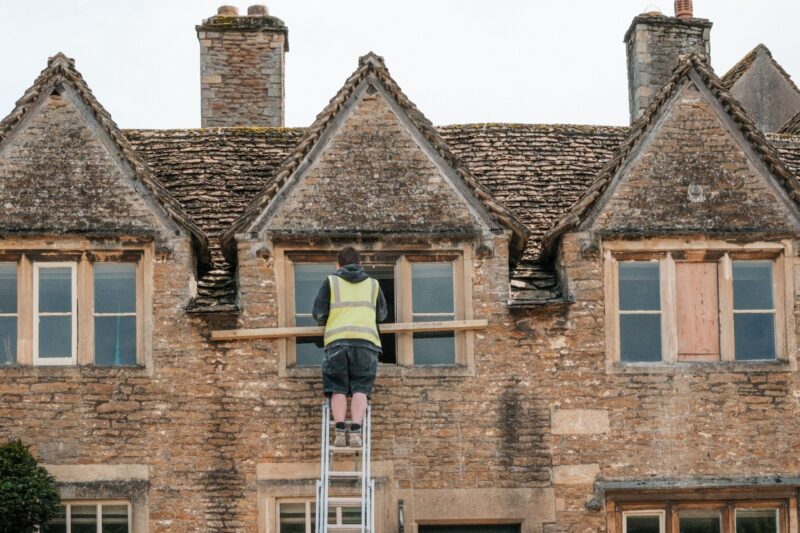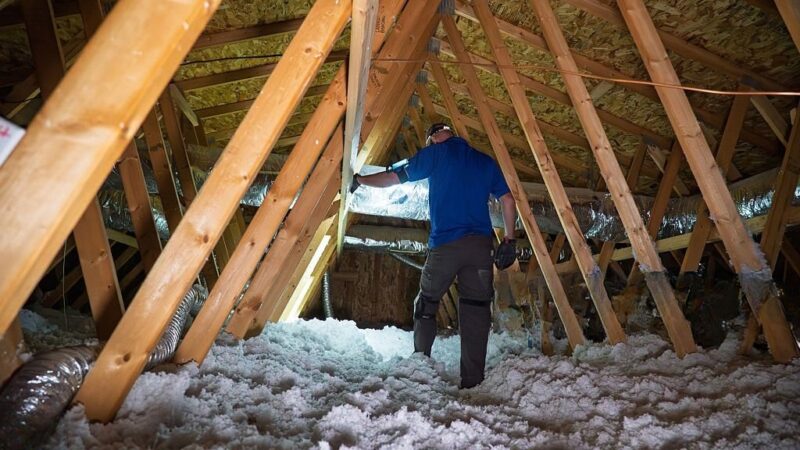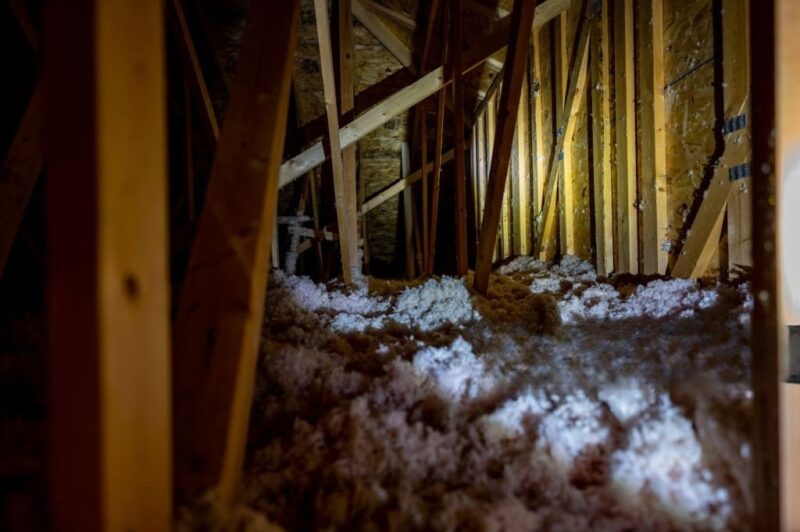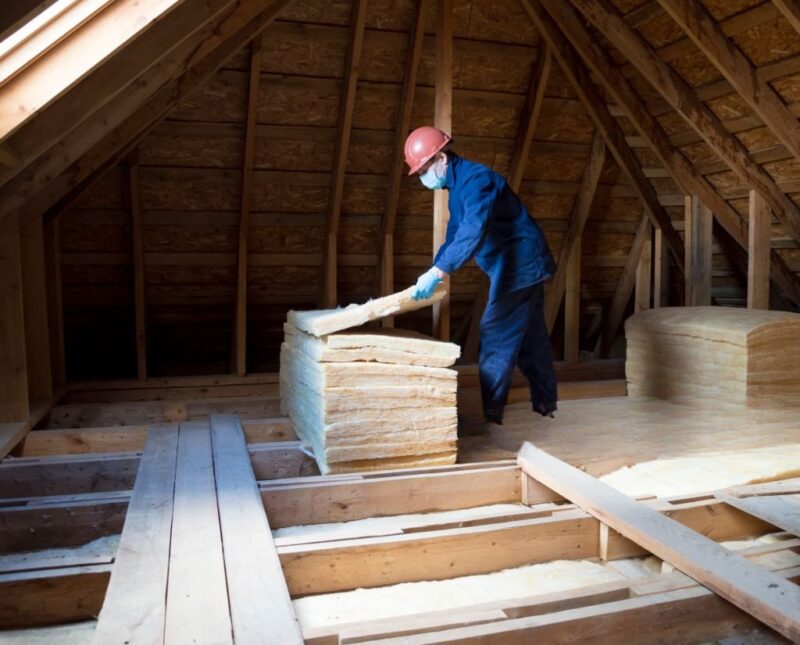


Old attic insulation does not automatically need to be removed simply because it has been in place for many years. Insulation that remains dry, reasonably intact, uncontaminated, and properly installed may still provide useful thermal resistance. Removal may become appropriate when insulation has experienced significant water damage, pest contamination, suspected mold, severe compression, physical damage, or other conditions that make leaving it in place unsuitable. Before removing anything, the attic and insulation should be evaluated to determine what caused the problem and whether partial or complete removal is actually necessary.
Attic insulation removal also requires careful planning because the space may contain electrical wiring, ductwork, HVAC equipment, sharp objects, limited walking surfaces, and potentially hazardous or contaminated materials. Older homes may contain insulation such as vermiculite that should not be disturbed without appropriate evaluation. In this guide, we’ll walk through the attic insulation removal process, from inspecting existing material and identifying underlying problems to preparing the attic, addressing moisture or contamination, and getting the space ready for new insulation.
7 Signs Your Attic Insulation May Need Removal
1. Wet or Damp Insulation
Insulation that is wet or persistently damp should be investigated before it is covered or replaced. Roof leaks, plumbing problems, condensation, or HVAC-related moisture may be responsible. Depending on the insulation material, severity of exposure, and its condition after the source is corrected, significantly affected insulation may require removal.
2. Water Stains and Discoloration
Water stains or unusual discoloration on insulation, roof sheathing, framing, or ceiling materials can indicate current or previous moisture exposure. Staining alone does not necessarily mean insulation must be removed or that mold is present. The source of the discoloration and current moisture conditions should be evaluated before deciding how to proceed.
3. Pest Droppings or Nesting Materials
Rodent droppings, nesting materials, tunnels, or other evidence of pest activity may indicate that attic insulation has been disturbed or contaminated. Significant contamination can make removal appropriate in affected areas. The pest problem and entry points should also be addressed so replacement insulation is not exposed to the same conditions.
4. Mold-Like Growth or Musty Odors
Visible mold-like growth or persistent musty odors may indicate excess moisture somewhere in the attic, but appearance or odor alone cannot confirm mold. When suspected contamination is extensive or its source is unclear, an appropriately qualified mold professional may need to evaluate the area. The underlying moisture source should also be corrected before new insulation is installed.
5. Severely Compressed or Matted Insulation
Insulation that has become heavily compressed or matted may no longer provide the intended thickness and thermal resistance. This can result from moisture exposure, storage, foot traffic, or other physical disturbance. Localized compression may not require whole-attic removal, but severely damaged areas should be evaluated to determine whether they can be restored or need replacement.
6. Thin, Uneven, or Bare Areas
Settled loose-fill insulation, displaced batts, or previous attic work can leave thin or bare areas. These conditions do not necessarily mean the existing insulation needs to be removed. If the material is otherwise dry, clean, and suitable to remain, redistribution or additional compatible insulation may be more appropriate than complete removal.
7. Extensive Physical Damage
Insulation can be damaged by repeated attic access, renovations, HVAC work, electrical repairs, plumbing projects, or pest activity. Large areas that are torn, heavily compressed, displaced, or otherwise deteriorated may warrant removal and replacement. Before proceeding, the cause of the damage should be identified so the same problem does not affect the new insulation.
Step 1: Evaluate the Existing Attic Insulation
Before removing attic insulation, determine what is already there and why removal may be necessary. The insulation type, depth, coverage, moisture exposure, contamination, and overall condition can help determine whether material should remain, be supplemented, or be removed. This initial evaluation can also reveal conditions that need specialized attention before the insulation is disturbed.
Identify the Insulation Material
Start by identifying whether the attic contains fiberglass batts, blown-in fiberglass, cellulose, spray foam, or another material. Different insulation types require different removal methods and may respond differently to moisture, contamination, and physical damage. If older loose-fill material resembles vermiculite or its identity is uncertain, avoid disturbing it until it has been appropriately evaluated for potential asbestos concerns.
Determine the Approximate Depth and Coverage
Look at how consistently the insulation covers the intended area and whether its depth appears relatively uniform. Thin spots, bare sections, compressed batts, or settled loose-fill material can indicate areas that need attention. Insufficient or uneven coverage alone does not necessarily mean all existing insulation must be removed.
Look for Moisture and Water Damage
Check accessible areas for wet insulation, water stains, damp framing, roof sheathing discoloration, or other signs of moisture exposure. Potential sources may include roof or plumbing leaks, condensation, or HVAC-related moisture. The source should be identified and corrected before damaged insulation is replaced or new insulation is installed.
Check for Pest Activity
Look for visible droppings, nesting materials, tunnels, disturbed insulation, or other signs of rodents and pests. Pest activity can damage and contaminate insulation while creating uneven coverage. If evidence is present, the infestation and entry points should be appropriately addressed before affected insulation is removed or replaced.
Identify Visible Contamination
Insulation may be affected by pest waste, construction debris, significant water exposure, or suspected mold-like growth. Avoid assuming that every stain or discolored area is mold based on appearance alone. When contamination appears extensive, potentially hazardous, or difficult to identify, an appropriately qualified professional should evaluate it before the material is disturbed.
Determine Whether Partial or Complete Removal Is Necessary
One damaged area does not automatically mean the entire attic needs to be cleared. Localized removal may be appropriate when damage or contamination is limited, while more extensive problems may justify removing a larger portion of the insulation. The decision should consider the material, extent of damage, contamination, moisture exposure, accessibility, and work planned for the attic rather than relying on insulation age alone.
Step 2: Identify the Underlying Problem Before Removal
Damaged attic insulation is often a symptom of another problem rather than the problem itself. Before removing material, identify what caused it to become wet, contaminated, compressed, or disturbed. Correcting the underlying issue before reinsulating can help prevent replacement insulation from being exposed to the same conditions.
Check for Roof Leaks
Inspect accessible roof sheathing, framing, and areas around roof penetrations for water stains, dampness, or other evidence of leakage. Damaged roofing, flashing, or seals can allow water into the attic and affect insulation below. Suspected roofing problems should be evaluated and appropriately repaired before new insulation is installed.
Check for Plumbing Leaks
Plumbing lines, fittings, and other components located in or near the attic can become sources of water intrusion. Even a relatively small leak can repeatedly expose insulation and surrounding materials to moisture. Plumbing problems should be repaired and affected areas evaluated before insulation replacement proceeds.
Look for Condensation and Moisture Sources
Not all attic moisture comes from a direct leak. Condensation can develop when warm, humid air contacts surfaces cold enough for water to form, including ductwork and other attic components. Look for recurring dampness, water droplets, staining, or corrosion that may indicate a moisture problem requiring further investigation.
Inspect Bathroom Exhaust Ducts
Bathroom exhaust ducts should terminate through an appropriate exterior outlet rather than intentionally releasing moisture-laden air into the attic. Loose, damaged, disconnected, or improperly routed ducts can introduce moisture around insulation, framing, and roof sheathing. Correcting the exhaust route addresses the source more directly than relying on attic ventilation to disperse the moisture.
Evaluate Attic Ventilation
In a conventional vented attic, check whether soffit vents, baffles, and exhaust openings are functioning as intended and are not obstructed by insulation or debris. However, increasing ventilation is not automatically the solution to attic moisture, particularly in Florida’s humid climate. The attic’s existing vented or unvented design should be understood before changing its ventilation strategy.
Inspect HVAC Equipment and Ductwork
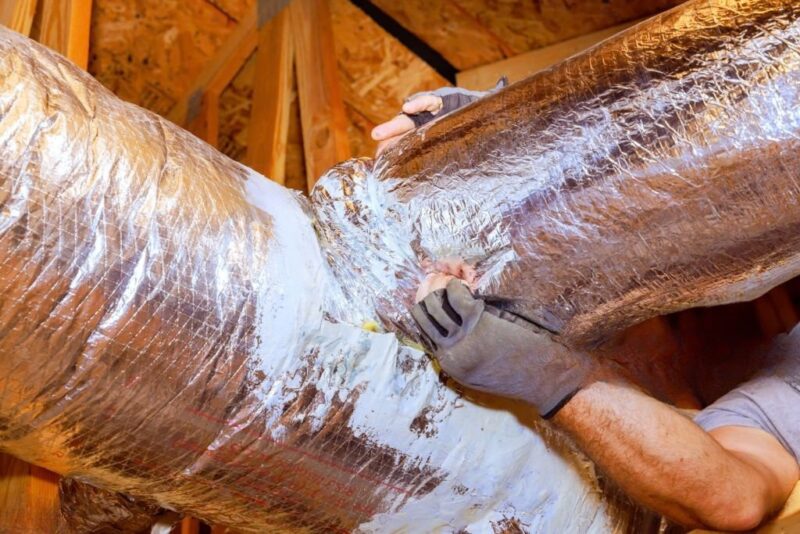
When HVAC equipment or ducts are located in the attic, look for damaged duct insulation, visible condensation, loose connections, or accessible condensate drainage concerns. These conditions may contribute to moisture around nearby insulation. Building insulation cannot correct mechanical HVAC problems, so any identified issues should be evaluated and repaired separately.
Address Pest Entry Points
Removing pest-contaminated insulation without addressing how pests entered the attic can allow the problem to return. Potential openings around rooflines, vents, penetrations, and other accessible areas may require attention. Active infestations and entry points should be handled appropriately before replacement insulation is installed.
Step 3: Identify Potential Hazards Before Disturbing Insulation
Before old attic insulation is moved or removed, potential hazards in and around the material should be identified. Older insulation, suspected contamination, pest waste, electrical components, and heat-producing fixtures can require precautions beyond a typical insulation project. When the material or condition is uncertain, avoid unnecessary disturbance until an appropriately qualified professional determines how the area should be handled.
Identify the Type and Age of Existing Insulation
Determine whether the attic contains fiberglass batts, blown-in fiberglass, cellulose, spray foam, vermiculite-like material, or multiple layers of insulation. Knowing the approximate age may also provide useful context, particularly in older homes where materials or building practices may differ from current standards. If the insulation cannot be confidently identified, avoid disturbing it until further evaluation.
Watch for Vermiculite and Potential Asbestos Concerns
Some vermiculite attic insulation installed in older homes may be contaminated with asbestos. Suspected vermiculite should not be casually sampled, swept, vacuumed, moved, or removed. Leave the material undisturbed and seek appropriate professional guidance to determine whether testing, abatement, or other specialized procedures are necessary.
Consider Suspected Mold or Significant Contamination
Mold-like growth, extensive discoloration, persistent moisture, or other contamination may require evaluation before insulation removal begins. Appearance alone cannot reliably confirm mold, and removing contaminated material without an appropriate plan can spread dust and debris. When affected areas are extensive or uncertain, a qualified mold assessment or remediation professional may need to be involved.
Identify Rodent Droppings and Pest Waste
Rodent droppings, urine contamination, nesting material, carcasses, and other pest waste can create additional concerns during insulation removal. Avoid unnecessary disturbance of heavily contaminated areas. Pest activity and entry points should be appropriately addressed, and extensive contamination may require specialized cleanup before the attic is reinsulated.
Locate Electrical Wiring and Junction Boxes
Attics commonly contain electrical wiring, junction boxes, and other components that may be partially hidden by insulation. These areas should be identified before removal equipment or tools are used nearby. Electrical components that appear damaged, modified, overheated, or otherwise questionable should be evaluated by a qualified electrician rather than disturbed during insulation work.
Identify Recessed Lighting and Other Heat-Producing Components
Recessed lighting, exhaust components, flues, chimneys, and other heat-producing equipment may require specific clearances from insulation or combustible materials. Requirements vary according to the component and installation. Existing clearances should not be altered casually, and uncertain conditions should be evaluated before new insulation is installed.
Know When Specialized Evaluation or Abatement May Be Needed
Attic insulation removal is not always a standard insulation job. Suspected asbestos-containing material, extensive mold-like growth, significant pest contamination, electrical hazards, structural damage, or other potentially hazardous conditions may require specialized evaluation or remediation. Identifying these concerns before work begins helps determine which qualified professionals should be involved and whether insulation removal can proceed safely.
Step 4: Plan for Safe Attic Access
Attics can be difficult and potentially hazardous spaces to navigate, especially when insulation hides framing, wiring, ductwork, and other components. Before insulation removal begins, consider how workers will safely enter, move through, and exit the attic without damaging the home or disturbing unnecessary areas. Limited headroom, poor visibility, unstable footing, and high temperatures can all increase the risks associated with attic work.
Understand Attic Walking Hazards
Loose-fill insulation and fiberglass batts can conceal ceiling joists, wiring, fasteners, ductwork, and openings below. Poor visibility and limited room to move can make it difficult to identify safe footing. Attic access should be planned carefully rather than assuming every visible or insulated surface can support a person’s weight.
Use Appropriate Structural Walking Surfaces
When available, use designated structural walking or service platforms intended to support access through the attic. Avoid stepping on insulation simply to determine what is underneath it. If suitable walking surfaces are not available or the attic structure is difficult to navigate safely, professional assistance may be the more appropriate option.
Never Assume Ceiling Drywall Can Support Your Weight
Ceiling drywall is not a structural walking surface and should never be treated as one. Insulation can make it difficult to distinguish framing from the ceiling material below, increasing the risk of a fall or ceiling damage. Movement through the attic should remain on appropriate structural surfaces designed to support the required load.
Maintain Access to HVAC and Electrical Components
HVAC equipment, junction boxes, electrical components, and other serviceable systems should remain accessible during and after insulation work. Removal activities should not damage wiring, ducts, condensate components, or equipment. Any questionable electrical or HVAC condition should be evaluated by the appropriate qualified professional rather than worked around without assessment.
Consider Attic Temperature and Heat Exposure
Attic temperatures can become significantly hotter than the occupied areas of a home, making heat exposure an important consideration during insulation removal. Hot conditions can increase physical strain and make prolonged attic work more difficult. Work should be planned to limit unnecessary exposure, and anyone experiencing signs of heat-related illness should leave the attic and seek appropriate assistance.
Take Extra Precautions in Hot Florida Attics
Florida’s warm climate can make attic heat a concern during much of the year, particularly when the roof receives direct sunlight. Scheduling attic work during cooler conditions when practical, limiting time spent in the space, and maintaining appropriate hydration and rest can help reduce heat exposure. When attic conditions are excessively hot, cramped, contaminated, or otherwise unsafe, the work should be left to appropriately equipped professionals.
Step 5: Prepare and Contain the Work Area
Attic insulation removal can release dust, fibers, loose debris, and other material as insulation is moved out of the space. Preparing the work area beforehand can help keep debris away from occupied rooms, protect nearby equipment, and create a safer route for removing material. If suspected asbestos, extensive mold-like growth, or significant pest contamination is present, specialized containment or remediation procedures may be required instead of standard insulation removal.
Protect the Living Space Below
The attic access opening often connects directly to a hallway, bedroom, closet, garage, or another part of the home. Nearby belongings and surfaces should be protected from falling insulation and debris, and unnecessary access to the work area should be limited. The level of containment needed will depend on the insulation material and whether contamination is present.
Clear the Attic Access Area
Furniture, boxes, decorations, and other belongings should be moved away from the attic opening before work begins. A clear access area provides room for workers and equipment while reducing the chance of insulation or debris landing on household items. The attic ladder, stairs, or access opening should also be evaluated for safe use.
Limit the Spread of Dust and Debris
Insulation removal can disturb accumulated dust, fibers, and debris that have settled in the attic over time. Appropriate containment and careful material handling can help prevent these particles from spreading unnecessarily into occupied spaces. Insulation with suspected hazardous or extensive contamination should not be disturbed without the appropriate professional evaluation and controls.
Protect Nearby HVAC Components
HVAC equipment and ductwork located in the attic should be protected from loose insulation and debris during removal. Care should also be taken around condensate lines, electrical connections, duct insulation, and other components that could be damaged. Equipment openings should not be casually covered or altered in ways that could interfere with safe HVAC operation.
Establish a Safe Removal Path
Plan how insulation and equipment will move from the attic to the designated containment or disposal area before removal begins. The route should avoid unnecessary travel through occupied spaces where practical and remain free of trip hazards and other obstructions. Structural walking surfaces and service platforms should be used where available rather than stepping on unsupported ceiling materials.
Prepare for Containment and Disposal
Before insulation leaves the attic, determine how the removed material will be contained and where it can legally be disposed of. Requirements can vary based on local regulations and whether the insulation contains pest waste, suspected asbestos, or other contaminants. Planning disposal in advance helps prevent removed material from being left loose around the home and ensures specialized waste receives appropriate handling when required.
Step 6: Use Appropriate Protective Equipment
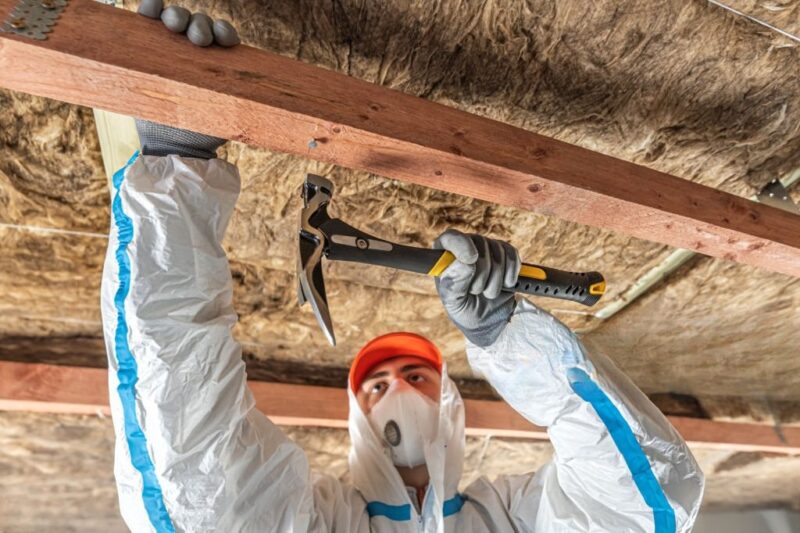
Attic insulation removal can expose workers to dust, fibers, debris, sharp surfaces, and other hazards that may not be obvious before work begins. Appropriate personal protective equipment should be selected based on the insulation material, attic conditions, and potential contaminants present. If suspected asbestos, extensive mold-like growth, significant pest waste, or another hazardous material is discovered, stop disturbing the area and seek qualified professional guidance rather than relying on standard protective equipment alone.
Respiratory Protection
Removing insulation can release airborne dust, fibers, and other particles. Respiratory protection should be appropriate for the material being handled and the potential exposure involved, with proper fit and use being important to its effectiveness. Specialized hazards may require respiratory protection and procedures beyond those used for ordinary insulation work.
Eye Protection
Dust, insulation fibers, and loose debris can fall or become airborne while working overhead or moving material through an attic. Appropriate eye protection can help reduce exposure to these particles. Protection should remain securely in place while insulation is being disturbed or removed.
Gloves and Protective Clothing
Gloves and clothing that cover exposed skin can help limit contact with insulation fibers, dust, debris, and rough attic surfaces. Protective clothing can also help prevent loose particles from being carried into occupied areas. Clothing and equipment used in a contaminated attic may require additional handling precautions depending on what is present.
Head Protection
Low roof framing, protruding fasteners, equipment, and other overhead obstacles can create head-injury hazards in an attic. Appropriate head protection may be warranted depending on the space and work being performed. Good lighting and careful movement are also important because insulation and limited headroom can make hazards difficult to see.
Minimize Exposure to Dust and Fibers
Protective equipment is only one part of limiting exposure. Insulation should be handled in a way that avoids unnecessary disturbance, and dust and debris should be contained as much as practical rather than spread through the attic or living space. Work-area containment and careful removal practices can help reduce the amount of material that becomes airborne.
Take Additional Precautions With Contaminated Material
Insulation affected by extensive pest waste, suspected mold, sewage, chemicals, or potentially asbestos-containing material may require specialized procedures, containment, protective equipment, or disposal methods. Standard attic PPE should not be assumed to make every contaminated material safe to handle. When the hazard is uncertain or significant, an appropriately qualified remediation, abatement, pest, or other specialist should evaluate the conditions before removal proceeds.
Step 7: Remove the Existing Attic Insulation
Once the attic has been evaluated, underlying problems identified, and the work area appropriately prepared, insulation removal can begin. The removal method depends on the insulation material, accessibility, amount being removed, and whether contamination is present. Work should proceed carefully to avoid damaging wiring, ductwork, HVAC equipment, framing, ceilings, and other components hidden within or beneath the insulation.
Removing Fiberglass Batts and Rolls
Fiberglass batts and rolls can often be removed in sections when they are accessible and free from significant contamination. The material should be handled carefully to limit unnecessary dust and fiber release and to avoid disturbing nearby wiring or equipment. Batts that are wet, heavily contaminated, or located around questionable electrical conditions may require additional evaluation before removal proceeds.
Removing Blown-In Fiberglass
Blown-in fiberglass consists of loose material distributed across the attic, making removal different from lifting out batts or rolls. Large quantities are commonly removed using equipment designed to collect and contain loose insulation. The attic should first be checked for hidden wiring, junction boxes, ducts, and other components that could be affected during the process.
Removing Cellulose Insulation
Cellulose is another loose-fill material that can spread easily when disturbed. Removal should focus on containing the material while avoiding damage to components underneath it. Moisture-damaged, pest-contaminated, or otherwise compromised cellulose may require additional handling considerations depending on the condition and extent of the affected area.
Using Specialized Vacuum Equipment for Loose-Fill Insulation
Professional insulation-removal vacuums can help collect blown-in fiberglass or cellulose and transfer it into appropriate containment outside the attic. This equipment differs from an ordinary household vacuum and should be operated according to its intended use and applicable safety requirements. Before vacuum removal begins, the work area should be evaluated for materials or objects that should not enter the equipment.
Why Spray Foam Removal Is Different
Spray foam adheres directly to the surfaces where it was applied, so removing it is substantially different from collecting loose-fill insulation or lifting fiberglass batts. Removal can be labor-intensive and may affect access to roof decking, framing, wiring, or other components. The reason for removal and the surrounding building assembly should be evaluated before attempting to remove spray foam.
Work Carefully Around Wiring and Ductwork
Insulation can conceal electrical wiring, junction boxes, ductwork, condensate lines, and other building components. Removal equipment and tools should not be used blindly through areas where these components may be present. Damaged wiring, questionable electrical conditions, leaking ducts, or HVAC problems should be evaluated by the appropriate qualified professional.
Avoid Unnecessary Disturbance of Contaminated Materials
Insulation with extensive pest waste, suspected mold, sewage contamination, or potentially asbestos-containing material should not be handled like ordinary insulation. Disturbing contaminated material can spread dust and debris into the attic or other areas of the home. When contamination is significant or the material is uncertain, removal should pause until an appropriately qualified remediation or abatement professional determines the proper next steps.
Step 8: Handle Contaminated Insulation Appropriately
Contaminated attic insulation may require different handling than material being removed simply because it is damaged or no longer needed. Pest waste, significant water exposure, suspected mold, and potentially asbestos-containing materials can introduce additional concerns during removal. Before disturbing affected insulation, identify the likely type and extent of contamination and determine whether specialized assessment, remediation, or disposal procedures are appropriate.
Pest-Contaminated Insulation
Rodent droppings, urine, nesting materials, carcasses, and other pest waste can contaminate surrounding insulation. Avoid unnecessarily disturbing heavily affected areas, as movement can spread dust and debris. Active infestations and entry points should also be addressed so replacement insulation is not exposed to the same problem after installation.
Water-Damaged Insulation
Insulation affected by a roof leak, plumbing problem, condensation, or HVAC-related moisture should be evaluated based on the material and severity of exposure. Significant wetting can cause some insulation to mat, compress, clump, settle, or become contaminated. The moisture source should be corrected, and surrounding materials should be appropriately evaluated and allowed to dry before new insulation is installed.
Suspected Mold Contamination
Visible discoloration or mold-like growth does not necessarily confirm mold based on appearance alone. When suspected growth is extensive, the moisture source is uncertain, or significant contamination is present, an appropriately qualified mold professional may need to evaluate the area. Simply removing affected insulation without addressing the moisture conditions that supported the growth may allow the problem to return.
Potential Asbestos-Containing Material
Older attics may contain materials that warrant evaluation for potential asbestos concerns, including some vermiculite insulation. Suspected material should be left undisturbed rather than swept, vacuumed, sampled, or removed as ordinary insulation. Appropriate testing, abatement, and disposal decisions should be handled through qualified professionals and applicable requirements.
Know When a Qualified Specialist Is Needed
Not every insulation removal project requires specialized remediation, but certain conditions should not be treated as routine. Suspected asbestos, extensive mold-like growth, significant pest contamination, sewage exposure, electrical hazards, or substantial structural or moisture damage may require professionals with the appropriate expertise. Identifying these concerns before removal continues can help ensure the underlying problem and contaminated materials are handled appropriately.
Step 9: Contain and Dispose of Removed Insulation
Once old attic insulation has been removed, it should be contained and managed in a way that limits the spread of dust, fibers, debris, and potential contaminants. Disposal requirements can vary based on the insulation material, local regulations, and whether contamination is present. Planning how material will leave the attic and where it will go should be part of the removal process rather than an afterthought.
Contain Removed Material Securely
Removed insulation should be placed into suitable containers or bags that can be securely closed before being moved through or around the home. Loose-fill insulation requires particular attention because it can spread easily when disturbed. Containment should be appropriate for the material and any contamination identified during the attic evaluation.
Prevent Dust and Debris From Spreading
Insulation removal can release accumulated dust, fibers, and other debris. Material should be handled carefully and kept contained as it moves from the attic to the designated disposal area. The work route and attic access should also be managed to reduce unnecessary tracking or dispersal of debris into other parts of the property.
Follow Applicable Local Disposal Requirements
Requirements for disposing of insulation can differ depending on the material and local waste-management rules. Before disposal, confirm whether the material can enter the regular construction-waste stream or requires another approved method. Local requirements should be verified for the specific project rather than assuming all insulation can be discarded in the same way.
Consider Special Handling for Contaminated Material
Insulation affected by extensive pest waste, suspected mold, sewage, chemicals, or potentially asbestos-containing material may require different containment and disposal procedures. Potentially hazardous material should not be treated as ordinary construction debris. When specialized handling is required, an appropriately qualified remediation or abatement professional should manage or advise on the process.
Keep Removed Insulation Away From Living Areas
Removed insulation should not be stored loose in bedrooms, hallways, garages connected to occupied areas, or other living spaces while awaiting disposal. Keeping material securely contained and separated from occupied portions of the home helps limit unnecessary exposure to dust and debris. Once removal is complete, the access route and affected work areas should also be appropriately cleaned before the project moves to the next stage.
Step 10: Inspect the Attic After Insulation Removal
Removing old insulation exposes areas of the attic that may have been hidden for years. Before installing replacement insulation, use this opportunity to evaluate accessible framing, the ceiling plane, wiring, ductwork, ventilation pathways, and signs of moisture or pest activity. Problems discovered at this stage should be appropriately addressed before they are covered by new insulation.
Examine the Attic Floor and Framing
Inspect accessible ceiling framing, roof framing, sheathing, and other exposed building components for visible damage, staining, deterioration, or unusual conditions. Insulation removal may reveal areas that were previously concealed. Structural concerns should be evaluated by an appropriately qualified professional rather than covered with new insulation.
Look for Previously Hidden Water Damage
Check for water stains, damp materials, discoloration, or other evidence of current or previous moisture exposure. Roof leaks, plumbing problems, condensation, and HVAC-related moisture may have been difficult to see while insulation was in place. Any active moisture source should be identified and corrected before the attic is reinsulated.
Check for Pest Entry Points
With insulation removed, openings that may allow rodents or other pests into the attic can become easier to identify. Look for visible gaps or damaged areas around accessible penetrations, vents, and other potential entry locations. Active infestations and entry points should be appropriately addressed before replacement insulation is installed.
Inspect Accessible Wiring and Electrical Components
Exposed wiring, junction boxes, recessed lighting, and other electrical components can be easier to evaluate once insulation is removed. Look for visibly damaged wiring, questionable modifications, or other conditions that warrant professional attention. Electrical repairs and clearance requirements should be handled by a qualified electrician when necessary.
Inspect HVAC Equipment and Ductwork
If HVAC equipment or ducts are located in the attic, check accessible areas for damaged duct insulation, loose connections, visible condensation, or condensate-related concerns. These problems should be evaluated separately because new attic insulation cannot repair HVAC or ductwork issues. Necessary HVAC work is often easier to complete before the attic is reinsulated.
Check Attic Ventilation Pathways
In a conventional vented attic, confirm that intended intake and exhaust pathways remain unobstructed and inspect accessible soffit areas, baffles, or vent chutes for problems. If the attic uses an unvented design, it should be evaluated according to that assembly rather than treated like a conventional vented attic. Ventilation changes should be considered carefully, particularly in Florida’s humid climate, where simply adding more outdoor airflow is not always appropriate.
Step 11: Correct Moisture and Contamination Problems
Removing old insulation creates an opportunity to address the conditions that may have damaged or contaminated it in the first place. Installing new insulation before correcting leaks, condensation, pest activity, improper exhaust venting, or other moisture sources can expose the replacement material to the same problems. Complete the appropriate repairs and remediation before the attic is reinsulated.
Repair Roof and Plumbing Leaks
Roof and plumbing leaks should be appropriately repaired before replacement insulation is installed. Check affected areas for remaining moisture and damage to roof sheathing, framing, drywall, or other materials. Depending on the source and extent of damage, a qualified roofer, plumber, or other professional may need to complete repairs before insulation work continues.
Correct HVAC Condensate Problems
HVAC equipment located in the attic may produce condensate as part of normal operation, but drainage problems can allow water to affect nearby materials. Clogged, damaged, disconnected, or otherwise malfunctioning condensate components should be evaluated by a qualified HVAC professional. New building insulation should not be used to conceal or compensate for an unresolved drainage issue.
Address Ductwork Condensation
Condensation may form on ductwork when sufficiently cool surfaces are exposed to warm, humid air under the right conditions. Damaged or missing duct insulation, air leakage, and other HVAC or attic conditions may contribute. The cause should be identified and appropriately corrected before new insulation is installed around the affected area.
Correct Improper Bathroom Exhaust Venting
Bathroom exhaust should terminate through an appropriate exterior outlet rather than intentionally releasing moisture-laden air into the attic. Disconnected, damaged, or improperly routed exhaust ducts can expose framing, roof sheathing, and insulation to moisture. Correcting the exhaust path helps address the source rather than relying on attic ventilation to disperse the added humidity.
Address Pest Problems and Entry Points
Removing contaminated insulation without resolving an active infestation or closing appropriate entry points can allow pests to return and damage new material. Pest activity should be appropriately addressed, and accessible openings that contributed to the infestation should be evaluated. Pest-control or exclusion work may require a qualified professional depending on the extent and location of the problem.
Have Suspected Mold Evaluated When Appropriate
Mold-like growth or discoloration should not be diagnosed by appearance alone. When suspected growth is extensive, contamination is significant, or the moisture source remains unclear, an appropriately qualified mold professional may need to assess the area and recommend next steps. Any contributing moisture condition should also be corrected before replacement insulation covers the affected surfaces.
Step 12: Consider Air Sealing Before Reinsulating
Once old insulation has been removed, portions of the ceiling plane that were previously hidden may become accessible. This can be a useful time to evaluate uncontrolled air leakage between the conditioned living space and the attic. Appropriate air sealing can help limit unwanted air movement, but it should be completed with consideration for electrical components, combustion safety, ventilation strategy, and other building requirements before new insulation covers these areas.
Why Insulation Removal Exposes the Ceiling Plane
Attic-floor insulation normally covers many joints, penetrations, and openings in the ceiling assembly. Removing it can reveal gaps that were difficult to inspect previously. Evaluating these exposed areas before reinsulating can help identify locations where uncontrolled air movement may occur between the home and attic.
Identify Common Ceiling-Plane Air Leaks
Potential air leakage locations can include gaps around framing connections, plumbing penetrations, wiring, attic access points, duct chases, and other openings through the ceiling plane. Not every opening should be sealed in the same way, so the location, materials, and surrounding components should be considered before work begins.
Check Attic Access Hatches and Doors
Attic hatches, pull-down stairs, and access doors can become weak points in the home’s thermal and air-control layers. Gaps around these openings may allow unwanted air movement, while insufficient insulation can create a thermal weak point. Appropriate sealing and insulation can improve continuity while ensuring the access remains safe and usable.
Address Appropriate Plumbing and Wiring Penetrations
Small openings around plumbing pipes and electrical wiring can allow air to move between conditioned rooms and the attic. Appropriate penetrations may be sealed using materials suited to the application, but electrical conditions and required clearances must be respected. Questionable wiring or electrical components should be evaluated by a qualified electrician before sealing nearby areas.
Evaluate Duct Chases and Other Openings
Larger openings around duct chases, dropped ceilings, framing transitions, and other building cavities may create substantial pathways for uncontrolled air movement. These areas may require more than simply adding insulation over the top. An evaluation can determine how the opening should be appropriately addressed while preserving access and applicable safety requirements.
Maintain Required Electrical and Other Clearances
Air sealing and reinsulation should not conceal junction boxes that need to remain accessible or violate required clearances around recessed lighting, flues, chimneys, heat-producing equipment, or other components. Requirements vary depending on the equipment and installation. When conditions are uncertain, the appropriate qualified professional should evaluate them before the area is sealed or covered.
Understand the Difference Between Air Sealing and Insulation
Air sealing and insulation perform related but different functions. Insulation primarily slows heat transfer, while air sealing helps limit uncontrolled air movement through gaps and openings. Fiberglass and loose-fill insulation should not be treated as substitutes for an air barrier, and air sealing alone does not provide the thermal resistance of insulation. Addressing both appropriately can create a more continuous ceiling assembly before the attic is reinsulated.
Step 13: Check Attic Ventilation Before Reinsulating
Before installing new attic insulation, evaluate how the attic is intended to manage air and moisture. Conventional vented attics and unvented attic assemblies use different strategies, so ventilation should not be added, removed, or altered without considering the existing design. This is particularly important in Florida, where warm temperatures and high outdoor humidity can complicate attic moisture management.
Determine Whether the Attic Is Vented or Unvented
Start by identifying whether the home has a conventional vented attic or an unvented attic assembly. A vented attic typically uses outdoor air entering through intake vents and leaving through exhaust vents, while an unvented assembly relies on a different thermal and air-control strategy. These approaches should not be mixed casually, especially when insulation is being replaced or relocated.
Inspect Soffit and Exhaust Ventilation
In a conventional vented attic, inspect accessible soffit or other intake vents along with ridge, roof, or other designated exhaust vents. Look for insulation, debris, damaged components, or other obstructions that may interfere with the intended airflow. Ventilation components should remain consistent with the attic’s design rather than being modified simply because old insulation has been removed.
Keep Intended Airflow Pathways Clear
Replacement insulation should not block ventilation pathways in an attic designed to be vented. Loose-fill material and fiberglass batts can shift toward eaves or cover intake openings when not properly contained. Maintaining the intended pathways helps the existing ventilation system function as designed while allowing insulation to provide appropriate coverage.
Check Baffles or Vent Chutes
Baffles or vent chutes can help maintain an airflow pathway from soffit areas while keeping insulation from obstructing the opening. Before reinsulating, check accessible baffles for damage, displacement, or missing sections where they are required by the attic design. They should be installed or restored appropriately rather than assuming additional insulation can simply be placed against the roofline.
Understand Why More Ventilation Is Not Always Better
Adding more vents does not automatically solve attic heat or moisture problems. Roof leaks, plumbing leaks, uncontrolled air leakage, bathroom exhaust, duct condensation, and HVAC issues require their own solutions. Changing ventilation without considering the entire attic assembly can also alter airflow and moisture behavior in unintended ways.
Consider Florida’s Humid Climate
Florida’s outdoor air can contain substantial moisture, so introducing more outside air is not necessarily a universal moisture-control strategy. Attic ventilation should be considered alongside air sealing, insulation, HVAC and ductwork conditions, and the home’s overall design. Evaluating these components together before reinsulating can help avoid treating a complex heat or moisture issue as a ventilation-only problem.
Step 14: Inspect HVAC Equipment and Ductwork
If HVAC equipment or ductwork is located in the attic, removing old insulation can make previously hidden areas easier to inspect. Before installing replacement insulation, check accessible HVAC components for damaged duct insulation, condensation, loose connections, and condensate-related concerns. Addressing these issues first can help prevent new insulation from concealing problems or being exposed to avoidable moisture.
Look for Damaged Duct Insulation
Duct insulation helps limit heat transfer and reduces exposure of cold duct surfaces to warm attic air. Look for accessible sections that appear torn, missing, compressed, loose, or otherwise damaged. Duct insulation problems should be repaired appropriately rather than relying on building insulation around the ducts as a substitute.
Check for Visible Condensation
Water droplets, damp duct insulation, staining, or recurring moisture around HVAC components may indicate condensation or another moisture source. Condensation can occur when sufficiently cool surfaces encounter warm, humid air and may be influenced by damaged duct insulation, air leakage, or other conditions. The cause should be identified before replacement attic insulation is installed nearby.
Identify Loose or Damaged Duct Connections
Loose, disconnected, or visibly damaged duct connections can contribute to conditioned-air loss or allow attic air to enter the duct system. Inspect accessible connections for obvious separation or damage without disturbing properly installed components unnecessarily. Suspected duct leakage should be evaluated and repaired using appropriate HVAC practices.
Check Accessible Condensate Components
Attic HVAC systems may include drain lines, pans, and other components designed to manage condensate. Look for visible water accumulation, staining, damaged components, or other signs that drainage may not be functioning as intended. Condensate problems should be evaluated by a qualified HVAC professional before they affect new insulation or surrounding building materials.
Maintain Access to HVAC Equipment
Replacement insulation should not obstruct required service access to air handlers, duct components, drain pans, electrical connections, or other equipment that may need inspection and maintenance. Existing service platforms and access paths should remain usable. Maintaining appropriate access can also reduce the likelihood that technicians will need to compress or displace new insulation during future HVAC work.
Understand Why Attic Insulation Cannot Correct HVAC Problems
Building insulation and HVAC components perform different jobs. Adding attic insulation cannot repair duct leaks, restore damaged duct insulation, clear condensate drainage problems, correct airflow restrictions, or resolve malfunctioning HVAC equipment. These issues should be evaluated and repaired separately so the attic is appropriately prepared before new insulation is installed.
Step 15: Prepare the Attic for New Insulation
Once the old insulation has been removed and the exposed attic has been inspected, address outstanding problems before installing replacement material. New insulation should not be used to conceal leaks, contamination, damaged components, or unresolved HVAC issues. Preparing the attic first helps create suitable conditions for consistent insulation coverage while preserving ventilation, equipment access, and required clearances.
Complete Necessary Repairs First
Complete identified roofing, plumbing, HVAC, electrical, pest, or structural repairs before new insulation covers the work area. Different problems may require different qualified professionals, particularly when they fall outside the insulation contractor’s scope. Finishing repairs first can also reduce the likelihood that new insulation will need to be moved or disturbed shortly after installation.
Confirm Moisture Problems Have Been Addressed
Verify that roof leaks, plumbing leaks, condensation, improper exhaust venting, HVAC condensate problems, or other identified moisture sources have been appropriately corrected. Materials affected by water should be evaluated and allowed to dry as appropriate before they are covered. If significant moisture or suspected mold remains, further professional evaluation may be needed before reinsulating.
Complete Appropriate Air Sealing
With the attic floor exposed, appropriate ceiling-plane penetrations and openings may be easier to access for air sealing. Address suitable gaps around attic access points, plumbing or wiring penetrations, duct chases, and other openings while respecting electrical, combustion, and equipment requirements. Air sealing helps limit uncontrolled air movement but does not replace the thermal resistance provided by insulation.
Preserve Required Ventilation Pathways
In a conventional vented attic, replacement insulation should not obstruct soffit vents, baffles, vent chutes, or other intended airflow pathways. If the attic is designed as an unvented assembly, it should be treated according to that strategy rather than modified to resemble a vented attic. Ventilation decisions should reflect the home’s design and Florida’s humid climate rather than assuming more airflow is always beneficial.
Maintain Electrical and Equipment Clearances
New insulation should be installed with appropriate consideration for recessed lighting, electrical components, flues, chimneys, heat-producing equipment, and other components that may require specific clearances. Requirements vary by component and installation. Questionable electrical or equipment conditions should be evaluated by the appropriate qualified professional before insulation covers nearby areas.
Keep Serviceable Components Accessible
Junction boxes that require access, HVAC equipment, condensate components, dampers, attic access points, and other serviceable components should not be buried or made unnecessarily difficult to reach. Preserving appropriate access helps future technicians perform inspections and repairs without extensively disturbing the new insulation.
Prepare for Consistent Insulation Coverage
Before installation begins, make sure the areas intended for insulation are ready for reasonably uniform coverage at the appropriate depth and density for the selected material. Baffles, barriers, access areas, and other necessary components should already be in place. Careful preparation helps reduce gaps, thin spots, compression, and other installation issues that could limit the insulation’s intended thermal performance.
10 Common Attic Insulation Removal Mistakes
1. Removing Insulation Without Identifying Why It Was Damaged
Wet, contaminated, compressed, or deteriorated insulation often points to another problem that should be investigated. Roof leaks, plumbing leaks, condensation, pest activity, or previous attic work may be responsible. Removing the insulation without addressing the cause can expose replacement material to the same conditions.
2. Assuming All Old Insulation Needs Removal
Age alone does not determine whether attic insulation needs to be removed. Existing insulation that remains dry, clean, reasonably intact, and suitable for the attic may still provide useful thermal resistance. An evaluation can help determine whether removal, localized replacement, redistribution, or additional insulation is the more appropriate approach.
3. Disturbing Suspected Vermiculite
Some vermiculite insulation installed in older homes may be contaminated with asbestos. Material suspected of being vermiculite should be left undisturbed rather than swept, vacuumed, sampled, or removed like ordinary loose-fill insulation. A qualified professional can provide guidance on appropriate evaluation and, when necessary, specialized abatement.
4. Disturbing Extensive Contamination Without Proper Evaluation
Extensive pest waste, suspected mold, sewage contamination, or other potentially hazardous material should not automatically be treated as a routine insulation-removal project. Disturbing contaminated areas may spread dust and debris. Appropriate evaluation can help determine whether specialized containment, remediation, or disposal procedures are needed.
5. Walking on Unsupported Ceiling Surfaces
Ceiling drywall is not designed to serve as a walking surface. Insulation can conceal framing and make it difficult to identify safe footing, increasing the risk of falls and ceiling damage. Movement through the attic should remain on appropriate structural walking surfaces or designated service platforms where available.
6. Damaging Wiring or Ductwork
Electrical wiring, junction boxes, ducts, condensate lines, and other components can be hidden beneath or within insulation. Using tools or removal equipment without knowing what is underneath the material can cause accidental damage. Accessible components should be identified before removal proceeds, and questionable electrical or HVAC conditions should be evaluated by the appropriate professional.
7. Installing New Insulation Before Correcting Moisture Problems
Covering an attic before roof leaks, plumbing leaks, condensation, improper exhaust venting, or HVAC-related moisture problems have been corrected can expose new insulation to continued moisture. The source should be identified and appropriately repaired first, with affected materials evaluated and allowed to dry as appropriate before reinsulation.
8. Blocking Soffit Vents During Reinstallation
In a conventional vented attic, insulation should not block soffit vents or other intended intake pathways. Loose-fill insulation and batts installed too close to these openings can interfere with the attic’s designed airflow. Appropriate baffles or vent chutes may be used where needed to preserve the intended ventilation pathway.
9. Covering Electrical Components That Require Access
New insulation should not make electrical junction boxes or other components that require service access inaccessible. Required clearances around recessed lighting, flues, heat-producing equipment, and other components must also be maintained. When requirements are uncertain, a qualified professional should evaluate the installation before the area is covered.
10. Ignoring Pest Entry Points
Removing pest-contaminated insulation does not prevent rodents or other pests from returning. Active pest problems and accessible entry points should be addressed before replacement insulation is installed. Otherwise, new material may become disturbed or contaminated again, potentially leading to another round of removal and replacement.
Why Professional Attic Insulation Removal Matters
Attic insulation removal can involve more than taking out old fiberglass, cellulose, or other materials. Hidden moisture, contamination, electrical components, ductwork, limited walking surfaces, and ventilation requirements can complicate the project. A professional evaluation can help determine what actually needs to be removed, identify problems that should be addressed first, and prepare the attic appropriately for new insulation.
Determine Whether Removal Is Actually Necessary
Not every attic needs to be completely cleared before insulation can be improved. Existing material that remains dry, clean, reasonably intact, and compatible with the planned work may be able to stay in place. A professional can evaluate its condition, coverage, and surrounding attic conditions to determine whether localized removal, complete removal, or another approach is appropriate.
Identify Moisture and Contamination Before Work Begins
Water stains, damp insulation, pest waste, and mold-like growth can indicate conditions that require further attention before removal starts. A professional assessment can help identify potential moisture sources and determine whether contamination requires specialized evaluation. This reduces the likelihood of removing insulation while leaving the underlying problem unresolved.
Protect HVAC, Electrical, and Building Components
Insulation can conceal ductwork, electrical wiring, junction boxes, condensate lines, framing, and other components. Professional removal involves working carefully around these areas rather than treating the attic as an empty space. When HVAC, electrical, structural, or other concerns are identified, the appropriate qualified professional can be brought in before work continues.
Remove Insulation Without Unnecessary Damage
Different insulation materials require different removal approaches. Fiberglass batts can often be removed in sections, while loose-fill fiberglass and cellulose may require specialized collection equipment. Spray foam presents different challenges because it adheres to building surfaces. Choosing an approach suited to the material and attic conditions can help limit unnecessary damage to the surrounding structure and systems.
Prepare the Attic Properly for Reinsulation
Removal is only one part of the project. Before new insulation is installed, the attic may need repairs, appropriate air sealing, ventilation checks, HVAC or ductwork attention, and confirmation that moisture problems have been addressed. Proper preparation also helps preserve electrical clearances, service access, and consistent insulation coverage.
Coordinate Specialized Repairs When Needed
Some problems discovered during insulation removal fall outside the scope of insulation work. Roof leaks, plumbing problems, electrical hazards, HVAC issues, structural damage, significant pest contamination, suspected mold, or potentially asbestos-containing materials may require other qualified professionals. Professional coordination helps ensure these concerns are addressed appropriately before new insulation covers the attic again.
Why Port Charlotte Homeowners Choose Dale’s AC
Attic insulation is only one part of a home’s overall comfort system. At Dale’s AC, we look at the conditions surrounding the insulation, including accessible ductwork, HVAC equipment, moisture concerns, and the attic’s existing configuration. Our goal is to help Port Charlotte homeowners understand what their attic needs and recommend practical next steps based on what we find.
Serving Southwest Florida Since 1974
We’ve been serving homeowners in Port Charlotte and surrounding Southwest Florida communities since 1974. Decades of local experience have given our team firsthand familiarity with the cooling and attic challenges homes in this region can face. We bring that experience to every attic insulation evaluation and project.
Experience With Florida Attics
Florida attics can present challenges involving intense roof heat, high outdoor humidity, ductwork, ventilation, and limited access. Our team understands that insulation should be evaluated as part of the existing attic assembly rather than treated as an isolated material. We consider its condition, coverage, surrounding components, and any visible problems that may need attention before removal or replacement.
Understanding Florida Heat and Humidity
Southwest Florida’s warm, humid climate makes heat and moisture management important considerations for attic work. Simply adding more insulation or ventilation is not always the appropriate answer. We consider how insulation, air leakage, ventilation, HVAC equipment, and ductwork interact so our recommendations fit the home’s existing conditions.
HVAC, Ductwork, and Attic Insulation Experience
Because Dale’s AC works with HVAC systems, ductwork, indoor comfort, and attic insulation, we can evaluate more than the insulation alone. If removal exposes damaged duct insulation, visible condensation, or another HVAC-related concern, our team can help determine the appropriate next step. Problems involving roofing, plumbing, electrical systems, mold remediation, pest control, or other specialized work may require the appropriate qualified professional.
Recommendations Based on Your Attic’s Condition
We don’t assume insulation needs to be removed simply because it is old. We evaluate factors such as moisture exposure, contamination, physical condition, coverage, and the work planned for the attic before recommending removal or replacement. Whether your attic needs localized attention or a more extensive insulation project, we’ll help you understand your options and make an informed decision for your home.
FAQs About Removing Old Attic Insulation
Does Old Attic Insulation Always Need to Be Removed?
No. Insulation does not automatically need removal simply because it is old. Material that remains dry, clean, reasonably intact, and suitable for the attic may still provide useful thermal resistance. Its condition, coverage, and performance are generally more important considerations than age alone.
How Do I Know If My Attic Insulation Needs Removal?
Potential reasons for removal include significant water damage, extensive pest contamination, suspected mold contamination, severe compression, or substantial physical damage. Thin or uneven insulation does not necessarily require complete removal because existing material may sometimes be redistributed or supplemented. An attic evaluation can help determine the appropriate approach.
Should Wet Attic Insulation Be Removed?
It depends on the insulation material, how wet it became, how long it was exposed to moisture, and its condition after the source is corrected. Significant wetting can cause some materials to mat, compress, clump, settle, or become contaminated. The leak, condensation, or other moisture source should be corrected first, and affected insulation should be evaluated before deciding whether it can remain.
Does Moldy Insulation Need to Be Removed?
Not every discolored or mold-like area automatically requires insulation removal, and appearance alone cannot confirm mold. Whether insulation can remain depends on factors such as the material, extent of contamination, moisture exposure, and surrounding conditions. Extensive suspected mold or significant contamination should be evaluated by an appropriately qualified mold professional, and the underlying moisture problem should also be addressed.
Can Pest-Contaminated Insulation Stay in the Attic?
Significantly contaminated insulation may need to be removed from affected areas, particularly when rodent droppings, urine, nesting material, or other pest waste is extensive. The infestation and entry points should also be addressed before replacement insulation is installed. More substantial contamination may require specialized cleanup rather than routine insulation removal.
Should I Remove Insulation Before Air Sealing?
Not always. However, removing insulation can expose ceiling-plane gaps and penetrations that were previously difficult to access, creating an opportunity for appropriate air sealing before reinsulation. Whether removal is necessary depends on the existing insulation, the areas requiring sealing, and the scope of the project.
What Should I Do If I Find Vermiculite Insulation?
If you discover material suspected of being vermiculite, avoid disturbing, sweeping, vacuuming, sampling, or removing it yourself. Some older vermiculite attic insulation may be contaminated with asbestos. Leave the material undisturbed and consult an appropriately qualified professional to determine whether evaluation, testing, or specialized abatement is needed.
Should Attic Insulation Be Removed After a Roof Leak?
A roof leak does not automatically mean all attic insulation needs to be removed. Insulation directly affected by significant water exposure should be evaluated along with surrounding framing, sheathing, and other materials. The roof leak should be repaired first, and the extent of moisture damage should determine whether localized or more extensive insulation removal is appropriate.
Out with the Old, in with the R-value. Call Dale’s AC!
Removing old attic insulation can be an important step when material has been significantly affected by moisture, pest contamination, suspected mold, or physical damage, but age alone does not mean insulation needs to go. A proper evaluation can help determine whether partial or complete removal is appropriate while identifying roof leaks, moisture problems, ductwork concerns, ventilation issues, and other conditions that should be corrected before reinsulating. For homeowners considering attic insulation in Port Charlotte, taking the time to prepare the attic properly can help support consistent insulation coverage and overall home comfort.
At Dale’s AC as a reliable HVAC company in Port Charlotte, we can help evaluate your attic and recommend practical next steps based on its condition. In addition to attic insulation, we provide AC maintenance in Port Charlotte, AC installation in Port Charlotte, AC replacement in Port Charlotte, residential HVAC services in Port Charlotte, air conditioning repair in Port Charlotte, Indoor air quality in Port Charlotte, and Commercial HVAC services in Port Charlotte. We also offer financing options for eligible projects to help make necessary home comfort improvements more manageable. Call us today at (941) 629-1712 or contact us to discuss your attic and HVAC needs and find the right solution for your home or business.