

Keeping your home comfortable in Florida’s hot and humid climate often means running your air conditioning system for much of the year. While attic insulation helps reduce unwanted heat transfer and cooling demand, the materials you choose can also affect your home’s environmental footprint. That’s why more homeowners are exploring eco-friendly attic insulation options made from recycled, renewable, or responsibly sourced materials. From cellulose and recycled-content fiberglass to natural alternatives like sheep’s wool and cork, there are several options worth considering.
However, choosing sustainable attic insulation involves more than looking for a green label. Factors such as R-value, moisture resistance, durability, installation requirements, and environmental impact all play a role in determining the right material for your home. For homeowners in Port Charlotte and Southwest Florida, finding insulation that performs well in hot, humid conditions is especially important. In this guide, we’ll compare popular eco-friendly attic insulation materials, explore their benefits and limitations, and explain how to choose an energy-efficient solution that supports long-term indoor comfort.
What Is Eco-Friendly Attic Insulation?
Eco-friendly attic insulation refers to materials designed to reduce heat transfer while considering their environmental impact throughout production, installation, use, and disposal. These materials may contain recycled content, come from renewable resources, or require fewer resources to manufacture compared with certain conventional alternatives. However, sustainability depends on more than the material itself. Thermal performance, durability, moisture management, and proper installation also influence how environmentally responsible an insulation product is over its lifetime.
Understanding Eco-Friendly and Sustainable Insulation
Eco-friendly insulation generally describes products with environmental attributes such as recycled content, renewable ingredients, lower manufacturing emissions, or reduced material waste. Sustainable attic insulation takes a broader approach by considering how the product performs throughout its service life. An effective material should provide appropriate thermal resistance, remain suitable for the attic’s conditions, and minimize unnecessary replacement. The most sustainable choice often balances environmental characteristics with practical performance rather than focusing on a single feature.
How Green Insulation Differs From Conventional Insulation
The main difference between green insulation and conventional insulation involves the materials used, manufacturing processes, and documented environmental impacts. Natural options such as sheep’s wool, cork, and hemp rely on renewable resources, while cellulose and certain fiberglass products incorporate recycled materials. However, conventional insulation can also have environmentally beneficial characteristics, particularly when it provides long-lasting thermal performance. A product’s environmental value should be evaluated alongside its R-value, durability, installation requirements, and suitability for the home.
The Role of Recycled and Renewable Materials
Recycled and renewable materials can help reduce demand for certain virgin resources used in insulation manufacturing. Cellulose insulation, for example, is commonly produced from recycled paper, while many fiberglass products contain recycled glass. Natural insulation materials such as hemp, cork, and sheep’s wool come from resources that can be replenished under appropriate production practices. However, processing methods, transportation, chemical treatments, and material sourcing also affect their environmental footprint. Recycled or renewable content alone does not determine whether one insulation product is more sustainable than another.
Understanding Embodied Carbon and Manufacturing Impacts
Embodied carbon refers to greenhouse gas emissions associated with extracting raw materials, manufacturing products, transporting them, installing them, and managing them at the end of their service life. Different insulation materials have different environmental footprints depending on their composition and production methods. Some products may require energy-intensive manufacturing, while others may use renewable or recycled ingredients. Environmental Product Declarations (EPDs), when available, can help homeowners compare documented impacts using consistent assessment methods and product-specific information.
How Insulation Can Help Reduce Heating and Cooling Demand
Proper attic insulation helps slow heat transfer between conditioned living spaces and the surrounding attic environment. In Southwest Florida, where high outdoor temperatures can increase cooling demand, adequate insulation may help reduce unwanted heat entering the home through the ceiling. This can support more consistent indoor temperatures and potentially lower air conditioning energy use. However, actual savings depend on existing insulation levels, air leakage, HVAC efficiency, and installation quality. Insulation improvements work best when combined with appropriate air sealing and properly maintained cooling systems.
Why Environmental Claims Should Be Evaluated Carefully
Terms such as green, natural, and environmentally friendly do not automatically indicate that an insulation product has a lower overall environmental impact. Some materials require chemical treatments for fire resistance or pest protection, while others involve manufacturing and transportation processes that affect their sustainability. Homeowners should look for verified recycled-content information, relevant third-party certifications, product emissions testing, and environmental documentation where available. Comparing these details alongside thermal performance and climate suitability helps identify eco-friendly attic insulation options that offer practical benefits beyond marketing claims.
10 Eco-Friendly Attic Insulation Options for Homeowners
1. Cellulose Insulation Made From Recycled Paper
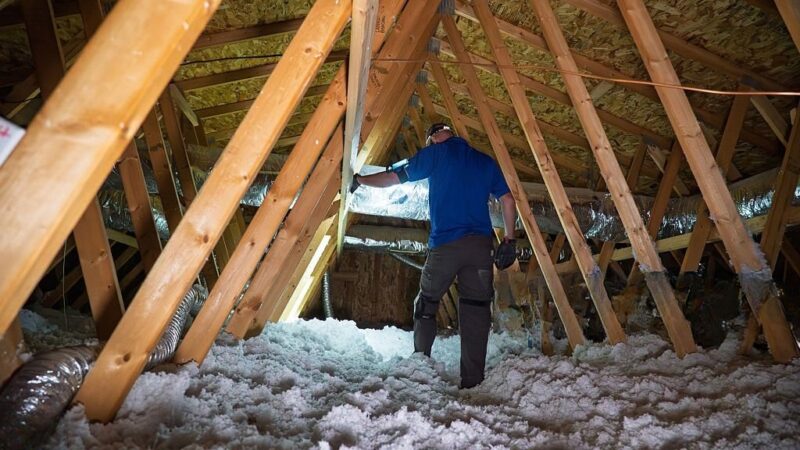
Cellulose insulation is typically manufactured from recycled paper products treated with fire-retardant compounds, commonly borate-based formulations. It provides approximately R-3.2 to R-3.8 per inch and is frequently installed as loose-fill insulation across attic floors, making it useful for covering irregular spaces and existing framing. Its high recycled content makes it an attractive option for homeowners seeking to reduce demand for virgin materials. However, cellulose can absorb moisture, and excessive dampness may cause clumping, settling, or reduced performance. It is a practical option for many conventional vented attics when installed at the specified depth and density and protected from moisture intrusion.
2. Fiberglass Insulation With Recycled Glass Content
Fiberglass insulation is made from fine glass fibers, with many manufacturers incorporating recycled glass into their products. Depending on the formulation, loose-fill fiberglass typically provides approximately R-2.2 to R-2.9 per inch, while fiberglass batts commonly offer R-2.9 to R-3.8 per inch. Fiberglass is widely available, relatively lightweight, and suitable for many attic-floor applications. Although the glass fibers themselves do not readily absorb water, moisture can accumulate within the insulation assembly and affect performance. Its environmental attributes depend on recycled content, manufacturing processes, and product lifespan, making manufacturer documentation useful when comparing options.
3. Mineral Wool Insulation
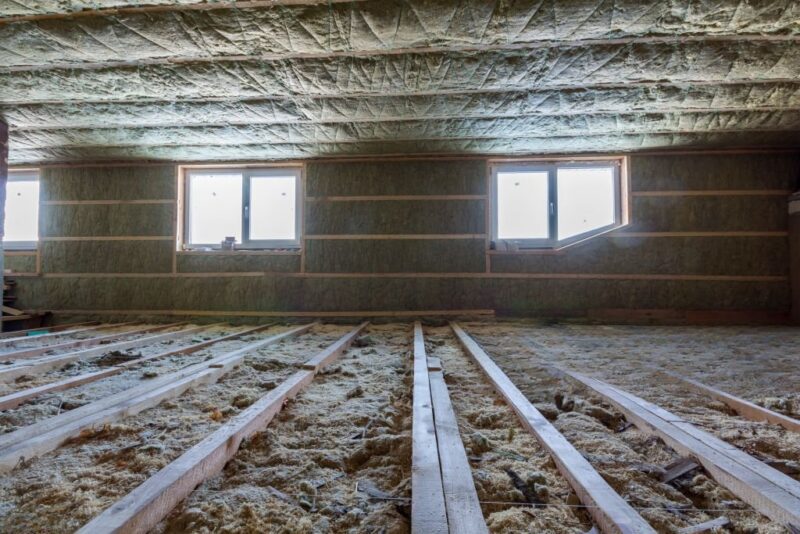
Mineral wool insulation is manufactured from melted rock, industrial slag, or combinations of mineral-based materials that are spun into fibers. Some products incorporate recycled industrial materials, although recycled content varies by manufacturer. Mineral wool batts commonly provide approximately R-3.0 to R-4.2 per inch and offer strong fire resistance and useful sound-absorbing properties. The fibers generally resist water absorption, but moisture can still affect surrounding building materials. Mineral wool is suitable for certain attic applications, particularly accessible framing cavities, although its weight, cost, and manufacturing energy requirements should be considered when evaluating environmental performance.
4. Sheep’s Wool Insulation
Sheep’s wool insulation is produced from natural wool fibers that can be processed into batts or other insulation forms. As a renewable material, wool may appeal to homeowners interested in reducing reliance on petroleum-based ingredients. It typically provides approximately R-3.0 to R-4.0 per inch and can absorb and release some moisture vapor without immediately becoming wet to the touch. However, prolonged dampness can still create problems, and wool products may require treatments for fire resistance and pest protection. Sheep’s wool is a specialty insulation option in the United States, so availability, cost, and suitability for Florida attic conditions should be confirmed before installation.
5. Cotton and Recycled Denim Insulation
Cotton insulation is often manufactured from recycled textile fibers, including denim and other cotton-based materials. It commonly provides approximately R-3.0 to R-3.7 per inch and is available in batt forms designed for framed building cavities. Reusing textile waste can reduce demand for new raw materials, although processing and fire-retardant treatments contribute to the product’s environmental footprint. Cotton insulation can absorb moisture, making effective moisture control important in humid climates. While it may work in certain attic applications, its availability, installation requirements, and suitability for existing attic conditions should be evaluated before choosing it over more widely available materials.
6. Cork Insulation
Cork insulation is made from the bark of cork oak trees, which can be harvested periodically without cutting down the trees. Expanded cork boards are commonly produced by heating cork granules, allowing their natural components to help bind the material together. Cork typically provides approximately R-3.6 to R-4.2 per inch, depending on the product. It offers useful thermal and acoustic properties and can tolerate some moisture exposure, although it is not waterproof. Cork boards are generally more suited to designed roof or wall assemblies than loose-fill attic-floor applications. Higher material costs, limited availability, and specific installation requirements make cork a specialty option for Florida homeowners.
7. Hemp Fiber Insulation
Hemp insulation is manufactured from fibers obtained from the hemp plant, often combined with binders or other fibers to form batts or flexible panels. It typically provides approximately R-3.5 to R-3.8 per inch and is valued for its renewable plant-based composition. Hemp fibers are vapor-permeable and can temporarily absorb moisture, but proper drying conditions remain essential to prevent material deterioration. Although hemp insulation can be suitable for certain framed roof and ceiling assemblies, it is not as widely available as fiberglass or cellulose in the United States. Homeowners should verify product certifications, fire treatments, local availability, and compatibility with Florida’s humid climate.
8. Wood Fiber Insulation
Wood fiber insulation is manufactured from processed wood fibers, often sourced from forestry byproducts or responsibly managed timber resources. Available as flexible batts, rigid boards, or loose-fill products in some markets, it typically provides approximately R-3.4 to R-3.8 per inch. Wood fiber insulation can offer thermal resistance, sound absorption, and vapor permeability, depending on the product. However, it can absorb moisture and must be incorporated into assemblies with appropriate drying potential. Wood fiber products are more common in certain European building markets and remain specialty options in many parts of the United States, where availability, cost, and approved installation methods may limit their practicality.
9. Plant-Based and Bio-Based Spray Foam Alternatives
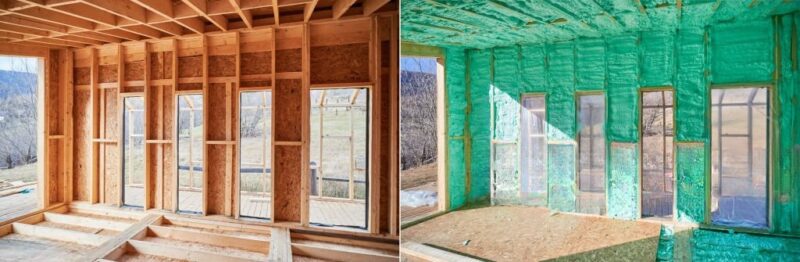
Some spray foam insulation products incorporate bio-based ingredients, such as plant-derived polyols, to replace a portion of their petroleum-derived components. Depending on the formulation, open-cell spray foam typically provides approximately R-3.5 to R-3.8 per inch, while closed-cell products may provide around R-6.0 to R-7.0 per inch. These products can combine insulation and air-sealing functions when properly installed, but their environmental performance depends on the full chemical formulation, blowing agents, manufacturing impacts, and service life. Bio-based ingredients do not automatically make spray foam natural or low-emission. Roof-deck applications also require appropriate moisture-control design and professional installation.
10. Other Emerging Sustainable Insulation Materials
Emerging insulation technologies include mycelium-based materials, agricultural fiber panels, aerogel composites, and other products developed to reduce resource consumption or improve thermal performance. Some use agricultural byproducts or renewable feedstocks, while others focus on achieving higher insulation values with less material. Their R-values, moisture characteristics, and environmental impacts vary considerably, and many remain in development or are available only for specialized construction applications. Before considering these materials for an attic, homeowners should confirm product testing, fire ratings, building-code acceptance, installation requirements, and availability. For most existing homes in Port Charlotte, established insulation products with documented performance remain the more practical starting point.
8 Benefits of Eco-Friendly Attic Insulation
1. Reducing Unwanted Heat Transfer
Eco-friendly attic insulation helps slow the movement of heat between the attic and conditioned living spaces. Materials such as cellulose, recycled-content fiberglass, and mineral wool contain structures that resist conductive heat transfer. During Florida’s hot weather, adequate insulation can help limit heat entering the home through the ceiling. The effectiveness of this thermal barrier depends on the material’s R-value, installed thickness, and coverage rather than whether the product is labeled environmentally friendly.
2. Supporting Lower Heating and Cooling Demand
Properly installed attic insulation can reduce the amount of heat entering or leaving a home’s conditioned spaces, potentially lowering the workload on heating and air conditioning equipment. In Southwest Florida, reducing unwanted heat gain may help the AC system maintain comfortable indoor temperatures with less cooling demand. Actual energy savings depend on existing insulation levels, air leakage, HVAC efficiency, and household usage patterns. Combining insulation improvements with appropriate air sealing and regular HVAC maintenance can further support energy-efficient home operation.
3. Making Use of Recycled and Renewable Resources
One advantage of sustainable attic insulation is the opportunity to use materials derived from recycled or renewable resources. Cellulose commonly contains recycled paper, while many fiberglass products incorporate recycled glass. Specialty alternatives such as sheep’s wool, cork, and hemp use naturally replenishable materials. Depending on sourcing and manufacturing practices, these options may reduce demand for certain virgin raw materials. However, recycled content and renewable ingredients should be evaluated alongside product durability, processing requirements, and overall environmental performance.
4. Potentially Reducing Material-Related Environmental Impacts
Some eco-friendly insulation products may have lower material-related environmental impacts than comparable alternatives, depending on their raw materials, manufacturing processes, transportation, and service life. Products with verified recycled content or documented environmental performance can help homeowners make more informed comparisons. Environmental Product Declarations may provide useful information about embodied carbon and other lifecycle impacts. However, no single insulation material is automatically the most sustainable in every application, making product-specific comparisons important.
5. Supporting Long-Term Indoor Comfort
Adequate attic insulation can help reduce heat transfer through the ceiling, supporting a more comfortable indoor environment during hot weather. By limiting unwanted heat gain, insulation may help reduce the influence of high attic temperatures on the living spaces below. Some insulation materials also provide sound-dampening benefits, depending on their composition and installation. Long-term comfort depends on maintaining suitable insulation coverage, controlling air leakage, and ensuring that the home’s HVAC system operates properly.
6. Helping Maintain More Consistent Indoor Temperatures
Uneven insulation coverage can contribute to temperature differences between rooms, particularly in areas beneath poorly insulated attic sections. Installing insulation at the appropriate depth and filling gaps around framing can help create a more consistent thermal boundary. This may reduce unwanted heat transfer through ceilings and support steadier indoor temperatures. However, persistent hot spots can also result from ductwork deficiencies, solar heat gain, or HVAC issues, so insulation should be considered as part of the home’s overall comfort system.
7. Supporting Responsible Home Renovation Decisions
Choosing environmentally conscious insulation encourages homeowners to consider material sourcing, expected service life, and long-term performance when planning renovations. In some cases, existing insulation that remains dry, clean, and properly installed can be supplemented rather than removed, helping avoid unnecessary material disposal. Comparing recycled-content products, evaluating manufacturer documentation, and selecting materials appropriate for the attic can support more resource-conscious improvements without compromising practical performance requirements.
8. How Proper Installation Maximizes Insulation Benefits
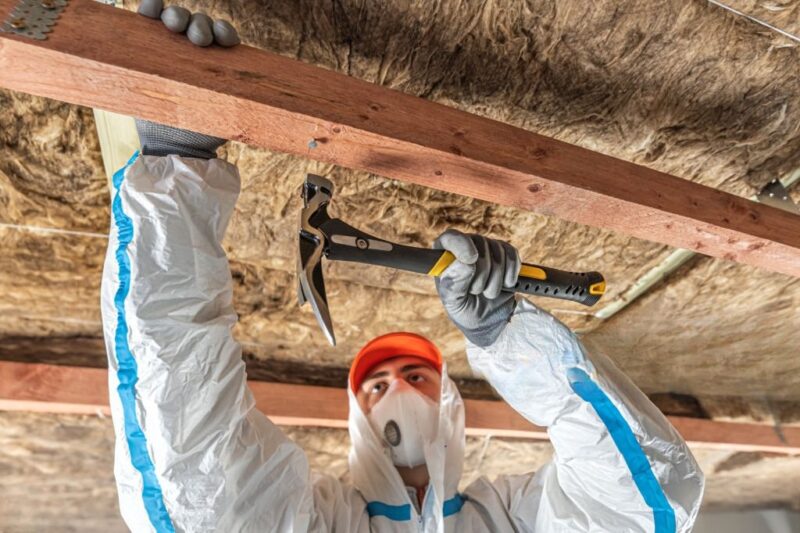
Even high-quality eco-friendly attic insulation may perform below expectations when installed incorrectly. Gaps, compressed batts, uneven loose-fill coverage, and blocked ventilation pathways can reduce effectiveness or create maintenance concerns. Proper installation involves following manufacturer specifications, achieving the intended R-value, preserving required electrical clearances, and maintaining the attic’s moisture-control design. For homeowners considering attic insulation in Port Charlotte, a professional evaluation can help identify suitable materials and installation methods that support both thermal performance and environmental goals.
Which Eco-Friendly Insulation Works Best in Florida’s Hot and Humid Climate?
For homeowners in Port Charlotte and Southwest Florida, the best eco-friendly attic insulation is one that combines reliable thermal performance, appropriate moisture management, and long-term durability. While sustainable materials such as cellulose, recycled-content fiberglass, and mineral wool offer different environmental advantages, their suitability depends on the home’s attic construction and ventilation design. Understanding how Florida’s heat and humidity affect insulation performance can help homeowners make informed decisions without sacrificing indoor comfort or energy efficiency.
How Southwest Florida’s Climate Affects Insulation Choices
Southwest Florida experiences prolonged periods of high temperatures, elevated humidity, and seasonal heavy rainfall, all of which can influence attic conditions. During hot weather, attic temperatures can rise significantly above outdoor air temperatures, increasing heat transfer toward conditioned living spaces. Humidity, roof leaks, and air leakage can also create moisture concerns that affect insulation and surrounding building materials. When comparing eco-friendly attic insulation options, homeowners should prioritize appropriate R-value, moisture management, durability, and compatibility with the home’s construction.
Choosing Insulation for High Attic Temperatures
Attic insulation helps reduce heat transfer through the ceiling, particularly when the roof and attic become hot under direct sunlight. Common materials such as cellulose, fiberglass, and mineral wool can provide effective thermal resistance when installed at the appropriate thickness and density. However, the material with the highest R-value per inch is not automatically the best choice for every attic. Homeowners should consider the total installed R-value, coverage, long-term performance, and whether the insulation is appropriate for the attic floor or roof assembly.
Moisture Management in Humid Conditions
Moisture management is especially important when selecting insulation for Florida homes. Cellulose and certain natural fiber products can absorb moisture, while fiberglass and mineral wool fibers generally resist water absorption but can still become part of a damp insulation assembly. Regardless of material, persistent moisture may reduce performance and contribute to deterioration of nearby building components. Proper roof maintenance, air sealing, condensation control, and assembly-specific drying provisions are essential. Insulation should never be installed over unresolved roof leaks, water damage, or other significant moisture problems.
Comparing Insulation Materials for Conventional Vented Attics
In conventional vented attics, insulation is typically installed along the attic floor to separate conditioned living spaces from the unconditioned attic above. Blown-in cellulose and recycled-content fiberglass are practical choices because they can cover large attic-floor areas and fit around framing and obstructions. Mineral wool batts may also be suitable where accessible framing allows proper installation. Although specialty materials such as sheep’s wool, hemp, and cotton can provide thermal resistance, their availability, moisture requirements, and installation costs may limit their practicality. For many existing Florida homes, cellulose and fiberglass offer an accessible balance of performance, cost, and environmental attributes.
Insulation Considerations for Unvented Attic Assemblies
Unvented attic assemblies use a different insulation and moisture-control strategy than conventional vented attics. Instead of placing insulation primarily on the attic floor, these designs generally establish the thermal boundary along the roofline. Depending on the assembly, suitable materials may include approved spray foam systems or other insulation products installed with the necessary air and vapor-control measures. Natural fiber batts and other vapor-permeable materials should not be substituted into an unvented roof assembly without confirming that the complete design meets applicable building-code and moisture-control requirements. Professional evaluation is particularly important before converting an existing vented attic into an unvented space.
The Importance of Maintaining Soffit Ventilation
In conventional vented attics, soffit vents allow outside air to enter near the roof’s lower edges as part of the designed ventilation system. Installing insulation directly against these openings can restrict airflow and interfere with the attic’s intended ventilation pathway. Properly positioned insulation baffles can help maintain clearance between attic insulation and the underside of the roof deck where required. However, soffit ventilation is not appropriate for every attic design, particularly certain unvented assemblies. Homeowners should preserve the ventilation strategy intended for their roof rather than assuming that adding more vents will automatically improve moisture control.
How Attic-Mounted Air Conditioning Ductwork Affects Insulation Decisions
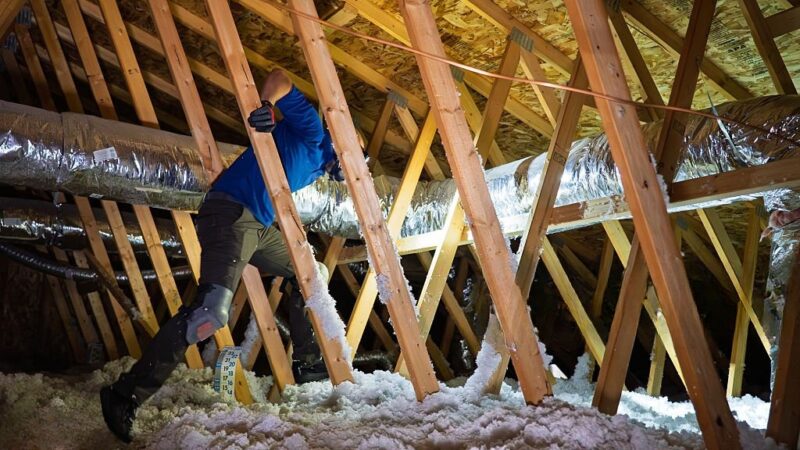
Many Southwest Florida homes have air conditioning ducts located in hot attic spaces, making ductwork condition an important consideration during insulation upgrades. Leaky, poorly insulated, or improperly sealed ducts can allow conditioned air to escape and may contribute to energy waste or condensation problems. Although attic-floor insulation helps reduce heat transfer into living spaces, it does not automatically protect ducts located above the insulation layer. Inspecting accessible ductwork, addressing air leaks, and maintaining appropriate duct insulation can complement an attic insulation upgrade and support more efficient cooling performance.
Why Climate Suitability Matters More Than Eco-Friendly Labels
An insulation product may contain recycled or renewable materials without being the most appropriate choice for Florida’s climate or a particular attic assembly. Moisture sensitivity, installation requirements, thermal performance, and product durability can all influence its long-term environmental value. For example, a widely available recycled-content fiberglass or cellulose product installed correctly may be more practical than a specialty natural material requiring extensive transportation or an incompatible installation method. Homeowners seeking sustainable attic insulation should prioritize verified environmental attributes alongside proven performance in hot, humid conditions. The goal is to choose insulation that supports energy efficiency, minimizes unnecessary material waste, and remains suitable for the home’s needs over time.
Moisture Resistance and Eco-Friendly Attic Insulation
Moisture resistance is an important consideration when comparing eco-friendly attic insulation options, especially for homes in Port Charlotte and Southwest Florida. High humidity, seasonal rainfall, roof leaks, and air leakage can expose attic insulation to moisture under certain conditions. While sustainable materials such as cellulose, fiberglass, mineral wool, and natural fibers offer different environmental advantages, they also respond differently to water and humidity. Understanding these differences can help homeowners select insulation that supports thermal performance, durability, and proper moisture management.
Why Moisture Management Matters in Florida Attics
Florida’s hot and humid climate creates conditions where moisture management is essential for maintaining attic insulation performance. Humid air entering through gaps, roof leaks, or condensation around poorly insulated HVAC components can introduce moisture into attic assemblies. Persistent dampness may reduce insulation effectiveness, damage surrounding wood and drywall, and create conditions favorable to mold growth. Proper air sealing, roof maintenance, and an appropriate attic ventilation or moisture-control strategy help protect insulation. Homeowners should address existing moisture problems before installing additional materials.
How Cellulose Responds to Moisture
Cellulose insulation is typically made from recycled paper fibers treated with fire-retardant additives. Because cellulose is hygroscopic, it can absorb moisture from humid air and direct water exposure. Limited moisture absorption does not necessarily cause permanent damage, but prolonged saturation can lead to clumping, settling, reduced thermal performance, and potential deterioration. Wet cellulose may also take time to dry, particularly when airflow is restricted. For Florida attics, cellulose insulation should be installed only after leaks and moisture concerns have been addressed, with attention to proper air sealing and assembly design.
How Fiberglass and Mineral Wool Respond to Moisture
Fiberglass and mineral wool are manufactured from inorganic fibers that generally do not absorb water in the same way as cellulose or many natural fiber materials. This can make them practical choices for certain attic applications where moisture resistance is a consideration. However, water can still accumulate between fibers, saturate surrounding materials, or reduce the insulation assembly’s thermal effectiveness. Some products also contain binders or facings with different moisture characteristics. If fiberglass or mineral wool becomes wet, the cause should be corrected and the material evaluated for drying, contamination, or replacement needs.
Moisture Considerations for Wool, Cotton, Hemp, and Wood Fiber
Natural insulation materials such as sheep’s wool, cotton, hemp, and wood fiber can absorb and release moisture vapor to varying degrees. This moisture-buffering ability may help moderate short-term humidity changes within appropriately designed building assemblies, but it does not prevent water damage. Prolonged dampness can affect material stability, thermal performance, and surrounding construction components. Some products also require treatments to improve resistance to fire, insects, or biological deterioration. Before selecting natural insulation for a Florida attic, homeowners should verify its moisture characteristics, drying requirements, and suitability for the intended installation.
How Vapor Permeability Affects Attic Assemblies
Vapor permeability describes how readily water vapor can pass through a material. Some insulation products, including unfaced fiberglass, cellulose, and certain natural fibers, allow relatively easy vapor movement, while other insulation systems can restrict it. Neither characteristic is automatically better for every attic. The appropriate vapor-control strategy depends on the roof assembly, air leakage, indoor humidity, and whether the attic is vented or unvented. In Southwest Florida, selecting compatible insulation and vapor-control materials is important because improperly designed layers can restrict drying or contribute to moisture accumulation.
The Difference Between Moisture Resistance and Waterproofing
Moisture-resistant insulation can tolerate certain levels of humidity or incidental moisture exposure without readily absorbing water or losing its properties. Waterproofing, however, involves preventing liquid water from entering a building assembly. Even insulation materials with water-resistant fibers are not substitutes for properly installed roofing, flashing, or other water-management components. Fiberglass and mineral wool, for example, may resist water absorption at the fiber level, but water can still pass through the insulation and reach surrounding materials. Understanding this distinction helps homeowners avoid relying on insulation to solve problems it was not designed to address.
Why Insulation Cannot Fix Roof Leaks or Condensation Problems
Attic insulation primarily reduces heat transfer and cannot repair roof leaks, eliminate uncontrolled air leakage, or correct condensation caused by unsuitable building conditions. Adding insulation over wet materials may conceal damage and interfere with drying, potentially allowing moisture problems to continue. Condensation around attic-mounted air conditioning ducts may also require duct sealing, adequate duct insulation, or adjustments to the surrounding conditions. Before upgrading attic insulation, homeowners should identify and correct the underlying moisture source to help protect both the new material and the existing structure.
When Moisture-Damaged Insulation Needs Professional Evaluation
Attic insulation should be evaluated when homeowners notice persistent dampness, water stains, musty odors, visible discoloration, or insulation that appears compressed, clumped, or deteriorated. A professional assessment can help determine the extent of the damage, identify possible moisture sources, and establish whether the insulation can be safely dried, supplemented, or needs replacement. Materials affected by significant water exposure or suspected microbial contamination may require specialized evaluation and handling. For homeowners considering attic insulation in Port Charlotte, addressing moisture concerns before installation can help protect the investment and support long-term insulation performance.
11 Common Mistakes to Avoid When Choosing Eco-Friendly Attic Insulation
1. Assuming Every Natural Insulation Material Is Environmentally Superior
Natural insulation materials such as sheep’s wool, cork, hemp, and wood fiber are often marketed as sustainable alternatives to conventional products. However, renewable ingredients do not automatically guarantee a lower environmental impact. Manufacturing methods, transportation distances, chemical treatments, durability, and disposal requirements all influence a material’s overall footprint. Some recycled-content fiberglass or cellulose products may offer comparable or more practical environmental advantages, depending on the application. Evaluate documented lifecycle characteristics rather than assuming natural insulation is always the greener choice.
2. Choosing Insulation Based Only on Recycled Content
Recycled content is an important environmental consideration, but it should not be the only factor influencing insulation selection. Cellulose commonly contains recycled paper, while certain fiberglass and mineral wool products incorporate recycled materials. However, products with high recycled content can still differ in thermal resistance, moisture performance, durability, and manufacturing impacts. Homeowners should compare verified recycled-content percentages alongside R-value, installation requirements, and expected service life to identify insulation that balances sustainability with practical performance.
3. Ignoring R-Value and Installation Thickness
Selecting insulation based solely on environmental attributes without checking its R-value can result in inadequate thermal performance. Different materials provide different levels of resistance to heat transfer per inch, meaning some require greater thickness to achieve the same total R-value. For example, loose-fill fiberglass generally requires more depth than cellulose to reach a comparable insulation level. Homeowners should determine an appropriate attic insulation R-value based on existing conditions and applicable requirements, then follow manufacturer specifications for installed thickness and coverage.
4. Overlooking Florida’s Moisture Conditions
Florida’s hot and humid climate makes moisture management an essential part of attic insulation planning. Certain sustainable materials, including cellulose, cotton, hemp, and wood fiber, can absorb moisture under unfavorable conditions. Even relatively moisture-resistant insulation products can become part of a damp assembly if roof leaks, air leakage, or condensation problems remain unresolved. Before choosing insulation, evaluate the attic’s moisture-control strategy, roof condition, and potential sources of dampness. A material’s environmental benefits cannot compensate for an installation that is unsuitable for the home’s conditions.
5. Blocking Soffit Vents During Installation
In conventional vented attics, soffit vents help maintain the airflow pathways intended by the roof’s ventilation design. Installing loose-fill insulation or batts directly over these openings can obstruct airflow and interfere with moisture management. Properly positioned insulation baffles can help maintain the necessary clearance where required. However, not every attic uses soffit ventilation, particularly unvented roof assemblies. Homeowners should identify their attic’s intended ventilation strategy before adding insulation and avoid modifying it without an appropriate assessment.
6. Installing Insulation Over Existing Water Damage
Adding new insulation over water-damaged materials can conceal existing problems and potentially interfere with drying. Roof leaks, condensation, or plumbing issues may leave insulation damp, compressed, or contaminated, reducing its effectiveness and affecting nearby building materials. Before installing eco-friendly attic insulation, homeowners should identify and correct the source of moisture. Existing insulation should then be evaluated to determine whether it can remain in place or requires removal. Addressing water damage first helps protect the new insulation and supports long-term attic performance.
7. Compressing Batts or Installing Loose-Fill at Incorrect Density
Insulation must be installed according to manufacturer specifications to achieve its intended thermal resistance. Compressing fiberglass, mineral wool, or natural fiber batts into undersized spaces can reduce their effective R-value, while leaving gaps around framing creates additional pathways for heat transfer. Loose-fill materials such as cellulose and fiberglass require appropriate coverage, density, and installed depth. Incorrect installation can result in uneven insulation levels or excessive settling. Following product-specific instructions helps maintain thermal performance and prevents unnecessary material waste.
8. Ignoring Air Leakage and Ductwork Problems
Attic insulation slows heat transfer, but most conventional insulation materials do not function as complete air barriers. Gaps around ceiling penetrations, attic access points, and other openings can allow conditioned air to escape or humid air to enter. In Florida homes with attic-mounted air conditioning ducts, damaged duct insulation or air leaks can also contribute to cooling losses and condensation concerns. Identifying appropriate air-sealing opportunities and evaluating accessible ductwork can complement insulation improvements and help address comfort problems that insulation alone cannot resolve.
9. Assuming Insulation Automatically Improves Indoor Air Quality
Eco-friendly insulation is sometimes associated with healthier indoor environments, but natural or recycled materials do not automatically improve indoor air quality. Some insulation products contain binders, fire-retardant treatments, or other additives, and their emissions characteristics vary by formulation. Additionally, attic insulation cannot eliminate indoor pollutants, repair moisture problems, or prevent contaminated attic air from entering living spaces through unsealed openings. Homeowners concerned about indoor air quality should review relevant product emissions certifications and consider air sealing, moisture control, and HVAC maintenance alongside insulation upgrades.
10. Selecting Specialty Materials Without Checking Local Availability
Specialty insulation materials such as sheep’s wool, cork, hemp, and wood fiber may appeal to environmentally conscious homeowners, but they are not always readily available in Southwest Florida. Limited distribution can increase shipping expenses, extend installation timelines, and make it harder to find qualified installers. Some specialty products also require specific assembly designs or documentation for building-code acceptance. Before committing to a material, confirm local availability, total installed costs, manufacturer requirements, and suitability for the intended attic application.
11. Replacing Functional Insulation Unnecessarily
Removing existing insulation simply because it is older or made from conventional materials can create avoidable waste and additional renovation expenses. Fiberglass, cellulose, and other insulation products may continue providing useful thermal resistance when they remain dry, clean, intact, and properly installed. In many cases, adding compatible insulation can improve attic performance without removing the original material. A professional assessment can help determine whether existing insulation should be retained, supplemented, or replaced. Preserving functional materials when appropriate can support a more environmentally responsible approach to home improvements.
How to Make Your Attic More Energy-Efficient and Environmentally Responsible
Improving attic energy efficiency involves more than choosing eco-friendly insulation materials. Air leakage, uneven insulation coverage, moisture problems, and poorly maintained HVAC components can all affect how efficiently your home stays comfortable. For homeowners in Port Charlotte and Southwest Florida, taking a comprehensive approach to attic improvements can help reduce unwanted heat transfer, support lower cooling demand, and minimize unnecessary material waste. The following steps can help you create a more energy-efficient and environmentally responsible attic.
Start With an Attic Insulation Assessment
Before adding or replacing insulation, evaluate the condition and performance of your existing attic materials. An insulation assessment can identify uneven coverage, compressed sections, missing insulation, and areas affected by moisture or deterioration. It can also help determine the attic’s approximate existing R-value and whether additional insulation is necessary. For Florida homeowners, understanding the current condition of the attic helps establish practical improvement priorities while avoiding unnecessary material purchases and disposal.
Identify and Seal Appropriate Air Leaks
Air leaks around attic access points, ceiling penetrations, plumbing openings, and other gaps can allow conditioned air to escape into the attic or humid air to enter the home. Even high-quality insulation may not perform as expected when significant air leakage remains unresolved. Sealing appropriate openings with compatible materials can help strengthen the home’s air barrier and complement insulation improvements. However, ventilation openings and required clearances around electrical or heat-producing components must remain unobstructed. Proper air sealing should follow applicable safety requirements and the home’s intended ventilation design.
Improve Insulation Coverage Before Adding More Material
Uneven insulation distribution can create areas where heat transfers more easily between the attic and living spaces. Before adding more material, check for gaps around framing, insufficient coverage near attic edges, and compressed insulation. Correcting these problems may improve thermal performance without requiring a complete replacement. When additional insulation is needed, it should be installed at the appropriate depth and density to achieve the intended R-value. This approach helps homeowners use materials efficiently while maintaining consistent attic insulation coverage.
Maintain Proper Attic Ventilation Where Required
Conventional vented attics rely on designated ventilation pathways to support the roof assembly’s intended airflow and moisture-management strategy. Insulation should not block soffit vents or other required openings, and properly installed baffles can help maintain clear pathways where necessary. However, ventilation requirements differ between vented and unvented attic assemblies, and increasing airflow is not automatically beneficial in Florida’s humid climate. Homeowners should preserve the ventilation strategy appropriate for their attic rather than making changes without evaluating the complete roof assembly.
Inspect and Repair Damaged HVAC Ductwork
Air conditioning ducts located in hot attic spaces can contribute to energy losses when they are poorly sealed, inadequately insulated, or damaged. Leaky ducts may release conditioned air into the attic, while damaged insulation around cold duct surfaces can increase condensation risks under certain conditions. Inspecting accessible ductwork for disconnected sections, deteriorated insulation, and visible damage can help identify opportunities for improvement. Professional duct sealing and repairs, when necessary, can complement energy-efficient attic insulation and support more effective cooling performance.
Address Moisture and Roof Leakage Concerns
Roof leaks, condensation, and other moisture problems should be corrected before installing new attic insulation. Persistent dampness can affect insulation performance, damage nearby building materials, and create conditions favorable to mold growth. Homeowners should look for water stains, wet insulation, deteriorated roof decking, and condensation around HVAC components. Identifying the moisture source and arranging appropriate repairs helps protect existing materials and prevents new insulation from being installed over unresolved damage.
Choose Insulation With Verified Environmental Attributes
When comparing eco-friendly attic insulation options, look for products with documented environmental characteristics rather than relying on general sustainability claims. Cellulose commonly incorporates recycled paper, while certain fiberglass and mineral wool products contain recycled materials. Specialty natural insulation products may use renewable ingredients but can have different manufacturing, transportation, and installation impacts. Manufacturer specifications, verified recycled-content information, Environmental Product Declarations, and relevant third-party certifications can help homeowners make more informed choices. Environmental attributes should always be evaluated alongside thermal performance, durability, and suitability for Florida’s climate.
Reuse Suitable Existing Insulation When Appropriate
Existing attic insulation does not automatically need replacement because of its age or material composition. Fiberglass, cellulose, and other insulation products may remain effective when they are dry, clean, properly installed, and free from significant deterioration. In some cases, compatible insulation can be added over existing material to achieve a higher total R-value. Retaining functional insulation can reduce unnecessary disposal, material consumption, and renovation costs. However, insulation affected by substantial moisture damage, contamination, or other performance problems should be professionally evaluated before reuse.
Consider HVAC Maintenance Alongside Insulation Improvements
Attic insulation and HVAC maintenance work together to support efficient indoor comfort. While insulation reduces unwanted heat transfer, a properly maintained air conditioning system helps deliver cooling more effectively throughout the home. Routine AC maintenance may identify airflow restrictions, deteriorated components, and other issues that can affect system performance. For homeowners in Port Charlotte, combining insulation improvements with appropriate HVAC maintenance and ductwork evaluations can support a more comprehensive approach to energy efficiency, comfort, and responsible home upkeep.
Why Port Charlotte Homeowners Choose Dale’s AC
Choosing the right attic insulation is easier when you have a local HVAC company that understands your home’s comfort needs. At Dale’s AC, we’ve served Port Charlotte and surrounding Southwest Florida communities since 1974, helping homeowners maintain comfortable indoor environments through professional heating, cooling, and attic insulation services. We focus on practical recommendations that consider Florida’s climate, your home’s existing conditions, and your long-term energy-efficiency goals.
Serving Southwest Florida Since 1974
Dale’s AC has been serving Southwest Florida homeowners and businesses since 1974. As a family-owned company, we’ve built our reputation around dependable service, honest communication, and treating customers like family. Our decades of experience have given us a strong understanding of the comfort challenges local properties face. Whether you need attic insulation improvements or professional air conditioning services, we’re committed to helping you make informed decisions for your home.
Understanding Florida’s Heat and Humidity
Living in Port Charlotte means dealing with high temperatures, persistent humidity, and long cooling seasons. We understand how these conditions can affect attic insulation, air conditioning performance, and indoor comfort. Our local experience helps us consider important factors such as unwanted heat transfer, moisture concerns, and attic construction when discussing insulation improvements. We focus on solutions that make sense for Southwest Florida homes rather than recommending materials based solely on environmental labels or marketing claims.
Experience With Attic Insulation and HVAC Services
At Dale’s AC, our experience extends beyond air conditioning repair and installation. We also provide attic insulation services, including blown-in insulation, insulation removal and replacement, fiberglass insulation, and cellulose insulation. Our broader HVAC experience allows us to consider how attic conditions and cooling systems contribute to your home’s overall comfort. While specialty materials such as cork, hemp, and sheep’s wool may be worth researching, our recommendations focus on insulation services and products appropriate for the home and available through our established offerings.
Evaluating Existing Insulation Before Recommending Upgrades
Not every attic needs a complete insulation replacement. We believe homeowners should understand the condition of their existing insulation before deciding on improvements. Factors such as coverage, installed thickness, visible deterioration, and moisture concerns can help determine whether additional insulation or replacement may be appropriate. Our goal is to provide practical guidance that helps you avoid unnecessary work while addressing insulation conditions that may affect your home’s thermal performance.
Helping Homeowners Improve Energy Efficiency
Proper attic insulation can help reduce unwanted heat transfer and support more efficient heating and cooling. At Dale’s AC, we help homeowners explore insulation improvements that complement their home’s existing HVAC system and comfort needs. We also provide AC maintenance, repair, replacement, and other HVAC services that can address additional factors affecting energy consumption. By considering insulation and cooling performance together, we help homeowners make informed improvements that may support long-term energy savings.
Providing Practical Comfort Solutions for Local Homes
Every home has different insulation requirements, cooling demands, and budget considerations. That’s why we focus on straightforward recommendations tailored to your property’s needs rather than one-size-fits-all solutions. Whether you’re considering attic insulation in Port Charlotte, dealing with uneven indoor temperatures, or looking for ways to improve your air conditioning system’s performance, Dale’s AC is here to help. With experienced technicians, upfront pricing, and financing options, we aim to make home comfort improvements more manageable for Southwest Florida homeowners.
FAQs About Eco-Friendly Attic Insulation
What Is the Difference Between Green Insulation and Traditional Insulation?
Green insulation emphasizes environmental characteristics such as recycled content, renewable raw materials, or reduced manufacturing impacts. Traditional insulation generally refers to widely used products such as fiberglass and mineral wool, although these materials can also contain recycled content and offer environmental benefits. The main distinction is not necessarily thermal performance but how the materials are sourced, manufactured, and evaluated for sustainability. Both types can provide effective attic insulation when properly selected and installed.
Which Eco-Friendly Insulation Has the Highest R-Value?
Among commonly available attic insulation materials, mineral wool batts can provide approximately R-3.0 to R-4.2 per inch, while cellulose typically offers R-3.2 to R-3.8 per inch. Certain bio-based spray foam formulations may provide higher values, particularly closed-cell products offering approximately R-6 to R-7 per inch. However, bio-based ingredients do not automatically make spray foam more environmentally friendly. The best choice depends on the required total R-value, environmental attributes, installation method, and attic construction.
Can Sustainable Attic Insulation Help Lower Energy Bills?
Yes. Properly installed sustainable attic insulation can help reduce unwanted heat transfer, potentially lowering heating and cooling demand. In Port Charlotte, where air conditioning is frequently needed during hot weather, adequate attic insulation may help reduce the amount of heat entering conditioned living spaces. However, actual energy savings depend on existing insulation levels, air leakage, HVAC efficiency, and household energy use. Combining insulation improvements with appropriate air sealing and AC maintenance can support better overall energy performance.
Is Natural Insulation Better for Indoor Air Quality?
Not necessarily. Natural insulation materials such as sheep’s wool, hemp, and cotton may appeal to homeowners seeking renewable alternatives, but they are not automatically chemical-free or healthier than conventional products. Some require fire-retardant treatments, binders, or pest-resistant additives. Indoor air quality also depends on product emissions, moisture control, ventilation, and air leakage between the attic and living spaces. Reviewing third-party emissions certifications and manufacturer documentation can help homeowners compare products more accurately.
How Long Does Eco-Friendly Attic Insulation Last?
The lifespan of eco-friendly attic insulation depends on the material, installation quality, moisture exposure, and attic conditions. Properly installed fiberglass and mineral wool can remain effective for several decades, while cellulose can also provide long-term performance when protected from moisture and installed at the appropriate density. Natural fiber insulation products have varying durability characteristics depending on their composition and treatments. Insulation does not automatically need replacement because of age alone, but damaged, contaminated, or poorly performing materials should be professionally evaluated.
Is Eco-Friendly Attic Insulation More Expensive?
Eco-friendly attic insulation is not always more expensive than conventional alternatives. Widely available materials such as cellulose and recycled-content fiberglass can offer relatively affordable insulation solutions. However, specialty products like sheep’s wool, cork, hemp, and wood fiber may cost more because of limited availability, transportation expenses, and specialized installation requirements. Homeowners should compare total installed costs, thermal performance, durability, and potential energy savings rather than focusing only on material prices.
Can Existing Attic Insulation Be Recycled?
Some attic insulation materials may be recyclable, but actual recycling options depend on the product’s composition, condition, and available processing facilities. Certain fiberglass and mineral wool materials can potentially be recycled through specialized programs, while clean cellulose may have limited recovery options depending on local services. Insulation affected by contamination, moisture damage, or mixed construction debris may not be accepted. Before removing existing insulation, homeowners should check local recycling availability and determine whether suitable material can remain in place and be supplemented instead of discarded.
Go Green without Breaking a Sweat! Call Dale’s AC!
Choosing the right eco-friendly attic insulation options can help reduce unwanted heat transfer, support energy efficiency, and make your home more comfortable throughout Florida’s hot and humid seasons. Whether you’re considering recycled-content fiberglass, cellulose, or other sustainable insulation materials, it’s important to evaluate R-value, moisture resistance, durability, and installation requirements. For Southwest Florida homeowners, the best approach combines environmentally responsible material choices with proper attic insulation, air sealing, and HVAC performance.
At Dale’s AC as a reliable HVAC company in Port Charlotte, we’re here to help you create a more comfortable, energy-efficient home with professional attic insulation in Port Charlotte and comprehensive residential HVAC services in Port Charlotte. Our experienced team also provides AC maintenance in Port Charlotte, AC installation in Port Charlotte, AC replacement in Port Charlotte, and air conditioning repair in Port Charlotte. We offer solutions for indoor air quality in Port Charlotte, Commercial HVAC services in Port Charlotte, and convenient financing options to help make improvements more manageable. With over 50 years of local experience, we’re ready to help you find practical solutions for your property. Call us today at (941) 629-1712 or contact us to schedule a consultation and take the next step toward a greener, more comfortable home.