

In Florida, air conditioning is one of the biggest contributors to monthly energy use, especially during the long, hot, and humid months when cooling systems run for hours at a time. That constant demand can take a toll on both your utility bills and your HVAC system’s overall performance. Older air conditioners, outdated cooling technology, poor airflow, and inefficient operation often lead to higher energy costs, uneven cooling, excess indoor humidity, and unnecessary wear on critical system components. Energy-efficient air conditioning systems are built to solve these problems by using advanced technology that delivers powerful, consistent cooling while consuming less electricity. Features like variable-speed compressors, smart thermostat compatibility, improved coil design, enhanced airflow management, and higher SEER2 ratings allow modern systems to cool homes more effectively while reducing wasted energy. Beyond lowering monthly bills, these systems also help create a more balanced indoor environment by maintaining steady temperatures, improving humidity control, and supporting cleaner indoor air through better filtration and airflow circulation.
For homeowners looking to improve comfort and make smarter long-term investments in their property, upgrading to an energy-efficient AC system can provide benefits far beyond immediate energy savings. A properly selected and professionally installed high-efficiency system can reduce strain on equipment, lower the likelihood of frequent repairs, extend system lifespan, and make day-to-day living noticeably more comfortable, especially in climates where dependable cooling is essential. Many modern systems are also designed with quieter operation, eco-friendlier refrigerants, and zoning capabilities that allow homeowners to cool specific areas more efficiently rather than wasting energy on unused spaces. Whether you are replacing an aging unit that struggles to keep up, building a more energy-conscious home, or simply looking for ways to cut cooling costs without sacrificing comfort, understanding how energy-efficient air conditioning systems work is the first step. This guide explores the technologies, system types, features, and practical considerations that can help you choose a cooling solution that delivers reliable performance, healthier indoor comfort, and meaningful energy savings for years to come.
What Makes an Air Conditioning System Energy Efficient?
An energy-efficient air conditioning system does more than simply cool your home. It is built to provide consistent indoor comfort while using less electricity, reducing wasted energy, and operating more effectively under daily cooling demands. Several factors contribute to overall efficiency, including the system’s efficiency ratings, compressor technology, airflow design, refrigerant performance, thermostat controls, and the condition of supporting components like ductwork and insulation. Modern high-efficiency systems are engineered with advanced features such as variable-speed compressors, smart controls, and improved heat exchange systems that allow them to adjust output based on real-time cooling needs rather than operating at full capacity all the time. This creates steadier temperatures, improved humidity management, quieter operation, and lower monthly cooling costs. In climates like Florida, where air conditioners work hard for much of the year, efficiency has an even greater impact because small gains in performance can translate into meaningful long-term savings, improved indoor air quality, and reduced wear on the system. Still, equipment ratings alone do not guarantee efficiency, because even a top-rated unit can underperform if it is poorly installed, improperly sized, or connected to inefficient ductwork that allows cooled air to escape before it reaches living spaces.
Understanding SEER2 Ratings and Why They Matter
SEER2, or Seasonal Energy Efficiency Ratio 2, is one of the most important measurements used to determine how efficiently an air conditioning system performs over an entire cooling season. This rating reflects the relationship between the cooling output a system produces and the amount of electricity it uses to deliver that cooling under updated testing conditions that better represent real-world operation. A higher SEER2 rating means the system can provide more cooling while using less energy, which often translates into lower utility bills, especially for homeowners in warm climates where air conditioners run frequently and for long periods. Upgrading from an older low-efficiency system to a unit with a stronger SEER2 rating can improve overall comfort while significantly reducing monthly operating costs over time. Beyond energy savings, higher SEER2 systems often include advanced performance features like variable-speed motors, better airflow control, and improved humidity removal, which help maintain more stable indoor temperatures and create a more comfortable living environment. For homeowners evaluating a new cooling system, SEER2 is one of the clearest indicators of long-term energy performance and cost efficiency.
The Role of EER2 in Real-World Cooling Performance
While SEER2 measures seasonal efficiency, EER2, or Energy Efficiency Ratio 2, focuses on how efficiently an air conditioner performs under specific high-demand operating conditions, making it especially useful for understanding real-world cooling performance during hotter weather. EER2 evaluates how much cooling a system delivers relative to the electricity it consumes at a fixed outdoor temperature and humidity level, offering insight into how well it handles peak summer conditions when cooling demand is at its highest. This matters greatly in Florida, where intense heat and humidity place extra strain on HVAC systems for extended periods. A unit with a strong EER2 rating can maintain efficient operation during these demanding conditions, helping homeowners stay comfortable without seeing energy usage spike dramatically when temperatures rise. It can also indicate better system durability under heavy workloads, since equipment designed to perform efficiently under stress often experiences less strain during normal operation. When comparing cooling systems, looking at both SEER2 and EER2 provides a more complete understanding of seasonal savings as well as day-to-day performance when dependable cooling is needed most.
How ENERGY STAR® Certified Systems Reduce Energy Use
ENERGY STAR® certified air conditioning systems are designed to meet strict energy performance standards that help homeowners reduce electricity use while maintaining reliable indoor comfort, making them a strong choice for anyone looking to improve efficiency without sacrificing cooling power. These systems must exceed baseline efficiency requirements, which means they are built with advanced components and technologies that maximize performance while minimizing wasted energy. Many ENERGY STAR® systems include variable-speed compressors that adjust cooling output based on demand, high-efficiency fan motors that improve airflow circulation, enhanced coil designs that transfer heat more effectively, and smart thermostat compatibility that allows for better temperature scheduling and system control. Together, these features help the system cool more precisely, avoid unnecessary energy spikes, and maintain a steady indoor environment with fewer temperature swings. For homeowners, this often means lower monthly utility costs, improved humidity control, quieter operation, and reduced environmental impact due to lower overall energy consumption. Over the lifespan of the system, ENERGY STAR® certified equipment can deliver substantial operating savings while also contributing to more dependable and comfortable year-round cooling.
Why Proper System Sizing Is Just as Important as Efficiency Ratings
No matter how high an air conditioner’s efficiency ratings are, its real performance depends heavily on whether it is properly sized for the home, because even the most advanced system can waste energy and create comfort issues if it does not match the property’s cooling demands. An oversized air conditioner may cool the home too quickly, which sounds beneficial at first, but short run cycles prevent it from removing enough humidity from the air, often leaving rooms feeling damp, clammy, and uncomfortable despite reaching the set temperature. This constant starting and stopping, known as short cycling, also increases wear on components, reduces system lifespan, and can lead to higher repair costs over time. On the other hand, an undersized system may run almost continuously while struggling to maintain comfortable temperatures, causing excessive energy use and placing unnecessary strain on the equipment. Proper sizing requires a full evaluation of factors such as square footage, insulation levels, window placement, ceiling height, home orientation, duct design, occupancy patterns, and local climate conditions rather than relying on rough estimates alone. When a system is accurately sized and professionally installed, homeowners are far more likely to enjoy the full benefits of high-efficiency equipment, including lower operating costs, stronger humidity control, better airflow, and reliable long-term comfort.
6 Benefits of Installing an Energy-Efficient Air Conditioning System
1. Lower Monthly Cooling Costs
One of the biggest reasons homeowners choose energy-efficient air conditioning systems is the potential to lower monthly energy bills. High-efficiency units use advanced components and smarter cooling technology to produce the same amount of comfort with less electricity. Instead of constantly running at full power, many modern systems adjust output based on the home’s cooling needs, which helps reduce energy waste throughout the day. Over time, these savings can add up, especially in Florida homes where the AC often runs for long periods.
2. Better Indoor Comfort During Florida’s Hot, Humid Summers
Florida heat can make an older or inefficient AC system work harder than it should, often leading to uneven cooling, warm spots, and inconsistent comfort from room to room. Energy-efficient air conditioning systems are built to maintain steadier indoor temperatures, even when outdoor conditions are hot and humid. With better airflow, improved cooling control, and more consistent operation, these systems help your home feel comfortable without constant thermostat adjustments. That means fewer hot spots, fewer temperature swings, and a cooler home when you need it most.
3. Improved Humidity Control for Healthier Indoor Air
Comfort in Florida is not just about temperature. Humidity plays a major role in how your home feels and how healthy the indoor environment can be. A properly sized, energy-efficient AC system can run in longer, more controlled cycles, allowing it to remove more moisture from the air. Better humidity control can help reduce that sticky indoor feeling while also supporting cleaner, healthier air by limiting conditions that encourage dust buildup, musty odors, and moisture-related air quality concerns.
4. Quieter Operation Compared to Older Systems
Many older air conditioners are noisy because they cycle on and off frequently or run at full power whenever cooling is needed. Modern energy-efficient systems are often designed with quieter motors, improved compressor technology, and better airflow management. Variable-speed and multi-stage systems, in particular, can operate at lower speeds for longer periods, which helps reduce loud start-ups and sudden bursts of noise. The result is a cooler, more peaceful home where your AC works in the background without constantly drawing attention to itself.
5. Fewer Repairs and Longer Equipment Lifespan
An energy-efficient system can also help reduce strain on your cooling equipment. Because many high-efficiency systems operate more smoothly and adjust to demand, they do not always have to work at maximum capacity. This can reduce wear on major components, lower the chance of frequent breakdowns, and help the system last longer when paired with regular maintenance. For homeowners, that means fewer unexpected repair calls, better long-term performance, and more dependable cooling during the times of year when AC matters most.
6. Reduced Environmental Impact Through Lower Energy Consumption
Using less energy does not only benefit your utility bill. It can also reduce your home’s overall environmental impact. Energy-efficient air conditioning systems consume less electricity to maintain comfortable indoor temperatures, which helps lower demand on energy resources. Many newer systems are also designed with improved refrigerants, better performance standards, and smarter technology that supports more responsible energy use. For homeowners who want to improve comfort while making a more efficient choice for their household, upgrading to a high-efficiency AC system is a practical step toward lower energy consumption and more sustainable cooling.
5 Types of Energy-Efficient Air Conditioning Systems for Modern Homes
1. High-Efficiency Central Air Conditioning Systems
High-efficiency central air conditioning systems are one of the best choices for whole-home comfort, especially in Florida homes that rely on consistent cooling throughout the day. These systems use a central outdoor unit, indoor air handler, and ductwork to distribute cool air across multiple rooms, making them a strong fit for families who want steady temperatures throughout the entire home. Compared to older central AC units, modern high-efficiency models often offer better SEER2 ratings, improved airflow, quieter operation, and stronger humidity control. When properly sized and professionally installed, they can help lower cooling costs while keeping the home comfortable during long stretches of heat and humidity.
2. Variable-Speed Air Conditioners
Variable-speed air conditioners are designed to automatically adjust cooling output based on the home’s needs. Instead of switching between fully on and fully off, the system can run at lower speeds for longer periods, using less electricity when full cooling power is not necessary. This is especially helpful during milder weather or overnight hours when the home may only need a small amount of cooling to stay comfortable. Because variable-speed systems operate more steadily, they can reduce temperature swings, improve humidity removal, lower power draw, and create a quieter indoor environment. For homeowners who want dependable comfort without constant energy spikes, this type of system is one of the most efficient options available.
3. Inverter-Driven AC Systems
Inverter-driven AC systems use advanced compressor technology to provide continuous low-speed operation rather than constant start-and-stop cycling. This allows the system to fine-tune its cooling output throughout the day, increasing or decreasing capacity as indoor conditions change. Because the compressor does not have to restart at full power every time cooling is needed, inverter-driven systems can use less electricity while delivering more consistent comfort. They are especially useful in hot, humid climates where steady operation helps maintain balanced temperatures and better moisture control. Inverter-driven and variable-capacity systems are among the lowest electricity-consuming options because they modulate output instead of cycling fully on and off.
4. Heat Pump Systems for Year-Round Efficiency
Heat pump systems provide both cooling and heating in one energy-efficient unit, making them a practical option for Florida homes that need strong cooling most of the year and occasional heating during cooler months. In cooling mode, a heat pump works much like a central air conditioner by removing heat from the home and transferring it outside. In heating mode, it reverses the process and brings heat indoors instead of generating heat through traditional electric resistance. Many modern heat pumps offer high SEER2 ratings for cooling and strong HSPF2 ratings for heating efficiency. For homeowners who want one system that can handle year-round comfort with lower energy use, a high-efficiency heat pump can be a smart long-term investment.
5. Ductless Mini-Split Systems
Ductless mini-split systems are ideal for spaces where traditional ductwork may not be practical, such as room additions, garages, guest suites, older homes, enclosed patios, and converted living areas. These systems use an outdoor unit connected to one or more indoor air handlers, allowing homeowners to cool specific zones instead of sending conditioned air through the entire house. This zoned cooling approach can save energy because you only cool the areas that need it, rather than wasting electricity on unused rooms. Ductless mini-splits are also known for quiet operation, flexible installation, and strong efficiency performance, making them a useful option for targeted comfort upgrades or homes with uneven cooling issues.
Features to Look for in an Energy-Efficient AC System
Choosing an energy-efficient AC system is easier when you know which features actually support lower energy use, better comfort, and dependable cooling. While efficiency ratings like SEER2 and EER2 are important, the technology inside the system plays a major role in how well it performs day to day. For Florida homes, the best systems are built to handle long cooling cycles, high humidity, and changing indoor comfort needs without wasting electricity or overworking the equipment.
Variable-Speed Compressors
Variable-speed compressors allow an AC system to adjust its cooling output based on what the home actually needs. Instead of turning on at full power and shutting off repeatedly, the system can run at lower speeds for longer periods. This helps reduce energy spikes, improve humidity removal, maintain steadier temperatures, and create a more comfortable indoor environment. Because the system is not constantly starting and stopping, it can also operate more quietly and experience less wear over time.
Smart Thermostat Compatibility
A smart thermostat helps homeowners manage cooling more efficiently by giving them better control over temperature settings, schedules, and energy use. Many smart thermostats can learn household routines, adjust temperatures when no one is home, and provide energy reports that show how the system is performing. When paired with a high-efficiency AC system, smart thermostat compatibility can help reduce wasted cooling while keeping the home comfortable when it matters most.
Zoned Cooling Capabilities
Zoned cooling allows different areas of the home to be cooled separately, which can be especially useful for larger homes, multi-story layouts, guest rooms, home offices, or spaces that are not used all day. Instead of cooling the entire house to the same temperature, zoning lets homeowners direct conditioned air where it is needed. This can improve comfort, reduce energy waste, and help solve common issues like hot rooms, uneven airflow, or family members preferring different temperature settings.
High-Performance Air Filters
High-performance air filters support both system efficiency and indoor air quality. When filters are designed to capture dust, pollen, pet dander, and other airborne particles without overly restricting airflow, the AC system can operate more smoothly while helping keep indoor air cleaner. Clean, properly matched filters also protect internal system components from buildup that can reduce performance. For Florida homes where humidity, allergens, and year-round AC use are common, choosing the right filtration setup can make a meaningful difference in comfort and air quality.
Enhanced Coil Design for Better Heat Transfer
The evaporator and condenser coils play a key role in how efficiently an AC system removes heat from the home and releases it outdoors. Enhanced coil designs improve heat transfer, allowing the system to cool more effectively while using less energy. Better coil performance can also help the system reach desired temperatures more efficiently, reduce strain on the compressor, and improve overall cooling consistency. Since dirty or poorly designed coils can limit performance, high-quality coil design and regular maintenance are both important for long-term efficiency.
Eco-Friendly Refrigerants
Modern energy-efficient AC systems often use newer refrigerants designed to support strong cooling performance with a lower environmental impact than older refrigerant types. Refrigerant is essential because it absorbs and transfers heat throughout the cooling process. When a system uses updated refrigerant technology and is properly installed, charged, and maintained, it can operate more efficiently and reliably. For homeowners replacing an older unit, upgrading to a system that uses current refrigerant standards can also help avoid issues tied to outdated equipment and limited refrigerant availability.
Quiet Operation Technology
Quiet operation is another valuable feature in modern high-efficiency AC systems. Advanced compressor design, improved fan motors, insulated cabinets, and variable-speed operation help reduce loud startup sounds, vibration, and ongoing system noise. This is especially helpful when the outdoor unit is near bedrooms, patios, or living areas. A quieter AC system does not just improve comfort. It often reflects smoother operation, better airflow control, and more advanced equipment design, all of which contribute to a more pleasant and efficient cooling experience.
How Much Can You Save With an Energy-Efficient AC Upgrade?
The amount you can save with an energy-efficient AC upgrade depends on your current system’s age, efficiency rating, condition, home size, ductwork, insulation, thermostat habits, and how often your air conditioner runs. In Florida, where cooling systems work hard through long stretches of heat and humidity, even a modest improvement in efficiency can lead to noticeable savings over time. While a high-efficiency air conditioner may cost more upfront than a basic replacement unit, the long-term value often comes from lower monthly cooling bills, improved comfort, fewer breakdowns, and better system performance across its lifespan. For many homeowners, the question is not just “How much does a new AC cost?” but “How much will this system cost to run, maintain, and repair over the next 10 to 15 years?” When viewed that way, an energy-efficient upgrade can be a smart investment in comfort, reliability, and lower total ownership costs.
Comparing Older Systems vs New High-Efficiency Models
Older air conditioners often use more electricity because they were built to lower efficiency standards, have worn components, or struggle with airflow and humidity control after years of use. As the system ages, parts like compressors, fan motors, coils, and electrical components can lose efficiency, causing the unit to run longer and work harder to cool the home. New high-efficiency models are designed with improved SEER2 ratings, better compressor technology, stronger heat transfer, and smarter controls that help deliver the same cooling with less energy. This difference can be especially noticeable if your current AC is 10 to 15 years old, needs frequent repairs, or can no longer keep rooms evenly comfortable. Replacing an aging unit with a properly sized high-efficiency system can help reduce wasted electricity, stabilize indoor temperatures, improve humidity removal, and make your home feel more comfortable without forcing the equipment to run constantly.
Why Efficiency Savings Add Up Over Time
Energy savings may seem small when viewed month to month, but they can become significant over the life of the system. Since air conditioning is one of the biggest energy users in Florida homes, reducing the amount of electricity needed for cooling can lower operating costs every time the system runs. A more efficient unit may use less power during long cooling cycles, reduce energy spikes from frequent starts and stops, and maintain comfort with steadier operation. Over several years, those savings can help offset the higher upfront cost of choosing a better-performing system. The value becomes even stronger when the system is professionally installed, properly sized, and maintained on a regular schedule, because the equipment is more likely to perform at its intended efficiency level. In other words, an energy-efficient AC upgrade is not only about saving money during the first summer. It is about reducing energy waste year after year while keeping your home consistently comfortable.
Utility Rebates and Manufacturer Incentives
Utility rebates, manufacturer promotions, and available financing options can help make an energy-efficient AC upgrade more affordable. Depending on the equipment selected and current programs available in your area, homeowners may be able to reduce their upfront cost through rebates for qualifying high-efficiency systems, seasonal manufacturer incentives, or special financing plans. These offers can change throughout the year, so it is helpful to work with a local HVAC professional who can explain which systems may qualify and how those savings apply to your replacement estimate. For homeowners comparing a basic system against a higher-efficiency model, rebates and incentives may narrow the price difference enough to make the more efficient option a stronger long-term choice. Combined with lower monthly energy use, these savings can improve the overall return on your AC investment.
Lower Repair and Maintenance Costs Over the System’s Life
An energy-efficient AC system can also help reduce long-term repair and maintenance costs when it is properly installed and cared for. Many high-efficiency systems are built with advanced components that allow the unit to operate more smoothly, avoid constant full-power cycling, and reduce unnecessary strain on major parts. This can mean fewer unexpected breakdowns, more reliable cooling, and less stress on components like the compressor, blower motor, and fan system. While every AC still needs routine maintenance, a newer energy-efficient system is typically easier to keep in strong condition than an aging unit that is already dealing with wear, declining performance, and repeated repairs. When you factor in fewer service calls, lower energy bills, improved comfort, and a longer useful lifespan, the lifetime savings of an energy-efficient upgrade can outweigh the higher initial cost, especially for homeowners who want dependable cooling through Florida’s hottest months.
Is a High-Efficiency AC System Worth It in Florida?
For many Florida homeowners, a high-efficiency AC system is absolutely worth considering because cooling is one of the most important parts of daily comfort. In areas like Port Charlotte, where heat and humidity can stretch through much of the year, your air conditioner is not just used occasionally. It works hard to keep your home cool, dry, and comfortable day after day. A high-efficiency system can help reduce energy use, improve indoor comfort, manage humidity more effectively, and provide more dependable cooling when outdoor conditions are at their most demanding.
Florida Homes Run AC Longer Than Most States
Florida’s warm climate means air conditioners often run for more months out of the year compared to homes in cooler regions. Because the system is used so frequently, even small efficiency improvements can have a larger impact over time. A higher-efficiency AC system can help reduce the amount of electricity needed to cool your home during long daily run times, which may lead to lower energy bills and less wasted power. For homeowners who feel like their AC rarely gets a break, upgrading to a system that uses energy more wisely can make daily comfort more affordable.
Humidity Makes Efficiency Even More Important
In Florida, cooling is only part of the job. A good AC system also needs to remove moisture from the air so your home does not feel sticky, damp, or uncomfortable. Older or poorly sized systems may cool the air quickly without running long enough to control humidity properly. High-efficiency systems, especially variable-speed and properly sized models, can run in longer, steadier cycles that help pull more moisture from the air while maintaining consistent temperatures. This can make your home feel cooler at a slightly higher thermostat setting, support cleaner indoor air, and reduce the heavy, humid feeling that Florida homeowners know too well.
Reduced Wear During Extended Cooling Seasons
Because Florida cooling seasons are long, AC systems experience more run time and more wear than systems in milder climates. A high-efficiency system can help reduce that strain by operating more smoothly and adjusting output based on actual cooling needs. Instead of constantly starting and stopping at full power, many modern systems can run at lower speeds for longer periods, which helps reduce stress on major components. With professional installation and regular maintenance, this smoother operation can support fewer breakdowns, more reliable performance, and a longer system lifespan.
Why Port Charlotte Homeowners Often See Faster ROI
Port Charlotte homeowners may see a faster return on an energy-efficient AC upgrade because local cooling demand is high for much of the year. The more often your AC runs, the more opportunity there is to save energy with a properly selected high-efficiency system. When lower monthly cooling costs are combined with improved humidity control, fewer repair issues, better indoor comfort, and potential financing or rebate options, the long-term value becomes easier to see. Dale’s AC helps homeowners choose systems that fit their home, budget, and comfort needs, with honest recommendations, proper sizing, and professional installation built for Florida heat. For families who want lower bills, cleaner air, and dependable cooling through Port Charlotte’s hottest months, a high-efficiency AC system can be a smart, comfort-focused investment.
6 Common Mistakes That Reduce Air Conditioner Efficiency
1. Choosing the Wrong Size Unit
Choosing the wrong size AC unit is one of the most common mistakes that affects efficiency and comfort. An oversized system may cool the home too quickly, causing it to shut off before it has enough time to remove humidity from the air. This can leave your home feeling damp, sticky, or unevenly cooled, even when the thermostat says the temperature is right. An undersized system has the opposite problem, running almost nonstop while struggling to reach the set temperature. Both situations waste energy, increase wear on the system, and make it harder to maintain dependable indoor comfort.
2. Poor Installation Practices
A high-efficiency air conditioner can only perform well if it is installed correctly. Poor installation practices, such as incorrect refrigerant charge, weak airflow setup, improper electrical connections, or poorly sealed equipment connections, can reduce efficiency from the start. These issues may cause the system to run longer, cool less effectively, or break down sooner than expected. Professional installation helps make sure the system is properly configured for your home, your ductwork, and Florida’s cooling demands, so you get the full value of your investment.
3. Leaky Air Ducts
Leaky air ducts can waste a significant amount of cooled air before it ever reaches your living spaces. When ducts have gaps, loose connections, cracks, or poor insulation, conditioned air can escape into attics, crawl spaces, or other unconditioned areas. This forces the AC system to work harder to replace the lost cooling, which increases energy use and can lead to uneven temperatures throughout the home. Sealing and maintaining ductwork helps improve airflow, reduce waste, and support better whole-home comfort.
4. Dirty Air Filters Restricting Airflow
Dirty air filters make it harder for air to move through the HVAC system. When airflow is restricted, the AC has to work harder to pull air in and push cooled air back out, which can raise energy use and reduce comfort. A clogged filter can also allow dust and debris to build up inside the system, affecting components like the evaporator coil and blower motor. Replacing or cleaning filters regularly is one of the simplest ways to protect efficiency, support cleaner indoor air, and reduce unnecessary strain on your AC.
5. Skipping Routine Maintenance
Skipping routine AC maintenance can cause small issues to turn into bigger efficiency problems over time. During regular tune-ups, technicians can clean important components, check refrigerant levels, inspect electrical parts, test airflow, look for worn components, and make sure the system is operating safely. Without maintenance, dirt buildup, loose parts, low refrigerant, and airflow problems can make the system run longer and work harder than it should. Regular maintenance helps preserve efficiency, reduce repair needs, and keep your cooling system dependable through Florida’s hottest months.
6. Thermostat Settings That Waste Energy
Thermostat habits can also affect how efficiently your AC operates. Setting the thermostat too low, frequently changing temperatures, or cooling an empty home can lead to unnecessary energy use. A programmable or smart thermostat can help by creating a consistent schedule that matches your routine, reducing cooling demand when you are away while keeping the home comfortable when you return. Small adjustments, such as setting a reasonable temperature and avoiding extreme changes, can help lower energy waste without sacrificing comfort.
How to Make Your Current AC System More Energy Efficient
You do not always need a full system replacement to improve cooling efficiency. In many homes, small upgrades and better maintenance habits can help your current AC run more smoothly, use less energy, and keep your indoor space more comfortable. This is especially important in Florida, where heat and humidity can push cooling systems to work harder for much of the year. By improving airflow, reducing energy loss, and keeping key components clean, you can help your system deliver better comfort, cleaner air, and lower monthly cooling costs.
Schedule Seasonal AC Tune-Ups
Seasonal AC maintenance is one of the most effective ways to protect your system’s efficiency. During a professional tune-up, a technician can clean coils, check refrigerant levels, inspect electrical components, test airflow, clear drain lines, and look for early signs of wear. These small checks help your system cool more effectively and prevent minor issues from turning into costly breakdowns. Regular AC maintenance also helps your unit handle Florida’s long cooling season with less strain and more dependable performance.
Upgrade Insulation in the Attic
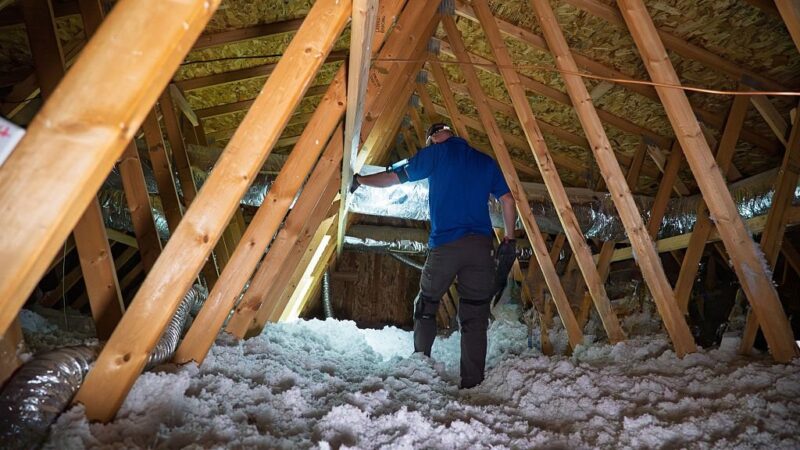
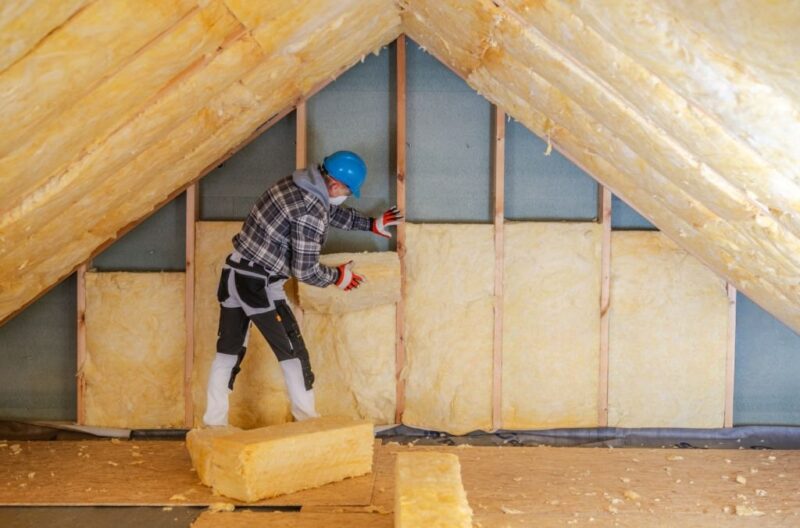
Poor attic insulation can allow heat to enter your home and make your AC work harder to maintain a comfortable temperature. In Florida homes, the attic can trap a significant amount of heat, which then radiates into living spaces below. Upgrading attic insulation helps slow heat transfer, reduce cooling demand, and keep conditioned air where it belongs. This can make your home feel more comfortable while helping your AC run less often.
Seal Air Leaks Around Windows and Doors
Air leaks around windows, doors, and other openings can let cooled air escape while allowing hot, humid outdoor air to enter. This forces your AC system to work harder and can make certain rooms feel warmer or more humid than others. Sealing gaps with weatherstripping, caulk, or proper home sealing improvements helps reduce energy waste and supports more consistent indoor temperatures. Even small leaks can add up when your cooling system is running every day.
Keep Ductwork Clean and Properly Sealed
Your ductwork plays a major role in how efficiently cooled air moves through your home. If ducts are dirty, leaking, poorly connected, or damaged, your AC may lose conditioned air before it reaches the rooms that need it. Professional air duct cleaning can help remove built-up dust and debris, while duct sealing can reduce air loss and improve system performance. Clean, sealed ducts also support better indoor air quality by helping reduce the circulation of dust, allergens, and other particles.
Install a Programmable or Smart Thermostat
A programmable or smart thermostat can help reduce wasted cooling by giving you better control over your AC schedule. Instead of keeping the home at the same temperature all day, you can adjust cooling based on when you are home, away, or asleep. Smart thermostats can also learn your routine, provide energy-use insights, and help maintain comfort more efficiently. With the right settings, this simple upgrade can lower energy use without making your home feel uncomfortable.
Improve Indoor Airflow With Better Vent Placement
Good airflow helps your AC cool your home more evenly and efficiently. Blocked vents, poorly placed furniture, closed registers, or restricted return air pathways can make the system work harder and create hot spots in certain rooms. Make sure vents are open, clean, and not blocked by rugs, curtains, or furniture. Improving airflow can also support better indoor air quality by helping conditioned air circulate properly throughout the home.
6 Signs It’s Time to Replace Your Old Air Conditioner
1. Rising Utility Bills
If your monthly energy bills continue to climb even though your cooling habits have stayed about the same, your air conditioner may be losing efficiency. As systems age, important components like the compressor, blower motor, evaporator coil, and condenser coil can become less effective, forcing the unit to run longer and work harder to reach the same temperature setting. Restricted airflow, refrigerant performance issues, and general wear can all increase energy consumption without improving comfort. Over time, this added electricity use becomes expensive, especially in Florida homes where cooling is one of the largest household energy costs. Replacing an older, inefficient unit with a modern high-efficiency system can help reduce wasted energy, stabilize utility bills, and improve everyday cooling performance.
2. Uneven Cooling Throughout the Home
Uneven cooling is often one of the clearest signs that an AC system is no longer operating at its best. You may notice certain rooms feel comfortable while others stay warm, stuffy, or harder to cool no matter how low the thermostat is set. This can happen when older systems lose airflow strength, struggle with duct distribution, or simply can no longer keep up with the cooling load of the home. Inconsistent temperatures can also be caused by outdated equipment that cycles inefficiently or lacks the advanced controls found in newer systems. A replacement system that is properly sized and professionally installed can improve airflow balance, maintain more even temperatures throughout the home, and eliminate many of the comfort issues that come with aging equipment.
3. Constant Repairs
Occasional AC repairs are part of normal homeownership, but if your system needs service frequently, it may be a sign that major components are wearing out and reliability is declining. Repeated issues with compressors, refrigerant lines, fan motors, capacitors, electrical parts, or drainage systems can become frustrating and expensive over time. At a certain point, continuing to repair an older unit may cost more in the long run than replacing it with a newer, more dependable model. A modern energy-efficient system can provide stronger performance with fewer breakdown risks, helping homeowners avoid repeated service calls and enjoy more confidence during Florida’s hottest months when reliable cooling matters most.
4. System Is 10–15+ Years Old
Air conditioning systems naturally become less efficient as they age, and once a unit reaches 10 to 15 years old or more, it may no longer deliver the performance, energy savings, or comfort homeowners expect. Even if the system still operates, older units often lack modern technology that helps improve cooling efficiency, humidity management, airflow precision, and overall reliability. Components may wear down gradually, making performance decline little by little until higher bills, weaker cooling, and more frequent repairs become the new normal. Replacing an aging system before it fails completely can help homeowners make a planned upgrade instead of facing an emergency replacement during peak summer heat.
5. Humidity Problems Indoors
Florida comfort depends on humidity control just as much as temperature control. If your home feels damp, sticky, heavy, or musty even when the AC is running, your system may no longer be removing moisture effectively. Older units, oversized systems, or inefficient single-stage systems often cool too quickly or cycle improperly, which prevents them from running long enough to dehumidify the air well. Excess indoor humidity can make rooms feel warmer than they actually are, reduce overall comfort, and contribute to indoor air quality concerns like musty odors and airborne moisture-related issues. A newer, properly sized high-efficiency system can provide longer, steadier cooling cycles that improve moisture removal and create a fresher, healthier-feeling indoor environment.
6. Your AC Still Uses Outdated Technology
Cooling technology has improved significantly over the years, and older systems may be missing features that can dramatically improve efficiency, comfort, and performance. Many aging air conditioners rely on basic single-stage operation, meaning they run at full power every time they turn on, regardless of how much cooling is actually needed. This creates more energy waste, louder operation, greater temperature swings, and less effective humidity control. Modern systems may include variable-speed compressors, inverter-driven technology, advanced airflow systems, improved coil designs, smart thermostat integration, and eco-friendlier refrigerants that help optimize cooling while using less electricity. Upgrading from outdated technology to a newer high-efficiency system can provide more consistent comfort, quieter operation, cleaner indoor air, and lower long-term cooling costs for Port Charlotte homeowners.
Choosing the Right Energy-Efficient Air Conditioning System for Your Home
Choosing the right energy-efficient air conditioning system starts with understanding your home’s comfort needs, not just picking the unit with the highest efficiency rating. Every home has different cooling demands based on size, layout, insulation, ductwork, sun exposure, window placement, and daily household routines. In Florida, where heat and humidity can push an AC system hard for much of the year, the right system should provide steady cooling, reliable humidity control, efficient operation, and long-term value. A properly selected system can help lower monthly energy costs, improve indoor comfort, support cleaner air, and reduce the risk of unnecessary wear from overworking or short cycling.
Consider Home Size and Layout
Your home’s size and layout play a major role in choosing the right AC system. A smaller home, open floor plan, multi-story property, or house with several enclosed rooms may all have different cooling needs. The system should be sized based on a detailed load calculation, not guesswork or square footage alone. Factors like ceiling height, number of windows, room orientation, insulation levels, and how much direct sunlight your home receives can all affect cooling demand. Choosing the right size helps your system run efficiently, cool evenly, and maintain better humidity control throughout the home.
Think About Insulation and Air Leakage
Even the most efficient AC system can struggle if your home is poorly insulated or has air leaks. Heat entering through the attic, gaps around windows and doors, or poorly sealed areas can force your system to run longer than necessary. Before upgrading, it is helpful to consider whether attic insulation, duct sealing, or air leakage issues should be addressed alongside the new installation. Improving insulation and sealing leaks can reduce cooling demand, help the new system perform better, and make your home feel more comfortable without relying on constant AC runtime.
Balance Upfront Cost With Long-Term Savings
High-efficiency air conditioning systems often cost more upfront, but the long-term savings can make the investment worthwhile. A lower-cost system may seem appealing at first, but it could use more energy, offer fewer comfort features, and lead to higher operating costs over time. A more efficient model may help reduce monthly cooling bills, improve humidity control, operate more quietly, and place less strain on major components. When comparing options, homeowners should look beyond the installation price and consider total lifetime value, including energy savings, comfort improvements, repair reduction, and expected system lifespan.
Compare Warranty Coverage
Warranty coverage is another important factor when choosing a new energy-efficient AC system. A strong warranty can provide added protection for major components and help reduce out-of-pocket costs if certain covered parts fail during the warranty period. Homeowners should compare what each warranty includes, how long coverage lasts, whether registration is required, and whether labor coverage is available. Understanding warranty terms before installation can help you make a more confident decision and protect your investment over time.
Work With a Licensed HVAC Professional
Working with a licensed HVAC professional helps ensure your new system is properly selected, sized, installed, and set up for efficient performance. A professional can evaluate your home’s cooling needs, inspect ductwork, review insulation concerns, explain available system options, and recommend equipment that fits your comfort goals and budget. Proper installation is just as important as the equipment itself because mistakes with sizing, airflow, refrigerant charge, or duct connections can reduce efficiency and shorten system life. Dale’s AC helps Port Charlotte homeowners choose energy-efficient systems built for Florida heat, humidity, and everyday comfort, with honest recommendations and professional installation designed to deliver dependable cooling for years to come.
FAQs About Energy-Efficient Air Conditioning Systems
What SEER2 rating is considered energy efficient?
A higher SEER2 rating means an air conditioning system can deliver more cooling while using less electricity, which can make a major difference in homes where the AC runs often. In general, an energy-efficient system is one that exceeds the minimum efficiency standard and is properly matched to the home’s cooling needs. For Florida homeowners, choosing a higher SEER2 system can be especially valuable because long cooling seasons create more opportunities for energy savings. However, the right SEER2 rating depends on your budget, home size, ductwork, insulation, and comfort goals, so it is best to compare efficiency with overall system performance rather than focusing on the number alone.
Are variable-speed AC systems worth the cost?
Variable-speed AC systems are often worth the higher upfront cost for homeowners who want stronger comfort, quieter operation, better humidity control, and lower long-term energy use. Unlike basic single-stage systems that turn fully on and off, variable-speed systems can adjust their cooling output in smaller increments based on the home’s actual needs. This allows the system to run longer at lower speeds, which can help reduce energy spikes, remove more humidity, and maintain steadier indoor temperatures. In Florida’s hot, humid climate, that smoother operation can make the home feel more comfortable while reducing strain on the system over time.
Do high-efficiency systems cool better?
High-efficiency systems can cool better when they are properly sized, installed, and maintained. Many modern systems include features like variable-speed compressors, improved airflow control, enhanced coil design, and smart thermostat compatibility, all of which can improve temperature consistency and comfort. They may also do a better job managing humidity, which is a major factor in how cool a Florida home feels. However, a high-efficiency rating by itself does not guarantee better cooling. If the system is too large, too small, poorly installed, or connected to leaky ductwork, it may still struggle to perform efficiently.
How long does an energy-efficient AC system last?
An energy-efficient AC system can often last 10 to 15 years or longer with proper installation, routine maintenance, and timely repairs. In Florida, air conditioners typically work harder than systems in milder climates because they run through long periods of heat and humidity. That extra use makes seasonal tune-ups, regular filter changes, drain line cleaning, coil inspections, and airflow checks even more important. A well-maintained system is more likely to hold its efficiency, avoid unnecessary wear, and provide dependable comfort throughout its lifespan.
Can better insulation improve AC efficiency?
Yes, better insulation can significantly improve AC efficiency by reducing how much outdoor heat enters your home and how much conditioned air escapes. Attic insulation is especially important in Florida because attics can trap intense heat that radiates into the living space below. When insulation is weak, your AC has to run longer to maintain the thermostat setting, which increases energy use and system strain. Improving insulation can help your home stay cooler for longer periods, support more even temperatures, and allow your air conditioner to operate more efficiently.
Will a smart thermostat reduce cooling costs?
A smart thermostat can help reduce cooling costs when it is programmed and used correctly. It allows homeowners to set cooling schedules, adjust temperatures remotely, reduce unnecessary cooling when the home is empty, and track energy use patterns. Some smart thermostats can also learn household routines and make automatic adjustments that support comfort and efficiency. When paired with an energy-efficient AC system, a smart thermostat can help reduce wasted energy, prevent overcooling, and make it easier to maintain a comfortable indoor environment without constantly adjusting the settings.
Upgrade Your Cool Factor and Lower Your Bill Factor!
Choosing an energy-efficient air conditioning system is one of the smartest long-term decisions you can make for your home, especially in Florida, where cooling is essential for much of the year. A well-designed high-efficiency system does more than lower energy use. It helps create a more comfortable indoor environment by maintaining steady temperatures, improving humidity control, supporting cleaner indoor air, and reducing unnecessary strain on your HVAC equipment. Over time, those benefits can lead to lower monthly utility bills, fewer unexpected repair costs, quieter operation, and greater confidence that your home will stay cool and comfortable even during the hottest summer days. Whether you are replacing an outdated unit or planning ahead for a more efficient home, investing in the right cooling system can deliver lasting value that goes well beyond the initial installation.
At Dale’s AC as a leading HVAC company in Port Charlotte, we understand that every home has different comfort needs, which is why we take the time to recommend solutions that truly fit your space, lifestyle, and budget. We believe in honest guidance, proper system sizing, and quality AC installation in Port Charlotte that helps homeowners get the full benefit of their energy-efficient upgrade. Our goal is to help you enjoy dependable cooling, healthier indoor air quality in Port Charlotte, and lower operating costs without the stress of guesswork. If you are ready to improve your home’s comfort with a more efficient air conditioning system, call us today at (941) 629-1712or contact us. We also offer residential HVAC services in Port Charlotte, commercial HVAC services in Port Charlotte, air conditioning repair in Port Charlotte, AC replacement in Port Charlotte, and AC maintenance in Port Charlotte. We are here to help you find the right solution for long-term comfort, dependable performance, and energy savings built for Florida living.