

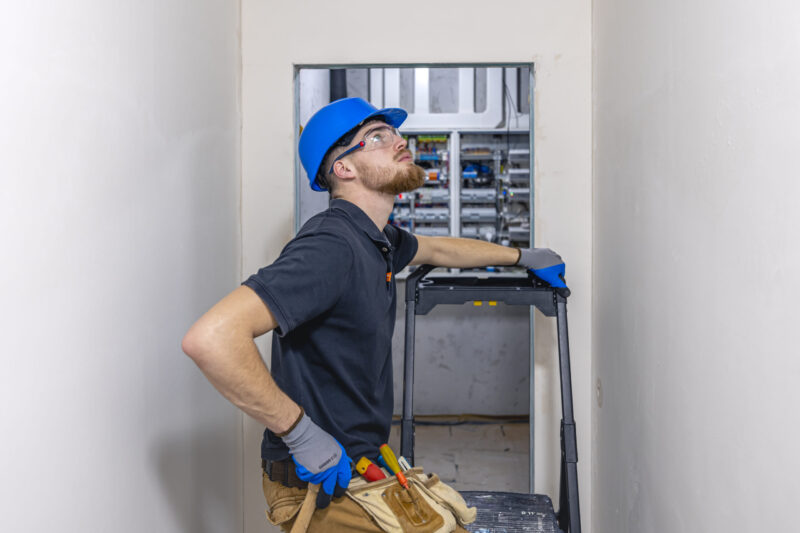
When your commercial HVAC system fails unexpectedly, it’s more than just an inconvenience — it can disrupt daily operations, affect employee productivity, reduce customer comfort, and potentially damage temperature-sensitive equipment or inventory. In Florida’s climate, where cooling systems operate heavily for much of the year, a sudden breakdown can escalate quickly, especially during peak business hours. For many businesses, even a few hours without proper climate control can lead to lost revenue and operational stress.
Emergency commercial HVAC repairs are designed to restore functionality as quickly and safely as possible, but knowing how to respond before help arrives is just as important. From electrical malfunctions and refrigerant leaks to system shutdowns and severe airflow issues, recognizing the warning signs early can limit further damage. This guide explains what qualifies as an HVAC emergency, the immediate steps you should take, what technicians will do upon arrival, and how to reduce the risk of future emergency situations.
What Is an Emergency Commercial HVAC Repair?
An emergency commercial HVAC repair refers to urgent service required when a heating or cooling system failure creates immediate operational, safety, or financial risks for a business. Unlike routine maintenance or scheduled repairs, emergency situations demand rapid response to restore system performance and prevent further damage to equipment, inventory, or building infrastructure.
Defining Emergency vs. Routine Repair
The primary difference between emergency and routine HVAC repair lies in urgency, severity, and impact on operations. Routine repairs typically involve non-critical issues such as worn belts, minor airflow imbalances, gradual efficiency decline, or parts that can be replaced during scheduled service hours without disrupting business. Emergency repairs, however, involve sudden and severe system failures that compromise comfort, safety, or productivity. Examples of true emergencies include a complete system shutdown during extreme heat, electrical burning smells indicating potential fire hazards, repeated breaker trips, refrigerant leaks that rapidly reduce cooling capacity, or significant water leaks that threaten ceilings and flooring. In these scenarios, waiting for a standard service appointment could result in equipment damage, unsafe conditions, or costly downtime, making immediate professional intervention essential.
Common Causes of HVAC Emergencies
Emergency HVAC situations in commercial buildings are often caused by mechanical failure, electrical faults, refrigerant issues, or control system malfunctions. Mechanical failures may involve compressors seizing, motors burning out, belts snapping, or fans failing, all of which can abruptly halt airflow and temperature regulation. Electrical faults such as damaged wiring, failing capacitors, short circuits, or overloaded panels can cause system shutdowns or create safety hazards that require immediate attention. Refrigerant leaks are another frequent cause, leading to rapid cooling loss, frozen coils, and increased strain on compressors that can escalate into major component failure. Additionally, breakdowns in control systems — including faulty thermostats, sensor miscommunication, or building management system errors — can prevent equipment from responding properly to temperature demands. Because commercial HVAC systems operate under heavy loads, especially in warmer climates, even a single component failure can quickly evolve into a full system emergency.
5 Signs You Need an Emergency HVAC Repair
1. Complete System Failure
A complete system failure is one of the clearest indicators that emergency HVAC repair is needed. If your building suddenly has no cooling or heating output, especially during extreme weather, the situation can quickly impact comfort, productivity, and safety. In some cases, the system may not power on at all due to electrical faults, failed components, or control system issues. When equipment refuses to start or shuts down unexpectedly, immediate service is necessary to diagnose and restore operation before conditions worsen.
2. Strange Noises and Smoke
Unusual sounds and visible or noticeable smoke should never be ignored. Banging or clanking noises may indicate loose or broken mechanical components, while grinding sounds can suggest motor or bearing failure. Hissing noises often point to refrigerant leaks, and electrical burning smells may signal wiring problems or overheating parts. Smoke or strong odors coming from HVAC equipment can indicate serious electrical or mechanical hazards, requiring immediate shutdown and professional inspection to prevent further damage.
3. Rapid Loss of Cooling or Heating
If your HVAC system is running but failing to maintain consistent temperatures, it may be experiencing a serious internal issue. Rapid temperature swings or an inability to reach thermostat setpoints can indicate refrigerant problems, compressor failure, airflow restrictions, or control malfunctions. When a system struggles to keep up with demand despite running continuously, it is often a sign that emergency repair is needed to prevent additional component stress.
4. Water Leaks or Condensation Problems
Water leaks around HVAC equipment can quickly lead to property damage and indoor air quality concerns. Overflowing drain pans, clogged condensate lines, or frozen coils that thaw suddenly can cause water to accumulate near mechanical units. Excess condensation in ductwork may also result in ceiling damage or mold growth. If water intrusion is visible or spreading, prompt emergency service is necessary to stop the source and protect building infrastructure.
5. Unusual Spikes in Energy Use
A sudden spike in energy consumption without an obvious change in usage patterns can signal HVAC inefficiency or system malfunction. When components fail or airflow becomes restricted, the system may work harder under load, increasing electricity demand and utility costs. If energy bills rise sharply or equipment runs continuously without delivering proper comfort, it may indicate a developing emergency that requires immediate professional evaluation.
Immediate Steps to Take During an HVAC Emergency
1. Safety First: Power and Equipment Shutoff
If you notice smoke, burning smells, loud mechanical noises, or visible electrical issues, safety should be your first priority. In these situations, it may be necessary to shut off the HVAC system to prevent further damage or potential fire hazards. Turn off the unit at the thermostat first, and if needed, switch off power at the breaker panel — but only if it is safe to do so. Never attempt to access internal electrical components or exposed wiring. Avoid touching equipment if there is standing water nearby, as this can increase the risk of electrical shock. If you are unsure about safety conditions, evacuate the area and wait for qualified professionals.
2. Identifying the Source of the Problem
Before calling for service, facility managers can perform a few basic checks to gather useful information. Confirm that the thermostat is set correctly and that power has not been interrupted due to a tripped breaker. Check for obvious issues such as clogged filters, blocked vents, or visible water leaks around the unit. Observe whether the system is completely unresponsive or running but not delivering adequate cooling or heating. However, avoid attempting complex troubleshooting, opening equipment panels, handling refrigerant components, or resetting breakers repeatedly. Improper DIY intervention can worsen damage or create safety risks.
3. Contacting Emergency HVAC Services
Once initial safety steps are taken, contact an emergency commercial HVAC service in Port Charlotte. Be prepared to provide key details such as the type of system, building size, symptoms observed, how long the issue has been occurring, and whether any alarms or error codes are present. Clear communication helps technicians prepare the appropriate tools and parts before arriving on site. Faster, more accurate information often leads to quicker diagnosis and repair, reducing business disruption and restoring comfort as soon as possible.
What Emergency HVAC Technicians Do
Diagnostic Assessment
The first step in an emergency air conditioning repair in Port Charlotte is a thorough diagnostic assessment. Technicians use specialized tools such as multimeters, pressure gauges, airflow meters, and thermal sensors to evaluate electrical systems, refrigerant levels, airflow performance, and mechanical components. They may also review system error codes or building management system alerts. Rather than simply addressing symptoms, the technician works to confirm the root cause of the failure to prevent repeat issues and ensure the correct repair approach.
Temporary Fix vs. Permanent Repair
In some emergency situations, technicians may implement a temporary fix to stabilize the system and restore basic operation. This could include bypassing a failed control, sealing a minor leak, or replacing a readily available component to get the system running. Temporary solutions help protect occupants and operations until a full repair can be completed. When specialized parts are required or additional work is necessary, follow-up service is scheduled to perform a permanent correction and fully restore system reliability.
Parts Replacement and Safety Compliance
If a component has failed, the technician will replace it with appropriate parts that meet manufacturer and safety standards. This may include motors, capacitors, contactors, compressors, belts, or control modules. After replacing parts, technicians verify that the system operates safely and within recommended performance specifications. Ensuring compliance with electrical and mechanical safety standards is critical before returning the system to normal operation.
Communication and Documentation
Clear communication is an essential part of emergency HVAC service. Technicians provide work orders or service reports detailing the issue, diagnostic findings, repairs performed, and any recommended next steps. Documentation may also include warranty information for parts and labor, along with maintenance suggestions to prevent similar emergencies in the future. This transparency helps facility managers make informed decisions and maintain accurate service records for their building.
Costs of Emergency Commercial HVAC Repairs
Emergency commercial HVAC repairs generally come at a higher cost than scheduled service due to urgency, timing, and the potential complexity of the failure. When a system breaks down unexpectedly, rapid response, specialized diagnostics, and immediate parts replacement are often required to restore safe and functional operation. Understanding the factors that influence emergency repair pricing helps business owners prepare financially and evaluate the long-term benefits of preventive care.
Typical Emergency Repair Price Ranges
The cost of emergency commercial HVAC repairs varies depending on the nature of the problem, system size, and time of service. After-hours, weekend, and holiday service calls typically include premium labor rates due to the need for immediate technician availability and dispatch. In addition to the base service call fee, costs increase based on the specific component that has failed, such as compressors, motors, capacitors, contactors, or control boards. Complex diagnostics, extended labor time, and specialized equipment can also add to the final invoice. Larger commercial systems or multi-unit setups may require additional time and resources, further influencing pricing.
What Influences Emergency Repair Costs
Several variables directly impact the total cost of an emergency HVAC repair. Older systems often require more extensive troubleshooting and may rely on outdated or harder-to-source parts, increasing both labor and material expenses. Accessibility is another key factor, particularly for rooftop units or equipment located in restricted mechanical areas that require additional safety measures. Parts availability can significantly affect cost if components must be expedited or sourced from specialized suppliers. The severity of the failure also plays a major role — minor electrical faults may be resolved relatively quickly, while compressor failures, refrigerant system damage, or major control board issues require more time and higher-cost parts.
Emergency vs. Preventive Cost Comparison
Emergency repairs almost always cost more than preventive maintenance or planned service due to higher labor rates and the urgent nature of the response. In addition to direct repair expenses, businesses may experience operational downtime that impacts productivity, customer satisfaction, or revenue. Preventive maintenance programs, on the other hand, provide predictable service costs and reduce the likelihood of sudden breakdowns. By identifying worn components, airflow restrictions, or refrigerant imbalances early, routine inspections and maintenance significantly lower the risk of expensive emergency situations and extend overall system lifespan.
How to Choose an Emergency HVAC Provider
Selecting the right emergency HVAC provider is critical when your business depends on fast, reliable service. In urgent situations, you need a contractor who can respond quickly, diagnose accurately, and restore system performance without unnecessary delays or hidden costs.
24/7 Availability and Rapid Response
Commercial HVAC emergencies don’t follow business hours, which is why 24/7 availability is essential. A provider that offers around-the-clock service ensures that help is available during nights, weekends, and holidays when system failures can be most disruptive. Rapid response times minimize downtime and reduce the risk of additional damage to equipment or building infrastructure. When evaluating providers, ask about average response times and how quickly technicians can be dispatched to your location during peak demand periods.
Credentials, Insurance, and Safety Standards
A reputable emergency HVAC provider should hold proper state licensing and carry both liability and worker’s compensation insurance. Licensing confirms that technicians meet industry training and regulatory standards, while insurance protects your business from potential liability in case of accidents. Compliance with safety codes and industry standards is especially important for commercial properties, where systems are larger and more complex. Verifying credentials ensures that repairs are performed safely and in accordance with local regulations.
Transparent Pricing and Written Estimates
Emergency situations can already be stressful, so pricing transparency is essential. A trustworthy provider should clearly explain service call fees, labor rates, parts costs, and any after-hours premiums before beginning work. Written estimates or detailed service documentation help avoid misunderstandings and unexpected charges. Clear communication about pricing builds trust and allows business owners to make informed decisions during urgent repairs.
Local Expertise for Port Charlotte or Your Area
Working with a local HVAC provider offers several advantages, especially in emergency situations. Local companies can often dispatch technicians more quickly due to proximity, reducing response time. They also understand regional climate conditions, common system challenges, and local building code requirements. In areas like Port Charlotte, where cooling demand is high for much of the year, local expertise ensures faster diagnosis and solutions tailored to the environment.
Preventing Future HVAC Emergencies
While emergency HVAC repairs are sometimes unavoidable, many system failures can be prevented with proactive planning and consistent oversight. Taking preventive steps reduces the likelihood of sudden breakdowns, extends equipment lifespan, and keeps repair costs more predictable.
Regular Maintenance and Tune-Ups
Routine AC maintenance in Port Charlotte is the most effective way to prevent HVAC emergencies. Seasonal pre-checks before peak cooling or heating periods help identify worn components, refrigerant imbalances, airflow restrictions, and electrical issues before they escalate. Regular filter replacements and coil cleaning are especially important in commercial systems that operate for extended hours. Clean filters and coils improve airflow, reduce strain on compressors and motors, and maintain efficient system performance. Scheduled tune-ups not only enhance reliability but also significantly reduce the risk of costly after-hours emergency calls.
Monitoring System Performance
Modern HVAC systems often include controls, sensors, and building management systems that provide valuable performance data. Monitoring temperature trends, run times, pressure readings, and energy consumption can reveal early warning signs of trouble. Sudden temperature swings, longer operating cycles, unusual noises, or unexplained energy spikes may indicate developing issues. By paying attention to these indicators and addressing them promptly, facility managers can prevent minor problems from becoming full-scale emergencies.
Replacing Aging or Inefficient Equipment
As commercial HVAC systems age, components become less reliable and more prone to failure. When repair frequency increases or parts become difficult to source, emergency breakdowns become more likely. At a certain point, ongoing repair costs can exceed the value of replacement. Long-term planning for equipment upgrades helps businesses avoid repeated emergency expenses and improve energy efficiency. Investing in newer, high-efficiency systems can provide greater reliability, lower operating costs, and reduced risk of unexpected failures.
FAQs about Emergency Commercial HVAC Repairs
What qualifies as a commercial HVAC emergency?
A commercial HVAC emergency typically involves a sudden system failure that affects business operations, safety, or property. Examples include complete loss of cooling during extreme heat, electrical burning smells, smoke, major water leaks, repeated breaker trips, or refrigerant leaks. If the issue threatens occupant comfort, damages equipment, or creates a safety risk, it should be treated as an emergency requiring immediate professional service.
How quickly should an emergency HVAC technician arrive?
Response times vary depending on the provider, location, and seasonal demand, but most reputable emergency HVAC companies aim to respond within a few hours. In peak seasons, response times may be slightly longer due to high demand. Choosing a provider with 24/7 availability and local dispatch capability helps ensure faster service and minimized downtime.
Should I shut off my HVAC system during an emergency?
In many cases, yes — especially if you notice smoke, burning smells, loud mechanical noises, or visible electrical issues. Turning off the system at the thermostat and breaker panel (if safe to do so) can prevent further damage. However, do not attempt to open electrical panels or access internal components. If there is standing water near equipment or visible electrical hazards, avoid contact and wait for professionals.
Are emergency HVAC repairs more expensive than scheduled service?
Yes, emergency repairs typically cost more than routine or scheduled service. After-hours labor rates, expedited parts, and urgent response requirements contribute to higher pricing. Additionally, emergency repairs often involve more extensive damage than issues caught during preventive maintenance, increasing overall costs.
Can emergency HVAC repairs be temporary?
In some cases, technicians may implement a temporary solution to restore basic operation quickly. This might include stabilizing the system, replacing a readily available part, or bypassing a failed control. If specialized components are required, a follow-up appointment may be scheduled to complete a permanent repair. Temporary fixes are designed to minimize downtime while ensuring safety.
How can I reduce the risk of HVAC emergencies in my commercial building?
Regular maintenance, seasonal inspections, filter replacements, and monitoring system performance are key preventive measures. Paying attention to early warning signs — such as unusual noises, rising energy bills, or inconsistent temperatures — allows issues to be addressed before they escalate. Proactive replacement of aging equipment can also significantly reduce emergency repair risk.
What information should I provide when calling for emergency HVAC service?
When contacting an emergency HVAC provider, be prepared to share details about your system type, building size, the symptoms you’re experiencing, when the issue started, and whether any alarms or error codes are present. Providing clear information helps technicians arrive prepared with the right tools and parts, speeding up diagnosis and repair.
Emergency Today, Comfort Restored Today!
Commercial HVAC emergencies can disrupt daily operations, affect employee productivity, compromise customer comfort, and even damage sensitive equipment or inventory if not addressed quickly. Knowing how to recognize early warning signs, respond safely, and contact a qualified emergency provider can significantly reduce downtime and limit costly damage. While sudden breakdowns can happen, many emergency situations are preventable through consistent maintenance, regular AC replacement in Port Charlotte, proper attic insulation in Port Charlotte, indoor air quality in Port Charlotte, system monitoring, and proactive equipment upgrades. Being prepared helps your business stay operational even when unexpected issues arise.
If your commercial HVAC system suddenly stops working or shows signs of a serious malfunction, we’re here to help when it matters most. At Dale’s AC, as a leading HVAC company in Port Charlotte, we respond quickly, diagnose accurately, and work efficiently to restore safe and reliable operation. Call us anytime at (941) 629-1712 or contact us for prompt emergency commercial HVAC repair and dependable service you can trust.