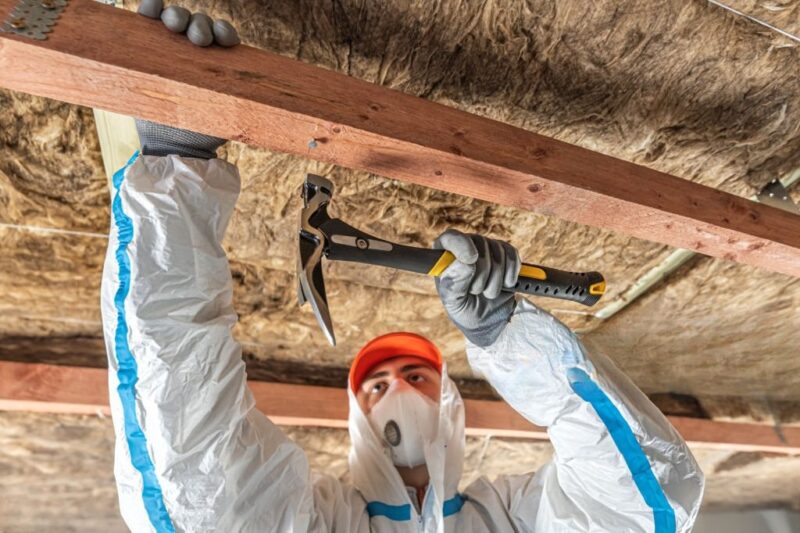



Installing an air conditioning system in a new home is one of the most important steps in creating a comfortable and energy-efficient living space. Unlike retrofitting an existing property, new construction offers the advantage of designing the HVAC system from the ground up. This allows for better planning, proper system sizing, and seamless integration with the home’s layout. A well-installed AC system not only ensures consistent cooling but also improves indoor air quality, reduces energy consumption, and supports long-term performance.
Because air conditioning systems are a major investment, it’s essential to get the installation right from the start. Factors such as home size, insulation, ductwork design, and climate conditions all play a role in determining the best system for your needs. Working with experienced professionals during the construction phase helps prevent costly mistakes and ensures your system is built for efficiency and reliability. This guide will walk you through everything you need to know about AC installation services for new homes, helping you make informed decisions that deliver lasting comfort and value.
Understanding AC Installation for New Homes
Installing an air conditioning system in a new home is a unique opportunity to design a cooling solution that perfectly fits the property’s layout, size, and long-term needs. Unlike upgrading or replacing an existing system, new construction allows for complete control over how the HVAC system is integrated into the home. This ensures better efficiency, improved airflow, and a more seamless installation process from the very beginning.
What Is AC Installation in New Construction
AC installation in new construction refers to the process of designing and installing the HVAC system during the building phase of a home. This includes planning the system layout, installing ductwork, positioning indoor and outdoor units, and integrating the system with the home’s overall design. Because the installation happens before walls and ceilings are completed, it allows for a more efficient and organized setup. Proper integration ensures that airflow is evenly distributed, components are accessible for maintenance, and the system operates efficiently from day one.
Why New Homes Require Professional Planning
New homes require careful HVAC planning to ensure the system is properly sized and positioned. Factors such as square footage, insulation, window placement, and airflow patterns must be considered to determine the correct system capacity. Without professional planning, the system may be oversized or undersized, leading to inefficiency and discomfort. Additionally, poor placement of ducts or equipment can result in uneven cooling and higher energy costs. Working with HVAC professionals during construction helps avoid these issues and prevents costly modifications after the home is completed.
Benefits of Installing AC During Construction
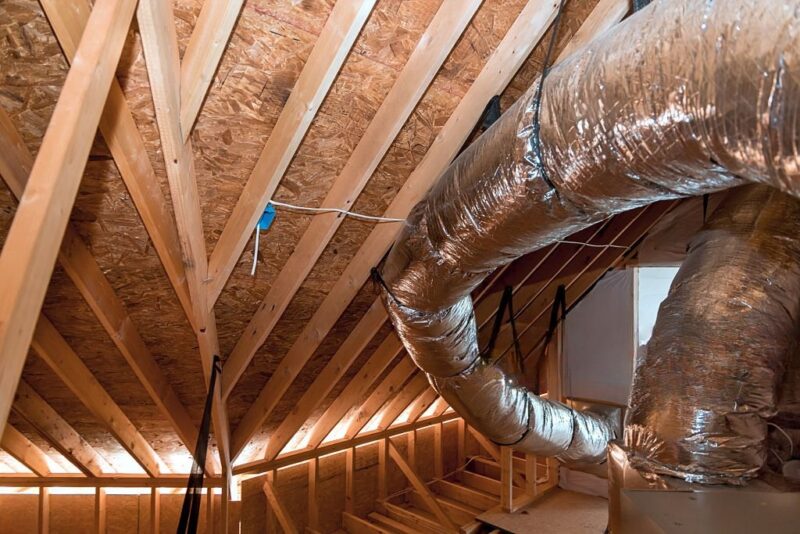
Installing an AC system during construction offers several advantages over retrofitting an existing home. One of the biggest benefits is the ability to install ductwork easily before walls and ceilings are finished, allowing for a cleaner and more efficient setup. This also makes it easier to optimize airflow and system performance. Additionally, early installation ensures that the system is designed specifically for the home, improving energy efficiency and reducing long-term operating costs. By planning ahead, homeowners can enjoy a more reliable, efficient, and well-integrated cooling system.
4 Types of AC Systems for New Homes
1. Central Air Conditioning Systems
Central air conditioning systems are one of the most common and effective solutions for whole-home cooling, especially in larger homes. These systems use a network of ducts to distribute cool air evenly throughout every room, providing consistent temperature control and comfort. In new construction, ductwork can be installed before walls and ceilings are completed, allowing for a more efficient and seamless setup. This ensures optimal airflow and reduces energy loss. Central AC systems can also be enhanced with zoning capabilities, allowing different areas of the home to be cooled independently. With the addition of smart thermostats and high-efficiency components, central systems can deliver both comfort and long-term energy savings.
2. Ductless Mini-Split Systems
Ductless mini-split systems offer a modern and highly flexible alternative to traditional central air systems. These systems consist of multiple indoor units connected to a single outdoor unit, allowing for precise temperature control in individual rooms or zones. This zoned approach is ideal for homeowners who want to customize cooling based on usage patterns, such as keeping certain rooms cooler than others. Ductless systems are especially beneficial for new homes with unique layouts, additions, or areas where ductwork may not be practical. They are also highly energy-efficient, as they eliminate the energy loss associated with ducts. Their compact design, quiet operation, and ability to deliver targeted cooling make them a popular choice for modern, energy-conscious homes.
3. Heat Pumps
Heat pumps are a versatile and energy-efficient option that provides both cooling and heating in a single system. Instead of generating heat, they transfer it, making them more efficient than traditional systems. During the summer, heat pumps remove heat from inside the home and release it outdoors, functioning like a standard air conditioner. In cooler months, they reverse the process to provide heating. This dual functionality makes heat pumps an excellent choice for homeowners looking for a year-round solution. They are particularly effective in moderate climates where extreme heating demands are minimal, allowing homeowners to enjoy efficient performance and reduced energy costs throughout the year.
4. Hybrid HVAC Systems
Hybrid HVAC systems combine the strengths of heat pumps and traditional HVAC systems to create a more adaptable and energy-efficient solution. These systems can switch between different energy sources depending on outdoor temperatures and cooling or heating demands. For example, a hybrid system may use a heat pump during mild conditions for maximum efficiency and switch to a traditional system when more power is needed. This flexibility allows homeowners to optimize energy usage while maintaining consistent comfort. Hybrid systems are ideal for those who want a balance between performance and efficiency, offering a smart solution that adapts to changing conditions and reduces overall energy consumption.
The AC Installation Process for New Homes
Installing an AC system in a new home involves a detailed, step-by-step process designed to ensure optimal performance, efficiency, and long-term reliability. Because the system is being integrated during construction, each stage can be carefully planned to align with the home’s layout and structural design. This allows for better airflow, improved energy efficiency, and a cleaner, more seamless installation compared to retrofitting an existing home. A properly executed installation process not only enhances comfort but also reduces the likelihood of future issues and costly repairs.
1. Initial Planning and System Design
The installation process begins with thorough planning and system design. HVAC professionals perform detailed load calculations to determine the exact cooling capacity required for the home. This involves evaluating factors such as square footage, ceiling height, insulation levels, window placement, sun exposure, and occupancy. Based on this information, the appropriate system size and type are selected. Technicians also plan the placement of indoor and outdoor units to ensure efficient airflow, accessibility for maintenance, and minimal energy loss. Proper planning at this stage is essential for creating a system that delivers consistent comfort and operates efficiently from the start.
2. Ductwork Installation
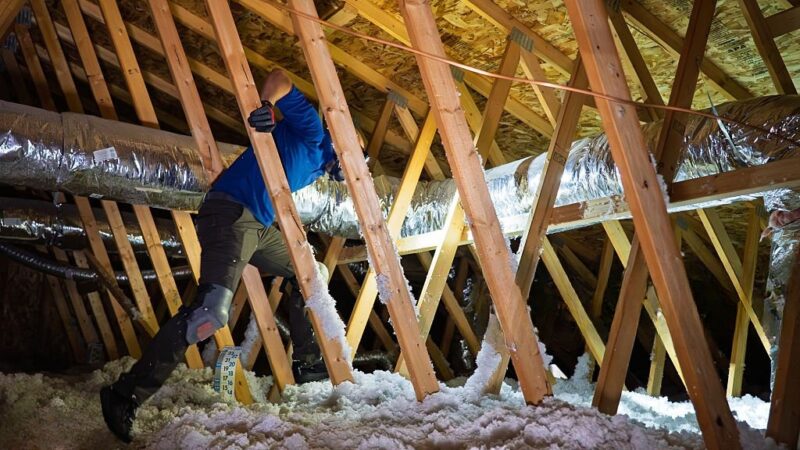
Ductwork installation is a critical phase that typically occurs before drywall is installed, allowing technicians to design and install an efficient network of ducts throughout the home. Proper duct design ensures that cool air is evenly distributed to every room, preventing hot spots and uneven temperatures. This step includes carefully sizing the ducts, sealing connections to prevent air leaks, and positioning vents for optimal airflow. Poorly designed ductwork can lead to energy loss and reduced system performance, so attention to detail during this stage is essential for maximizing efficiency and comfort.
3. Electrical and System Connections
Once the ductwork is in place, the system is connected to the home’s electrical infrastructure. This involves installing wiring, connecting the thermostat, and ensuring all components are properly powered and controlled. Technicians must follow strict safety standards and building codes to ensure the system operates safely and reliably. Proper electrical connections are essential for preventing issues such as system malfunctions, short circuits, or inconsistent performance. This step also includes setting up control systems that allow homeowners to manage temperature settings and system operation effectively.
4. Installing the AC Unit
With the groundwork complete, the indoor and outdoor units are installed. The indoor unit is typically placed in a central location to promote even air distribution, while the outdoor unit is positioned in an area with adequate clearance for airflow and easy access for maintenance. Proper placement is crucial to ensure the system can operate efficiently without obstructions. Technicians also secure all components, connect refrigerant lines, and ensure that the system is properly sealed. This stage is where the system begins to take shape and is prepared for operation.
5. Testing and System Calibration
The final stage of the installation process involves testing and calibrating the system to ensure it operates at peak performance. Technicians check airflow levels, verify refrigerant charge, test electrical components, and ensure the thermostat is functioning correctly. Adjustments are made as needed to optimize system efficiency and performance. This step ensures that the system delivers consistent cooling, maintains proper humidity levels, and operates reliably. Thorough testing and calibration are essential for confirming that the installation has been completed correctly and that the system is ready for long-term use.
4 Factors to Consider Before Installation
1. Home Size and Layout
The size and layout of your home are among the most important factors in determining the right AC system and its capacity. While square footage provides a general guideline, other elements such as ceiling height, room configuration, number of floors, and overall design also play a significant role. Homes with open floor plans may require different airflow strategies compared to homes with multiple enclosed rooms. Additionally, areas with large windows, poor insulation, or high sun exposure may experience greater heat gain, requiring more cooling capacity. Properly assessing these details ensures that the system can distribute air evenly, avoid hot or cold spots, and maintain consistent comfort throughout the home.
2. Energy Efficiency Goals
Energy efficiency is a key consideration, especially in homes where air conditioning will be used frequently. Choosing a system with a higher SEER or SEER2 rating can significantly reduce energy consumption and lower utility bills over time. While high-efficiency systems may come with a higher upfront cost, they often provide better long-term savings and improved performance. Advanced features such as variable-speed compressors, smart thermostats, and zoning capabilities can further enhance efficiency by allowing the system to adjust output based on demand. Setting clear energy efficiency goals helps you select a system that balances performance with cost savings.
3. Climate and Location
Climate and geographic location have a major impact on how your AC system performs. In hot and humid climates, systems need to handle extended cooling periods and effectively remove moisture from the air. Without proper humidity control, indoor spaces can feel uncomfortable and may be prone to issues such as mold and mildew. In contrast, milder climates may allow for systems that prioritize energy efficiency over high cooling capacity. Environmental factors such as coastal conditions, dust, and debris can also affect system durability. Choosing a system designed for your local climate ensures better performance, improved comfort, and longer system lifespan.
4. Budget and Installation Costs
Budget considerations go beyond the initial purchase price of the AC system. Installation costs can vary depending on factors such as system type, home size, ductwork requirements, and labor. Additional components like smart thermostats, zoning systems, or upgraded electrical connections can also add to the total cost. It’s important to balance upfront expenses with long-term value, as investing in a higher-quality, energy-efficient system can lead to lower operating and maintenance costs over time. Planning your budget carefully ensures you get a system that meets your needs without compromising on performance or reliability.
Importance of Proper Ductwork Design
Ductwork plays a critical role in how effectively your AC system performs, especially in a new home where the system can be designed from the ground up. Even the most advanced air conditioning unit cannot deliver optimal results without a well-designed duct system. Proper ductwork ensures that cool air is distributed evenly, energy is used efficiently, and the system operates without unnecessary strain. Investing in high-quality duct design during construction helps prevent common issues such as uneven temperatures, high energy bills, and poor indoor comfort.
Airflow Efficiency
Airflow efficiency is essential for maintaining consistent cooling throughout your home. Properly designed ductwork ensures that air reaches every room in the right amount, preventing hot and cold spots. This involves carefully sizing ducts, placing vents strategically, and ensuring balanced airflow across different areas of the home. Efficient airflow allows the system to operate smoothly, reduces strain on components, and improves overall comfort by maintaining steady temperatures in all living spaces.
Preventing Energy Loss
Poorly designed or improperly sealed ductwork can lead to significant energy loss, reducing system efficiency and increasing utility costs. Air leaks, gaps, or poorly connected ducts can cause cooled air to escape before it reaches its intended destination. Sealing ducts properly and using high-quality materials helps minimize these losses and ensures that the system operates as efficiently as possible. Preventing energy loss not only improves performance but also lowers long-term operating costs.
Custom Design for New Homes
One of the biggest advantages of installing ductwork in a new home is the ability to create a custom design tailored to the property’s layout. HVAC professionals can optimize the placement of ducts and vents based on room size, usage, and airflow requirements. This level of customization ensures that the system delivers balanced cooling and maximum efficiency. By designing the ductwork specifically for the home, you can achieve better performance, improved comfort, and a more reliable HVAC system overall.
4 Benefits of Professional AC Installation Services
Investing in professional AC installation in Port Charlotte is one of the most important decisions you can make when building a new home. While the quality of the equipment matters, how the system is installed has an even greater impact on its overall performance, efficiency, and lifespan. Improper installation can lead to ongoing issues such as uneven cooling, higher energy bills, and frequent breakdowns. Professional installation ensures that every component of the system is properly designed, configured, and tested, giving you a reliable and efficient cooling solution from the very beginning.
1. Proper System Sizing and Setup
One of the key benefits of professional installation is accurate system sizing and proper setup. HVAC professionals perform detailed load calculations to determine the exact capacity needed for your home, taking into account factors such as size, layout, insulation, and climate. This ensures the system is neither too large nor too small, both of which can cause inefficiency and discomfort. In addition to sizing, professionals handle the precise setup of the system, including correct placement of units, proper airflow configuration, and accurate refrigerant levels. This level of precision allows the system to operate efficiently and deliver consistent cooling throughout the home.
2. Compliance with Building Codes
Professional installation ensures that your AC system meets all local building codes and safety regulations. These codes are in place to protect homeowners and ensure that systems operate safely and efficiently. From electrical wiring and refrigerant handling to ductwork installation and ventilation, every aspect must meet specific standards. Experienced HVAC technicians are familiar with these requirements and ensure compliance during installation. This not only reduces safety risks but also helps avoid potential legal issues or costly corrections in the future.
3. Long-Term Reliability and Performance
A professionally installed AC system is built to perform reliably over the long term. Proper installation reduces strain on key components, allowing the system to operate smoothly and efficiently. This minimizes wear and tear, reduces the likelihood of breakdowns, and helps maintain consistent performance. Over time, this translates to fewer repairs, lower maintenance costs, and a longer system lifespan. A well-installed system also maintains better energy efficiency, helping you save on utility bills while enjoying consistent indoor comfort.
4. Warranty Protection
Manufacturer warranties are an important part of protecting your investment, but they often come with specific requirements, including professional installation. If a system is installed incorrectly, the warranty may be voided, leaving you responsible for repair or replacement costs. Professional installation ensures that all manufacturer guidelines are followed, keeping your warranty intact. In addition, many HVAC providers offer service agreements that include regular maintenance and priority support, further protecting your system and helping it perform at its best for years to come.
4 Common Mistakes to Avoid in New Home AC Installation
1. Improper System Sizing
Improper system sizing is one of the most critical mistakes in AC installation. An oversized system may seem like a good choice for faster cooling, but it often leads to short cycling, where the unit turns on and off frequently. This prevents proper humidity removal and creates an uncomfortable indoor environment. It also increases wear and tear on the system, reducing its lifespan. On the other hand, an undersized system will struggle to meet cooling demands, running continuously and consuming excessive energy without effectively cooling the space. This not only leads to higher utility bills but also places unnecessary strain on the system. Accurate sizing through professional load calculations ensures the system operates efficiently and maintains consistent comfort.
2. Poor Ductwork Planning
Ductwork is the backbone of a central AC system, and poor planning can significantly impact performance. Improperly designed ducts can lead to uneven airflow, resulting in hot and cold spots throughout the home. Leaks, gaps, or poorly sealed connections can cause conditioned air to escape, reducing efficiency and increasing energy costs. Additionally, incorrect duct sizing or placement can restrict airflow, forcing the system to work harder. In new construction, there is a unique opportunity to design ductwork that is optimized for the home’s layout. Taking advantage of this ensures better airflow, improved efficiency, and consistent cooling in every room.
3. Skipping Professional Installation
Skipping professional installation or hiring inexperienced contractors can lead to serious performance and safety issues. AC systems require precise setup, including proper system sizing, accurate refrigerant levels, secure electrical connections, and correct airflow configuration. Even small installation errors can result in reduced efficiency, frequent breakdowns, and higher operating costs. In some cases, improper installation can also void manufacturer warranties. Working with experienced HVAC professionals ensures the system is installed correctly, meets industry standards, and performs reliably from the start.
4. Ignoring Future Maintenance Needs
Another common mistake is failing to plan for ongoing maintenance during the installation process. AC systems require regular servicing to maintain efficiency and prevent breakdowns, and poor planning can make maintenance more difficult and expensive. For example, if components are installed in hard-to-reach areas, routine inspections and repairs become more challenging. Ignoring maintenance needs can lead to dirty filters, clogged coils, and reduced airflow, all of which increase energy consumption and the risk of system failure. Designing the system with accessibility in mind and committing to regular maintenance helps ensure long-term performance, lower repair costs, and an extended system lifespan.
Cost of AC Installation for New Homes
The cost of AC installation for a new home can vary widely depending on several factors, including the type of system, the size of the home, and the complexity of the installation. While it’s important to understand the upfront investment, it’s equally important to consider the long-term value that comes with a properly installed and efficient system. Planning your budget carefully helps ensure you get the best performance and reliability without unexpected expenses.
Factors Affecting Installation Costs
Several factors influence the overall cost of AC installation in a new home. The type of system you choose—such as central air, ductless mini-split, or heat pump—plays a major role in determining the price. Larger homes typically require more powerful systems and additional materials, which can increase costs. Installation complexity also matters, especially if the design involves custom ductwork, zoning systems, or advanced features like smart thermostats. Labor, materials, and any additional components needed to complete the installation all contribute to the final cost.
Average Cost Ranges
AC installation costs generally include both equipment and labor, and the total can vary depending on the scope of the project. Basic systems for smaller homes tend to be more affordable, while high-efficiency systems or installations for larger homes may require a higher investment. Additional features such as upgraded ductwork, zoning capabilities, or energy-efficient components can also increase the total cost. Getting a detailed estimate from an HVAC professional is the best way to understand the expected costs for your specific project.
Long-Term Value of Proper Installation
While the upfront cost of AC installation may seem significant, proper installation provides long-term value that can outweigh the initial investment. A well-installed system operates more efficiently, which helps reduce energy consumption and lower utility bills over time. It also minimizes the risk of breakdowns and costly repairs by ensuring all components are set up correctly. Additionally, a properly installed system tends to last longer, delaying the need for replacement. Investing in quality installation ultimately leads to better performance, improved comfort, and greater cost savings in the long run.
Post-Installation Tips for New Homeowners
Once your AC system is installed, proper care and ongoing attention are essential to ensure it continues to perform efficiently and reliably. A new system is a long-term investment, and how you maintain it after installation plays a major role in its lifespan, energy efficiency, and overall performance. By following a few key practices, homeowners can prevent unexpected issues, reduce operating costs, and maintain consistent indoor comfort throughout the year.
9.1 Scheduling Regular Maintenance
Regular AC maintenance in Port Charlotte is one of the most effective ways to keep your AC system running at peak efficiency. Scheduling routine service visits allows HVAC professionals to inspect the system, clean critical components, and identify potential issues before they develop into costly repairs. Maintenance tasks such as replacing air filters, cleaning coils, checking refrigerant levels, and inspecting electrical connections help ensure the system operates smoothly. Consistent maintenance not only improves efficiency and lowers energy bills but also extends the lifespan of the system and helps maintain manufacturer warranty requirements.
Monitoring System Performance
Actively monitoring your AC system’s performance can help you detect early warning signs of potential problems. Pay attention to any changes in airflow, unusual noises, inconsistent temperatures, or increased humidity levels inside your home. A sudden spike in energy bills may also indicate that the system is working harder than it should. Addressing these issues early can prevent minor problems from escalating into major repairs. Regular observation helps ensure your system continues to deliver reliable cooling and maintain a comfortable indoor environment.
Setting Up Smart Thermostats
Installing and properly configuring a smart thermostat can significantly enhance your system’s efficiency and convenience. Smart thermostats allow you to automate temperature settings based on your daily routine, ensuring the system operates only when needed. Features such as remote access, energy usage tracking, and programmable schedules give you greater control over your home’s cooling. By optimizing how your AC system runs, smart thermostats help reduce energy waste, lower utility bills, and maintain consistent comfort. Over time, this added level of control can lead to noticeable savings and improved system performance.
FAQs About AC Installation
When should AC be installed in a new home?
AC systems are typically installed during the construction phase, before walls, ceilings, and finishes are completed. This stage allows HVAC professionals to properly design the system, install ductwork, and position all components without structural limitations. Installing the system early ensures seamless integration with the home’s layout and prevents the need for costly adjustments later. Planning AC installation during construction also allows for better airflow design and improved overall system efficiency.
What type of AC system is best for new construction?
The best AC system for new construction depends on the home’s size, layout, climate, and energy efficiency goals. Central air conditioning systems are a popular choice for whole-home cooling, especially in larger homes where ductwork can be installed during construction. Ductless mini-split systems are ideal for homes that require zoned cooling or have unique layouts. Heat pumps are also a great option, offering both cooling and heating in one efficient system. Choosing the right system involves balancing comfort, efficiency, and long-term performance based on your specific needs.
How long does AC installation take?
The timeline for AC installation in a new home varies depending on the size of the home and the complexity of the system. Because installation is completed in stages, it is typically coordinated with the construction process. Ductwork installation usually occurs early, followed by system setup and final connections later in the build. Overall, the process can take anywhere from a few days to several weeks. Proper planning and coordination with contractors help ensure the installation is completed efficiently without delays.
Do new homes need ductwork installed?
Whether a new home needs ductwork depends on the type of AC system being installed. Central air conditioning systems require a network of ducts to distribute air throughout the home, making ductwork an essential component. Installing ducts during construction is more efficient and allows for a cleaner, more optimized design. However, if you choose a ductless system, ductwork is not required. Each option has its advantages, and the decision depends on your home’s layout and cooling preferences.
How much does AC installation cost for a new home?
The cost of AC installation for a new home can vary significantly based on several factors, including the type of system, home size, efficiency level, and installation complexity. Costs typically include equipment, labor, ductwork, and additional components such as thermostats or zoning systems. Larger homes and high-efficiency systems generally require a higher investment. While the upfront cost may seem significant, a properly installed system can provide long-term savings through improved energy efficiency and reduced maintenance needs.
Can I upgrade my AC system later?
Yes, it is possible to upgrade your AC system after installation, but it is often more cost-effective to choose the right system during the initial construction phase. Upgrades may require modifications to ductwork, electrical systems, or system components, which can increase costs and complexity. Planning ahead allows you to install a system that meets both current and future needs, reducing the likelihood of expensive upgrades later on. However, if your needs change, many systems can still be enhanced with new features or improved components.
Why is professional installation important?
Professional installation is crucial for ensuring your AC system operates efficiently, safely, and reliably. HVAC professionals have the expertise to perform accurate load calculations, properly size the system, and install all components according to industry standards and building codes. Improper installation can lead to issues such as poor airflow, reduced efficiency, higher energy costs, and increased risk of system failure. Additionally, many manufacturer warranties require professional installation to remain valid. Investing in expert installation helps protect your system, improve performance, and ensure long-term comfort.
Don’t Just Build—Build It Cool!
Installing the right AC system in your new home is a crucial step in ensuring long-term comfort, energy efficiency, and reliable performance. From proper system selection and sizing to professional installation and well-designed ductwork, every detail plays a role in how effectively your system will operate. By planning ahead and working with experienced professionals, you can avoid common mistakes, reduce energy costs, and create a comfortable indoor environment that meets your needs for years to come.
If you’re building a new home and want your AC system done right from the start, Dale’s AC is a reliable HVAC company in Port Charlotte and we’re here to help you every step of the way. We’ll guide you through system selection, ensure proper sizing, regular AC replacement in Port Charlotte, reliable air conditioning repair in Port Charlotte, residential HVAC services in Port Charlotte and installation , and make sure everything is set up for maximum efficiency and performance. Whether you’re planning ahead or ready to install, call us at (941) 629-1712 or contact us and let’s create a cooling solution that keeps your home comfortable, efficient, and built to last.