

Air conditioning is one of the most important systems in any rental property, especially in Florida where heat and humidity can quickly make indoor spaces uncomfortable. Whether managing a single-family rental home, multi-unit property, vacation rental, or apartment complex, reliable AC performance plays a major role in tenant satisfaction, energy efficiency, property value, and long-term maintenance costs. When cooling systems are neglected, small HVAC issues can quickly turn into expensive repairs, emergency service calls, unhappy tenants, and even shortened equipment lifespan.
Professional AC services for rental properties help landlords and property managers stay ahead of breakdowns while protecting both the property and the tenant experience. Regular maintenance, fast repairs, airflow improvements, thermostat management, and system inspections can help reduce unexpected HVAC problems and keep cooling systems running more efficiently throughout the year. For rental property owners in Port Charlotte and surrounding Florida areas, proactive AC care is especially important because heavy cooling demands, humidity, and constant system use can place extra strain on HVAC equipment over time.
Why Reliable AC Services Matter for Rental Properties
Reliable AC services are essential for rental properties because cooling affects tenant comfort, property condition, maintenance costs, and overall rental value. In Florida, air conditioning is not just a convenience. It is a major part of keeping indoor spaces livable during long periods of heat and humidity. When an AC system fails, tenants may become frustrated quickly, emergency repair costs can rise, and property managers may have to deal with avoidable complaints. Routine AC service helps keep systems running efficiently, reduces surprise breakdowns, and supports a better rental experience for both owners and tenants.
Tenant Comfort and Satisfaction
Comfortable tenants are more likely to stay satisfied with the property and report fewer ongoing concerns. A properly working AC system helps maintain steady indoor temperatures, reduce humidity, and support better airflow throughout the rental home or unit. When tenants can rely on the cooling system, they are less likely to experience discomfort during hot weather or submit repeated maintenance requests. For landlords and property managers, dependable AC performance can help improve tenant relationships and support long-term occupancy.
Preventing Emergency HVAC Breakdowns
Emergency AC breakdowns can be costly, stressful, and disruptive for everyone involved. In rental properties, a sudden cooling failure often requires fast scheduling, tenant coordination, and urgent repair service, especially during Florida’s peak cooling season. Preventive AC maintenance helps catch issues like dirty coils, clogged drain lines, worn electrical parts, weak capacitors, and low refrigerant before they turn into full system failures. By staying ahead of problems, property owners can reduce emergency repair costs and avoid last-minute service calls.
Protecting Property Value Over Time
A well-maintained HVAC system helps protect the long-term value of a rental property. When AC systems are neglected, they can develop moisture problems, poor humidity control, water leaks, airflow issues, and higher energy use. These problems may affect flooring, ceilings, walls, indoor air quality, and tenant comfort. Regular AC service helps preserve equipment performance, extend system lifespan, and reduce the risk of damage caused by leaks or humidity. For rental owners, HVAC care is part of protecting the property as a long-term investment.
Why Florida Rentals Depend on Consistent Cooling
Florida rental properties depend on consistent cooling because heat and humidity can place heavy demands on HVAC systems for much of the year. An AC system that might only run seasonally in another state may operate almost daily in Florida, especially during long summer months. This constant use increases wear on components and makes maintenance even more important. Reliable AC service helps ensure rental properties stay cool, dry, and comfortable while reducing the risk of tenant complaints, emergency breakdowns, and avoidable system strain.
6 Common AC Problems in Rental Properties
1. Dirty Air Filters From Missed Maintenance
Dirty air filters are one of the most common AC problems in rental homes. Tenants may forget to replace filters, use the wrong filter size, or not realize how much a clogged filter affects cooling performance. When filters become packed with dust, pet hair, and debris, airflow is restricted and the system has to work harder to cool the property. This can lead to weak airflow, frozen coils, higher energy bills, poor indoor air quality, and more frequent maintenance calls. Setting a filter replacement schedule or including filter changes in routine service can help prevent these issues.
2. Uneven Cooling Between Rooms or Units
Uneven cooling is another common complaint in rental properties, especially in older homes, multi-story layouts, or multi-unit buildings. Some rooms may stay warmer because of duct leaks, poor insulation, blocked vents, sun exposure, or an HVAC system that is not properly sized for the space. In multi-unit rentals, one unit may feel comfortable while another struggles to cool during peak heat. Addressing uneven cooling early can help reduce tenant frustration and prevent unnecessary thermostat changes that overwork the system.
3. Frequent Thermostat Misuse
Thermostat misuse can reduce AC efficiency and increase system strain. Tenants may set the thermostat extremely low, constantly change temperatures, turn the system off completely during hot weather, or use settings that create longer run times than necessary. In Florida’s humid climate, improper thermostat use can also make humidity problems worse. Programmable or smart thermostats can help create more consistent cooling habits, especially in vacation rentals or properties where owners want better control over comfort settings and energy use.
4. Overworked Systems During Peak Summer Months
During Florida’s hottest months, rental property AC systems may run almost constantly to maintain indoor comfort. If the system is dirty, aging, undersized, or poorly maintained, peak summer demand can push it beyond normal operating limits. This may lead to short cycling, frozen coils, weak cooling, electrical failures, or complete breakdowns. Preventive maintenance before peak cooling season helps reduce the risk of emergency repair calls and keeps systems better prepared for heavy use.
5. Drain Line Clogs and Humidity Issues
Condensate drain lines can clog when algae, dirt, and debris build up over time. In humid Florida rentals, AC systems remove a lot of moisture from the air, which makes proper drainage especially important. A clogged drain line can cause water leaks, musty odors, system shutdowns, or moisture damage around the air handler. Poor humidity control can also make the property feel uncomfortable even when the temperature is set correctly. Routine drain line cleaning helps protect both comfort and property conditions.
6. Aging HVAC Equipment in Older Rental Homes
Older rental homes may have aging HVAC systems that struggle to keep up with modern comfort expectations and Florida’s cooling demands. As equipment gets older, it may lose efficiency, require more frequent repairs, produce weaker airflow, and have trouble managing humidity. Older systems can also create higher operating costs and more tenant complaints if they break down often. Regular inspections can help property owners decide whether continued repairs make sense or whether a planned replacement would provide better long-term value.
Essential AC Maintenance Services for Rental Properties
Regular AC maintenance in Port Charlotte is one of the most important ways to protect rental properties from costly breakdowns, tenant complaints, and rising energy costs. In Florida, where cooling systems often run for much of the year, HVAC equipment in rental homes experiences heavy wear from constant use, humidity, and changing tenant habits. Preventive maintenance services help keep systems running efficiently, improve indoor comfort, and reduce the likelihood of emergency repair calls during peak summer heat. For landlords and property managers, consistent maintenance can also help extend system lifespan and protect long-term property value.
Seasonal HVAC Tune-Ups
Seasonal HVAC tune-ups help prepare rental property AC systems for heavy cooling demand before the hottest months arrive. During a tune-up, technicians inspect system performance, clean important components, check airflow, test cooling operation, and identify small issues before they become expensive repairs. Seasonal maintenance helps reduce breakdown risks, improve energy efficiency, and support more reliable tenant comfort throughout the cooling season. For rental properties with frequent occupancy turnover or heavy AC usage, regular tune-ups are especially valuable.
Air Filter Replacement Programs
Air filter replacement is one of the most commonly overlooked maintenance tasks in rental properties. Dirty filters restrict airflow, reduce cooling efficiency, increase strain on the system, and contribute to poor indoor air quality. Since tenants may forget or avoid replacing filters regularly, many property owners benefit from scheduled filter replacement programs. Routine filter changes help keep airflow strong, reduce dust buildup inside the HVAC system, and lower the risk of frozen coils or weak cooling complaints.
Refrigerant Level Checks
Proper refrigerant levels are essential for effective cooling performance. If refrigerant is low, the AC may struggle to cool the property, run longer than necessary, or develop frozen evaporator coils. Low refrigerant can also indicate a leak that needs professional repair. During maintenance visits, technicians can check refrigerant pressures and verify that the system is operating within proper specifications. Catching refrigerant problems early helps reduce system strain and prevents more serious cooling issues later.
Electrical System Inspections
Rental property HVAC systems rely on electrical components such as capacitors, contactors, relays, wiring, and breakers to operate safely and reliably. Over time, these components can wear down from constant use, heat exposure, or power fluctuations. Electrical inspections help identify loose connections, damaged wiring, weak capacitors, or other problems before they lead to system failure. Preventive electrical maintenance helps reduce unexpected breakdowns and improves overall HVAC reliability for tenants.
Condensate Drain Cleaning
Florida AC systems remove large amounts of moisture from indoor air, which means condensate drain lines can clog over time with algae, dirt, and debris. A blocked drain line may cause water leaks, musty odors, excess humidity, or system shutdowns if safety switches activate. Drain line cleaning is an important maintenance step for rental properties because it helps prevent water damage, moisture problems, and tenant complaints related to indoor comfort or odors.
Thermostat Testing and Calibration
Thermostat problems can lead to uneven cooling, short cycling, inaccurate temperature readings, and unnecessary energy use. In rental properties, thermostats may also experience extra wear from frequent adjustments by different tenants. Testing and calibrating thermostats during maintenance visits helps ensure the AC system responds correctly to temperature settings and maintains more consistent indoor comfort. Smart or programmable thermostat checks can also help verify schedules, battery condition, and communication with the HVAC system.
AC Repair Services Rental Properties Commonly Need
Rental property AC systems often experience more wear than systems in owner-occupied homes because they may run frequently, serve different tenant habits, and receive inconsistent day-to-day care. When problems appear, fast repair service is important for protecting tenant comfort, preventing repeat complaints, and avoiding larger system damage. For Florida rental properties, where dependable cooling is essential during long periods of heat and humidity, common AC repairs often involve cooling performance, airflow, frozen coils, refrigerant issues, electrical parts, and thermostat operation.
AC Not Cooling Properly
One of the most common repair calls for rental properties is an AC system that runs but does not cool the home properly. This may be caused by dirty filters, low refrigerant, clogged coils, blocked vents, duct leaks, thermostat issues, or aging equipment. Tenants may report that the system is blowing warm air, taking too long to cool, or never reaching the thermostat setting. Prompt diagnosis helps identify whether the issue is a simple maintenance problem or a deeper repair concern that could lead to higher energy use and tenant dissatisfaction.
Weak Airflow Problems
Weak airflow can make a rental property feel uncomfortable even when the AC is technically running. Common causes include clogged filters, blocked vents, dirty blower components, duct leaks, damaged ductwork, or blower motor problems. In rental homes, airflow issues may also develop when furniture or belongings block vents and returns. If airflow remains weak after basic filter and vent checks, a professional inspection can help locate hidden problems and restore better cooling distribution throughout the property.
Frozen Evaporator Coils
Frozen evaporator coils can cause the AC to blow warm air, leak water as the ice melts, or stop cooling effectively. This issue is often linked to restricted airflow, dirty filters, low refrigerant, dirty coils, or blower fan problems. In rental properties, frozen coils can happen when filter changes are missed or when tenants continue running the system despite weak airflow. Because frozen coils can strain the compressor and lead to water damage, they should be addressed quickly by an HVAC professional.
Refrigerant Leaks
Refrigerant leaks reduce cooling performance and can cause longer run times, frozen coils, warm air from vents, and higher energy bills. Low refrigerant is not a normal maintenance issue. It usually means there is a leak that needs to be located and repaired. Rental property owners should avoid temporary fixes that only recharge the system without addressing the leak. A licensed HVAC technician can inspect the system, repair the leak when possible, and recharge the system to the correct level so the AC can cool safely and efficiently.
Electrical and Capacitor Failures
Electrical and capacitor problems are common in AC systems that run heavily during Florida’s hottest months. Capacitors help motors start and run, while contactors, relays, wiring, and other electrical components keep the system operating correctly. When these parts fail, the AC may not turn on, may hum without starting, may shut off unexpectedly, or may trip breakers. Because electrical repairs can be hazardous, they should always be handled by a qualified HVAC technician. Quick repair can help prevent additional damage and restore cooling for tenants faster.
Thermostat Malfunctions
Thermostat issues can create confusing comfort problems in rental properties. A thermostat may be miscalibrated, poorly placed, low on battery power, incorrectly programmed, or damaged from frequent use. Tenants may report uneven cooling, short cycling, or an AC system that does not respond to temperature changes. Testing and recalibrating the thermostat can help determine whether the problem is with the control device or the HVAC equipment itself. In some cases, upgrading to a programmable or smart thermostat can improve consistency and reduce misuse.
6 Signs a Rental Property AC System Needs Immediate Attention
1. Rising Energy Bills Between Tenants
Unexpected increases in energy bills between tenant occupancies may point to hidden HVAC efficiency problems. Dirty coils, clogged filters, refrigerant issues, duct leaks, thermostat problems, or aging components can all force the AC system to run longer than necessary. If utility usage rises even when occupancy is low or similar to previous tenants, the HVAC system may need inspection and maintenance. Addressing efficiency issues early can help lower operating costs and reduce strain on the equipment.
2. Warm Air Coming From Vents
Warm or weakly cooled air from vents is one of the clearest signs that the AC system needs attention. This may be caused by refrigerant problems, airflow restrictions, dirty coils, frozen evaporator coils, thermostat malfunctions, or compressor issues. In rental properties, tenants may notice rooms taking longer to cool or the thermostat never reaching the desired setting. Prompt repairs help restore comfort and prevent additional wear on the system from extended runtime.
3. Strange Noises or Odors
Unusual noises or odors should never be ignored because they may signal mechanical or electrical problems inside the HVAC system. Banging, buzzing, squealing, grinding, or rattling sounds can point to failing motors, loose components, worn belts, or electrical issues. Musty odors may indicate mold, mildew, or moisture problems, while burning smells can suggest overheating electrical parts. Quick inspection helps identify whether the issue is minor maintenance or a more serious repair concern that could affect tenant safety and comfort.
4. Excess Humidity Indoors
An AC system should help remove moisture from indoor air while cooling the property. If tenants report sticky air, condensation, musty smells, or rooms feeling humid despite the AC running, the system may not be dehumidifying properly. Excess humidity can result from clogged drain lines, airflow restrictions, oversized systems, refrigerant issues, or poor ventilation. In Florida rentals, controlling humidity is especially important because moisture problems can affect comfort, indoor air quality, and even property materials over time.
5. Water Leaks Around the HVAC System
Water leaks near the air handler or indoor HVAC components often indicate clogged condensate drain lines, frozen coils, drain pan issues, or excess moisture buildup. Left untreated, these leaks can damage flooring, drywall, ceilings, and surrounding property materials. In rental homes and multi-unit properties, water leaks can also create tenant complaints and potential mold concerns. Immediate service helps identify the source of the leak and prevent larger moisture-related damage.
6. Frequent AC Cycling or Constant Runtime
An AC system that turns on and off constantly or runs nonstop without maintaining comfort may have airflow problems, thermostat issues, refrigerant concerns, dirty components, or incorrect system sizing. Frequent cycling increases wear on HVAC components and may shorten equipment lifespan over time. Constant runtime can also lead to higher utility bills and reduced cooling performance. If tenants report that the AC never seems to shut off or constantly restarts, professional diagnostics can help determine the underlying cause before the problem worsens.
5 AC Efficiency Tips for Rental Property Owners
1. Upgrade to Programmable or Smart Thermostats
Programmable or smart thermostats can help rental property owners reduce unnecessary AC runtime and improve temperature control. These thermostats allow preset schedules, temperature limits, remote access, and more consistent cooling habits depending on the model. For vacation rentals or properties with frequent turnover, smart thermostats can be especially helpful because owners or property managers may be able to monitor and adjust settings remotely. This helps prevent overcooling, reduces energy waste, and supports a more comfortable tenant experience.
2. Improve Airflow With Clean Filters and Ducts
Good airflow is essential for efficient AC performance. Dirty filters, blocked vents, and dusty ductwork can restrict airflow and force the system to work harder than necessary. Rental property owners should establish a clear filter replacement schedule and inspect ductwork when tenants report weak airflow, uneven cooling, or high energy use. Clean filters and well-maintained ducts help cooled air move more effectively throughout the property, improving comfort while reducing strain on the HVAC system.
3. Seal Air Leaks Around Doors and Windows
Air leaks around doors, windows, attic access points, and other openings allow hot, humid outdoor air to enter the property while cooled air escapes. In Florida rentals, this can increase cooling demand and make the AC run longer than needed. Weatherstripping, caulking, door sweeps, and basic home sealing improvements can help reduce wasted energy. A tighter building envelope helps tenants stay comfortable while allowing the AC system to maintain temperature more efficiently.
4. Maintain Attic Insulation in Florida Homes
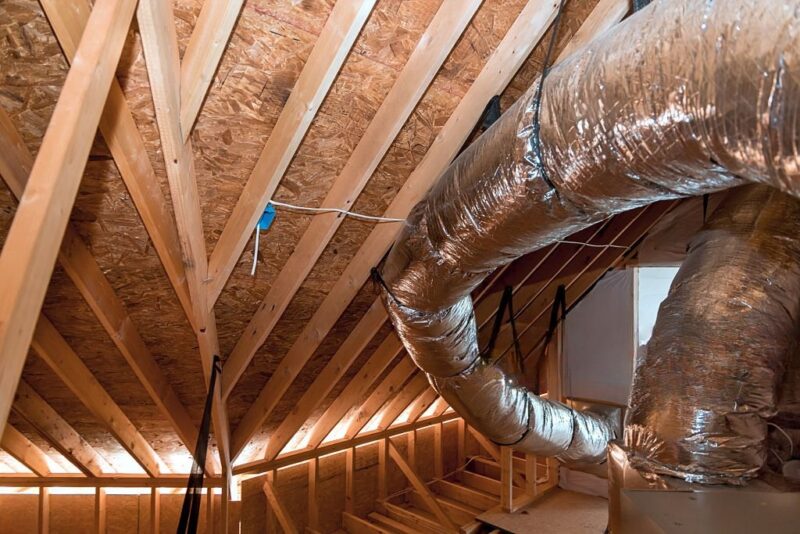
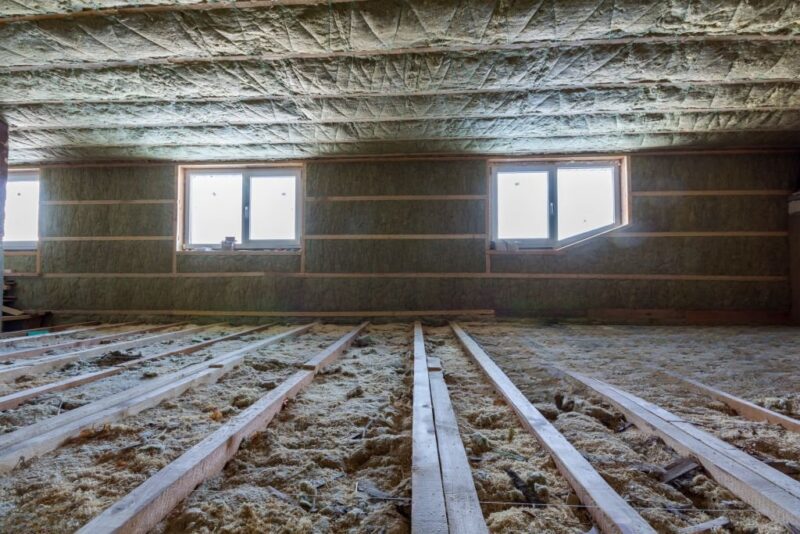
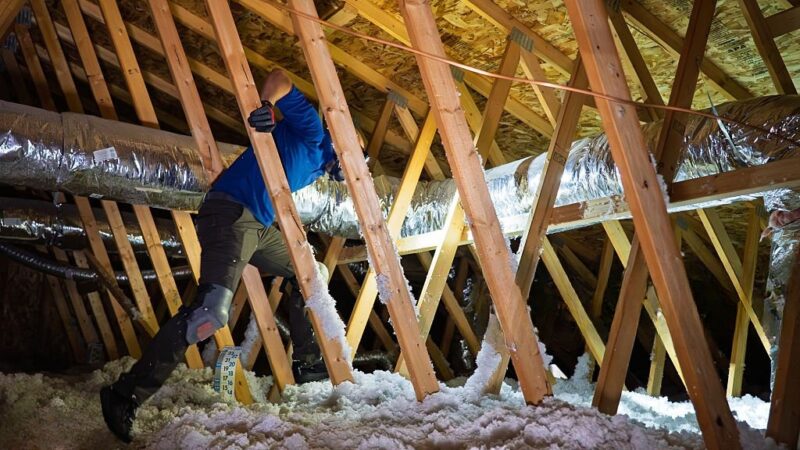
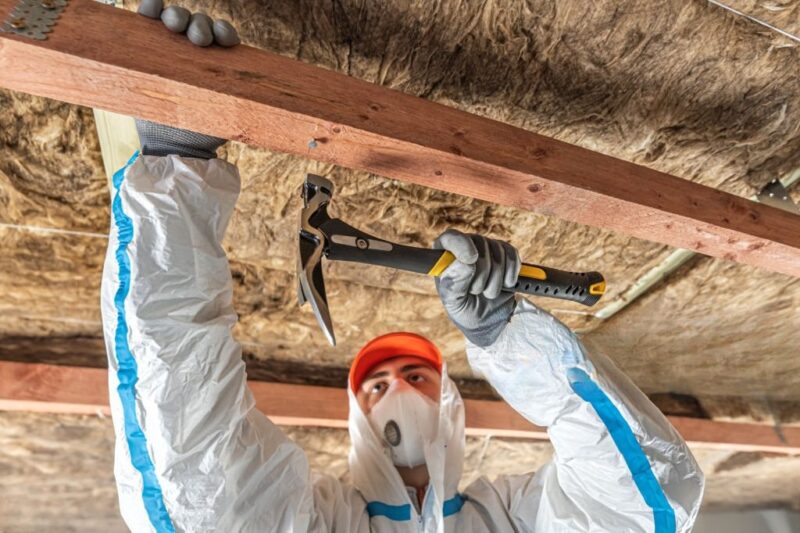
Attic insulation in Port Charlotte plays a major role in cooling efficiency, especially in Florida where attic spaces can trap intense heat. If insulation is thin, damaged, or uneven, heat can transfer into the living space and force the AC to work harder. Rental property owners should have attic insulation inspected periodically, especially in older homes or properties with persistent cooling complaints. Maintaining proper insulation can improve indoor comfort, reduce AC runtime, and help lower cooling costs over time.
5. Encourage Tenants to Use Thermostats Properly
Tenant thermostat habits can have a major impact on AC efficiency. Setting the thermostat too low, constantly changing temperatures, or turning the system off completely during hot and humid weather can increase energy use and strain the system. Property owners can help by providing simple thermostat guidelines, explaining reasonable cooling settings, and reminding tenants to keep doors and windows closed while the AC is running. Clear communication helps tenants stay comfortable while protecting the HVAC system from unnecessary wear.
HVAC Considerations for Multi-Unit Rental Properties
Managing HVAC systems in multi-unit rental properties requires more planning than maintaining a single rental home. Each unit may have different cooling demands, tenant habits, sun exposure, insulation levels, and maintenance needs. In Florida, where AC systems work heavily through heat and humidity, property managers must stay proactive to prevent comfort complaints, high energy use, and unexpected breakdowns across multiple units. A clear maintenance plan, responsive repair process, and reliable HVAC partner can help keep tenants comfortable while protecting the property owner’s investment.
Managing Cooling Across Multiple Units
Cooling multiple rental units can be challenging because each space may respond differently to Florida’s climate. Upstairs units, corner units, sun-facing rooms, and older sections of a property may stay warmer than other areas. Property managers should monitor repeated cooling complaints, energy usage changes, and maintenance patterns across units to identify recurring HVAC issues. Regular inspections can help determine whether problems are caused by dirty filters, duct leaks, aging equipment, poor insulation, or tenant usage habits.
Shared vs Individual HVAC Systems
Multi-unit properties may use either shared HVAC systems or individual systems for each unit. Shared systems can simplify some maintenance tasks but may create challenges when one issue affects multiple tenants at once. Individual systems give each tenant more control over their own comfort but require separate maintenance schedules, equipment tracking, and repair records for every unit. Understanding the setup helps property managers plan service more efficiently, respond to problems faster, and budget for future repairs or replacements.
Preventing Uneven Cooling Complaints
Uneven cooling is one of the most common HVAC complaints in multi-unit properties. Tenants may report warm bedrooms, weak airflow, humid rooms, or spaces that never reach the thermostat setting. These issues can come from blocked vents, dirty filters, ductwork problems, thermostat placement, poor insulation, or undersized equipment. Preventive maintenance, airflow checks, duct inspections, and proper thermostat calibration can help reduce comfort complaints and create more consistent cooling across rental units.
Coordinating Maintenance With Tenant Schedules
Scheduling HVAC maintenance in multi-unit rentals requires clear communication with tenants. Property managers should provide notice ahead of inspections, filter changes, tune-ups, and repairs so tenants know when technicians will need access. Coordinating service visits by building, floor, or unit group can make maintenance more efficient and reduce disruption. A planned schedule also helps ensure no unit is skipped, which is especially important before Florida’s peak cooling season.
Importance of Fast Service Response Times
Fast HVAC response times are critical in multi-unit rental properties because cooling problems can quickly affect tenant comfort and satisfaction. A delayed repair during Florida heat can lead to repeated complaints, emergency requests, and potential property damage if water leaks or humidity issues are involved. Working with a dependable HVAC company helps property managers respond quickly, prioritize urgent problems, and restore comfort before small issues become larger repairs.
AC Services for Vacation Rentals and Short-Term Rentals
Vacation rentals and short-term rentals often place heavier demands on AC systems because guests may use the property differently from long-term tenants or homeowners. Some guests lower the thermostat aggressively, leave doors open, adjust settings frequently, or run the system nonstop during their stay. In Florida, where heat and humidity are major comfort concerns, reliable cooling can strongly influence guest satisfaction, property reviews, and repeat bookings. Proactive AC service helps prevent last-minute problems and keeps the property ready for every arrival.
Higher Cooling Demands From Frequent Occupancy
Short-term rentals often experience frequent guest turnover, varying occupancy levels, and inconsistent thermostat habits. One group may use the AC lightly, while the next may run it continuously at a much lower setting. More people in the home can also add body heat, increase door traffic, and raise humidity levels from showers, cooking, and laundry. These changing conditions can make the AC work harder, especially during Florida’s peak cooling season. Regular inspections and maintenance help ensure the system can handle these demands without struggling.
Importance of Routine Filter Changes
Routine filter changes are especially important in vacation rentals because different guests bring different levels of dust, luggage debris, pet dander, and indoor activity. A clogged filter can quickly reduce airflow, increase energy use, and make the property feel less comfortable. Since owners may not be on-site every day, filter changes should be built into the turnover or maintenance schedule. Clean filters help protect the system, improve indoor air quality, and reduce the risk of weak airflow or frozen coils during guest stays.
Preventing Last-Minute Guest Complaints
A cooling problem during a guest stay can quickly turn into a poor experience, urgent service request, or negative review. Guests expect the property to be comfortable when they arrive, especially in Florida’s heat. Preventive AC service helps reduce the chance of unexpected breakdowns, water leaks, thermostat issues, and poor cooling performance. Scheduling regular tune-ups and addressing warning signs early can help property owners avoid stressful last-minute complaints and keep the rental guest-ready.
Smart Thermostats for Remote Monitoring
Smart thermostats can be useful for vacation rentals because they allow owners or property managers to monitor and adjust temperature settings remotely. Depending on the model, smart thermostats may provide scheduling, occupancy-based adjustments, temperature limits, humidity readings, and alerts if indoor temperatures rise unexpectedly. This can help prevent guests from overcooling the property while still maintaining comfort. Remote access also allows managers to pre-cool the rental before check-in and adjust settings after checkout to reduce wasted energy.
Scheduling Maintenance Between Guest Stays
Maintenance timing is important for short-term rentals because service needs to be completed without disrupting guests. Scheduling AC inspections, filter changes, drain line cleaning, and thermostat checks between stays helps keep the property ready while avoiding access conflicts. This is also a good time to listen for unusual noises, check for water near the air handler, confirm proper cooling, and make sure vents are not blocked. A consistent between-stay HVAC checklist can help owners catch small issues before the next guest arrives.
Choosing Energy-Efficient AC Solutions for Rental Properties
Choosing energy-efficient AC solutions for rental properties can help owners reduce operating costs, improve tenant comfort, and protect long-term property value. In Florida, where cooling systems often run for much of the year, efficiency should be part of every HVAC decision, whether you are maintaining an existing system, replacing aging equipment, or adding cooling to a smaller rental space. The best solution depends on the property layout, tenant needs, system age, energy usage, and long-term return on investment.
When HVAC Replacement Makes Sense
AC replacement in Port Charlotte may make sense when an existing system is old, unreliable, inefficient, or requiring frequent repairs. If repair costs continue to rise, tenants repeatedly complain about poor cooling, or energy bills are increasing despite regular maintenance, a replacement may provide better long-term value than continuing to fix aging equipment. For rental property owners, planned replacement is often better than waiting for a complete breakdown during peak summer heat, when emergency service can disrupt tenants and create added stress.
Energy-Efficient Central AC Systems
Energy-efficient central AC systems are a strong option for rental homes that already have properly designed ductwork. Modern central air systems can provide whole-property cooling, better humidity control, quieter operation, and improved energy performance compared to older units. For single-family rentals and larger rental homes, a properly sized central AC system can help maintain consistent comfort throughout the property. Professional installation is important because even a high-efficiency unit can underperform if it is incorrectly sized or connected to leaky ductwork.
Ductless Mini-Splits for Smaller Rental Units
Ductless mini-splits can be a practical solution for smaller rental units, garage apartments, additions, studios, guest suites, and older properties without existing ductwork. These systems provide targeted cooling without requiring major duct installation, making them flexible for properties where traditional central air is not practical. Mini-splits also allow room-by-room temperature control, which can help reduce wasted energy in smaller spaces or areas that are not used constantly. For landlords, ductless systems can be a smart way to improve comfort without a major renovation.
SEER2 Ratings and Long-Term Savings
SEER2 ratings help property owners compare cooling efficiency when choosing new AC equipment. A higher SEER2 rating generally means the system can provide cooling using less energy, which may lower operating costs over time. In rental properties where the AC runs frequently, especially in Florida, those efficiency gains can become more valuable year after year. However, SEER2 should not be the only factor in the decision. Proper sizing, ductwork condition, installation quality, maintenance, and tenant usage habits all affect real-world savings.
Balancing Upfront Costs and Long-Term ROI
Energy-efficient HVAC equipment often costs more upfront, but it can provide better long-term return through lower energy use, fewer repairs, improved tenant satisfaction, and stronger property value. Rental property owners should consider both the immediate installation cost and the total cost of ownership over the system’s lifespan. A slightly higher investment in efficient, properly installed equipment may reduce emergency repair risks and tenant complaints while supporting more reliable cooling. For Florida rentals, balancing upfront cost with long-term performance is key to making a smart HVAC decision.
5 Common HVAC Mistakes Rental Property Owners Should Avoid
1. Delaying Small Repairs
Small HVAC problems rarely stay small for long. A minor refrigerant issue, weak capacitor, clogged drain line, strange noise, or airflow concern can turn into a larger repair if it is ignored. In rental properties, delayed repairs can also create tenant frustration and repeated maintenance requests. Addressing problems early helps reduce repair costs, prevent system damage, and keep tenants comfortable during hot weather.
2. Skipping Preventive Maintenance
Skipping preventive maintenance is one of the most expensive mistakes rental property owners can make. Without regular tune-ups, dirty coils, clogged filters, worn electrical parts, and drain line issues may go unnoticed until the system breaks down. Seasonal maintenance helps keep the AC efficient, reliable, and ready for Florida’s long cooling season. It also gives property owners better records of system care, which can help with planning repairs or replacements.
3. Ignoring Airflow and Humidity Problems
Weak airflow and excess humidity are warning signs that the HVAC system may not be performing properly. Poor airflow can come from dirty filters, blocked vents, leaky ducts, or blower issues, while humidity problems may point to sizing, drainage, refrigerant, or ventilation concerns. In Florida rentals, ignoring these issues can make the property feel uncomfortable even when the AC is running. Prompt inspection helps prevent tenant complaints and protects indoor comfort.
4. Using Cheap Filters That Restrict Airflow
Choosing the wrong filter can hurt HVAC performance. Some low-cost filters may not protect indoor air quality well, while overly restrictive filters can reduce airflow if the system is not designed for them. Rental property owners should use filters that match the HVAC system’s requirements and replace them on a consistent schedule. The right filter helps protect the equipment, support cleaner air, and maintain efficient airflow.
5. Waiting Until Complete System Failure
Waiting until the AC completely fails can lead to emergency repair costs, unhappy tenants, and rushed replacement decisions. In Florida, a failed AC system can quickly become a major comfort issue. Property owners should monitor system age, repair history, energy use, and tenant complaints to decide when repairs are still worthwhile and when replacement planning makes more sense. Proactive decisions help avoid last-minute stress and protect long-term property value.
Professional AC Services for Rental Properties in Port Charlotte, FL
Professional AC services help rental property owners and managers keep cooling systems efficient, reliable, and ready for Florida’s demanding climate. In Port Charlotte, rental properties depend on consistent air conditioning to maintain tenant comfort, reduce emergency repair calls, and protect the long-term value of the property. Dale’s AC provides practical HVAC support for rental homes, multi-unit properties, and short-term rentals, helping owners stay ahead of maintenance issues before they turn into costly disruptions.
Preventive Maintenance Plans for Rental Homes
Preventive maintenance plans make it easier to keep rental property AC systems on schedule. Regular tune-ups can include filter checks, coil cleaning, refrigerant inspections, electrical testing, drain line cleaning, thermostat checks, and airflow evaluations. These services help reduce breakdown risks, improve energy efficiency, and keep tenants comfortable during Florida’s long cooling season. For landlords and property managers, scheduled maintenance also creates better service records and helps with long-term HVAC planning.
Fast AC Repairs for Tenant Comfort
When an AC problem happens in a rental property, fast repair service is important for tenant satisfaction and property protection. Warm air, weak airflow, water leaks, strange noises, or a system that will not turn on can quickly become urgent in Florida heat. Dale’s AC helps diagnose and repair cooling issues promptly so tenants can get back to a comfortable indoor environment. Quick response also helps prevent small issues from causing larger damage or repeated complaints.
HVAC Solutions for Property Managers
Property managers need HVAC solutions that are organized, responsive, and practical across multiple rentals or units. Dale’s AC can support ongoing service needs, seasonal tune-ups, repair coordination, and system evaluations for rental properties in Port Charlotte. Whether managing one rental home or several units, having a reliable HVAC partner helps simplify maintenance planning, reduce tenant disruption, and keep cooling systems operating consistently.
Indoor Air Quality and Humidity Control Support
Florida rental properties often need more than basic cooling. Humidity control, airflow, filtration, and indoor air quality all affect how comfortable a rental feels. Dale’s AC can help identify issues such as clogged drain lines, dirty ductwork, poor filtration, excess humidity, and uneven airflow. Solutions may include maintenance, duct services, filtration upgrades, humidity control support, and system adjustments that help create a cleaner, drier, more comfortable indoor environment for tenants.
Honest Recommendations From Dale’s AC
Dale’s AC provides honest recommendations based on the condition of the system, the needs of the rental property, and the owner’s long-term goals. If maintenance or repair can keep the system running efficiently, we will explain the best options. If replacement may be more cost-effective due to age, repeated repairs, or poor performance, we will help property owners understand why. Our goal is to help rental property owners make smart HVAC decisions that support tenant comfort, lower repair stress, and protect property value.
FAQs About AC Services for Rental Properties
How often should rental property AC systems be serviced?
Rental property AC systems should typically be serviced at least once a year, but in Florida, twice-a-year maintenance is often a smart choice because cooling systems run heavily for much of the year. Regular service helps keep filters, coils, drain lines, refrigerant levels, electrical components, and airflow in good condition. For short-term rentals, multi-unit properties, or homes with frequent tenant turnover, more frequent inspections may help prevent surprise breakdowns and comfort complaints.
Who is responsible for AC maintenance in a rental property?
Responsibility for AC maintenance depends on the lease agreement, local requirements, and the type of maintenance involved. In many cases, landlords or property owners are responsible for keeping the HVAC system in working condition, while tenants may be asked to handle basic tasks like replacing filters if the lease states it clearly. However, major repairs, system tune-ups, refrigerant issues, electrical problems, and equipment replacement should be handled by the property owner or manager through a licensed HVAC professional.
What are the most common AC repairs in rental homes?
Common AC repairs in rental homes include clogged drain lines, dirty coils, frozen evaporator coils, weak airflow, refrigerant leaks, faulty capacitors, thermostat problems, and electrical failures. Many of these issues are linked to missed maintenance, dirty filters, heavy system use, or tenant thermostat habits. In Florida rentals, humidity-related problems and drain line clogs are especially common because AC systems remove a lot of moisture from indoor air.
Should landlords replace old AC systems?
Landlords should consider replacing old AC systems when the equipment is unreliable, inefficient, expensive to repair, or no longer keeping tenants comfortable. If the system is 10 to 15 years old or older, needs frequent service, causes high energy bills, or struggles with Florida heat and humidity, replacement may offer better long-term value than repeated repairs. A planned replacement can also help avoid emergency breakdowns during peak cooling season.
Are smart thermostats good for rental properties?
Smart thermostats can be a good option for rental properties because they help improve temperature control, reduce energy waste, and support better system monitoring. For vacation rentals and short-term rentals, remote access can help owners adjust settings between stays, prevent excessive cooling, and receive alerts about temperature changes or system issues. For long-term rentals, programmable or smart thermostats can encourage more consistent thermostat habits, but they should be easy for tenants to use and compatible with the HVAC system.
How can property owners lower HVAC costs?
Property owners can lower HVAC costs by scheduling regular maintenance, replacing filters consistently, sealing duct leaks, improving attic insulation, installing programmable or smart thermostats, and addressing small repairs early. Keeping outdoor units clear, cleaning drain lines, and educating tenants on proper thermostat use can also reduce strain on the system. Preventive care is usually less expensive than emergency repair and can help extend the life of HVAC equipment.
What temperature should tenants keep the thermostat at in Florida?
The best thermostat setting depends on comfort needs, humidity levels, and the property’s HVAC system, but tenants should avoid setting the temperature extremely low in an attempt to cool faster. Very low settings can increase energy use, strain the system, and may not solve humidity or airflow problems. A moderate, consistent setting is usually better for efficiency and comfort. Property owners may also provide thermostat guidelines to help tenants avoid overworking the AC during Florida’s hottest months.
How can regular AC service help prevent tenant complaints?
Regular AC service helps prevent tenant complaints by keeping the cooling system reliable, efficient, and ready for heavy use. Maintenance can catch dirty filters, clogged drain lines, weak capacitors, refrigerant problems, airflow restrictions, and thermostat issues before they cause poor comfort or system failure. For rental property owners, proactive AC service reduces emergency calls, protects tenant satisfaction, and helps maintain a more comfortable property year-round.
Keep Tenants Cool and Complaints on Pause!
Reliable AC service is essential for keeping rental properties comfortable, efficient, and protected from costly breakdowns. With regular maintenance, fast repairs, clean filters, drain line care, thermostat checks, and energy-efficient system planning, landlords and property managers can reduce tenant complaints, extend HVAC equipment life, and protect long-term property value. In Florida’s heat and humidity, proactive AC care is one of the smartest ways to keep rentals running smoothly year-round.At Dale’s AC as a leading HVAC company in Port Charlotte, we help rental property owners and managers keep tenants comfortable with dependable AC maintenance, air conditioning repairs in Port Charlotte, indoor air quality in Port Charlotte, AC installation in Port Charlotte and honest HVAC recommendations. Whether you manage one rental home, multiple units, or a short-term vacation rental, we are here to make cooling care easier and more reliable. Call us today at (941) 629-1712 or contact us and let us help keep your rental properties cool, comfortable, and tenant-ready.