

Your HVAC system does much more than keep your home cool during Florida’s hot and humid weather. Every day, it helps circulate air, filter airborne particles, manage humidity, and support overall indoor comfort. Because most people spend a significant amount of time indoors, the performance of your HVAC system can have a direct impact on the quality of the air you and your family breathe.
Indoor air can contain dust, pollen, pet dander, mold spores, odors, volatile organic compounds (VOCs), and other contaminants that affect comfort and well-being. A properly maintained HVAC system can help reduce many of these pollutants through filtration, ventilation, airflow management, and moisture control. In this guide, we’ll explore how HVAC systems improve indoor air quality, the features that support cleaner indoor air, and the steps homeowners can take to create a healthier living environment year-round.
Understanding the Relationship Between HVAC Systems and Indoor Air Quality
Your HVAC system plays a major role in the air you breathe inside your home. While most homeowners think of HVAC equipment as a way to heat or cool indoor spaces, the system also affects air circulation, filtration, humidity control, and ventilation. When it is clean, properly maintained, and operating efficiently, it can help reduce airborne particles, manage moisture, and support a fresher indoor environment. When neglected, it may contribute to dust, odors, stale air, and humidity problems.
What Indoor Air Quality (IAQ) Means
Indoor air quality, or IAQ, refers to the condition of the air inside your home and how it affects comfort, health, and overall well-being. It includes factors such as dust, allergens, humidity, ventilation, odors, airborne particles, and chemical pollutants. Good indoor air quality means the air feels clean, balanced, and comfortable, while poor indoor air quality may feel dusty, humid, stale, or irritating to breathe.
Why Indoor Air Quality Matters for Your Health and Comfort
Indoor air quality matters because your family spends much of the day breathing the air inside your home. Poor IAQ can contribute to allergy symptoms, respiratory irritation, headaches, fatigue, musty odors, and general discomfort. Clean indoor air can help support easier breathing, better sleep, improved comfort, and a healthier living environment, especially for children, seniors, allergy sufferers, and individuals with respiratory sensitivities.
Common Indoor Air Pollutants Found in Homes
Common indoor air pollutants include dust, pollen, pet dander, mold spores, mildew, smoke particles, cleaning product fumes, volatile organic compounds, and outdoor contaminants that enter through doors, windows, leaks, or ductwork. In Florida homes, high humidity can make some pollutants more noticeable by encouraging mold growth, musty odors, and dust mite activity. A well-maintained HVAC system can help reduce many of these airborne concerns.
The HVAC System’s Role Beyond Heating and Cooling
An HVAC system does more than control temperature. It moves air throughout the home, filters airborne particles, helps regulate humidity, and may support ventilation depending on the system setup. Clean filters, balanced airflow, well-maintained ducts, and properly functioning components all help the system contribute to better indoor air quality. This makes HVAC care an important part of maintaining a cleaner and more comfortable home.
Why Indoor Air Quality Is Especially Important in Florida Homes
Florida homes face unique indoor air quality challenges because of heat, humidity, pollen, storms, and frequent air conditioning use. Many homeowners keep windows and doors closed for much of the year while the AC runs, which means indoor air can recirculate often. Without proper filtration, maintenance, and humidity control, dust, allergens, odors, and moisture can build up inside the home. A properly maintained HVAC system helps manage these challenges and supports healthier indoor air year-round.
How HVAC Systems Support Better Indoor Air Quality
HVAC systems support better indoor air quality by moving air through the home, filtering airborne particles, managing humidity, and helping maintain a more balanced indoor environment. When the system is properly maintained, it can help reduce dust, allergens, odors, excess moisture, and stale air. This makes HVAC performance an important part of keeping your home comfortable and healthier year-round.
Air Filtration and Particle Removal
One of the most important ways HVAC systems support indoor air quality is through filtration. As air moves through the system, the filter captures particles such as dust, pollen, pet dander, lint, and other airborne debris. The effectiveness of this process depends on the type of filter, how often it is replaced, and whether airflow is properly maintained. Clean filters help reduce particle circulation while protecting HVAC components from buildup.
Continuous Air Circulation Throughout the Home
Your HVAC system circulates conditioned air through ductwork, vents, and living spaces. This continuous movement helps prevent stale air from settling in certain rooms and supports more even comfort throughout the home. Proper air circulation also helps filtered air reach more areas, which can reduce airborne particle buildup and improve the overall freshness of the indoor environment.
Ventilation and Fresh Air Exchange
Ventilation helps bring fresh outdoor air into the home while removing stale indoor air, odors, and pollutants. Some HVAC systems can work with ventilation equipment to improve fresh air exchange without sacrificing comfort. In homes with limited ventilation, indoor contaminants may build up over time. Proper ventilation support can help dilute pollutants and create a cleaner, more balanced indoor environment.
Humidity Control and Moisture Management
Humidity control is especially important in Florida homes. Air conditioning systems remove some moisture from the air as part of the cooling process, helping the home feel less sticky and more comfortable. When humidity is properly controlled, it can also help reduce musty odors, condensation, and conditions that encourage mold or mildew growth. If the HVAC system is not removing enough moisture, additional maintenance or humidity control solutions may be needed.
Supporting a Cleaner Indoor Environment
A well-maintained HVAC system can help create a cleaner indoor environment by combining filtration, airflow, ventilation, and humidity control. Regular maintenance, clean filters, clear drain lines, and proper system performance all contribute to better indoor air quality. When these elements work together, homeowners can enjoy air that feels fresher, cleaner, and more comfortable throughout the home.
6 Common Indoor Air Quality Problems HVAC Systems Can Help Address
1. Dust and Airborne Particles
Dust, lint, pollen, and other airborne particles can circulate through the home when the HVAC system runs. A clean, properly fitted air filter helps capture many of these particles before they move back into living spaces. Regular filter replacement, coil cleaning, and duct inspections can help reduce dust buildup and improve overall air cleanliness.
2. Pet Dander and Allergens
Pet dander, fur, and tracked-in allergens can collect in carpets, furniture, bedding, filters, and ductwork. Once airborne, these particles may contribute to sneezing, congestion, itchy eyes, and other allergy-related discomfort. HVAC filtration and air purification solutions can help reduce the amount of pet dander and allergens circulating throughout the home.
3. Mold Spores and Moisture Issues
Mold spores can become a concern when moisture is not properly controlled. HVAC systems help manage humidity during the cooling process, but clogged drain lines, dirty coils, poor airflow, or excessive indoor moisture can create conditions where mold and mildew are more likely to develop. Routine maintenance and humidity control solutions can help reduce moisture-related air quality problems.
4. Odors and Stale Indoor Air
Persistent odors and stale air may come from poor ventilation, dirty filters, pets, cooking, cleaning products, mold, or contaminants inside the HVAC system. Improved air circulation, fresh air ventilation, filter upgrades, and air purification options can help reduce lingering odors and make indoor air feel fresher. If odors appear when the system runs, a professional inspection may be needed.
5. High Indoor Humidity Levels
High humidity can make your home feel sticky, uncomfortable, and musty. It can also contribute to mold growth, dust mite activity, and moisture damage. A properly functioning AC system helps remove moisture as it cools, while whole-home dehumidification or system adjustments may provide additional support in Florida’s humid climate.
6. Outdoor Pollutants Entering the Home
Outdoor pollutants such as pollen, dust, smoke, lawn debris, and humid air can enter through doors, windows, leaks, and ductwork. Once inside, these contaminants may circulate throughout the home. Sealing duct leaks, replacing filters regularly, improving ventilation, and using the right filtration solutions can help reduce the impact of outdoor pollutants on indoor air quality.
HVAC Issues That Can Negatively Affect Indoor Air Quality
While HVAC systems can help improve indoor air quality, problems within the system can have the opposite effect. Dirty components, restricted airflow, moisture issues, and aging equipment may allow dust, allergens, odors, and humidity problems to spread throughout the home. Identifying and correcting these issues can help restore cleaner, healthier indoor air.
Dirty Air Filters
Air filters are designed to capture dust, pollen, pet dander, and other airborne particles. When filters become clogged, airflow may be restricted and filtration effectiveness can decrease. Instead of trapping contaminants efficiently, a dirty filter can contribute to stale air, increased dust buildup, and added strain on the HVAC system. Regular filter replacement is one of the simplest ways to support better indoor air quality.
Dusty Evaporator Coils
Evaporator coils help cool and dehumidify the air, but they can accumulate dust, dirt, and debris over time. Dirty coils may reduce system efficiency and create conditions where moisture and contaminants collect. This buildup can affect airflow, indoor comfort, and overall air quality if not cleaned during routine maintenance.
Clogged Condensate Drain Lines
As your AC removes humidity from the air, moisture is carried away through the condensate drain system. If the drain line becomes clogged, water may back up and create excess moisture around the HVAC equipment. This can contribute to musty odors, water damage, and conditions that support mold or mildew growth. Keeping drain lines clear helps maintain both system performance and indoor air quality.
Poor Airflow and Ventilation
Restricted airflow can prevent filtered air from reaching all areas of the home. Dirty filters, blocked vents, failing blower components, duct restrictions, and ventilation issues can all contribute to stale air and uneven comfort. Poor airflow may also allow pollutants and humidity to linger in certain rooms, affecting overall indoor air quality.
Leaky or Contaminated Ductwork
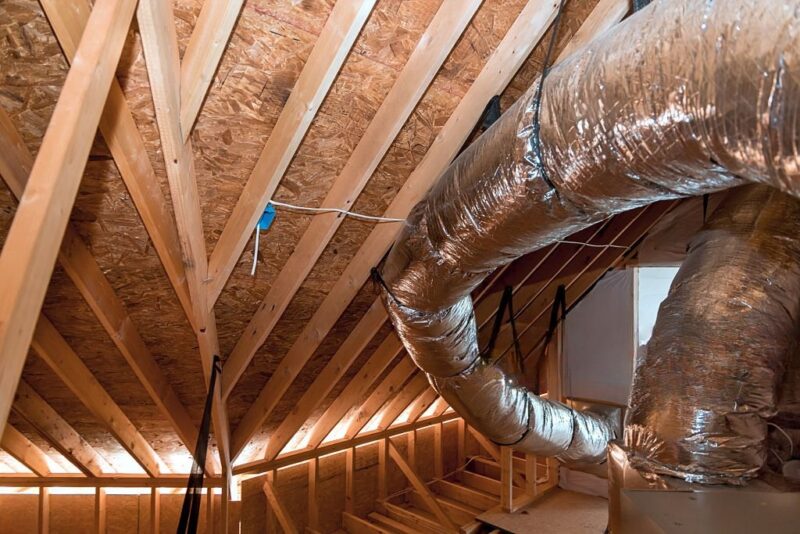
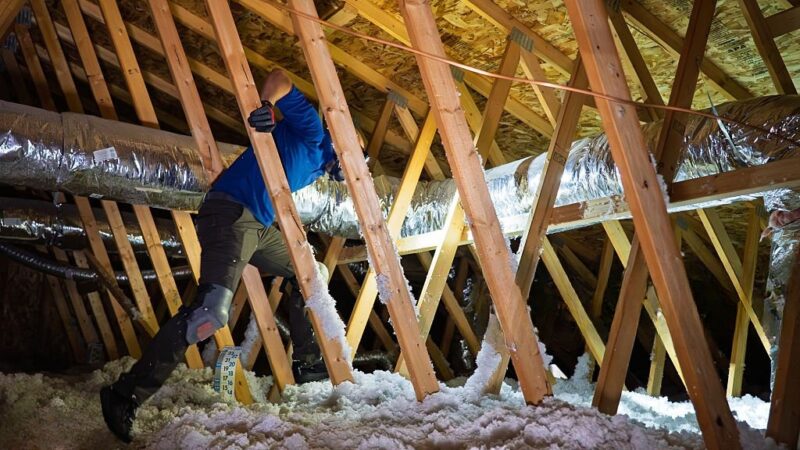
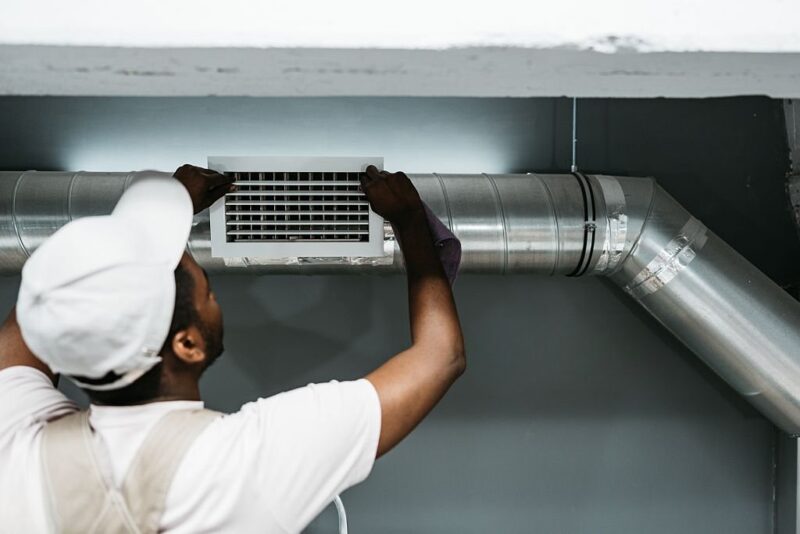
Ductwork distributes conditioned air throughout your home, but leaks or contamination inside the ducts can introduce unwanted particles into the air stream. Dust, insulation fibers, attic air, moisture, and other contaminants may enter through damaged ductwork and circulate throughout the home. Professional inspections can help identify duct-related issues that may be affecting air quality.
Aging HVAC Equipment
Older HVAC systems may not filter, circulate, and control humidity as effectively as newer equipment. Worn components, declining efficiency, and outdated technology can make it harder to maintain healthy indoor air conditions. If an aging system struggles to control humidity, airflow, or filtration, it may contribute to dust, odors, and comfort issues. Regular evaluations can help determine whether maintenance, repairs, or replacement may be the best solution.
The Importance of HVAC Maintenance for Indoor Air Quality
Routine AC maintenance in Port Charlotte is one of the most effective ways to keep indoor air cleaner, fresher, and more comfortable. Since your HVAC system circulates air throughout the home, dirty filters, dusty coils, clogged drain lines, and airflow issues can all affect the quality of the air you breathe. Regular maintenance helps the system filter, circulate, and manage humidity more effectively.
Why Routine Maintenance Matters
Routine maintenance helps prevent dust, debris, moisture, and contaminants from building up inside the HVAC system. During service, a technician can inspect key components, identify air quality concerns, and make sure the system is operating properly. This helps reduce the chance of dust, odors, mold concerns, and humidity problems spreading through the home.
Filter Replacement Best Practices
HVAC filters should be checked regularly and replaced when they become dirty or clogged. Most homes benefit from filter replacement every 1 to 3 months, but homes with pets, allergies, heavy AC use, or high dust levels may need more frequent changes. Using the right filter for your system is also important because overly restrictive filters can reduce airflow and strain equipment.
Cleaning Coils and Internal Components
Evaporator coils, blower parts, drain pans, and other internal components can collect dirt and moisture over time. When these areas are not cleaned, they may affect airflow, cooling performance, humidity control, and indoor air quality. Professional maintenance helps remove buildup and keeps important components working as intended.
Inspecting Airflow and Ductwork
Good airflow is essential for both comfort and cleaner indoor air. During maintenance, technicians can check for blocked vents, duct leaks, airflow restrictions, and other issues that may prevent filtered air from reaching every room. Proper airflow helps reduce stale areas, improve filtration performance, and support even comfort throughout the home.
Preventing Moisture and Mold Concerns
Moisture control is especially important in Florida homes. Clogged condensate drain lines, dirty coils, poor airflow, or high humidity can create conditions where mold and mildew are more likely to develop. Regular HVAC maintenance helps keep drainage systems clear, supports proper dehumidification, and reduces moisture-related air quality concerns.
Long-Term Indoor Air Quality Benefits
Consistent HVAC maintenance can provide long-term indoor air quality benefits by keeping the system cleaner, improving airflow, supporting humidity control, and reducing pollutant buildup. Over time, this can help create a home that feels fresher, cleaner, and more comfortable while also supporting better HVAC performance and efficiency.
6 Signs Your HVAC System May Be Affecting Indoor Air Quality
1. Excessive Dust Around the Home
If dust keeps returning shortly after cleaning, your HVAC system may not be filtering air effectively. Dirty filters, leaky ducts, dusty components, or poor airflow can allow particles to circulate through the home. Dust around vents, return grilles, furniture, and ceiling fans may point to a filtration or ductwork issue that needs attention.
2. Persistent Allergy Symptoms Indoors
Sneezing, congestion, itchy eyes, coughing, or throat irritation that worsens indoors may be connected to airborne particles circulating through the HVAC system. Dust, pollen, pet dander, and mold spores can collect in filters, ducts, and other components. If symptoms seem worse when the system runs, it may be time to check filtration, airflow, and overall HVAC cleanliness.
3. Musty or Unpleasant Odors
Musty, stale, or unpleasant odors coming from vents can indicate moisture buildup, dirty coils, clogged drain lines, contaminated ductwork, or poor ventilation. In Florida homes, humidity can make these odors more noticeable. Persistent smells should not be ignored because they may point to mold, mildew, or other indoor air quality concerns.
4. Uneven Airflow and Stuffy Rooms
Rooms that feel stuffy, stale, humid, or poorly cooled may be experiencing airflow problems. Blocked vents, duct leaks, dirty filters, or blower issues can prevent conditioned air from moving evenly throughout the home. Poor air circulation can allow pollutants and humidity to linger in certain areas, making the home feel less fresh and less comfortable.
5. High Indoor Humidity Levels
If your home feels sticky or damp even when the AC is running, your HVAC system may not be removing enough moisture. Dirty coils, poor airflow, oversized equipment, clogged drain lines, or system performance issues can all affect humidity control. Excess moisture can contribute to musty odors, mold concerns, and overall poor indoor air quality.
6. Frequent HVAC Filter Clogging
Filters that clog quickly may indicate high levels of dust, pet dander, pollen, or other airborne particles in the home. It may also suggest duct leaks, poor return airflow, or an HVAC system pulling contaminants from unconditioned spaces. Frequent filter clogging should be addressed because it can restrict airflow, reduce filtration effectiveness, and place extra strain on the system.
Professional Indoor Air Quality Solutions in Port Charlotte, FL
Professional indoor air quality in Port Charlotte helps homeowners improve comfort, reduce airborne irritants, and address humidity-related concerns that are common in Florida homes. Since your HVAC system plays a major role in how air moves, filters, and feels throughout the house, the right combination of maintenance, filtration, purification, and humidity control can make a noticeable difference in your indoor environment.
Indoor Air Quality Assessments
An indoor air quality assessment helps identify what may be affecting the air inside your home. Dale’s AC can evaluate airflow, humidity levels, filtration, ductwork, HVAC components, odors, and signs of moisture buildup. This allows homeowners to understand whether their concerns are related to dust, allergens, ventilation, mold risks, system performance, or humidity control.
Air Filtration and Purification Solutions
Air filtration and purification solutions can help reduce dust, pollen, pet dander, mold spores, odors, and other airborne particles. Depending on your home’s needs, Dale’s AC can recommend filter upgrades, whole-home air purification systems, or other indoor air quality options that work with your HVAC system. The goal is to support cleaner air without restricting airflow or overworking your equipment.
Humidity Control Services
Humidity control is especially important in Port Charlotte’s warm, humid climate. Excess moisture can make your home feel sticky, create musty odors, and contribute to mold or mildew concerns. Dale’s AC can inspect your system’s humidity performance and recommend solutions such as maintenance, condensate drain support, airflow corrections, system adjustments, or whole-home dehumidification options.
HVAC Maintenance for Cleaner Air
Routine HVAC maintenance helps keep the system cleaner and better equipped to support indoor air quality. Maintenance may include checking filters, cleaning coils, clearing drain lines, inspecting blower components, testing airflow, and identifying ductwork or moisture concerns. When your HVAC system is maintained properly, it can circulate air more effectively and reduce the buildup of contaminants inside the system.
Trusted Indoor Air Quality Support From Dale’s AC
Dale’s AC provides trusted indoor air quality support for homeowners who want a cleaner, fresher, and more comfortable home. Whether you are dealing with dust, odors, humidity, allergies, clogged filters, or stale rooms, our team can help identify the cause and recommend practical solutions. With the right HVAC care, your home can breathe easier through every Florida season.
FAQs About HVAC Systems and Indoor Air Quality
Can my HVAC system improve indoor air quality?
Yes, your HVAC system can help improve indoor air quality by filtering airborne particles, circulating air, managing humidity, and supporting ventilation. However, the system must be properly maintained to do this effectively. Clean filters, clean coils, clear drain lines, and good airflow all help your HVAC system support cleaner indoor air.
How often should HVAC filters be replaced?
Most HVAC filters should be checked monthly and replaced every 1 to 3 months, depending on the filter type, household size, pets, allergies, dust levels, and how often the system runs. In Florida homes, filters may need to be changed more often because air conditioners operate heavily for much of the year.
Do air purifiers work with HVAC systems?
Yes, whole-home air purifiers can work with HVAC systems to help reduce airborne particles, allergens, odors, and certain contaminants. These systems are installed within or alongside the HVAC system so air can be treated as it circulates throughout the home. The right option depends on your home’s air quality concerns and system setup.
Can HVAC systems remove allergens from the air?
HVAC systems can help reduce allergens such as dust, pollen, pet dander, and some mold spores through filtration and air circulation. However, standard filters may not capture every particle. Upgraded filters, whole-home air purification, humidity control, and routine HVAC maintenance can provide stronger support for households with allergy concerns.
Why does my home still feel dusty with air conditioning?
Your home may still feel dusty if filters are clogged, the wrong filter type is being used, ducts are leaking, airflow is poor, or dust is collecting inside HVAC components. Outdoor particles may also enter through gaps, doors, windows, or duct leaks. If dust returns quickly after cleaning, a professional HVAC and indoor air quality inspection may help identify the source.
Can HVAC maintenance improve indoor air quality?
Yes, HVAC maintenance can improve indoor air quality by keeping system components clean and operating properly. During maintenance, technicians can inspect filters, clean coils, clear condensate drain lines, check airflow, and identify dust, moisture, or ductwork issues. A well-maintained system is better equipped to circulate cleaner, fresher air.
What humidity level is best for indoor air quality?
Many homes feel most comfortable when indoor humidity stays around 30% to 50%. In Florida, humidity control is especially important because excess moisture can lead to sticky air, musty odors, mold concerns, and discomfort. If your home feels humid even when the AC is running, your system may need maintenance or additional humidity control support.
How do I know if I need an indoor air quality evaluation?
You may need an indoor air quality evaluation if your home has persistent dust, musty odors, high humidity, allergy symptoms, respiratory irritation, stale rooms, clogged filters, or uneven airflow. A professional evaluation can help determine whether the issue is related to filtration, ductwork, humidity, ventilation, or HVAC performance.
Don’t Just Go with the Airflow—Make It Work for You!
Your HVAC system plays an important role in keeping indoor air cleaner, fresher, and more comfortable through filtration, airflow, ventilation, and humidity control. With regular maintenance, clean filters, proper ductwork, and the right indoor air quality solutions, homeowners can reduce dust, allergens, odors, moisture concerns, and stale air throughout the home.
At Dale’s AC as a reliable HVAC company in Port Charlotte, we help homeowners improve indoor air quality with HVAC maintenance, AC installation in Port Charlotte, AC replacement in Port Charlotte, air conditioning repair in Port Charlotte, attic insulation in Port Charlotte, filtration and purification options, humidity control, and honest recommendations. Call us today at (941) 629-1712 or contact us and let us help your home breathe easier.