
Your air conditioner is one of the hardest-working systems in your home, especially in Florida, where cooling is needed for much of the year. Like any major appliance, however, an AC unit won’t last forever. Over time, wear and tear, environmental conditions, maintenance habits, and usage patterns all affect how long a system can continue operating efficiently and reliably. Understanding the typical life expectancy of an AC unit can help homeowners make informed decisions about maintenance, repairs, and future replacement planning.
While many air conditioners can provide years of dependable comfort, their lifespan can vary significantly depending on factors such as installation quality, system size, maintenance history, and local climate conditions. Knowing the signs of an aging system can help you avoid unexpected breakdowns, rising energy costs, and costly emergency replacements. In this guide, we’ll explore how long AC units typically last, what influences their longevity, and what you can do to maximize the life of your cooling system.
Understanding AC Life Expectancy
AC life expectancy refers to the amount of time an air conditioning system can reasonably be expected to provide reliable cooling before repairs, efficiency loss, or major component wear make replacement a stronger option. While age is important, it is not the only factor. How the system was installed, how often it runs, how well it has been maintained, and the climate it operates in all influence how long it can continue performing well.
What Is the Average Lifespan of an Air Conditioner?
Many central air conditioning systems last around 10 to 15 years, although some units may last longer with proper care. In Florida, where AC systems often run for much of the year, equipment may experience more wear than systems in milder climates. A well-maintained system may continue operating beyond the average range, while a neglected or poorly installed system may show signs of decline much sooner.
Why AC Lifespan Varies From Home to Home
No two homes place the exact same demand on an AC system. Factors such as home size, insulation, ductwork condition, thermostat habits, filter changes, maintenance history, and local environmental exposure all affect equipment lifespan. A system in a shaded, well-insulated home with regular maintenance may last longer than one in a poorly insulated home that runs constantly through extreme heat and humidity.
The Difference Between Life Expectancy and Performance Decline
An AC unit may still turn on after many years, but that does not always mean it is performing efficiently. Performance decline can show up as higher energy bills, longer cooling cycles, weak airflow, uneven temperatures, or poor humidity control. Life expectancy focuses on how long the system may physically last, while performance decline considers whether it is still delivering comfort and efficiency at a reasonable cost.
Why Knowing Your System’s Age Matters
Knowing your AC system’s age helps you plan for maintenance, repairs, and eventual replacement. If your unit is still relatively new, a repair may make sense when issues arise. If it is approaching the 10 to 15-year range and experiencing frequent problems, replacement may become more practical. Understanding the age of your system can help you avoid surprise breakdowns and make smarter decisions about long-term comfort and budget.
How Long Do Different Types of AC Systems Last?
Different types of cooling systems have different expected lifespans based on how they are built, how often they run, and how well they are maintained. While averages can be helpful, they should be treated as general guidelines rather than exact timelines. In Florida, heavy cooling demand, humidity, salt air, and long operating seasons can all affect how long any AC system lasts.
Central Air Conditioning Systems
Central air conditioning systems commonly last around 10 to 15 years, though some may continue operating longer with consistent maintenance. These systems cool the entire home through ductwork, which means their performance also depends on airflow, duct condition, insulation, and system sizing. Regular tune-ups, clean filters, coil cleaning, and prompt repairs can help central AC systems stay efficient and reliable for as long as possible.
Heat Pump Systems
Heat pumps can provide both cooling and heating, which means they may operate throughout more of the year than a standard AC system. In Florida, where heating needs are usually mild but cooling demand is high, heat pump lifespan often depends on usage, maintenance, and outdoor exposure. A well-maintained heat pump may last around 10 to 15 years, but systems that run heavily or receive limited maintenance may wear out sooner.
Ductless Mini-Split Systems
Ductless mini-split systems can also last around 10 to 15 years or more when properly installed and maintained. Because they do not rely on ductwork, they avoid some duct-related energy losses and airflow problems. However, they still need regular filter cleaning, coil care, refrigerant checks, and professional maintenance. Lifespan can vary depending on how many indoor units are installed, how often each zone is used, and whether the system is sized correctly.
Window Air Conditioners
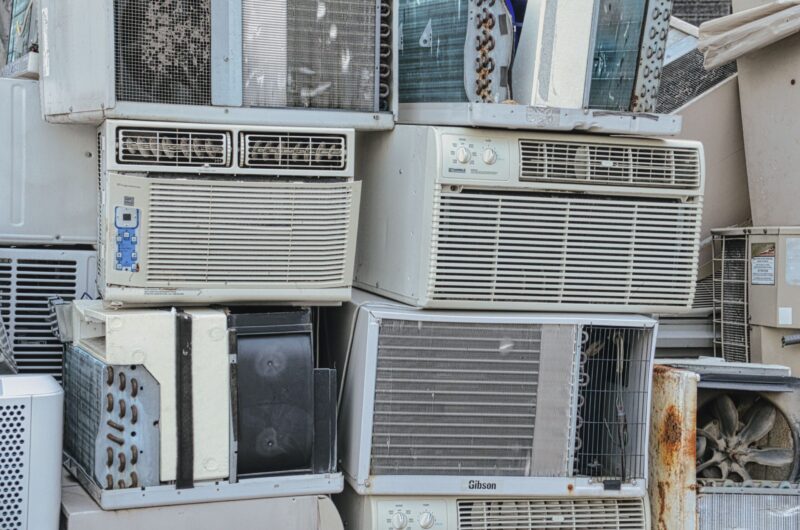
Window air conditioners typically have a shorter lifespan than central AC systems or mini-splits. Many window units last several years, depending on usage, cleaning, storage, and operating conditions. Because they are smaller and often exposed to outdoor conditions, they may wear out faster, especially if they run heavily during Florida summers. Regular filter cleaning and proper installation can help extend their useful life.
Factors That Influence Lifespan Across System Types
No matter what type of AC system you have, lifespan depends on several key factors. Proper installation, correct sizing, routine maintenance, clean filters, airflow, refrigerant levels, electrical condition, and local climate all play a role. Systems that are maintained regularly and used under proper conditions usually last longer than systems that are neglected, overworked, or poorly installed.
6 Key Factors That Affect the Life Expectancy of an AC Unit
1. Frequency of Use
The more often an AC system runs, the more wear and tear it experiences. In hotter climates like Florida, air conditioners may operate for many hours each day throughout much of the year. Extended runtime places additional demand on components such as compressors, motors, capacitors, and fans. While frequent use is unavoidable in many homes, regular maintenance can help reduce the impact of heavy operation on system lifespan.
2. Climate and Environmental Conditions
Environmental conditions play a major role in how long an AC unit lasts. High temperatures, humidity, salt air, dust, pollen, storms, and debris can all affect equipment performance and durability. Coastal areas may experience additional corrosion due to salt exposure, while high humidity can increase the workload placed on cooling systems. These factors can contribute to faster wear if the equipment is not properly maintained.
3. Installation Quality
Even a high-quality air conditioner may have a shorter lifespan if it is not installed correctly. Improper refrigerant charging, poor airflow design, incorrect electrical connections, and sizing mistakes can all place unnecessary strain on the system. Professional installation helps ensure the equipment operates under the conditions it was designed for, supporting better performance and longer equipment life.
4. Routine Maintenance Practices
Routine maintenance is one of the most important factors affecting AC longevity. Regular inspections, filter changes, coil cleaning, airflow checks, and performance testing help keep the system operating efficiently. Maintenance also allows technicians to identify small problems before they become larger issues that could damage major components. Systems that receive consistent professional care often last longer than those that are neglected.
5. System Sizing and Design
An air conditioner must be properly sized for the home it serves. An oversized system may short cycle and experience unnecessary wear, while an undersized system may run continuously and struggle to maintain comfort. Ductwork design, airflow balance, insulation levels, and overall system configuration also affect performance. Proper sizing and design help reduce stress on the equipment and support long-term reliability.
6. Equipment Quality and Brand Considerations
Not all HVAC equipment is built the same. Manufacturing quality, component design, technology, and materials can influence how long a system lasts. While no brand can guarantee a specific lifespan, higher-quality equipment that is properly installed and maintained may provide better long-term performance. However, even the best equipment requires routine care to reach its full service potential.
How Florida’s Climate Impacts AC Lifespan
Florida’s climate can be tough on air conditioning systems. Unlike cooler regions where AC units may only run heavily for part of the year, Florida homeowners often rely on cooling through long stretches of heat and humidity. This constant demand can place extra stress on compressors, motors, coils, electrical components, and other parts of the system. As a result, AC units in Florida may experience faster wear if they are not properly installed, maintained, and protected from environmental conditions.
Year-Round Cooling Demands
In Florida, air conditioners may be used during much of the year, not just during summer. Warm temperatures can arrive early, last late into the season, and make indoor cooling necessary even outside traditional peak months. This frequent use means the system cycles more often and accumulates more operating hours over time. The more the system runs, the more important regular maintenance becomes for protecting its lifespan.
High Humidity and Moisture Exposure
Humidity is one of the biggest challenges for Florida AC systems. Air conditioners must not only cool the air but also remove moisture to keep the home comfortable. This added workload can increase strain on the system, especially if airflow is poor, coils are dirty, or the unit is improperly sized. Moisture exposure can also contribute to clogged drain lines, musty odors, corrosion, and mold or mildew concerns if the system is not maintained properly.
Salt Air and Coastal Conditions
Homes near the coast may face additional AC lifespan challenges because salt air can contribute to corrosion. Outdoor condenser units are exposed to the elements every day, and salty, humid air can gradually affect coils, metal panels, fasteners, and electrical components. For coastal Florida homeowners, regular inspections and coil cleaning are especially important to help reduce corrosion-related wear and maintain system performance.
Extended Operating Hours
Extended operating hours can shorten the life of an AC unit by increasing wear on moving and electrical components. Compressors, fan motors, capacitors, and contactors all work harder when the system runs for long periods. If the AC is also dealing with dirty filters, poor airflow, low refrigerant, or ductwork problems, the strain becomes even greater. Routine tune-ups help ensure the system is running as efficiently as possible during long cooling cycles.
Why Florida Systems Often Experience More Wear
Florida AC systems often experience more wear because they face a combination of heat, humidity, storms, debris, salt exposure, and heavy use. These conditions can make small issues develop faster and place more demand on the equipment than in milder climates. With proper maintenance, timely repairs, clean filters, and professional inspections, homeowners can help reduce unnecessary strain and support a longer, more reliable service life.
6 Signs Your AC Unit Is Aging
1. Increasing Energy Bills
Rising energy bills are one of the most common signs of an aging AC system. As components wear out, the system may need to run longer to produce the same level of cooling. Dirty coils, weak motors, refrigerant issues, and reduced efficiency can all increase energy use. If your utility bills keep climbing even though your thermostat habits have not changed, your AC may be losing performance.
2. Frequent Repairs and Service Calls
Occasional repairs are normal, but frequent service calls can indicate that your AC is nearing the end of its useful life. If one part fails after another, the system may be experiencing broader wear rather than isolated issues. At some point, the cost of repeated repairs may make replacement a better long-term investment than continuing to fix an aging unit.
3. Uneven Cooling Throughout the Home
Older AC units may struggle to distribute cooling evenly. You may notice that some rooms stay comfortable while others feel warm, humid, or stuffy. Uneven cooling can also be caused by ductwork or insulation problems, but when it appears alongside an aging system, it may signal declining performance. A professional evaluation can help determine whether the issue is the AC unit, airflow, ducts, or another factor.
4. Reduced Airflow Performance
Weak airflow from vents can be another sign that your AC system is aging. Blower motor wear, dirty coils, clogged filters, duct leaks, or restricted airflow can all contribute to poor performance. When airflow drops, the system may run longer and struggle to keep the home comfortable. Reduced airflow should be checked promptly because it can place extra strain on the equipment.
5. Strange Noises or Odors
Unusual sounds or smells should never be ignored. Grinding, rattling, buzzing, squealing, or banging noises may point to worn or loose components. Musty odors may suggest moisture or drainage issues, while burning smells can indicate electrical concerns. Aging systems are more likely to develop these problems as parts wear down, so professional inspection is important when new noises or odors appear.
6. Difficulty Maintaining Thermostat Settings
If your AC has trouble reaching or holding the thermostat setting, it may be losing capacity or efficiency. The system may run constantly, cycle irregularly, or leave the home feeling warmer than expected. In Florida, this can become especially noticeable during peak heat and humidity. If maintenance and minor repairs no longer restore dependable cooling, it may be time to discuss replacement options.
The Role of Maintenance in Extending AC Life
Routine AC maintenance in Port Charlotte is one of the most important factors in determining how long an air conditioning system will last. While no AC unit is designed to operate forever, regular care can help reduce wear and tear, improve efficiency, and prevent avoidable damage. For Florida homeowners, where air conditioners often run for much of the year, maintenance plays an even bigger role in protecting equipment and supporting long-term performance.
Why Preventive Maintenance Matters
Preventive maintenance focuses on identifying and addressing issues before they lead to larger problems. Rather than waiting for a breakdown, maintenance helps keep the system operating under proper conditions throughout the year. Clean components, proper airflow, and regular inspections reduce unnecessary strain on the equipment, helping it perform more efficiently and reliably over time.
The Importance of Regular Tune-Ups
Professional tune-ups provide an opportunity to inspect, test, clean, and adjust important HVAC components. During a maintenance visit, technicians can evaluate refrigerant levels, electrical connections, thermostat operation, airflow, and overall system performance. These routine checkups help ensure the system is operating as intended and allow small concerns to be identified before they affect major components.
Keeping Filters Clean and Replaced
Air filters play a critical role in protecting the AC system. When filters become clogged with dust, dirt, and debris, airflow becomes restricted and the system must work harder to cool the home. This additional strain can increase wear on motors, compressors, and other components. Checking and replacing filters regularly helps maintain proper airflow and supports overall system longevity.
Cleaning Coils and Condensate Drains
Over time, evaporator coils, condenser coils, and condensate drains can accumulate dirt, debris, and moisture-related buildup. Dirty coils reduce the system’s ability to transfer heat efficiently, while clogged drain lines can create moisture and drainage issues. Routine cleaning helps maintain efficiency, supports humidity control, and reduces conditions that may contribute to premature component wear.
Addressing Small Problems Before They Grow
Many major AC repairs begin as relatively minor issues. Loose electrical connections, weak capacitors, airflow restrictions, refrigerant concerns, and drainage problems can often be corrected early during routine maintenance visits. Addressing these smaller issues promptly helps prevent them from escalating into larger repairs that may shorten the lifespan of the system or lead to unexpected breakdowns.
AC Components Most Likely to Wear Out Over Time
Like any mechanical system, an air conditioner contains parts that naturally wear down as the years pass. Some components experience more stress than others because they operate frequently, handle electrical loads, or are exposed to heat, moisture, and environmental conditions. Understanding which parts are most likely to wear out can help homeowners recognize potential issues early and better understand repair recommendations as their system ages.
Compressors
The compressor is often considered the heart of an air conditioning system. It circulates refrigerant between the indoor and outdoor units and plays a critical role in the cooling process. Because the compressor works hard during every cooling cycle, it can experience significant wear over time. Problems such as low refrigerant, restricted airflow, dirty coils, and electrical issues can place additional strain on the compressor and potentially shorten its lifespan. Since compressor repairs can be costly, protecting this component through regular maintenance is important.
Capacitors and Contactors
Capacitors and contactors are electrical components that help start and control various parts of the AC system. These components experience repeated electrical cycling throughout the cooling season and are among the most common parts replaced during the life of an air conditioner. As they age, homeowners may notice symptoms such as difficulty starting, intermittent operation, or complete system failure. Fortunately, these parts are often identified during routine maintenance before they cause larger problems.
Blower Motors
The blower motor is responsible for moving conditioned air throughout the home. Because it operates whenever the system is cooling, it experiences ongoing wear from extended use. Dirty filters, airflow restrictions, and accumulated dust can force the blower motor to work harder than necessary. Over time, this additional strain may affect performance, reduce airflow, or lead to motor failure if maintenance is neglected.
Evaporator and Condenser Coils
Evaporator and condenser coils are essential for transferring heat during the cooling process. These coils are constantly exposed to temperature changes, moisture, and airborne contaminants. Dirt buildup, corrosion, and environmental exposure can reduce their effectiveness over time. In Florida, humidity and coastal conditions may accelerate wear, particularly on outdoor condenser coils. Keeping coils clean helps maintain efficiency and reduce stress on the entire system.
Thermostats and Controls
Thermostats, sensors, control boards, and other electronic controls help regulate system operation. As technology ages, these components may become less accurate, experience communication issues, or fail altogether. Homeowners may notice inconsistent temperatures, short cycling, or difficulty maintaining thermostat settings. While these components are generally smaller than major mechanical parts, they play an important role in overall system performance and comfort. Regular inspections can help identify control-related issues before they affect cooling reliability.
Energy Efficiency and Aging Air Conditioners
As air conditioners get older, they often become less efficient. Even if the system still cools the home, it may need more energy to do the same job it once handled with less effort. For Florida homeowners, this efficiency loss can become noticeable because AC systems run frequently throughout long periods of heat and humidity. Understanding how aging affects efficiency can help you decide when maintenance, repairs, or replacement may offer the best value.
How Efficiency Declines Over Time
Efficiency can decline as AC components wear down and the system accumulates dirt, debris, and strain. Coils may become less effective at transferring heat, motors may weaken, electrical parts may wear out, and airflow may become restricted. Refrigerant issues, duct leaks, and poor maintenance can also make the system run longer than necessary. As a result, an older AC may use more electricity while delivering less consistent comfort.
Comparing Older Systems to Modern Equipment
Modern air conditioners are often designed with better efficiency standards, improved components, quieter operation, and more advanced comfort controls than older systems. Newer equipment may cool more effectively, manage humidity better, and operate with less energy waste. While a well-maintained older system can still perform reasonably well, it may not match the efficiency or technology available in today’s AC systems.
Understanding SEER2 Ratings
SEER2 ratings measure the seasonal cooling efficiency of air conditioning systems under updated testing standards. In general, a higher SEER2 rating means the system can provide cooling using less energy. If your current AC has a much lower efficiency rating than newer models, replacing it may help reduce energy use while improving comfort and humidity control. A professional HVAC evaluation can help you compare your current system’s performance with modern replacement options.
Potential Energy Savings From Replacement
Replacing an aging AC unit with a newer, more efficient system may help lower monthly utility costs. The amount of savings depends on several factors, including the age and condition of the current system, the efficiency rating of the new unit, home insulation, ductwork condition, thermostat habits, and local energy rates. In Florida, where cooling demand is high, energy savings can become an important part of the replacement decision.
Long-Term Operating Cost Considerations
When evaluating an aging AC system, it is important to look beyond the upfront cost of repair or replacement. An older unit may cost more over time through higher energy bills, frequent repairs, and reduced reliability. A new system may require a larger initial investment, but improved efficiency, better comfort, and fewer repair needs can provide stronger long-term value. The best decision depends on your system’s age, repair history, efficiency, and overall performance.
6 Ways to Extend the Life of Your AC Unit
1. Schedule Professional Maintenance
Professional maintenance is one of the most effective ways to extend the life of an AC system. Routine inspections allow technicians to clean components, test performance, check refrigerant levels, inspect electrical parts, and identify developing issues before they become major problems. Regular tune-ups help reduce system strain and support more efficient operation, which can contribute to a longer equipment lifespan.
2. Replace Air Filters Regularly
Air filters protect the HVAC system by trapping dust, dirt, and airborne particles before they reach sensitive components. When filters become clogged, airflow is restricted and the system must work harder to cool the home. Replacing filters on a regular schedule helps maintain proper airflow, supports efficiency, and reduces stress on motors, coils, and other important components.
3. Keep Outdoor Units Clean and Clear
The outdoor condenser unit needs adequate airflow to release heat effectively. Leaves, grass clippings, dirt, shrubs, and debris can block airflow and reduce performance. Homeowners should keep the area around the outdoor unit clear and free of obstructions. Periodic cleaning can also help remove dirt buildup that may affect efficiency and contribute to unnecessary wear.
4. Monitor Thermostat Settings
Thermostat settings can influence how hard an AC system works. Extremely low temperature settings may cause the system to run longer than necessary, increasing wear on components over time. Setting realistic temperatures and using programmable or smart thermostat features can help reduce unnecessary runtime while maintaining comfort throughout the home.
5. Address Repairs Promptly
Ignoring small AC problems can often lead to larger and more expensive issues. Unusual noises, weak airflow, inconsistent cooling, refrigerant concerns, and electrical issues should be evaluated as soon as possible. Prompt repairs help prevent additional strain on the system and reduce the risk of damage spreading to other components.
6. Improve Home Insulation and Air Sealing
A well-insulated home places less demand on the air conditioning system. Sealing air leaks around doors, windows, and other openings helps keep conditioned air inside while preventing hot outdoor air from entering. Improving attic insulation, duct sealing, and overall energy efficiency can reduce cooling workload, allowing the AC system to operate more efficiently and potentially last longer.
AC Life Expectancy Services in Port Charlotte, FL
Understanding how much life your AC system has left can help you make smarter decisions about maintenance, repairs, and replacement planning. In Port Charlotte, FL, air conditioners work hard through long stretches of heat and humidity, so regular professional care is important for protecting comfort and system performance. Dale’s AC helps homeowners evaluate aging cooling systems, identify issues early, and choose the most practical path forward.
Professional AC Inspections and Evaluations
A professional AC inspection can help determine the current condition of your system and whether it is aging normally or showing signs of serious decline. Dale’s AC can check important components such as the compressor, coils, blower motor, electrical parts, thermostat, refrigerant levels, airflow, and condensate drainage. This evaluation gives homeowners a clearer picture of system health and remaining performance potential.
Preventive Maintenance Programs
Preventive maintenance is one of the best ways to help extend the life of an AC unit. Dale’s AC offers maintenance support designed to keep systems clean, efficient, and better prepared for Florida’s cooling demands. Regular tune-ups can help reduce wear, improve airflow, maintain proper operation, and catch small issues before they lead to expensive repairs.
Repair Services for Aging Systems
Older AC systems often need occasional repairs to stay reliable. Dale’s AC provides repair services for aging systems, including issues with capacitors, contactors, motors, drain lines, refrigerant concerns, airflow problems, and thermostat performance. When repairs make sense, our team can help restore comfort and extend the usefulness of your current system.
Energy-Efficient AC Replacement Options
When an AC unit is near the end of its life, AC replacement in Port Charlotte may provide better long-term value than continued repairs. Dale’s AC can help homeowners explore energy-efficient replacement options that improve cooling performance, humidity control, and energy use. A properly sized new system can provide more reliable comfort while reducing the stress and uncertainty of an aging unit.
Honest Recommendations From Dale’s AC
Dale’s AC focuses on honest recommendations based on your system’s age, condition, repair history, efficiency, and comfort performance. If maintenance or repairs are still the best option, we will explain why. If replacement is the smarter long-term investment, we will walk you through your options clearly. Our goal is to help Port Charlotte homeowners make confident decisions about their AC system and home comfort.
FAQs About AC Lifespan
How long should an AC unit last in Florida?
Many air conditioning systems in Florida last around 10 to 15 years, although lifespan can vary based on maintenance, installation quality, usage patterns, and environmental conditions. Because Florida systems often run for much of the year, they may experience more wear than systems in cooler climates. Regular maintenance can help maximize longevity and performance.
Can an air conditioner last 20 years?
Yes, some air conditioners can last 20 years or more, especially if they have been properly maintained and have not experienced significant operating issues. However, as systems age, efficiency typically declines and repairs may become more frequent. Even if a 20-year-old unit is still operating, homeowners should consider whether it is providing reliable and cost-effective performance.
How do I know if my AC is nearing the end of its life?
Common signs include rising energy bills, frequent repairs, uneven cooling, poor airflow, unusual noises, difficulty controlling indoor temperatures, and reduced humidity control. If your system is approaching or exceeding its expected lifespan and several of these issues are present, it may be time for a professional evaluation.
Is it worth repairing a 15-year-old AC unit?
The answer depends on the condition of the system, the cost of the repair, and the likelihood of future issues. A minor repair on a well-maintained 15-year-old unit may still make sense. However, if the system requires major repairs, has declining efficiency, or experiences frequent breakdowns, replacement may provide better long-term value. An HVAC professional can help evaluate the options.
What causes an AC unit to fail early?
Several factors can shorten the life of an air conditioner, including neglected maintenance, dirty filters, restricted airflow, refrigerant problems, improper installation, electrical issues, and incorrect system sizing. Environmental conditions such as extreme heat, humidity, and coastal exposure can also contribute to accelerated wear if the system is not properly maintained.
Does maintenance really extend AC lifespan?
Yes, routine maintenance is one of the most effective ways to help extend AC lifespan. Regular inspections, cleaning, filter changes, airflow checks, and performance testing help reduce unnecessary strain on the system. Maintenance also allows technicians to identify small issues before they develop into larger problems that could damage major components.
Should I replace my AC before it breaks down?
In many cases, proactive replacement can be beneficial, especially if the system is older, inefficient, or requiring frequent repairs. Waiting for a complete breakdown can lead to emergency replacement decisions, unexpected discomfort, and limited time to compare options. Planning ahead allows homeowners to choose the best replacement system for their needs and budget.
How can I make my AC last longer?
The best ways to extend AC life include scheduling professional maintenance, replacing air filters regularly, keeping the outdoor unit clean, addressing repairs promptly, maintaining proper thermostat settings, and improving home insulation and air sealing. These steps help reduce system strain and support more efficient, reliable operation throughout the life of the equipment.
Give Your AC a Long and Cool Retirement Plan!
Understanding your AC unit’s life expectancy helps you make smarter decisions about maintenance, repairs, energy efficiency, and future replacement. While many systems can last for years with proper care, Florida’s heat, humidity, and long cooling seasons can place extra strain on your equipment. Regular tune-ups, clean filters, prompt repairs, proper airflow, and professional inspections can help extend system life, reduce surprise breakdowns, and keep your home comfortable when cooling matters most.
At Dale’s AC as a trusted HVAC company in Port Charlotte, we help homeowners get the most from their air conditioning systems with honest evaluations, preventive maintenance, dependable repairs, and energy-efficient replacement options when the time is right. We also offer AC installation in Port Charlotte, air conditioning repair in Port Charlotte, indoor air quality in Port Charlotte, and proper attic insulation in Port Charlotte. Whether your AC still has years left or is showing signs of decline, we can help you plan the next step with confidence. Call us today at (941) 629-1712 or contact us and let us help your AC live its coolest life.