

Choosing the right size air conditioner is one of the most important decisions you can make for your home’s comfort, energy efficiency, and long-term HVAC performance. Many homeowners assume that a larger unit will cool their home faster and better, but an oversized air conditioner can create just as many problems as one that is too small. Proper AC sizing is about matching the cooling system to your home’s specific needs, not simply selecting the biggest unit available.
Factors such as square footage, insulation levels, ceiling height, window placement, occupancy, ductwork, and Florida’s hot, humid climate all play a role in determining the ideal system size. When an air conditioner is sized correctly, it can provide consistent temperatures, effective humidity control, lower energy costs, and reliable performance for years to come. In this guide, we’ll explain how AC sizing works, why it matters, and how homeowners can choose the right system for long-term comfort and efficiency.
Why Proper AC Sizing Matters
Proper AC sizing is one of the most important parts of choosing a new air conditioning system. The size of an AC unit refers to its cooling capacity, not the physical dimensions of the equipment. If the system is not matched to your home’s actual cooling needs, it may struggle with comfort, humidity control, energy efficiency, and long-term reliability. For Florida homeowners, where air conditioners work hard through long periods of heat and humidity, correct sizing can make a major difference in daily comfort and operating costs.
How AC Size Affects Cooling Performance
The size of your air conditioner determines how much heat it can remove from your home within a certain period of time. A properly sized AC system should cool the home steadily, maintain the thermostat setting, and run long enough to help remove indoor humidity. If the unit is too large or too small, cooling performance becomes less consistent. You may notice uneven temperatures, longer run times, short cycling, or rooms that never feel as comfortable as they should.
Why Bigger Is Not Always Better
Many homeowners assume that a bigger AC will cool the home faster and more effectively, but that is not how air conditioning works. An oversized unit may lower the temperature quickly, but it often shuts off before completing a full cooling cycle. This can prevent the system from removing enough moisture from the air, leaving the home feeling damp, sticky, or uncomfortable. Bigger equipment can also cost more upfront and may lead to higher repair risks over time.
Problems Caused by an Oversized AC
An oversized AC system can cause short cycling, which means the unit turns on and off too frequently. This repeated starting and stopping can increase wear on the compressor, motors, and electrical components. It can also create uneven cooling because the system does not run long enough to circulate air properly throughout the home. In humid Florida conditions, oversized systems may also struggle with moisture removal, leading to poor humidity control even when the thermostat shows the right temperature.
Problems Caused by an Undersized AC
An undersized AC system may run constantly and still fail to cool the home properly. During hot weather, it may struggle to reach the thermostat setting, especially in rooms with high sun exposure, poor insulation, or weak airflow. Continuous operation can increase energy use, strain system components, and shorten equipment lifespan. Over time, an undersized unit can become expensive to operate while still failing to deliver reliable comfort.
The Connection Between Sizing, Comfort, and Energy Efficiency
Correct AC sizing helps balance comfort, efficiency, and equipment protection. A properly sized system runs in healthy cooling cycles, removes humidity more effectively, distributes air more evenly, and avoids unnecessary strain. This can help lower energy waste, reduce repair risks, and support longer system life. When homeowners invest in accurate sizing from the start, they are more likely to enjoy dependable cooling and better long-term value.
Understanding AC Size, BTUs, and Tons
Before choosing a new air conditioner, it helps to understand how AC size is measured. In HVAC terms, “size” does not refer to how large the unit looks. It refers to how much cooling capacity the system can provide. The two most common measurements homeowners hear are BTUs and tons. Understanding these terms can make it easier to compare systems and understand why proper sizing matters.
What BTUs Mean in Air Conditioning
BTU stands for British Thermal Unit. In air conditioning, BTUs measure how much heat an AC system can remove from indoor air in one hour. The higher the BTU rating, the more cooling capacity the system has. A room air conditioner may be rated in thousands of BTUs, while central AC systems are often discussed in tons. The goal is to choose enough BTU capacity to cool the space properly without oversizing the system.
What AC Tonnage Means
AC tonnage is another way to describe cooling capacity. One ton of air conditioning equals the ability to remove 12,000 BTUs of heat per hour. Residential central air conditioners are commonly sized by tonnage because whole-home cooling requires much more capacity than a small room unit. For example, a 2-ton system has more cooling capacity than a 1.5-ton system, but that does not automatically mean it is the better choice for every home.
How BTUs Convert to Tons
BTUs and tons are connected through a simple conversion. One ton equals 12,000 BTUs per hour. That means a 1.5-ton system provides about 18,000 BTUs, a 2-ton system provides about 24,000 BTUs, and a 3-ton system provides about 36,000 BTUs. This conversion helps homeowners understand how different system sizes compare, but it should not replace a professional load calculation.
Common Residential AC Sizes
Most residential central air conditioners fall between 1.5 tons and 5 tons, depending on the size and cooling needs of the home. Smaller homes, condos, or tightly insulated spaces may need less capacity, while larger homes or homes with high heat gain may need more. However, two homes with the same square footage may still need different AC sizes because insulation, windows, ductwork, ceiling height, and sun exposure all affect cooling demand.
Why Cooling Capacity Matters More Than Physical Unit Size
The physical size of an air conditioner is less important than its cooling capacity. A compact system may provide plenty of cooling if it is properly sized, while a larger-looking unit may still be wrong for the home. What matters most is whether the system can remove the right amount of heat and humidity under real household conditions. Choosing based on capacity, not appearance, helps ensure better comfort, efficiency, and long-term performance.
The Role of Professional Load Calculations
One of the most important steps in properly sizing an air conditioner is performing a professional load calculation. While many homeowners focus on square footage when choosing a new AC system, cooling requirements are influenced by many other factors. A load calculation helps HVAC professionals determine how much cooling capacity a home actually needs, reducing the risk of installing equipment that is too large or too small.
What a Load Calculation Is
A load calculation is a detailed assessment used to estimate how much heat enters and leaves a home. HVAC professionals evaluate factors such as square footage, insulation levels, ceiling height, window placement, occupancy, air leakage, local climate, and home orientation. The goal is to determine the home’s cooling load, which represents the amount of cooling required to maintain comfortable indoor temperatures during hot weather.
Why Manual J Calculations Are Important
Manual J is an industry-standard method used to calculate residential heating and cooling loads. Rather than relying on simple estimates, a Manual J calculation considers a wide range of variables that affect cooling demand. This process helps HVAC professionals select equipment that matches the home’s actual needs. For Florida homeowners, where humidity control is just as important as temperature control, accurate calculations are especially valuable.
Why Square Footage Alone Is Not Enough
Many online sizing charts and rules of thumb use square footage as a starting point, but square footage alone cannot accurately determine AC size. Two homes with the same floor area may have completely different cooling requirements. Differences in insulation, windows, sun exposure, ceiling heights, occupancy, ductwork, and air leakage can significantly affect cooling demand. Relying only on square footage can lead to costly sizing mistakes.
How Load Calculations Prevent Sizing Mistakes
Professional load calculations help prevent both oversized and undersized installations. By evaluating the home’s unique characteristics, HVAC professionals can choose equipment that provides balanced cooling, effective humidity removal, and efficient operation. Accurate sizing helps reduce short cycling, excessive runtime, uneven temperatures, and unnecessary wear on the system. It also supports better long-term comfort and energy performance.
When to Request a Professional Sizing Evaluation
Homeowners should request a professional sizing evaluation whenever installing a new air conditioner, replacing an existing system, adding square footage to the home, improving insulation, replacing windows, or making major energy-efficiency upgrades. Even if a previous AC system seemed to work well, changes to the home or improvements in HVAC technology may affect the ideal system size. A professional evaluation helps ensure the new equipment is matched to the home’s current cooling needs rather than relying on assumptions or outdated sizing methods.
7 Key Factors That Determine the Right AC Size
1. Home Square Footage
Square footage helps estimate the basic cooling load of a home or room. In general, larger spaces require more cooling capacity than smaller spaces. However, square footage should only be used as a starting point. A home with poor insulation, high ceilings, or heavy sun exposure may need a different size system than a similarly sized home that is well sealed and shaded.
2. Ceiling Height and Home Layout
Ceiling height and layout can significantly affect cooling needs. Homes with high ceilings have more air volume to cool, which may require additional capacity. Open floor plans may allow air to move more freely, while closed-off rooms and long hallways can create uneven temperatures. Multi-level homes may also have different cooling demands between floors, especially when heat rises and upper areas become warmer.
3. Insulation Quality
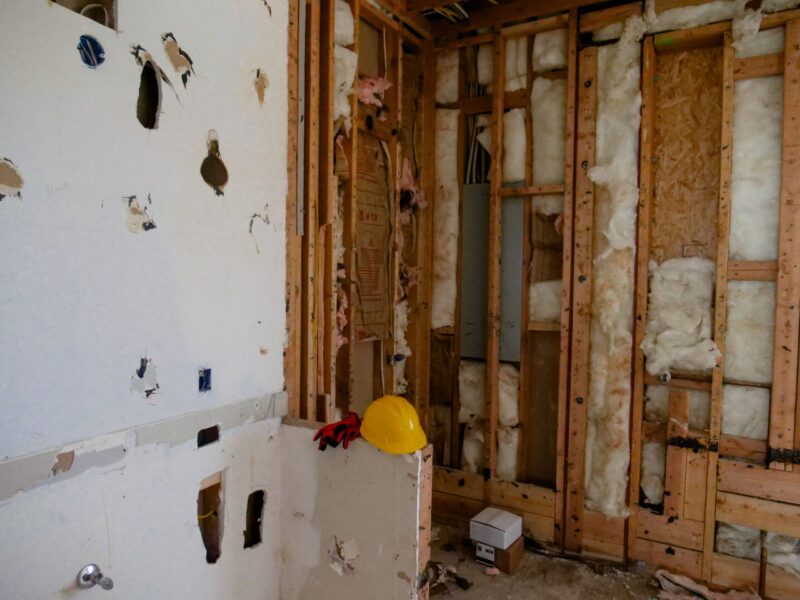
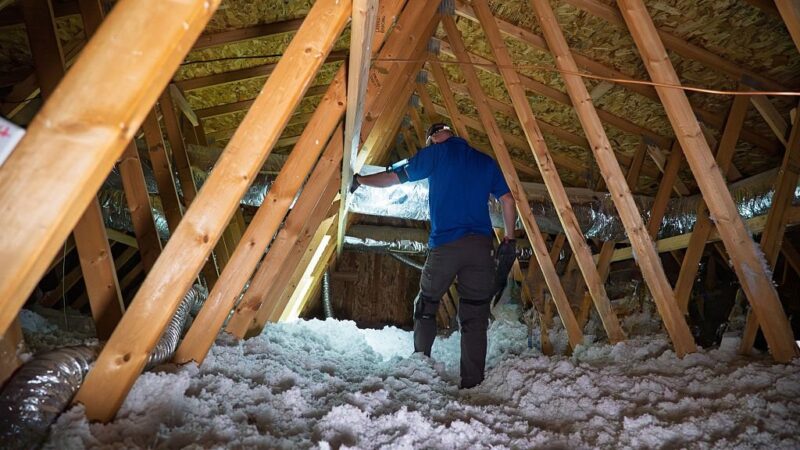
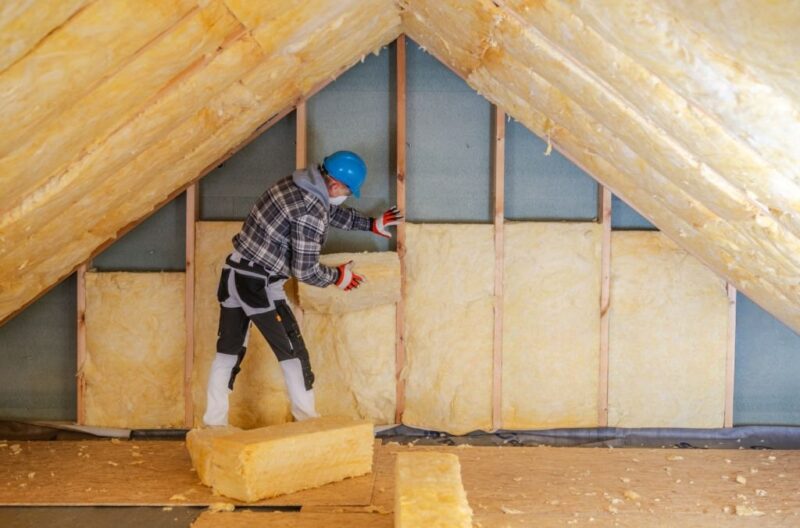
Insulation helps keep cooled air inside and outdoor heat outside. A well-insulated home may need less cooling capacity because it holds conditioned air more effectively. Poor insulation, especially in attics, walls, or crawl spaces, can increase heat gain and force the AC system to work harder. Before selecting a new system, insulation quality should be considered as part of the sizing process.
4. Window Size, Type, and Sun Exposure
Windows can add a significant amount of heat to a home, especially if they are large, older, single-pane, or exposed to direct sunlight. South- and west-facing windows often receive strong heat during the day, increasing cooling demand. Window treatments, shading, and energy-efficient glass can help reduce heat gain. A proper load calculation accounts for window size, type, direction, and sun exposure.
5. Number of Occupants
The number of people living in the home can also affect AC sizing. People naturally produce body heat, and daily activities such as cooking, showering, laundry, and using electronics can add more heat indoors. A home with more occupants may require slightly more cooling capacity than a similar home with fewer people, especially during peak use hours.
6. Local Climate and Humidity Levels
Local climate is especially important in Florida. Air conditioners must handle both high temperatures and heavy humidity. A system that is too large may cool the home quickly but fail to run long enough to remove enough moisture. A system that is too small may run constantly and still struggle during peak heat. Proper sizing helps balance temperature control with humidity removal.
7. Ductwork Condition and Airflow
Ductwork condition can affect how much cooling actually reaches each room. Leaky, undersized, damaged, or poorly insulated ducts can waste conditioned air and reduce system performance. Airflow restrictions can also make a properly sized AC seem ineffective. Before installing a new system, ductwork should be inspected to ensure the home can distribute cooled air efficiently and evenly.
Room Air Conditioner Sizing Basics
Room air conditioners are commonly sized by BTU capacity, which measures how much heat the unit can remove from a space in one hour. Choosing the right size matters because a room unit that is too small may run constantly without cooling effectively, while one that is too large may cycle off too quickly and leave the room feeling humid. The goal is to match the unit’s cooling capacity to the room’s actual conditions, not just its square footage.
Matching Room Size to BTU Capacity
Room size is the starting point for choosing BTU capacity. A small bedroom may only need a lower-BTU unit, while a larger living room or open area may require more cooling power. To estimate room size, multiply the room’s length by its width to calculate square footage. From there, homeowners can use manufacturer sizing charts as a general guide, but adjustments may still be needed based on sunlight, ceiling height, occupancy, and heat-producing appliances.
Adjusting for Sunlight and Shade
Sunlight can significantly affect how much cooling a room needs. Rooms that receive strong afternoon sun, especially through west- or south-facing windows, may require more BTU capacity to stay comfortable. On the other hand, shaded rooms or spaces with good window coverings may need less cooling power. Factoring in sun exposure helps prevent choosing a unit that struggles during the hottest parts of the day.
Adjusting for Kitchens and Heat-Producing Areas
Kitchens and rooms with heat-producing appliances often need additional cooling capacity. Ovens, stovetops, refrigerators, electronics, and lighting can all add heat to the space. If a room air conditioner is being installed in or near a kitchen, the unit may need extra BTUs to handle the added heat load. Without this adjustment, the AC may run longer and still fail to keep the area comfortable.
Adjusting for Occupancy
The number of people regularly using a room also affects cooling needs. Each person adds body heat to the space, which can increase the cooling load. A room used by one person occasionally may not need as much capacity as a living area, home office, or shared bedroom used by multiple people for long periods. If a room is often occupied by several people, a slightly higher BTU rating may be needed.
Why One Large Room Unit May Not Cool Multiple Rooms Well
A larger room air conditioner is not always a good solution for cooling multiple rooms. Walls, doorways, furniture, and layout restrictions can prevent cool air from moving evenly throughout connected spaces. One room may become too cold while another remains warm or humid. For multiple rooms, homeowners may need separate room units, ductless mini-splits, or a central AC solution designed to distribute air more effectively.
6 Common AC Sizing Mistakes Homeowners Make
1. Choosing a Unit Based Only on Square Footage
Square footage is often used as a starting point for AC sizing, but it should never be the only factor. Two homes with the same floor area can have very different cooling requirements depending on insulation, window placement, ceiling height, occupancy, and local climate. Selecting a unit based solely on square footage can easily result in equipment that is either too large or too small for the home’s actual needs.
2. Replacing the Old System With the Same Size Automatically
Many homeowners assume that if their previous AC was a certain size, the replacement should be identical. However, homes change over time. Improvements such as new windows, upgraded insulation, air sealing, roof replacements, or additions can affect cooling requirements. In some cases, the original system may not have been properly sized in the first place. A professional load calculation helps determine whether the existing size is still appropriate.
3. Assuming a Larger Unit Will Cool Faster
A common misconception is that a larger AC unit will cool the home more effectively. While an oversized system may lower the temperature quickly, it often creates other problems. Short cooling cycles can prevent proper humidity removal, reduce efficiency, and increase wear on equipment. In Florida’s humid climate, proper runtime is important for both temperature control and moisture management.
4. Ignoring Humidity Control Needs
Cooling is only part of an air conditioner’s job. The system must also remove moisture from the air to maintain indoor comfort. Homeowners who focus only on temperature may overlook the importance of humidity control when sizing a system. An oversized AC may cool too quickly and shut off before removing enough moisture, leaving the home feeling damp or sticky despite reaching the thermostat setting.
5. Forgetting About Ductwork and Airflow Problems
Even a properly sized AC may struggle if the ductwork cannot distribute air effectively. Leaky ducts, airflow restrictions, poor return air design, damaged ductwork, or inadequate insulation can all affect system performance. Replacing the air conditioner without evaluating airflow and duct conditions may leave comfort problems unresolved. Ductwork should be considered as part of the overall sizing process.
6. Using Online Calculators Without Professional Guidance
Online AC sizing calculators can provide rough estimates, but they often cannot account for the unique characteristics of a specific home. Important factors such as humidity levels, insulation quality, window orientation, occupancy, and ductwork conditions may not be fully considered. While these tools can be useful for general information, homeowners should rely on professional load calculations when making final equipment decisions to ensure accurate sizing and long-term comfort.
Why Florida Homes Need Careful AC Sizing
Florida homes require careful AC sizing because cooling demand is not only about lowering the temperature. Air conditioners must also manage humidity, handle long cooling seasons, and keep up with intense heat gain from sunlight, attics, windows, and outdoor conditions. If the system is not sized correctly, homeowners may experience uneven cooling, sticky indoor air, high energy bills, and unnecessary strain on the equipment.
High Heat and Long Cooling Seasons
Florida air conditioners often run for much of the year, not just during the peak of summer. Because of this heavy use, the system must be sized to handle extended cooling demands without being overworked. An undersized unit may run constantly and still struggle to keep the home comfortable, while an oversized unit may short cycle and wear down faster. Proper sizing helps the system operate efficiently through long periods of heat.
Humidity Control Requirements
Humidity control is one of the most important reasons AC sizing matters in Florida. A properly sized air conditioner runs long enough to remove moisture from the air while cooling the home. If the system is too large, it may cool the space quickly but shut off before enough humidity is removed. This can leave the home feeling damp, sticky, or uncomfortable even when the thermostat setting looks right.
Sun Exposure and Attic Heat
Florida homes can gain a significant amount of heat from direct sunlight, roof exposure, and hot attic spaces. Rooms with large windows, west-facing walls, poor attic insulation, or limited shading may need more cooling support than other areas of the home. A professional load calculation considers these factors so the AC system can handle real heat gain rather than relying on square footage alone.
Coastal Conditions and Home Efficiency
In coastal areas like Port Charlotte, humidity, salt air, storms, and outdoor debris can affect HVAC performance over time. Home efficiency also plays a major role in sizing. A well-insulated, tightly sealed home may need less cooling capacity than a drafty home with aging windows or leaky ducts. Considering both coastal conditions and home efficiency helps ensure the system is sized for comfort, reliability, and long-term performance.
Why Port Charlotte Homes Need Local HVAC Expertise
Port Charlotte homeowners benefit from working with HVAC professionals who understand local weather, humidity levels, housing styles, and cooling demands. Local expertise helps ensure the system is sized not just for general Florida conditions, but for the specific challenges of homes in the area. With the right evaluation, homeowners can choose an AC system that delivers steady comfort, better humidity control, and efficient performance through Florida’s demanding climate.
Energy Efficiency and Proper AC Sizing
Energy efficiency is one of the biggest reasons proper AC sizing matters. Homeowners often focus on efficiency ratings when shopping for a new air conditioner, but even the most efficient system may not perform as expected if it is not sized correctly. The right combination of cooling capacity and efficiency helps reduce energy waste, improve comfort, and lower long-term operating costs.
How Correct Sizing Helps Lower Energy Use
A properly sized AC system operates in balanced cooling cycles that allow it to cool the home efficiently without excessive runtime or frequent starts and stops. Oversized systems often short cycle, while undersized systems may run continuously. Both situations can lead to unnecessary energy consumption. Correct sizing helps the equipment operate under optimal conditions, reducing strain and improving overall efficiency.
SEER2 Ratings and System Performance
SEER2, or Seasonal Energy Efficiency Ratio 2, is a rating used to measure how efficiently an air conditioner operates under updated testing standards. Higher SEER2 ratings generally indicate greater energy efficiency and lower operating costs. However, the rating alone does not guarantee performance. A high-efficiency unit that is improperly sized may still experience comfort issues, humidity problems, and wasted energy. Proper sizing and proper installation are essential for achieving the benefits of a high SEER2 system.
Matching Efficiency With Home Cooling Needs
The most effective AC system is one that balances efficiency with the home’s actual cooling requirements. A system that is too large may never operate long enough to maximize efficiency, while a system that is too small may work harder than intended. Professional load calculations help ensure homeowners select equipment that not only offers strong efficiency ratings but also matches the specific needs of the home, climate, and lifestyle.
Long-Term Utility Cost Considerations
Air conditioning represents a significant portion of household energy use, especially in Florida. Choosing the correct AC size can help reduce monthly utility costs by minimizing wasted energy and improving cooling performance. While utility savings vary based on factors such as home efficiency, thermostat settings, and usage habits, properly sized equipment is generally better positioned to deliver consistent performance without excessive energy consumption.
Balancing Upfront Cost and Long-Term Value
Homeowners sometimes focus primarily on the purchase price of a new AC system, but long-term value should also be part of the decision. A correctly sized, energy-efficient system may cost more initially than a lower-efficiency model, but it can potentially provide benefits through improved comfort, reduced energy use, better humidity control, and lower repair risks. When evaluating replacement options, considering both upfront costs and long-term operating expenses can lead to a more informed investment in home comfort.
6 Signs Your Current AC May Be the Wrong Size
1. System Turns On and Off Too Often
Frequent starting and stopping, known as short cycling, can be a sign that an AC system is oversized. A unit with too much cooling capacity may lower the temperature quickly and shut off before completing a full cooling cycle. While this may seem efficient, it can increase wear on components, reduce humidity control, and create uneven comfort throughout the home.
2. AC Runs Constantly Without Cooling Enough
An air conditioner that runs almost continuously but still struggles to reach the thermostat setting may be undersized for the home. During periods of extreme heat, an undersized system may not have enough cooling capacity to keep up with demand. Continuous operation can increase energy use, place additional strain on the equipment, and shorten system lifespan over time.
3. Rooms Feel Uneven or Uncomfortable
Hot and cold spots throughout the home may indicate that the AC system is not properly matched to the cooling load. Some rooms may cool quickly while others remain warm or stuffy. While ductwork and airflow issues can contribute to uneven temperatures, improper sizing can also affect how effectively conditioned air is distributed throughout the home.
4. Indoor Air Feels Humid or Sticky
In Florida, humidity control is a major part of indoor comfort. If your home feels damp or sticky even when the thermostat shows the desired temperature, an oversized AC may be shutting off too quickly to remove enough moisture from the air. Properly sized systems typically run long enough to support both cooling and dehumidification, helping create a more comfortable indoor environment.
5. Energy Bills Are Higher Than Expected
An incorrectly sized AC system may consume more energy than necessary. Oversized systems can waste energy through repeated starts and stops, while undersized systems may run constantly in an attempt to keep up with cooling demands. If utility bills seem unusually high despite normal usage habits, the size of the AC system may be one factor worth investigating.
6. Frequent Repairs or Early System Wear
Systems that are too large or too small often experience additional stress that can lead to increased wear on compressors, motors, electrical components, and other parts. Frequent repairs, recurring performance issues, or premature component failures may indicate that the equipment is not operating under ideal conditions. A professional HVAC evaluation can help determine whether sizing is contributing to ongoing repair concerns and equipment wear.
Professional AC Sizing Services in Port Charlotte, FL
Professional AC sizing helps ensure your new cooling system is matched to your home’s actual needs, not based on guesswork. In Port Charlotte, FL, where heat and humidity place heavy demand on air conditioning systems, proper sizing is essential for comfort, efficiency, humidity control, and long-term equipment performance. Dale’s AC helps homeowners choose the right system size through careful evaluations, airflow assessments, and honest recommendations.
In-Home Cooling Load Evaluations
An in-home cooling load evaluation looks at the specific factors that affect how much cooling your home needs. This may include square footage, ceiling height, insulation, window placement, sun exposure, number of occupants, ductwork condition, and local climate demands. By evaluating the home as a complete system, Dale’s AC can help determine the right cooling capacity for consistent comfort and efficient operation.
Proper Equipment Recommendations
Choosing the right equipment involves more than selecting a system with enough power. The AC unit must be properly sized, compatible with your home’s layout, and suited to your comfort goals. Dale’s AC can recommend equipment that balances cooling performance, humidity control, energy efficiency, and long-term reliability. This helps homeowners avoid oversized or undersized systems that may lead to comfort problems and higher operating costs.
Ductwork and Airflow Assessments
Even a correctly sized AC system can struggle if ductwork and airflow are not properly evaluated. Leaky ducts, undersized duct runs, blocked vents, poor return airflow, or damaged ductwork can reduce cooling performance and make rooms feel uneven. Dale’s AC can inspect your ductwork and airflow to identify problems that may need to be addressed before or during installation.
Energy-Efficient AC Installation Options
A properly sized energy-efficient AC system can help lower energy use while improving indoor comfort. Dale’s AC can help homeowners compare modern installation options, efficiency ratings, and system features that fit their home and budget. With the right equipment and professional AC installation in Port Charlotte, your new system can provide reliable cooling while helping reduce unnecessary energy waste.
Honest Guidance From Dale’s AC
Dale’s AC provides honest guidance to help Port Charlotte homeowners make confident AC sizing and installation decisions. If your current system size is working well, we will explain why. If a different size or setup would better serve your home, we will walk you through the reasoning clearly. Our goal is to help you choose a cooling system that keeps your home comfortable, efficient, and ready for Florida’s demanding climate.
FAQs About AC Sizing
How do I know what size air conditioner I need?
The best way to know what size air conditioner you need is to schedule a professional load calculation. This evaluation looks at your home’s square footage, insulation, ceiling height, window exposure, ductwork, airflow, occupancy, and local climate. While basic sizing charts can provide a rough estimate, they cannot replace a professional assessment of your home’s actual cooling needs.
How many BTUs do I need per square foot?
A common rule of thumb is to estimate around 20 BTUs per square foot for room air conditioners, but this is only a general starting point. Sun exposure, ceiling height, insulation, number of occupants, appliance heat, and humidity can all change the needed capacity. For central AC systems, BTU-per-square-foot estimates should be used carefully because whole-home cooling requires a more detailed load calculation.
What size AC do I need for a 2,000-square-foot home?
A 2,000-square-foot home may commonly require a system in the 3- to 4-ton range, but this can vary widely depending on insulation, window type, ceiling height, sun exposure, ductwork, and Florida humidity. Choosing based on square footage alone can lead to sizing mistakes. A professional HVAC contractor should calculate the actual cooling load before recommending equipment.
Is a bigger AC unit better?
No, a bigger AC unit is not always better. An oversized system may cool the home quickly, but it can shut off before removing enough humidity. This can leave the home feeling damp or sticky, especially in Florida. Oversized systems may also short cycle, use more energy, and wear out components faster.
What happens if my AC is oversized?
If your AC is oversized, it may turn on and off too frequently. This short cycling can cause uneven cooling, poor humidity control, higher energy use, and increased wear on the compressor and other components. Over time, an oversized system may lead to more repairs and a shorter equipment lifespan.
Can an undersized AC damage the system?
Yes, an undersized AC can experience extra strain because it may run constantly while trying to cool the home. This extended runtime can increase energy bills, wear down components faster, and reduce system lifespan. It may also struggle to reach the thermostat setting during hot Florida weather.
Do I need a load calculation before installing a new AC?
Yes, a load calculation is strongly recommended before installing a new AC system. It helps determine the correct cooling capacity for your home and prevents common sizing mistakes. Without one, you may end up with a system that is too large, too small, inefficient, or unable to manage humidity properly.
Should I replace my old AC with the same size unit?
Not automatically. Your old AC may not have been sized correctly, or your home’s cooling needs may have changed over time due to insulation upgrades, window replacements, renovations, ductwork changes, or air sealing improvements. Before replacing your system, a professional evaluation can confirm whether the same size is still the right choice.
Don’t Size by Guesswork—Size for Success!
Choosing the right size air conditioner is one of the most important factors in achieving lasting comfort, energy efficiency, and reliable performance. A properly sized system can help maintain consistent temperatures, control Florida humidity, reduce energy waste, and minimize unnecessary wear on HVAC equipment. By considering factors such as home layout, insulation, airflow, and cooling load rather than relying on simple rules of thumb, homeowners can make a smarter investment in their long-term comfort.
At Dale’s AC as a trusted HVAC company in Port Charlotte, we help homeowners take the guesswork out of AC sizing with professional load calculations, thorough system evaluations, and honest recommendations tailored to each home’s unique needs. Whether you’re replacing an aging unit or planning a new installation, we can help you choose a system that delivers the right balance of comfort, efficiency, and performance. We also provide AC replacement in Port Charlotte, air conditioning repair in Port Charlotte, AC maintenance in Port Charlotte, indoor air quality in Port Charlotte, and attic insulation in Port Charlotte. Call us today at (941) 629-1712 or contact us and let us help you find the perfect fit for your home’s cooling needs.