

Attic insulation plays an important role in keeping Florida homes comfortable by slowing the transfer of heat between the attic and living spaces. In Port Charlotte, where high temperatures, humidity, and a long cooling season can place significant demands on your air conditioner, inadequate or poorly installed insulation may contribute to hotter rooms, longer HVAC runtimes, and inconsistent indoor temperatures. Proper insulation can help create a stronger thermal barrier while working alongside air sealing, ventilation, and an efficient HVAC system.
Choosing the right attic insulation is about more than simply adding material or selecting the highest R-value. The condition of your existing insulation, attic design, moisture levels, ventilation, air leaks, and the type of insulation being installed all need to be considered. In this guide, we’ll explain the different types of attic insulation, how to recognize when your home may need an upgrade, what the installation process involves, and how professional attic insulation services in Port Charlotte can help improve your home’s comfort and overall performance.
Why Attic Insulation Matters in Port Charlotte
Attic insulation is especially important in Port Charlotte because Florida homes face significant heat and moisture loads for much of the year. Your attic can become substantially hotter than the living areas below it, allowing heat to transfer through the ceiling and increasing the demand placed on your air-conditioning system. Proper insulation helps create a stronger barrier between the hot attic and conditioned spaces, supporting more consistent indoor comfort.
Florida’s Hot and Humid Climate
Port Charlotte’s climate brings high outdoor temperatures, high humidity, and a long cooling season. During much of the year, your air conditioner must work continuously to remove heat and maintain comfortable indoor temperatures. High outdoor moisture can also increase the overall cooling and dehumidification demands placed on the HVAC system.
Because the attic is directly exposed to heat from the roof, inadequate insulation can make it easier for that heat to affect the rooms below. Improving the attic’s insulation can help reduce this heat transfer and support the home’s overall thermal performance.
Attic Heat Can Increase Cooling Demand
As the roof absorbs heat from the Florida sun, attic temperatures can rise significantly. Without adequate insulation, some of that heat can transfer through the ceiling into conditioned living spaces. This can cause indoor temperatures to rise and make the AC run longer to maintain the thermostat setting.
When an HVAC system has to compensate for excessive heat gain, it may experience greater workload and potentially higher energy use. Insulation cannot correct an inefficient or malfunctioning AC system, but reducing unnecessary heat transfer can help the system manage the home’s cooling load more effectively.
Attic Insulation Can Improve Indoor Comfort
Properly installed attic insulation can help reduce heat entering the living space from above. This may contribute to more consistent indoor temperatures and reduce the likelihood of rooms becoming noticeably hotter than the rest of the home.
Insulation is particularly helpful when combined with appropriate air sealing and other building-envelope improvements. Together, these measures can reduce unwanted heat transfer and help create a more comfortable indoor environment.
Attic Insulation Works as Part of a Whole-Home Strategy
Attic insulation is most effective when considered as one part of the home’s overall performance. HVAC equipment, air sealing, duct insulation, attic ventilation, and other building-envelope improvements can all influence how efficiently a home manages heat and moisture.
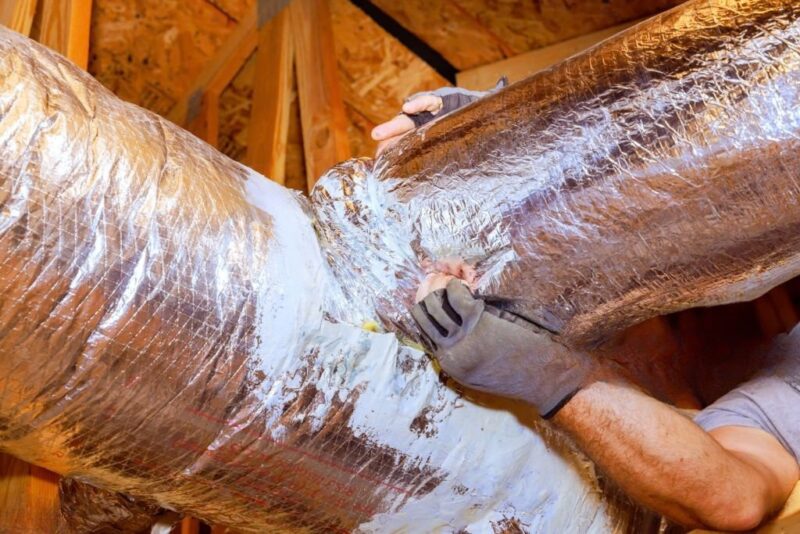
For example, well-insulated ducts can help prevent conditioned air from losing energy as it travels through a hot attic, while air sealing can reduce unwanted heat and moisture movement through gaps and penetrations. Evaluating these components together can provide a more complete picture of what your Port Charlotte home needs for better comfort and HVAC performance.
9 Signs Your Attic May Need More Insulation
1. Uneven Temperatures Between Rooms
If some rooms consistently feel warmer or cooler than others, heat transfer through the attic may be contributing to the problem. This can be particularly noticeable in rooms directly below the attic or areas that receive significant sun exposure. However, uneven temperatures can also result from ductwork problems, airflow restrictions, insulation gaps elsewhere, or HVAC issues.
2. Rooms Become Excessively Hot in Summer
A room that becomes noticeably hotter during Florida’s summer months may be receiving excessive heat through the ceiling. Inadequate attic insulation can allow more heat to transfer into the conditioned space, particularly during periods of intense sunlight.
An attic inspection can help determine whether insulation levels, air leakage, ductwork, or other building-envelope issues are contributing to the problem.
3. HVAC Runs for Long Periods
Long AC runtimes are normal during periods of extreme heat, but unusually long or frequent operation may indicate that the home is experiencing excessive heat gain. Insufficient attic insulation can increase the amount of heat the HVAC system needs to overcome.
Other potential causes include dirty filters, restricted airflow, refrigerant issues, duct leakage, poor insulation in other areas, or an aging or improperly sized system.
4. Cooling Costs Are Higher Than Expected
Unexpected increases in cooling costs can sometimes be associated with greater heat transfer through the attic. If insulation is inadequate, your AC may need to operate longer to maintain the thermostat setting.
However, utility costs can also change because of weather, energy rates, HVAC efficiency, occupancy, and other factors. A professional assessment can help determine whether attic insulation is contributing to higher cooling demand.
5. Existing Insulation Looks Thin or Uneven
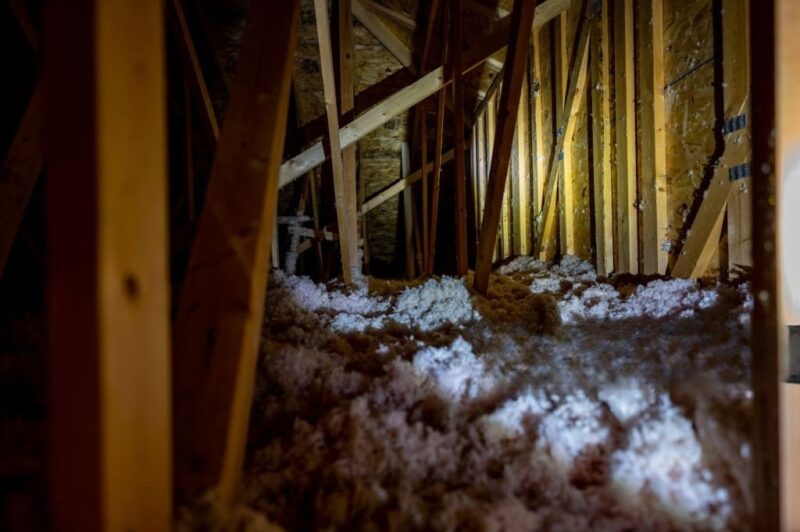
A visual inspection may reveal areas where insulation appears noticeably thinner than others. You may also see bare sections of attic floor or inconsistent coverage around the edges and penetrations.
Uneven insulation can create areas where heat transfers more easily. Measuring insulation depth and evaluating the entire attic is more useful than judging its condition from a single visible area.
6. Insulation Is Compressed or Damaged
Compressed insulation may not provide the same thermal performance as properly installed material, depending on the insulation type. Insulation can also become damaged by water, pests, remodeling work, or other activities in the attic.
Before adding new insulation, the existing material should be evaluated to determine whether it can remain in place or needs to be repaired or removed.
7. Attic Feels Excessively Hot
Attics naturally become hot in Florida, especially during sunny summer days. However, excessive attic temperatures combined with inadequate insulation, poor ventilation, or air leakage can contribute to greater heat transfer into the living space.
The temperature of the attic alone does not determine whether insulation is adequate. A professional should evaluate insulation levels, ventilation, air sealing, and the attic assembly as a whole.
8. Drafts Occur Around Attic Access Points
Drafts around an attic hatch or access panel may indicate air leakage between the conditioned space and attic. This can allow hot, humid air to move into the home and conditioned air to escape.
Adding insulation to the attic may not correct this particular problem by itself. Properly sealing and weatherstripping the access point can be an important part of improving the home’s building envelope.
9. Moisture or Condensation Is Present
Moisture, condensation, staining, or musty odors in an attic should be investigated before adding insulation. Water intrusion, inadequate ventilation, duct condensation, plumbing leaks, or excessive indoor humidity can all contribute to attic moisture.
Installing insulation over an unresolved moisture problem can hide the issue and potentially lead to further damage. The source of moisture should be identified and addressed first.
Remember: These signs can have multiple causes, and additional attic insulation is not automatically the solution. A professional evaluation can help determine whether insulation, air sealing, duct improvements, HVAC service, ventilation changes, moisture control, or another improvement is appropriate for your home.
Understanding Attic Insulation R-Value
When choosing attic insulation, one of the most important specifications to consider is R-value, which describes how well an insulation material resists heat flow. However, R-value is only one part of overall insulation performance. The material type, thickness, installation quality, air leakage, moisture conditions, and attic design can all affect how effectively an insulated assembly performs.
What Is R-Value?
R-value measures an insulation material’s resistance to heat flow, with higher R-values generally providing greater resistance to heat transfer. The R-value achieved in an attic depends on the type of insulation and how much material is installed. Different products can provide different R-values at the same thickness, so comparing insulation based only on inches can be misleading. Installation quality also matters because gaps, compression, and uneven coverage can reduce the real-world performance of an otherwise high-R-value material.
Why R-Value Matters in Florida
R-value is particularly important in Florida because homes spend much of the year managing cooling loads. During hot weather, properly selected and installed attic insulation can slow heat transfer from the roof and attic into conditioned living spaces. For Port Charlotte homeowners, an appropriately insulated attic can help reduce heat gain, support more consistent indoor temperatures, and potentially reduce the cooling workload. The appropriate insulation level and installation approach depend on the home’s construction, attic design, existing insulation, and applicable requirements.
How Insulation Depth Affects Performance
In general, increasing the thickness of insulation increases its R-value, making insulation depth an important consideration when evaluating an attic. However, simply adding more material does not guarantee better performance if the insulation is compressed, unevenly distributed, or installed with significant gaps and voids. Compression can reduce the effective performance of certain insulation products, while uncovered areas can create pathways for greater heat transfer. Consistent coverage and appropriate installation are therefore just as important as the insulation’s rated R-value.
Florida Building Code Considerations
Attic insulation projects should account for applicable Florida Building Code requirements and the specific design of the attic. Requirements can vary based on the building assembly, construction type, and whether the attic is vented or unvented. Because these assemblies use different approaches to insulation, ventilation, air sealing, and moisture management, an installation method suitable for an attic floor may not be appropriate for a roofline application. Florida also has specific requirements for certain unvented attic assemblies, including provisions related to insulation, air leakage, and moisture control. Homeowners should verify current requirements for their specific project rather than relying on outdated R-value charts or generic recommendations.
How to Choose the Right Attic Insulation for Your Home
Choosing attic insulation involves more than selecting a material with a high R-value. The right option depends on your home’s attic design, existing insulation, moisture conditions, HVAC setup, installation requirements, and overall project goals. Evaluating these factors together can help ensure the insulation works effectively as part of your home’s building envelope.
Consider the Existing Attic Design
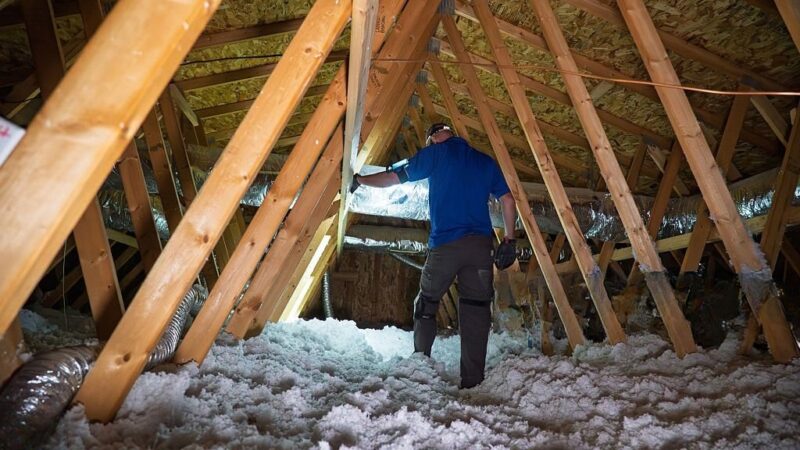
Start by determining whether your home has a vented or unvented attic, as this can influence where insulation should be installed. In a traditional vented attic, insulation is commonly installed along the attic floor, while some unvented designs may use insulation along the roofline. Available installation depth, existing insulation, attic access, and the condition of the assembly should also be considered before choosing a material or installation method.
Evaluate the Condition of the Attic
Before installing new insulation, inspect the attic for moisture, air leaks, existing damage, and other conditions that could affect the project. Ductwork should be evaluated for insulation, leakage, and condition, while electrical and plumbing penetrations may need appropriate air sealing or preparation. Any water intrusion or moisture problem should be addressed before insulation is installed to avoid covering up an underlying issue.
Compare Insulation Performance Characteristics
When comparing insulation products, consider more than R-value. Look at the material’s air-sealing capabilities, moisture characteristics, installation requirements, and expected long-term performance. Some products may provide both insulation and air sealing, while others are primarily designed to resist heat transfer. The best choice depends on the attic assembly and the specific goals of the project, so professional guidance can help determine which characteristics matter most for your home.
Consider the Complete Project Cost
The cost of an attic insulation project includes more than the insulation material itself. Materials, labor, air sealing, existing insulation removal, necessary repairs, ventilation modifications, and cleanup can all affect the final price. A lower-cost insulation material may not be the most economical choice if the attic requires significant preparation or additional work. Getting a professional assessment and detailed estimate can help you understand the complete scope of the project before installation begins.
Attic Insulation and Air Sealing
Attic insulation and air sealing work together to improve the performance of your home’s building envelope. While insulation slows heat transfer, air sealing helps prevent unwanted air movement between the attic and conditioned living spaces. Addressing both can be especially important in Port Charlotte, where hot temperatures and high humidity can increase the amount of heat and moisture that moves through gaps in the home.
Common Attic Air-Leak Locations
Air leaks can occur in many areas where the ceiling separates the living space from the attic, including attic hatches, plumbing penetrations, electrical penetrations, duct chases, recessed lighting areas, top plates, and dropped soffits. These openings may be small individually, but multiple leaks can allow significant amounts of unconditioned attic air to move into the home. A professional inspection can help identify leakage pathways that may not be obvious from inside the living space.
Why Air Leakage Matters
Unconditioned attic air can enter living areas through gaps and penetrations, bringing outdoor heat and humidity with it. This can make it more difficult to maintain comfortable indoor temperatures and may increase the workload on the HVAC system. Air leakage can also reduce the effectiveness of an otherwise well-insulated attic because insulation is designed primarily to slow heat transfer, not stop air movement. Addressing uncontrolled air movement can therefore be an important part of improving overall insulation performance.
Why Air Sealing Should Be Addressed Before Insulation
Air sealing is generally best addressed as part of the attic preparation process before new insulation is installed. This involves identifying leakage pathways, sealing appropriate penetrations, and taking care to protect electrical, plumbing, lighting, and other building components as needed. Once preparation is complete, insulation can be installed with more consistent coverage and fewer pathways for unwanted heat and air movement. A professional can determine which areas should be sealed and how air sealing should be coordinated with the home’s insulation and ventilation design.
Attic Insulation and Ventilation
Attic insulation and ventilation serve different but complementary roles in an appropriately designed attic assembly. Insulation helps slow heat transfer between the attic and conditioned areas, while ventilation can help manage heat and moisture within certain vented attic designs. In Port Charlotte’s hot and humid climate, both should be considered as part of the overall attic system rather than treated as interchangeable solutions.
Why Attic Ventilation Matters
Proper attic ventilation can help manage heat and moisture in attic assemblies designed for ventilation. It supports the movement of air through designated pathways and can contribute to the overall performance of the attic. However, ventilation requirements depend on the home’s construction and attic design, so adding or modifying vents should be based on an evaluation of the existing system rather than simply adding more openings.
Common Attic Ventilation Components
Common attic ventilation components include soffit vents, ridge vents, and gable vents, along with other designed ventilation pathways. Soffit vents can provide intake airflow, while ridge and gable vents can help provide exhaust pathways. The components need to work together as part of a properly designed system, with adequate airflow through the intended ventilation channels.
Insulation Should Not Block Ventilation
When insulation is installed along an attic floor, care should be taken to avoid blocking required ventilation pathways. Baffles may be used where appropriate to maintain airflow from soffit vents into the attic. Keeping soffit vents and other designed pathways clear helps preserve the intended ventilation system. Insulation should also be installed consistently without creating unintended blockages or disrupting components that are necessary for proper attic airflow.
Insulation and Ventilation Serve Different Purposes
Insulation primarily slows heat transfer, while ventilation manages air movement within an appropriately designed attic assembly. Adding insulation does not automatically eliminate the need for ventilation, and increasing ventilation does not replace adequate insulation. The right combination depends on factors such as attic design, insulation location, moisture conditions, and local building requirements. A professional assessment can help determine whether your attic’s insulation and ventilation systems are working together as intended.
9 Common Attic Insulation Problems
1. Insufficient Insulation Depth
Insulation that is too shallow may not provide enough resistance to heat transfer for the home’s design and applicable requirements. In Florida, inadequate attic insulation can allow more heat to move from the roof and attic into the living space. Measuring the existing insulation depth throughout the attic can help determine whether additional insulation may be appropriate.
2. Uneven Insulation Coverage
Insulation should generally provide consistent coverage across the areas it is intended to protect. Thin spots, bare sections, and areas where insulation has been pushed aside can create pathways for increased heat transfer. Uneven coverage may develop because of previous work, storage activity, remodeling, or poor installation.
3. Compressed Insulation
Certain insulation materials can lose some of their intended performance when compressed. Compression can occur when insulation is packed into tight spaces, covered by stored items, or disturbed during maintenance work. The impact depends on the type of insulation and the degree of compression, so damaged or compressed areas should be evaluated before adding more material.
4. Gaps and Voids
Gaps around insulation can reduce overall coverage and allow greater heat transfer through the ceiling. Voids may occur around attic penetrations, edges, access points, ductwork, or areas where insulation has been moved. Filling or correcting these areas as part of a properly planned installation can help create more consistent insulation coverage.
5. Blocked Soffit Vents
Insulation installed too close to soffit vents can restrict intended attic airflow in vented attic assemblies. Baffles may be needed to maintain a clear ventilation channel between the soffits and attic space. Insulation should be installed carefully so that required ventilation pathways remain open and functional.
6. Poorly Sealed Attic Penetrations
Gaps around plumbing pipes, electrical wiring, duct chases, recessed lighting, and other ceiling penetrations can allow air to move between the attic and living spaces. Adding insulation without addressing significant air leaks may leave an important building-envelope problem unresolved. Appropriate air sealing should be considered as part of the overall attic preparation process.
7. Moisture-Damaged Insulation
Water intrusion, condensation, plumbing leaks, or other moisture problems can damage insulation and affect the condition of the surrounding attic assembly. Wet or contaminated insulation may need to be evaluated for repair or removal, depending on the material and extent of the damage. The source of moisture should always be addressed before installing new insulation.
8. Old or Deteriorated Insulation
Older insulation may still be usable if it is clean, dry, and properly installed, but age alone does not determine whether replacement is necessary. Insulation that has deteriorated, become contaminated, settled significantly, or developed extensive gaps may no longer perform as intended. A professional assessment can determine whether existing material should remain, be supplemented, or be removed.
9. Improper Spray Foam Application
Spray foam requires careful application because coverage, thickness, adhesion, and installation conditions can affect its performance. Poorly applied foam may have gaps, inconsistent thickness, adhesion problems, or other installation defects. Because spray foam can also affect the design of an attic assembly, ventilation, moisture management, and applicable building requirements should be considered before installation.
Attic Insulation Installation Process
Professional attic insulation installation involves more than simply spreading or spraying insulation throughout the attic. A proper installation begins with an assessment of the existing attic assembly and ends with an inspection of the completed work. Each step helps ensure the insulation is appropriate for the home, installed consistently, and coordinated with air sealing, ventilation, moisture management, and other building components.
Step 1: Inspect the Attic
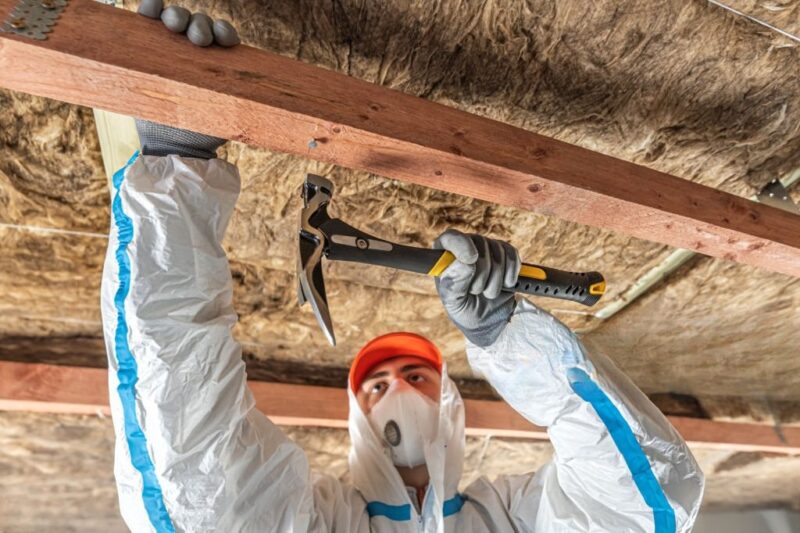
The process typically begins with a detailed inspection of the attic. This includes evaluating the existing insulation, moisture conditions, air leakage, ventilation, ductwork, and electrical and plumbing components. The inspection can reveal thin or damaged insulation, water intrusion, blocked ventilation pathways, or areas where air sealing may be needed before new insulation is installed.
Step 2: Determine the Appropriate Insulation Strategy
Once the attic has been evaluated, the appropriate insulation strategy can be determined. This may include selecting the insulation type, target R-value, and installation location based on the home’s design and existing attic assembly. A vented attic with insulation at the attic floor may require a different approach from an unvented assembly insulated along the roofline, so the strategy should be based on the specific structure rather than a one-size-fits-all recommendation.
Step 3: Prepare the Attic
Before insulation is installed, necessary preparation should be completed. This may include sealing appropriate air leaks, addressing moisture concerns, installing ventilation baffles where necessary, and protecting applicable building components. Any unresolved water intrusion or other conditions that could compromise the insulation should be addressed before installation proceeds.
Step 4: Install the Insulation
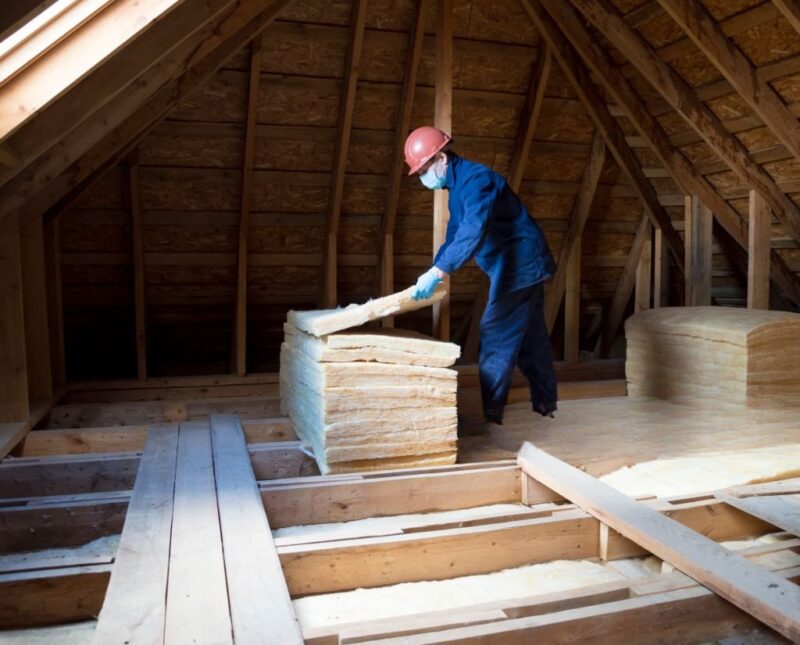
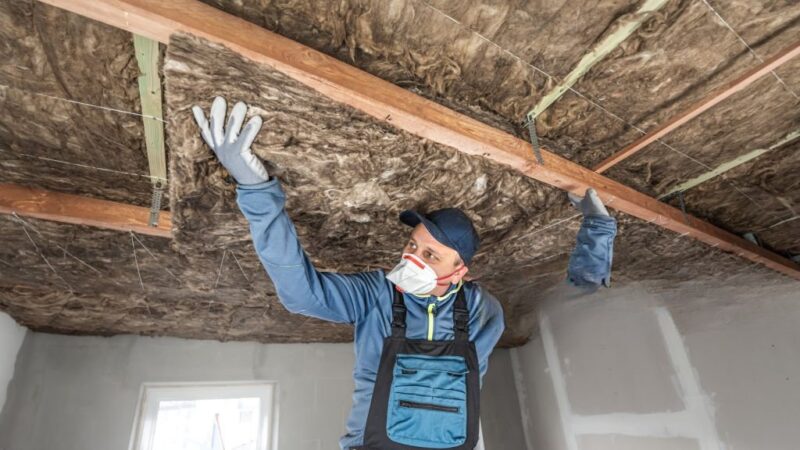
The insulation is then installed according to the selected strategy and product requirements. Proper installation should provide consistent coverage while avoiding unnecessary gaps, voids, and compression. In vented attic assemblies, installers should also maintain designated ventilation pathways so that insulation does not obstruct soffit vents or other components.
Step 5: Inspect the Completed Installation
After installation, the attic should be inspected to verify that the work was completed properly. This includes checking insulation coverage and depth, edges, access points, and areas around penetrations. Where applicable, ventilation pathways should also be checked to ensure they remain functional and have not been blocked by the new insulation.
Step 6: Document the Work
Documentation provides a useful record of the completed project. This may include the insulation type, installed R-value, areas treated, and maintenance or future inspection recommendations. Keeping these details can be helpful when planning future HVAC, roofing, remodeling, or insulation work and gives homeowners a clearer understanding of what was installed and where.
How Much Does Attic Insulation Cost in Port Charlotte?
The cost of attic insulation in Port Charlotte can vary considerably from one home to another. The total price depends not only on the insulation material but also on the condition and accessibility of the attic, the amount of insulation needed, and whether additional work such as air sealing, removal, or moisture correction is required. Because every attic is different, an on-site evaluation is the best way to determine the appropriate scope and provide an accurate estimate.
Factors That Affect Attic Insulation Cost
Several factors can influence the cost of an attic insulation project, including attic size, insulation type, existing insulation, target R-value, accessibility, and labor requirements. The project may also cost more if existing insulation needs to be removed and disposed of, air leaks need to be sealed, or the attic has moisture or pest-related damage. In some homes, ventilation modifications may also be necessary to maintain appropriate airflow through the attic assembly. A larger attic or more complex installation generally requires more materials, labor, and preparation.
Why a Professional Estimate Matters
A professional estimate is valuable because every attic has different conditions. The amount and type of insulation required can vary based on the existing assembly, available installation space, current insulation levels, and the home’s construction. Existing insulation may be suitable for supplementation, or it may need to be removed because of damage or contamination. Additional repairs or air sealing may also be necessary before insulation can be installed properly. An on-site assessment allows a professional to evaluate these factors and develop a more accurate project scope and estimate.
Consider the Long-Term Value
Attic insulation should be viewed as a home-comfort and building-envelope improvement rather than simply an upfront expense. Properly installed insulation can help create more consistent indoor temperatures, potentially reduce cooling demand, and improve overall building-envelope performance. In Port Charlotte’s hot climate, reducing unnecessary heat transfer through the attic may also help your HVAC system manage the home’s cooling load more effectively. While actual energy savings vary based on the home, insulation, HVAC system, and other conditions, investing in the right insulation strategy can provide value beyond the initial installation cost.
Why Florida Homeowners Trust Dale’s AC
Choosing an attic insulation professional is about more than finding someone to install insulation. Your attic, HVAC system, building envelope, ventilation, and indoor air quality can all influence how comfortable and efficiently your home operates. At Dale’s AC, we take a whole-home approach to help Florida homeowners identify the factors affecting comfort and determine which solutions make sense for their property.
Serving Southwest Florida Since 1974
Dale’s AC has been serving Southwest Florida homeowners since 1974, giving our team decades of experience working with the region’s unique heat, humidity, and cooling demands. Our local experience helps us understand the challenges Florida homes can face and how attic conditions can interact with HVAC performance and indoor comfort.
Professional Attic Insulation Evaluations
Before recommending an insulation solution, we can evaluate the condition and layout of your attic, including existing insulation, insulation coverage, air leakage, ventilation, moisture concerns, and other relevant conditions. This helps us determine whether your home may benefit from additional insulation, air sealing, or another improvement rather than recommending a one-size-fits-all solution.
HVAC and Building-Envelope Considerations
Attic insulation is closely connected to the way your home manages heat. We consider insulation alongside HVAC performance, ductwork, airflow, air sealing, and other building-envelope factors. Looking at these components together can help identify opportunities to improve comfort and reduce unnecessary strain on your cooling system.
Air Sealing and Home Comfort Solutions
Insulation and air sealing address different aspects of building performance, but they can work together to improve comfort. We can identify appropriate areas for air sealing, including gaps and penetrations between the attic and conditioned spaces, while considering how those improvements should work with the home’s insulation and ventilation.
FAQs About Attic Insulation Services in Port Charlotte
What type of attic insulation is best for a Florida home?
There is no single insulation type that is best for every Florida home. The right option depends on the attic design, existing insulation, desired R-value, available space, moisture conditions, air-sealing needs, and whether the attic is vented or unvented. Fiberglass, cellulose, and spray foam can all be appropriate in different applications, so a professional evaluation can help determine which option fits your home’s construction.
Is spray foam better than blown-in insulation?
Not necessarily. Spray foam can provide insulation and air-sealing benefits, while blown-in fiberglass or cellulose may be a practical option for adding insulation to an existing attic floor. The better choice depends on the attic assembly, project goals, installation requirements, budget, and moisture considerations. Rather than choosing based solely on the material’s advertised benefits, have the attic evaluated to determine which approach is appropriate.
Does attic insulation lower AC bills?
Attic insulation can potentially reduce cooling demand by slowing heat transfer from the hot attic into conditioned living spaces. This may help your AC maintain indoor temperatures with less heat gain to overcome. However, actual energy savings vary depending on the existing insulation, HVAC efficiency, ductwork, air leakage, thermostat settings, weather, and other factors. Insulation should be viewed as one part of an overall home-efficiency strategy.
Should I remove old attic insulation before adding new insulation?
Not always. Existing insulation may be suitable for remaining in place if it is clean, dry, properly installed, and in good condition. Removal may be appropriate when insulation is significantly damaged, contaminated, wet, pest-affected, or otherwise unsuitable for supplementation. A professional inspection can help determine whether the existing material should be retained, supplemented, repaired, or removed before new insulation is installed.
Does attic insulation improve indoor air quality?
Attic insulation itself is not an air purification system, so it does not directly remove pollutants from indoor air. However, when combined with appropriate air sealing, it may help reduce uncontrolled air movement between the attic and living spaces. Addressing attic moisture, air leakage, and HVAC-related concerns can also support overall indoor environmental quality. Any persistent indoor air quality concern should be evaluated based on its potential causes rather than assuming insulation alone will resolve it.
How often should attic insulation be inspected?
There is no universal inspection interval that applies to every home. It can be useful to inspect the attic when you notice changes in comfort, unexplained cooling problems, moisture, pest activity, damaged insulation, or after major roofing, HVAC, or remodeling work. Routine home maintenance can also provide opportunities to check the insulation’s condition. The appropriate frequency depends on the home’s age, attic conditions, and previous issues.
How long does attic insulation last?
The service life of attic insulation depends on the material, installation quality, environmental conditions, and whether it is exposed to moisture, pests, remodeling activity, or other damage. Some insulation can remain effective for many years when it stays clean, dry, and undisturbed. Age alone does not necessarily mean insulation needs to be replaced; its current condition and performance should be evaluated.
Should I have my attic inspected before installing new insulation?
Yes. An attic inspection can help identify existing insulation levels, air leaks, moisture problems, ventilation conditions, ductwork issues, and other factors that may affect the installation. Addressing problems before adding insulation can help prevent you from covering up an unresolved issue and ensure the selected insulation strategy is appropriate for your home’s attic design. A professional assessment can also help determine whether insulation, air sealing, HVAC improvements, or another solution should be prioritized.
Seal the Deal on Comfort with Better Attic Insulation!
Proper attic insulation can make an important difference in how a Port Charlotte home manages Florida’s heat and humidity. From choosing the right insulation and R-value to addressing air leaks, moisture, ventilation, and existing insulation problems, a professional evaluation can help ensure your attic is treated as part of the home’s complete building envelope. The right improvements can support more consistent indoor comfort and work alongside your HVAC system to better manage cooling demands.
At Dale’s AC as a professional HVAC company in Port Charlotte, we can help you evaluate your attic and determine whether attic insulation in Port Charlotte, air sealing, HVAC improvements, or indoor air quality solutions are right for your home. We also provide AC maintenance in Port Charlotte, AC installation in Port Charlotte, AC replacement in Port Charlotte, residential HVAC services in Port Charlotte, air conditioning repair in Port Charlotte, Indoor air quality in Port Charlotte, and Commercial HVAC services in Port Charlotte. If you’re ready to make your home more comfortable, call us today at (941) 629-1712 or contact us to discuss your options, including available financing options.