

When your air conditioner is running but your home still struggles to stay comfortable, some of that cooled air may not be the only thing working against you. Heat continually moves through the roof, attic, walls, and other parts of the building envelope. Without adequate insulation, more unwanted heat can enter during warm weather, increasing the amount of cooling your HVAC system needs to provide.
Proper insulation helps slow this heat transfer, making it easier for your home to maintain comfortable indoor temperatures. In Florida, where air conditioning plays an important role through much of the year, an effective insulation strategy may help reduce unnecessary cooling demand and support more efficient energy use. However, insulation is only one part of the equation. HVAC efficiency, ductwork, air leakage, thermostat settings, windows, weather, and household habits can all influence monthly utility costs. Below, we’ll explain how proper insulation lowers energy bills, where insulation matters most, and how to determine whether your home could benefit from an insulation upgrade.
Understanding R-Value and Insulation Performance
R-value is one of the most common measurements homeowners encounter when comparing insulation options. It helps describe how effectively insulation resists heat flow, but it is only one part of overall insulation performance. Material type, thickness, installation quality, air leakage, moisture, and the condition of the building assembly can all affect how well insulation performs in a home.
What Is R-Value?
R-value measures an insulation material’s resistance to heat flow. In general, the higher the R-value, the greater the material’s thermal resistance under rated conditions. R-value can be used to compare insulation products and determine how much insulation may be needed for a particular area of the home.
Why Higher R-Values Provide Greater Thermal Resistance
Heat naturally moves from warmer areas toward cooler areas. Insulation slows this transfer, and a higher R-value generally indicates greater resistance to heat moving through the insulated assembly. In a Florida attic, sufficient thermal resistance can help limit unwanted heat transfer from the hot attic or roof assembly toward conditioned living spaces below.
How Insulation Type and Thickness Affect R-Value
Different insulation materials provide different levels of thermal resistance per inch. Fiberglass, cellulose, open-cell spray foam, and closed-cell spray foam each have different characteristics and R-values. Increasing the properly installed thickness generally increases the total R-value, but the exact relationship should be based on product-specific specifications rather than a universal value for every insulation material.
Why Compression, Gaps, and Voids Can Reduce Performance
The rated R-value of an insulation product assumes appropriate installation conditions. Compressed insulation, missing sections, uneven coverage, gaps, and voids can create areas where heat transfers more readily through the building assembly. Proper installation is therefore just as important as selecting an insulation product with an appropriate R-value.
Why R-Value Does Not Measure Air Leakage
R-value measures resistance to heat flow through a material, not uncontrolled air movement through cracks and openings. A home can have insulation with a substantial R-value and still experience energy loss through air leakage around attic penetrations, framing connections, access points, and other gaps. Insulation and air sealing should therefore be evaluated as related but separate parts of the building envelope.
Choosing an Appropriate R-Value for Your Home
The appropriate R-value depends on factors such as climate, the area being insulated, existing insulation, construction type, available space, and applicable building requirements. More insulation is not automatically the solution to every comfort or energy concern. A professional evaluation can help determine the condition of the existing insulation, identify gaps or other problems, and establish an appropriate insulation strategy for the home.
How Proper Insulation Can Lower Energy Bills
Proper insulation can help reduce energy use by slowing unwanted heat transfer between conditioned living spaces and the surrounding environment. When less heat enters or escapes through the building envelope, the HVAC system may have less heating or cooling demand to manage. This can support more efficient energy use, although the effect on utility bills varies based on the home, HVAC system, weather, and household habits.
Reducing Unwanted Heat Transfer
Heat naturally moves from warmer areas toward cooler areas. Insulation creates thermal resistance that slows this movement through ceilings, walls, floors, and other parts of the building envelope. When insulation is properly installed with adequate and consistent coverage, it can reduce unnecessary heat transfer and help conditioned spaces maintain their temperature more effectively.
Limiting Heat Gain During Hot Weather
During Florida’s warm weather, solar energy can heat the roof and attic significantly. Some of this heat can move through the building assembly toward the conditioned rooms below. Proper attic insulation helps slow this transfer, potentially reducing the amount of unwanted heat the air conditioning system must remove to maintain comfortable indoor conditions.
Retaining Conditioned Indoor Air More Effectively
Insulation helps maintain the temperature of conditioned spaces by reducing heat transfer through the building envelope. However, insulation does not necessarily stop conditioned air from escaping through cracks and gaps. Combining appropriate insulation with effective air sealing can help address both heat transfer and uncontrolled air movement, potentially reducing unnecessary energy loss.
Reducing Unnecessary Heating and Cooling Demand
When a home gains or loses heat too easily, the HVAC system may need to provide additional heating or cooling to compensate. Proper insulation can reduce some of this unnecessary thermal load, helping the HVAC system maintain indoor conditions more efficiently. Insulation cannot, however, correct problems such as improperly sized equipment, restricted airflow, refrigerant issues, or leaking ductwork.
Helping the HVAC System Maintain the Thermostat Setting
A well-insulated building envelope can help slow temperature changes caused by outdoor conditions, making it easier for the HVAC system to maintain the selected thermostat setting. This may reduce unnecessary cooling or heating demand and support more consistent indoor temperatures. HVAC performance still depends on equipment condition, sizing, airflow, ductwork, maintenance, and other factors.
Why Actual Energy Savings Vary by Home
New or improved insulation does not guarantee a specific reduction in energy bills. Potential savings depend on the home’s existing insulation, air leakage, construction, HVAC efficiency, duct condition, thermostat settings, local weather, utility rates, and household energy use. A professional evaluation can help identify whether insufficient insulation is contributing to energy loss and whether an insulation upgrade may be worthwhile.
1. Proper Insulation Helps Reduce Attic Heat Gain
The attic is an important part of the home’s thermal boundary, particularly in a warm climate. As the roof absorbs solar energy, attic temperatures can rise and heat can move toward the conditioned rooms below. Proper attic insulation creates thermal resistance that helps slow this heat transfer, potentially reducing unnecessary cooling demand.
How Solar Heat Reaches the Attic
Sunlight heats roofing materials throughout the day, and some of that energy moves through the roof assembly. The heated roof can then transfer energy into the attic through conduction and radiation, increasing temperatures within the space. Roof design, roofing materials, outdoor temperature, solar exposure, ventilation, and insulation can all influence attic conditions.
How Attic Heat Transfers Toward Living Spaces
When the attic is hotter than the conditioned rooms below, heat naturally moves toward the cooler areas of the home. Heat can transfer through the ceiling and other building components, while uncontrolled air leakage can provide an additional pathway for heat movement. Insulation helps resist heat flow through the building assembly, while appropriate air sealing addresses unwanted air movement through gaps and penetrations.
Why Attic Insulation Is Important in Florida
Florida’s warm climate and long cooling season can expose homes to substantial roof and attic heat gain. Adequate attic insulation can help limit the amount of this heat that reaches conditioned living areas. Insulation alone does not control indoor humidity or solve every home comfort concern, but it can be an important part of an effective building-envelope and cooling strategy.
How Reduced Heat Transfer May Affect Cooling Demand
When less unwanted heat moves from the attic toward conditioned rooms, the air conditioning system may have a smaller cooling load to manage. This can help reduce unnecessary cooling demand and support more efficient HVAC operation. The actual effect on energy use and AC runtime varies based on factors such as HVAC efficiency, duct condition, air leakage, thermostat settings, weather, and the overall construction of the home.
2. Proper Insulation Helps Reduce Heat Loss
Although reducing heat gain is often the main insulation concern in Florida, insulation works in both directions. When outdoor temperatures fall below the indoor temperature, heat can move from conditioned living spaces toward cooler areas of the building and outdoors. Proper insulation helps slow this transfer, supporting more stable indoor temperatures and potentially reducing unnecessary heating demand during cooler periods.
How Heat Moves From Warmer to Cooler Areas
Heat naturally moves from warmer areas toward cooler areas through conduction, convection, and radiation. During cooler weather, this means heat from conditioned rooms can move through ceilings, walls, floors, and other parts of the building envelope toward unconditioned spaces or outdoors. Insulation adds thermal resistance that helps slow this movement.
Where Homes Commonly Lose Heat
Heat can move through inadequately insulated attics, exterior walls, floors, and other parts of the building envelope. Gaps around attic access points, plumbing or electrical penetrations, windows, doors, and other openings can also allow uncontrolled air movement that contributes to energy loss. Because insulation and air sealing perform different functions, both may need to be evaluated when addressing heat loss.
How Insulation Helps Retain Indoor Heat
Insulation slows the rate at which heat moves through the surfaces separating conditioned areas from cooler surroundings. When installed at an appropriate R-value with consistent coverage, insulation can help conditioned spaces retain heat more effectively during cooler weather. This may reduce the amount of heating needed to maintain the thermostat setting, although HVAC efficiency and overall building condition also influence energy use.
Why Heat-Loss Reduction Still Matters in Florida
Florida’s climate places greater emphasis on cooling for much of the year, but homes can still require heating when temperatures drop. Insulation that limits summer heat gain also helps resist heat loss during cooler periods. Maintaining an effective thermal boundary throughout the year can support more consistent indoor comfort and reduce unnecessary heating and cooling demand as outdoor conditions change.
3. Proper Insulation Can Reduce HVAC Cooling Demand
Your air conditioning system must remove heat that enters the home to maintain the temperature set at the thermostat. When inadequate or uneven insulation allows more heat to transfer through the building envelope, that cooling demand can increase. Proper insulation helps slow unwanted heat transfer and may reduce part of the thermal load placed on the HVAC system.
How Heat Gain Adds to the Cooling Load
Heat can enter a home through the roof, attic, exterior walls, windows, doors, air leakage, and other parts of the building envelope. Internal sources such as appliances, lighting, and occupants also contribute to the cooling load. As more heat enters or is generated inside the home, the air conditioning system must remove more heat to maintain the desired indoor temperature.
How Insulation Helps Separate Conditioned and Unconditioned Spaces
Insulation creates thermal resistance between conditioned living areas and spaces such as attics, exterior walls, garages, or the outdoors. By slowing heat transfer across this boundary, properly installed insulation helps reduce the influence of outdoor and unconditioned-space temperatures on indoor conditions. Consistent coverage is important because gaps, voids, or compressed insulation can create areas where heat transfers more readily.
How Reduced Cooling Demand May Affect Energy Consumption
If proper insulation reduces the amount of unwanted heat entering conditioned spaces, the HVAC system may have less cooling work to perform. Depending on the home and system, this can contribute to more efficient energy use and potentially lower cooling-related energy consumption. The actual effect on utility bills varies based on weather, HVAC efficiency, electricity rates, thermostat settings, air leakage, duct condition, and household usage.
Why Lower Cooling Demand Does Not Guarantee Shorter AC Runtime
Reduced cooling demand does not always translate directly into noticeably shorter AC cycles. Modern HVAC systems may operate for longer periods at lower capacities, while system sizing, thermostat settings, outdoor conditions, humidity control, and equipment design can all affect runtime. For this reason, AC runtime alone should not be used to determine whether insulation is performing properly or whether an insulation upgrade has improved efficiency.
Other Factors That Influence HVAC Energy Use
Insulation is only one factor affecting HVAC energy consumption. Equipment efficiency and condition, duct leakage, airflow restrictions, dirty filters, thermostat settings, air leakage elsewhere in the home, window performance, indoor humidity, outdoor weather, and HVAC sizing can all influence energy use. Evaluating the insulation, ductwork, and cooling system together can provide a more complete picture when energy costs or indoor comfort are a concern.
4. Insulation and Air Sealing Can Work Together
Insulation and air sealing both contribute to an efficient building envelope, but they perform different functions. Insulation slows heat transfer through building materials, while air sealing limits uncontrolled air movement through cracks, gaps, and penetrations. Addressing both can help reduce unnecessary energy loss and support more consistent indoor conditions.
Insulation vs Air Sealing
Insulation provides thermal resistance that slows heat moving through ceilings, walls, floors, and other building components. Air sealing addresses openings that allow air to move unintentionally between conditioned spaces, unconditioned areas, and outdoors. A home can have adequate insulation and still experience significant air leakage, which is why the two should be evaluated separately when considering energy-efficiency improvements.
How Uncontrolled Air Leakage Wastes Energy
Uncontrolled air leakage can allow conditioned indoor air to escape while outdoor air enters through openings in the building envelope. In Florida, incoming air may also carry heat and moisture that the HVAC system must manage. These additional loads can increase heating or cooling demand and contribute to unnecessary energy use.
Common Air Leakage Locations Around the Attic
Attics can contain numerous openings between conditioned and unconditioned spaces. Potential leakage points include gaps around plumbing and electrical penetrations, duct chases, attic access points, framing connections, recessed fixtures, and other ceiling penetrations. The location and severity of these leaks vary by home, making an attic evaluation useful for identifying areas that may require attention.
Why Adding Insulation Alone May Not Stop Air Leakage
Many insulation materials are primarily designed to resist heat flow rather than create a continuous air barrier. Adding more insulation over existing gaps may increase thermal resistance without fully addressing uncontrolled air movement underneath or through the insulated assembly. The existing air-leakage pathways should therefore be evaluated rather than assuming additional insulation will automatically seal them.
How Air Sealing Can Complement an Insulation Upgrade
Air sealing can complement proper insulation by addressing another pathway for energy loss. Sealing appropriate gaps and penetrations can help limit uncontrolled air movement, while insulation slows heat transfer through the surrounding building materials. When both are appropriately designed and installed, they can create a more effective thermal and air boundary that may reduce unnecessary HVAC demand and support more consistent indoor comfort.
5. Proper Insulation Can Support More Stable Indoor Temperatures
A comfortable home depends partly on how effectively the building envelope separates conditioned living areas from outdoor and unconditioned spaces. Proper insulation slows unwanted heat transfer, which can help indoor temperatures remain more stable as outdoor conditions change. However, insulation works alongside the HVAC system, ductwork, air sealing, windows, and other components that influence indoor comfort.
Reducing Temperature Fluctuations
When insulation is insufficient, uneven, or damaged, outdoor and attic temperatures can have a greater influence on conditioned rooms. Proper insulation adds thermal resistance that slows these temperature changes. This can help reduce fluctuations caused by outdoor heat or cooler conditions and support more consistent temperatures throughout the day.
Limiting Heat Transfer Through Ceilings and Walls
Ceilings and exterior walls separate conditioned rooms from attics, outdoor conditions, and other unconditioned spaces. Insulation within these assemblies helps slow heat moving from warmer areas toward cooler ones. In Florida, effective attic and wall insulation can be particularly useful for limiting unwanted heat gain during warm weather.
Addressing Hot and Cold Areas
Rooms that consistently feel warmer or cooler than the rest of the home may sometimes be affected by missing, compressed, damaged, or uneven insulation. Improving insulation coverage may help when heat transfer is contributing to the problem. However, temperature differences can also result from duct leakage, airflow imbalance, window exposure, HVAC sizing, air leakage, or other issues, so insulation should not automatically be assumed to be the cause.
How Stable Indoor Conditions May Affect HVAC Demand
When the building envelope slows unwanted heat transfer effectively, the HVAC system may have less heating or cooling demand to manage as outdoor temperatures change. This can support more efficient operation and may reduce unnecessary energy consumption. The actual effect depends on the home’s insulation, air leakage, HVAC efficiency, ductwork, thermostat settings, weather, and other conditions.
Why Insulation Is Only One Part of Indoor Comfort
Proper insulation can support comfortable indoor temperatures, but it cannot correct every comfort problem. HVAC performance, duct condition, airflow, air sealing, ventilation, indoor humidity, windows, doors, and solar exposure can all affect how a home feels. Evaluating these systems together can help identify the actual causes of comfort concerns and determine which improvements are appropriate.
6. Proper Insulation May Help Reduce Seasonal Energy Spikes
Heating and cooling needs change throughout the year as outdoor temperatures and weather conditions fluctuate. During periods of more extreme heat or cooler weather, HVAC systems may require more energy to maintain comfortable indoor temperatures. Proper insulation helps reduce the influence of outdoor conditions on conditioned spaces, which may help limit some seasonal increases in heating and cooling demand.
Why Energy Use Changes With Outdoor Temperatures
The greater the temperature difference between indoors and outdoors, the more heat tends to move through the building envelope. During hot weather, heat moves toward cooler conditioned spaces, while during cooler weather, indoor heat moves toward the colder outdoors. These changing conditions can increase HVAC demand, although thermostat settings, humidity, equipment efficiency, household habits, and other factors also influence seasonal energy use.
Limiting Summer Heat Gain
During Florida’s warmer months, solar energy heats the roof and exterior surfaces of the home. Proper insulation helps slow the resulting heat transfer toward conditioned living areas, particularly through the attic and ceiling assembly. Reducing this unwanted heat gain may decrease some of the cooling load the air conditioning system must manage during periods of high outdoor temperatures.
Reducing Heat Loss During Cooler Weather
Insulation also works when outdoor temperatures fall. By resisting heat transfer through ceilings, walls, floors, and other parts of the building envelope, proper insulation can help retain indoor heat more effectively. Although heating demand is generally less prominent than cooling demand in Florida, reducing unnecessary heat loss can still support energy efficiency during cooler periods.
Supporting More Consistent Energy Performance Throughout the Year
An effective insulation system helps create a more stable thermal boundary between conditioned spaces and changing outdoor conditions. This can reduce some of the seasonal heating and cooling demand associated with temperature fluctuations and support more consistent energy performance throughout the year. However, insulation cannot eliminate seasonal changes in energy use, and actual utility costs will still depend on weather, HVAC efficiency, air leakage, ductwork, thermostat settings, energy rates, and household usage.
7. Proper Insulation May Reduce Unnecessary HVAC Workload
Your HVAC system responds to the heating and cooling demands of your home. When inadequate, damaged, or uneven insulation allows excessive heat transfer through the building envelope, the system may have more heating or cooling work to perform. Proper insulation can help reduce some of this unnecessary demand, but it should work alongside a properly maintained HVAC system rather than being treated as a solution for mechanical problems.
How Poor Insulation Can Increase Heating and Cooling Demand
Insufficient insulation can allow more heat to enter conditioned spaces during hot weather and escape during cooler conditions. As a result, the HVAC system may need to remove or replace more heat to maintain the thermostat setting. Gaps, compressed insulation, uneven coverage, and other installation issues can also create thermal weak points that contribute to unnecessary heating or cooling demand.
How Thermal Resistance Supports HVAC Operation
Proper insulation adds thermal resistance between conditioned rooms and surrounding spaces, slowing unwanted heat transfer through ceilings, walls, floors, and other building components. By reducing part of the home’s heating or cooling load, effective insulation can help the HVAC system maintain indoor temperatures without having to compensate for as much heat transfer through the building envelope.
Why Reduced Demand Is Different From Reduced Runtime
Lower heating or cooling demand does not necessarily mean an HVAC system will always operate for shorter periods. Equipment type, system sizing, variable-speed or staged operation, thermostat settings, outdoor conditions, and humidity management can all influence runtime. A system may operate for extended periods while using lower capacity, so runtime alone is not a reliable measure of insulation performance or HVAC efficiency.
Why Insulation Cannot Correct HVAC Problems
Adding insulation cannot repair refrigerant problems, dirty or damaged components, restricted airflow, leaking ducts, improper equipment sizing, electrical faults, or other HVAC issues. If a system struggles to maintain the desired temperature, the cause should be properly evaluated rather than assuming inadequate insulation is responsible. In some homes, both building-envelope and HVAC improvements may be necessary.
The Importance of HVAC Maintenance Alongside Insulation
Even a well-insulated home depends on properly operating heating and cooling equipment. Regular HVAC maintenance can help identify dirty filters, airflow restrictions, worn components, drainage concerns, and other issues that may affect system operation and energy use. Combining appropriate insulation with routine HVAC maintenance can support overall home efficiency while allowing each system to perform its intended function.
8. Attic Insulation Can Address a Major Source of Heat Transfer
The attic is a key part of a home’s thermal boundary because the roof is directly exposed to sunlight and changing outdoor conditions. Without appropriate insulation, unwanted heat can move between the attic and conditioned living spaces more readily. Proper attic insulation helps resist this heat transfer and may reduce unnecessary heating and cooling demand.
Why the Attic Is Important to Home Energy Performance
The attic separates the roof assembly from the conditioned rooms below in many homes. Because roof surfaces can absorb substantial solar energy, attic conditions can significantly influence heat transfer toward the living space. An appropriately insulated attic helps reduce this influence by creating thermal resistance between conditioned and unconditioned areas.
Heat Transfer Between the Roof, Attic, and Living Space
Solar energy heats the roof, and some of that heat can move through the roof assembly into the attic through conduction and radiation. When the attic becomes warmer than the rooms below, heat can continue moving toward the conditioned living space. Insulation helps slow this transfer, while appropriate air sealing can address uncontrolled air movement through gaps and penetrations.
The Importance of Consistent Insulation Coverage
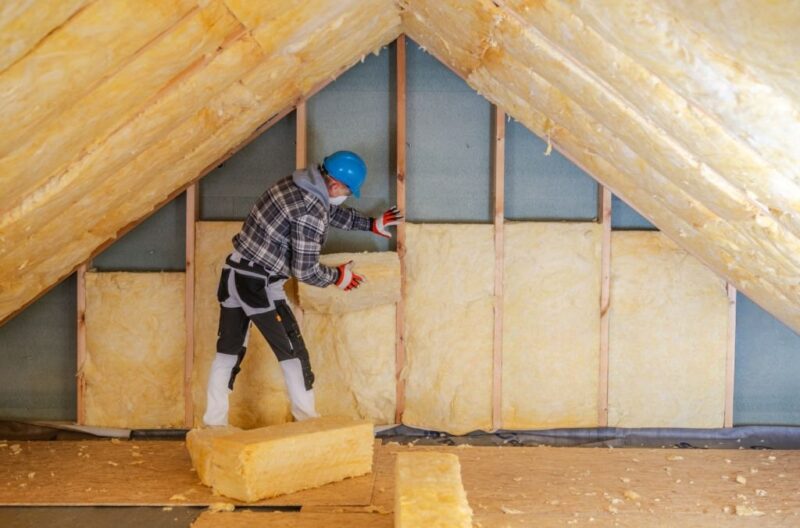
Effective attic insulation depends on more than simply having insulation present. Consistent coverage across the intended thermal boundary helps reduce areas where heat can transfer more easily. Proper depth, density, fitting, and installation condition can all influence performance, depending on the insulation material being used.
Why Thin or Uneven Attic Insulation Can Reduce Performance
Thin areas, gaps, voids, compression, or displaced insulation can create thermal weak points within the attic assembly. These areas may provide less resistance to heat flow than surrounding sections, reducing the effectiveness of the insulation system as a whole. An attic evaluation can help identify inadequate coverage and determine whether adding, repositioning, repairing, or replacing insulation may be appropriate.
Attic Insulation and Florida’s Long Cooling Season
Florida homes can experience substantial cooling demand for much of the year, making unwanted attic heat gain an important consideration. Appropriate attic insulation can help limit heat transfer toward conditioned rooms and may reduce part of the cooling load placed on the HVAC system. Actual energy use and cooling costs still depend on factors such as weather, air leakage, duct condition, HVAC efficiency, thermostat settings, and the home’s overall construction.
9. Proper Insulation Can Help Reduce Energy Waste From Ductwork
In many Florida homes, HVAC ducts run through the attic, where temperatures can become much warmer than the conditioned air moving through the system. The attic’s insulation strategy can influence the environment surrounding this ductwork and, in some configurations, help reduce unwanted heat transfer. However, building insulation and duct insulation perform different functions, and neither can correct damaged or leaking ducts on its own.
Why Attic Ductwork Matters
Ductwork carries conditioned air from the HVAC system to rooms throughout the home. When ducts travel through an unconditioned attic, they are exposed to attic temperatures and humidity that can differ significantly from indoor conditions. The location, insulation, sealing, and physical condition of the ducts can therefore influence how efficiently conditioned air reaches the living space.
Heat Gain Around Ducts in Hot Attics
During warm weather, ducts carrying cooled air may be surrounded by much hotter attic air. Heat can transfer through the duct walls toward the cooler air inside, particularly when duct insulation is insufficient, damaged, or poorly installed. Appropriate duct insulation helps limit this heat gain, while the attic’s overall thermal strategy can influence how extreme the surrounding conditions become.
How the Attic Thermal Boundary Affects Duct Conditions
The location of the attic’s thermal and air boundaries determines whether ductwork sits primarily inside or outside the insulated enclosure. In a conventional vented attic with insulation at the attic floor, ducts above the insulation generally remain in an unconditioned space. Certain properly designed roof-deck insulation strategies can change the attic environment and place ductwork within the insulated enclosure, potentially reducing its exposure to extreme attic temperatures.
Why Building Insulation Does Not Repair Leaky Ducts
Adding attic or roof insulation does not seal holes, disconnected sections, damaged joints, or other leaks within the duct system. Leaky ducts can allow conditioned air to escape before reaching the intended rooms and may also draw unwanted air into the system. When duct leakage is present, the ductwork should be professionally sealed, repaired, or replaced as appropriate rather than relying on additional building insulation to compensate.
Evaluating Insulation and Ductwork Together
Because attic insulation and ductwork can both influence heating and cooling performance, evaluating them together can provide a clearer picture of potential energy loss. An assessment can consider insulation coverage and condition, duct location, duct insulation, visible damage, leakage concerns, and the attic’s thermal boundary. This whole-system approach can help identify which improvements are appropriate instead of assuming that adding insulation alone will resolve every source of energy waste.
10. Proper Insulation Can Improve Whole-Home Energy Efficiency
Energy efficiency depends on how well the home’s building envelope and mechanical systems work together. Proper insulation helps reduce unwanted heat transfer through areas such as the attic, walls, and floors, potentially lowering some of the heating and cooling demand placed on the HVAC system. For the greatest benefit, insulation should be considered alongside air sealing, ductwork, HVAC performance, windows, ventilation, and other factors that influence energy use.
Reducing Unwanted Energy Transfer Through the Building Envelope
The building envelope separates conditioned indoor spaces from the outdoors and unconditioned areas such as attics and garages. Heat can move through this boundary when insulation is insufficient, damaged, compressed, or uneven. Appropriate insulation adds thermal resistance that slows this transfer, helping reduce unnecessary heat gain during warm weather and heat loss during cooler conditions.
Helping Conditioned Spaces Maintain Their Temperature
When the building envelope effectively limits heat transfer, conditioned rooms may be less affected by changing outdoor and attic temperatures. This can help the home maintain the thermostat setting more consistently and reduce some of the heating or cooling demand the HVAC system must manage. Actual performance still depends on air leakage, HVAC operation, duct condition, windows, and other characteristics of the home.
Reducing Energy Waste
Insufficient insulation can allow conditioned spaces to gain or lose heat more readily, potentially requiring additional HVAC energy to compensate. Improving insulation coverage and correcting deficiencies may help reduce this unnecessary energy use. However, high utility bills do not automatically indicate an insulation problem, since HVAC efficiency, duct leakage, thermostat settings, weather, utility rates, and household energy use can also contribute.
Combining Insulation With Other Efficiency Improvements
Insulation can be more effective as part of a broader home energy strategy. Depending on the home, complementary improvements may include sealing uncontrolled air leaks, repairing or sealing ductwork, maintaining HVAC equipment, addressing inefficient windows or doors, and managing ventilation and indoor humidity appropriately. The improvements that provide the most value will vary according to the condition and design of the home.
Why Whole-Home Performance Matters
No single component determines a home’s overall energy efficiency. Insulation, air sealing, HVAC equipment, ductwork, windows, ventilation, moisture management, and occupant habits all interact to influence comfort and energy consumption. Evaluating the home as a complete system can help identify where energy is being lost and prioritize improvements that address the actual sources of inefficiency rather than relying on one solution alone.
8 Signs Your Home May Have Insufficient Insulation
1. Thin or Uneven Attic Insulation
Attic insulation that appears shallow or varies significantly in depth may provide inconsistent thermal resistance across the ceiling assembly. Loose-fill materials can settle or shift over time, while previous attic work may disturb existing insulation. A professional evaluation can determine the current coverage and whether adding or redistributing insulation may be appropriate.
2. Visible Gaps in Coverage
Exposed areas between or around insulation can create thermal weak points where heat transfers more readily. Gaps may occur around framing, attic access points, penetrations, or areas disturbed during electrical, plumbing, roofing, or HVAC work. Correcting these areas can help create a more consistent thermal boundary.
3. Damaged or Compressed Insulation
Some insulation materials perform differently when compressed, displaced, torn, or otherwise damaged. Storage, foot traffic, construction work, pests, or improper installation can affect insulation condition and coverage. Damaged areas should be evaluated to determine whether they can be corrected or require replacement.
4. Wet or Contaminated Insulation
Insulation affected by roof leaks, plumbing leaks, condensation, pests, or other contaminants may need professional evaluation. Moisture can affect certain insulation materials and may indicate a larger roof, plumbing, ventilation, or moisture-management problem. The source of water or contamination should be identified and appropriately addressed before new insulation is installed.
5. Noticeable Temperature Differences Between Rooms
Rooms that remain noticeably warmer or cooler than others may sometimes indicate missing, uneven, or insufficient insulation. However, temperature differences can also result from duct leakage, airflow imbalance, window exposure, solar heat gain, HVAC sizing, or air leakage. A broader evaluation can help determine whether insulation is actually contributing to the concern.
6. Drafts or Evidence of Air Leakage
Drafts and noticeable air movement around attic access points, ceiling penetrations, windows, doors, or other openings may indicate uncontrolled air leakage. While insulation slows heat transfer, many insulation materials do not function as complete air barriers. Air sealing may therefore be needed alongside insulation improvements when leakage pathways are present.
7. Cooling or Heating Demand That Seems Unusually High
If the HVAC system appears to require substantial heating or cooling to maintain the thermostat setting, insufficient insulation may be one contributing factor. Excessive heat transfer through the attic, walls, or other parts of the building envelope can increase the load the system must manage. HVAC condition, ductwork, weather, thermostat settings, and air leakage should also be evaluated before attributing increased demand to insulation.
8. Why High Energy Bills Alone Do Not Prove an Insulation Problem
Higher-than-expected energy bills can have many causes, including extreme weather, changing utility rates, thermostat settings, inefficient HVAC equipment, duct leakage, increased household energy use, or building-envelope issues. Insufficient insulation may contribute, but utility costs alone cannot confirm the cause. Evaluating the insulation together with the HVAC system, ductwork, and other parts of the home can help identify where energy may actually be going.
How Insulation Condition Affects Energy Performance
Having insulation in the attic does not necessarily mean it is performing as intended. Coverage, thickness, installation quality, moisture exposure, physical damage, and contamination can all affect how well an insulation system resists heat transfer. Evaluating the actual condition of the material can therefore be more useful than looking at its age alone when determining whether an upgrade is needed.
Gaps and Missing Insulation
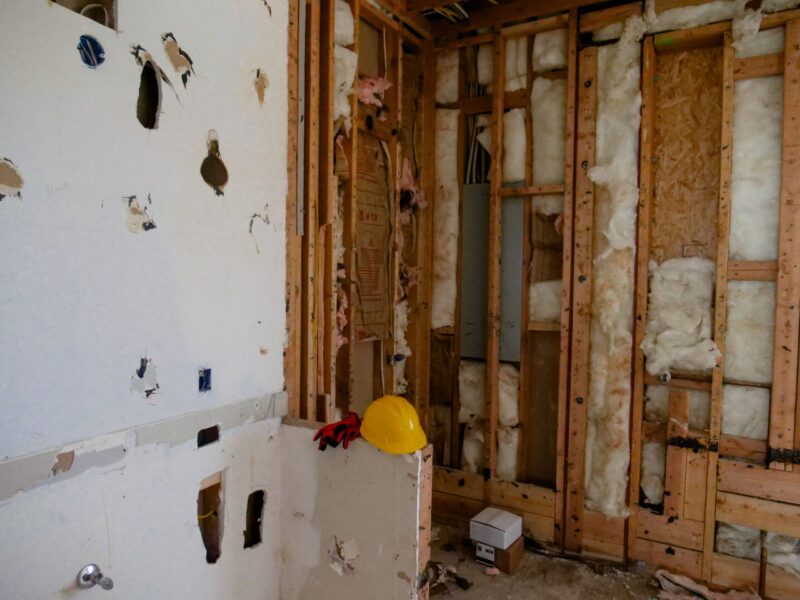
Gaps or completely uninsulated areas can create thermal weak points within the building envelope. Heat can transfer more readily through these locations, reducing the effectiveness of the surrounding insulation. Missing coverage may result from incomplete installation, previous attic work, displaced material, or changes to electrical, plumbing, ductwork, or other building components.
Compressed Insulation
Some insulation materials depend on maintaining their intended thickness and structure to provide their rated thermal resistance. Compressing insulation can reduce its effectiveness because there is less material thickness available to resist heat flow. Storage, foot traffic, improper installation, or other attic work can sometimes leave insulation compressed or flattened.
Settled Loose-Fill Insulation
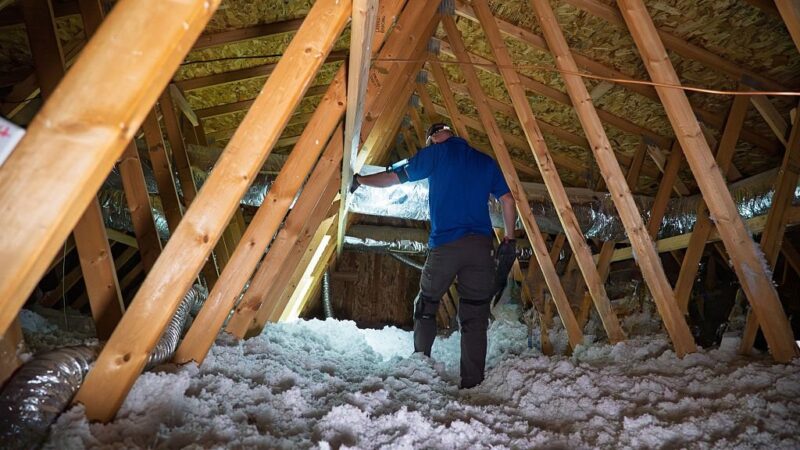
Loose-fill fiberglass or cellulose can settle over time, which may reduce its installed depth in some areas. Material can also shift or become uneven due to attic work or other disturbances. Because total R-value depends partly on installed depth and density, settled or uneven loose-fill insulation may provide less thermal resistance than originally intended.
Wet or Moisture-Damaged Insulation
Roof leaks, plumbing problems, condensation, or other sources of water can affect insulation and surrounding building materials. Depending on the insulation type and severity of exposure, wet material may lose performance or require replacement. The moisture source should be identified and appropriately corrected before damaged insulation is covered or additional material is installed.
Pest or Contamination Damage
Pest activity can disturb insulation, create uneven coverage, or leave behind waste and other contamination. Insulation may also be affected by dust, debris, or other materials introduced during attic work or building problems. When contamination is significant, professional evaluation can help determine whether affected insulation should be removed rather than simply covered with new material.
Why Condition Can Matter More Than Insulation Age
Age alone does not determine whether insulation needs to be replaced. Older insulation that remains dry, clean, properly installed, and at an appropriate depth may continue to provide useful thermal resistance, while relatively new insulation may perform poorly if it is wet, compressed, contaminated, displaced, or improperly installed. Evaluating coverage, condition, thickness, and the surrounding attic assembly provides a better basis for deciding whether insulation should be repaired, supplemented, or replaced.
Why Port Charlotte Homeowners Trust Dale’s AC
Improving home energy efficiency requires more than simply adding insulation. At Dale’s AC, we look at how attic insulation interacts with the HVAC system, ductwork, air leakage, and the overall building envelope. Our local experience helps us provide Port Charlotte homeowners with practical recommendations based on their homes rather than relying on a one-size-fits-all approach.
Serving Southwest Florida Since 1974
We have served Port Charlotte and surrounding Southwest Florida communities since 1974. Our decades of local experience have given us firsthand familiarity with the cooling and comfort challenges homes in the region can experience. We use that experience to help homeowners make informed decisions about HVAC and attic insulation improvements.
Experience With Florida Heat and Humidity
Florida’s long cooling season, high temperatures, strong solar exposure, and humid conditions can all influence home comfort and energy use. We understand that insulation is only one part of managing these conditions. Air leakage, ventilation, moisture management, ductwork, and HVAC performance should also be considered when evaluating how a home handles Florida’s climate.
HVAC and Building-Envelope Experience
Insulation and HVAC systems perform different jobs, but both can affect indoor comfort and energy efficiency. Our experience allows us to consider the relationship between the building envelope and the mechanical systems that heat, cool, and distribute air throughout the home. This broader approach helps identify whether insulation, HVAC performance, or a combination of factors may be contributing to a concern.
Evaluating Insulation, Ductwork, and Cooling Together
Many Florida homes have HVAC equipment or ductwork located in the attic, making it important to consider these systems together. We can evaluate insulation coverage and condition alongside duct location, visible duct concerns, cooling performance, and other relevant factors. This helps avoid assuming that higher energy bills or comfort problems are caused by insulation alone.
Recommendations Based on Your Home
Every home has a different attic configuration, HVAC system, insulation condition, and set of comfort or efficiency goals. We base our recommendations on what we find rather than automatically recommending more insulation or a particular material. Whether the appropriate next step involves insulation, ductwork, HVAC service, or another improvement, our goal is to help homeowners understand their options and make decisions that fit their homes.
FAQs About How to Lower Energy Bills with Insulation
How Do I Know if My Attic Needs More Insulation?
Signs that an attic may need additional insulation include thin or uneven coverage, exposed areas, gaps, compressed material, or insulation that has settled below its intended depth. Comfort concerns or increased heating and cooling demand may also justify an evaluation, but they do not prove that insulation is the cause. Existing insulation should be assessed for its type, condition, coverage, and R-value before more material is added.
Can I Add New Insulation Over Existing Insulation?
In some cases, new insulation can be installed over existing material if the current insulation is clean, dry, uncontaminated, and in suitable condition. Adding insulation may help increase total thermal resistance when existing coverage is insufficient. Wet, pest-damaged, contaminated, or otherwise compromised insulation may need to be removed first, and moisture or other underlying problems should be corrected before new material is installed.
Can Insulation Make My Home Cooler?
Insulation does not actively cool a home, but it can help slow unwanted heat transfer from hot outdoor or attic areas toward conditioned living spaces. In Florida, appropriate attic insulation may help reduce heat gain and support more consistent indoor temperatures. The actual temperature and comfort of the home also depend on HVAC performance, air leakage, ductwork, windows, humidity, thermostat settings, and other factors.
Does Insulation Help With Humidity?
Insulation can influence heat transfer and surface temperatures, but it does not directly control indoor relative humidity. Air sealing may help limit uncontrolled infiltration of humid outdoor air, while the HVAC system, ventilation, moisture sources, and dedicated humidity-control equipment can also affect indoor moisture levels. Insulation should therefore be considered one part of a broader moisture-management strategy.
Does Insulation Stop Air Leaks?
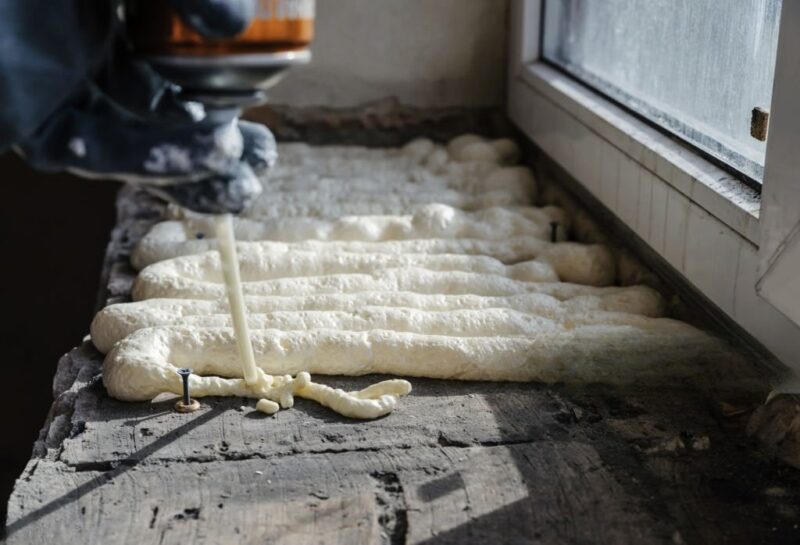
Not necessarily. Insulation primarily provides thermal resistance, while air sealing addresses uncontrolled air movement through gaps and penetrations. Some products, such as appropriately installed spray foam, can contribute to both insulation and air control, but many conventional insulation materials do not function as complete air barriers. Significant leakage pathways may need to be sealed separately.
What Type of Insulation Is Most Energy Efficient?
There is no single insulation material that is the most energy efficient for every home. Fiberglass, cellulose, blown-in insulation, and spray foam each have different R-values, installation requirements, air-control characteristics, moisture considerations, and costs. The appropriate choice depends on the attic design, available space, existing insulation, desired R-value, moisture conditions, air leakage, and project goals.
Can Poor Insulation Cause High Energy Bills?
Insufficient, damaged, compressed, or uneven insulation can contribute to higher energy consumption by allowing more unwanted heat transfer through the building envelope. This can increase the heating or cooling demand placed on the HVAC system. However, high utility bills can have multiple causes, so poor insulation should be considered a potential contributor rather than automatically assumed to be responsible.
Why Is My Energy Bill High Even With Good Insulation?
Good insulation cannot address every source of energy consumption. High bills may be related to extreme weather, changing utility rates, thermostat settings, HVAC efficiency, duct leakage, restricted airflow, inefficient windows or doors, uncontrolled air leakage, increased household energy use, or other factors. Evaluating the insulation, HVAC system, ductwork, and building envelope together can help identify where unnecessary energy use may be occurring.
Give High Energy Bills the Cold Shoulder. Call Dale’s AC!
Proper insulation can help lower energy bills by reducing unwanted heat transfer, supporting more stable indoor temperatures, and limiting unnecessary heating and cooling demand. For homeowners considering attic insulation in Port Charlotte, the best approach starts with understanding how the insulation, ductwork, air leakage, and HVAC system work together. At Dale’s AC, our services also include AC maintenance in Port Charlotte, AC installation in Port Charlotte, AC replacement in Port Charlotte, air conditioning repair in Port Charlotte, Indoor air quality in Port Charlotte, residential HVAC services in Port Charlotte, and Commercial HVAC services in Port Charlotte to help address different aspects of home and business comfort.
Dale’s AC is a reliable HVAC company in Port Charlotte and we’re here to help you determine which improvements make sense for your property rather than recommending a one-size-fits-all solution. Our team can evaluate your attic insulation, ductwork, and HVAC system and explain practical options based on what we find. We also offer financing options for qualifying projects to help make eligible improvements more manageable. Call us at (941) 629-1712 or contact us to schedule an evaluation and find out how we can help improve your home’s comfort and energy efficiency.