

Attic insulation can play an important role in limiting unwanted heat transfer, supporting indoor comfort, and reducing unnecessary heating and cooling demand. However, simply adding more insulation does not guarantee better performance. Gaps in coverage, compressed materials, blocked ventilation, untreated air leaks, moisture problems, and choosing the wrong insulation strategy can all prevent an attic from performing as intended.
In Florida, getting the details right is particularly important because attics are exposed to substantial heat and humid conditions throughout much of the year. The insulation also needs to work appropriately with the attic’s ventilation strategy, ductwork, HVAC equipment, air-control layers, and roof assembly. In this guide, we’ll cover the most common attic insulation mistakes to avoid, explain why they matter, and show what homeowners should consider before adding, replacing, or upgrading attic insulation.
Why Attic Insulation Mistakes Matter
Attic insulation works best when the correct material is installed at an appropriate thickness with consistent coverage and as part of a properly designed attic assembly. Installation mistakes can create thermal weak points, leave air leakage unresolved, interfere with ventilation, or conceal existing moisture problems. These issues can affect energy efficiency and indoor comfort, which is why the condition of the entire attic should be considered rather than focusing only on how much insulation is present.
Reduced Thermal Performance
Insulation is designed to resist heat flow, but gaps, compression, insufficient thickness, uneven coverage, and improper installation can reduce its effectiveness. These deficiencies may allow heat to transfer more readily through portions of the attic assembly. Even when the attic contains plenty of insulation overall, poorly insulated areas can weaken the performance of the thermal boundary.
Increased Heating and Cooling Demand
When attic insulation does not adequately limit heat transfer, the HVAC system may have more heating or cooling demand to manage. In Florida, inadequate attic insulation can contribute to unwanted heat gain from the roof and attic toward conditioned living spaces. This does not automatically mean longer AC runtime or higher bills, but it can add to the home’s overall cooling load.
Uneven Indoor Temperatures
Missing, damaged, or uneven insulation can sometimes contribute to rooms feeling noticeably warmer or cooler than others. Areas beneath insulation gaps or thin coverage may be more affected by attic temperatures. However, uneven indoor temperatures can also result from duct leakage, airflow imbalance, windows, solar exposure, air leakage, or HVAC issues, so insulation should not automatically be assumed to be the cause.
Air Leakage and Energy Waste
Insulation and air sealing perform different functions. Insulation slows heat transfer through building materials, while air sealing limits uncontrolled air movement through cracks, gaps, and penetrations. Installing conventional insulation over unsealed leakage pathways may leave conditioned air loss or unwanted outdoor air infiltration unresolved, potentially contributing to unnecessary HVAC demand.
Moisture and Condensation Concerns
Installing insulation without considering existing moisture conditions can create additional problems. Roof leaks, plumbing leaks, humid-air infiltration, and condensation concerns should be identified before insulation is added or replaced. Insulation should not be used to conceal wet materials or compensate for an unresolved moisture source, and ventilation and vapor-control requirements should be considered as part of the overall attic design.
Why Insulation Problems Can Affect More Than Energy Bills
Poor attic insulation can influence indoor comfort, HVAC demand, moisture management, and the performance of other building components, not just utility costs. Blocked ventilation, hidden water damage, inaccessible equipment, or disturbed ductwork can create concerns that extend beyond thermal efficiency. Evaluating the insulation together with the roof assembly, ventilation, air leakage, ductwork, and HVAC equipment can help prevent one improvement from creating problems elsewhere.
1. Skipping Air Sealing Before Adding Insulation
One common attic insulation mistake is adding new material without first considering uncontrolled air leakage. Insulation and air sealing perform different but complementary functions. Insulation slows heat transfer through the building assembly, while air sealing limits air movement through cracks, gaps, and penetrations. Covering these leakage pathways with more conventional insulation may increase thermal resistance without fully addressing the underlying air movement.
Why Insulation Does Not Automatically Stop Air Leakage
Most conventional insulation materials are primarily designed to resist heat flow rather than create a continuous air barrier. Air can still move through or around gaps in the building envelope even when substantial insulation is present. This means an attic can have an appropriate R-value while still experiencing uncontrolled air leakage that affects comfort and energy performance.
Common Attic Air Leakage Locations
Air leakage can occur around plumbing and electrical penetrations, duct chases, attic access points, framing connections, wiring openings, and certain ceiling penetrations. Gaps between building components can also create pathways between conditioned rooms and the attic. The location and severity of these leaks vary from home to home, which is why evaluating the attic before adding insulation can be useful.
How Air Leakage Can Increase HVAC Demand
Uncontrolled air movement can allow conditioned indoor air to escape or unwanted air to enter the home. In Florida, incoming outdoor air may carry both heat and moisture that the HVAC system must manage. This additional load can contribute to unnecessary cooling demand, although HVAC efficiency, ductwork, weather, thermostat settings, and other building-envelope conditions also affect energy use.
Why Air Sealing Should Be Evaluated Before Adding Insulation
Once additional insulation covers the attic floor, some leakage points may become more difficult to identify and access. Evaluating potential air leaks beforehand provides an opportunity to address appropriate gaps and penetrations before they are concealed. Air sealing and insulation can then work together to create a more effective thermal and air boundary rather than relying on insulation alone to perform both functions.
When Spray Foam Can Contribute to Air Control
Certain spray foam applications can provide thermal resistance while also contributing to air control because the material expands and adheres to the application surface. When properly selected and installed at an appropriate thickness, spray foam can help seal many gaps and irregular areas. However, it should not be assumed that applying spray foam anywhere in the attic automatically creates a complete air barrier. Product selection, coverage, transitions, attic design, moisture management, and the location of the intended air boundary all need to be considered.
2. Choosing the Wrong Type of Insulation
Choosing attic insulation based only on price, R-value, or popularity can lead to a material that does not fit the home’s construction or attic strategy. Different insulation types have different thermal, air-control, moisture, installation, and space requirements. The appropriate option depends on where the insulation will be installed, the condition of the attic, and how the entire building assembly is intended to perform.
Fiberglass Insulation
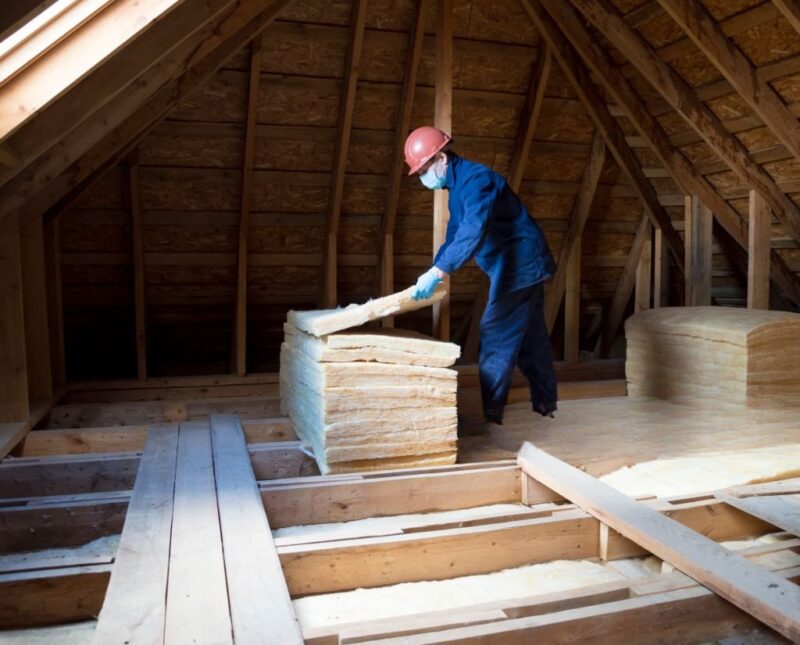
Fiberglass is available in batts, rolls, and loose-fill forms and is commonly used in attic applications. It can provide effective thermal resistance when installed at the appropriate thickness with consistent coverage. However, gaps, compression, poor fitting around framing, or disturbed material can reduce performance. Fiberglass alone also should not be assumed to provide a complete air barrier.
Blown-In Insulation
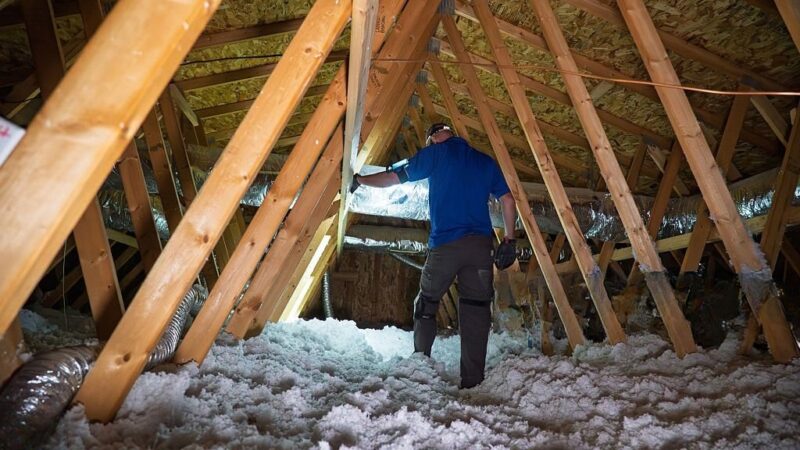
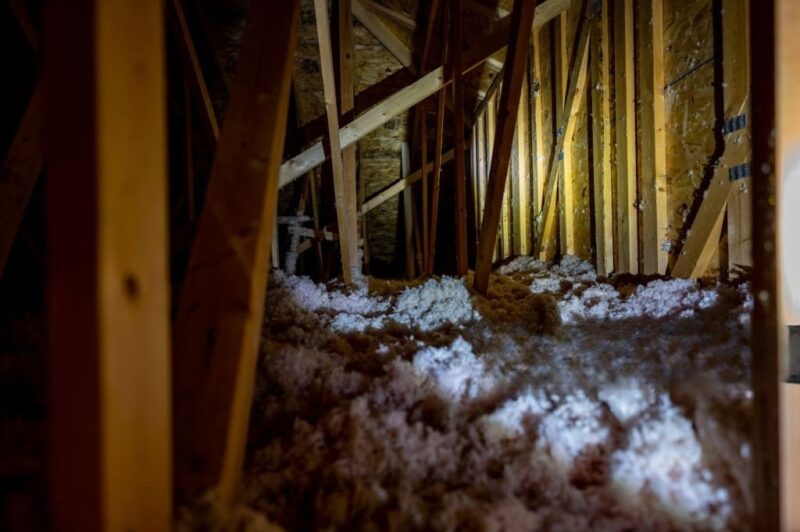
Blown-in insulation can provide coverage across attic floors and around irregular spaces where fitting batts may be difficult. Depending on the product, loose-fill material may be fiberglass or cellulose. Proper installation depth, density, and even distribution are important, as thin areas, settlement, displacement, or blocked ventilation pathways can affect the performance of the attic assembly.
Cellulose Insulation
Cellulose is a loose-fill insulation commonly installed by blowing the material across attic floors or into suitable building cavities. It can conform around many obstructions and provide consistent thermal coverage when properly installed. Like other loose-fill materials, its performance depends on appropriate depth and density, and settlement should be considered when determining installed thickness.
Open-Cell Spray Foam
Open-cell spray foam expands significantly during installation and can provide both thermal resistance and air-control benefits when appropriately applied. It is lighter and generally more vapor permeable than typical closed-cell foam. Because spray foam can change how air and moisture move through an attic assembly, open-cell foam should be selected with the roof design, climate, moisture conditions, HVAC configuration, and intended thermal boundary in mind.
Closed-Cell Spray Foam
Closed-cell spray foam is denser than open-cell foam and generally provides a higher R-value per inch along with lower vapor permeability. It can also add rigidity to the surfaces where it is appropriately applied. These characteristics may make it useful in certain assemblies, but they do not make it the best choice for every attic. Cost, installation location, moisture strategy, roof assembly, and future access should all be evaluated.
Why No Single Material Is Right for Every Attic
Each insulation material has advantages and limitations, and no single option is universally better for every home. An attic-floor fiberglass or loose-fill strategy may be appropriate for one house, while another building may require a different approach. Spray foam at the roof deck can also change the attic’s thermal and air boundaries, so it should not be treated as a simple substitute for conventional attic-floor insulation without considering the entire assembly.
Factors to Consider Before Choosing Insulation
Before selecting attic insulation, consider the existing insulation type and condition, desired R-value, available space, attic ventilation strategy, roof and moisture conditions, air leakage, HVAC equipment and duct locations, electrical components, future access needs, project budget, and applicable building requirements. Evaluating these factors together can help homeowners avoid choosing a material based on one feature while overlooking how it will interact with the rest of the home.
3. Installing the Wrong R-Value
R-value is an important consideration when planning an attic insulation project, but choosing a number from a generic chart is not enough. The appropriate thermal resistance depends on the climate, location of the insulation, existing building assembly, insulation material, and applicable requirements. Installation quality also matters because gaps, compression, and uneven coverage can prevent insulation from performing as intended.
What R-Value Measures
R-value measures a material’s resistance to heat flow. In general, a higher R-value indicates greater thermal resistance under rated conditions. It provides a useful way to compare insulation products and determine how much thermal resistance an attic assembly may need, but it does not measure air leakage, moisture resistance, or overall installation quality.
Why Too Little Thermal Resistance Can Reduce Performance
Insulation with insufficient thermal resistance may allow more heat to move through the attic assembly than intended. In Florida, this can contribute to unwanted heat transfer from a hot attic or roof assembly toward conditioned living spaces. The HVAC system may then have additional cooling demand to manage, although insulation is only one of several factors that influence home energy use and comfort.
Why More Insulation Is Not Automatically Better
Increasing insulation thickness can improve thermal resistance up to an appropriate level, but simply adding more material is not always the best solution. Additional insulation will not correct air leakage, moisture problems, damaged ductwork, blocked ventilation, or improperly installed existing insulation. Space limitations, material requirements, attic configuration, and the location of the thermal boundary should also be considered before adding more.
How Material and Thickness Affect Total R-Value
Different insulation materials provide different levels of thermal resistance per inch, so the thickness needed to reach a particular R-value varies by product. Fiberglass, cellulose, open-cell spray foam, and closed-cell spray foam each have different characteristics. Total performance can also be affected by installed density, compression, gaps, settlement, and coverage, making product-specific installation requirements important.
Why Climate and Building Requirements Matter
The amount and location of insulation appropriate for a home can vary by climate and building design. Florida homes experience a long cooling season and substantial roof heat gain, but factors such as attic design, roof assembly, ventilation strategy, and whether the attic is vented or unvented can influence the appropriate approach. Applicable building and energy requirements may also establish insulation specifications for certain projects.
Verify Requirements for the Specific Project
Before selecting an R-value, homeowners should verify the requirements that apply to their particular property and project rather than relying solely on general recommendations. A professional evaluation can consider the existing insulation, attic configuration, building assembly, intended thermal boundary, and applicable requirements. This helps ensure the insulation strategy is appropriate for the home instead of focusing on an R-value number alone.
4. Leaving Gaps and Voids in Insulation
Even when an attic contains the appropriate amount of insulation overall, gaps and voids can reduce the effectiveness of the thermal boundary. Insulation should provide consistent coverage across the intended area while accommodating framing, penetrations, ventilation pathways, electrical components, and other features that require special attention. Careful installation helps prevent isolated weak points where heat can transfer more readily.
Why Continuous Coverage Matters
Insulation works by resisting heat flow across the building assembly. Consistent coverage helps maintain thermal resistance across the attic floor or other intended thermal boundary. When sections are missing, thin, compressed, or poorly fitted, heat can bypass better-insulated areas and move more easily through those weaker locations.
Common Places Insulation Gaps Occur
Gaps commonly develop around attic access points, framing members, plumbing and electrical penetrations, duct chases, wiring, and other obstructions. Corners and difficult-to-reach sections of the attic may also receive uneven coverage. Previous roofing, electrical, plumbing, or HVAC work can disturb existing insulation and leave previously insulated areas exposed.
Insulating Around Framing and Obstructions
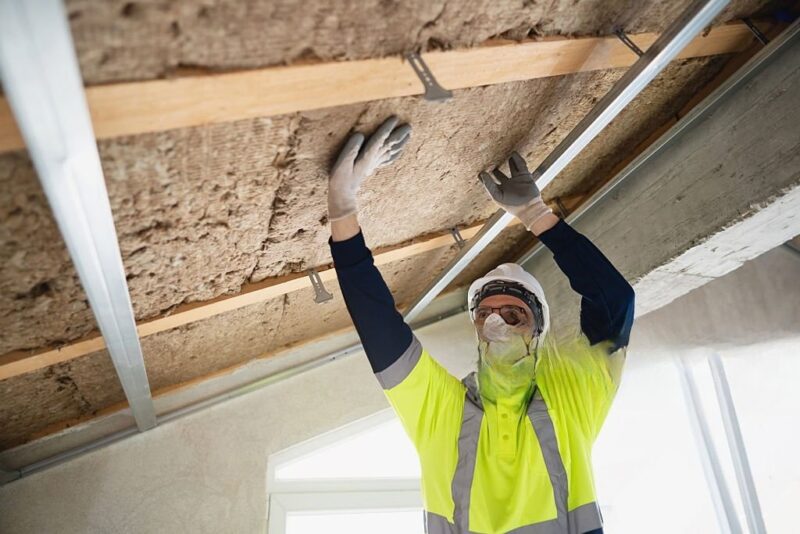
Attic framing and other components can make it more difficult to achieve consistent insulation coverage. Batts may need to be properly fitted rather than folded or compressed around obstructions, while loose-fill insulation needs to be distributed at the appropriate depth and density. Required clearances around certain electrical or heat-producing components must also be maintained rather than simply covering every exposed area with insulation.
How Gaps Create Thermal Weak Points
An insulation gap creates an area with less thermal resistance than the surrounding insulated sections. Heat can move more readily through these weak points, reducing the effectiveness of the attic assembly as a whole. In Florida, gaps in attic-floor insulation may allow additional heat from a hot attic to transfer toward the conditioned rooms below, potentially adding to cooling demand.
Why Small Areas of Missing Insulation Can Still Matter
A small gap may seem insignificant compared with the size of the entire attic, but its lower thermal resistance can still create a concentrated pathway for heat transfer. Multiple small gaps can further reduce the consistency of the thermal boundary. This is why proper attic insulation involves more than achieving an average depth or total R-value. Consistent installation and coverage across the intended thermal boundary are also important.
5. Compressing Insulation
Insulation is designed to perform under specific installation conditions, including an intended thickness and density. Compressing certain insulation materials to make them fit into a smaller space can reduce their thermal performance. In attics, compression can happen during installation or later when storage, foot traffic, or other work presses the material below its intended depth.
Why Some Insulation Materials Depend on Their Intended Thickness
The thermal resistance provided by insulation depends partly on the material and its installed thickness. When insulation designed for a particular space is compressed into a shallower area, its total R-value may be reduced. Maintaining the intended thickness helps the material perform closer to its rated conditions and creates more consistent thermal resistance across the attic.
How Compression Can Affect Fiberglass Performance
Fiberglass insulation relies partly on air spaces within its fiber structure to resist heat flow. Compressing a fiberglass batt generally reduces its thickness and can lower its total R-value compared with the same batt installed at its intended thickness. Folding, squeezing, or forcing oversized batts into cavities can therefore result in less thermal resistance than expected.
Common Causes of Compressed Attic Insulation
Compression can occur when insulation is installed beneath storage boxes, boards, equipment, pipes, ductwork, or other attic components without adequate space. Workers performing electrical, plumbing, roofing, or HVAC work may also accidentally flatten or disturb existing insulation. Poor initial installation can create compressed areas when insulation is forced into spaces for which it was not properly sized.
Storage and Foot Traffic Over Insulation
Using insulated areas as walking paths or placing stored belongings directly on top of insulation can flatten or displace the material. Loose-fill insulation may also shift under foot traffic, creating areas with inconsistent depth. If attic storage or regular access is needed, it should be planned so the intended insulation layer and necessary access to building systems are not compromised.
Why Insulation Should Be Installed According to Product Requirements
Different insulation products have specific requirements for thickness, density, coverage, clearances, and installation methods. Following the manufacturer’s specifications helps ensure the installed material provides the expected thermal resistance and is appropriate for the intended application. Rather than squeezing additional material into limited space, the insulation type and installation strategy should be selected to suit the attic assembly and project requirements.
6. Installing Insulation Unevenly
Attic insulation needs consistent coverage to create an effective thermal boundary. When some areas contain adequate insulation while others are thin, disturbed, or completely missed, heat can move more readily through the weaker sections. Uneven installation can occur with both batt and loose-fill products, making careful attention to depth, fitting, and coverage essential.
Thin and Thick Areas Across the Attic
An attic with noticeably different insulation depths may provide inconsistent thermal resistance from one area to another. Adding extra material in one section does not necessarily compensate for insufficient coverage elsewhere. Thin areas can become thermal weak points, so insulation should be distributed according to the product specifications and the intended R-value for the assembly.
Uneven Blown-In Insulation
Blown-in fiberglass or cellulose can provide effective coverage across irregular attic spaces, but the material needs to be installed at the appropriate depth and density. Uneven application can leave some sections below the intended thermal resistance, while material may also settle or become displaced over time. Installation depth markers and appropriate application practices can help professionals achieve more consistent coverage.
Missed Corners and Difficult-to-Reach Areas
Corners, edges, areas near eaves, and spaces around framing or other obstructions can be more difficult to insulate properly. These locations may be overlooked or receive less material than open areas of the attic. Insulation should be installed carefully around these features while maintaining required ventilation pathways, electrical clearances, and access to components that should not be buried.
How Uneven Coverage Can Affect Overall Thermal Performance
The performance of an attic insulation system is influenced by its weaker areas as well as its well-insulated sections. Thin or missing insulation can allow heat to transfer more readily through portions of the ceiling or roof assembly. In Florida, these thermal weak points may contribute to additional heat transfer toward conditioned living spaces and potentially increase cooling demand.
Why Consistent Depth Matters
For insulation products whose thermal resistance depends partly on installed thickness, maintaining the appropriate depth helps provide more consistent performance across the attic. The required depth varies according to the insulation material, product specifications, density, and desired R-value. Rather than focusing only on the total amount of insulation installed, homeowners should consider whether it has been distributed evenly across the intended thermal boundary.
7. Blocking Soffit or Attic Vents
Adding insulation without considering the attic’s ventilation strategy can create unintended problems. In a vented attic, soffit and other attic vents are part of a designed airflow pathway and should not be accidentally covered or obstructed by insulation. Before adding material, it is important to understand whether the attic is intended to be vented or unvented and how the insulation strategy supports that design.
How a Vented Attic Is Designed to Work
A conventional vented attic typically uses intake vents, often located at the soffits, together with exhaust vents positioned higher in the roof assembly. This arrangement allows outdoor air to enter at lower points and exit through higher vents. The specific ventilation configuration varies by home, so existing vents and airflow pathways should be identified before insulation work begins.
Why Insulation Should Not Obstruct Intended Ventilation Paths
When insulation blocks an intended intake or exhaust opening, it can interfere with the attic’s designed ventilation. Obstructed airflow may change attic temperature and moisture conditions and prevent the ventilation system from functioning as intended. Insulation should therefore be installed in a way that maintains required ventilation openings and clear airflow paths.
How Insulation Can Accidentally Cover Soffit Vents
Soffit vents are particularly vulnerable when loose-fill insulation is blown toward the attic’s edges or when batts are pushed too far into the eave area. Material can cover the intake openings or restrict the space through which air is intended to move. This mistake can be difficult to notice from the center of the attic, making careful installation around the eaves especially important.
The Role of Baffles and Vent Chutes
Baffles or vent chutes can be installed near the eaves to help maintain an open airflow pathway between soffit vents and the attic while keeping insulation from entering the ventilation channel. Their design and placement should match the roof and attic configuration. They can also help installers maintain insulation coverage near attic edges without blocking the intended intake ventilation.
Why Ventilation Requirements Depend on the Attic Design
Not every attic uses the same ventilation strategy. A conventional vented attic with insulation at the attic floor operates differently from certain unvented assemblies where insulation and air control are located at the roof deck. Changing from one approach to another, particularly when using spray foam at the roofline, can affect heat, air, and moisture movement throughout the assembly. The attic design should therefore be evaluated as a complete system rather than assuming every attic requires the same vents or insulation placement.
8. Ignoring Existing Moisture Problems
Installing new attic insulation without first addressing existing moisture can hide an underlying problem and potentially affect both the insulation and surrounding building materials. Water can enter an attic through roof or plumbing leaks, while condensation may develop when warm, moisture-containing air reaches sufficiently cool surfaces. Before insulation is added or replaced, the attic should be evaluated for signs of water intrusion, damp materials, and conditions that may contribute to recurring moisture.
Roof Leaks and Water Intrusion
Damaged roofing, flashing problems, penetrations, or other roof deficiencies can allow water to enter the attic. Signs may include staining, damp insulation, discolored wood, or visible water damage. Insulation should not be used to cover these symptoms. The source of the roof leak should be identified and appropriately repaired before affected insulation is replaced or additional material is installed.
Plumbing Leaks
Plumbing lines, connections, or equipment located in or near the attic can sometimes become sources of water intrusion. Even a relatively small leak can wet nearby insulation and building materials over time. If moisture is found near plumbing components, the source should be evaluated and repaired before insulation work continues.
Condensation Concerns
Not all attic moisture comes from a direct leak. Condensation can occur when moisture-containing air contacts a surface cold enough for water vapor to condense. Air leakage, duct conditions, ventilation strategy, insulation placement, and the overall roof assembly can influence this process. Because condensation can have several contributing factors, simply adding more insulation may not resolve the underlying issue.
Wet or Damp Insulation
Water exposure can affect insulation differently depending on the material, duration of exposure, and severity of the moisture problem. Wet or damp insulation may provide reduced thermal performance and can indicate that nearby building materials also need evaluation. Rather than automatically drying, covering, or replacing the insulation, the extent of the moisture problem and the condition of the affected materials should first be determined.
Why New Insulation Should Not Conceal Moisture Problems
Adding insulation over damp, stained, or moisture-damaged areas can make the underlying problem more difficult to detect and access later. New material may also become affected if the source of moisture continues. Covering the symptoms does not repair a roof leak, plumbing problem, condensation issue, or other source of water, so these conditions should be addressed separately.
Correct the Moisture Source Before Insulating
Before adding or replacing attic insulation, identify why moisture is present and correct the underlying cause. Depending on the situation, this may involve roofing or plumbing repairs, air-sealing improvements, ductwork corrections, or changes to the attic’s ventilation and moisture-management strategy. Once the source has been appropriately addressed and affected materials evaluated, an insulation professional can determine whether existing insulation can remain or should be removed and replaced.
9. Adding New Insulation Over Damaged Material
Adding another layer of insulation may be appropriate when existing material is in good condition but does not provide enough thermal resistance. However, covering wet, contaminated, pest-damaged, compressed, or severely displaced insulation can hide problems rather than correct them. Existing insulation should be evaluated first so any underlying moisture, pest, air-leakage, or installation issues can be addressed before new material is added.
When Existing Insulation May Remain
Existing insulation does not automatically need to be removed because it is old or because more insulation is being added. Material that remains clean, dry, properly installed, and free from significant contamination or damage may be suitable to leave in place. Its type, condition, coverage, depth, and compatibility with the proposed insulation strategy should be evaluated before adding another layer.
Wet Insulation
Insulation affected by roof leaks, plumbing leaks, condensation, or other water sources requires careful evaluation. Moisture can affect thermal performance and may indicate that surrounding building materials have also been exposed to water. The moisture source should be identified and corrected before deciding whether affected insulation can remain or needs to be removed and replaced.
Pest-Damaged Insulation
Rodents and other pests can tunnel through, compress, displace, or otherwise disturb attic insulation. Pest activity may also leave waste or other contamination behind. Simply covering damaged areas with new insulation does not address the infestation, entry points, or affected material. Pest problems should be appropriately handled before the attic is reinsulated.
Contaminated Insulation
Insulation may become contaminated by pest waste, debris, water intrusion, or other materials that make covering it inappropriate. The type and extent of contamination should be assessed before additional insulation is installed. When contamination is significant, removal may be necessary so the affected area can be properly addressed before new material is added.
Severely Compressed or Displaced Insulation
Insulation that has been flattened by storage or foot traffic, pushed aside during attic work, or otherwise displaced may provide inconsistent thermal resistance. Some areas may be repairable or redistributed, while severely compromised material may need replacement. The appropriate approach depends on the insulation type, its condition, and whether consistent coverage can be restored.
Why More Insulation Does Not Correct Underlying Damage
Additional insulation can increase thermal resistance when installed over suitable existing material, but it cannot repair water leaks, remove contamination, eliminate pests, seal air leaks, or restore damaged building components. Covering these problems can also make them harder to identify later. Addressing the underlying cause first helps ensure that any new insulation becomes part of a properly functioning attic system rather than simply concealing an existing problem.
10. Ignoring Pest Damage and Contamination
Pest activity can affect more than the appearance of attic insulation. Rodents and other animals may disturb, compress, or displace insulation while moving through or nesting in the attic, and they can leave waste or other contamination behind. Installing fresh insulation without first addressing active pests, contaminated materials, and entry points can conceal the problem rather than correct it.
How Pests Can Disturb Insulation
Pests may move through loose-fill insulation, push material away from certain areas, compress fiberglass, or use insulation for nesting. This activity can create inconsistent coverage and reduce thermal resistance in affected sections. Damage can vary considerably, so the insulation should be evaluated before deciding whether it can remain, be repaired, or needs removal.
Tunneling and Displacement
Rodents and other pests can create pathways through loose-fill materials or disturb insulation around framing and attic components. This may leave some areas thin or completely exposed while piling material elsewhere. Because effective attic insulation depends on consistent coverage, significant displacement may create thermal weak points that need to be corrected after the pest problem has been resolved.
Pest Waste and Contamination
Droppings, urine, nesting materials, carcasses, and other pest-related debris can contaminate attic insulation. The appropriate response depends on the type and extent of contamination, and heavily affected material may require professional removal and appropriate cleanup. Homeowners should avoid disturbing significant contamination without understanding the potential safety considerations involved.
Why Adding Insulation Over Contamination Is a Mistake
Covering contaminated insulation with a fresh layer does not remove pest waste, restore damaged material, or resolve an active infestation. It can also make contaminated areas more difficult to identify and access later. Existing insulation should be evaluated first so affected material can be appropriately addressed before new insulation is installed.
Address Pest Entry Points Before Reinsulating
Replacing damaged insulation without addressing how pests entered the attic can allow the problem to return. Potential entry points and the active pest issue should be appropriately addressed before reinsulating. Once the infestation has been managed and contaminated or damaged materials have been evaluated, new insulation can be installed as part of restoring consistent attic coverage.
11. Ignoring Electrical Components and Heat-Producing Fixtures
Attics often contain wiring, junction boxes, recessed lighting, exhaust equipment, and other electrical components that must be considered during an insulation project. Covering everything with insulation without first identifying these components can create accessibility, performance, or safety concerns. Applicable clearances, product listings, manufacturer requirements, and electrical codes should be considered before insulation is installed around electrical equipment.
Electrical Components Require Appropriate Clearances
Some electrical equipment and heat-producing components require space around them and should not be buried or placed in direct contact with insulation unless they are specifically designed and approved for that condition. Clearance requirements vary by component, so installers should identify what is present in the attic rather than applying one rule to every fixture or piece of equipment.
Recessed Lighting Considerations
Recessed light fixtures that extend into the attic require particular attention. Some fixtures are rated for direct contact with insulation, while others require insulation to be kept away according to applicable requirements. The fixture’s rating should be confirmed before insulation is added around or over it rather than assuming every recessed light can safely be covered.
Junction Boxes and Wiring
Attic insulation may surround wiring in many approved installations, but electrical components still need to remain appropriately installed and accessible where required. Junction boxes, connections, damaged wiring, and other electrical concerns should not simply be buried beneath new insulation. Existing electrical problems should be evaluated before they become more difficult to locate and service.
Why Insulation Should Not Be Installed Blindly Around Electrical Components
Blown-in insulation and other materials can quickly conceal fixtures, wiring, junction boxes, and equipment that may require specific clearances or future access. Before installing insulation, the attic should be inspected so these components can be identified and handled appropriately. This helps prevent an energy-efficiency improvement from interfering with electrical safety, maintenance, or code requirements.
When an Electrician May Need to Be Consulted
If wiring appears damaged, electrical components are improperly installed, fixture ratings cannot be confirmed, or there is uncertainty about required clearances, a qualified electrician may need to evaluate the area before insulation work continues. Insulation professionals should not attempt to correct electrical problems outside their scope. Addressing electrical concerns first can help ensure the attic is ready for insulation to be installed appropriately.
12. Installing Insulation Over Bathroom Exhaust Problems
Bathroom exhaust systems are designed to remove moisture-laden air from the home, so problems with their routing or connections should be addressed before attic insulation is added. If an exhaust duct releases humid air into the attic or has damaged or disconnected sections, covering the area with insulation will not solve the problem. Instead, the moisture source may continue affecting the insulation and nearby building materials.
Why Bathroom Exhaust Should Be Properly Routed
Bathroom exhaust air should be directed to an appropriate exterior termination rather than intentionally discharged into the attic. The ductwork should also be properly connected and installed according to applicable requirements. Correct routing helps move moisture generated by showers, baths, and other bathroom activities out of the building rather than depositing it within the attic assembly.
Moisture Entering the Attic
When bathroom exhaust air enters the attic, it can add moisture to an environment that may already experience significant heat and humidity. Under suitable conditions, this moisture can contribute to condensation on roof sheathing, framing, ducts, or other surfaces. Damp or wet insulation may also be a sign that the exhaust system or another moisture source needs further evaluation.
Why Insulation Does Not Correct Exhaust Vent Problems
Insulation slows heat transfer, but it cannot repair disconnected ductwork, reroute an improperly terminated exhaust fan, or stop humid bathroom air from entering the attic. Adding insulation over or around the problem may make damaged ductwork or moisture effects more difficult to identify later. The exhaust issue needs to be corrected separately rather than relying on insulation to compensate for it.
Address Ventilation Problems Before Adding Insulation
Before installing additional attic insulation, existing bathroom exhaust ducts should be checked for proper routing, secure connections, visible damage, and appropriate exterior termination. Any related moisture damage should also be evaluated. Once the ventilation problem and affected materials have been appropriately addressed, insulation can be installed without simply concealing an unresolved source of attic moisture.
13. Ignoring HVAC Equipment and Ductwork in the Attic
In many Florida homes, ductwork and sometimes HVAC equipment are located in the attic, making them important considerations during an insulation project. Adding or replacing insulation without accounting for these components can make future service more difficult or leave existing duct problems unresolved. The attic insulation strategy should work alongside the HVAC system rather than interfere with its operation, inspection, or maintenance.
Why Duct Location Matters
Ducts that run through a conventional vented attic are generally exposed to conditions outside the home’s primary thermal enclosure. During hot weather, the attic can be considerably warmer than the conditioned air traveling through the ducts, creating opportunities for heat transfer. The duct location, insulation, sealing, and surrounding attic conditions can therefore influence how efficiently conditioned air reaches the rooms it serves.
Damaged or Poorly Insulated Ductwork
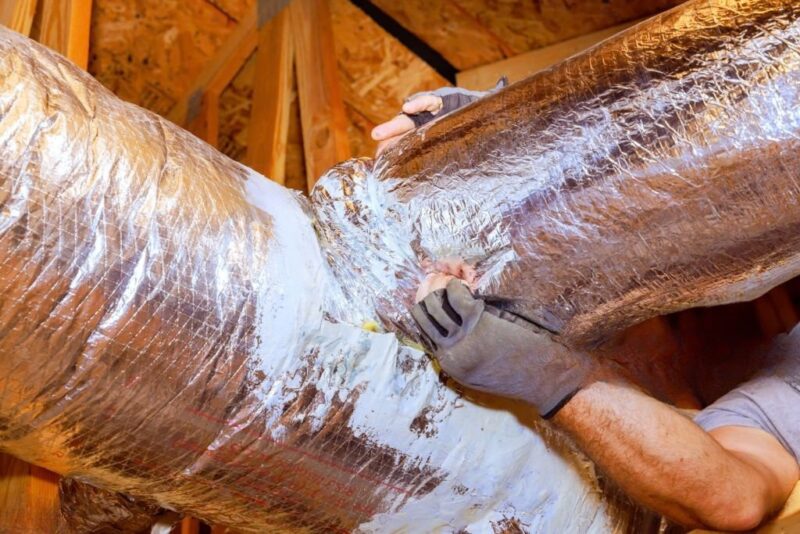
Duct insulation can become torn, compressed, deteriorated, displaced, or otherwise damaged over time. When duct insulation is inadequate, more heat may transfer between the duct and surrounding attic environment. Before adding building insulation, visible duct damage and insulation deficiencies should be evaluated so they are not simply concealed or made more difficult to access.
Duct Leakage and Energy Loss
Leaks at duct joints, connections, damaged sections, or other openings can allow conditioned air to escape before reaching the intended rooms. Depending on the location and system configuration, duct leakage can also draw unwanted air into the system. These issues can contribute to unnecessary HVAC energy use and comfort problems, but they require appropriate duct sealing or repair rather than additional attic insulation alone.
Maintaining Access to HVAC Equipment
Air handlers and other HVAC components located in an attic need adequate access for inspection, maintenance, and repair. Insulation should not obstruct service areas, access panels, drain components, electrical equipment, or safe pathways needed by technicians. Planning around HVAC equipment helps preserve serviceability while maintaining appropriate insulation coverage elsewhere in the attic.
Why Building Insulation Does Not Repair Duct Problems
Adding fiberglass, cellulose, spray foam, or other building insulation does not seal holes in ducts, reconnect separated sections, repair damaged duct insulation, or correct airflow problems. Even when an insulation upgrade changes attic temperatures, existing duct defects may remain. Ductwork should be inspected and repaired or replaced as appropriate instead of relying on building insulation to compensate for mechanical-system problems.
Evaluate Insulation and HVAC Systems Together
Because attic insulation, ductwork, and HVAC equipment can all influence home comfort and energy use, evaluating them together can provide a more complete picture. An assessment can consider the attic’s thermal boundary, insulation condition, duct location and visible condition, equipment access, air leakage, and cooling performance. This approach can help identify which improvements are actually needed instead of assuming that adding more attic insulation will resolve every comfort or efficiency concern.
14. Mixing Insulation Types Without a Plan
Using more than one type of attic insulation is not automatically a problem, but the materials should be combined as part of a deliberate insulation strategy. Adding a new layer without evaluating the existing insulation, thermal boundary, air leakage, moisture conditions, ventilation, and attic configuration can leave underlying problems unresolved. Compatibility and the performance of the entire assembly matter more than simply increasing the amount of insulation present.
Adding Blown-In Insulation Over Existing Materials
Blown-in fiberglass or cellulose may sometimes be installed over suitable existing insulation to increase thermal resistance or improve coverage. Before doing so, the existing material should be checked for moisture, contamination, pest damage, severe compression, and other deficiencies. Air leaks and ventilation pathways should also be evaluated because covering the attic floor with additional loose-fill material can make these areas more difficult to access later.
Combining Fiberglass and Loose-Fill Insulation
Fiberglass batts and loose-fill insulation can sometimes be used within the same attic when the assembly is appropriately designed. For example, loose-fill material may be added over suitable existing batts to increase coverage and thermal resistance. However, the underlying fiberglass should not be significantly compressed, wet, contaminated, or poorly installed, and the combined system should maintain required clearances and intended ventilation pathways.
Adding Spray Foam to an Existing Attic Assembly
Adding spray foam can represent a more significant change than simply installing another layer of conventional insulation. Applying foam at the roof deck, for example, may move the thermal and air boundaries from the attic floor toward the roofline and change how the attic manages heat, air, and moisture. Existing insulation, ventilation, ductwork, HVAC equipment, and the roof assembly should therefore be evaluated before introducing spray foam into an established attic system.
Moisture and Vapor Considerations
Different insulation materials have different vapor-permeability and moisture characteristics. Open-cell and closed-cell spray foam, for example, behave differently with respect to vapor movement, while fiberglass and cellulose have their own installation and moisture considerations. Combining materials without understanding how the overall assembly manages drying and moisture can create unintended conditions, particularly if an existing leak or condensation problem is already present.
Why Compatibility and Assembly Design Matter
The goal of an insulation upgrade is not simply to stack materials until a desired thickness is reached. The insulation types, air-control strategy, vapor characteristics, ventilation, roof assembly, and location of the thermal boundary should work together. A professional evaluation can help determine whether different insulation materials can be appropriately combined or whether existing conditions need to be corrected first. New insulation should enhance a suitable attic assembly, not conceal contamination, moisture damage, air leakage, or other unresolved problems underneath.
15. Using High Energy Bills as Proof of an Insulation Problem
A higher-than-expected energy bill may indicate that something in the home deserves attention, but it does not automatically mean the attic needs more insulation. Heating and cooling costs are influenced by the building envelope, HVAC system, ductwork, thermostat settings, outdoor conditions, utility rates, and household energy use. Before adding insulation, it is important to determine whether insufficient insulation is actually contributing to the increase.
Insufficient Insulation May Contribute to Energy Loss
Thin, missing, damaged, or uneven attic insulation can allow more heat to transfer between the attic and conditioned living spaces. In Florida, this may contribute to additional heat gain and increase the cooling load the air conditioning system must manage. Improving inadequate insulation can help reduce unwanted heat transfer, but the effect on utility bills will vary from home to home.
HVAC Efficiency and Condition
An aging, poorly maintained, or malfunctioning HVAC system may consume more energy even when the home has adequate insulation. Dirty filters, restricted airflow, worn components, equipment problems, and system efficiency can all influence energy consumption. HVAC performance should therefore be considered alongside attic insulation when investigating higher cooling or heating costs.
Duct Leakage
Leaking or damaged ductwork can allow conditioned air to escape before it reaches the intended rooms. Ducts running through a hot attic may also experience heat gain when their insulation is damaged or inadequate. Adding more building insulation does not repair duct leaks, so the duct system may need separate evaluation when energy use appears unusually high.
Thermostat Settings
Thermostat settings can have a significant effect on heating and cooling demand. Maintaining a greater temperature difference between indoors and outdoors generally requires the HVAC system to do more work. Changes in schedules, temperature preferences, or thermostat programming may therefore contribute to higher energy use even when the attic insulation has not changed.
Weather and Utility Rates
Energy bills can increase because of factors unrelated to the condition of the home. Extended periods of hot weather may increase cooling demand, while changes in electricity rates can raise the total bill even if household energy consumption remains similar. Comparing both energy usage and utility rates can provide more context than looking only at the final dollar amount.
Household Energy Consumption
HVAC equipment is not the only source of household energy use. Water heating, appliances, lighting, electronics, pool equipment, and changes in occupancy or daily routines can all affect monthly consumption. A higher bill may therefore reflect increased energy use elsewhere in the home rather than an attic insulation problem.
Why the Cause Should Be Evaluated Before Reinsulating
Adding insulation without identifying the source of increased energy use may result in an upgrade that does not address the actual problem. An evaluation can consider insulation coverage and condition, air leakage, ductwork, HVAC performance, thermostat settings, and other relevant factors. Identifying where energy may be lost or consumed unnecessarily helps homeowners choose improvements based on the home’s actual needs rather than assuming more insulation is always the answer.
16. Assuming Long AC Runtime Means the Attic Needs More Insulation
An air conditioner that runs for extended periods may lead homeowners to suspect inadequate attic insulation, especially during Florida’s warmer months. Insufficient insulation can increase unwanted heat transfer and contribute to cooling demand, but AC runtime alone does not reveal the cause. Equipment design, outdoor conditions, thermostat settings, humidity, airflow, ductwork, system sizing, and HVAC condition can all influence how long the system operates.
How Insulation Can Affect Cooling Demand
Attic insulation helps slow heat transfer from hot attic or roof areas toward conditioned living spaces. When insulation is missing, damaged, compressed, or insufficient, the HVAC system may have more heat to remove to maintain the thermostat setting. Correcting insulation deficiencies can reduce part of this cooling load, but it does not guarantee noticeably shorter AC cycles.
Why HVAC Runtime Depends on Many Factors
Air conditioner runtime can change based on outdoor temperature, indoor temperature settings, humidity, equipment capacity, home construction, solar exposure, airflow, and other conditions. Longer operation during particularly hot weather may not necessarily indicate a problem. Runtime needs to be considered alongside system performance and indoor conditions rather than evaluated by itself.
Variable-Speed and Staged HVAC Systems
Some modern HVAC systems are designed to operate for longer periods at lower capacities rather than repeatedly turning on and off at full output. Variable-speed and staged equipment can adjust operation according to the home’s cooling needs. As a result, extended runtime may be part of normal system operation and should not automatically be interpreted as evidence of inadequate insulation.
Airflow and Ductwork Problems
Restricted airflow or duct problems can affect HVAC performance and comfort. Dirty filters, duct leakage, damaged ductwork, airflow imbalance, or other distribution issues may prevent conditioned air from reaching rooms effectively. Adding attic insulation will not correct these mechanical or distribution problems, so the HVAC and duct systems may need separate evaluation.
Equipment Sizing and Condition
The size and condition of the air conditioning system can also influence runtime. Equipment that is not appropriately sized for the home’s cooling load may operate differently from a properly matched system, while worn components or maintenance issues can affect performance. Insulation upgrades cannot repair mechanical faults or compensate for every equipment-sizing concern.
Why Runtime Alone Cannot Diagnose an Insulation Problem
Long AC runtime is a symptom with several possible explanations, not a diagnosis of inadequate attic insulation. Determining the cause may require evaluating insulation coverage and condition alongside air leakage, ductwork, airflow, HVAC performance, equipment sizing, thermostat settings, and outdoor conditions. This broader approach helps homeowners address the actual source of excessive cooling demand rather than adding insulation that may not be needed.
17. Assuming Old Insulation Automatically Needs Replacement
Older attic insulation does not necessarily need to be removed and replaced simply because of its age. What matters more is whether the material remains dry, clean, properly installed, and capable of providing appropriate thermal resistance. Before planning a complete replacement, homeowners should evaluate the insulation’s coverage, depth, condition, and any signs of moisture, contamination, compression, or settlement.
Insulation Age vs Insulation Condition
Insulation does not have a universal expiration date that determines when it must be replaced. Different materials can remain functional for extended periods when they are protected from moisture, pests, physical damage, and significant disturbance. Conversely, relatively new insulation may perform poorly if it was improperly installed, compressed, contaminated, or exposed to water.
Checking Coverage and Depth
Existing insulation should be examined for consistent coverage across the intended thermal boundary. Thin areas, exposed sections, gaps, or insufficient depth may reduce thermal performance even when much of the insulation remains in good condition. For materials such as loose-fill fiberglass or cellulose, installed depth is also an important factor in determining whether the existing insulation provides the desired thermal resistance.
Looking for Moisture Damage
Roof leaks, plumbing leaks, condensation, and other moisture sources can affect insulation and surrounding attic materials. Damp, stained, or visibly water-damaged areas should be investigated before new insulation is installed. The moisture source needs to be corrected first, after which the affected insulation can be evaluated to determine whether it should remain or be replaced.
Checking for Pest Contamination
Rodents and other pests can disturb insulation and leave behind waste, nesting materials, or other contamination. Significant pest activity may make removal of affected insulation appropriate, regardless of its age. The pest problem and entry points should also be addressed before new insulation is installed to reduce the likelihood of recurring damage.
Identifying Compression or Settlement
Fiberglass insulation may lose some thermal performance when significantly compressed, while loose-fill materials can settle or become displaced over time. These conditions may create uneven insulation depths and thermal weak points across the attic. An evaluation can determine whether affected areas can be corrected or supplemented rather than assuming the entire insulation system requires replacement.
When Supplementing May Be More Appropriate Than Replacing
If existing insulation is clean, dry, compatible, and generally in good condition but does not provide sufficient thermal resistance, adding appropriate insulation may be more practical than removing everything and starting over. Before supplementing, air leakage, moisture, ventilation, pest activity, and existing insulation deficiencies should still be addressed. Evaluating the attic first helps determine whether adding, repairing, or replacing insulation is the most appropriate approach for the home.
18. Attempting a DIY Installation Without Understanding the Attic Assembly
Attic insulation may appear straightforward, but proper installation requires more than spreading or placing material across the attic. The installer needs to understand the home’s thermal and air boundaries, ventilation strategy, insulation requirements, electrical components, moisture conditions, and HVAC or ductwork locations. Without this broader understanding, a DIY project can leave gaps, block ventilation, conceal existing problems, or create unnecessary safety concerns.
Why Attics Can Be Difficult Workspaces
Attics often have limited headroom, restricted visibility, high temperatures, exposed framing, and difficult-to-reach areas. Loose-fill insulation can also conceal framing and other components beneath the surface. These conditions can make moving around and achieving consistent insulation coverage more challenging than the project may initially appear.
Electrical and Structural Hazards
Wiring, junction boxes, recessed fixtures, HVAC equipment, and other electrical components may require specific treatment or clearances during insulation work. Attic floors may also lack continuous load-bearing surfaces, making it unsafe to assume every visible or insulated area can support a person’s weight. Electrical or structural concerns should be addressed by appropriately qualified professionals rather than worked around without proper evaluation.
Choosing the Correct Insulation and R-Value
Fiberglass, cellulose, blown-in products, open-cell spray foam, and closed-cell spray foam have different characteristics and installation requirements. The appropriate material and R-value depend on the attic design, existing insulation, climate, available space, intended thermal boundary, and applicable requirements. Selecting insulation based only on price or a generic R-value recommendation can result in an unsuitable strategy.
Maintaining Ventilation and Clearances
A DIY insulation project can unintentionally block soffit vents, cover components requiring access, or reduce required clearances around certain electrical and heat-producing fixtures. In a vented attic, intended airflow pathways need to remain open. Unvented assemblies require a different approach, so homeowners should understand the existing attic design before changing insulation placement or ventilation.
Achieving Consistent Coverage
Insulation performs best when it provides consistent thermal resistance across the intended boundary. Gaps, thin sections, compressed batts, uneven loose-fill depth, and missed areas around framing can create thermal weak points. Professional installation can help ensure the material is fitted or distributed according to product specifications while accounting for attic obstructions and required clearances.
When Professional Installation Is the Safer Choice
Professional assistance is particularly valuable when the attic contains moisture damage, pest contamination, questionable wiring, HVAC equipment, damaged ductwork, difficult access, or an unclear ventilation strategy. Spray foam and substantial changes to the attic’s thermal boundary also warrant careful professional evaluation. An experienced contractor can assess existing conditions before installation and help select an insulation approach that works with the attic assembly rather than simply adding more material.
How Poor Attic Insulation Installation Can Affect Energy Efficiency
Attic insulation can support home energy efficiency by limiting unwanted heat transfer between the attic and conditioned living spaces. However, the material needs to be installed correctly to provide the intended thermal resistance. Gaps, compression, insufficient depth, uneven coverage, and unresolved air leakage can reduce performance and potentially increase the amount of cooling the home requires.
Increased Heat Transfer
Insulation slows the movement of heat through the building assembly. When attic insulation is missing, insufficient, damaged, or improperly installed, more heat may transfer through affected areas. In Florida’s warm climate, this can allow additional heat from the roof and attic to move toward the conditioned spaces below.
Thermal Weak Points
Gaps, thin areas, compressed insulation, and poorly fitted materials can create sections with less thermal resistance than the surrounding attic. These thermal weak points allow heat to move more readily through specific areas of the building envelope. Consistent insulation coverage helps reduce these weak spots and supports more uniform thermal performance.
Uncontrolled Air Leakage
Air leakage can also affect energy efficiency, but insulation and air sealing should not be treated as the same thing. Conventional fiberglass and loose-fill insulation primarily resist heat transfer and may not stop air moving through gaps and penetrations. Unsealed openings between the attic and conditioned space can therefore contribute to unnecessary energy use even when substantial insulation is present.
Increased Cooling Demand
When excessive heat transfer or uncontrolled air leakage adds to the home’s cooling load, the air conditioning system may have more heat and, in some cases, moisture to manage. Correcting appropriate insulation and air-sealing deficiencies can help reduce unnecessary cooling demand. However, HVAC operation also depends on weather, equipment performance, thermostat settings, ductwork, and other factors.
Why Higher Energy Bills Are Not Guaranteed
Poor attic insulation can contribute to inefficient energy use, but it does not guarantee that a homeowner will see a specific increase in utility costs. The effect depends on the severity of the insulation deficiencies, outdoor conditions, HVAC efficiency, utility rates, household habits, and other characteristics of the home. Likewise, correcting insulation problems should not be presented as guaranteeing a particular amount of savings.
Other Factors That Influence Household Energy Use
Insulation is only one part of a home’s overall energy performance. HVAC efficiency and condition, duct leakage, thermostat settings, windows, air leakage, water heating, appliances, lighting, pool equipment, weather, occupancy, and electricity rates can all influence energy consumption or monthly costs. Evaluating these factors alongside attic insulation provides a more complete picture when homeowners are trying to understand changes in energy use.
Why Port Charlotte Homeowners Trust Dale’s AC
Attic insulation is only one part of creating a comfortable, energy-efficient home. At Dale’s Air Conditioning & Heating, we look at how insulation works alongside the HVAC system, ductwork, air leakage, ventilation, and other conditions that can influence indoor comfort. Our experience serving Southwest Florida helps us provide recommendations based on the needs of each home rather than assuming the same insulation solution is right for everyone.
Serving Southwest Florida Since 1974
Dale’s AC has served Port Charlotte and surrounding Southwest Florida communities since 1974. Over the decades, we have worked with homeowners facing a wide range of cooling, ductwork, indoor comfort, and attic insulation concerns. That local experience helps us understand the types of conditions Southwest Florida homes and HVAC systems regularly encounter.
Experience With Florida Attics
Florida attics can present challenges involving substantial roof heat gain, ductwork located outside the conditioned space, ventilation, moisture, and existing insulation that has settled, shifted, or been damaged. Our team evaluates the attic before recommending improvements so we can identify issues that may need attention rather than simply adding more insulation.
Understanding Florida Heat and Humidity
Southwest Florida’s climate makes heat and moisture important considerations when evaluating an attic. Insulation can help limit unwanted heat transfer, but it does not control indoor humidity or correct moisture problems by itself. We consider insulation together with air leakage, ventilation, HVAC operation, and other relevant conditions to help determine an appropriate approach for the home.
HVAC and Building-Envelope Experience
Because Dale’s AC works with both HVAC systems and attic insulation, we can consider how the building envelope interacts with the home’s heating and cooling equipment. Insulation deficiencies may contribute to cooling demand, but duct leakage, airflow problems, equipment condition, and other factors can produce similar symptoms. Looking at these systems together helps avoid assuming insulation is responsible for every comfort or efficiency concern.
Recommendations Based on Your Home
Every attic and HVAC system is different, so we base our recommendations on the conditions we find. We consider existing insulation type and coverage, air leakage, moisture concerns, attic design, ductwork, HVAC equipment, and other relevant factors before recommending an insulation strategy. Whether the existing material can remain, needs to be supplemented, or requires more extensive work depends on the home rather than a one-size-fits-all rule.
FAQs About Common Attic Insulation Mistakes
Can Attic Insulation Cover Soffit Vents?
No. In a conventional vented attic, insulation should not block soffit vents or the intended airflow pathway from the eaves into the attic. Baffles or vent chutes may be used where appropriate to help keep insulation out of these ventilation channels. Because attic designs vary, the existing ventilation strategy should be identified before insulation is added.
Should Attic Insulation Touch the Roof?
It depends on the attic design. In many conventional vented attics, insulation is installed at the attic floor rather than directly against the roof deck. Certain unvented assemblies may use insulation, including appropriately selected spray foam, at the roofline. Changing the location of the thermal boundary requires careful consideration of ventilation, moisture, roof construction, and HVAC conditions.
Should Pest-Damaged Insulation Be Removed?
Significantly damaged or contaminated insulation may need to be removed, but the appropriate response depends on its condition and the extent of the pest activity. Pest waste, nesting materials, displaced insulation, and contamination should be evaluated before new material is installed. Active pests and entry points should also be addressed to help prevent the problem from recurring.
Does Old Attic Insulation Always Need to Be Replaced?
No. Age alone does not determine whether attic insulation needs replacement. Existing insulation that remains clean, dry, properly installed, and in suitable condition may continue to provide useful thermal resistance. Coverage, depth, moisture exposure, pest contamination, compression, settlement, and overall condition are more useful factors to evaluate.
Can Poor Attic Insulation Cause High Energy Bills?
Insufficient or poorly installed attic insulation can contribute to increased energy use by allowing additional heat transfer between the attic and conditioned living areas. However, high energy bills can also be influenced by HVAC efficiency, duct leakage, thermostat settings, weather, utility rates, appliances, and household energy habits. Insulation should therefore be evaluated as one possible contributing factor rather than assumed to be the sole cause.
Does More Attic Insulation Always Lower Energy Bills?
No. Adding appropriate insulation may help reduce unwanted heat transfer when the existing insulation is insufficient, but it does not guarantee lower utility bills or a specific amount of savings. Additional insulation also will not correct problems such as duct leakage, HVAC malfunctions, uncontrolled air leakage, or changing utility rates.
Is DIY Attic Insulation a Good Idea?
DIY installation may be possible in some straightforward situations, but attic work can involve electrical components, ventilation pathways, difficult access, structural hazards, moisture problems, ductwork, and specific insulation requirements. Professional assistance is especially worth considering when the attic assembly is complicated, existing problems are present, or spray foam and major changes to the thermal boundary are being considered.
When Should I Have My Attic Insulation Professionally Evaluated?
Consider a professional evaluation when insulation appears wet, contaminated, compressed, displaced, uneven, or insufficient, or when you are planning a substantial insulation upgrade. An assessment can also be helpful when rooms have persistent comfort problems or energy use has changed without an obvious explanation. A professional can evaluate the insulation alongside air leakage, ventilation, moisture conditions, ductwork, and HVAC equipment to determine what improvements may actually be appropriate.
Insulate Smarter, Not Harder. Call Dale’s AC!
Proper attic insulation involves more than simply adding material until the attic reaches a certain depth. Coverage, R-value, air sealing, ventilation, moisture conditions, ductwork, electrical components, and the existing attic design all need to work together. Whether you are considering new attic insulation in Port Charlotte or evaluating existing insulation, identifying problems before adding more material can help you avoid covering up air leaks, moisture damage, pest contamination, or HVAC issues that require separate attention.
At Dale’s AC as a leading HVAC company in Port Charlotte, we can evaluate your attic and HVAC system together and recommend improvements based on what your home or business actually needs. Along with attic insulation in Port Charlotte, we offer AC maintenance in Port Charlotte, AC installation in Port Charlotte, AC replacement in Port Charlotte, air conditioning repair in Port Charlotte, Indoor air quality in Port Charlotte, residential HVAC services in Port Charlotte, and Commercial HVAC services in Port Charlotte. We also offer financing options for qualifying projects. If you are unsure whether your insulation needs to be added, repaired, or replaced, call us at (941) 629-1712 or contact us to schedule an evaluation and find the right approach for your property.